Inspiration
What it does
How we built it
Challenges we ran into
Accomplishments that we're proud of
What we learned
What's next for Integrated Soil Sensor with AI for Smart Crop Recommendation
🌱 About the Project
In Rwanda, a significant number of farmers rely on traditional knowledge to decide when and what to plant, often leading to poor yields due to unpredictable weather and unsuitable soil conditions. This reality inspired us to create a smart agriculture solution—an integrated system that uses soil sensors and AI to provide accurate crop recommendations tailored to real-time environmental data.
Our vision is to empower smallholder farmers with affordable, accessible, and intelligent technology that improves productivity, ensures food security, and supports sustainable agriculture.
💡 What Inspired Us
We were inspired by the struggles of farmers in our communities—especially after witnessing crops fail due to a lack of accurate soil and weather information. Our goal was to bring the power of AI and IoT to their hands in a simple, affordable way.
🧠 What We Learned
Throughout this project, we learned:
How to calibrate different types of soil sensors to read pH, moisture, and temperature accurately.
How to collect and preprocess sensor data for machine learning models.
How to use AI models to recommend suitable crops.
The importance of user-friendly interfaces for farmers with limited tech literacy.
How to handle challenges such as connectivity, power supply in rural areas, and real-time weather integration.
🛠️ How We Built It
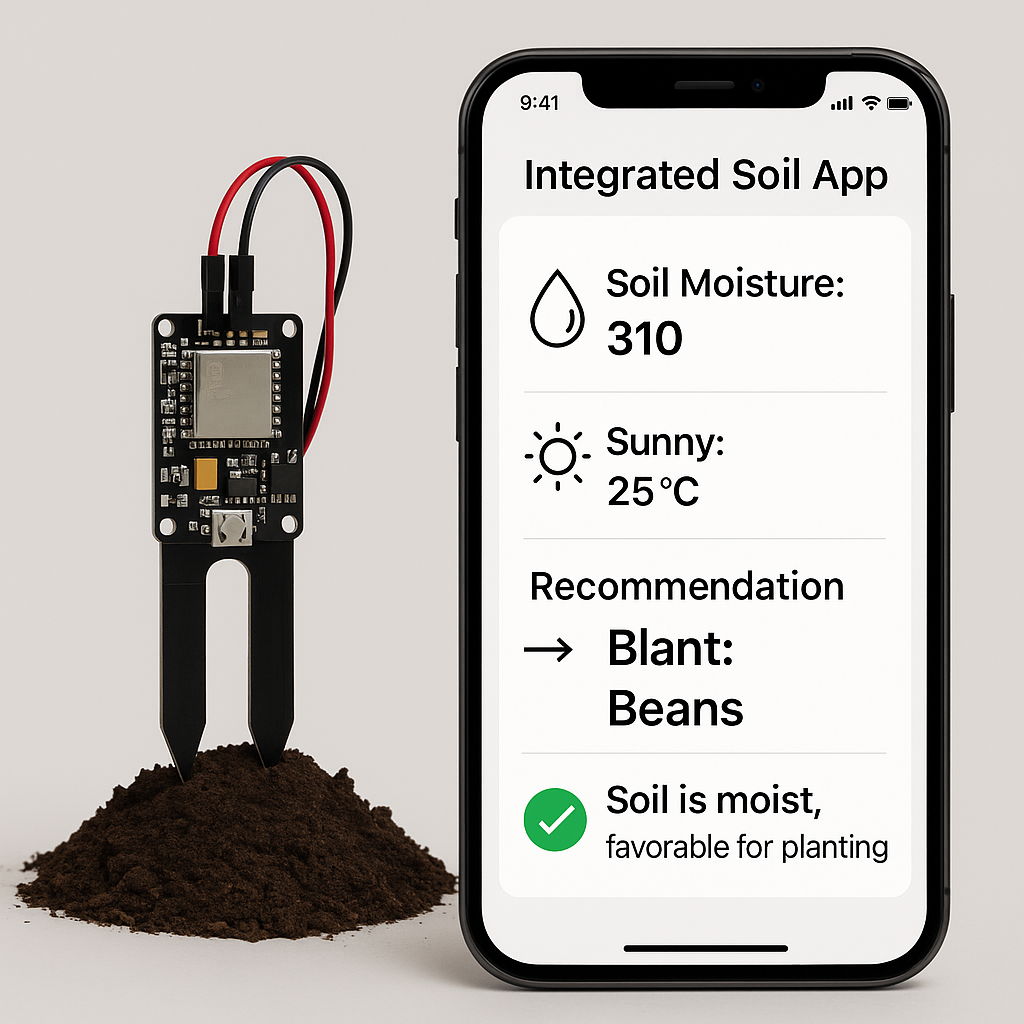
We built a prototype device using ESP32, which connects to soil sensors and a cloud-based AI system. The system reads data like soil pH, moisture, and temperature, then combines it with real-time weather information (via APIs). The data is processed using an AI recommendation model trained on soil-crop compatibility datasets.
The result: farmers receive simple recommendations on what to plant and when, through a mobile-friendly dashboard.
⚠️ Challenges We Faced
Sensor accuracy: Ensuring correct calibration in varying soil types.
Power management: Designing the device to use low energy for off-grid usage.
Connectivity: Some rural areas lack consistent internet access.
Farmer training: Bridging the gap between tech and practical farming knowledge.
Despite the challenges, we now have a functional prototype and a roadmap to scale the system across Rwanda and beyond.
🔧 Built With
Programming Languages: Python, C++
Microcontroller Platform: ESP32 (Wrover)
Sensor Modules:
Soil Moisture Sensor
Soil pH Sensor
Soil Temperature Sensor
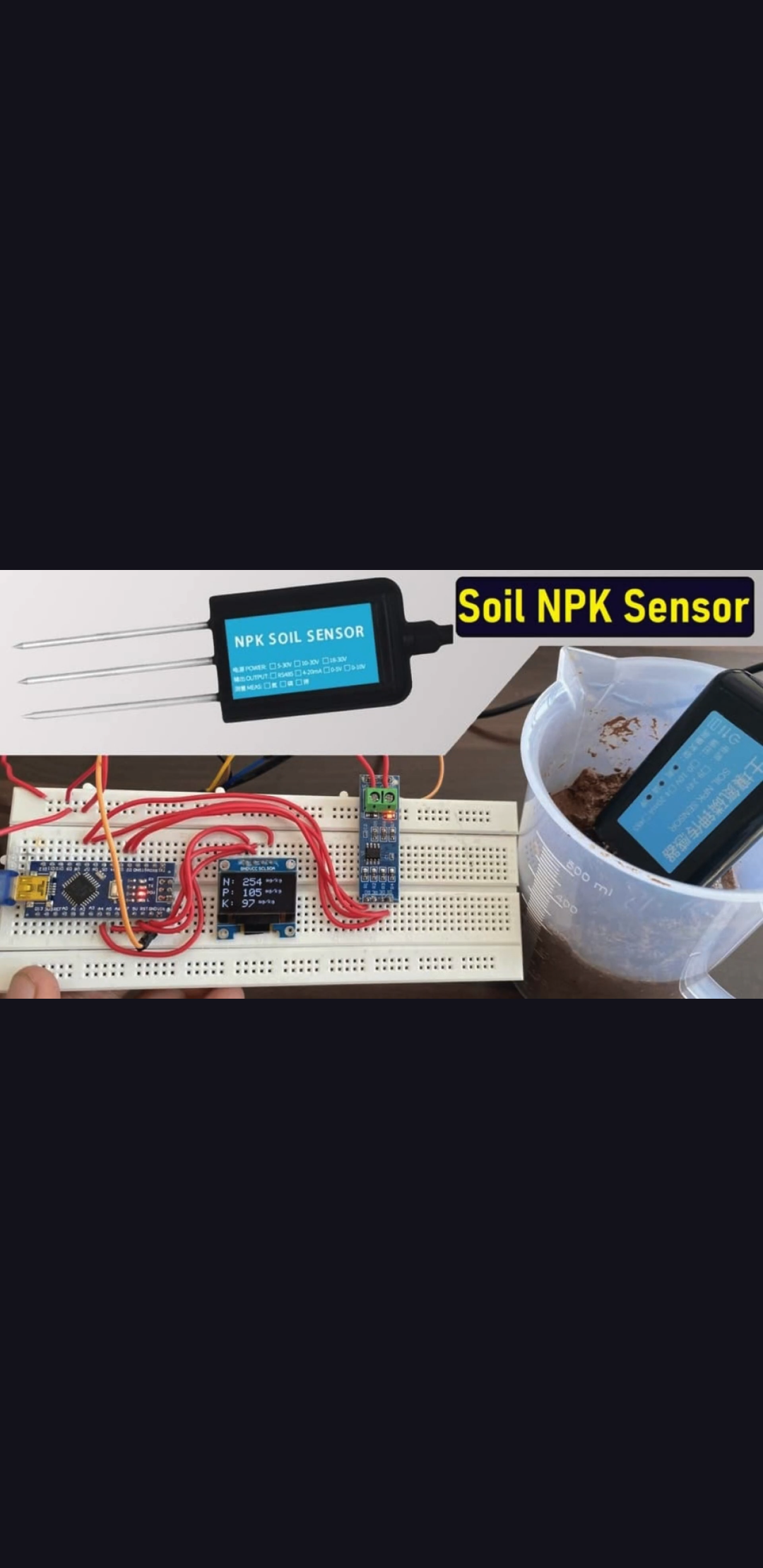
NPK Sensor
DHT22 (Air Temp/Humidity)
Machine Learning/AI:
TensorFlow Lite
Scikit-learn
Weather Integration: OpenWeatherMap API
Mobile & Web App Interface:
Flutter (for mobile app)
Firebase (for user auth and data storage)
Database: Firebase Realtime DB / Firestore
Cloud Services: Google Cloud / AWS IoT Core
Communication: Blynk IoT platform for prototype alerts
UI/UX Design: Canva, Figma
Built With
- blynk

Log in or sign up for Devpost to join the conversation.