-
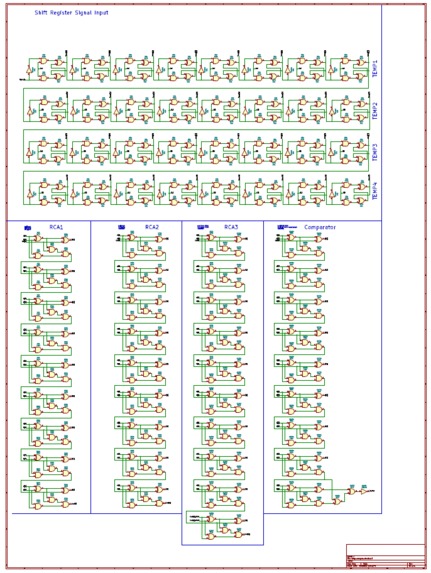
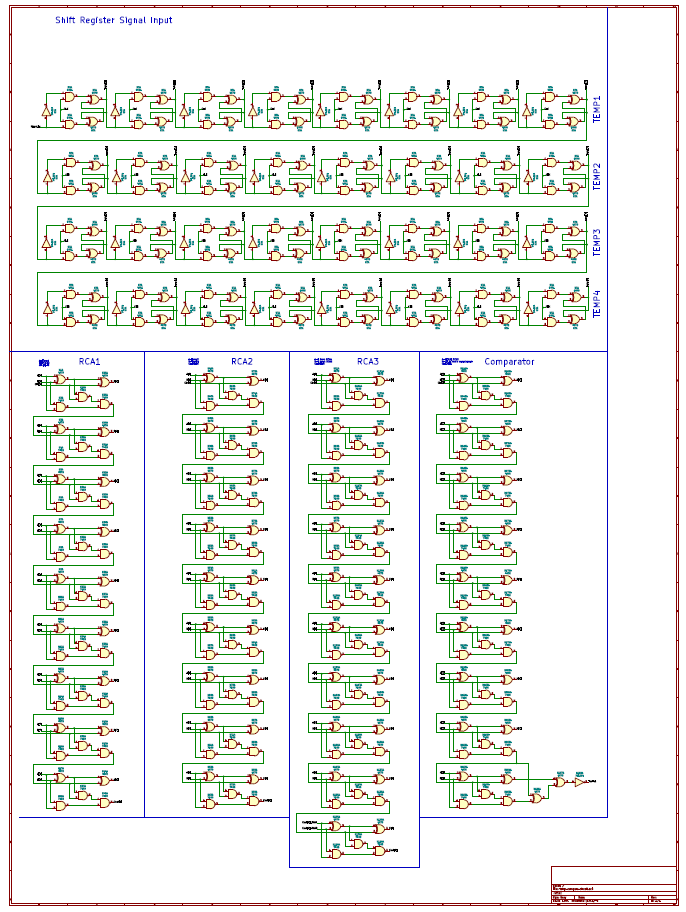
Gate level schematic for system
-
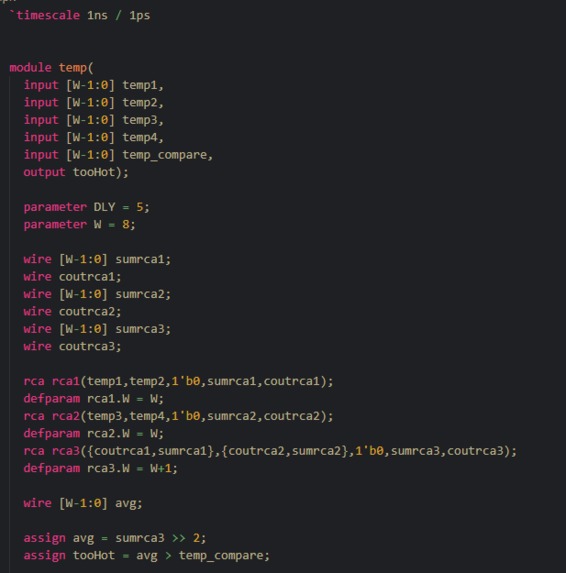
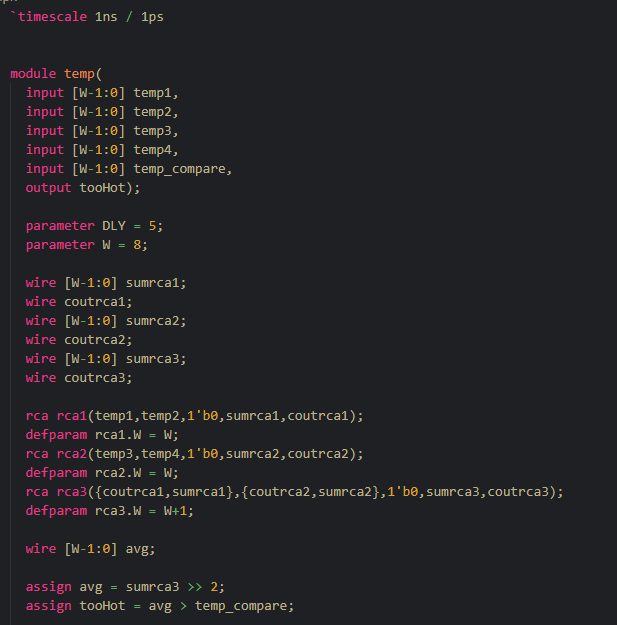
Verilog snip for temperture comparison module
-
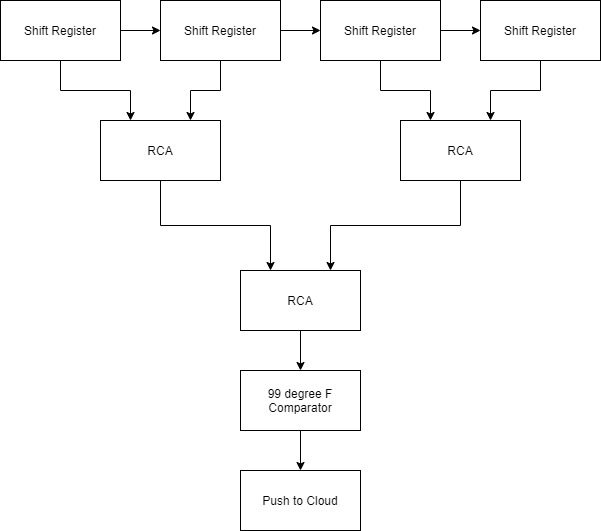
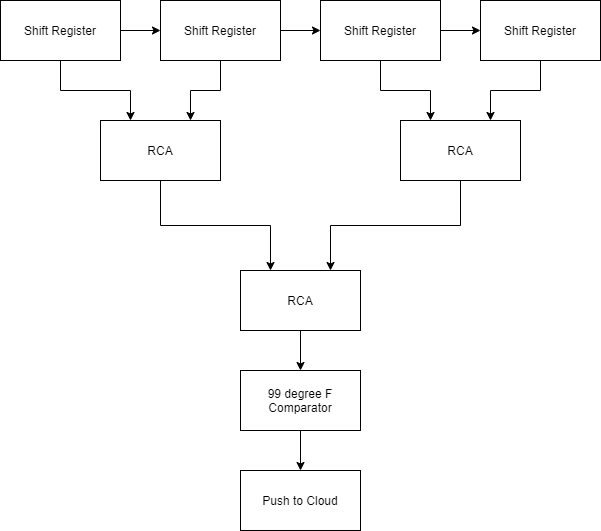
Block diagram for circuit
-
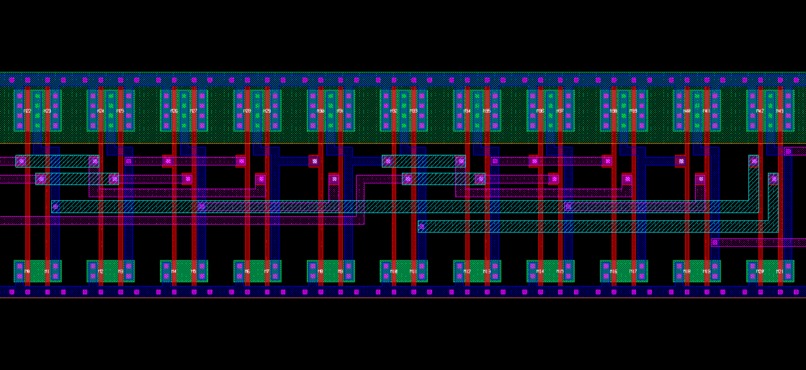
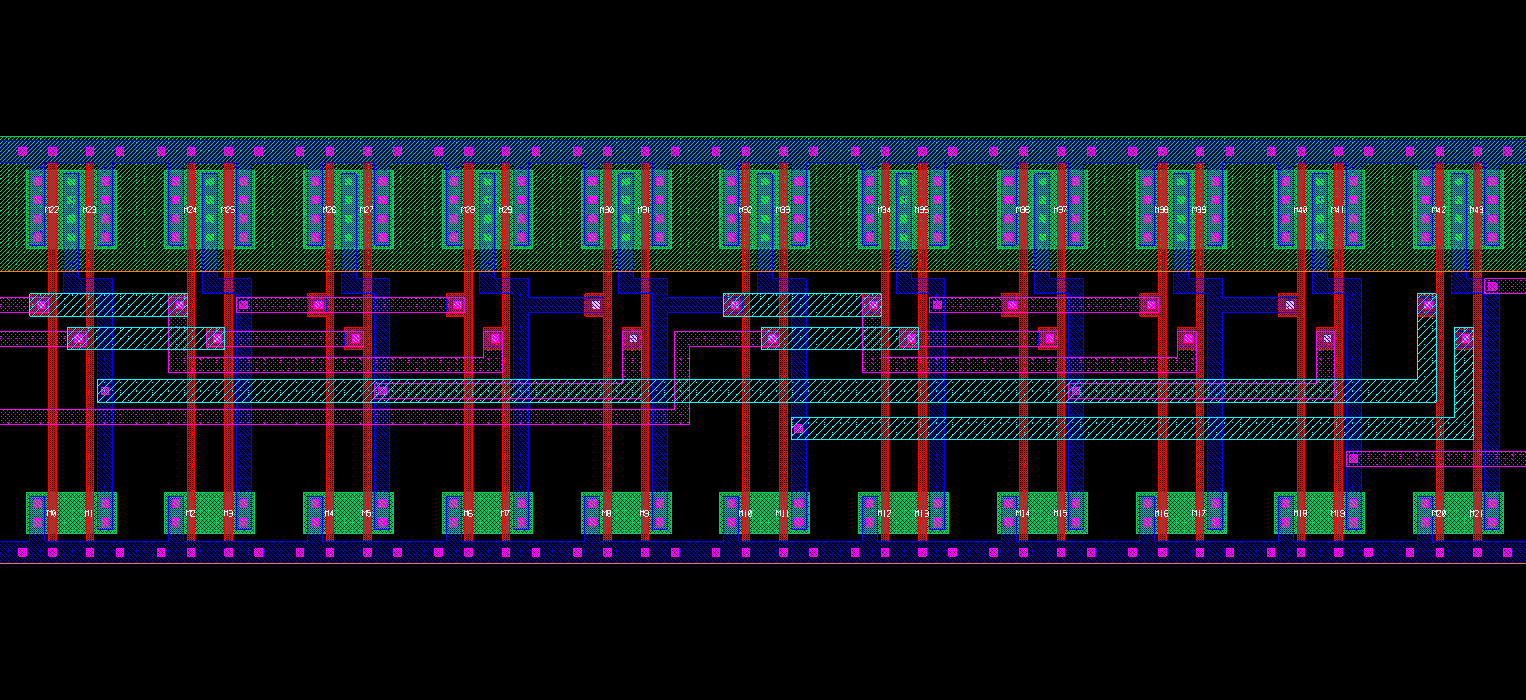
IC layout for full adder
Please look at our project website: https://sites.google.com/view/asic-sars-cov2/home
GitHub: https://github.com/ThomasJagielski/whack-2020
Inspiration
COVID-19 has impacted every segment of life including trade & commerce, education, economy, transport & tourism, employment, entertainment, and food security. Thousands have lost their family, friends, and loved ones. Through this project we not only want to offer an efficient solution to monitor symptoms, but also to put forth the idea of disease related transparency in workplace and beyond. The cloud-based solution not only ensures that all of the health data is recorded, but also that anyone working with you can access it for their reference. Walking into a food store, we can feel at peace by having access to all of the symptom data for people currently in the store area. This promotes the feeling of communal well-being and we "offer care" to everyone through the use of Cloud.
What it does
We created a circuit that will take input temperature readings, average them, and compare them to a threshold temperature used to check for a fever. By doing this, our system could be integrated with reporting system databases used by many companies and universities. Thus, the process by which these institutions report and track coronavirus symptoms would be made easier through the implementation of our system.
How I built it
-We implemented and tested our circuit with Verilog.
-Our block diagram was created in diagrams.net.
-Our gate level schematic was implemented with KiCad.
-Our IC standard cell library was created with GLADE.
Challenges I ran into
We had difficulty implementing various types of adders within our Verilog modules. We also had difficulty optimizing the circuit for transistor count and design efficiency.
Accomplishments that I'm proud of
We are happy to have applied what we know in a practical and impactful context that the world currently faces, by creating a functional circuit that will detect COVID symptoms. This kind of technology, if implemented widescale, could help our economies recover and push the world towards a more normal lifestyle.
What I learned
We learned about make files, IC development process, furthered our understanding of Verilog implementations of circuits, and increased our digital circuit design skills.
What's next for Integrated Circuit Design for COVID Symptom Detection
We would like to implement our system on a FPGA as a way to push our product out into the world. We would like to make an open source project that allows for anyone (company, university, etc.) to implement our system easily and modify it for their specific application.
Built With
- glade
- kicad
- verilog


Log in or sign up for Devpost to join the conversation.