-
Website
-
-
-
-
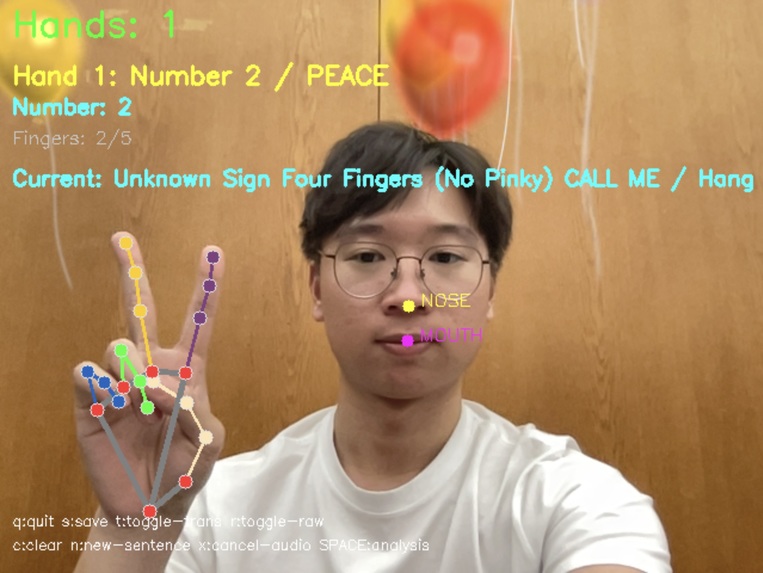
-
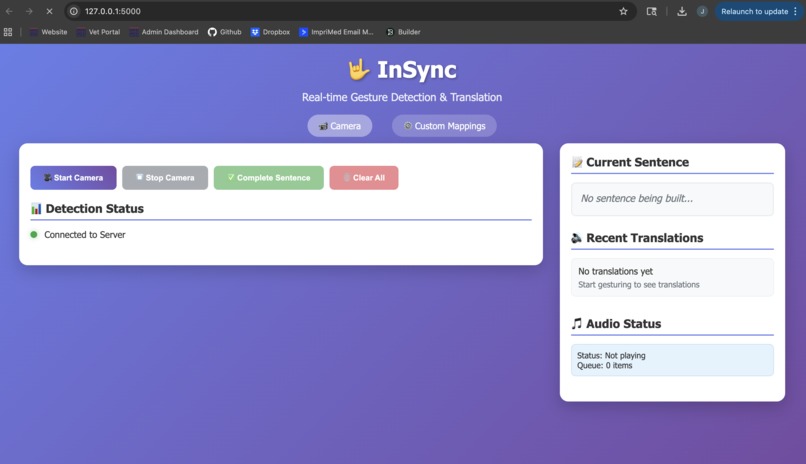
Frontend
-
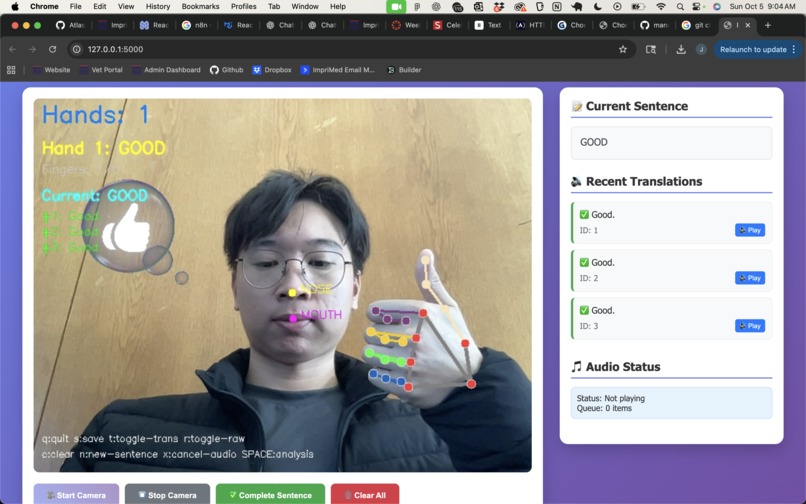
-
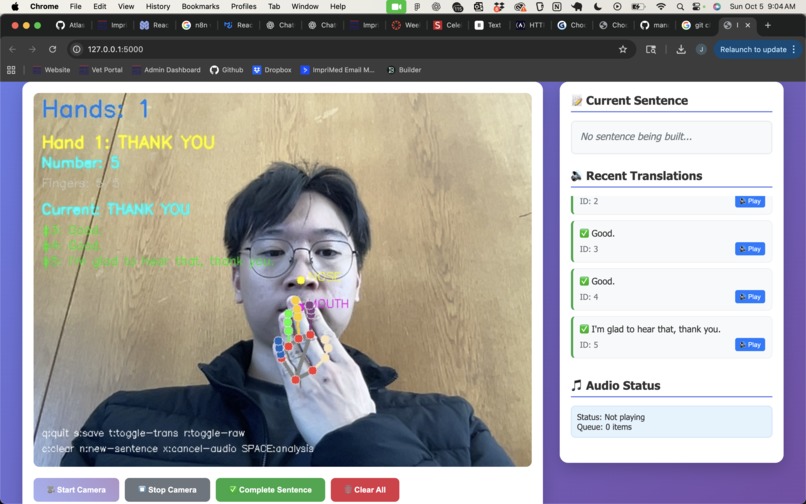
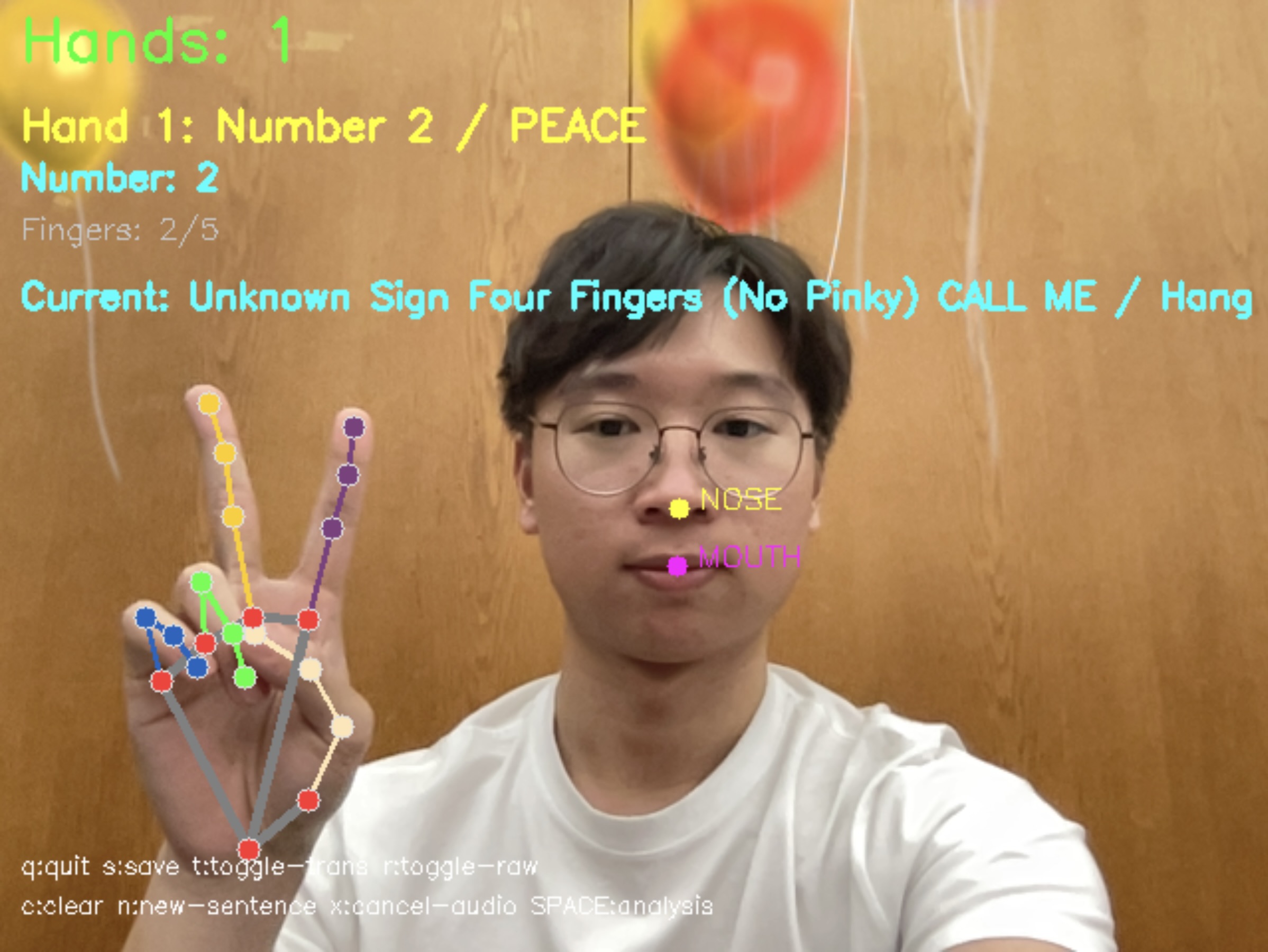
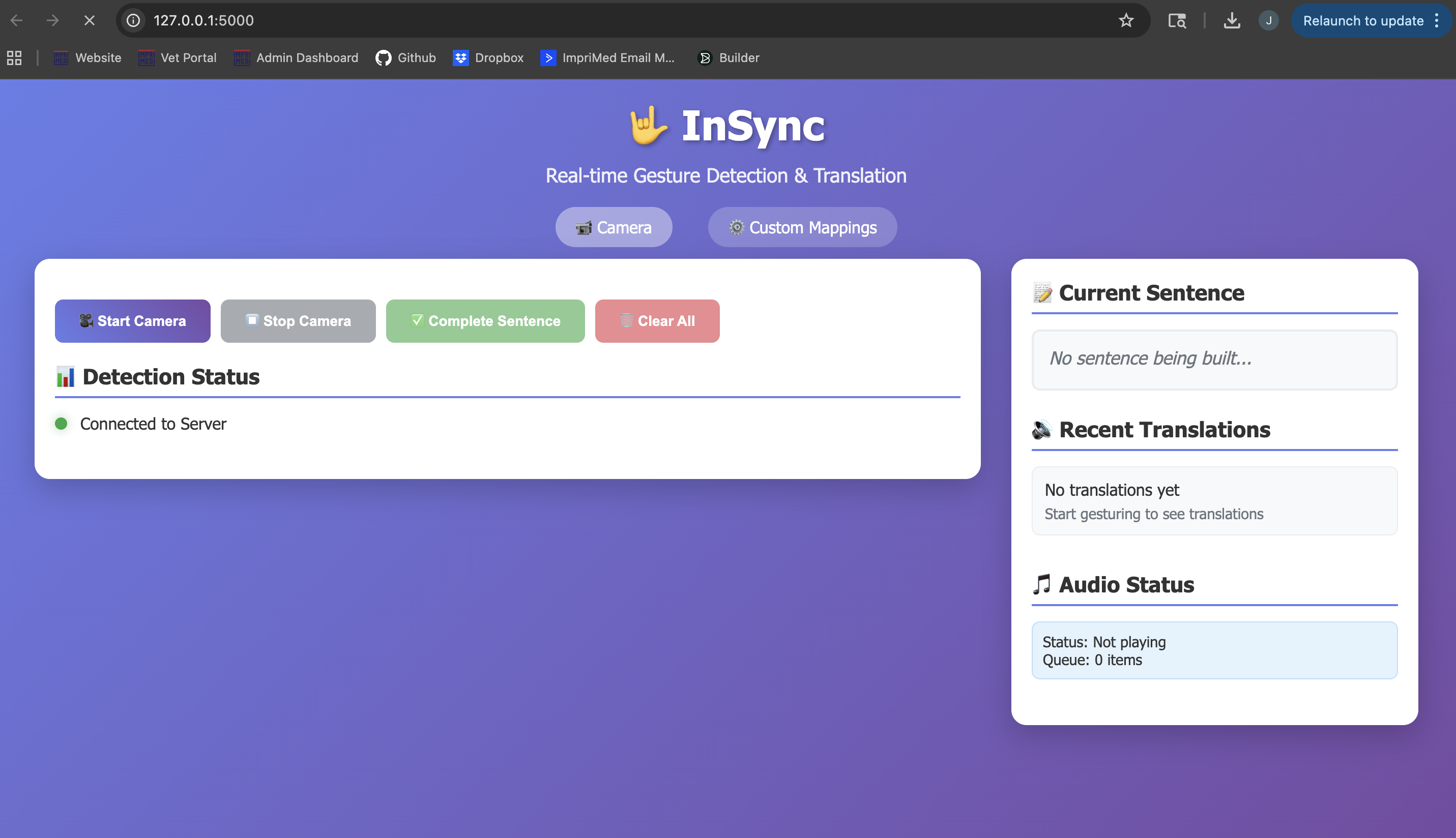
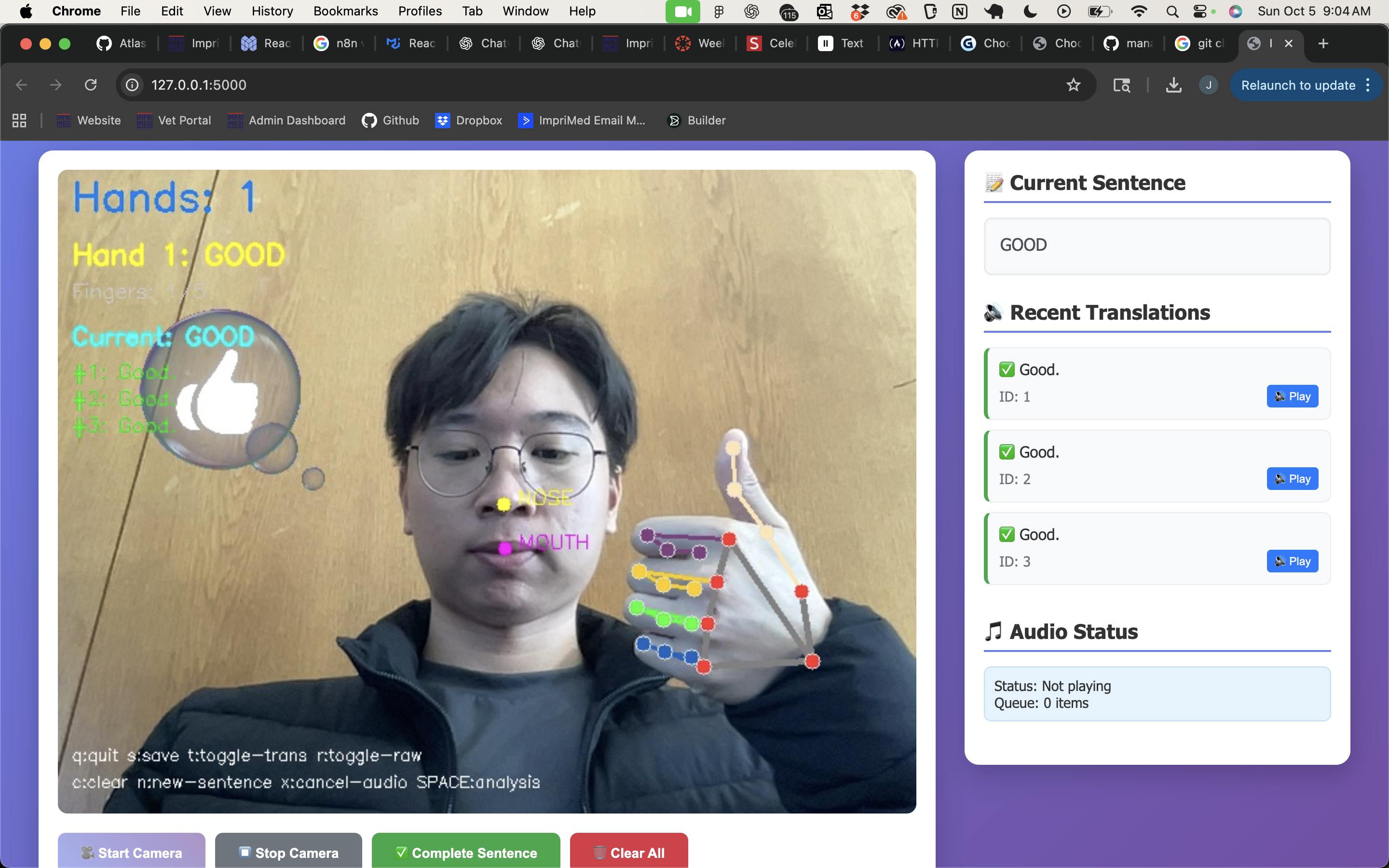
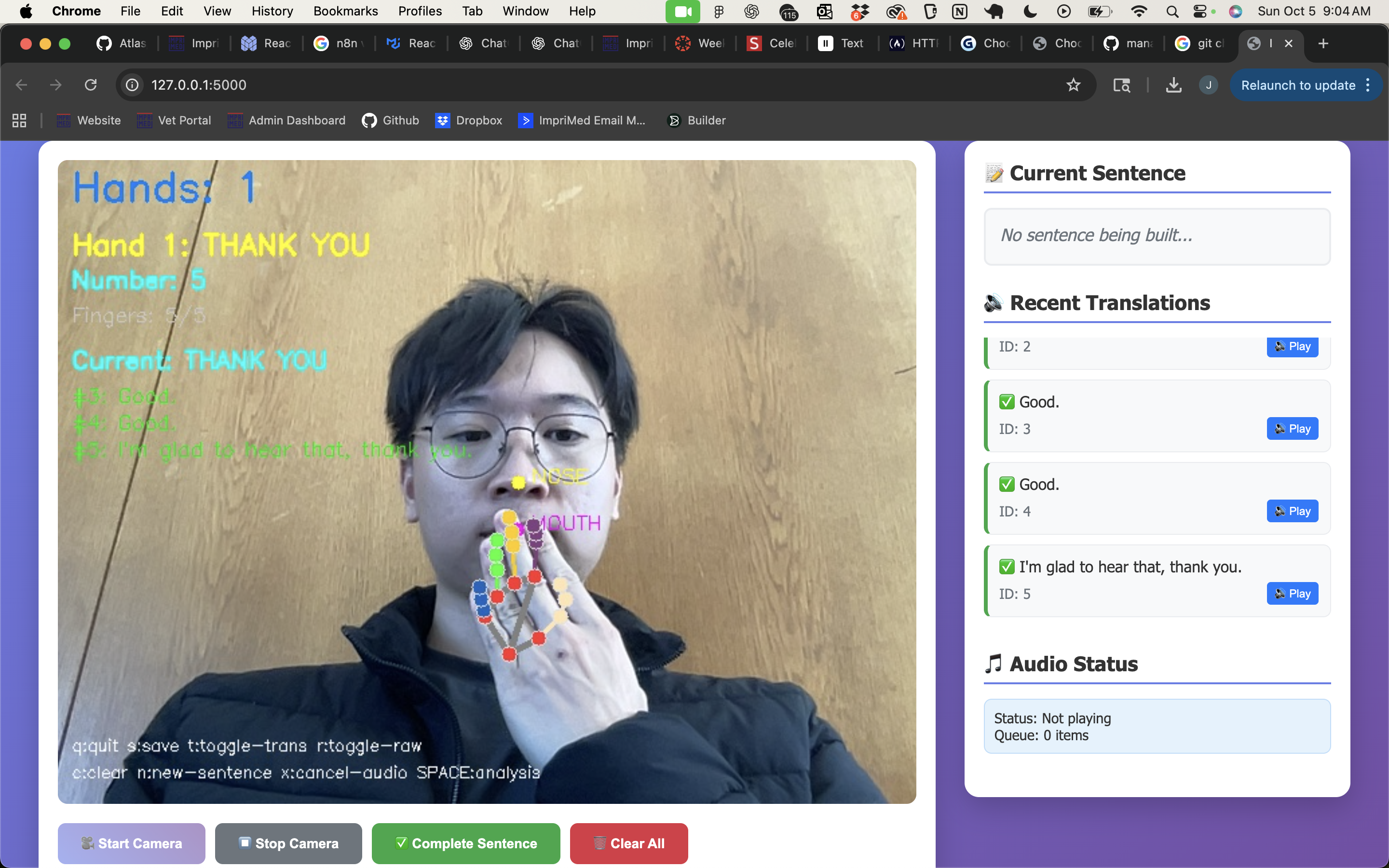
Example of autocompleted sentence
Backstory
Growing up in a conservative Asian culture, I often felt that self-expression wasn’t something people around me valued deeply. Speaking up in class, sharing opinions openly, or even just saying how I truly felt often felt like things I had to hold back. Culturally, being quiet, reserved, and agreeable was seen as more proper. On one hand, I had ideas, thoughts, and emotions I wanted to express. But on the other, I was shaped to keep them contained. Over time, that created tension inside me.
That personal experience shaped the way I think about communication. It made me realize that not everyone gets the chance to fully express themselves the way they want to. For people who are mute, this challenge is multiplied many times over. They may communicate through sign language, but that doesn’t always translate to the wider world. And even when it does, it doesn’t carry the feeling of how they would want to sound. Imagine cracking a joke but not being able to deliver it with the timing and tone of a comedian you admire, or sharing a serious thought but not being able to project the authority of someone like Barack Obama or the personality of Robert De Niro.
Problems with sign language
The issue with traditional sign language translation is that it doesn't do much more than try to let the users be understood by others. We let them be heard. For us, we believe that your voice is your identity, and it is a privilege that everyone should have.
Furthermore, sign language isn't even standardized, with many variants such as American, Spanish Brititsh etc. All of these make it hard for even someone to learn and translate the required sign language efficiently, causing barriers to exist between those who can't speak, and those who can't understand.
Our solution
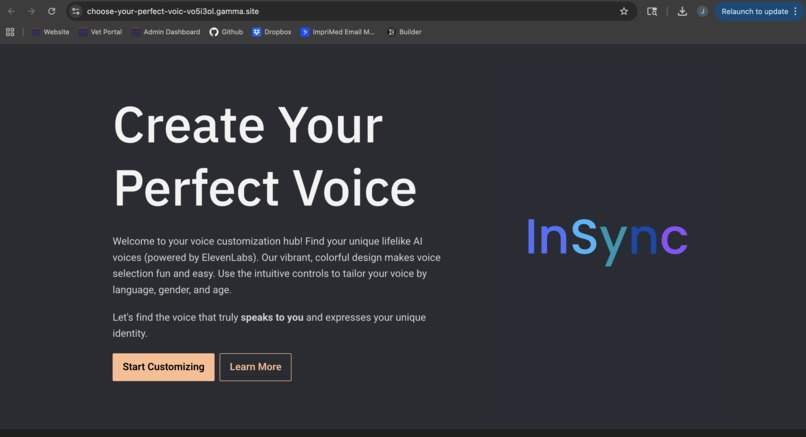
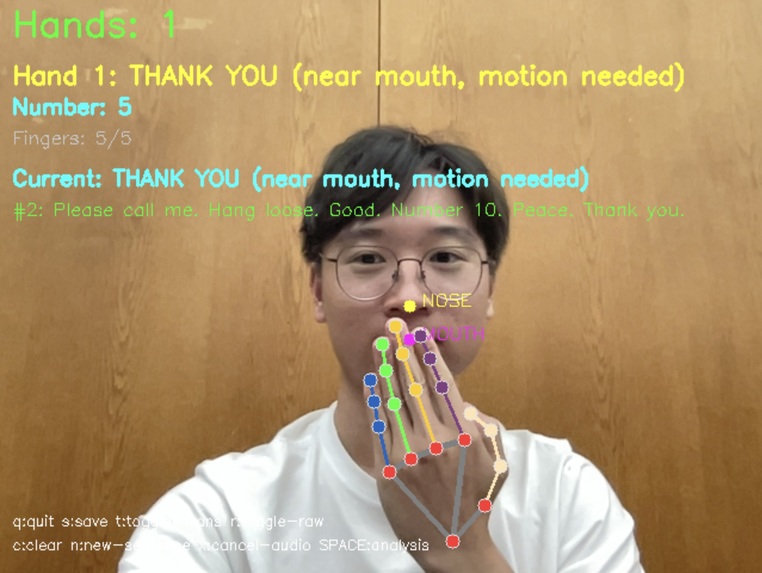
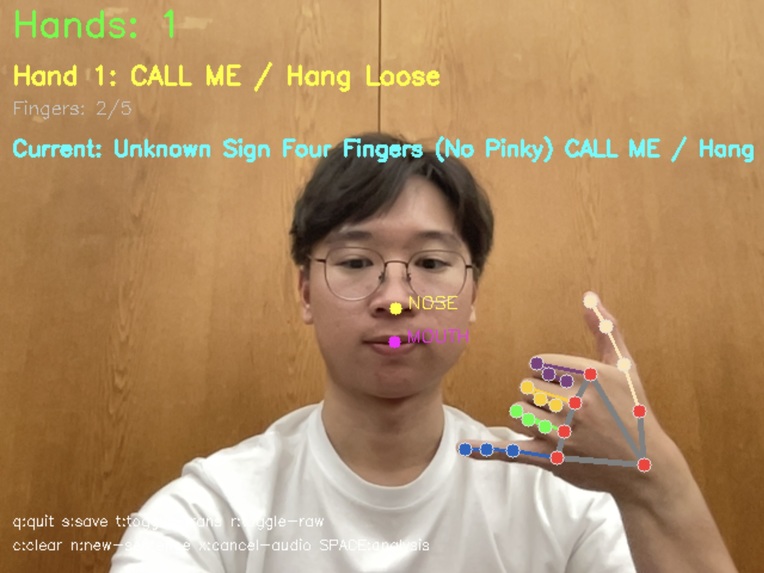
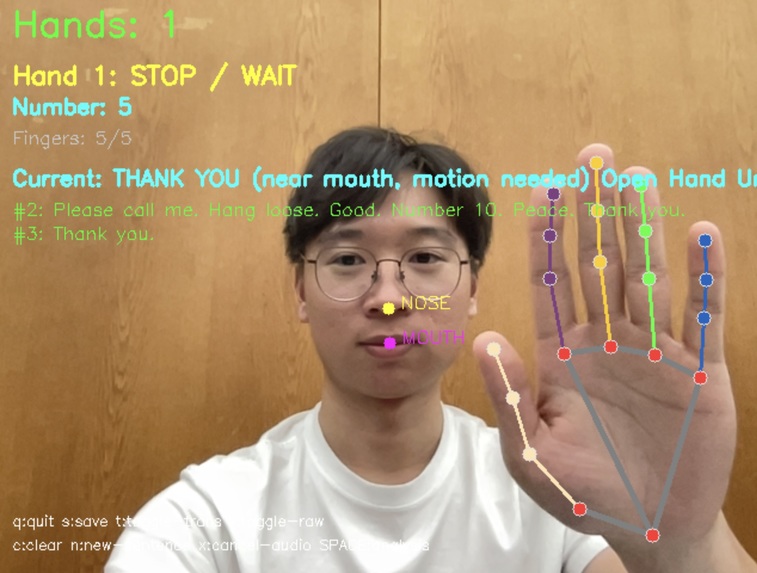
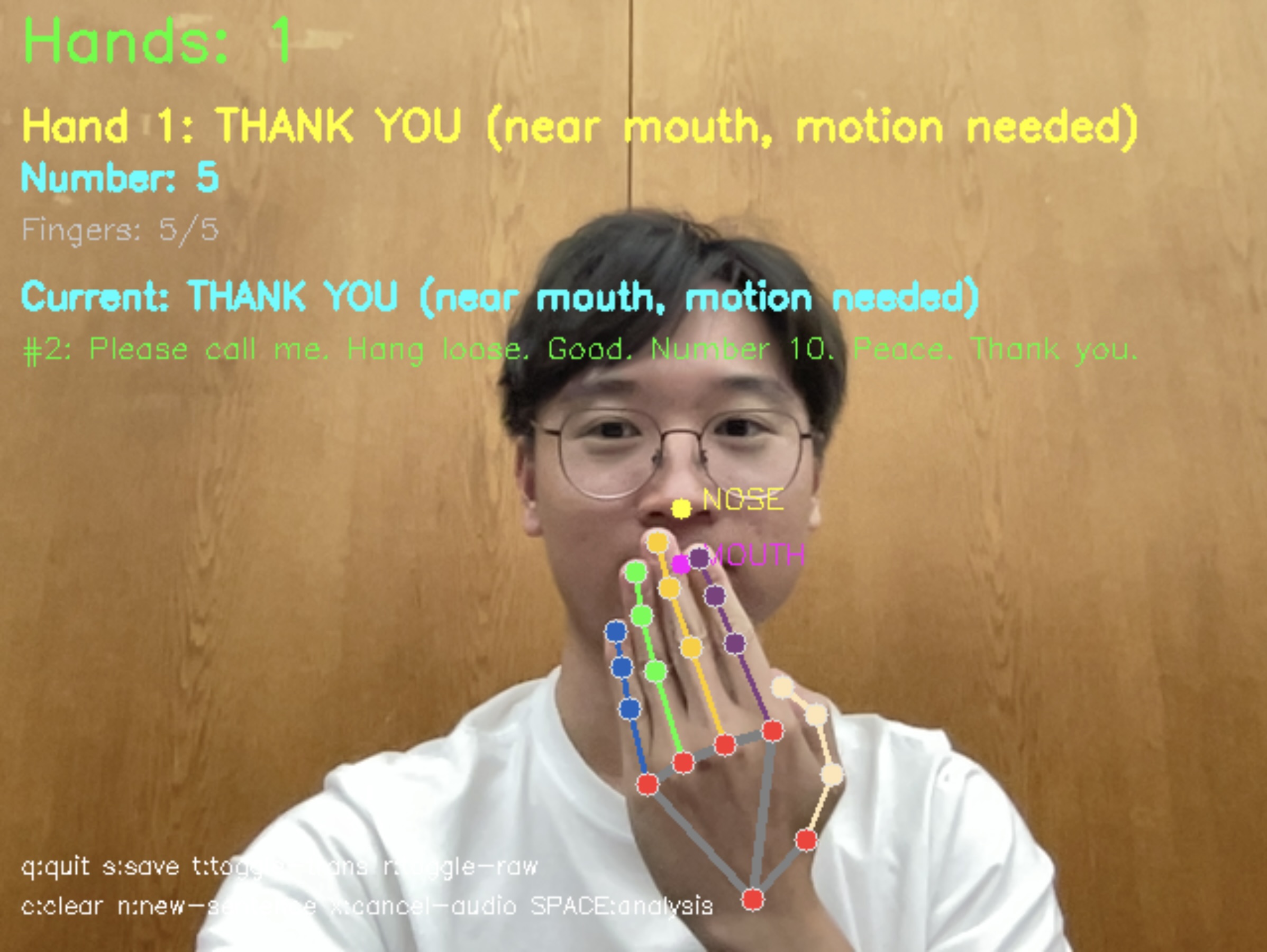
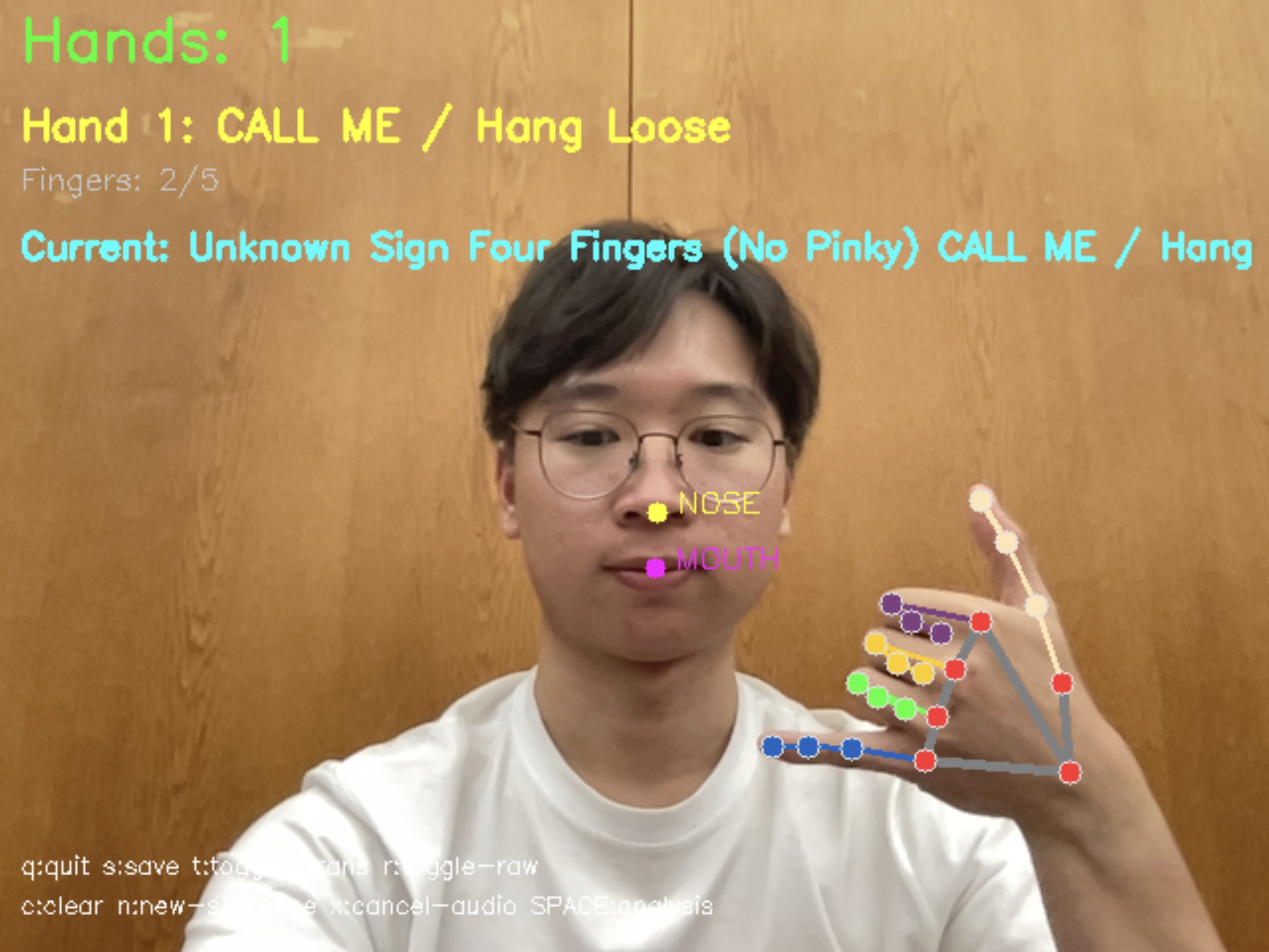
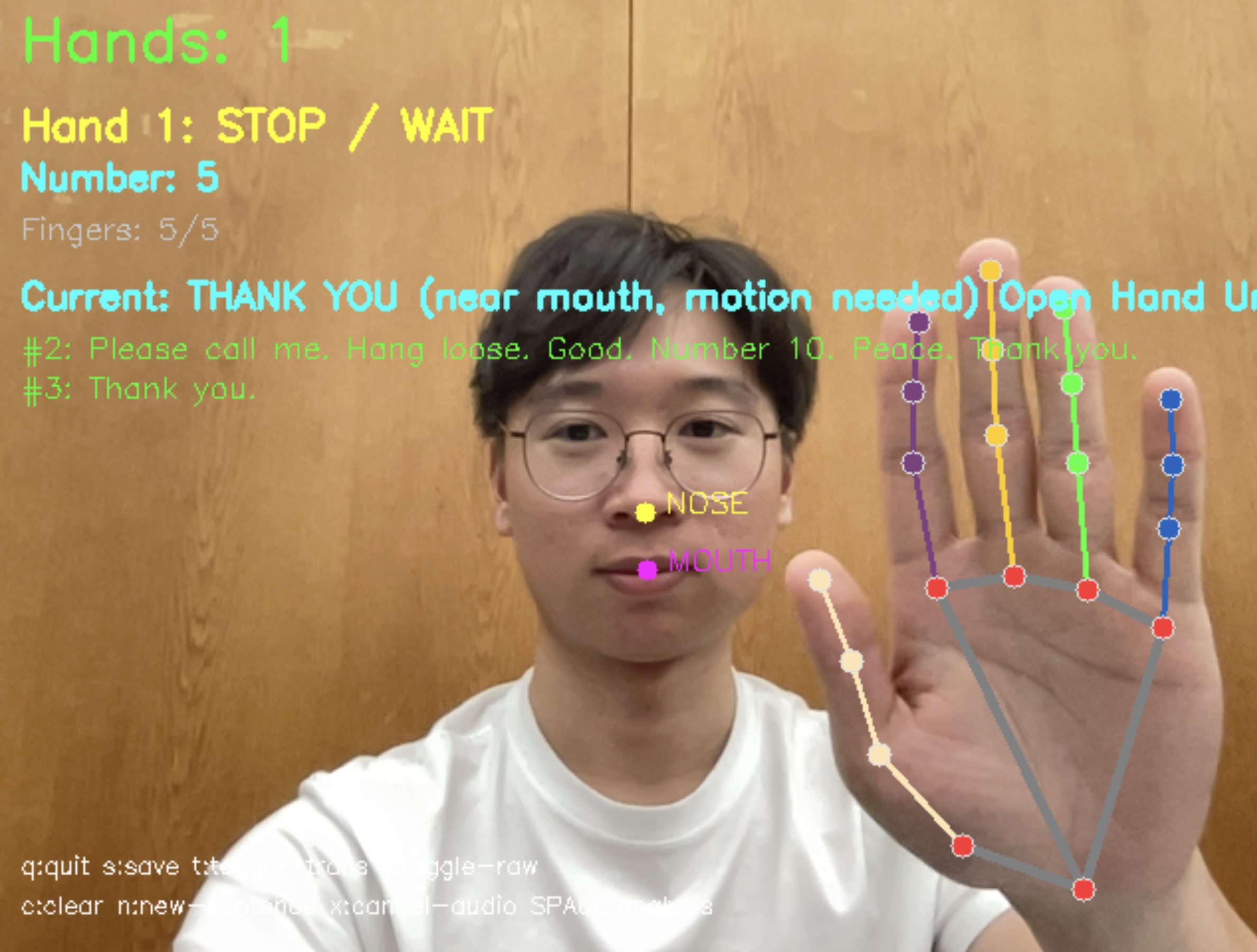
That’s why we wanted to build a hyper-personalized sign-to-speech assistant. InSync isn't just a translation tool, but a revolutionized way of looking at sign communication. Traditionally, sign language is viewed as a means of communication for those who have no choice. However it doesn't necessarily have to be. With the right tweaks, we show that sign gesturing can be even easier than learning a vocal language. For those who need a voice, it provides a low barrier way for mute individuals to fully express themselves in the way they want to be heard. By letting them “choose their voice,” whether it’s something playful, inspiring, or deeply personal, we give them the ability to communicate with the same richness and individuality that spoken voices carry. For those who have one, it provides a way of picking up a new form of communication with just using whatever you already know and are comfortable with, and others will understand you just as well.
Our motivation
For us, this is more than just technology - it’s about lowering the boundaries of being understood. It’s about making sure that no one is boxed in by cultural expectations, physical limitations, or societal assumptions. Just as I once wished for a way to be more expressive in my own life, I want to give that freedom to others.
The future of InSync
Looking forward, we hope to further improve InSync with AI integrations and reach the wider public, improving web conferencing and create a new paradigm with faster communication.


Log in or sign up for Devpost to join the conversation.