

Inspiration
Navigating health insurance is a nightmare—especially for seniors or low-income users. We built InsuraPal to simplify the process and deliver personalized, accessible coverage recommendations that actually make sense.
⸻
What it does
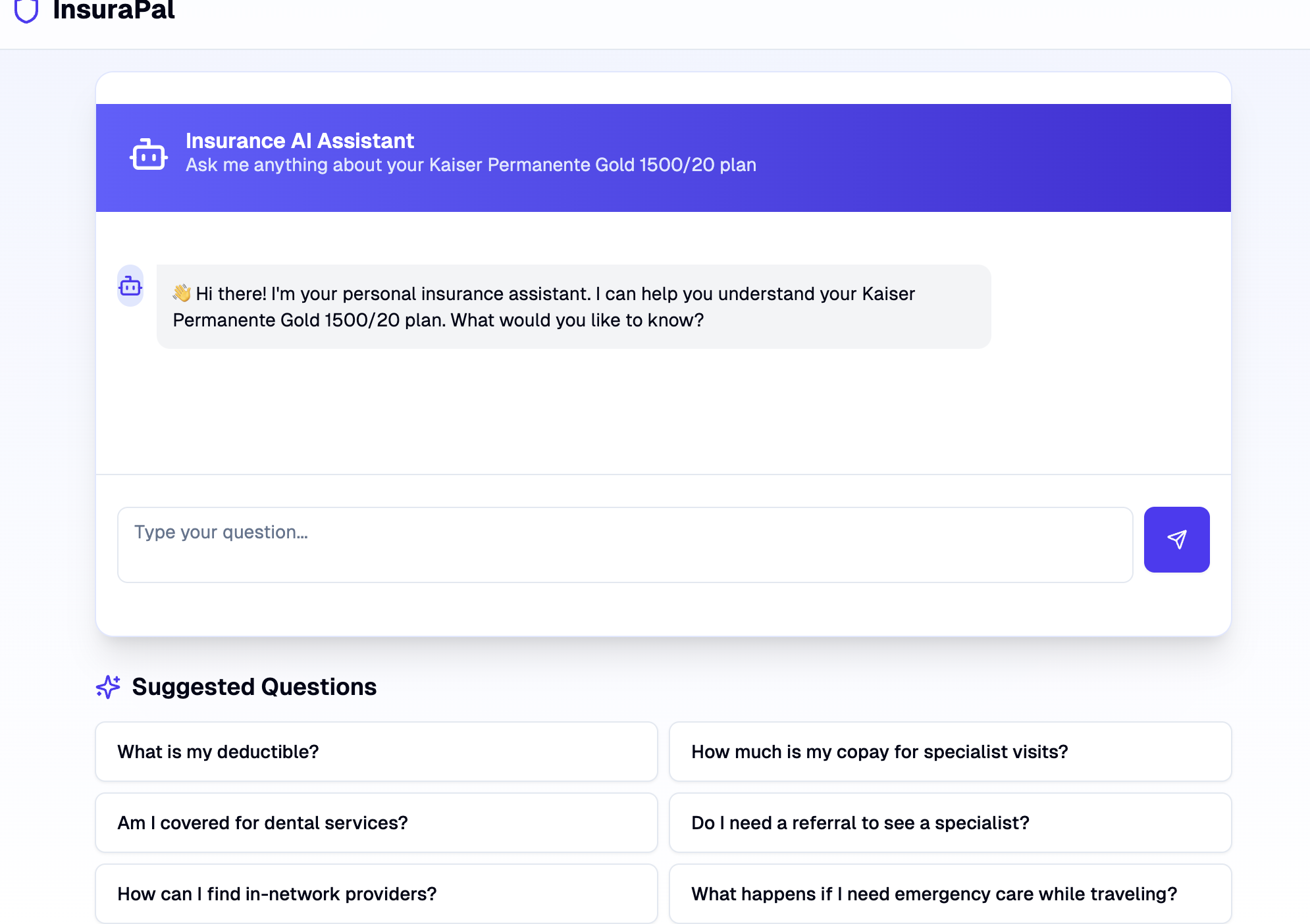
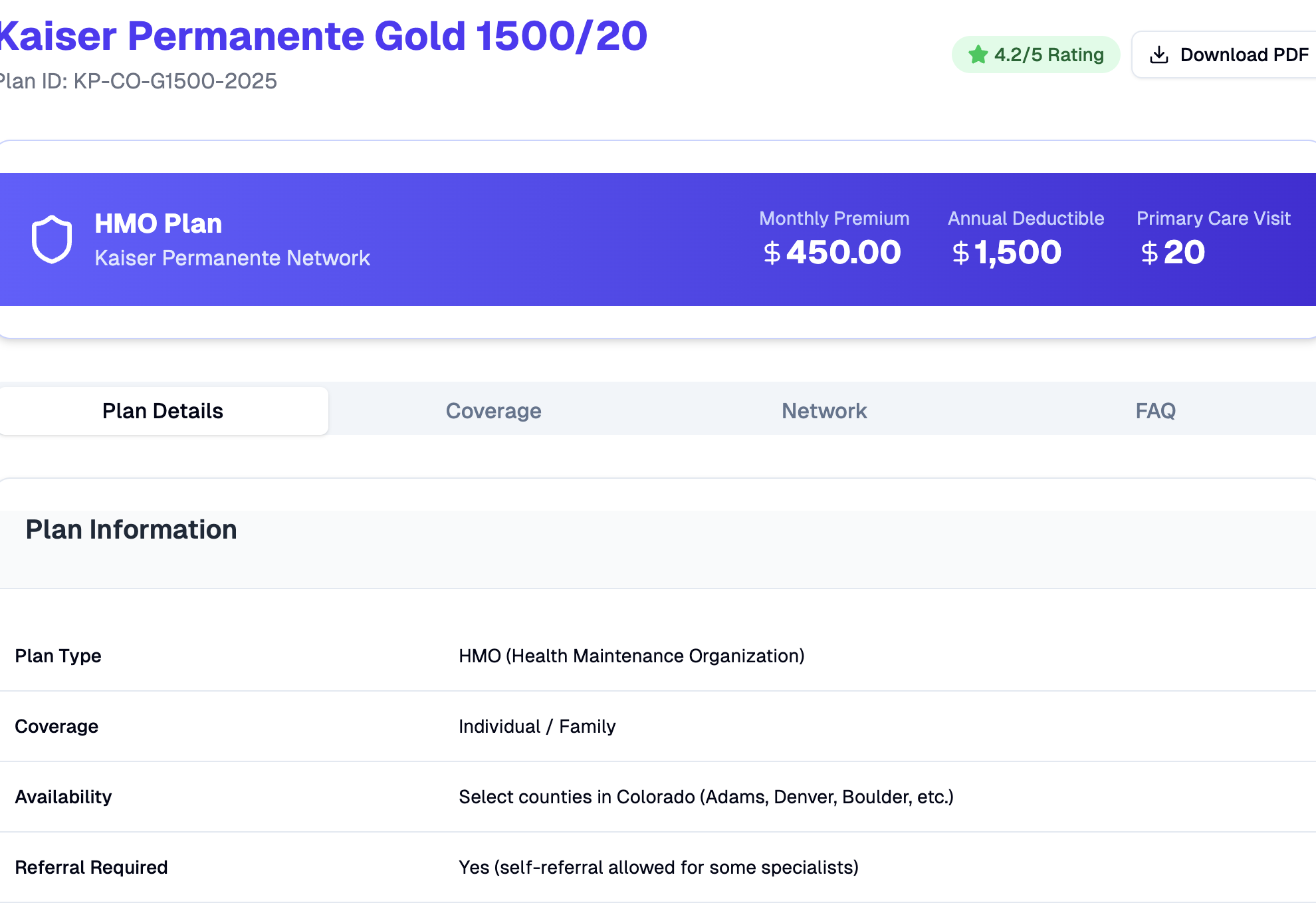
InsuraPal matches users to the best-fit insurance plan using a machine learning model that analyzes their profile with TF-IDF vectorization and linear regression. It also explains coverage in simple terms, supports plan switching and applications, and even helps users understand or dispute denied claims through AI-powered tools.
⸻
How we built it
We built InsuraPal with Next.js and deployed it on Vercel, leveraging serverless functions, edge middleware for auth, and Vercel Blob for document uploads. Supabase handles auth and storage, and the matching logic is driven by a custom TF-IDF vectorizer and regression model. From dev to prod, Vercel powered our workflow with automatic previews, global CDN, and instant deployments.
⸻
Challenges we ran into
Tuning the insurance matching algorithm to balance personalization with real-world plan data took time. We also worked hard to keep the interface user-friendly while juggling edge functions, auth flows, and AI tools behind the scenes.
⸻
Accomplishments we’re proud of
We shipped a full-stack product with a smooth signup, personalized insurance matching, simple plan descriptions, an AI insurance explainer chat, a claim denial analyzer, a humanized claims reviewer, and application/unsubscribe flows—all production-ready with fast, modern performance.
⸻
What we learned
We gained deep experience in serverless architecture, scalable ML integration, and how to turn complex data into helpful, human-first insurance tools.
⸻
What’s next for InsuraPal
We’re planning multi-language support, real-time plan eligibility checks, and smarter document parsing to make the platform even more personalized and globally accessible.
Built With
- claude
- nextjs
- python
- supabase
- vercel


Log in or sign up for Devpost to join the conversation.