-
-
Page number 1
-
Question number 1
-
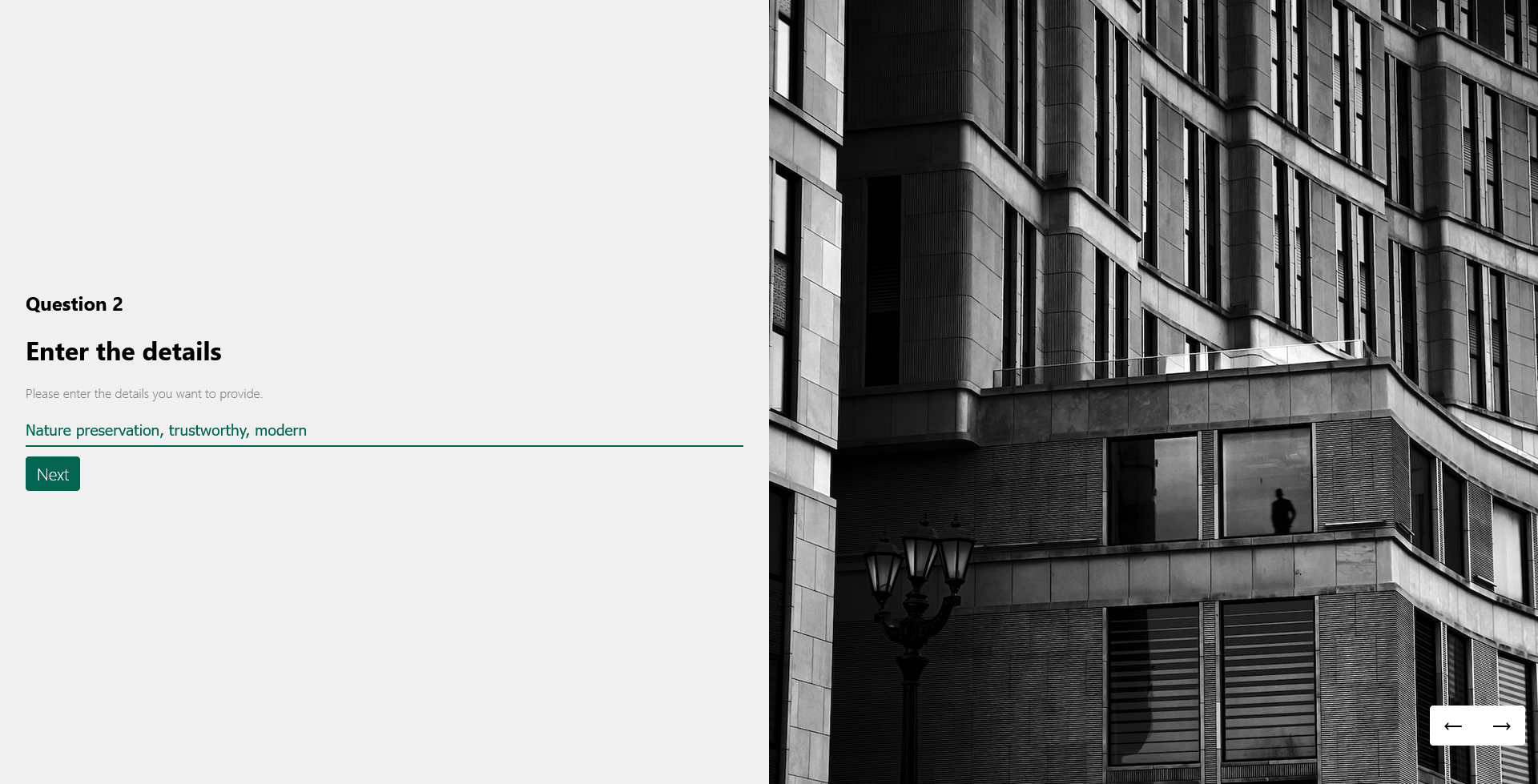
Question number 2
-
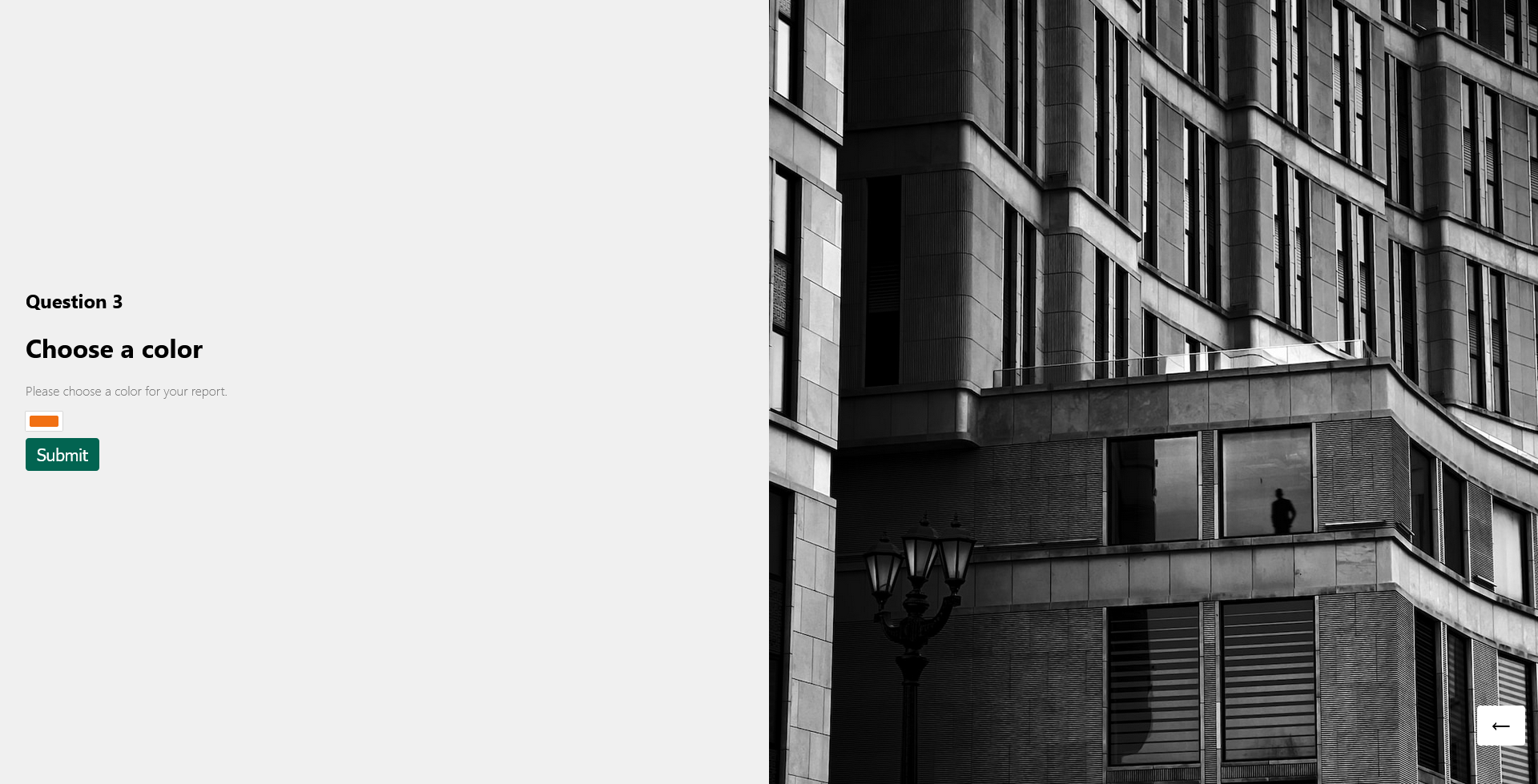
Question number 3
-

Loading screen
-
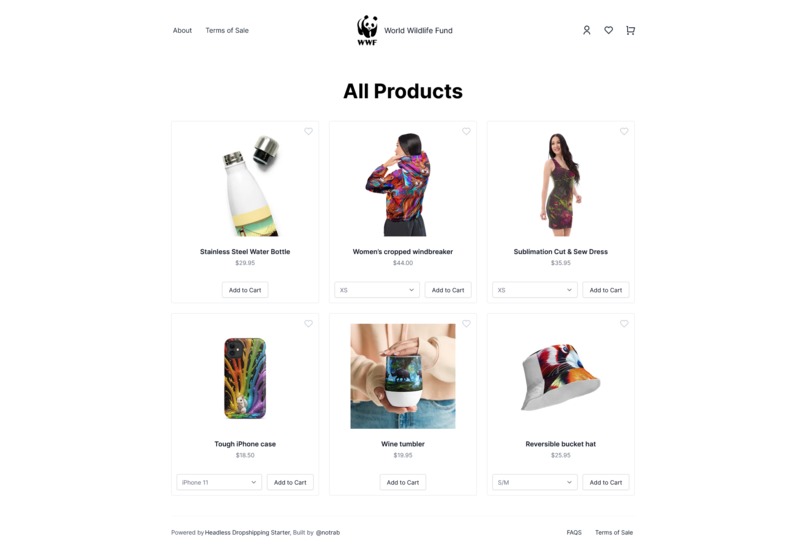
An e-commerce site which is formed with AI
-

Inspiration
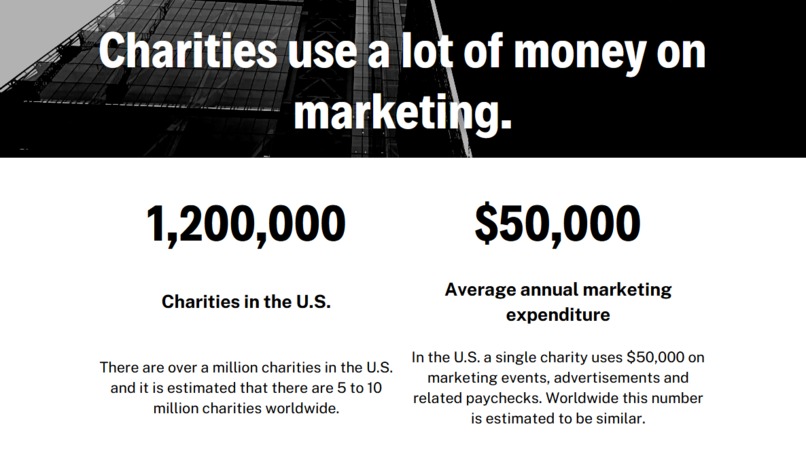
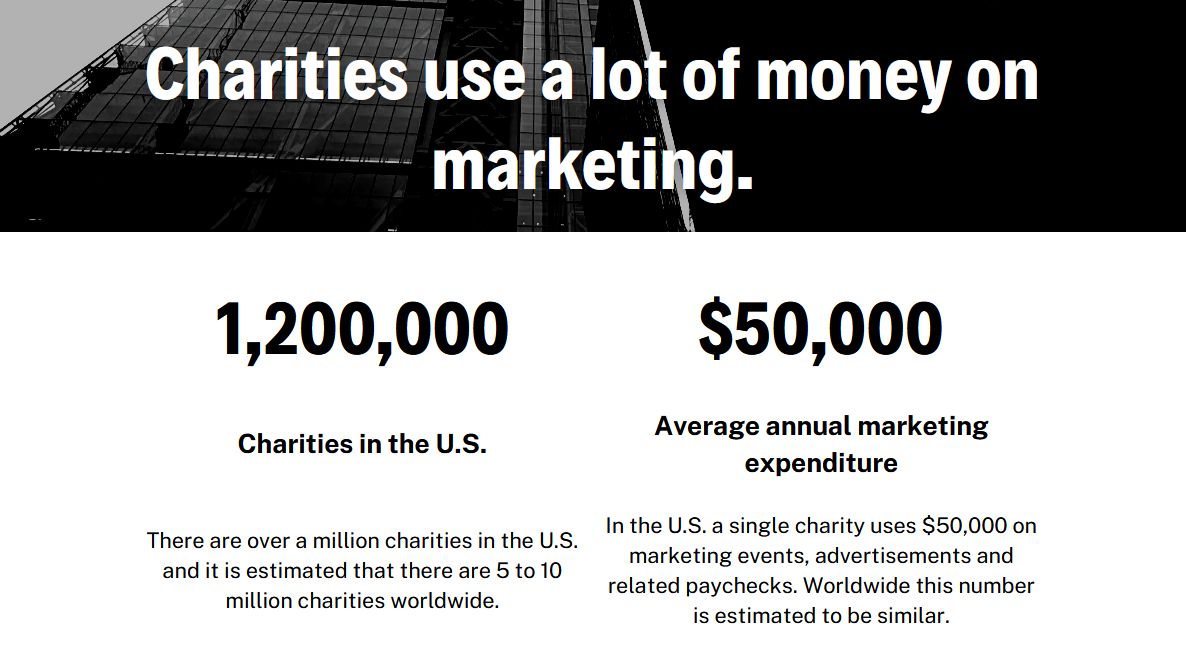
The original inspiration for InstaShop came a month ago in ETH-Denver when one of our team members talked with Penguins International about creating penguin-art-NFTs to save penguins. This led to excitement about AI-generated, completely customizable brand-related art. This idea resonated well with the team and building a storefront seemed like a good fit for our talents.
What it does
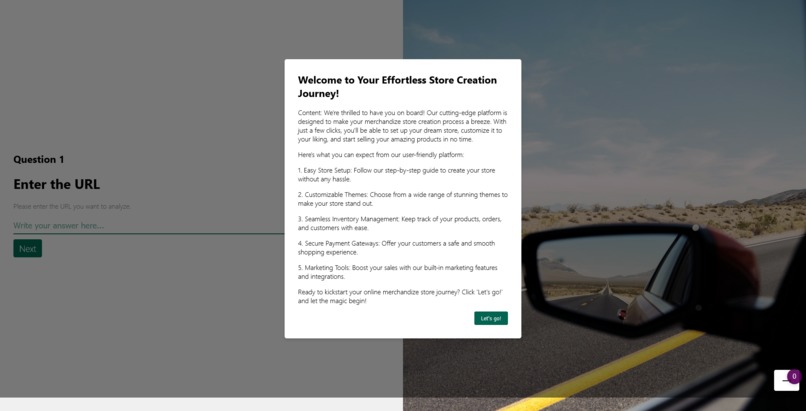
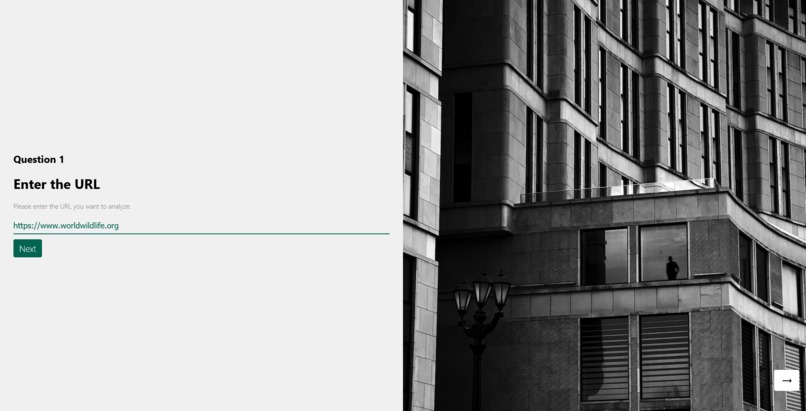
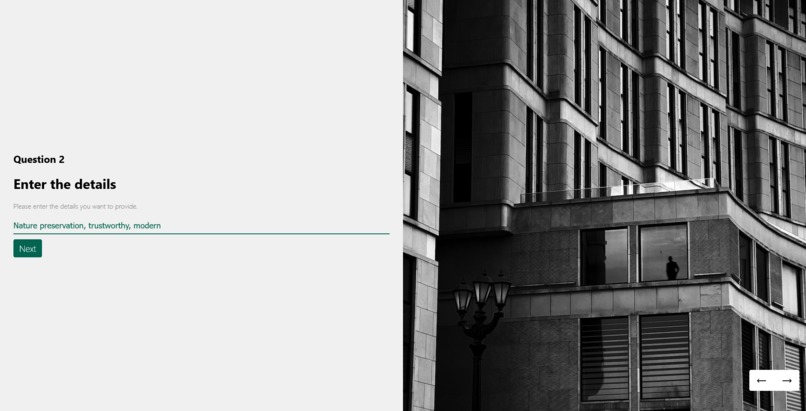
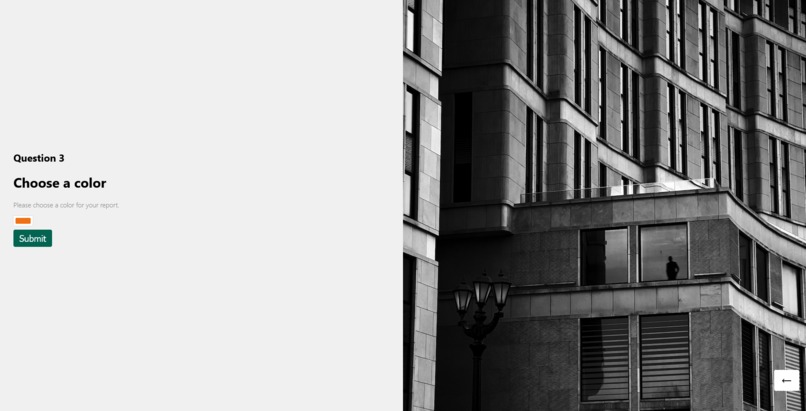
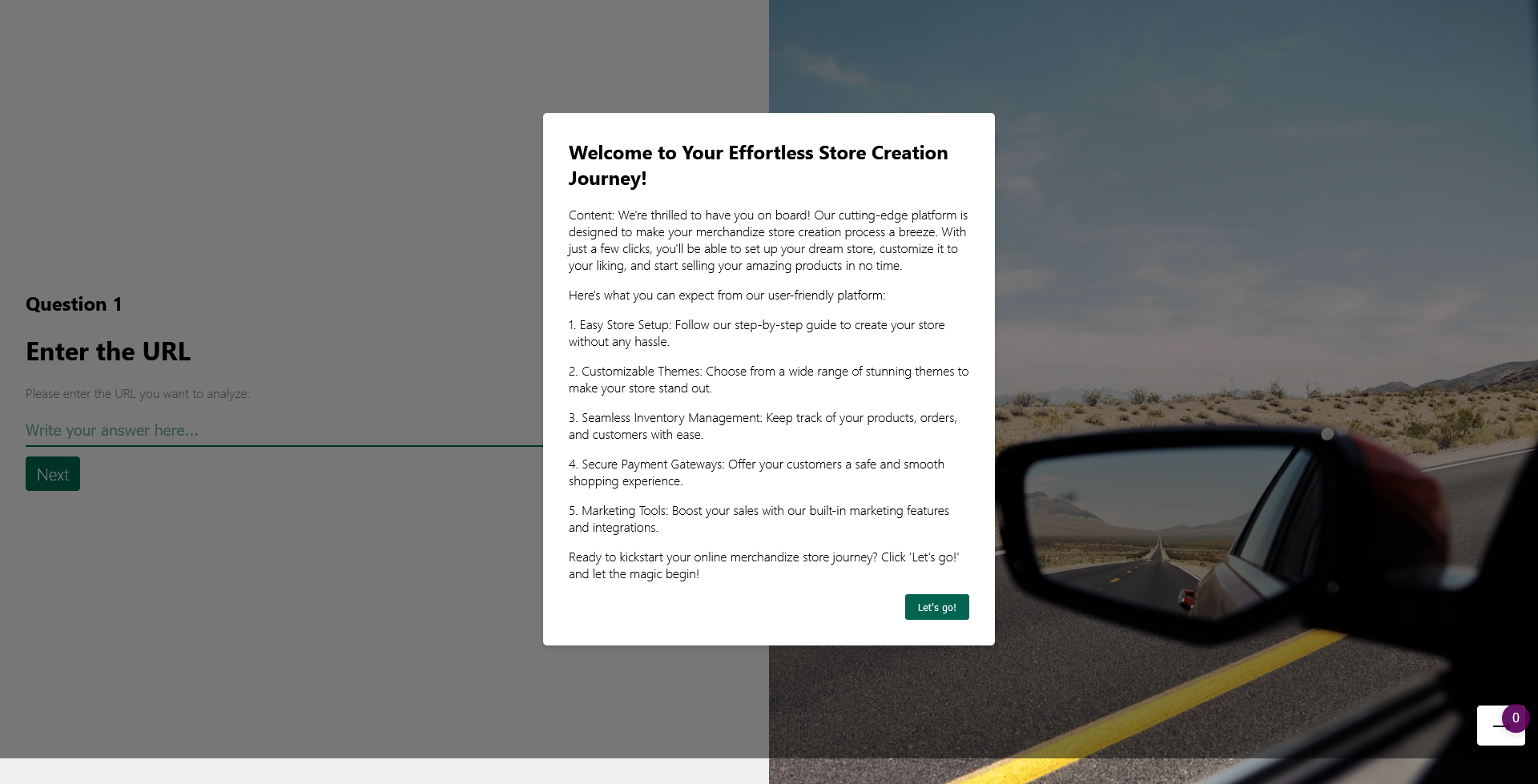
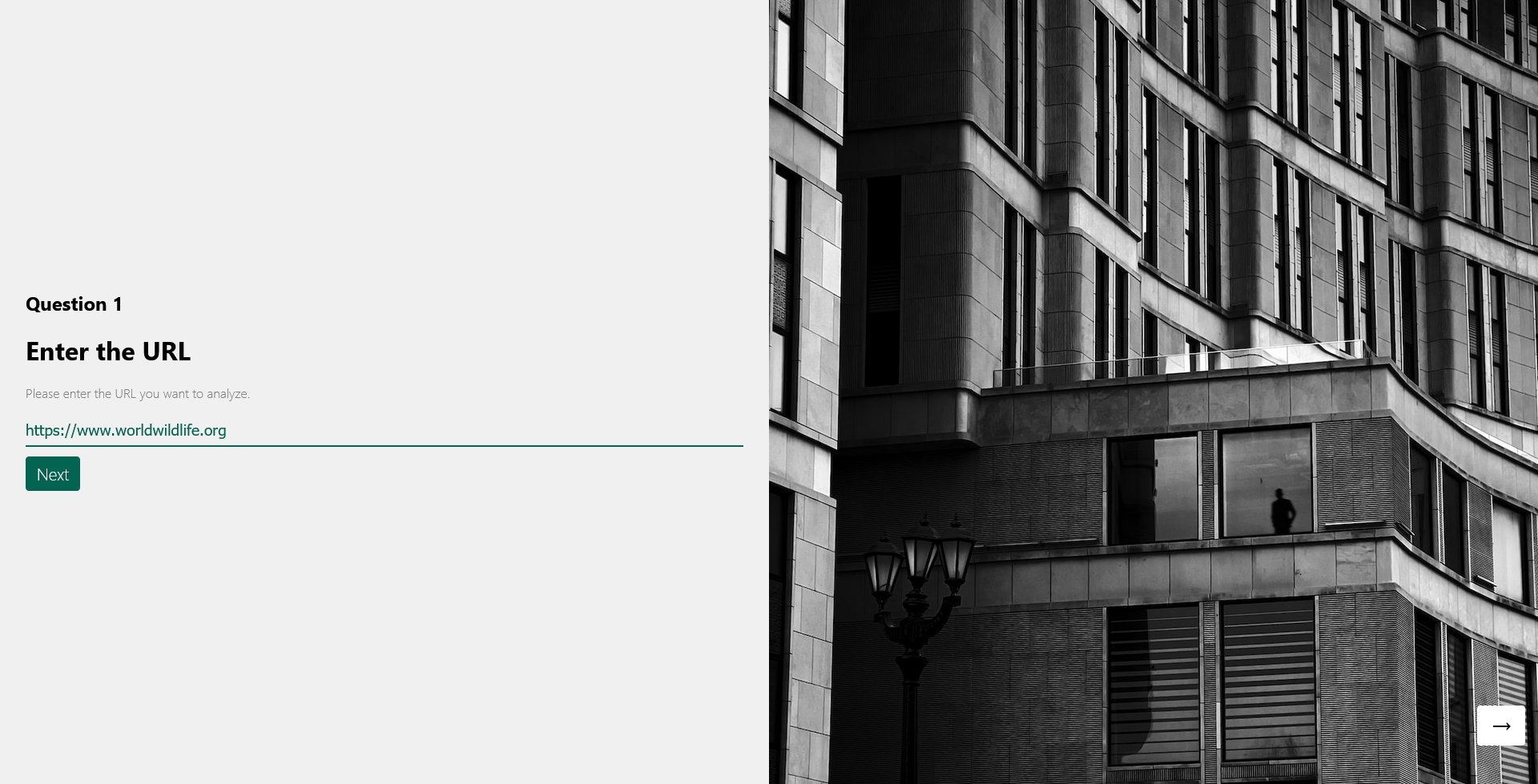
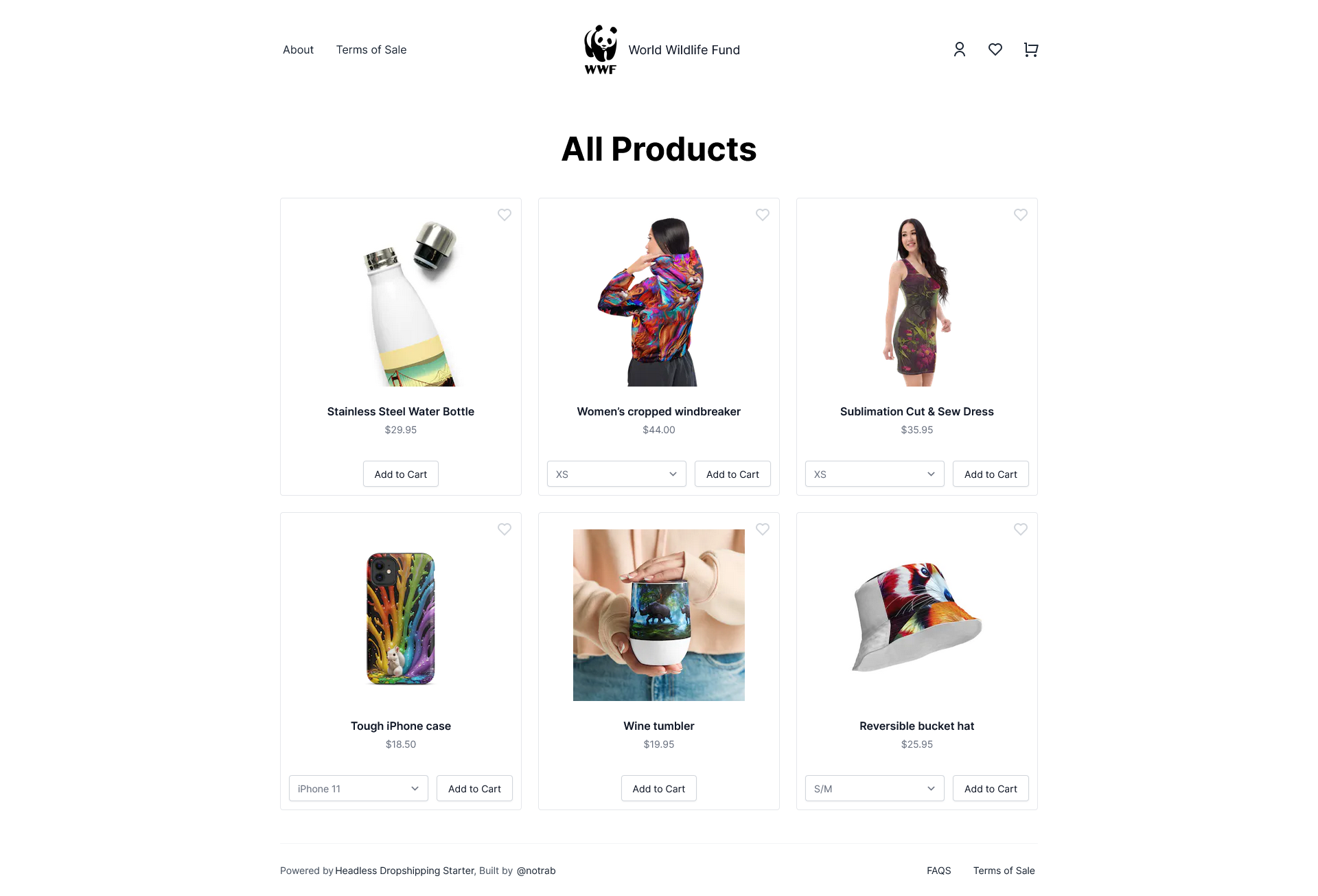
With InstaShop, a charity can form a merchandise store by only inputting its URL. This removes the need for hiring expensive developers and designers and spending time forming and handling logistics. We scrape the given website, generate unique designs and texts using DALL-E and GPT-4 and input these into a ready-built e-commerce platform.
How we built it
The process of building InstaShop started with breaking down the technical elements into smaller pieces. We knew that this project would require using a lot of AI models and we wanted to know that we were on track the whole time.
To be specific, our application uses Langchain to reason about good products and content for the specific charity in question. From this reasoning data, GPT-4 created structured content for the storefront and DALL-E provided product images.
Our end result is compiled together with a landing page made with React and a complete storefront made with Printful.
Challenges we ran into
By far the hardest challenge we ran into was choosing the right headless e-commerce platform and getting it deployed within the set time limit. This required us to pivot once from a Node.js -based store to one built with Rails. Beyond this, our challenges were extremely technical - the business side provided very few problems.
Accomplishments that we're proud of
We’re proud, almost surprised, of how little resistance the use of AI solutions provided. We got the AI-based scraper to work fairly quickly and work with DALL-E and GPT-4 revolved mostly around prompt engineering. Even though our team was formed during the pre-party, we had extremely good cohesion throughout the event.
What we learned
Our team had experience in different areas of expertise, but as a whole, all of us feel like we learned a lot. Just to name a few, we gained expertise in the practical application of the OpenAI APIs, UI/UX design, product presentation and teamwork.
What's next for InstaShop
Our team is excited to continue building InstaShop even after the hackathon since we do see the potential it presents. We do see that the first iteration of the product is done soon after this hackathon and ready for real-world testing. After product-market fit validation, we are looking towards starting price testing to cover the costs of upkeep.
Built With
- dall-e
- gpt-4
- heroku
- langchain
- printful
- react
- ruby-on-rails

Log in or sign up for Devpost to join the conversation.