Inspiration
In high-demand sectors like healthcare, law, and pharmaceuticals, professionals still rely heavily on paper-based workflows. We saw an opportunity to eliminate manual data entry, reduce processing time, and improve data accuracy by creating an AI-driven mobile solution that empowers users to instantly capture and process documents—anytime, anywhere.
What it does
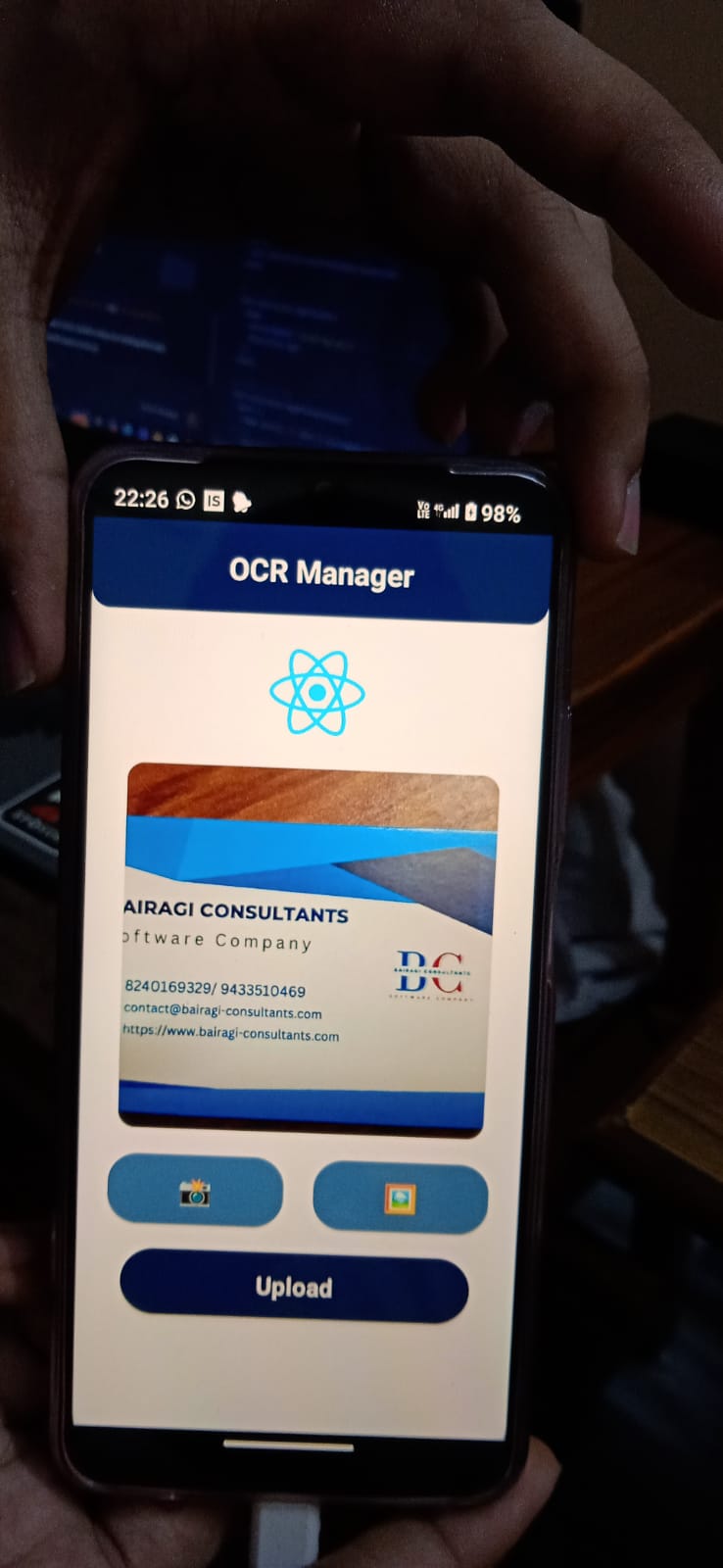
Our app, Instant Document Processing, allows users to: Capture documents via camera or upload from device storage. Extract key information using Amazon Textract and ML-based field detection. Map structured data to a CRM-friendly format (e.g., Salesforce Health Cloud). Automatically tag and categorize documents (Invoice, Prescription, NDA, etc.). Seamlessly push data into CRM systems with a single tap. Specifically supports healthcare document types with smart field handling.
How we built it
We built a mobile-first solution using: React Native for cross-platform mobile development (iOS + Android). Amazon Textract for document data extraction (text, tables, forms). Custom ML models (spaCy NLP + BERT fine-tuning) for field identification and tagging. Secure REST APIs for integrating with Salesforce Health Cloud. AWS S3 & Lambda for backend processing and storage. Followed HIPAA compliance for secure healthcare data handling.
Challenges we ran into
Handling varied document layouts across industries. Ensuring near real-time extraction (~3 seconds/page) while maintaining accuracy. Creating flexible tagging logic that could adapt to custom rules per organization. Managing robust error handling and offline scenarios in mobile environments. Balancing intuitive UX for non-technical users with powerful AI under the hood.
Accomplishments that we're proud of
Developed a real-time, production-ready mobile scanning app with AI-driven automation. Successfully integrated with CRM systems like Salesforce Health Cloud. Built a healthcare-focused extraction model that identifies patient data with high accuracy. Enabled seamless user experience with one-click document processing and smart feedback.
What we learned
The critical importance of user-centric design in AI-driven tools. How to optimize AI/ML models for mobile performance. Integration with enterprise CRM systems requires robust validation and logging. Building for healthcare means adapting to regulatory, structural, and practical nuances.
What's next for Instant Document Processing: capture, scan & upload document
Handwriting Recognition using Google Vision or Azure Form Recognizer. Analytics Dashboard to monitor scan activity and integration success. User feedback loop to improve extraction models over time. Expanded document types to cover legal forms, insurance claims, and academic records. Marketplace integrations (e.g., AppExchange) to commercialize the app.
Built With
- apis
- comprehend
- healthcloud
- reactnative
- s3
- textract

Log in or sign up for Devpost to join the conversation.