-
-
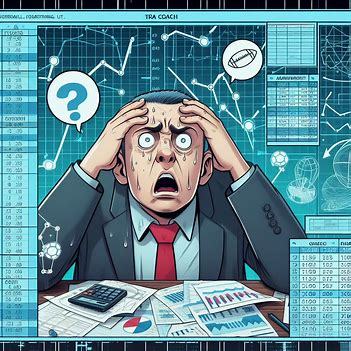
Life before InsightCraft
-
InsightCraft
-
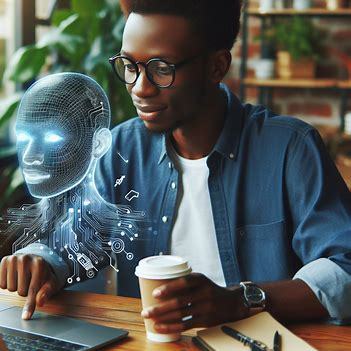
Life with InsightCraft
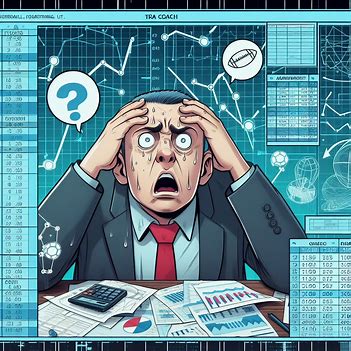
Inspiration
Our inspiration for InsightCraft stemmed from the recognition of the inherent complexity in understanding and solving problems, particularly in data-driven domains. We were fascinated by the idea of using self-asking techniques, a method often employed by experts to break down complex questions into manageable parts, to aid in this process. This led us to explore how artificial intelligence could automate and enhance this approach, ultimately facilitating better problem-solving and decision-making.
What it does
InsightCraft is an AI-driven system that combines self-asking methodologies with data visualization techniques. It takes a user-provided question as input and utilizes natural language processing (NLP) to break it down into smaller, more manageable components. These components are then analyzed and synthesized to generate a comprehensive answer. Additionally, InsightCraft generates code to visualize the answer using appropriate charts or graphs, providing users with actionable insights in a visually intuitive format.
How we built it
Technologies Used: Streamlit: For building the user interface and handling user interactions. Google GenerativeAI: Utilized for natural language processing (NLP) capabilities. Python Libraries (Matplotlib, Plotly): Used for generating visualizations. Steps: Setting Up Environment:
Integrated Streamlit for creating the app's user interface. Configured the Google GenerativeAI API to enable NLP functionalities. Building the User Interface:
Designed the UI to provide clear instructions and display outputs effectively. Utilized Streamlit's text input widgets to capture user questions. Implementing the AI Agents:
Initialized the GenerativeAI model for chat interactions. Developed the Research Agent to process user questions using self-asking methodology. Created the Code Agent to generate visualization code based on the Research Agent's output. Handling User Input:
Captured user questions via text input widgets. Sent user queries to the Research Agent for processing. Processing Responses:
Received responses from the Research Agent. Extracted the final answer from the response if available. Displaying Results:
Rendered the final answer and intermediate responses in the user interface. Displayed generated visualization code if applicable. Iterative Development:
Refactored and optimized the code for better performance. Conducted testing and debugging to ensure the app's functionality.
Challenges we ran into
Fine-tuning the self-asking algorithm to handle various question types effectively. Integrating NLP components with data visualization modules seamlessly. Ensuring efficient communication between different AI agents in the system.
Accomplishments that we're proud of
Developing a functional prototype that effectively combines self-asking techniques with AI-driven research and data visualization. Achieving robustness and accuracy in NLP algorithms, enabling effective processing of a wide range of questions. Creating an intuitive user interface that guides users through the self-asking process and presents insights clearly.
What we learned
Gain insights into the complexities of natural language processing, machine learning, and data visualization. Leveraging advanced NLP techniques to understand and deconstruct textual inputs effectively. Integrating AI-driven components seamlessly to create a cohesive system for problem-solving and decision-making.
What's next for InsightCraft
Expanding capabilities to handle more complex questions and datasets. Enhancing NLP algorithms for improved question understanding and synthesis. Integrating additional data sources and advanced analytics techniques for deeper insights and predictive capabilities.


Log in or sign up for Devpost to join the conversation.