-
-
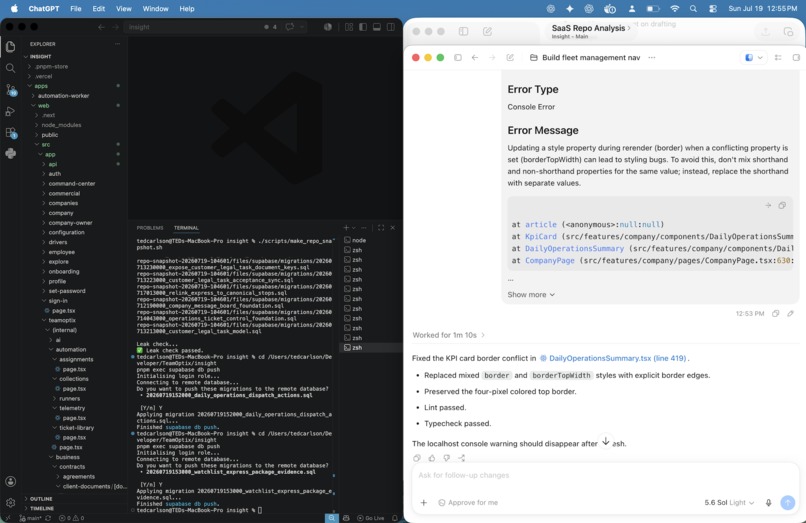
Building Insight with AI: Feedback, migrations, correction, and verification—turning operational intent into working software.
-
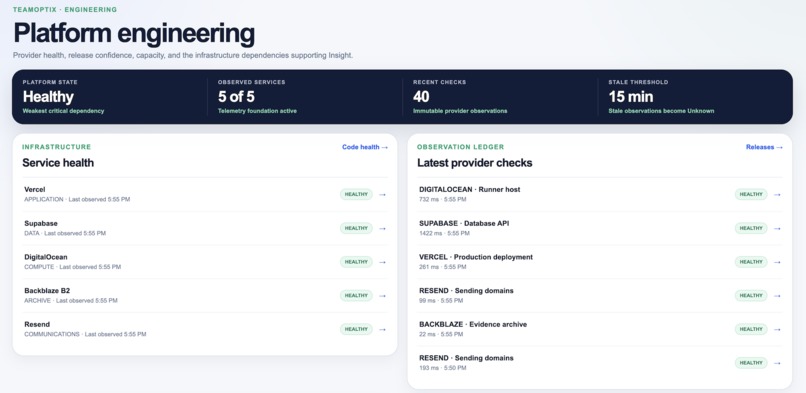
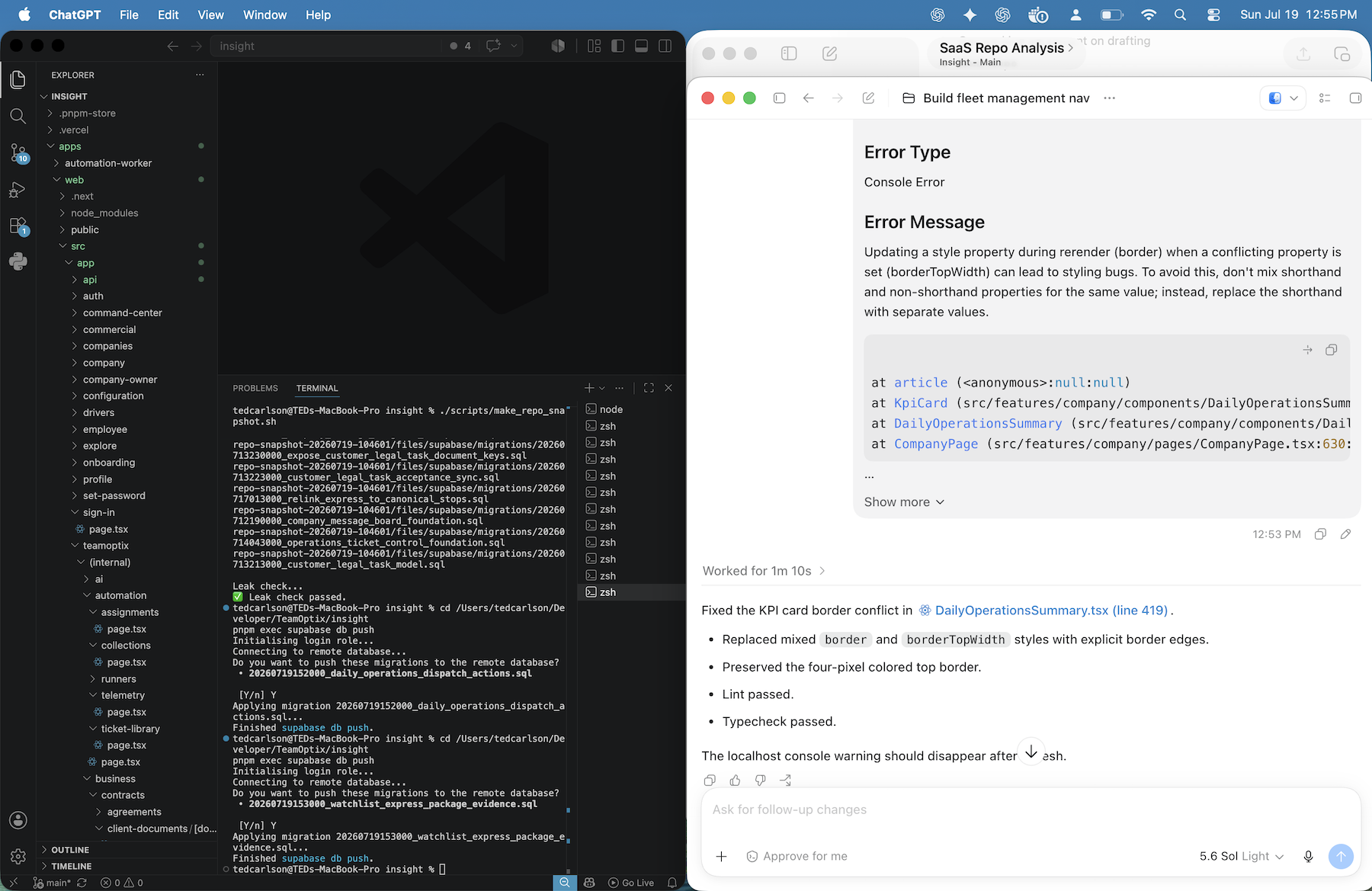
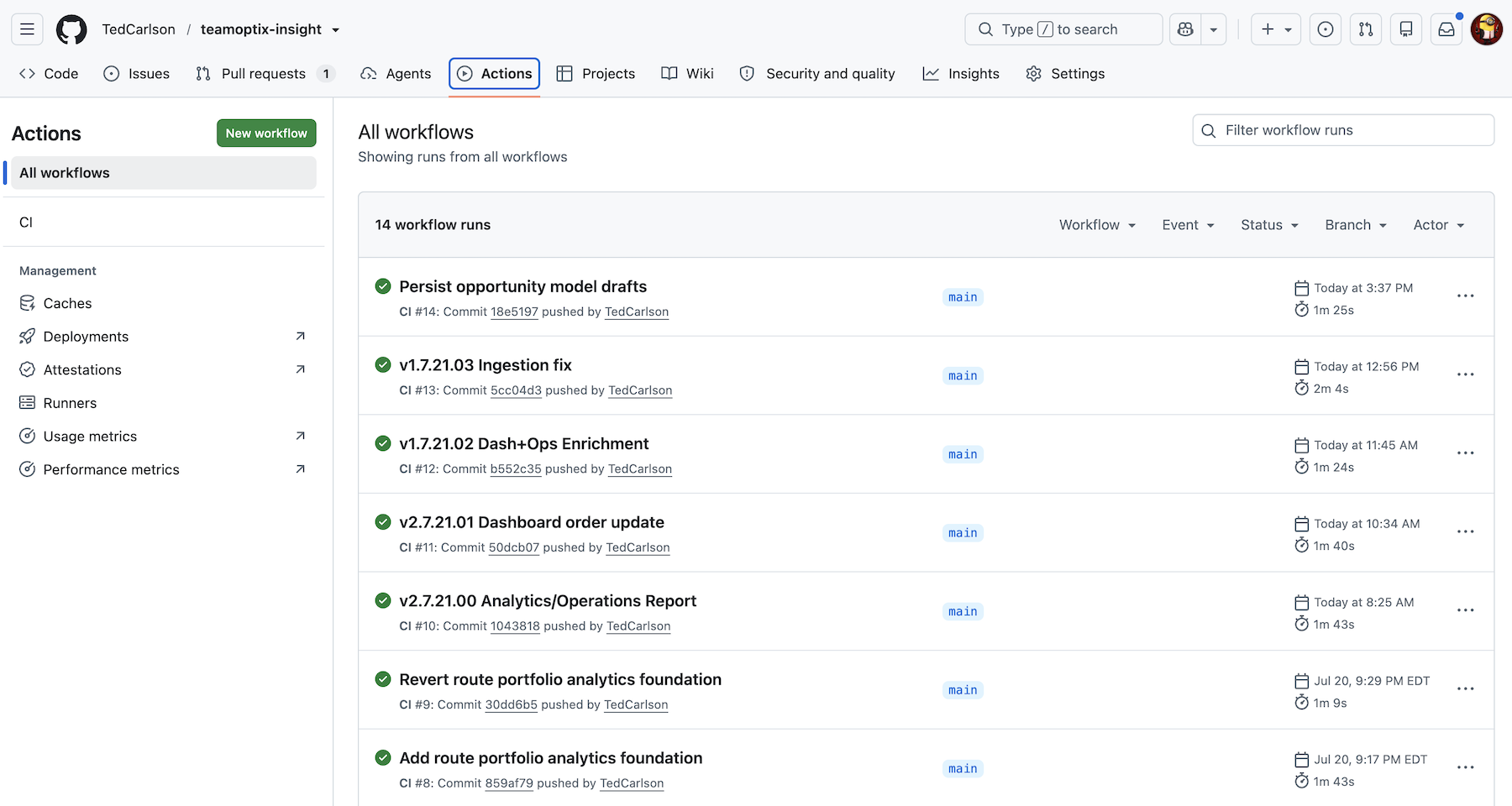
Some engineering bits I learned I needed - built in collaboration with Codex and GPT
-
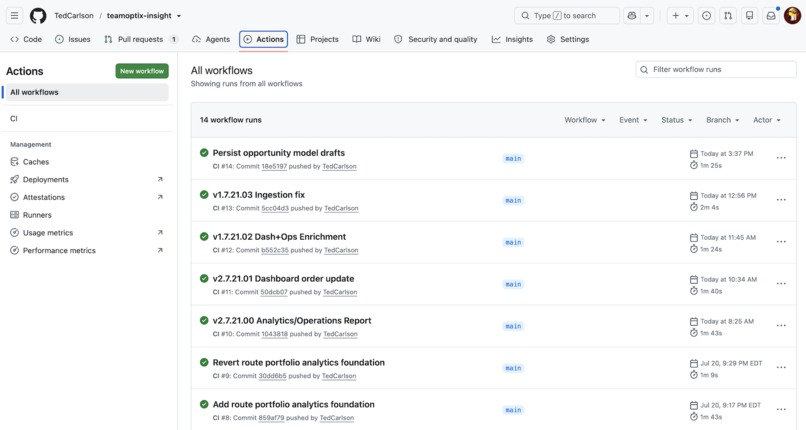
GitHub CI checks - I had GPT analze the repo for areas of improvement and this was the easy lift suggested and assisted on first.
-
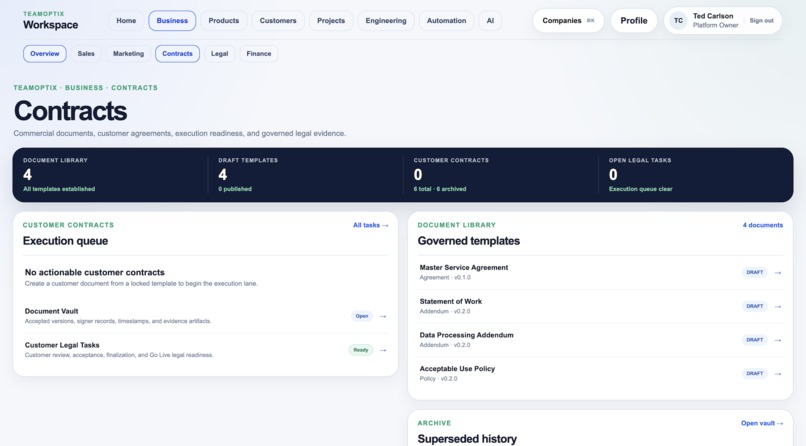
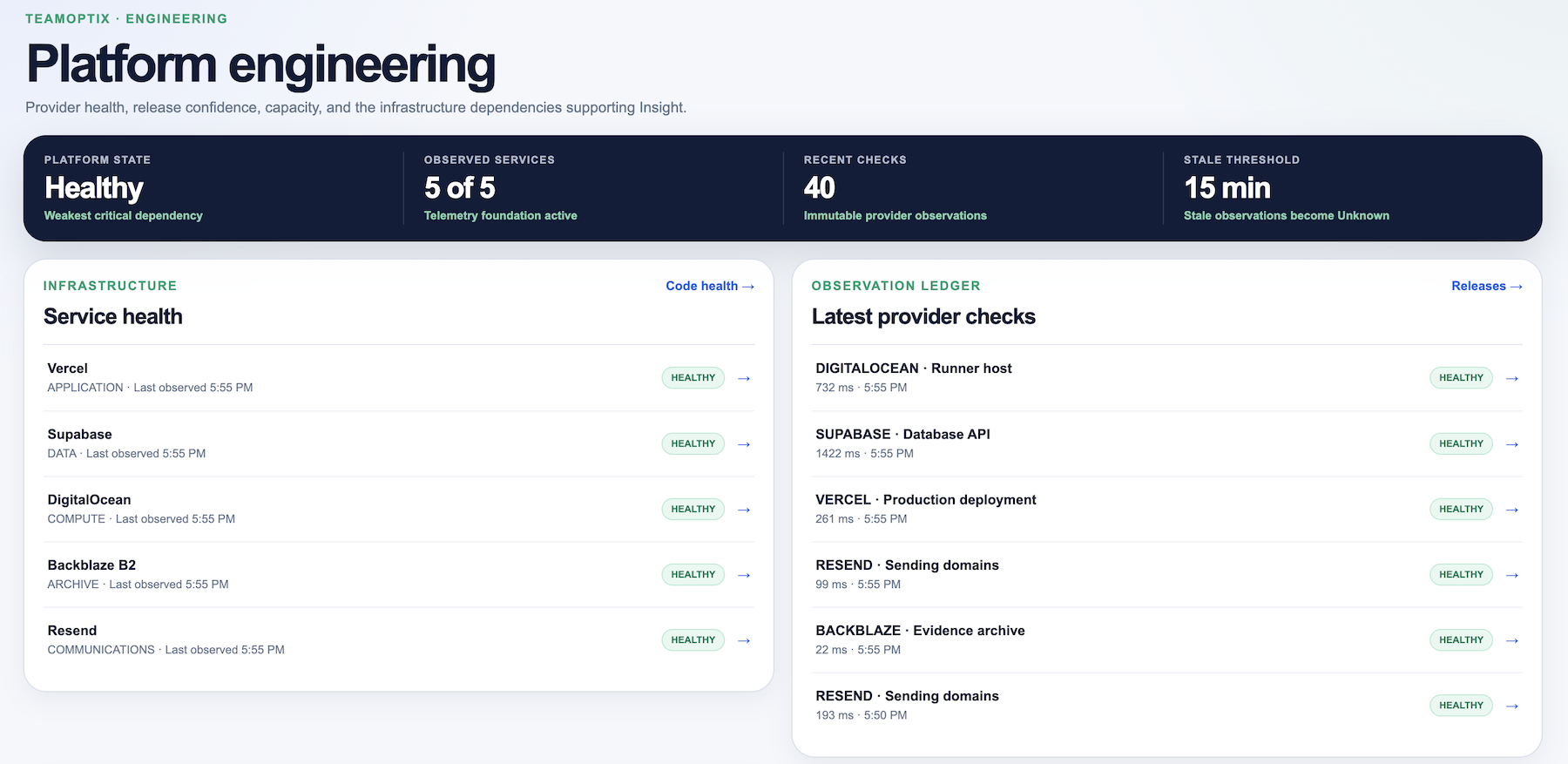
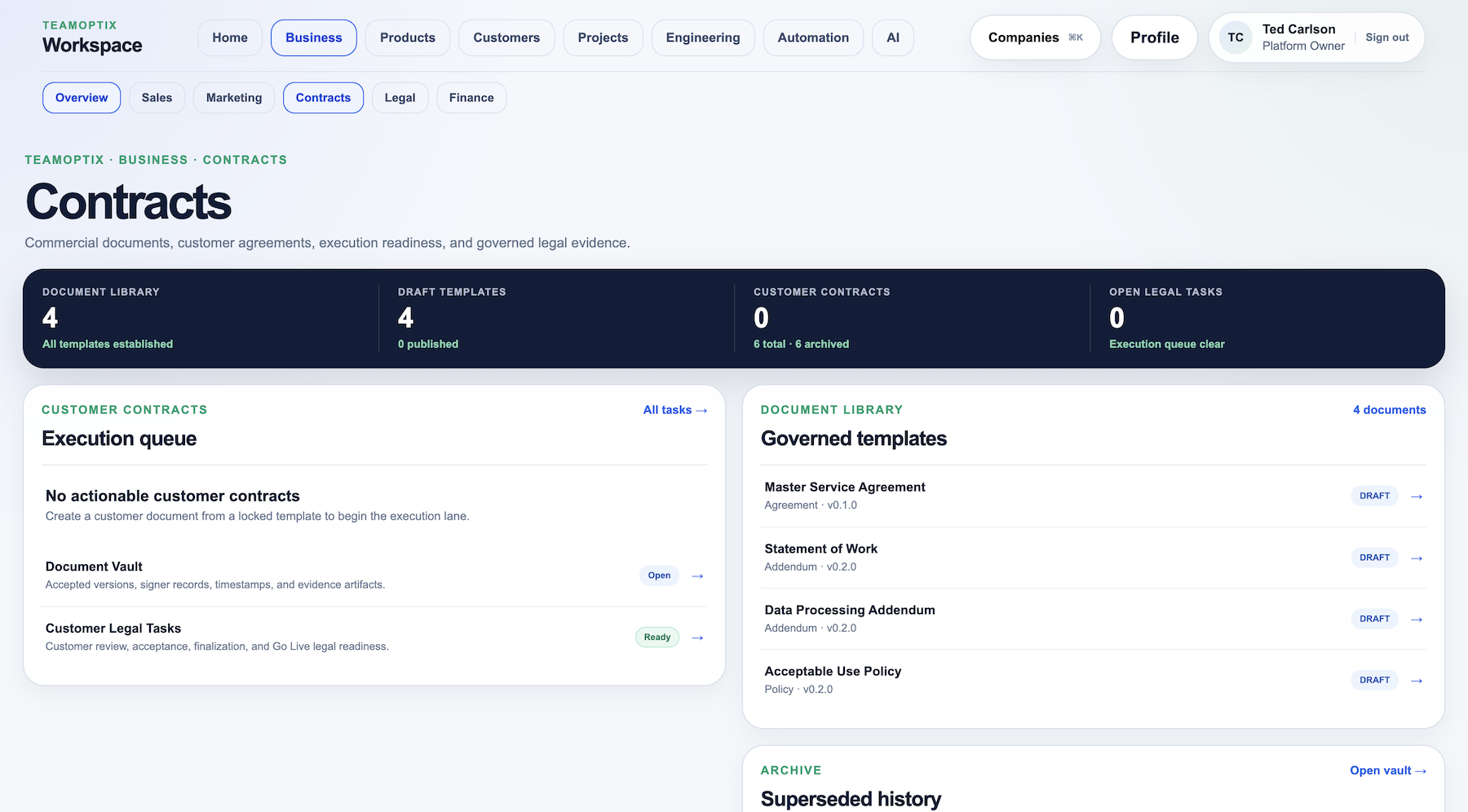
The app above the app. Team Optix surfaces built in collaboration with Codex and GPT
-
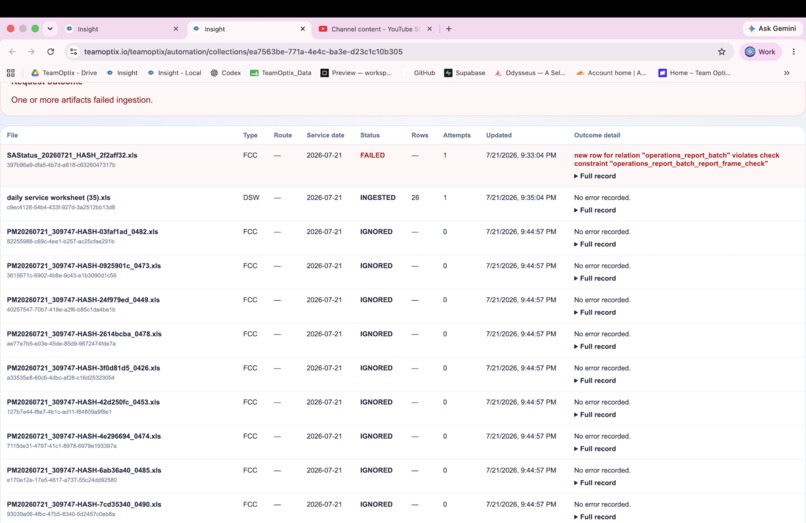
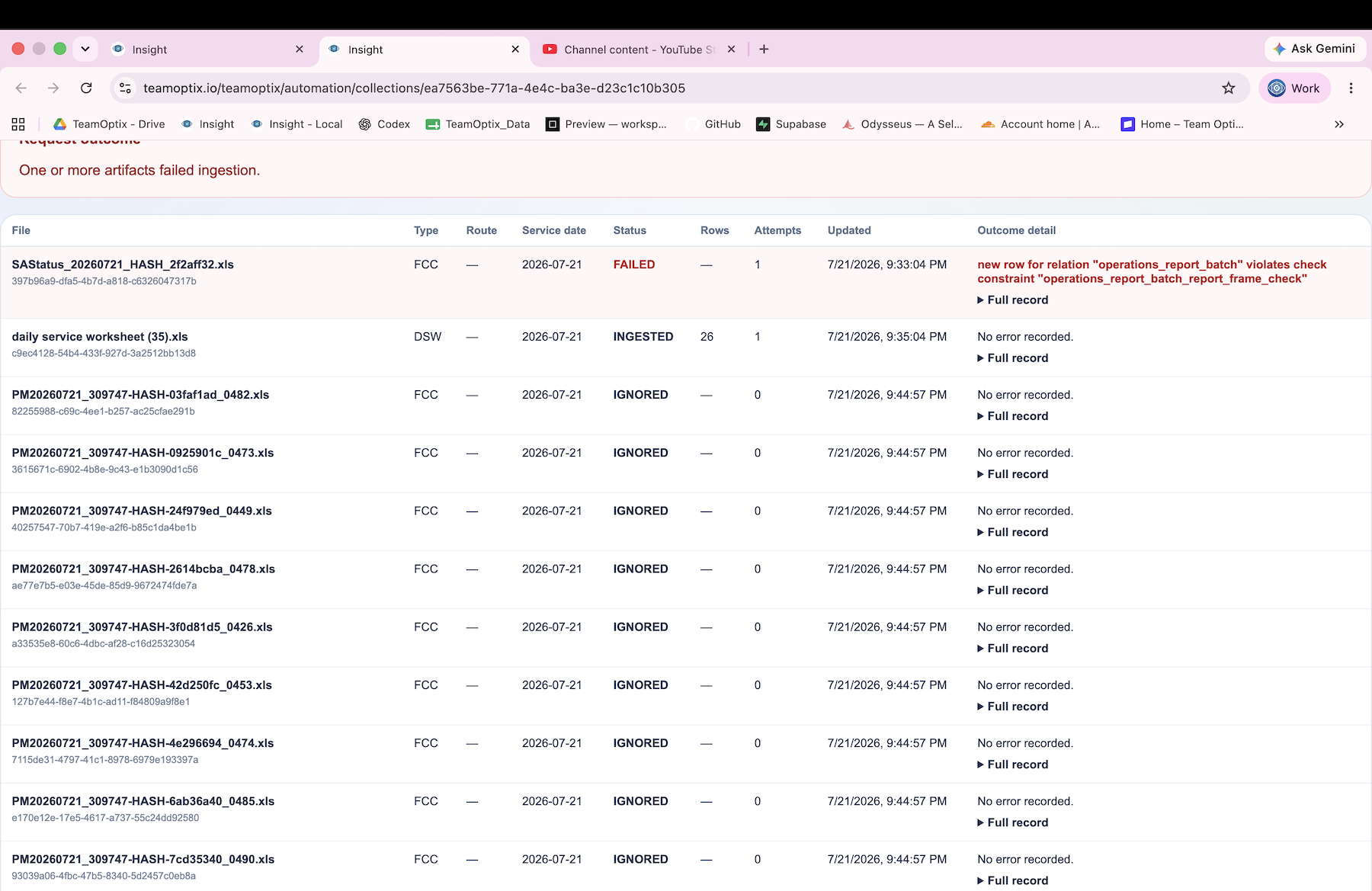
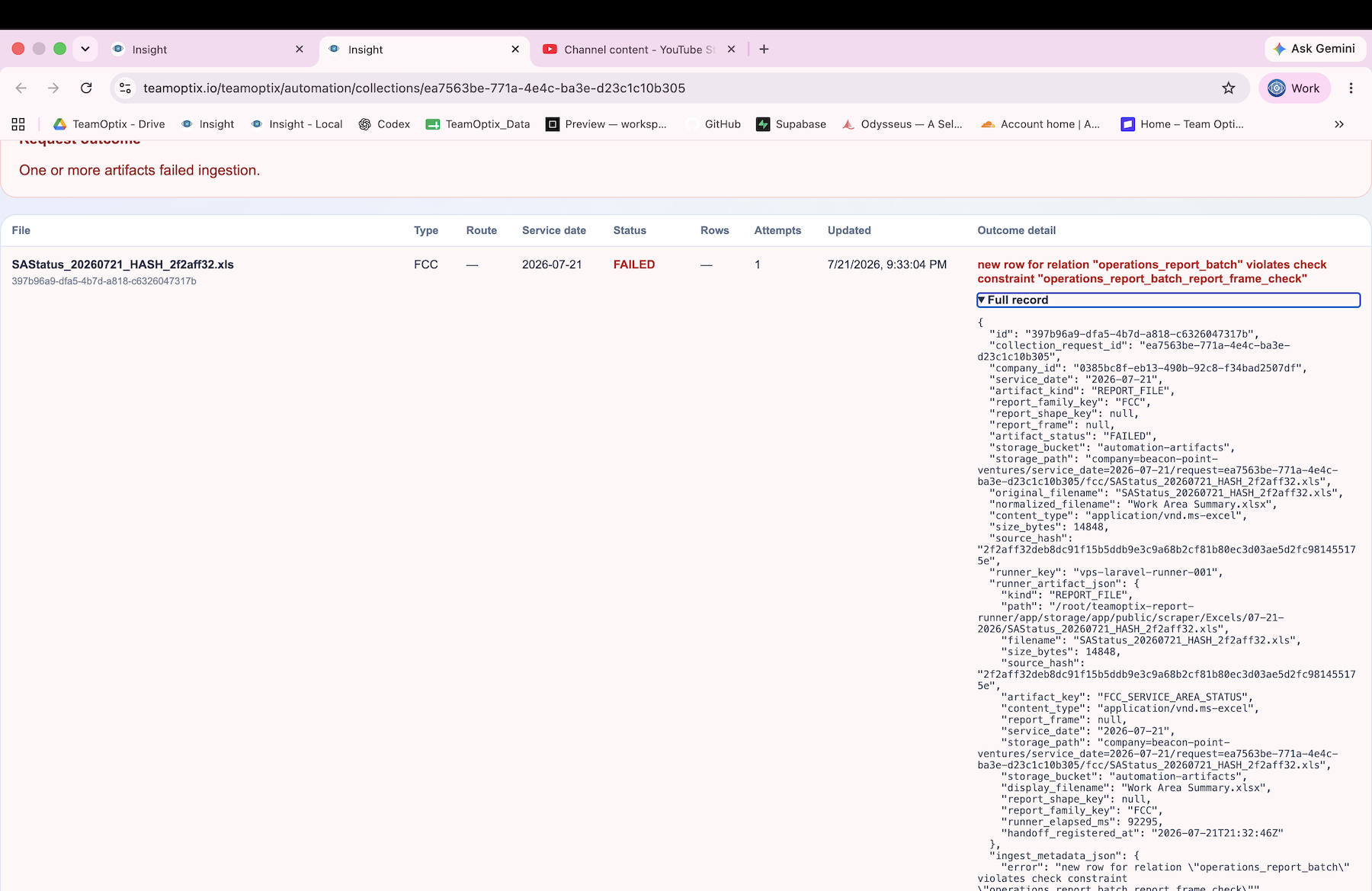
I needed a way to check errors in automation - Codex and Work with GPT made the connection easy. This is a pivotal element of dev now.
-
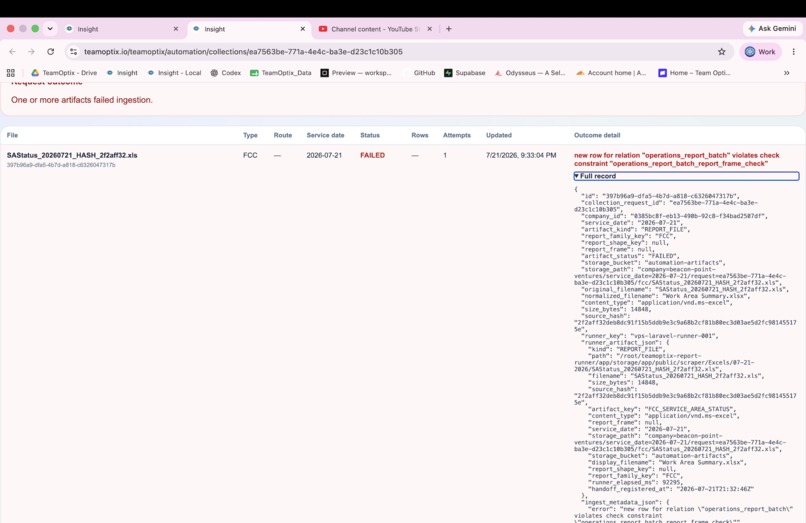
This is payload check for errors on automated ingestion.
Inspiration
I built Insight because I know what it feels like to run an operation with information scattered across reports, spreadsheets, messages, and dreadful tribal knowledge we call experience. I noticed most software solutions address disparate interests. For example, in the P&D Last Mile service industry, the drivers on delivery routes are often the only beneficiary to technological tools. Primary carriers like FedEx offer tools for the authorized operators to review various aspects of the service relationship, KPIs, settlements, and so on. There are no tools at all for the managing element of the operation who often find themselves left to figure it out.
What it does
Insight is the digital connective tissue between boots on the ground operations and the managing teams overseeing the frontline while reporting up. The platform allows the user to carry the onboarding process from recruiter service to driver's seat while tracking compliance along the way for both the new and existing workforce. That alone has been the biggest feedback praise from our seed client. Insight allows the user to skip the spreadsheets and get intelligence directly from the source. that statement sorely under represents the reality of it. Payroll, time tracking, duty hours, DOT hours, KPIs, dispatch, delivery service day, planning windows, morning reports, weekly summaries, the list goes on.
How we built it
I took years of structure and domain knowledge already proven inside Google Sheets and used them as the context. And this is the suitable time to say "we" after revisiting the heading of this section.
I built Insight through an ongoing collaboration with ChatGPT (the existing model in use around March of this year) all the way up and into using Codex and GPT-5.6. I can say the shift was impressive when 5.6 Sol kicked off. The real how we built it is rooted in what is now over a quarter million lines of code (including the failed and abandoned projects for burn an reboot phases), about 15k sql queries across two Supabase projects, plus a never ending back and forth chat with AI--the tireless coach and compiler of what my ideas could express while my own knowledge grew along side project.
Challenges we ran into
Many times the GPT knew what to do but I did not know how to implement it. So that was a big part of the learning journey. The hardest part was making every part of the system agree about what the data meant. I am not a tech employee, nor do I personally know how to write code in any meaningful way. Typing out this has be a festival of backspacing and hunting red underscored words to fix them. GPT was always holding the light over my shoulder so I could make the right choice. Sometimes GPT knew the best next step. Sometimes I pushed back because I knew my path was right. My challenge was always, and remains, communicating the vision in what I can now describe as tech-filtered, AI understandable blocks.
Accomplishments that we're proud of
I am most proud that I learned how to articulate my vision in a way AI could act on. And I will enforce "we" again because I have seen the evolution of GPT over each update. Even through cussing and fighting with overdone sessions where memory is think and the ask it outsized, the model and I learned together when to call it and start a fresh session.
This is my first real project. And I have built it through continuous AI collaboration. From the first "what is...?" to today's "try this". It takes a lot of back and forth, correction, testing, and learning. The screen time and effort are bringing me closer to working software. Closer to a project that promises to be my next exciting chapter.
Insight now connects evidence, interpretation, and action without pretending they are the same thing. And I am not months but days from converting beta testing client number one into revenue generating client number one. That is what this model has done for me.
What we learned
The quality of the build depends on how clearly I explain the intent. We established a configured workflow in the AI model: Declare intent -- Inspect code base -- prepare code -- implement -- review. We ask one question at the end: did that work? Rinse and repeat until repeating is no longer needed. It works. We stick to it.
What's next for Insight: AI Operations Engine
I will borrow the copy straight from the website: Insight is our first product, but it is not our destination. What started as one operator trying to make sense of his own business has become something larger. Not because we set out to build a software company, but because the work itself showed us there was a better way.
I really have no idea how a "hackathon" works. I also admit it makes me feel uneasy sharing so much of what I am building this early in the product lifecycle. One thing is for certain, there is no stopping now.
Built With
- apis
- app
- automation
- codex
- docker
- functions
- github
- gpt-5.6
- laravel
- next.js
- node.js
- openai
- php
- postgresql
- progressive
- python
- react
- rest
- row-level
- security
- selenium
- serverless
- supabase
- typescript
- vercel

Log in or sign up for Devpost to join the conversation.