-
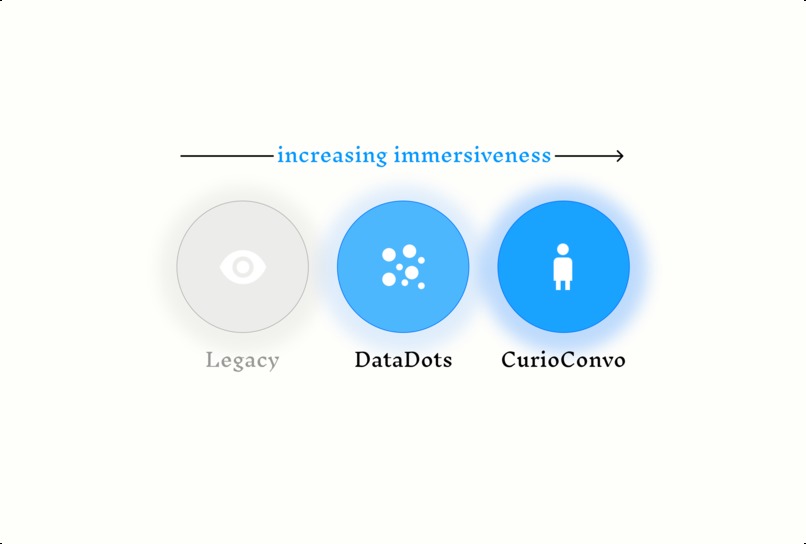
InSight Modes
-
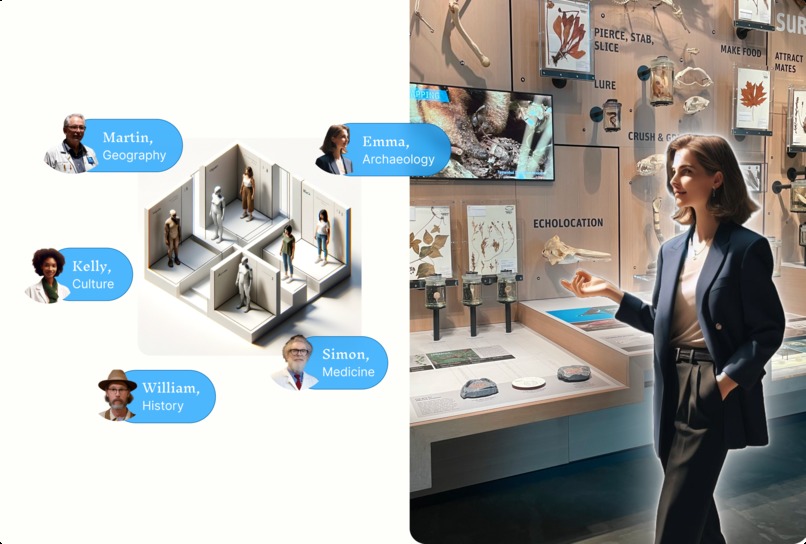
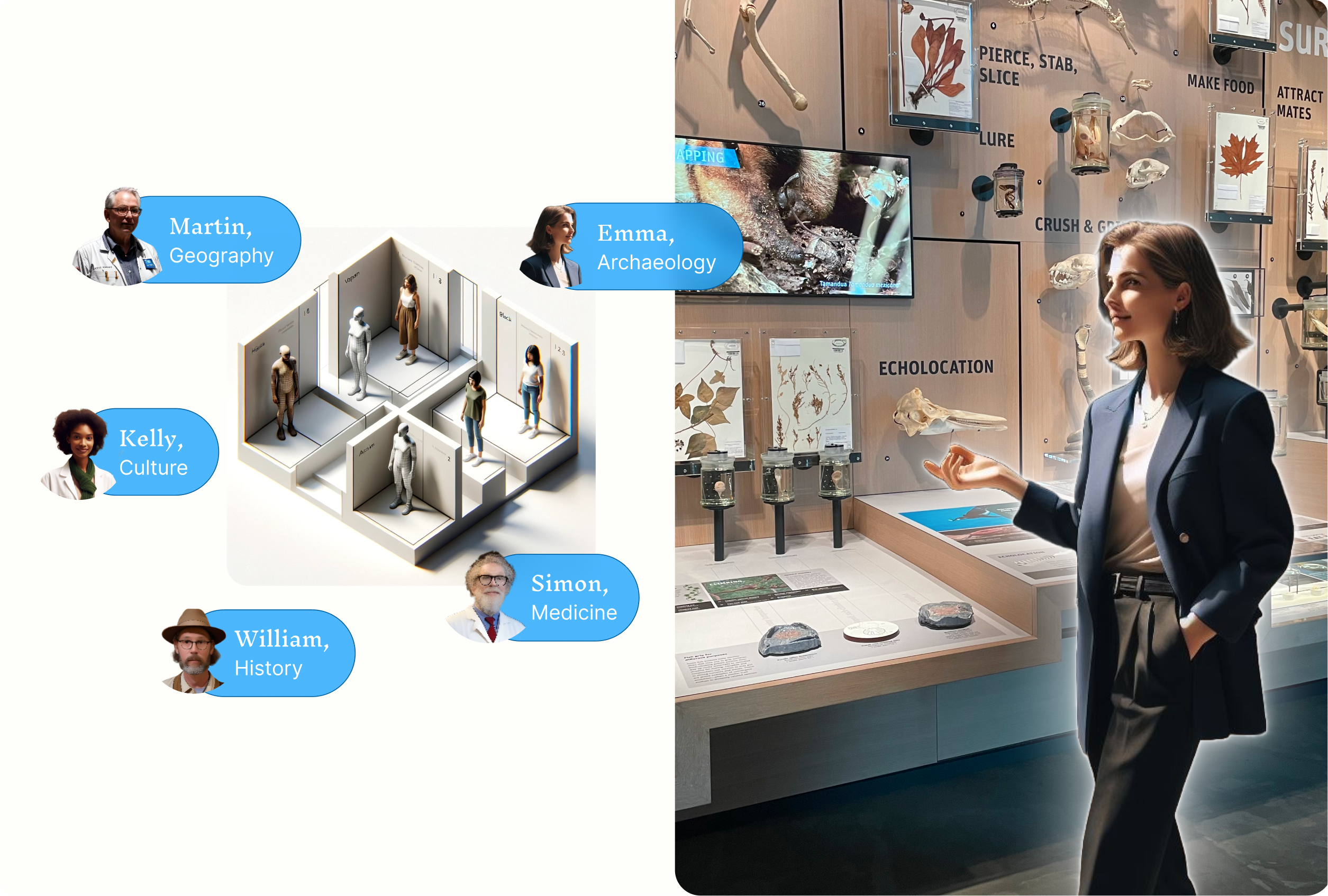
InSight CurioConvo
-
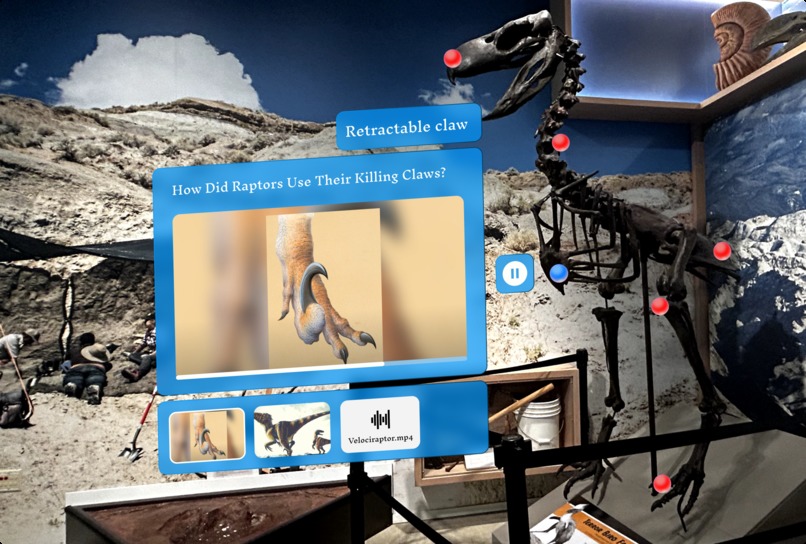
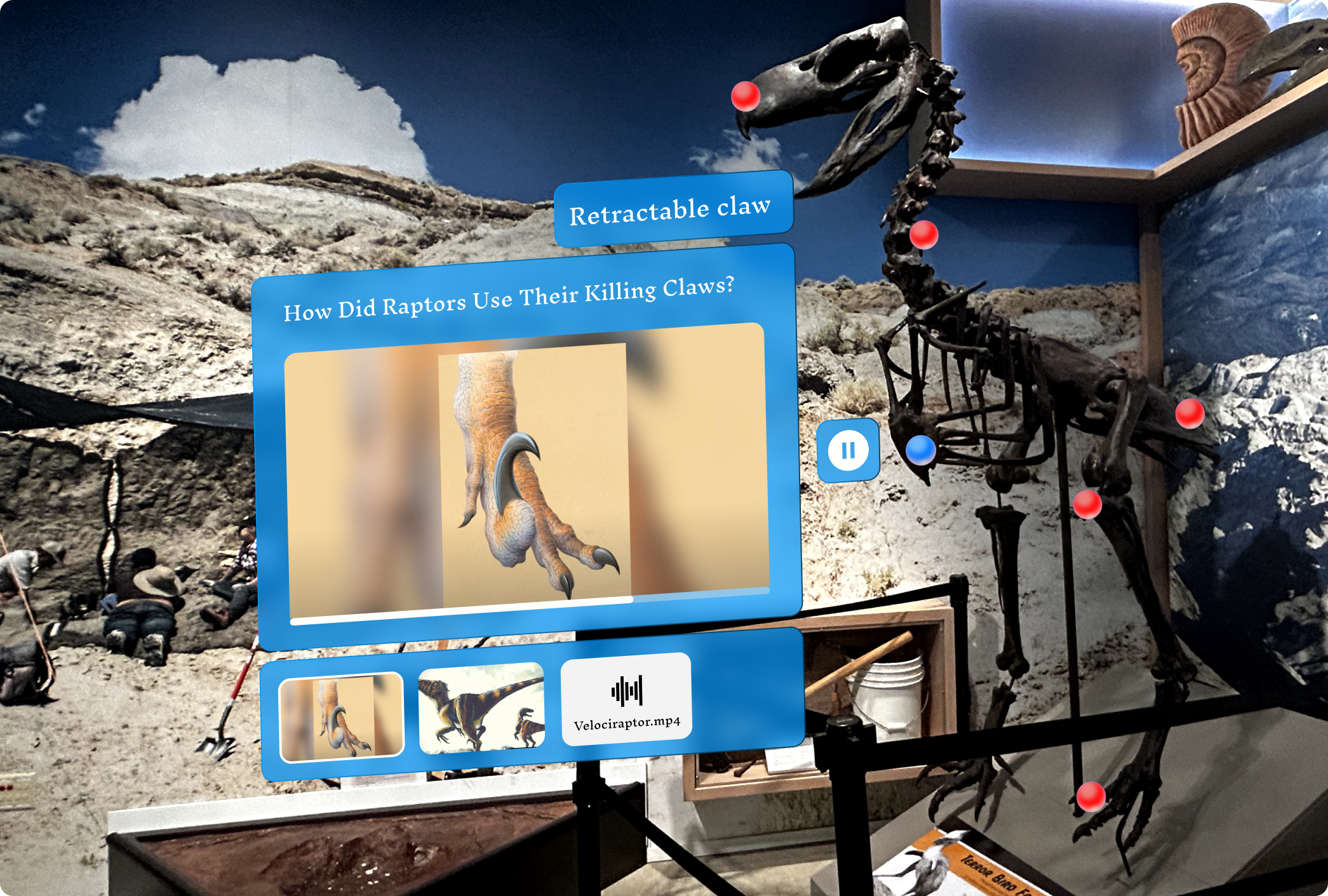
InSight DataDots
Motivation
With our interest in museums, we noticed that many young adults do not prefer visiting museums as compared to other activities for recreation. We wanted to explore why and create an engaging experience that is dedicated to them.
Research
To better understand our user group and gather behaviors and perspective around museums, we started by interviewing young adults outside the museum environment. Then, we went to a museum to speak to young adults and find what they found interesting and what were some opportunities to improve.
Contextual Research
We interviewed five people (2 Male, 3 Female) at a museum - some who were new to museums (first or second visit) and some who were regular museum goers.
Findings
- Want to explore themed museums with aligned interests.
- Need a more engaging way to learn.
- Would be nice to have a resting place inside a large museum.
- Need someone to answer more questions and fulfill their curiosity.
- Need to translate the language of artifact descriptions in the museum.
How might we
We prioritized focusing on pain points which could make the most impact for our target user group.
How might we design an immersive experience that satisfies the curiosity and exploratory interests of young museum visitors?
Focus 01
Museum visitors want engaging ways to learn
Focus 02
Museum visitors want more information
The Solution - Introducing InSight
AR-glasses with customizable modes that enhance engagement and learning
Our solution is a modal experience provided through AR-glasses. Visitors can choose to experience their visit in one of three modes - Legacy (normal), DataDots (learn and engage), or CurioConvo (ask and engage).
DataDots People remember specific ideas and things they see at a museum. With DataDots, museum visitors get to learn about artifacts through engaging visuals in AR. DataDots are activated when someone reaches with a specific distance to an artifact.
CurioConvo An interactive conversational feature to speak to realistic avatar guides to answer any questions visitors have. This feature is founded on LLM-based search and text-to-speech through avatars.
Usability Testing
The concept of DataDots was well-received by all our usability testing participants.
The dots are effective in guiding users’ attention to relevant details, making it easier for them to understand the description.
“I like DataDots because it makes it easy for me to match specific descriptions with corresponding parts.”
Certain visitors expressed interest in CurioConvo, while others mentioned a reluctance to engage with it.
Individuals who enjoy solo museum visits showed little interest in utilizing this feature. However, some people expressed that engaging in a discussion rather than reading text could be more helpful.
All visitors liked having language options for the avatar and content.
International students struggle with subject-specific English terms. Some mentioned they prefer consuming the information in their native language.
Challenges We Ran Into
Limitations
- We had limited access to museums in our city to understand pain points and speak to people.
- Our usability testing was conducted only in one museum environment because of the lack of time.
What we learned
- We learned about spatial anchoring and calibration and other potential ways of using AR technologies for good in museums.
- Through our initial research and later testing, we also learned that while many would want a second person to discuss with inside museums, they would not necessarily want a guide or virtual avatar. They would want something more subtle as they like to explore museums by themselves.
Next Steps for InSight
Up next, we would be developing the DataDots feature using the PICO Sense Pack.
We would prioritize development of the DataDots feature because of the highly positive feedback. We would primarily use the PICO Sense Pack features like spatial anchoring and calibration for this. We would also continue to refine the CurioConvo idea to ensure there is a need for the feature before we develop.
Built With
- figma
- pico

Log in or sign up for Devpost to join the conversation.