Inspiration
Nature is a web, but we often teach it like a list. Students learn what animals and plants are, but not how they depend on each other. Field trips and nature guides can make those connections real, but they aren't accessible to everyone.
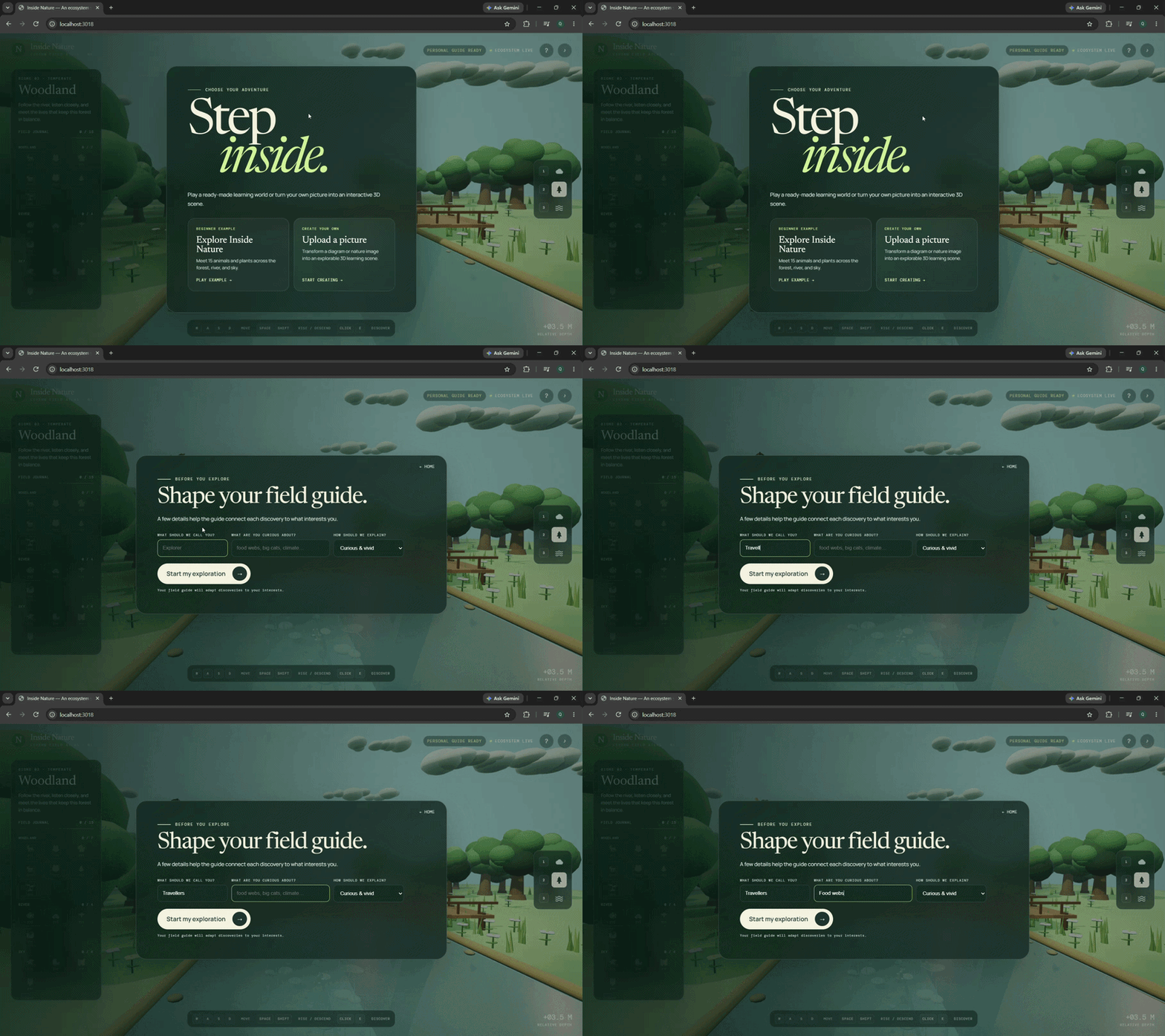
We built Inside Nature to give anyone the feeling of stepping inside an ecosystem, directly from their browser.
What it does
Inside Nature is a free interactive 3D ecosystem where users explore woodland, river, and open-sky biomes and discover 15 animals and plants. Instead of just showing facts, an AI field guide explains how each species connects to the ecosystem.
Users can choose different explanation levels, hear explanations through ElevenLabs, listen to environmental sounds, and answer short questions as they explore.
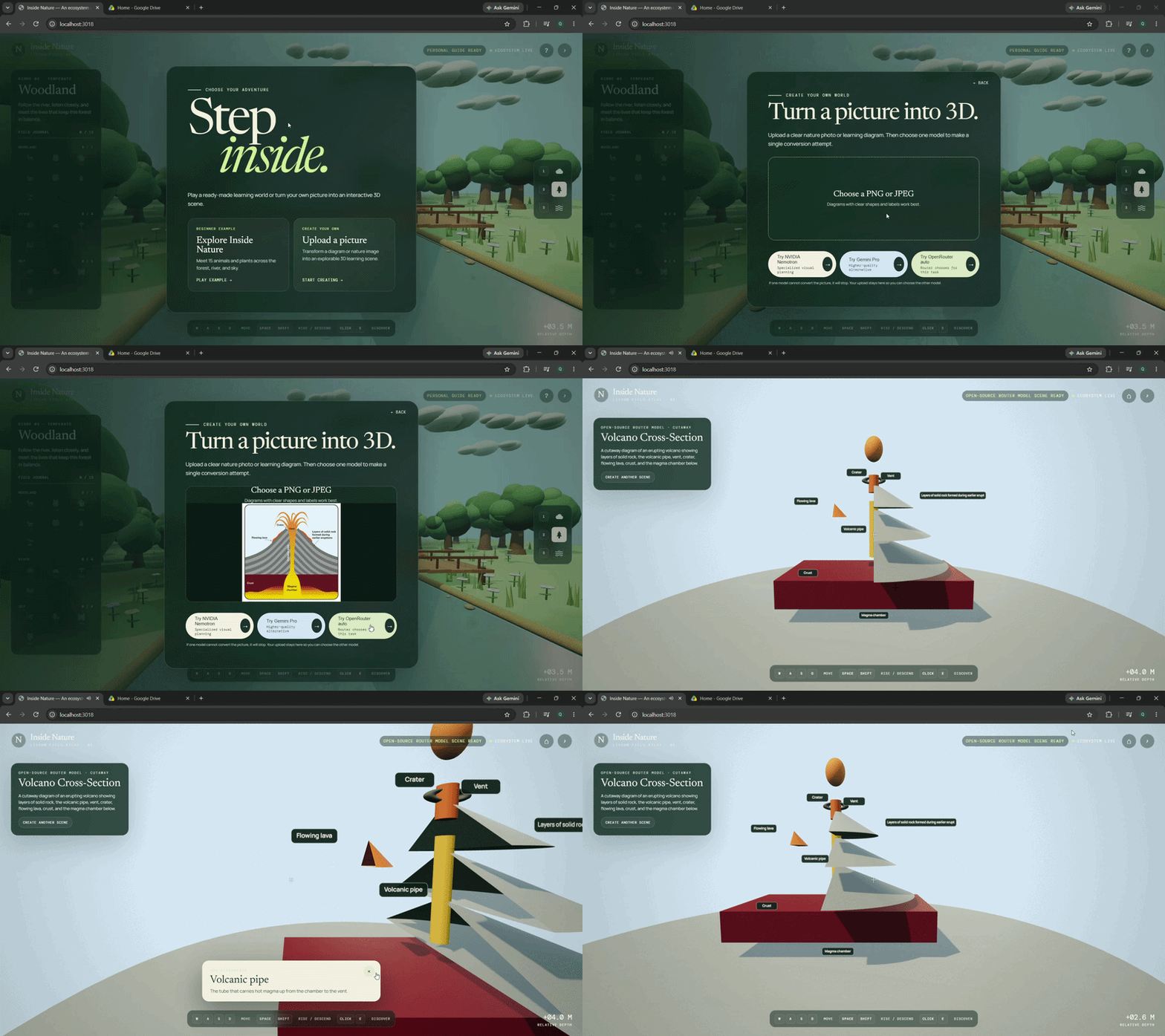
We also built an image-to-3D creator. Users can upload a nature image or textbook diagram, and NVIDIA Nemotron or Google Gemini interprets it and turns it into an explorable 3D scene.
How we built it
We built the 3D experience using TypeScript, Three.js, and Vite, with a Node.js backend.
NVIDIA Nemotron 3.5 Lightning generates personalized field-guide explanations and helps compile 3D scenes. Nemotron Omni handles image understanding, while Google Gemini provides another image-to-scene pipeline. ElevenLabs gives our field guide a voice.
For safety and reliability, the AI never generates executable code. Instead, it returns structured JSON called a SceneSpec. We validate that data and use our own Three.js renderer to build the scene.
Challenges we faced
The hardest challenge was turning arbitrary 2D images into useful 3D scenes. Understanding an image with AI is one thing; converting that understanding into geometry that Three.js can reliably render is much harder.
We also had to combine 3D graphics, multiple AI models, voice generation, audio, and gameplay while keeping everything responsive in a browser.
What we learned
We learned that AI can do more than generate text. It can change how people interact with information.
We also learned how useful structured AI output can be. By making models describe scenes instead of generate code, we could combine generative AI with a predictable and safer rendering system.
Most importantly, we learned that education doesn't have to feel like reading another textbook. Sometimes the best way to understand something is to step inside it and explore it yourself.


Log in or sign up for Devpost to join the conversation.