-
-
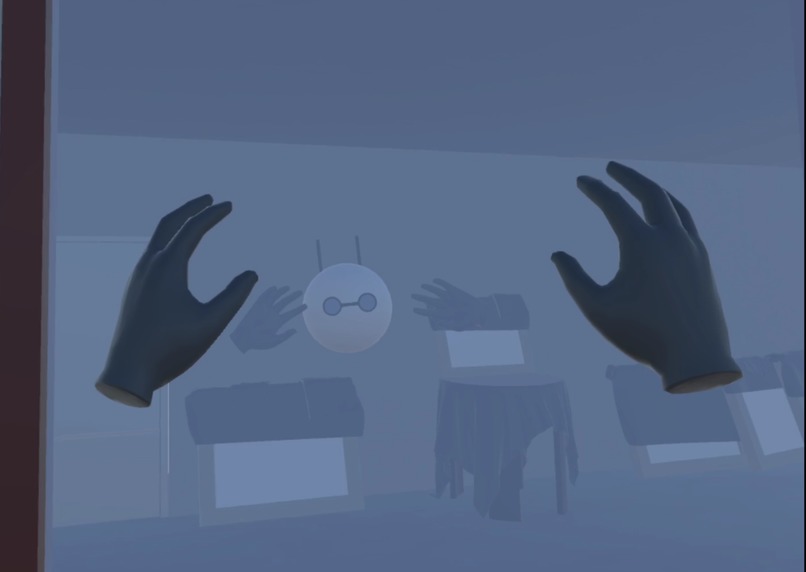
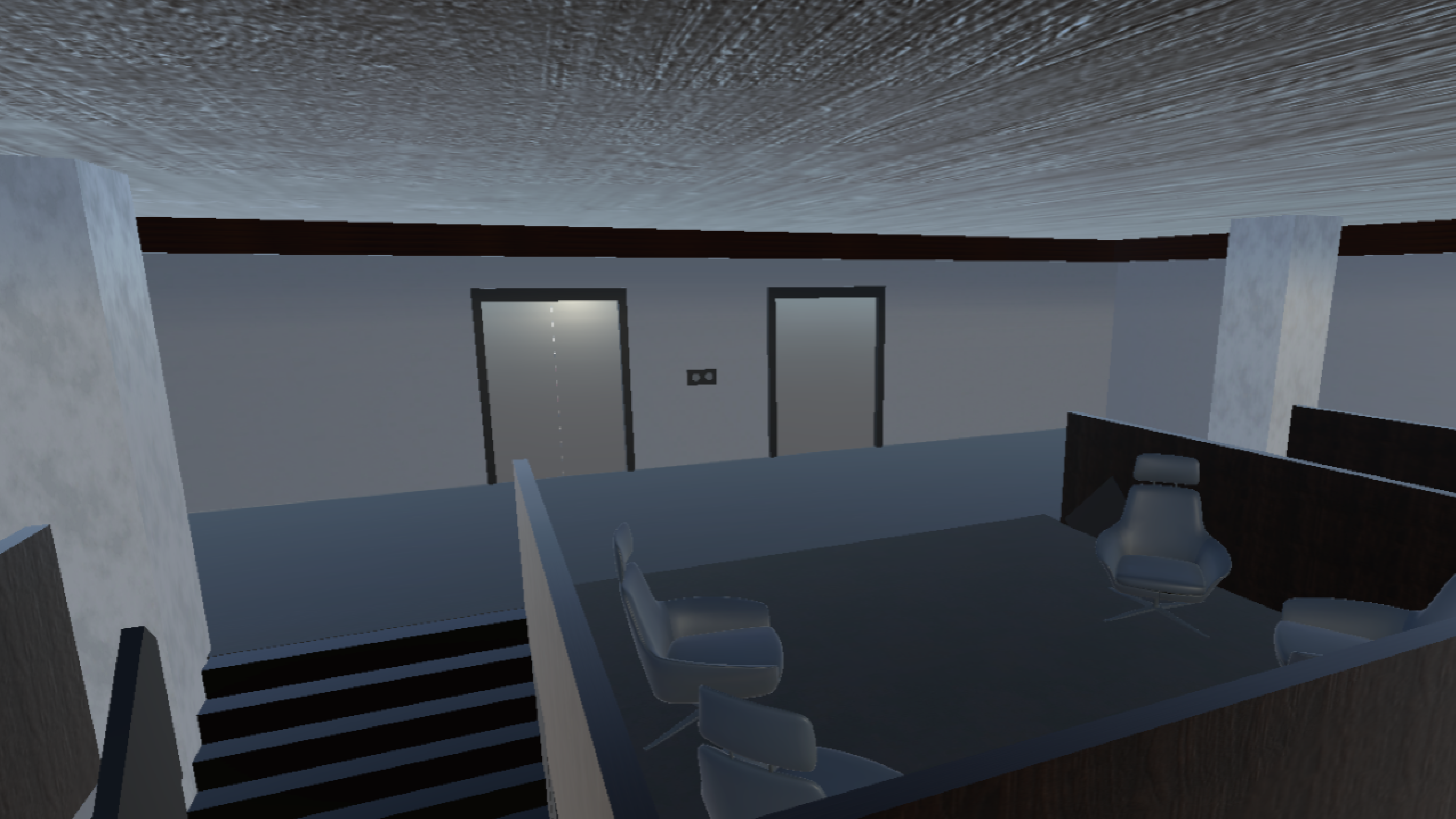
In Game Screenshot 01
-
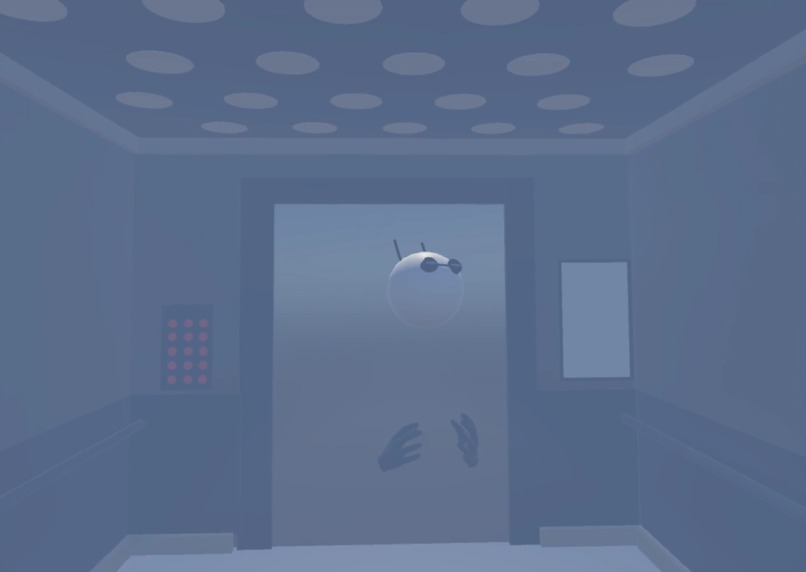
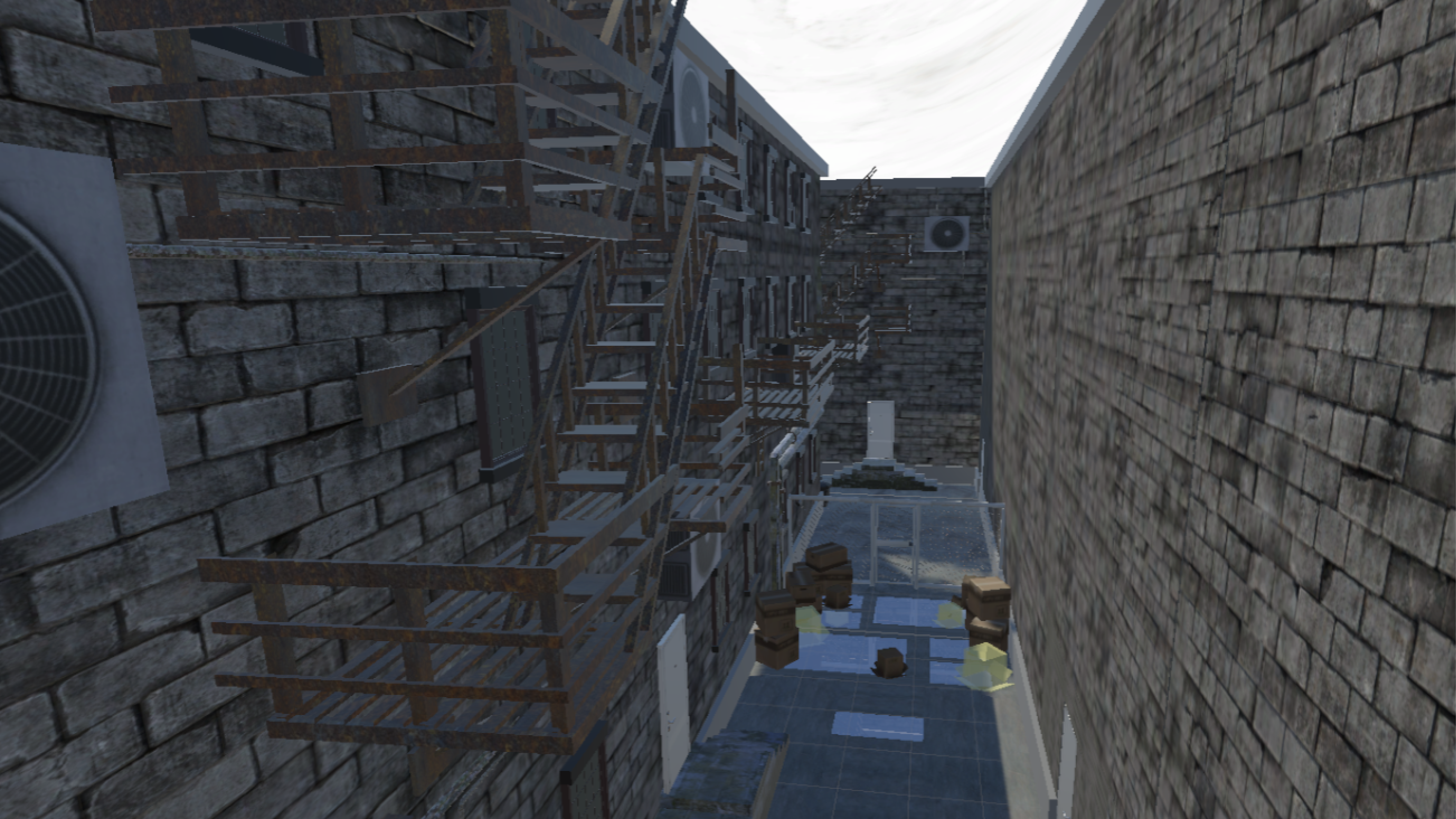
In Game Screenshot 02
-
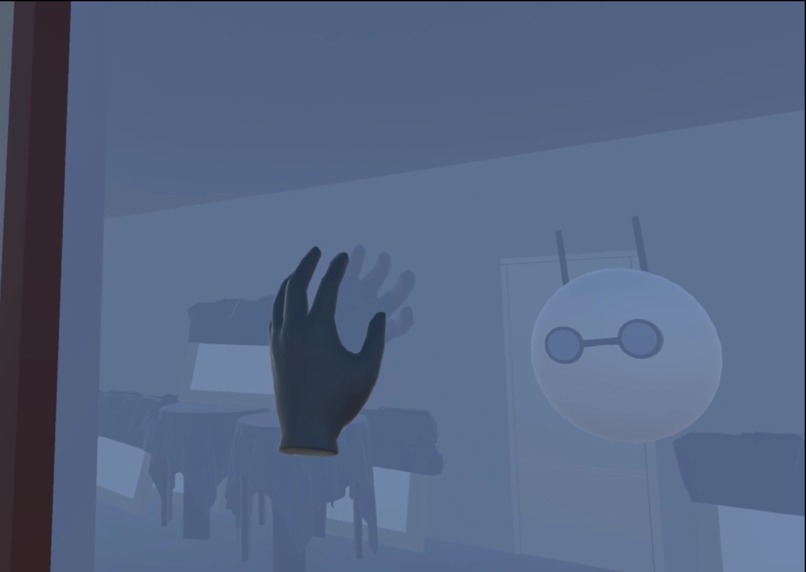
In Game Screenshot 03
-
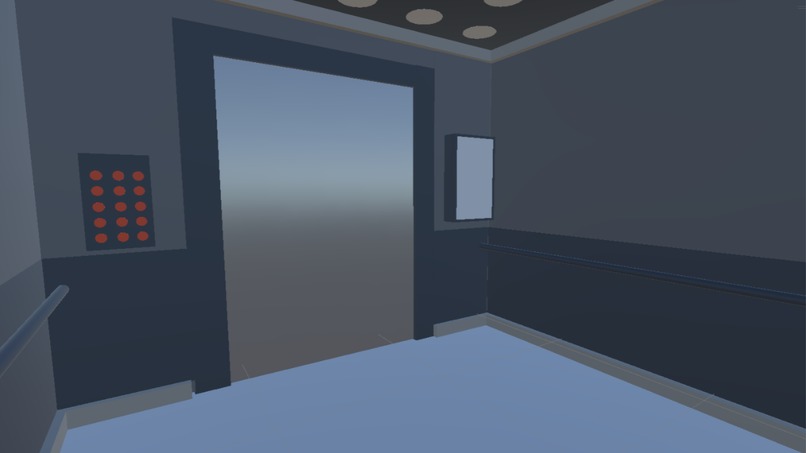
In Game Screenshot 04
-
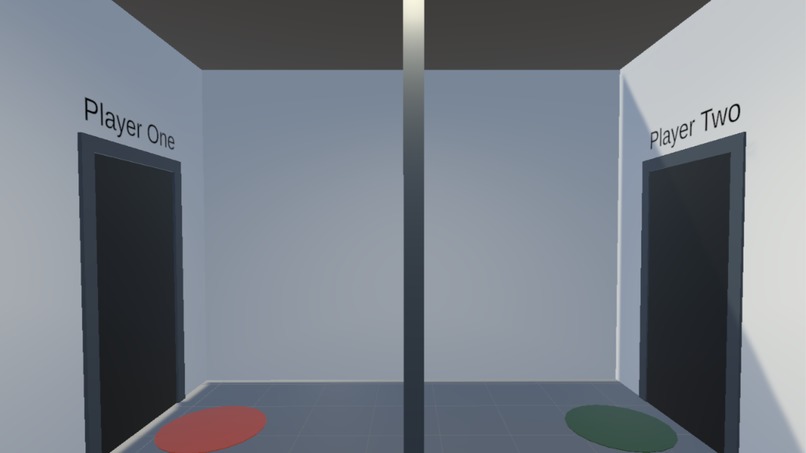
In Game Screenshot 05
-
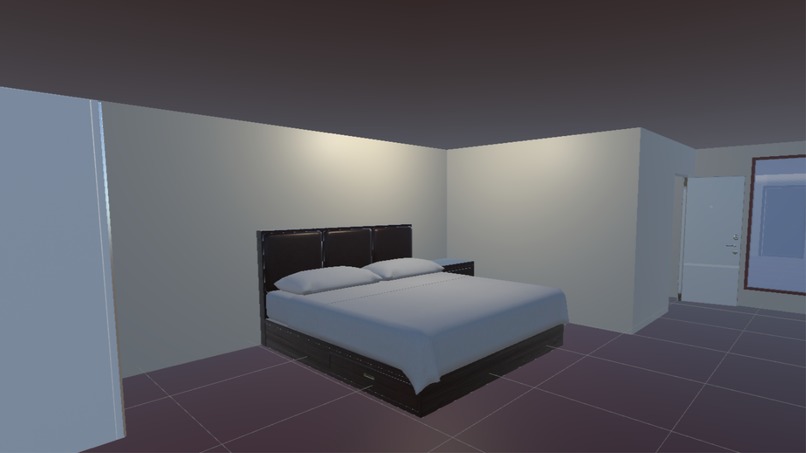
In Game Screenshot 06
-
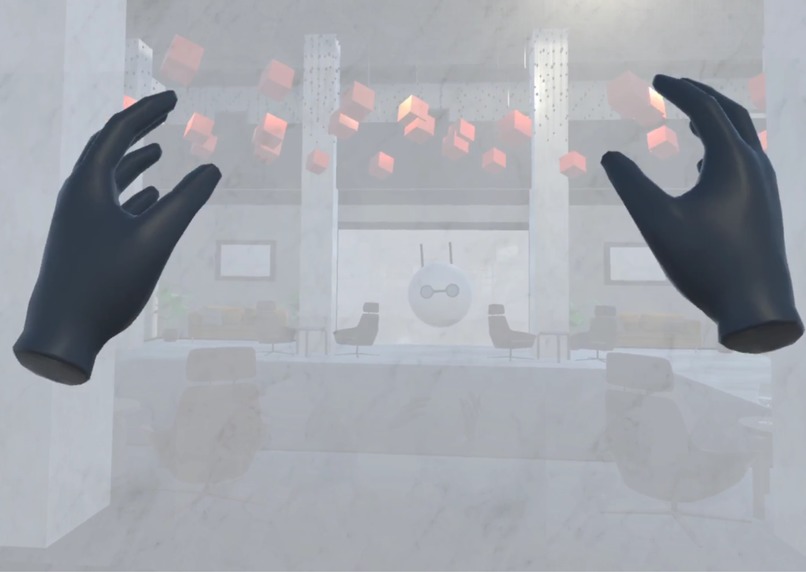
In Game Screenshot 07
-
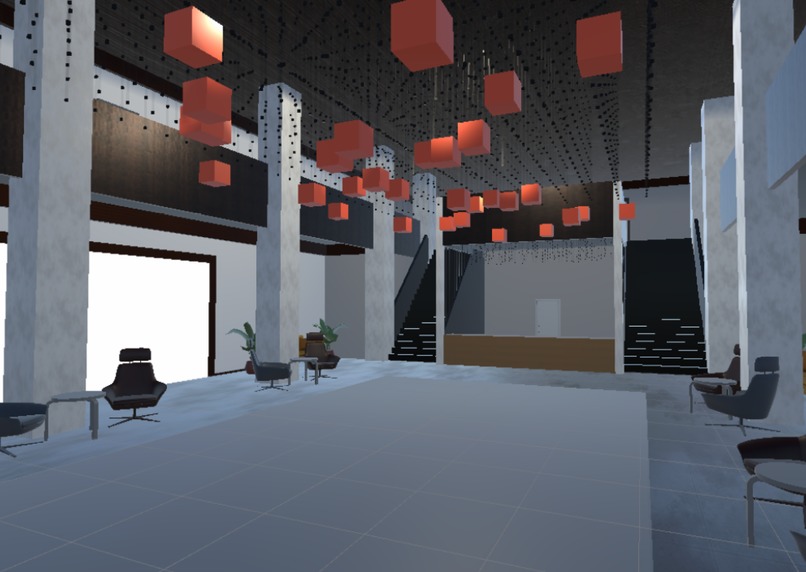
In Game Screenshot 08
-
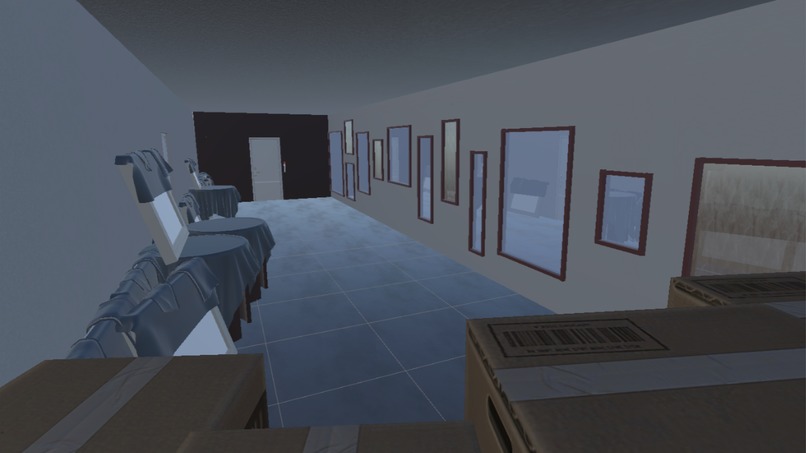
In Game Screenshot 09
-
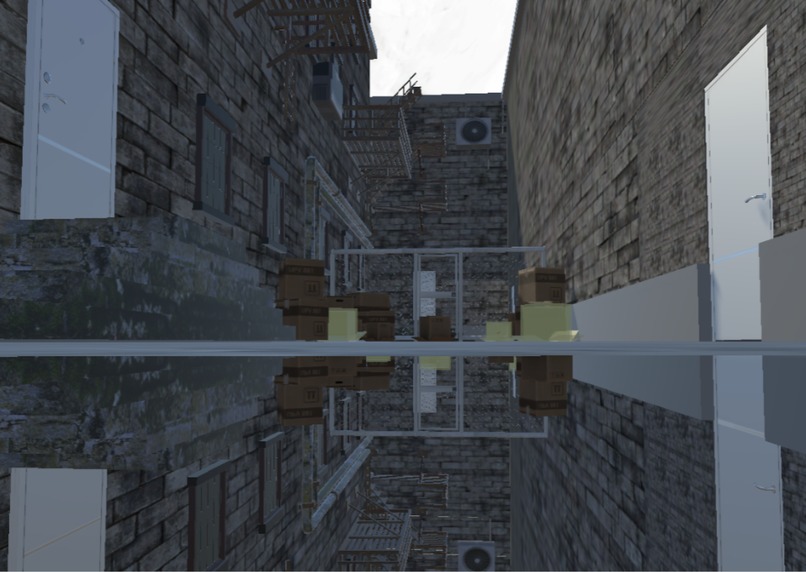
In Game Screenshot 10
-
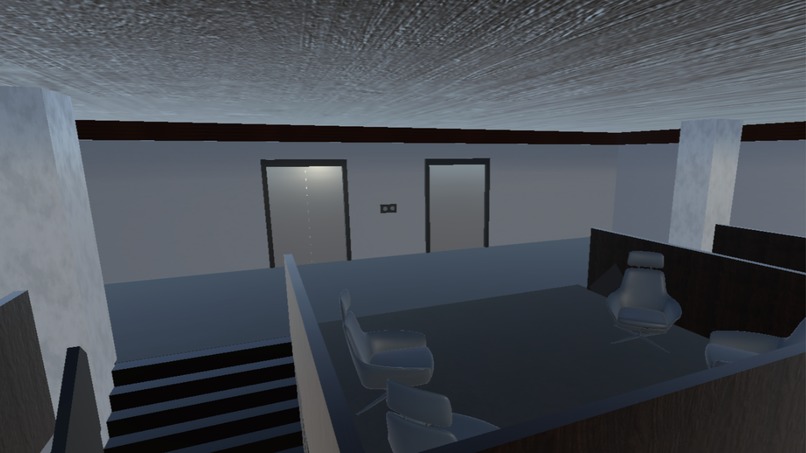
In Game Screenshot 11
-
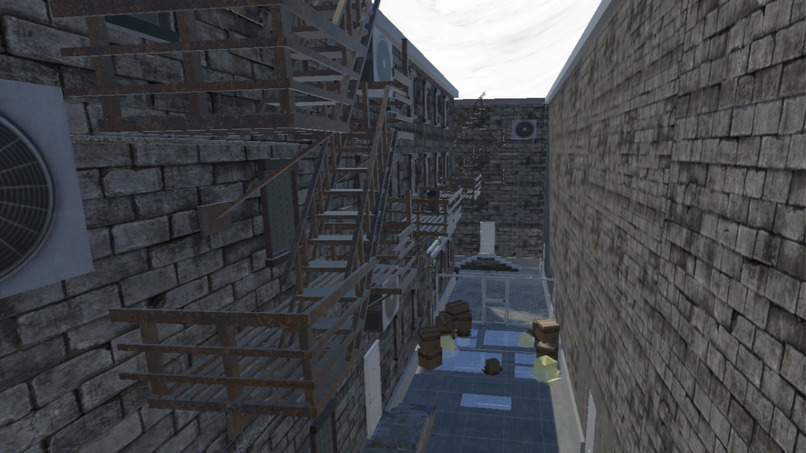
In Game Screenshot 11
-
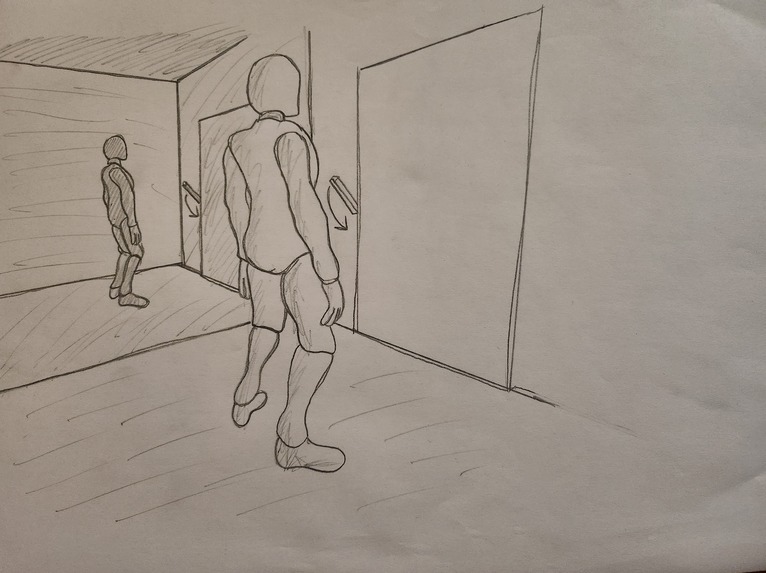
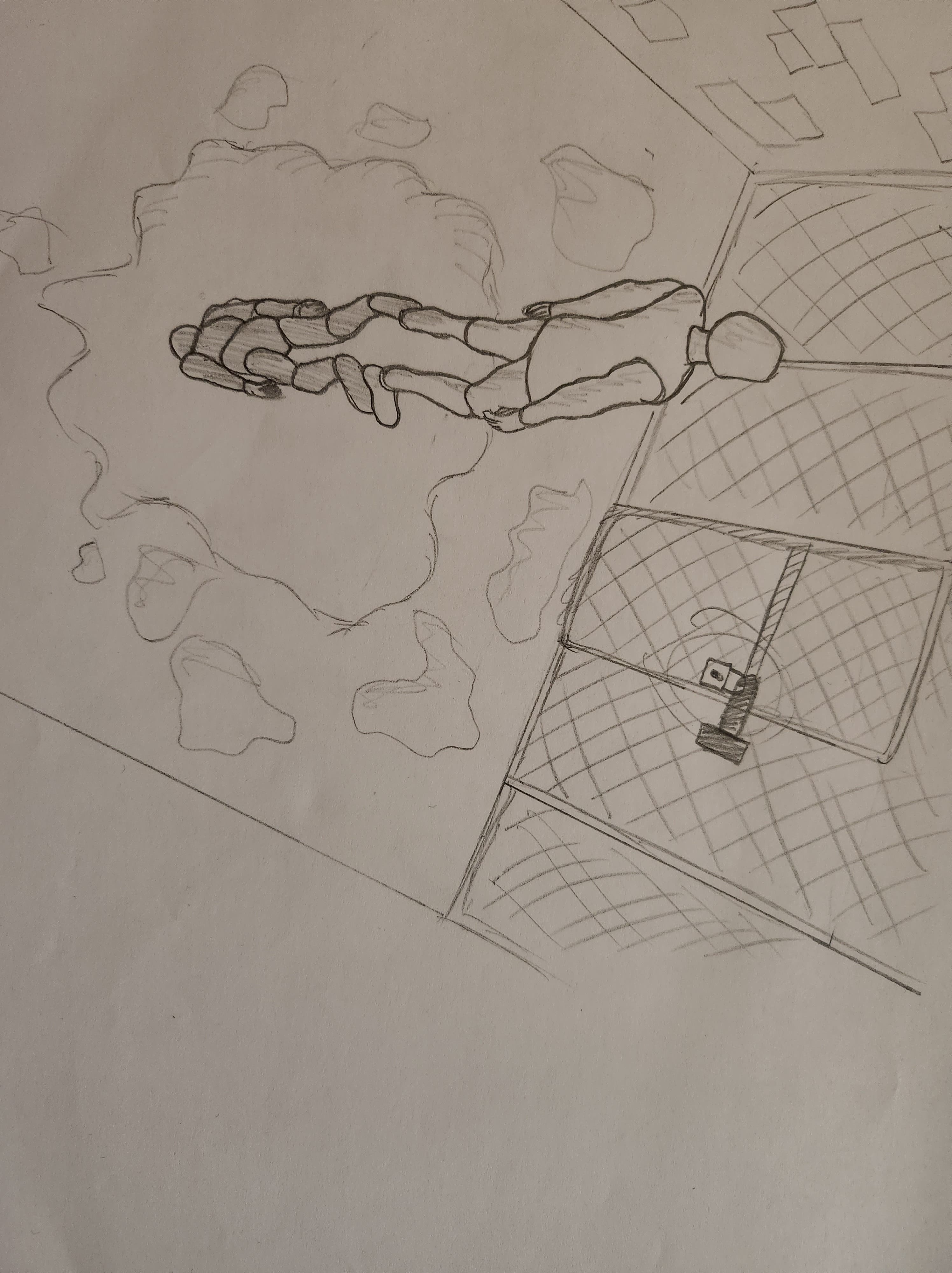
Concept Drawings 01
-
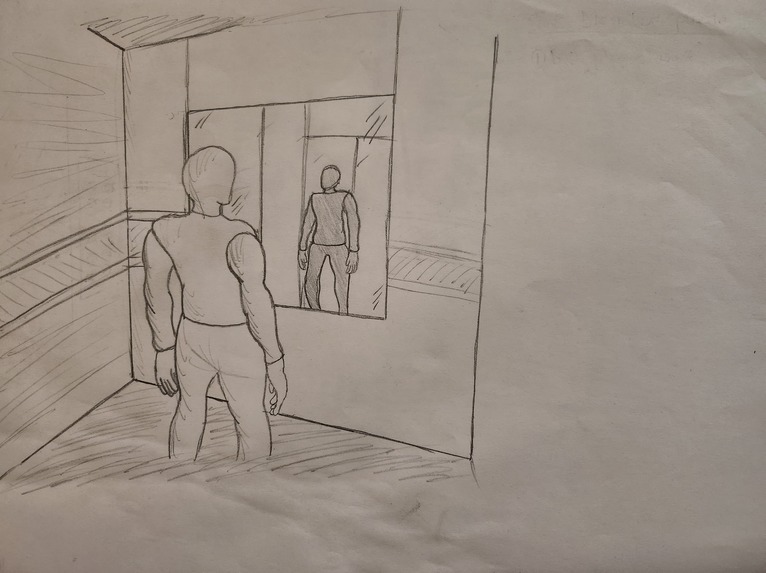
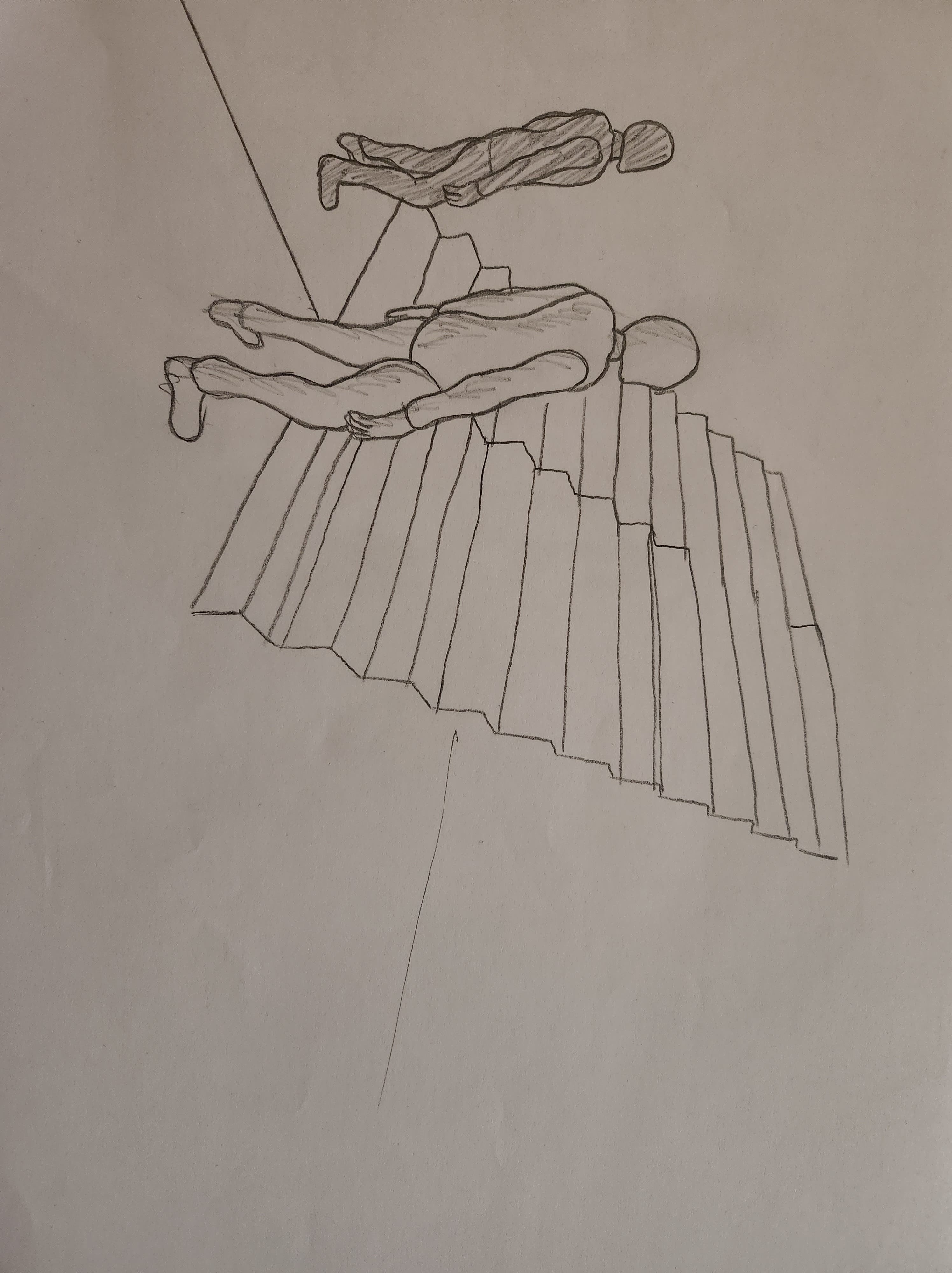
Concept Drawings 02
-
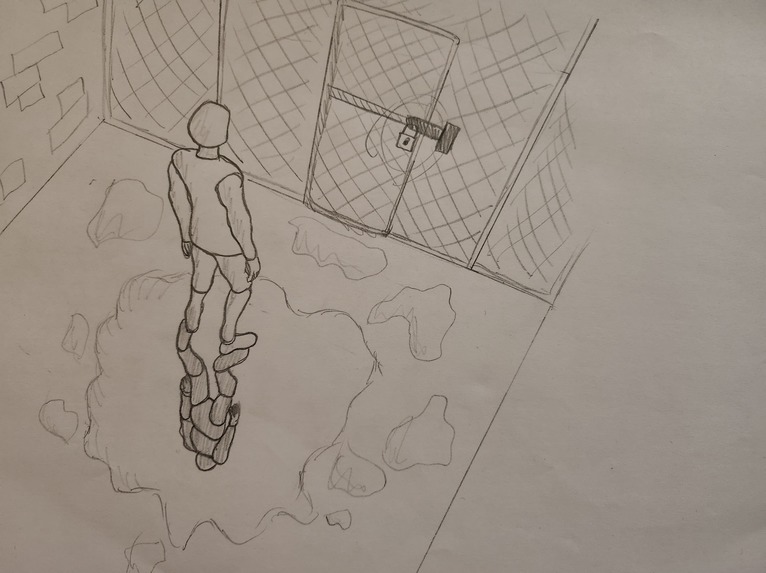
Concept Drawings 03
-
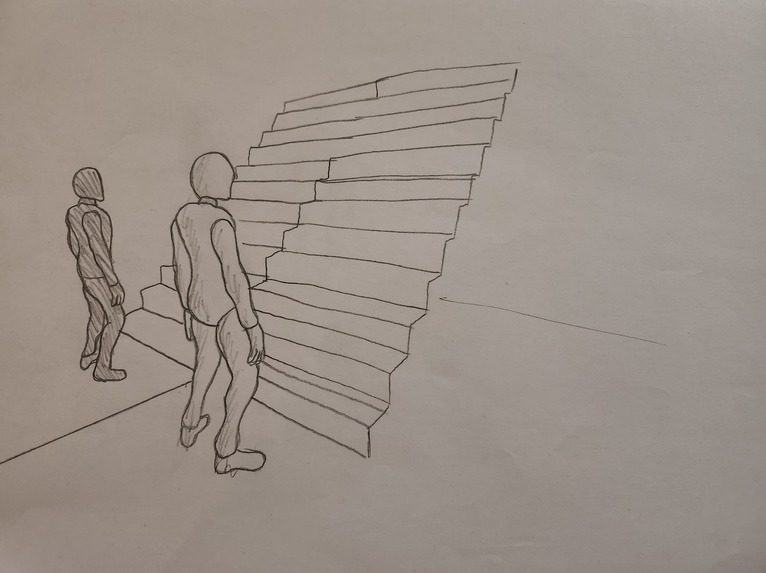
Concept Drawings 04
-
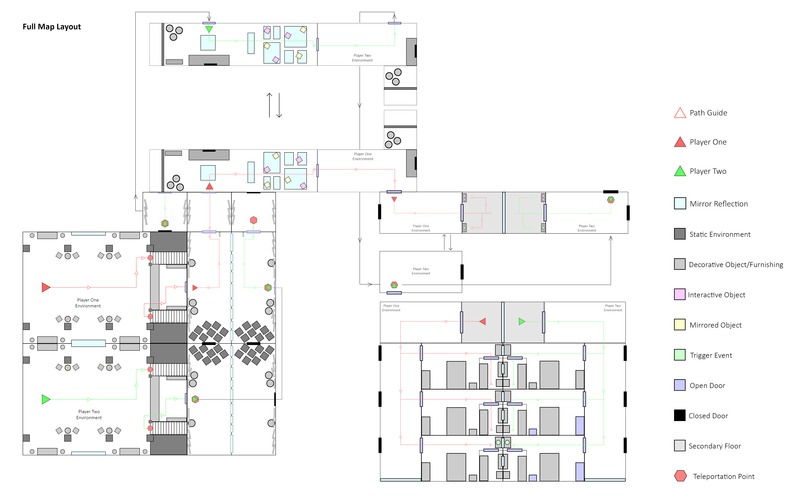
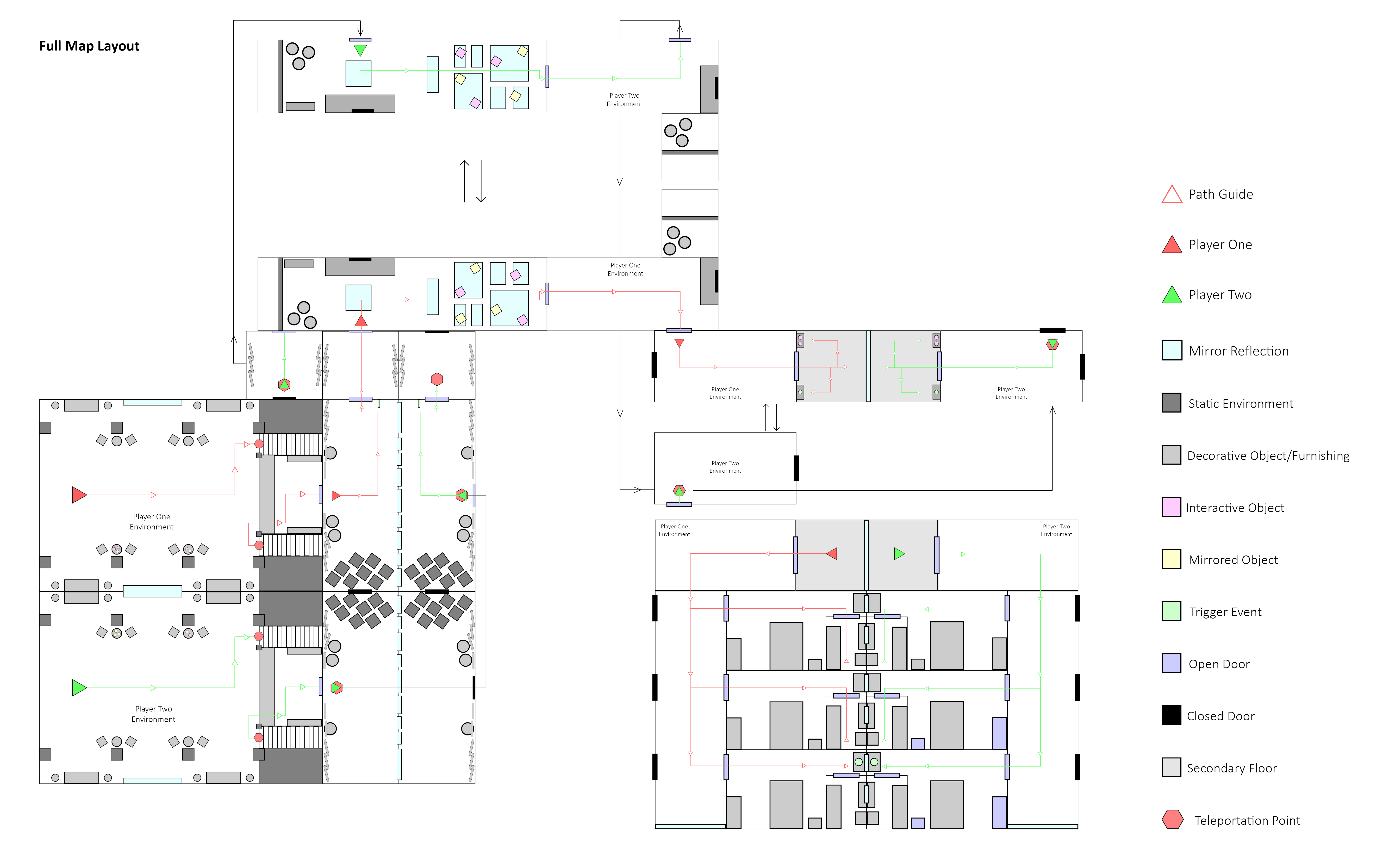
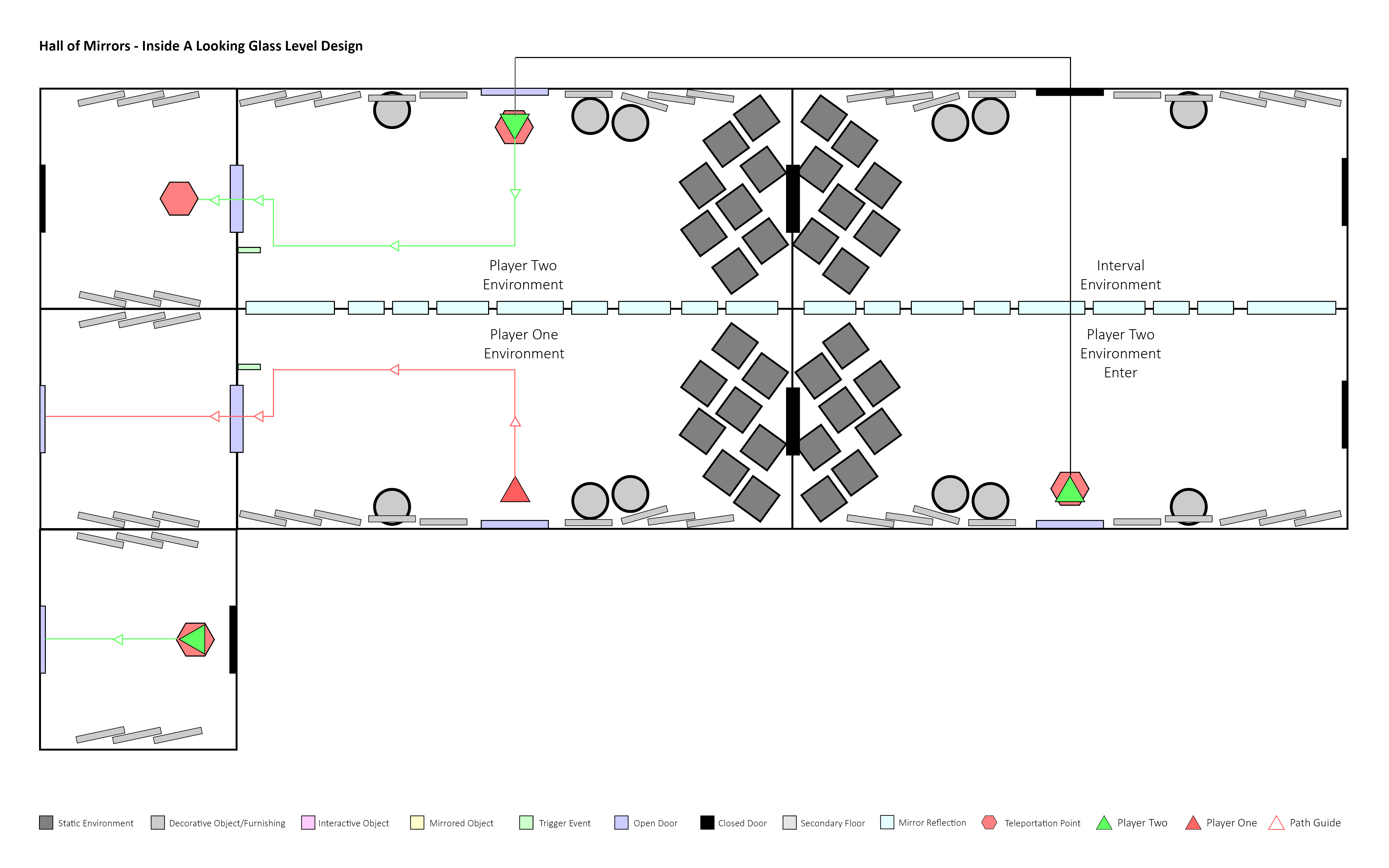
Full Level Design Layout for the Experience
-
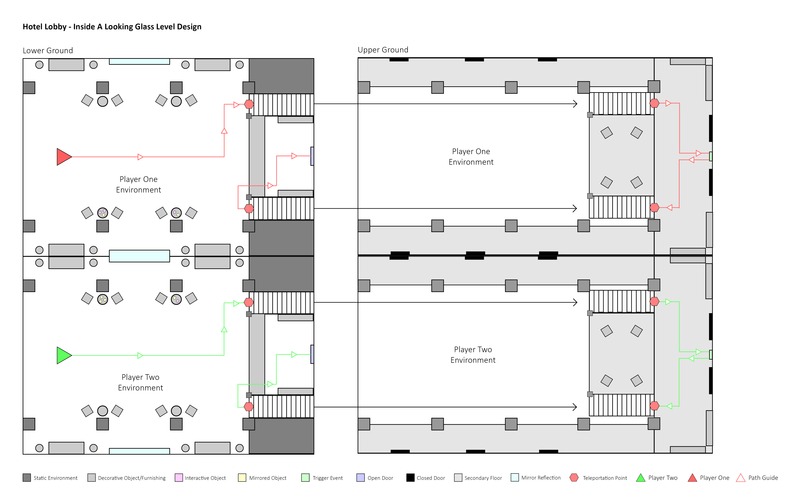
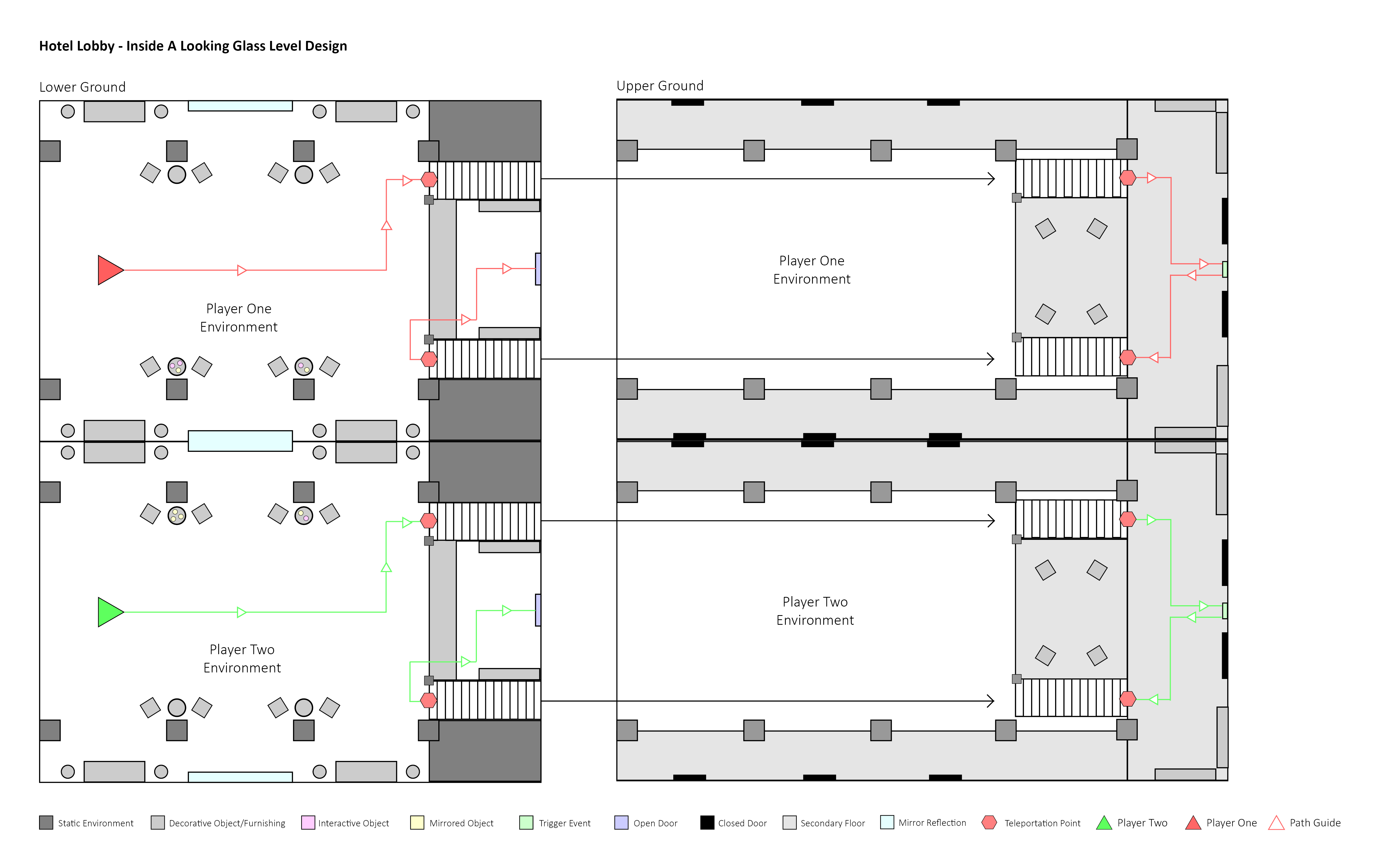
Level Design for Section 01 of the Experience
-
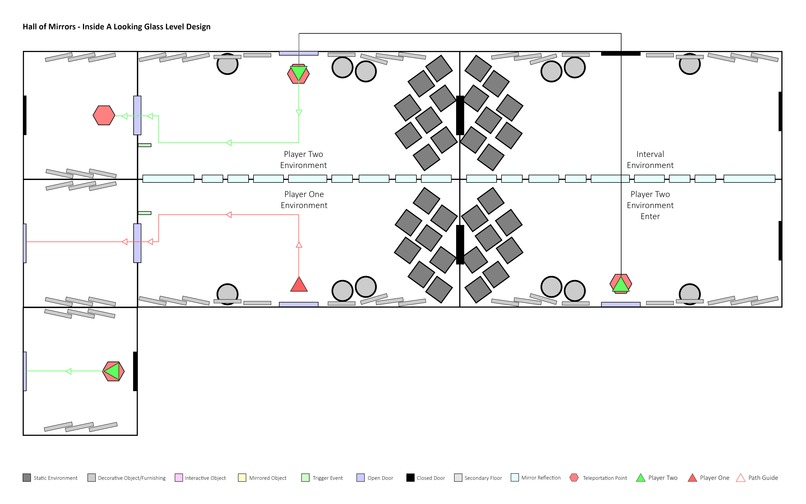
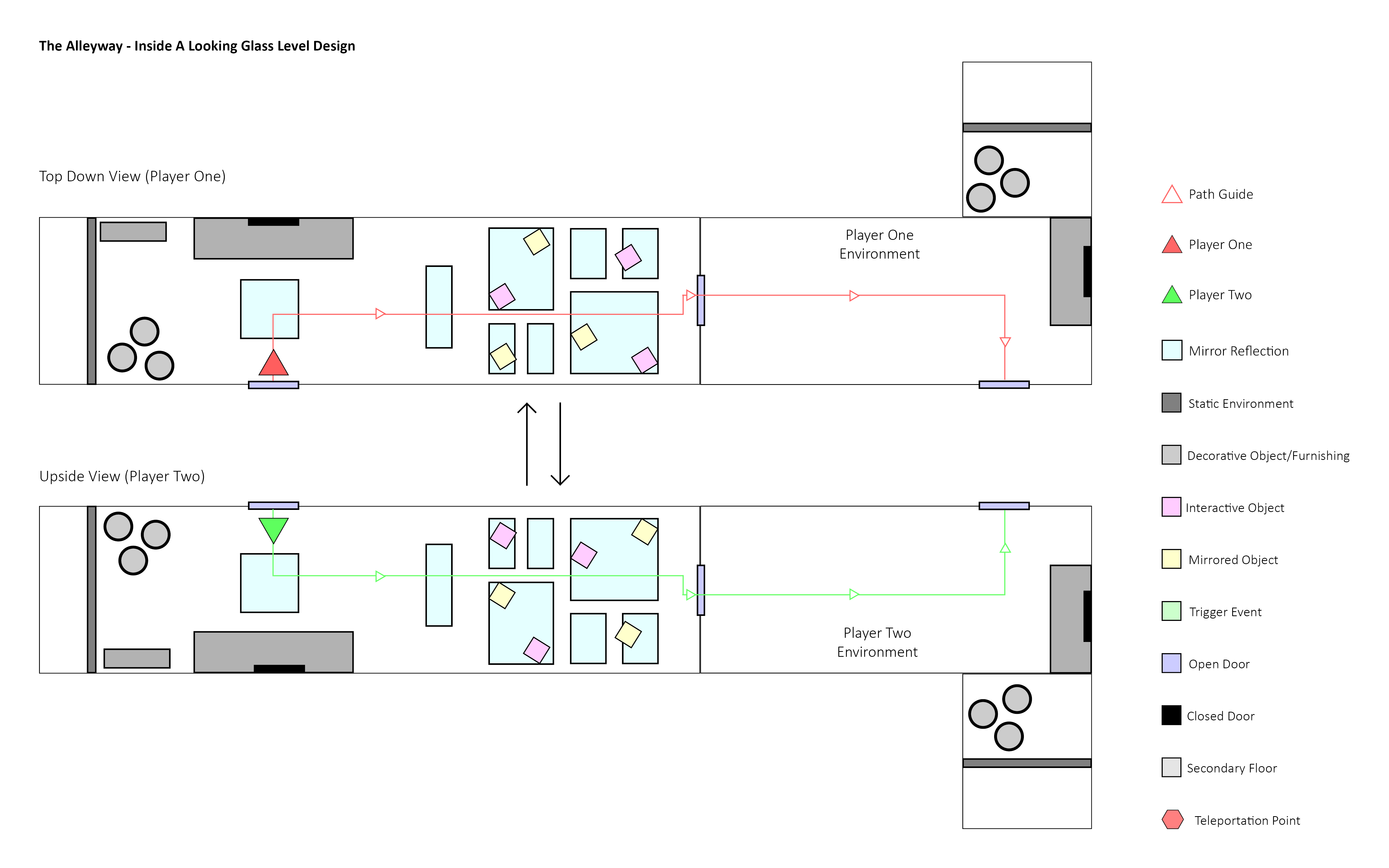
Level Design for Section 02 of the Experience
-
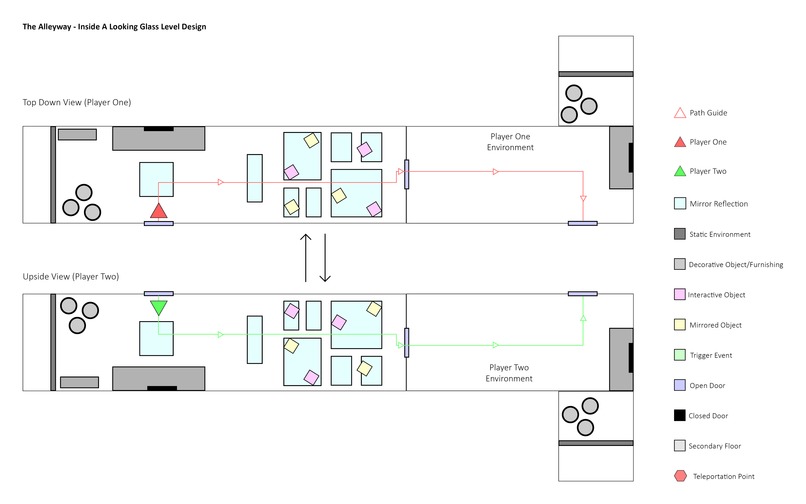
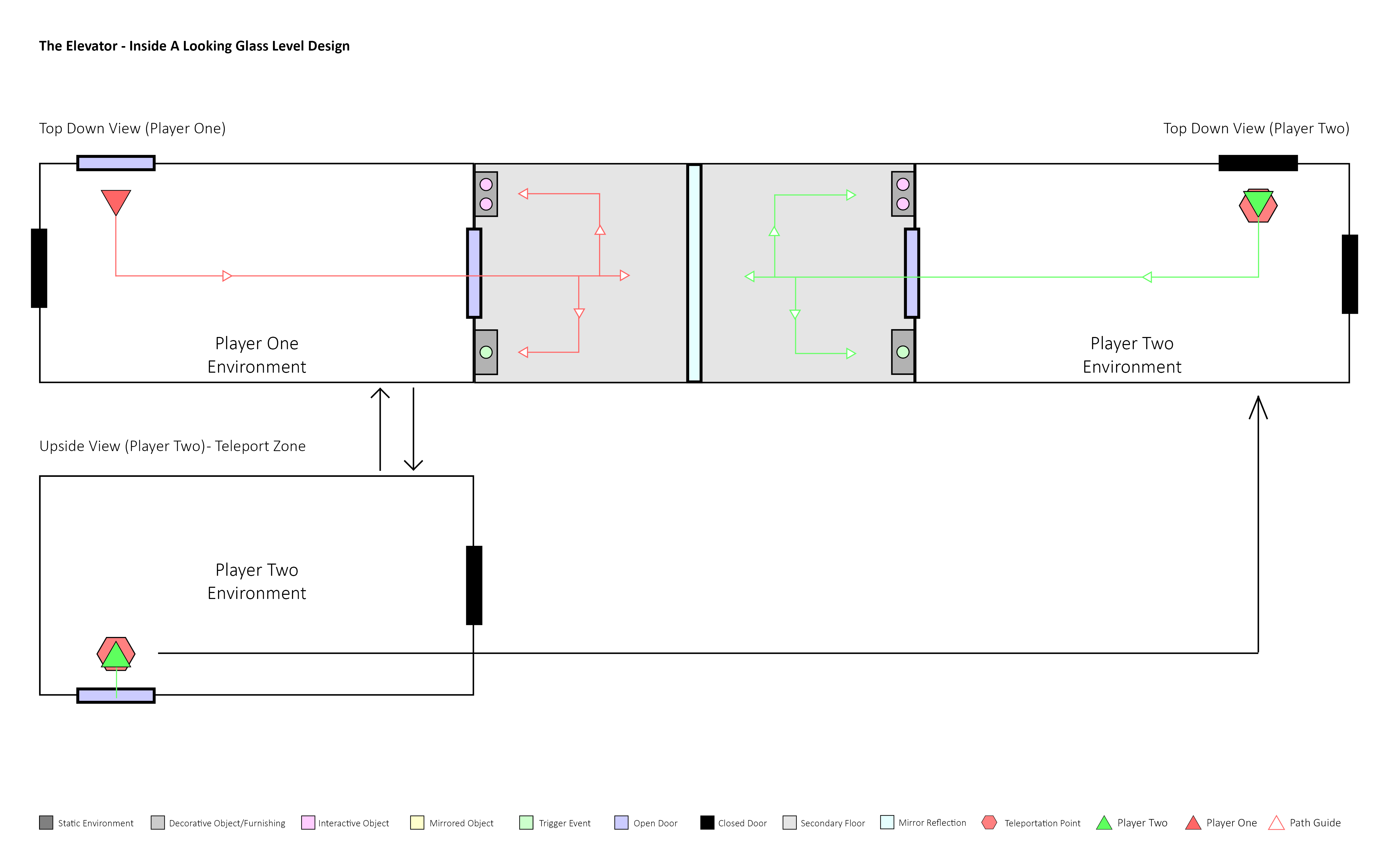
Level Design for Section 03 of the Experience
-
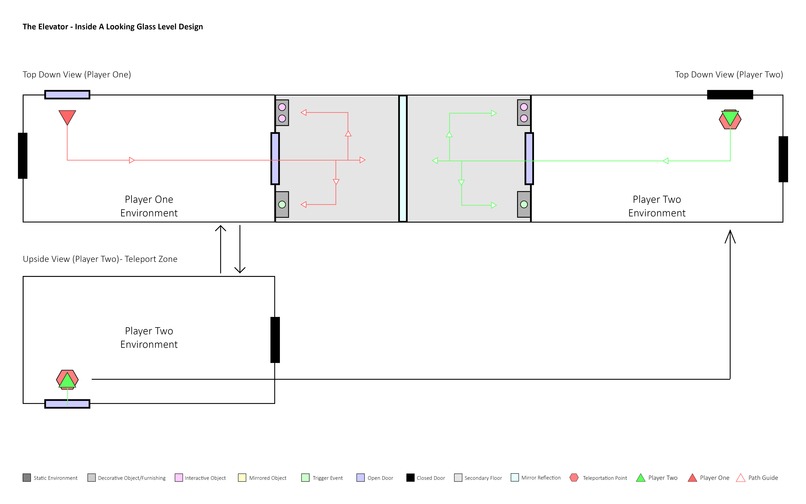
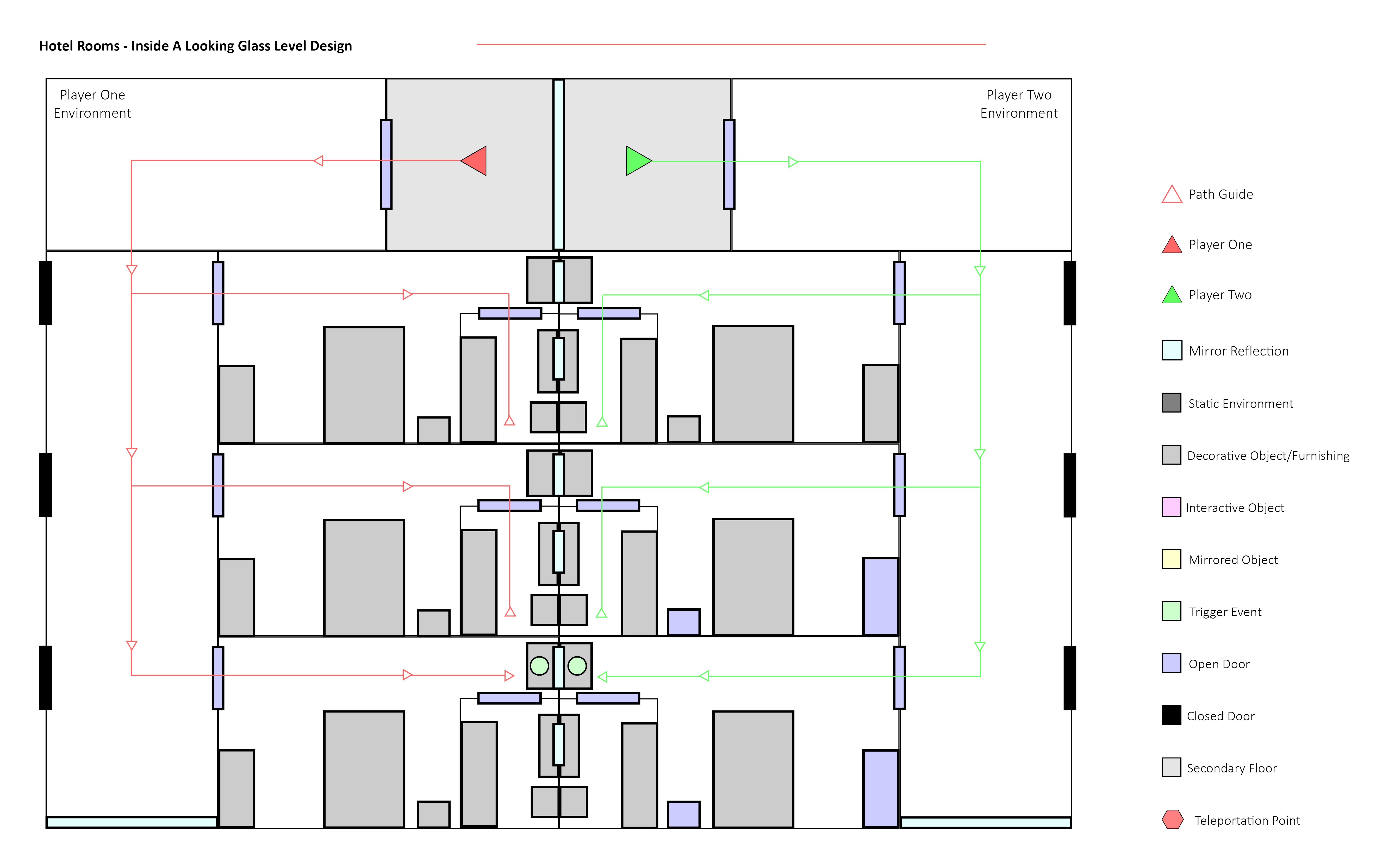
Level Design for Section 04 of the Experience
-
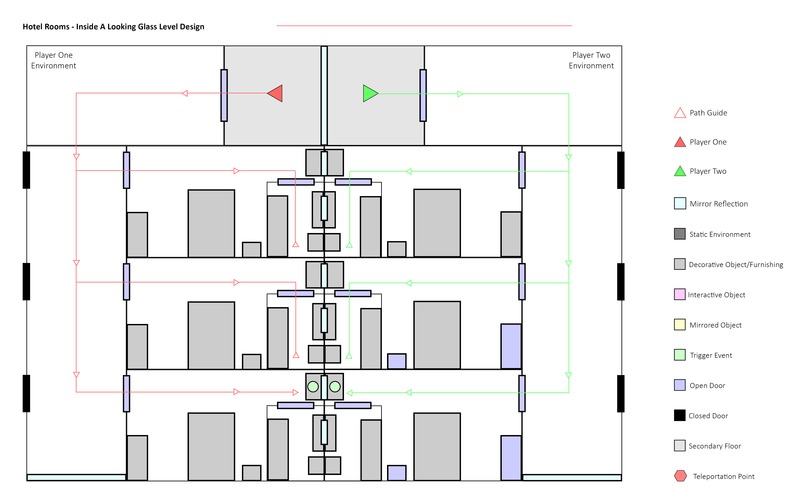
Level Design for Section 05 of the Experience
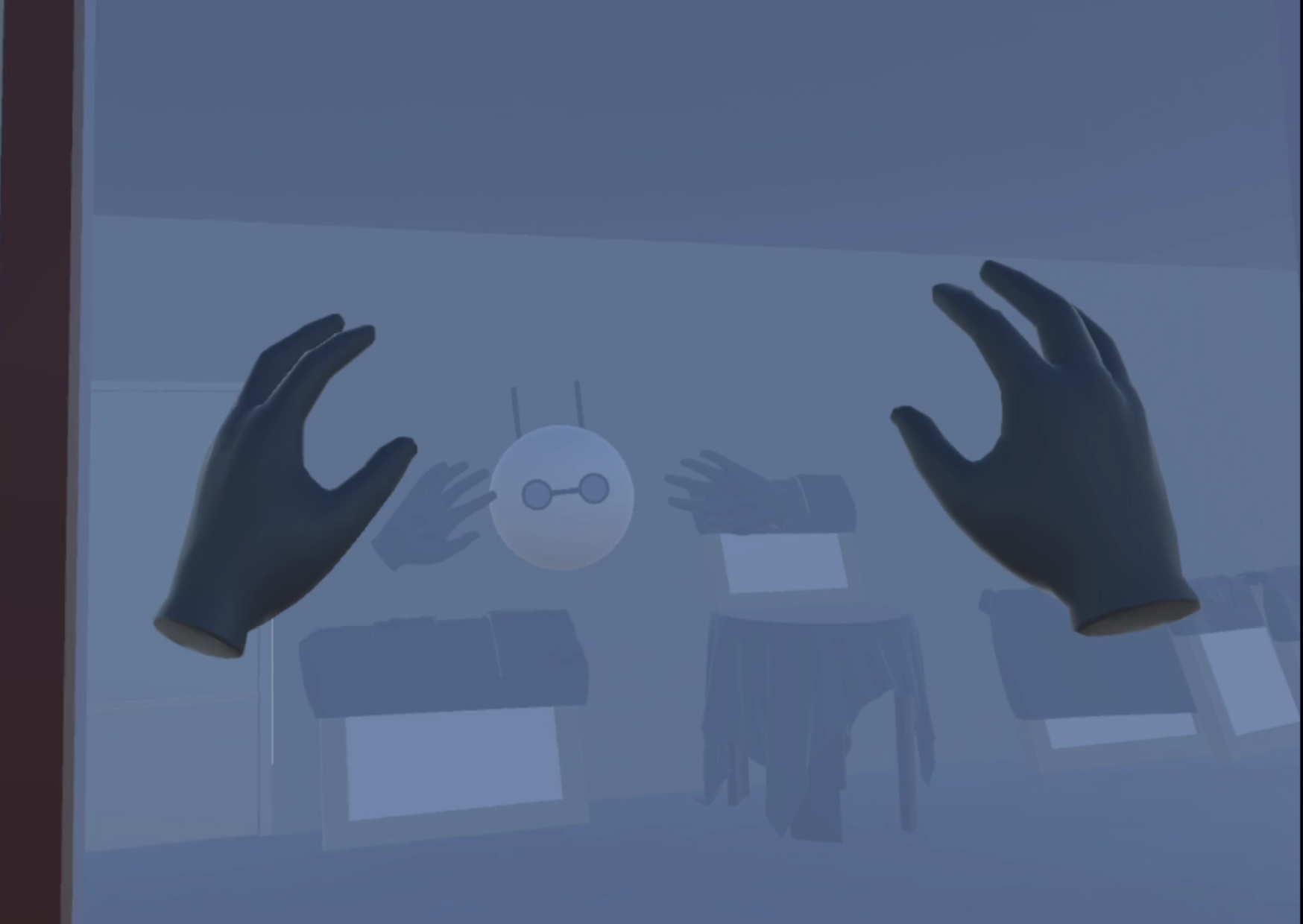
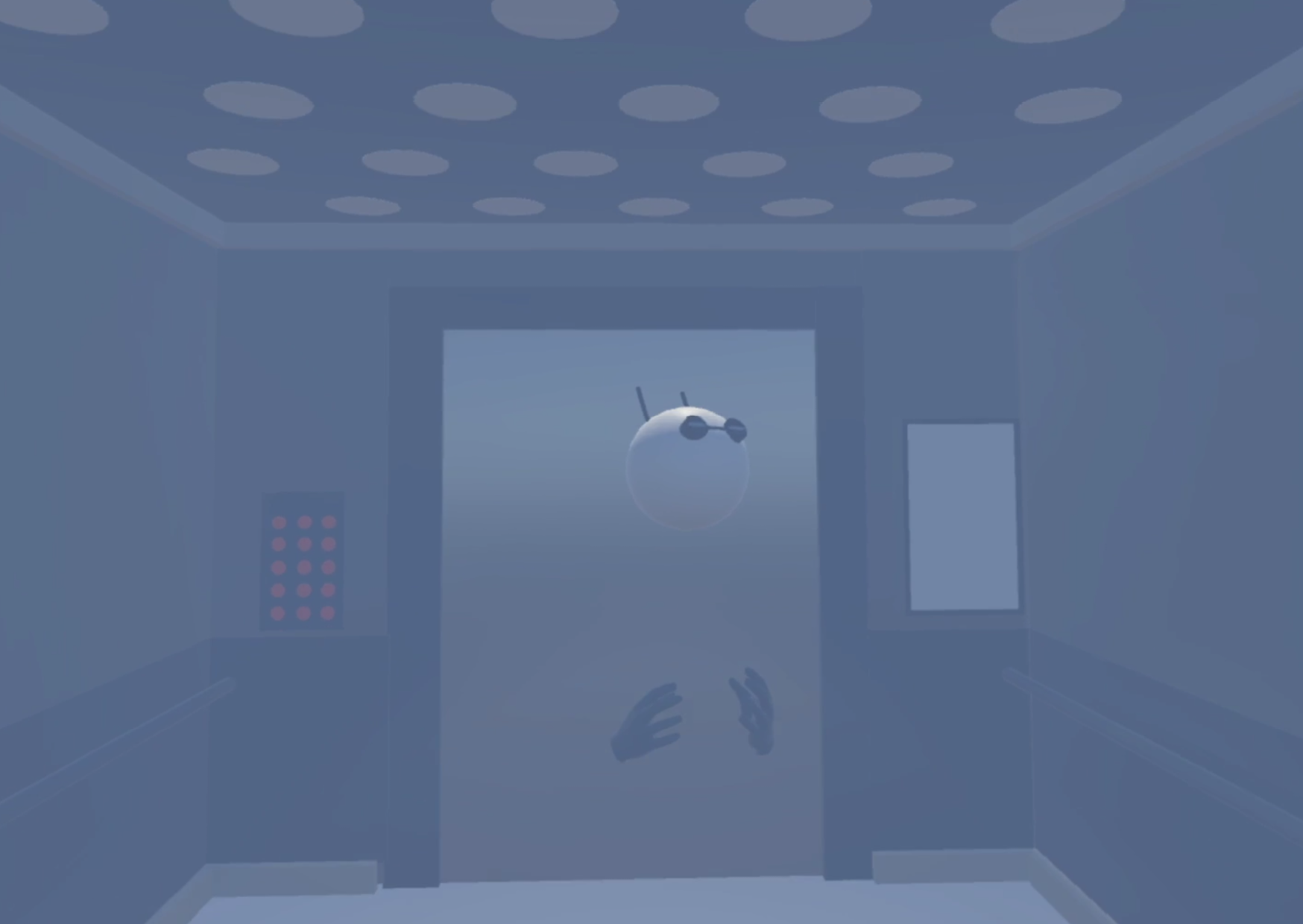
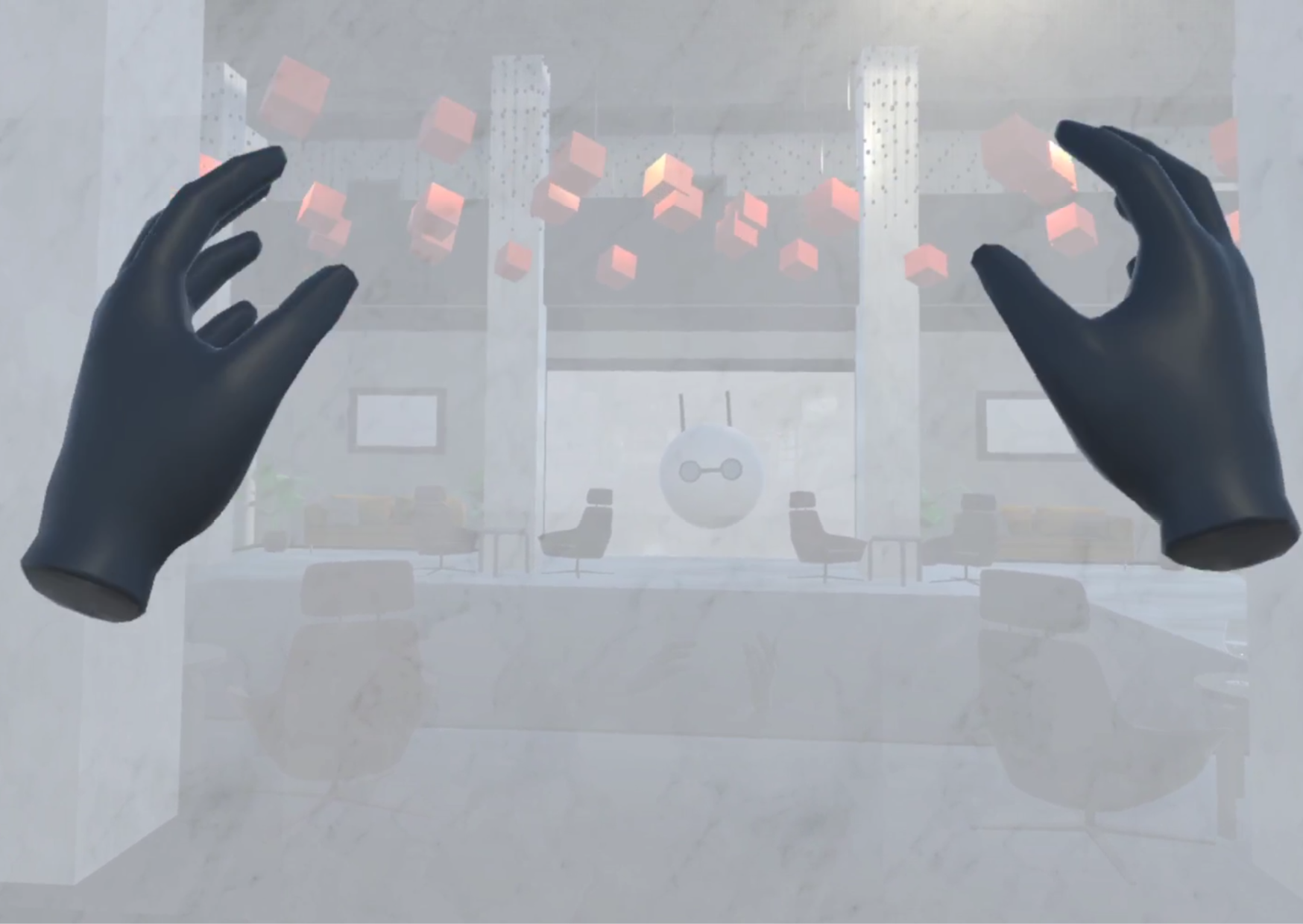
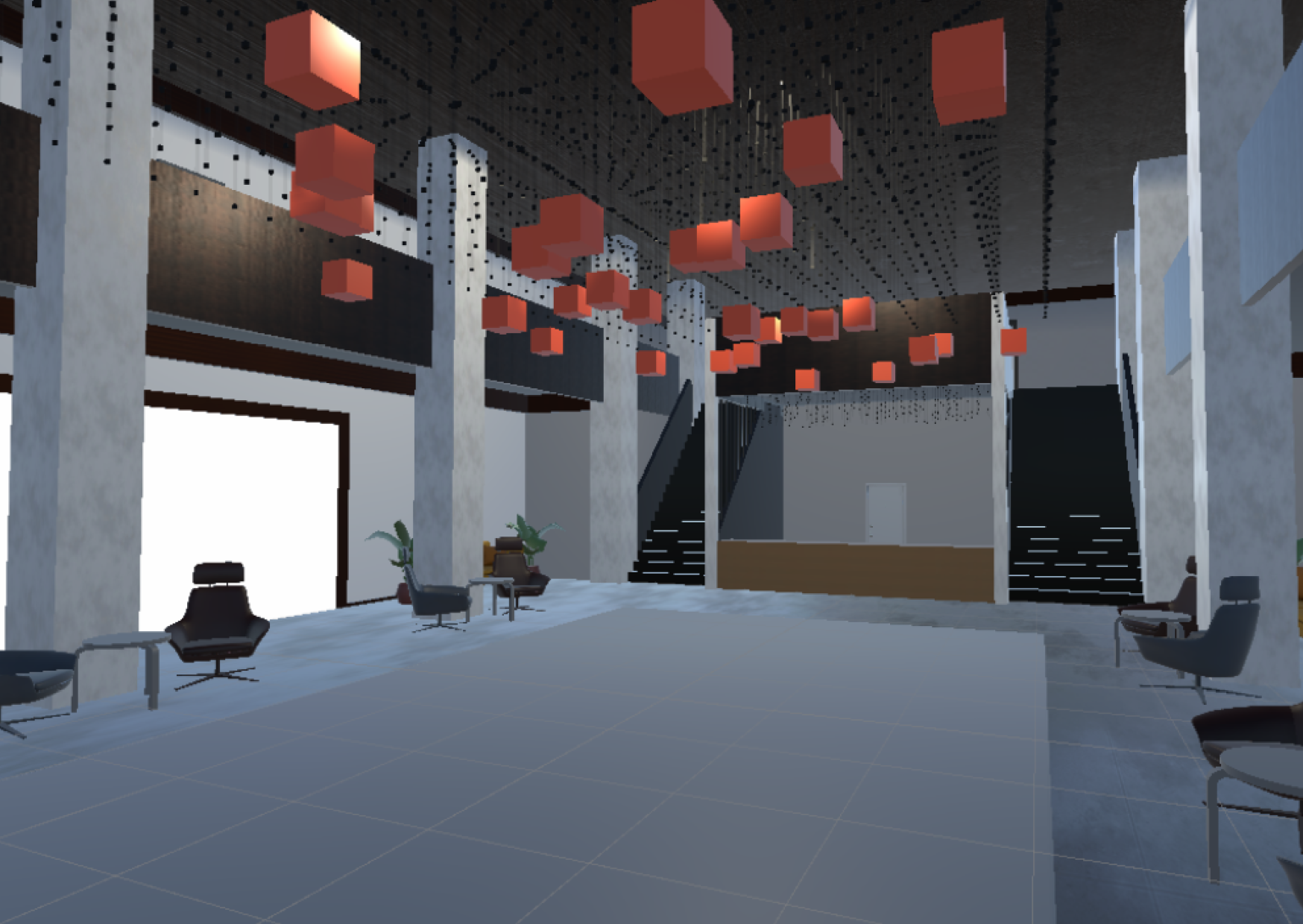
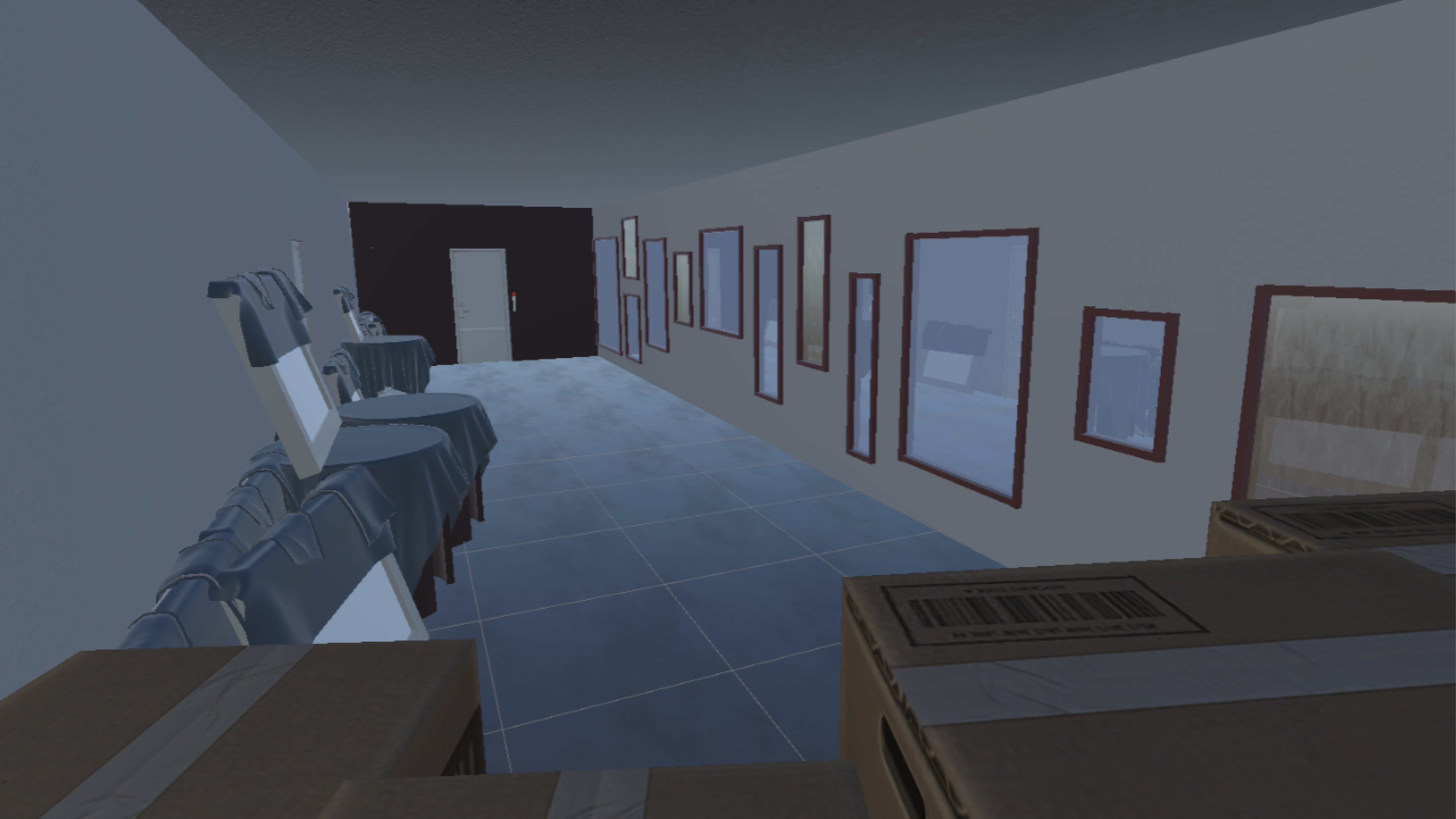
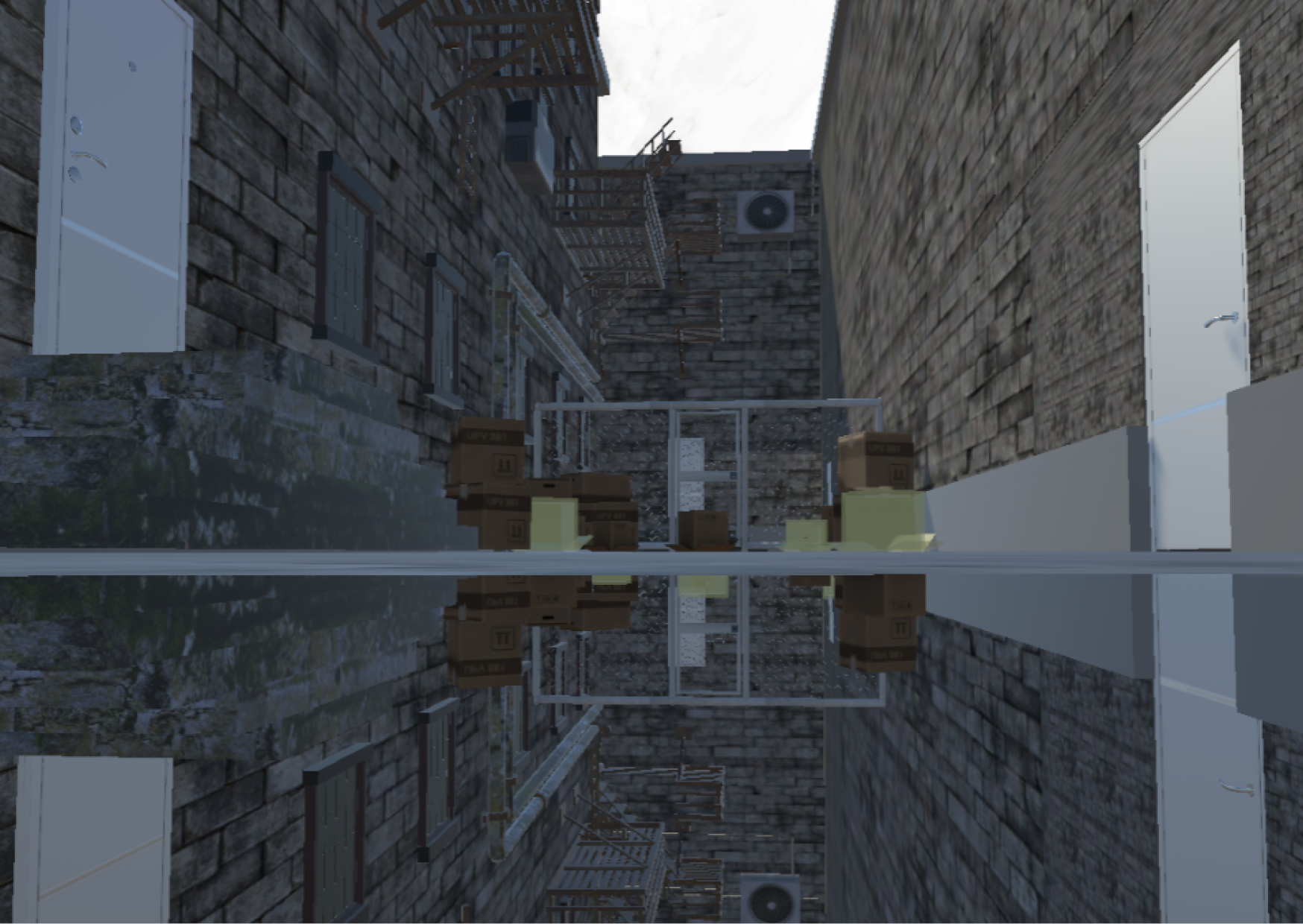
Inspiration
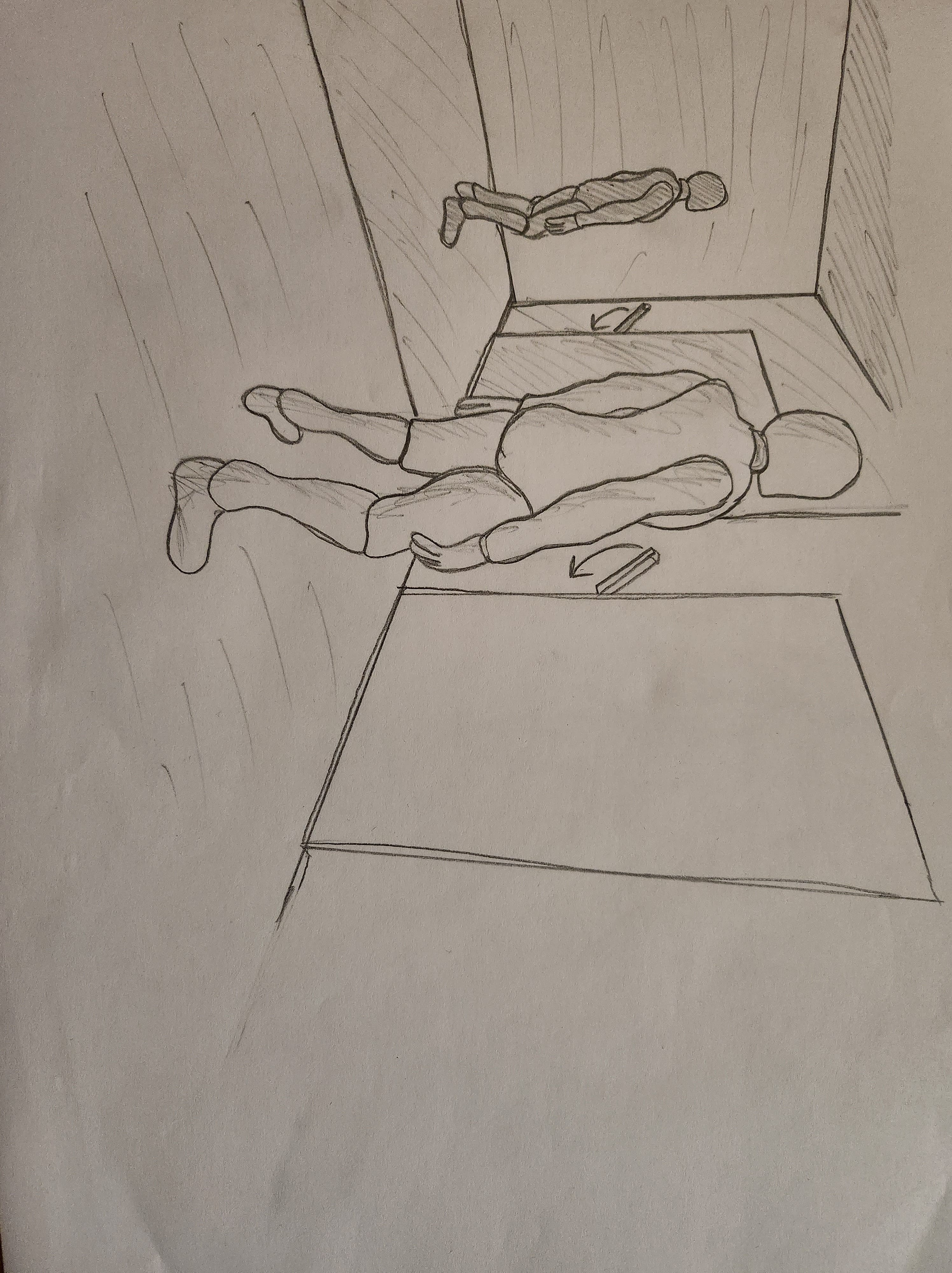
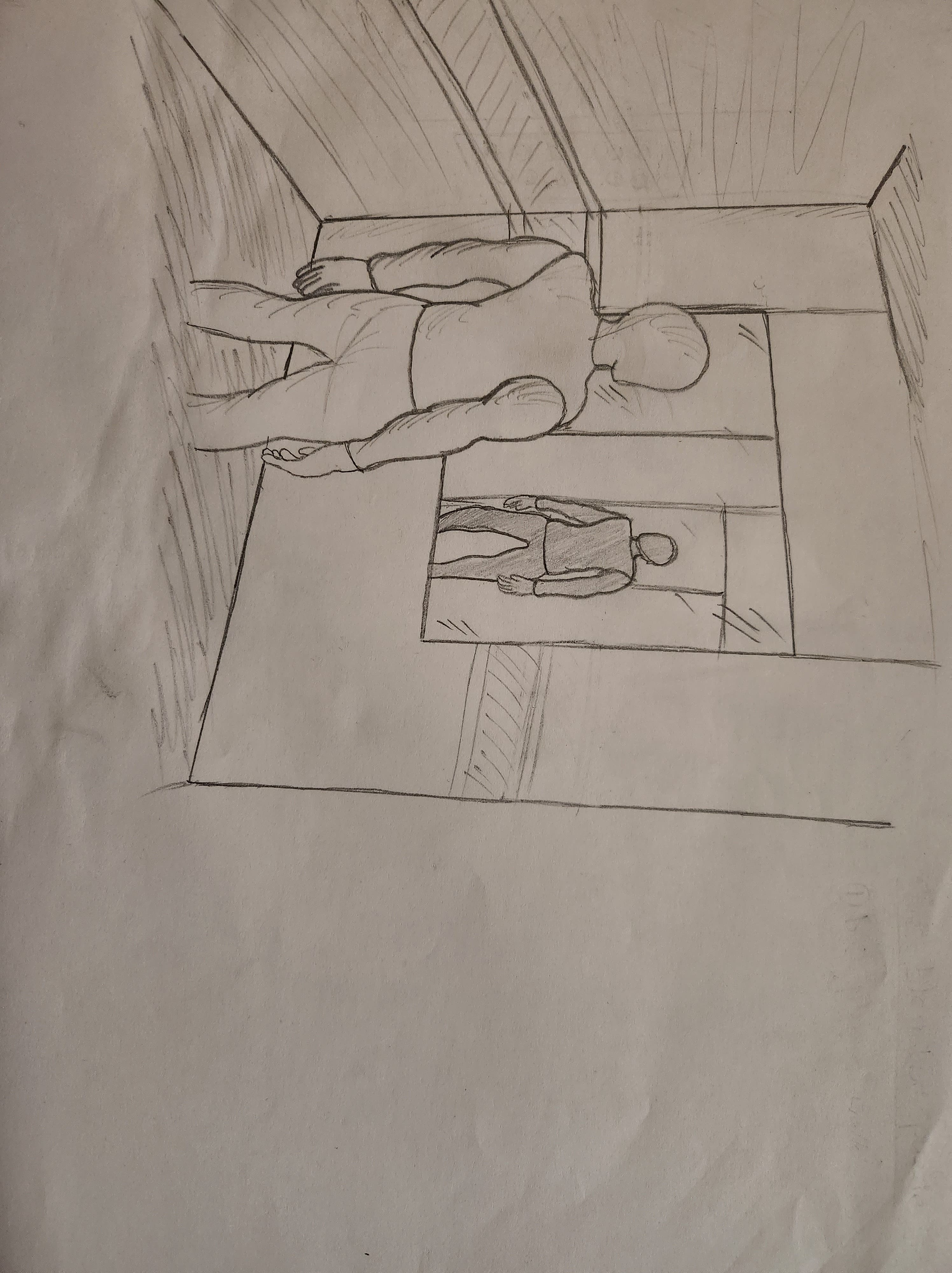
The original inspiration for this project came from two places and the first one was multiverse and parallel world media such as Spiderverse, Tatami Galaxy, Everything Everywhere all at Once etc. However another source of inspiration was cooperative narrative driven games such as Portal 2, A Way Out, It Takes Two and the We Were Here franchise etc. So the idea of having two people portray alternative versions of one another in virtual reality to work together and progress through a story was very exciting for me! This led to some sketches and ideas of how the environment could show players separated by realities but seeing one another through reflections in windows, puddles and metal surfaces.
What it does
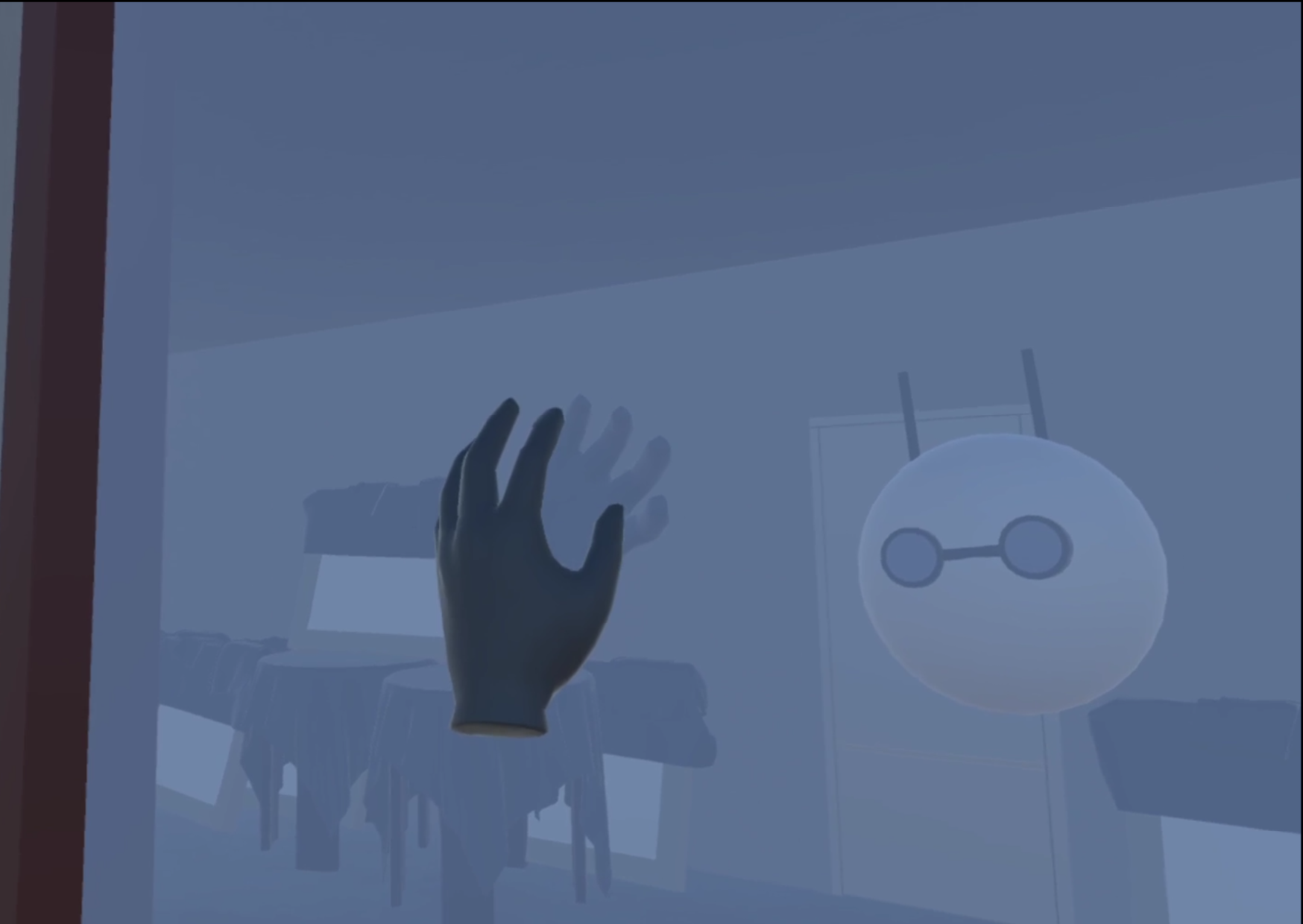
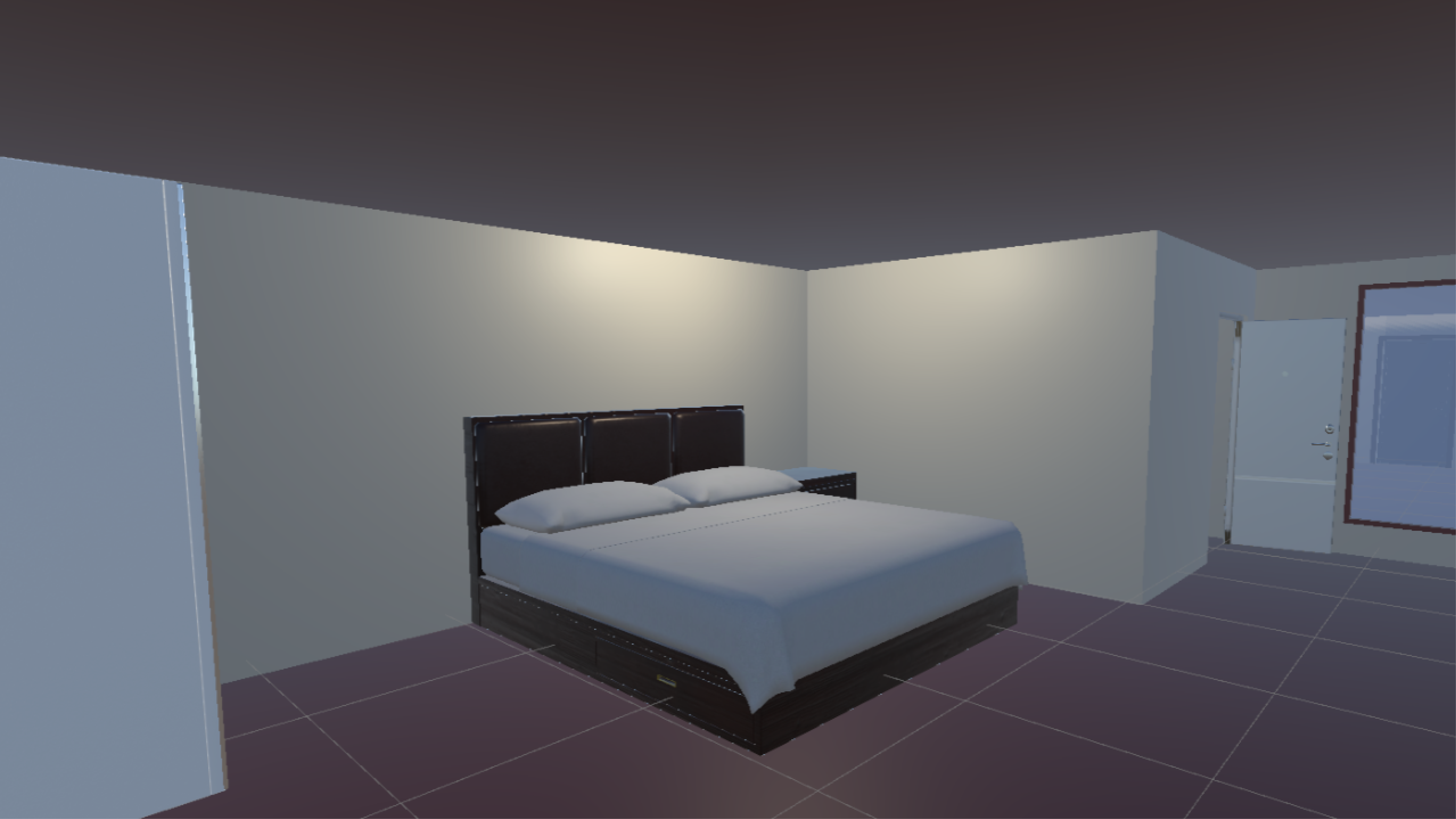
This project is called ‘Inside A Looking Glass’ which is a cooperative virtual reality experience that needs to be played with two users who need to work together to complete tasks and progress to the end of the story. This experience is a science fiction exploration game where two players portray parallel universe androids who are sent with the same goal of finding the cause of a multiverse tear in a hotel in both of their worlds. The main aim for this experience is for the users to explore, discover and work together to progress through the mirrored environments while also finding out some more back story, hints and information about the different worlds they are in which will hopefully encourage replayability depending on which path the user went into first. The main mechanic of the experience is completing tasks or objectives in tandem with the other player while seeing one another in both horizontal and vertical reflections to create a visually unique world to explore together.
In the experience both users play as android characters because only machines can pass through the vortex into multiverse zones. To create the online multiplayer, Photon Pun 2 was used to create the network connection between two XR ready machines. The characters are simple in design but still show some character by having blinking eyes as well as head and hand tracking to still show both players body expressions and movements.
How I built it
The experience was created using Unity Game Engine with other assets and models created in Engine or found online through free to use assets that were modified using software such as Blender. The whole experience in Unity was built using 'Open XR' whicha allows the game to work on Pico Headsets as well as other Virtual Reality headsets that support Open XR. Adobe Creative Suite was also used to create specific textures, text based objects and other elements.
Unity Build Commentary Video: link
Seeing the Multiverse Through the Looking Glass
Throughout the environments, players are only able to see themselves through reflections of mirrors, metallic surfaces and water such as puddles in the rain. This was achieved through the duplicate level design as well as some camera's displaying one another on certain surfaces throughout the level. Through the game there are multiple instances of player interaction where you need to work together in order to progress further. These interactions were kept relatively simple so that it would not take too long for the users to progress in order to keep the gameplay short and considerate of those using the headset for extended periods of time.
Experience Sound and Style
Free-to-use stock sounds and music were used to create a mysterious and other-worldly effect when exploring the environments paired with the obscure coloured visuals and 'vortex' effect in the windows. The audio that the players hear are performed by two different voice actors so that the 'agent' in universe 1 is a male voice and then the voice in universe 2 is a female voice to emphasise the idea that they are in parallel worlds. One voice actor recorded their lines while the other timed and copied them exactly to keep the timings of the game similar for both players.
Challenges we ran into
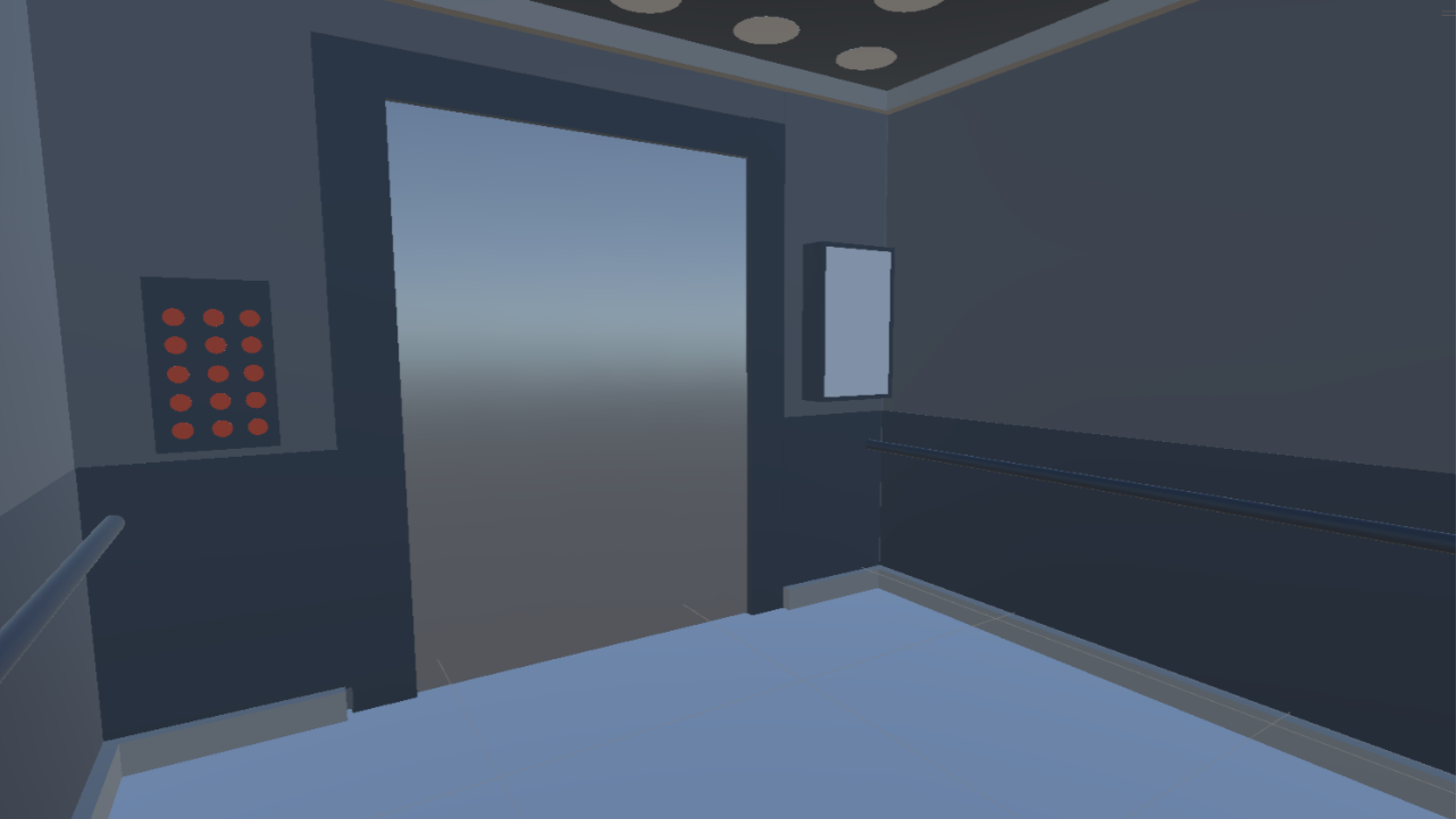
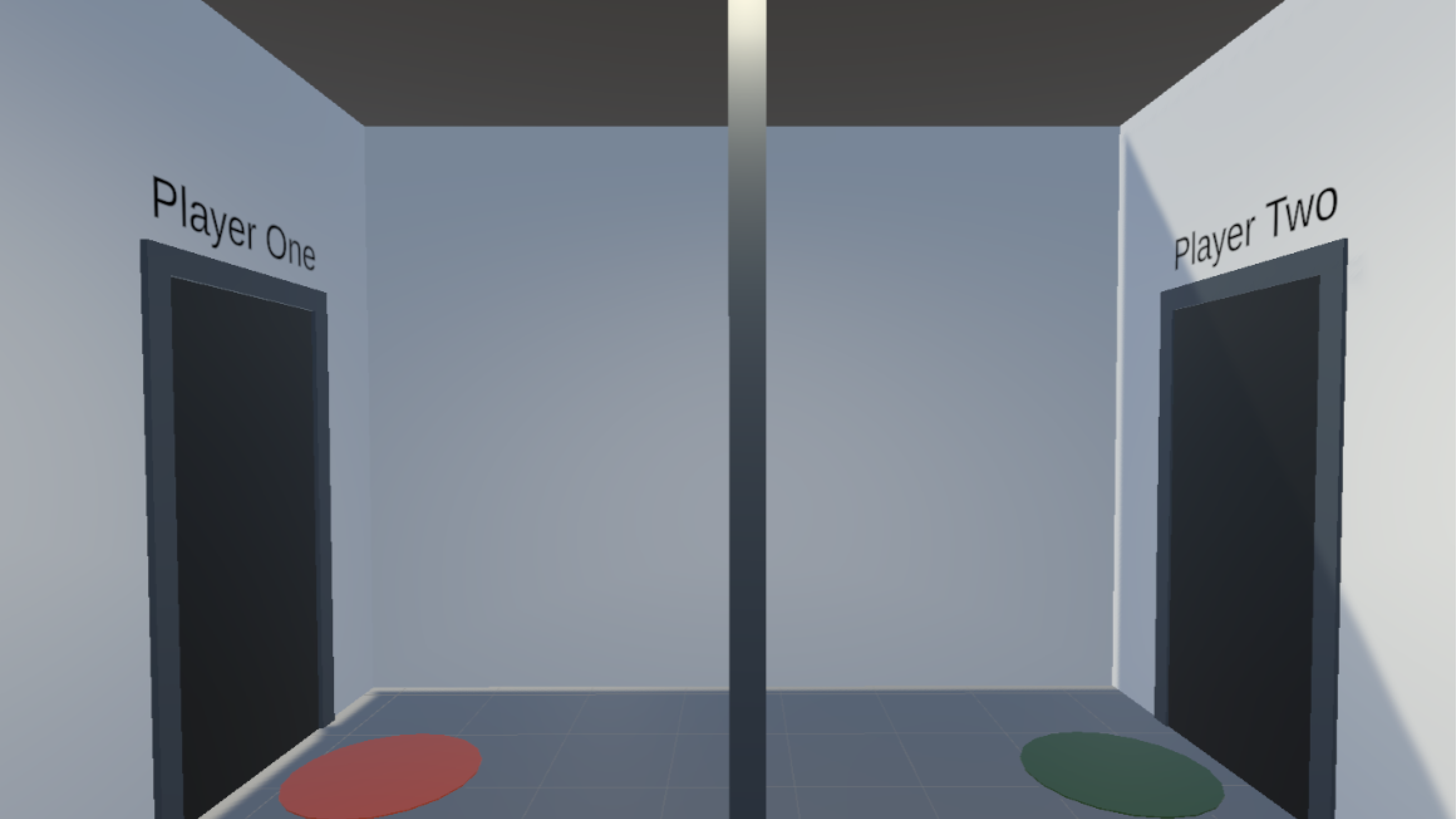
One of the most challenging aspects was designing a mirrored map and world because each player is in the same level and are directly seeing one another through transparent surfaces so to achieve this the same map was duplicated side by side allowing the users to see one another depending on the position of the mirror. To further emphasize the mirroring concept, the second player is actually teleported around Player 1's environment to allow different mirroring positions rather than just being continuously side by side to one another which includes the alleyway being upside down to player ones using reverse gravity to make it seamless for both players of the experience. All elements were planned out and highlighted using icons to identify different interactivity, events and direction.
What I learned
When I was creating this project I felt that the biggest thing I learned was the importance of pre-planning and evaluation the scope and size of a project. When i came up with the initial idea it was going to be much larger and I felt that it would be possible in the time I had but as I went on it became clear that I needed to make comprimises and think more about quality over quanity. I also learned a lot of technical skills during the process of this project and the how very VERY important it is to do user testing as much as possible to make sure certain aspects of the experience work before trying to develop them further into the project.
What's next for Inside a Looking Glass
The next step for this game is the ambition to make a cooperative VR experience on a much larger scale with a longer narrative, more environments to explore and to develop a more stable online coop system that will allow seamless multiplayer and also player interactivity that feels natural while playing. I initially wrote the concept of this story to be much longer but of course had to condence it down for this smaller solo project but with a team and more time I would love to develop it further!

Log in or sign up for Devpost to join the conversation.