Inspiration
We were motivated to create our project after finding out the unfortunate truth that the construction industry had one of the highest rates of suicides of any single industry. After briefly researching about the mental health of construction industry employees, we realized that many factors such as substance abuse, stigma associated with seeking help, and a constant feeling of loneliness contributed to the deterioration of mental wellbeing. The feeling of being isolated and lonely specifically captured our concern as there is great potential for technology to combat this pervasive issue. Consequently, we decided to create a website focused on fostering meaningful conversations and building community for construction industry employees to benefit from.
What it does
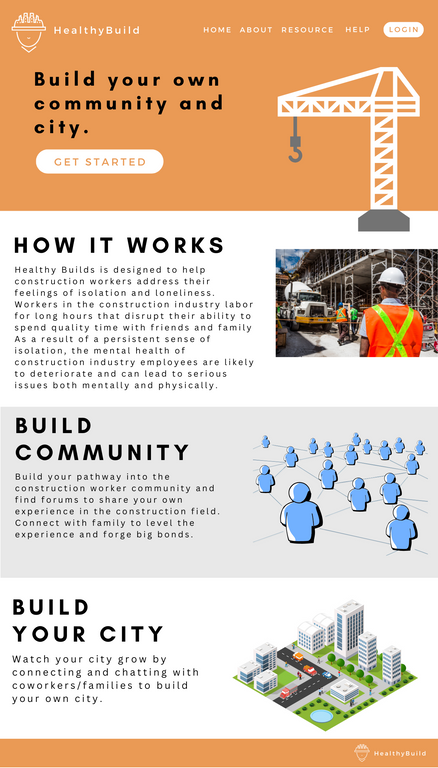
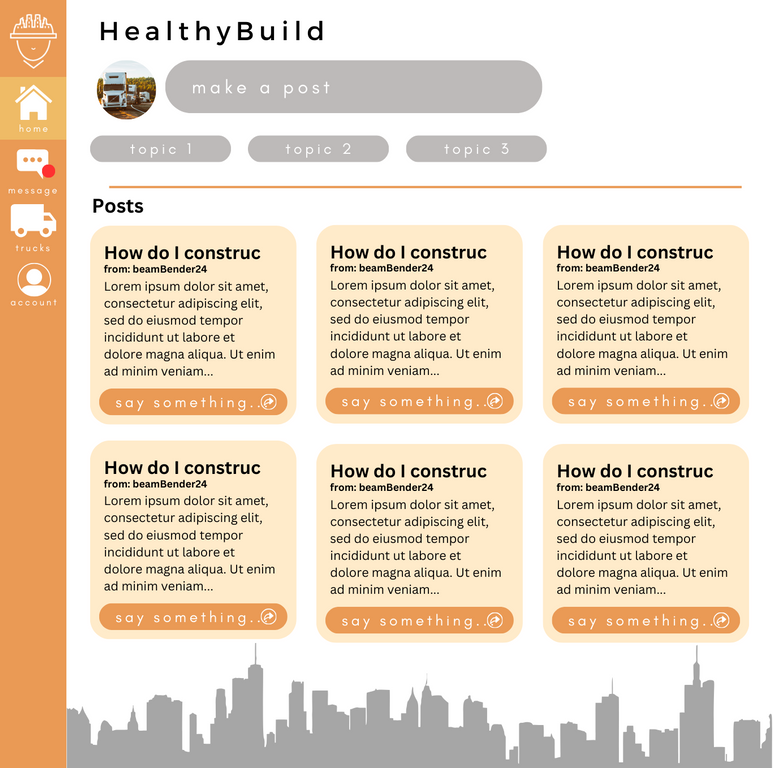
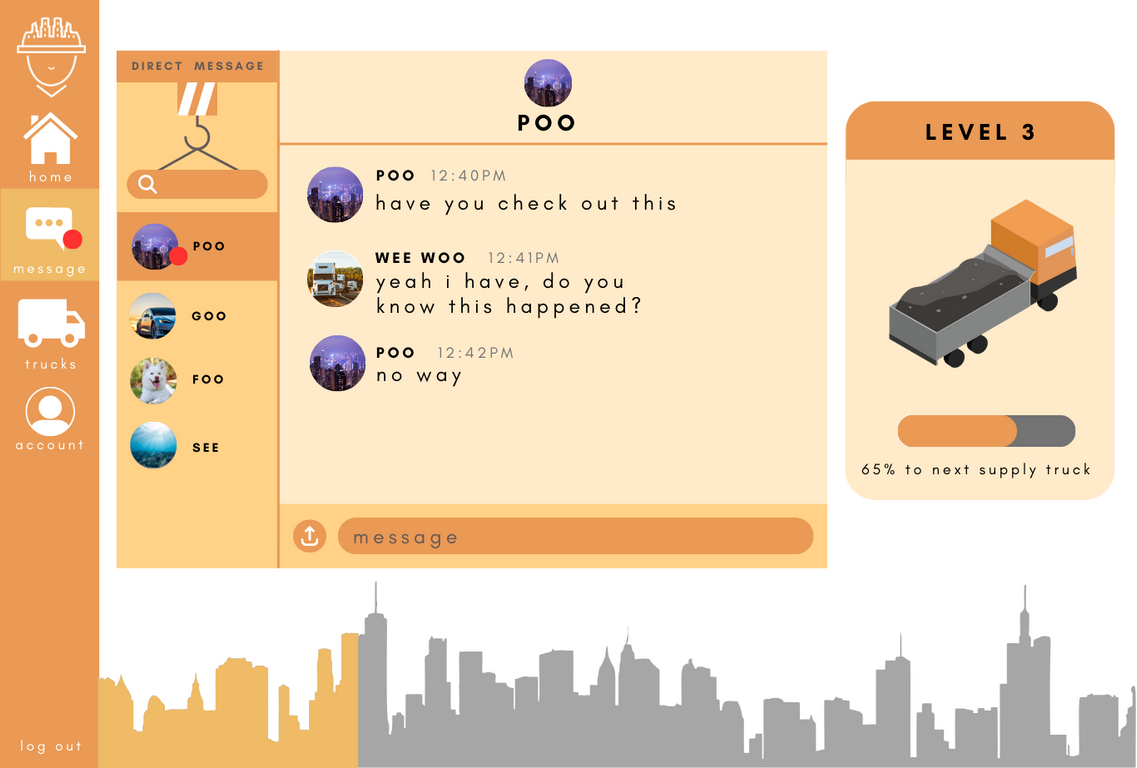
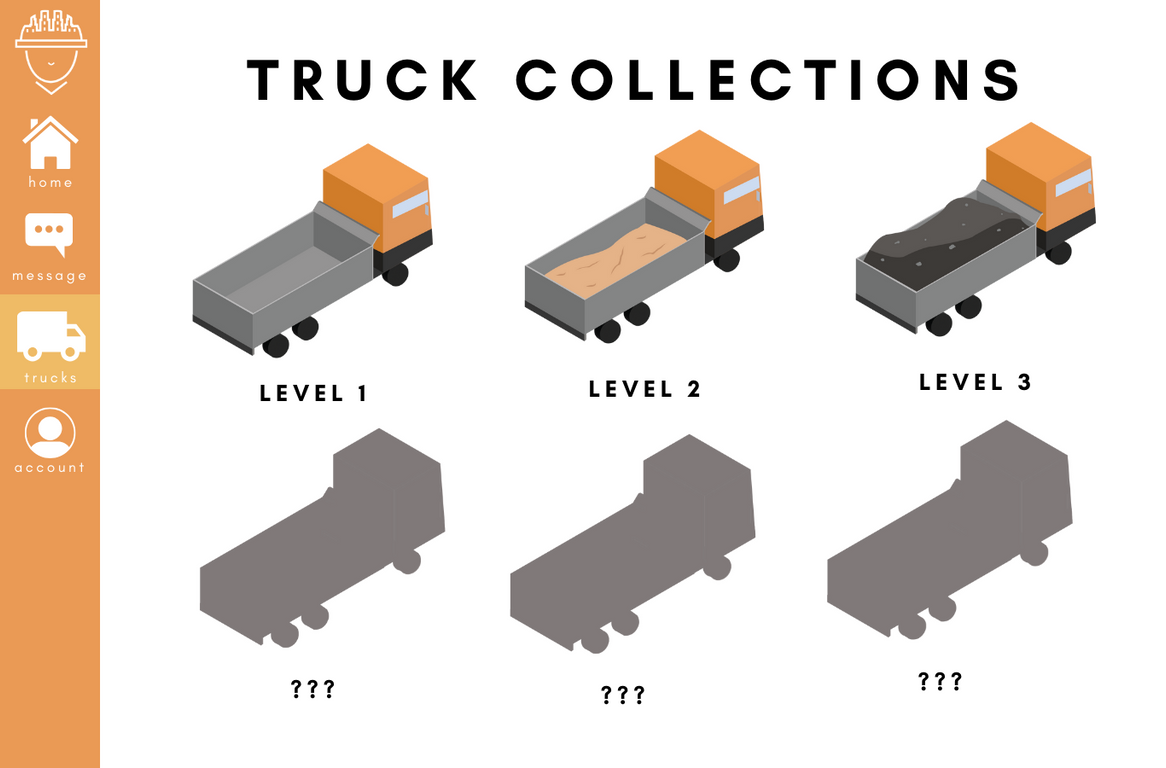
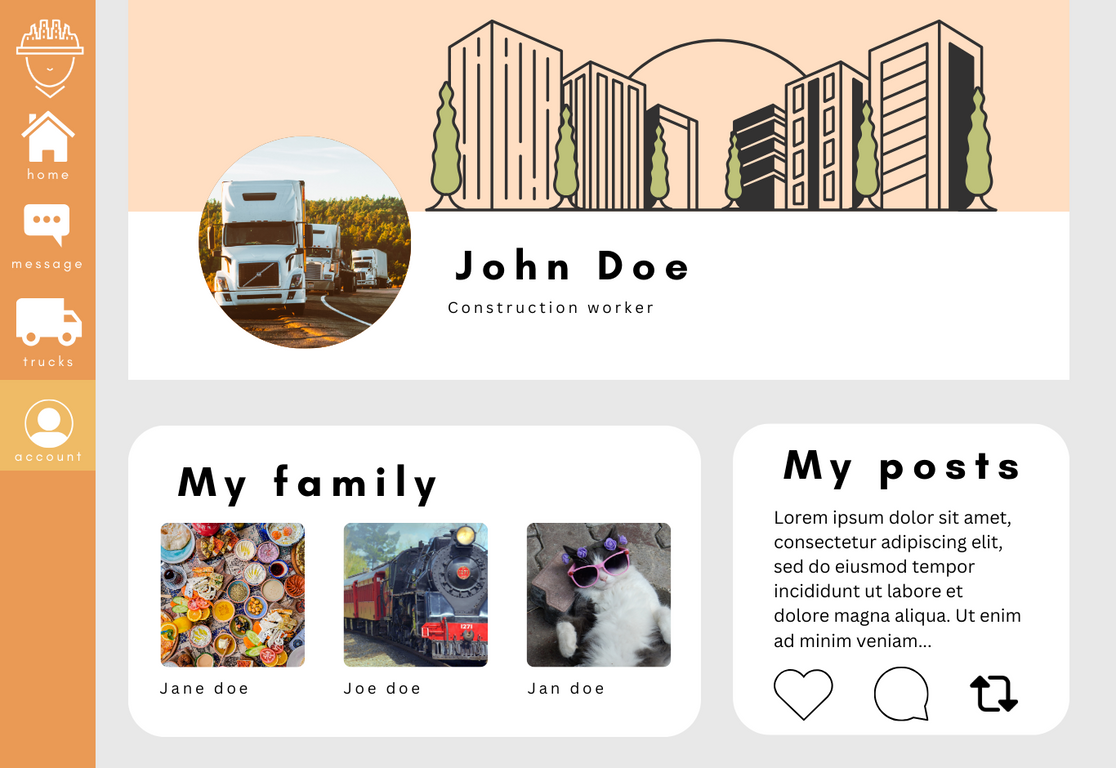
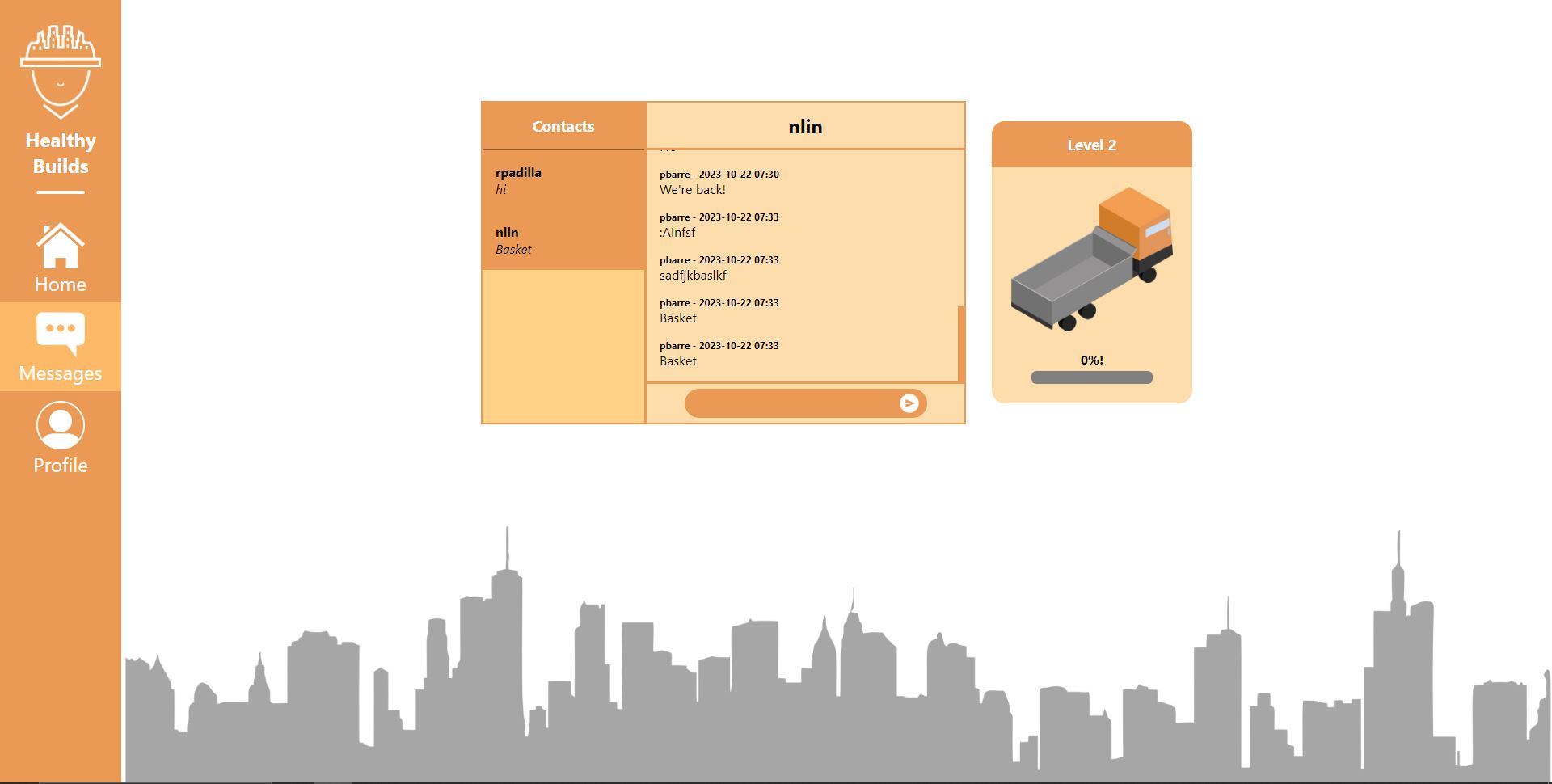
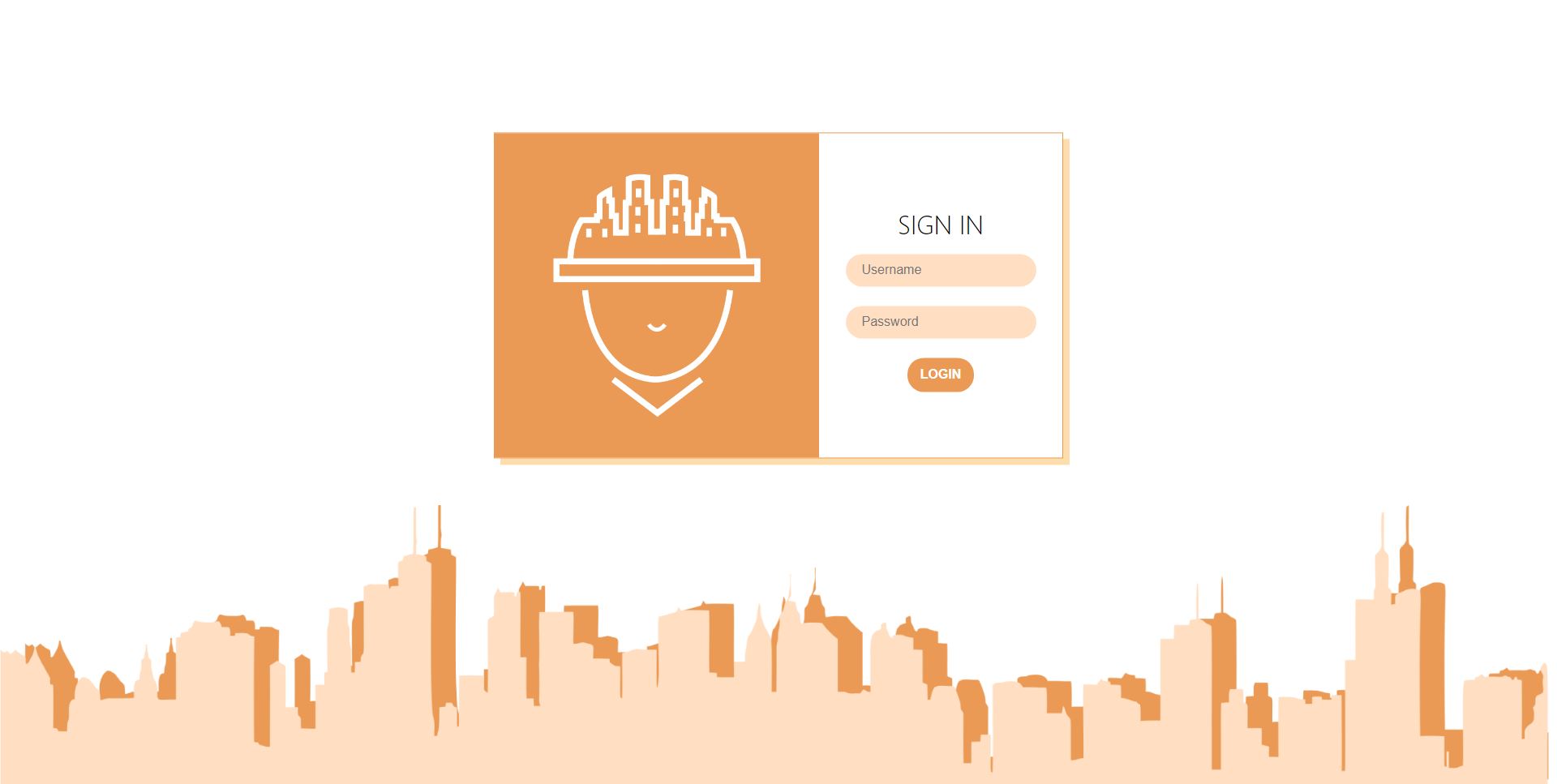
Our website “Healthy Builds” is designed to help construction workers address their feelings of isolation and loneliness. Workers in the construction industry labor for long hours that disrupt their ability to spend quality time with friends and family. As a result of a persistent sense of isolation, the mental health of construction industry employees are likely to deteriorate and can lead to serious issues both mentally and physically. In response, our website provides a community forum in which users can share their thoughts and personal struggles to build camaraderie with other construction workers. Direct messaging between users is also featured along with a fun way to track one's interactions with others. Lastly, the website hosts a resources page for users to learn more about their mental health and how to best improve their overall wellbeing.
How we built it
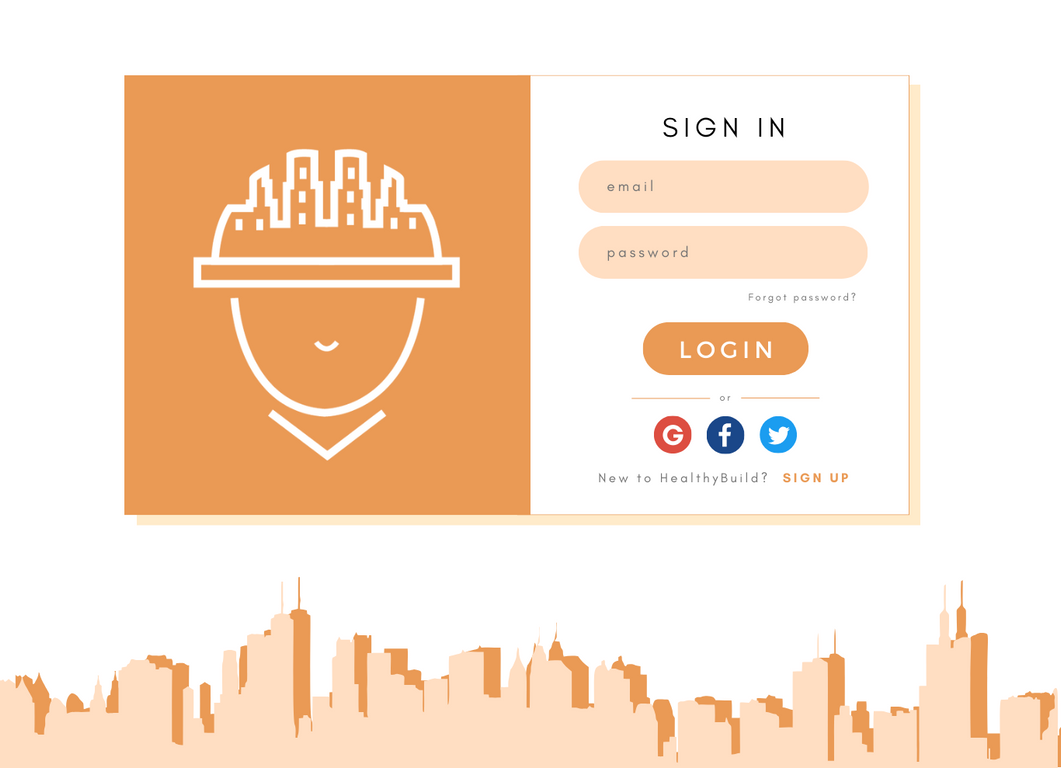
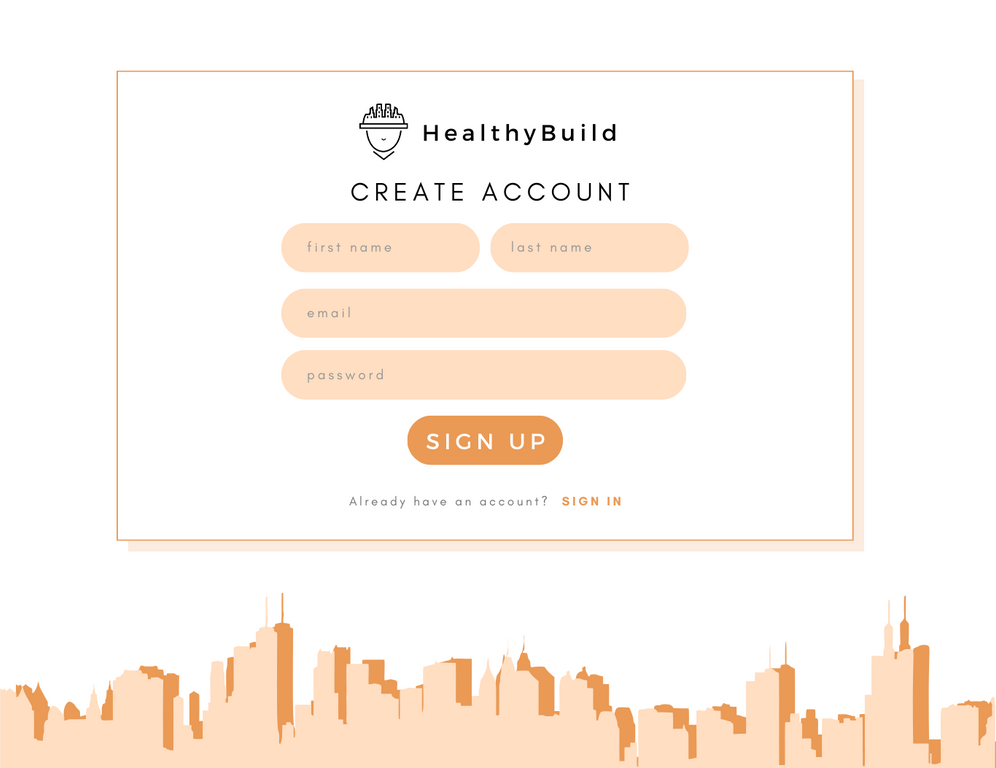
We built our website "Healthy Builds" using 3 main components: MongoDB Atlas, Flask, and React.js. our database stores user information, message history, and post information. Our flask backend enforces user authentication, connects client messaging platforms, and has all necessary routes for adding/updating to our database. Our front end is a multipage web app that gives structure to our other applications.
Challenges we ran into
Challenges we ran into while building our website include difficulties managing MongoDB on the UT Austin wifi. As a non-student, I wasn't able to connect to vital ports that our database was running off of. We also ran into many problems while trying to introduce websockets into our program. The hosting application we are using doesn't have much support for multiple connections at the free-tier level.
Accomplishments we're proud of
We are extremely proud and astonished by how much we were able to complete. Although our program is missing key features and isn't quite finished, we were able to create something that we were all proud of in our own ways. We're also proud of 2 of our team members who dove head-first into this weekend's competition, having little to no computer science background and transforming that into a full-stack application in less than 24-hours.
What we learned
We learned that thinking big takes small steps. Our ideas were ambitious, but our time was restrictive. If we were to do it all over, we would spend more time focusing on the immediate, small-picture steps and the build our project bottm-up.
What's next for "Healthy Builds"
The next step for "Healthy Builds" is to generate more interactive elements for users to be engaged and enjoy their interactions with fellow users. For example, in the future, we plan to add a customizable room or building that is a visual representation of the interactions (messages) between two specific users. More interactions between the two users allows them to further customize, decorate, and upscale their shared room or building. This encourages both users to engage meaningfully with each other to form relationships and prevent loneliness.


Log in or sign up for Devpost to join the conversation.