Inspiration
The inspiration for INNOSpark came from observing the gap between academic learning and real-world innovation. We wanted to create a "spark" that motivates students to move beyond textbooks and dive into hands-on projects. Our goal was to build a digital hub where creativity meets technology, empowering the next generation of innovators to shine.
What it does
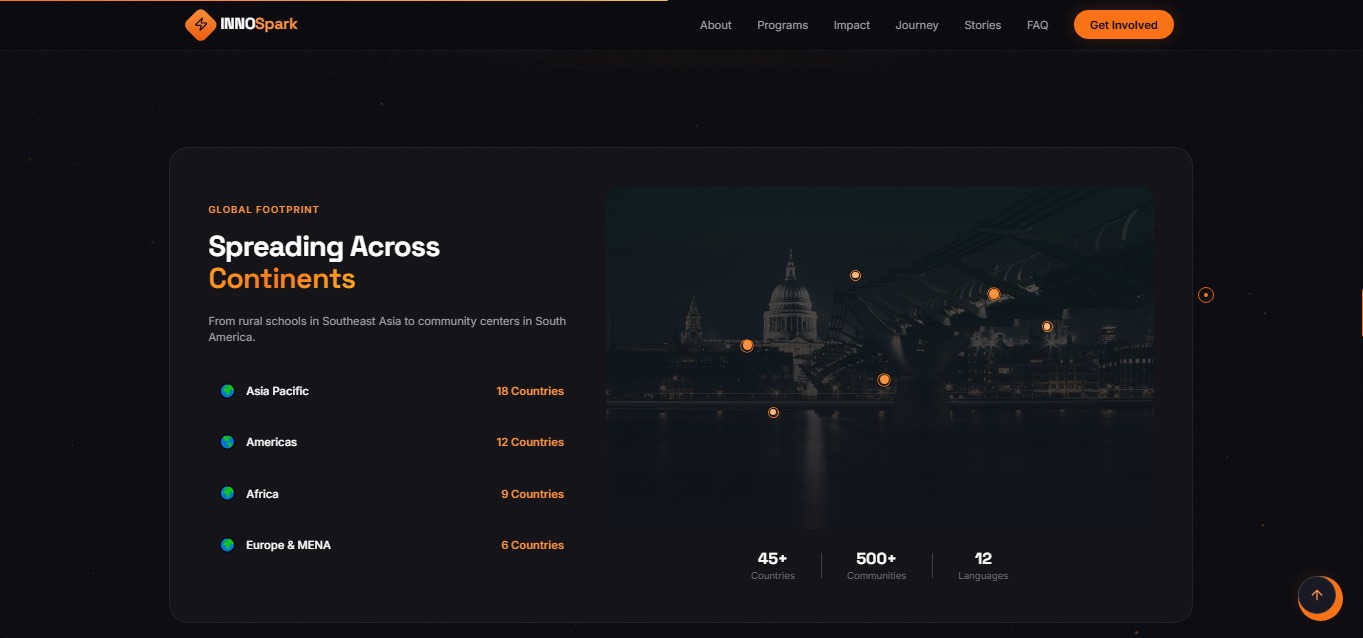
INNOSpark is a comprehensive educational platform designed to provide students with the resources, community support, and technical guidance they need to succeed. It acts as a bridge between theoretical knowledge and practical application, offering a clean, user-friendly interface where learners can discover new trends, access project ideas, and connect with a like-minded community.
How we built it
The project was developed using a modern web stack to ensure performance and reliability:
HTML5 & CSS3: For a structured, semantic layout and a sleek, responsive UI design.
JavaScript: To implement interactive elements and enhance user engagement.
GitHub Pages: For seamless hosting, version control, and continuous deployment.
Modern Design Principles: Focusing on minimalist aesthetics and intuitive navigation to improve the user experience (UX).
Challenges we ran into
One of the primary challenges was ensuring full responsiveness across all device types, from mobile screens to large desktops. We also spent significant time refining the content hierarchy to ensure that users could find essential resources without feeling overwhelmed. Debugging deployment paths and optimizing asset loading for faster performance were also key hurdles we successfully overcame.
Accomplishments that we're proud of
We are incredibly proud of launching a fully functional, professional-grade platform that is both aesthetically pleasing and technically sound. Successfully integrating modern UI/UX trends while maintaining a clean code structure is a major milestone for us. Seeing the project go from a simple concept to a live, hosted website is our biggest achievement.
What we learned
Building INNOSpark taught us the importance of user-centric design—always putting the learner's needs first. We gained deep insights into CSS Grid/Flexbox for responsive layouts and improved our debugging skills during the deployment phase. Most importantly, we learned how to plan a project from scratch and execute it within a specific technical framework.
What's next for INNOSpark
In the future, we plan to expand INNOSpark by adding personalized user profiles, an interactive community forum, and a dedicated section for mentorship. We aim to integrate real-time collaboration tools so that students from different backgrounds can work together on innovative global projects.

Log in or sign up for Devpost to join the conversation.