About the project
INNER FORMS began with a simple question: What if we could explore our inner world through shape, movement, and creation?
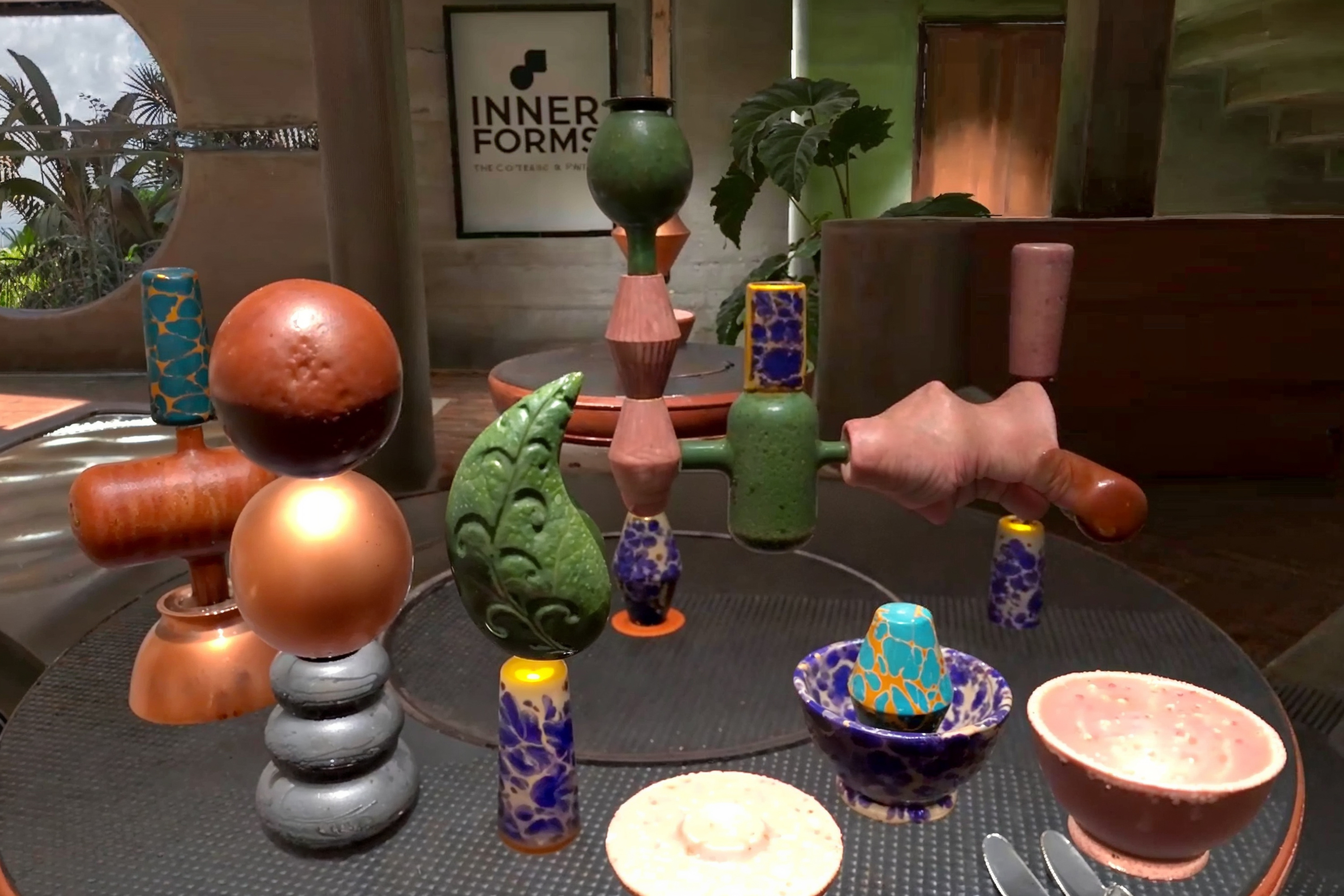
After years building interactive and educational VR experiences, we felt there was an opportunity to create something quieter and more introspective—an experience centered on creative flow rather than traditional game objectives. INNER FORMS was conceived from the ground up as a new application: a meditative, artistic environment where players assemble living structures using sticks, spheres, and branching modules that respond subtly to touch, rhythm, and composition.
The inspiration blends hand-built ceramics, modular sculpture, and the psychological benefits of mindful creativity. We wanted users to explore without pressure—guided by curiosity rather than instructions or achievements.
How we built it
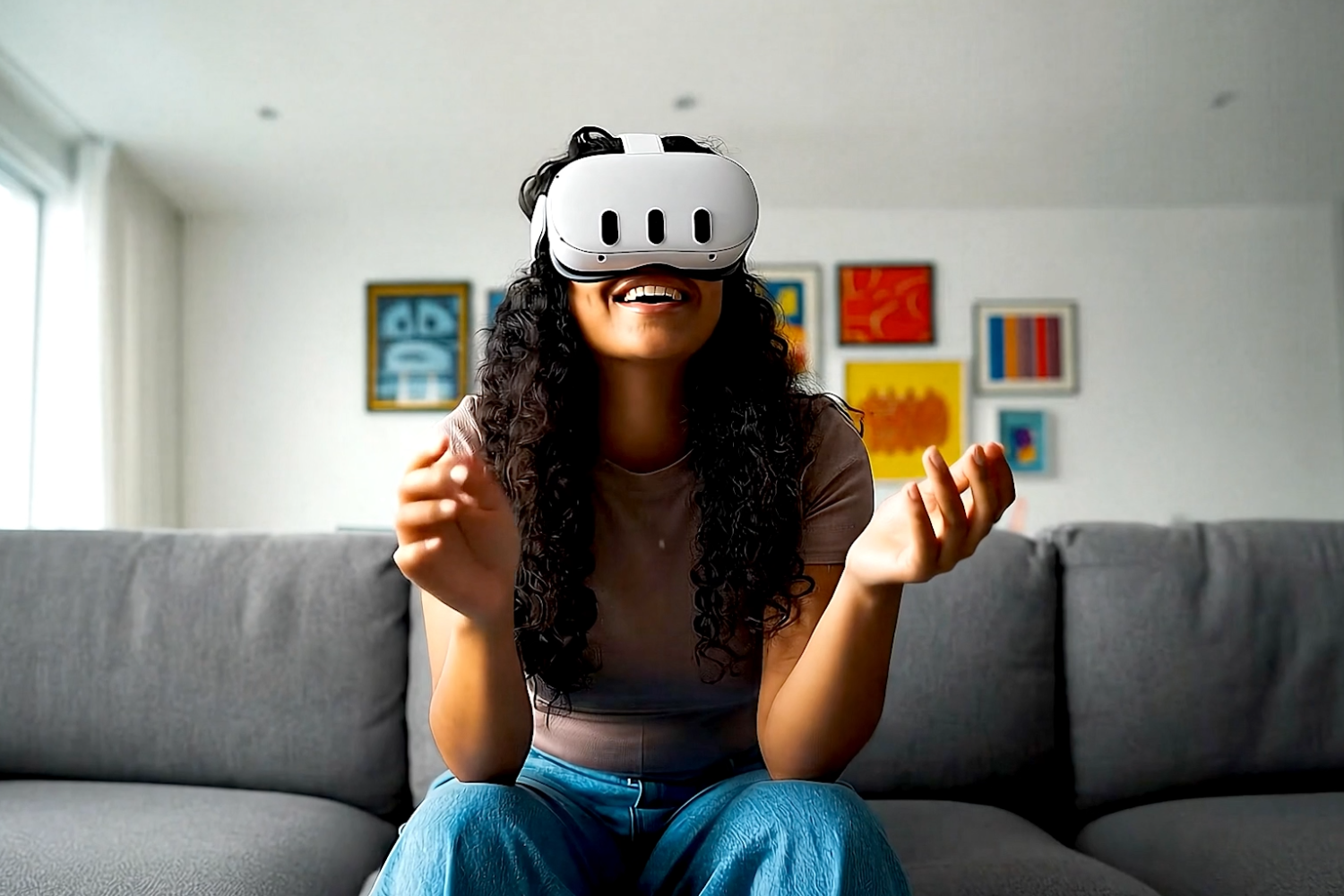
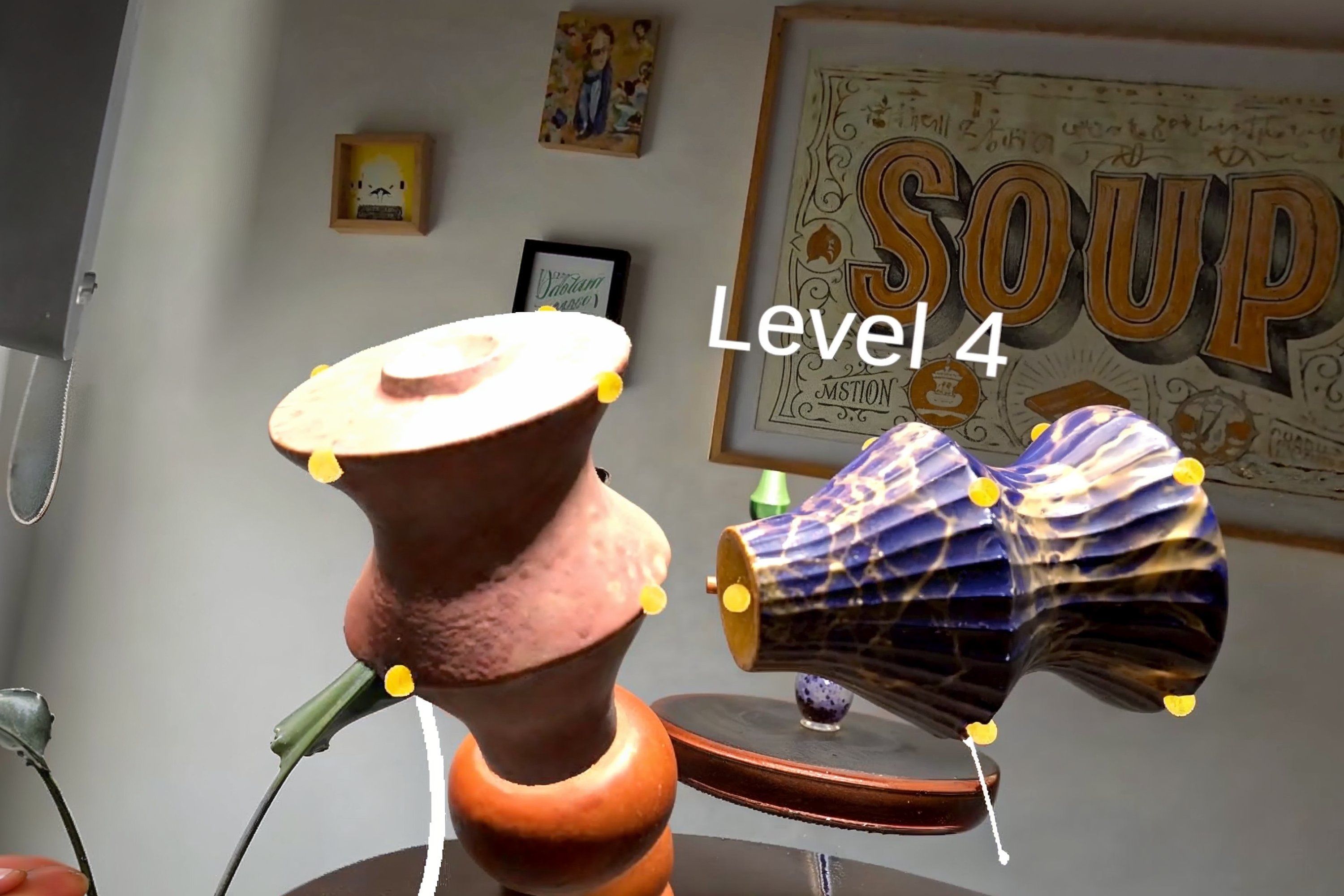
The entire experience was developed from scratch in Unity, fully optimized for Meta Quest 3 / 3S. We designed a modular building system with soft physics, smart snapping, and intuitive transformations so players can combine pieces fluidly. The goal was to create a playful construction toolkit that feels expressive but never frustrating.
Environments were crafted with a minimalistic, atmospheric visual language: soft lighting, clean palettes, slow ambient motion, and responsive spatial audio. We prioritized performance early, using lightweight shaders, procedural lighting, and careful draw-call management to ensure stability on standalone hardware.
We also built Inner Harmonics, a reactive layer of micro-animations and audio cues that makes structures feel alive—subtly “breathing” as the player manipulates them.
Updates made during the competition period
Since INNER FORMS is a new project created specifically for this competition, our updates were focused on maturing the core experience:
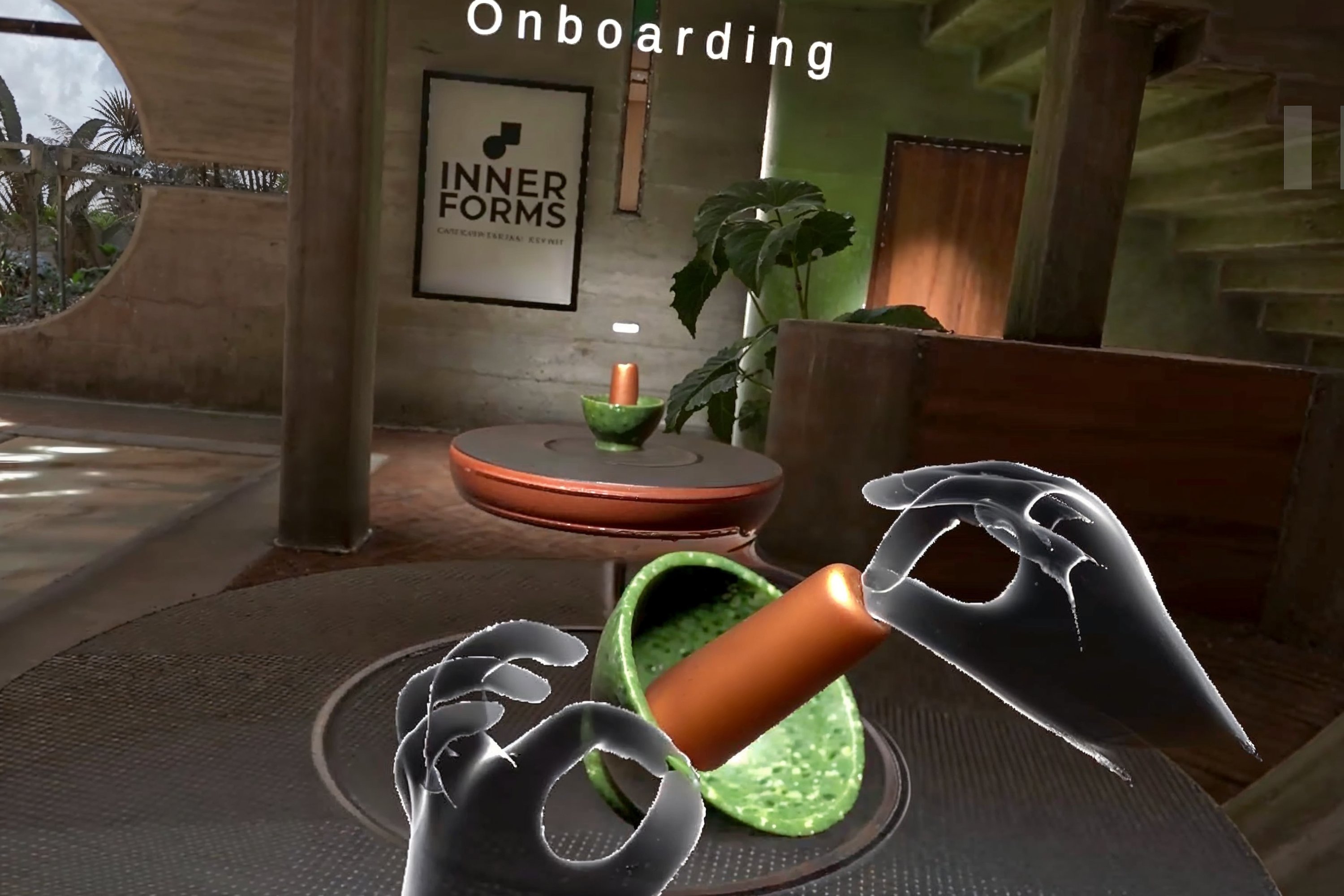
Hand Tracking prototype: Early implementation of controller-free building gestures (pinch, grab, rotate).
Expanded geometry set: More branches, connectors, and textures to broaden creative possibilities.
Performance passes: Mesh simplification, shader optimizations, and dynamic batching to achieve stable framerate.
Onboarding refinement: A concise, calming introduction that teaches only essential actions.
Focus Mode: An experimental mode where the environment adapts to the player’s pace and behavior.
What we learned
Building INNER FORMS from the ground up highlighted the delicate balance between freedom and guidance. Too much structure restricts creativity; too little overwhelms new users. Through iteration and playtesting, we found the sweet spot where exploration feels natural and rewarding.
We also confirmed how VR can empower people who don’t see themselves as “artistic”—removing barriers and encouraging experimentation.
Challenges
Designing organic-feeling physics that remain predictable
Maintaining aesthetic richness while staying performant on standalone
Creating onboarding that teaches without breaking immersion
Iterating hand-tracking gestures that feel universal and intuitive
Future plans
We envision INNER FORMS expanding into:
A new module with advanced geometries and animated connectors
A sharing hub where players can display and exchange creations
Enhanced hand-tracking interactions, such as two-hand shaping
New environments inspired by ceramics studios, deserts, and biomorphic caves
INNER FORMS is just beginning—our goal is to create a meaningful, creative space where players shape not only objects, but also their own sense of calm.


Log in or sign up for Devpost to join the conversation.