-
-
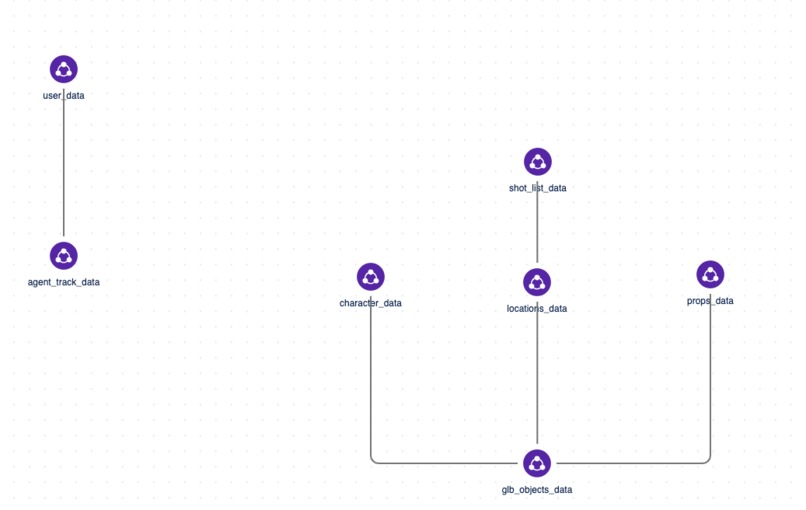
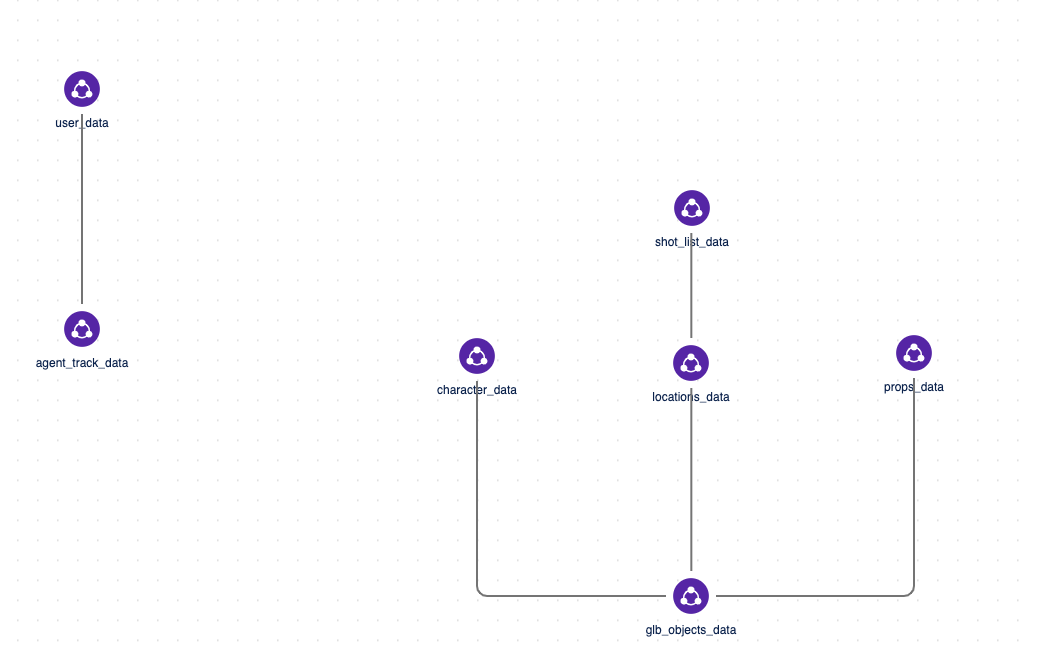
Semantic model
-
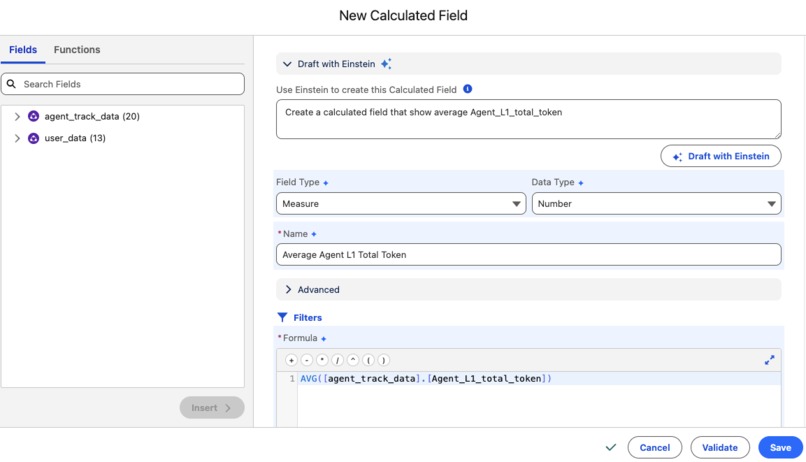
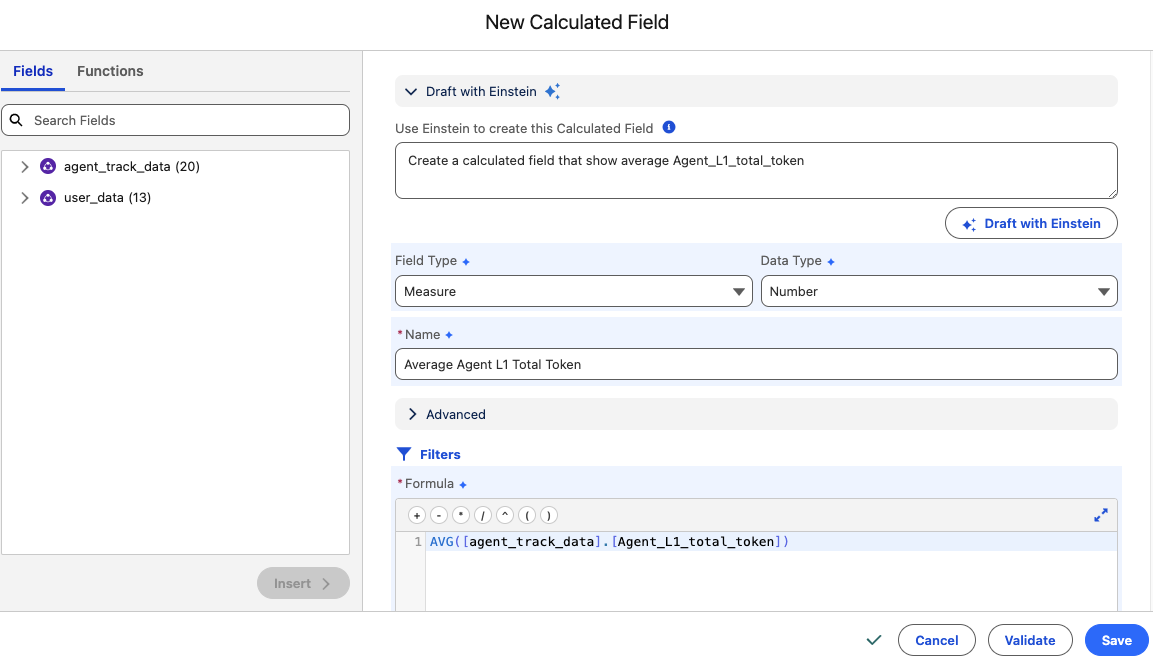
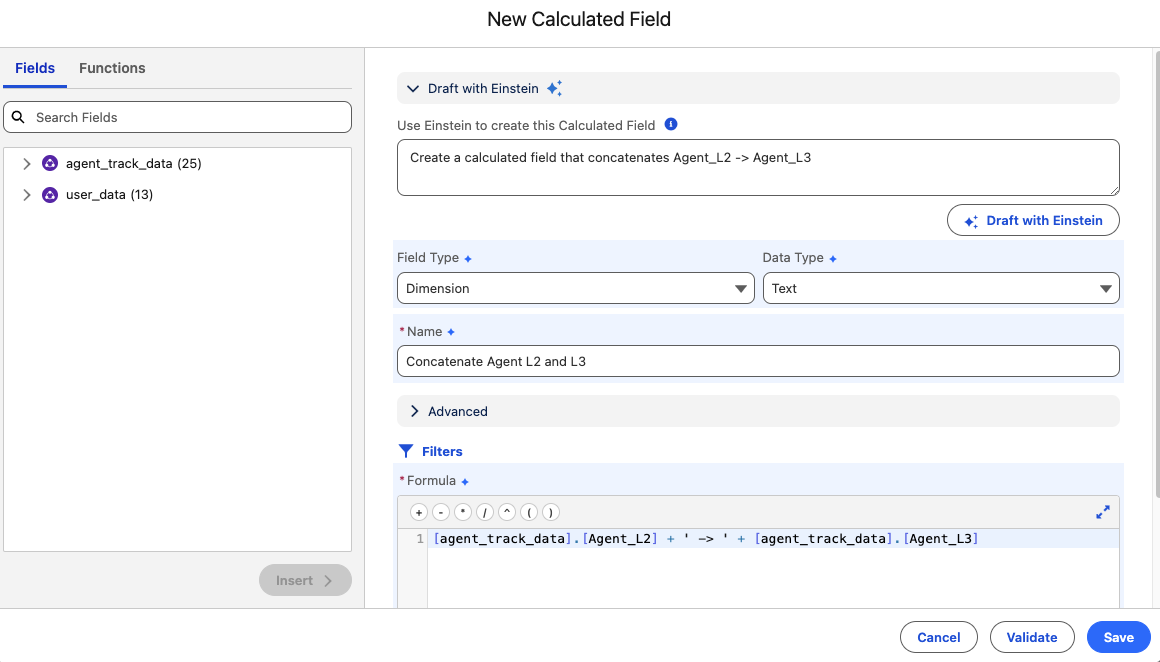
Calculated Field with Einstein
-
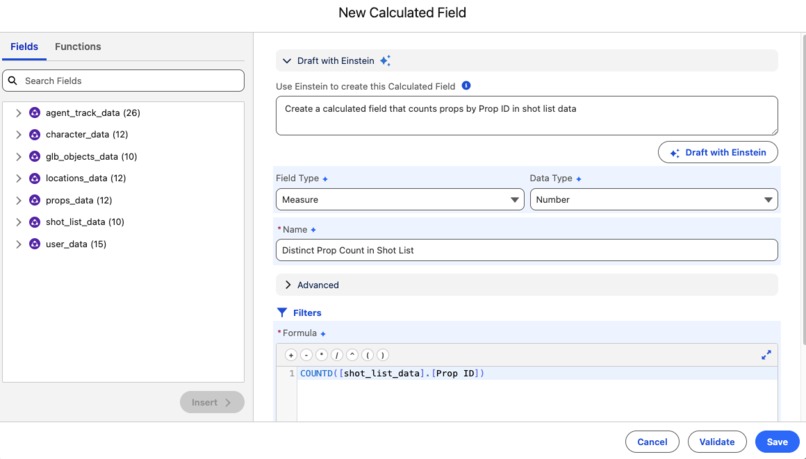
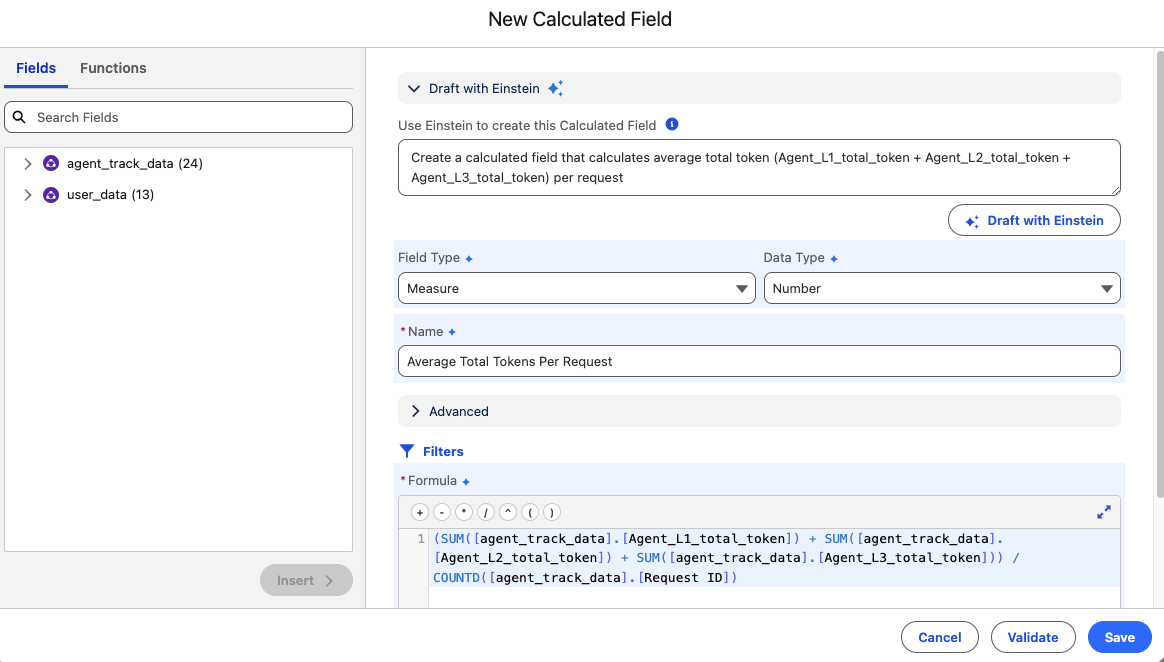
Calculated Field with Einstein
-
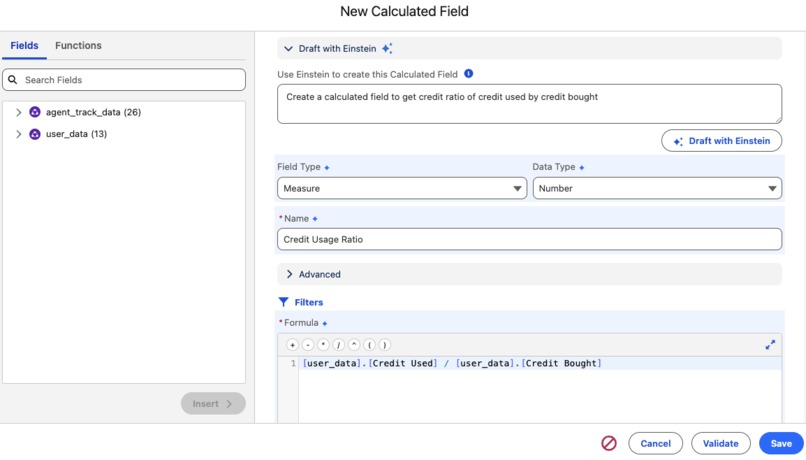
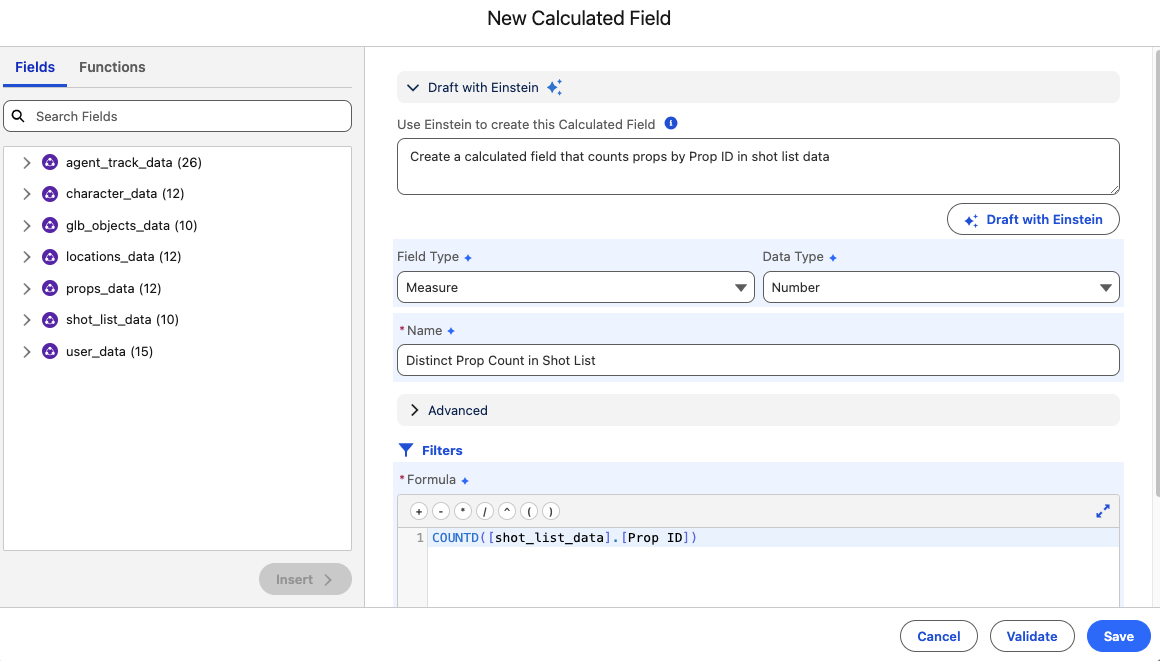
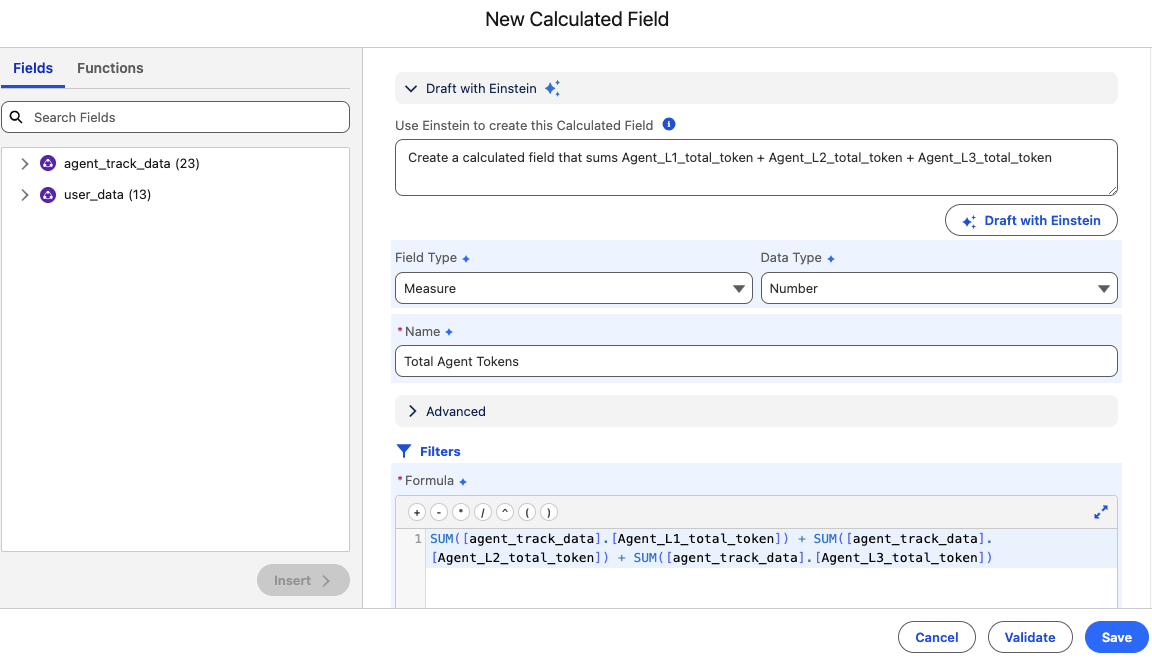
Calculated Field with Einstein
-
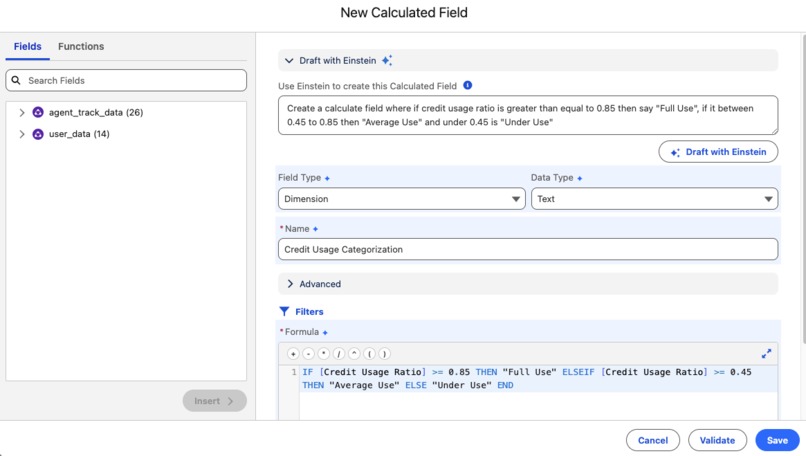
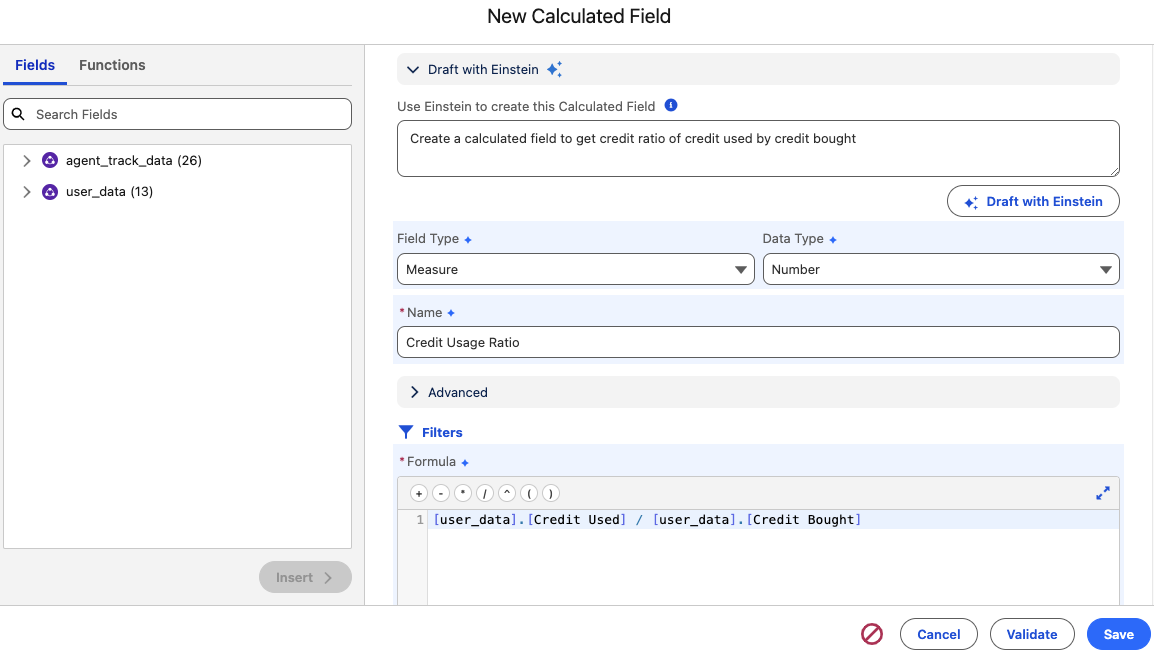
Calculated Field with Einstein
-
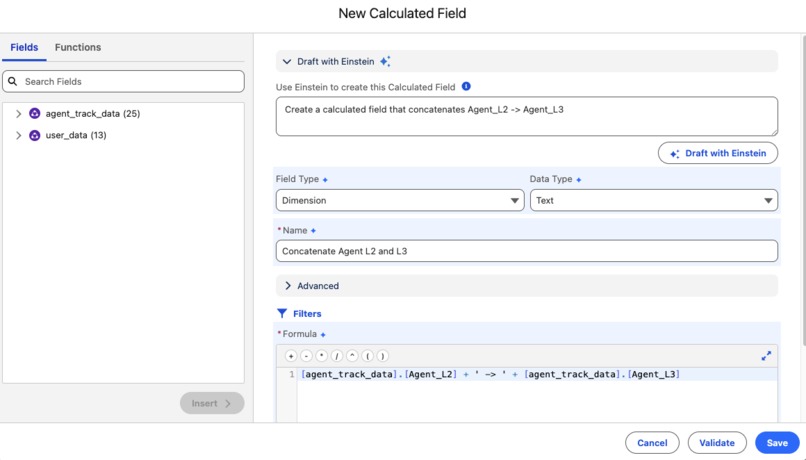
Calculated Field with Einstein
-
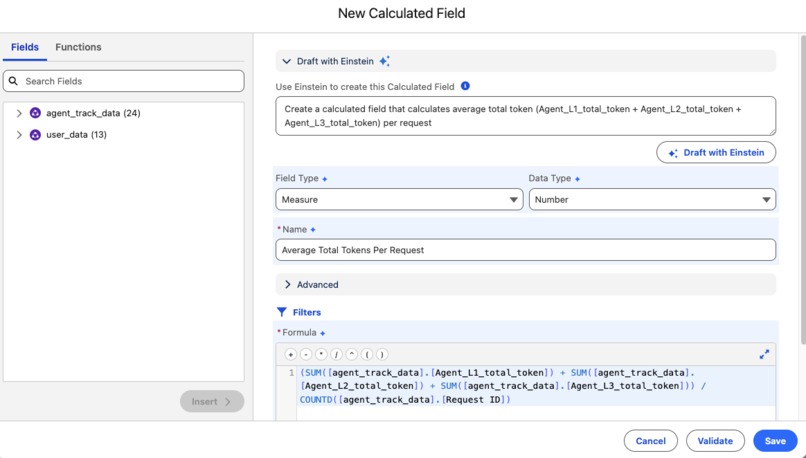
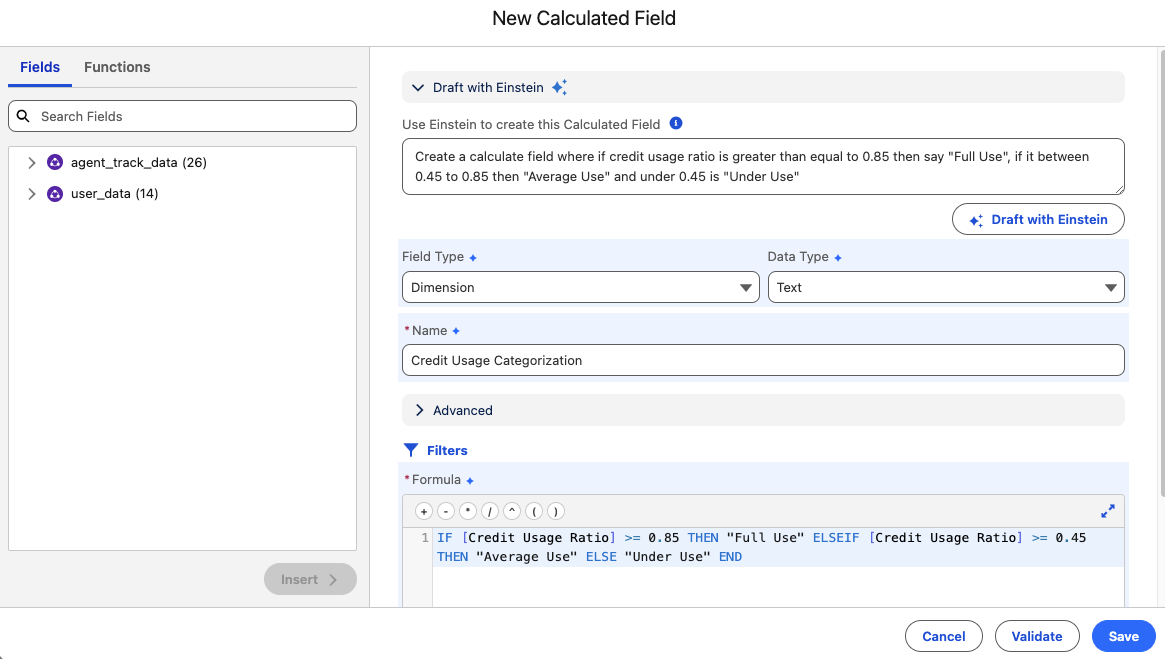
Calculated Field with Einstein
-
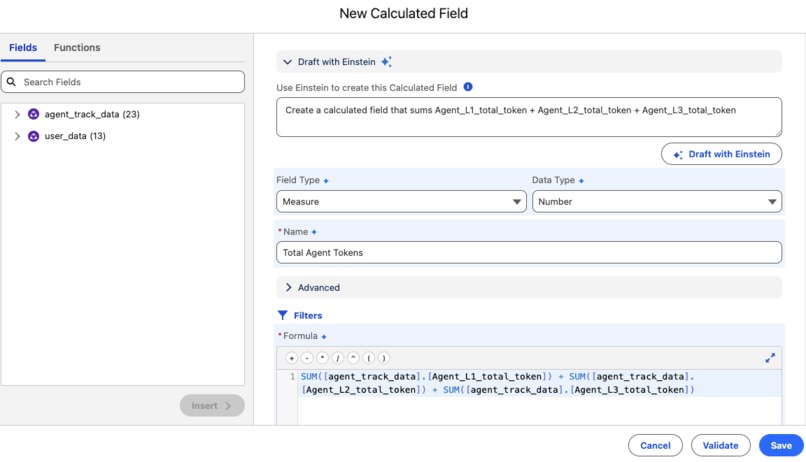
Calculated Field with Einstein
-
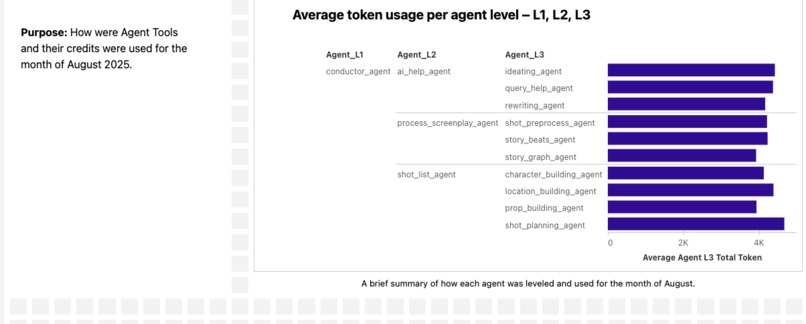
Dashboard
-
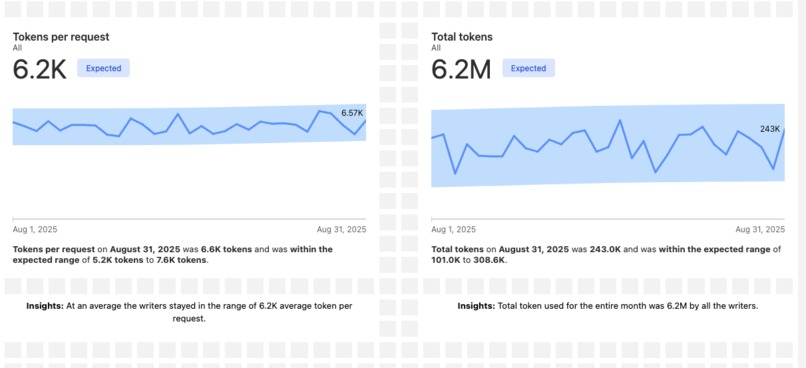
Dashboard
-
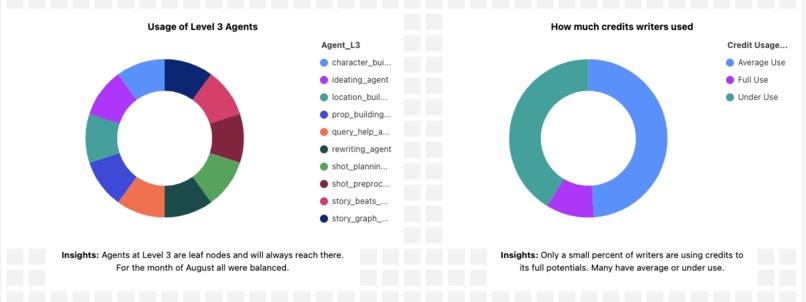
Dashboard
-
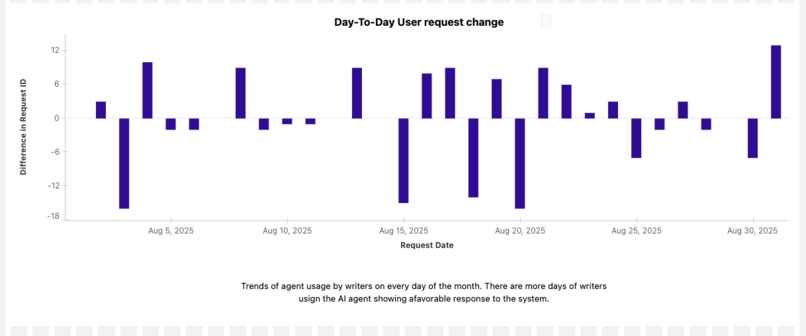
Dashboard
-
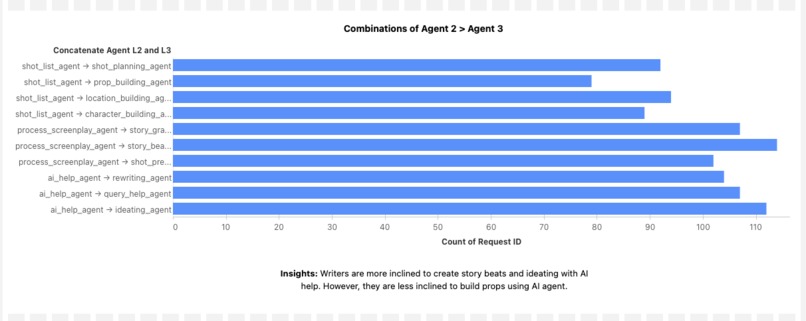
Dashboard
-
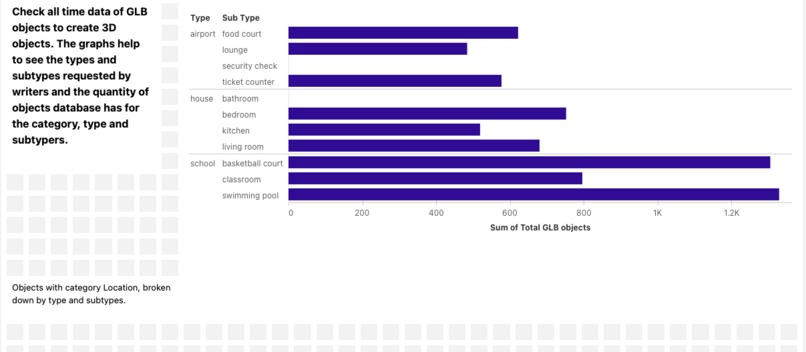
Dashboard
-
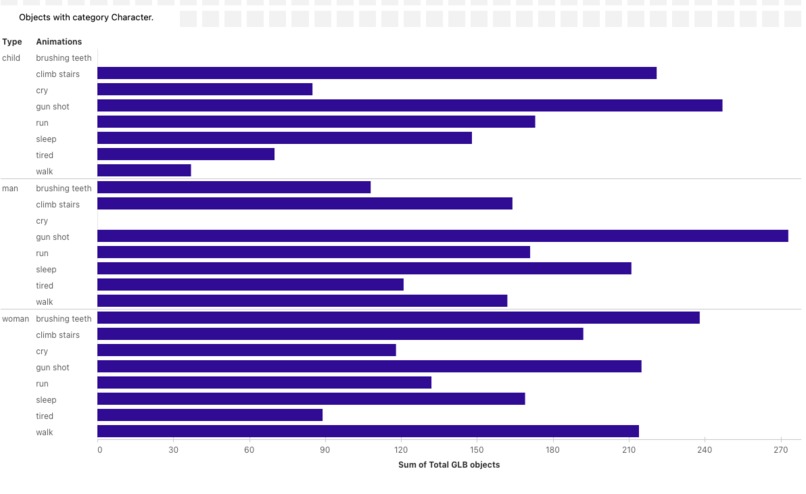
Dashboard
Inspiration
I am developing an agent-based application called Inksfire, designed to assist writers in planning and writing screenplays. When creating a multi-agent app, one critical consideration is managing token usage. Efficient token planning is essential to deliver high-quality outputs. This project marks my first experience with Tableau Next, and I found it highly valuable for exploring how data insights can support the development of a production-level application.
What it does
The project focuses on two key aspects of the app:
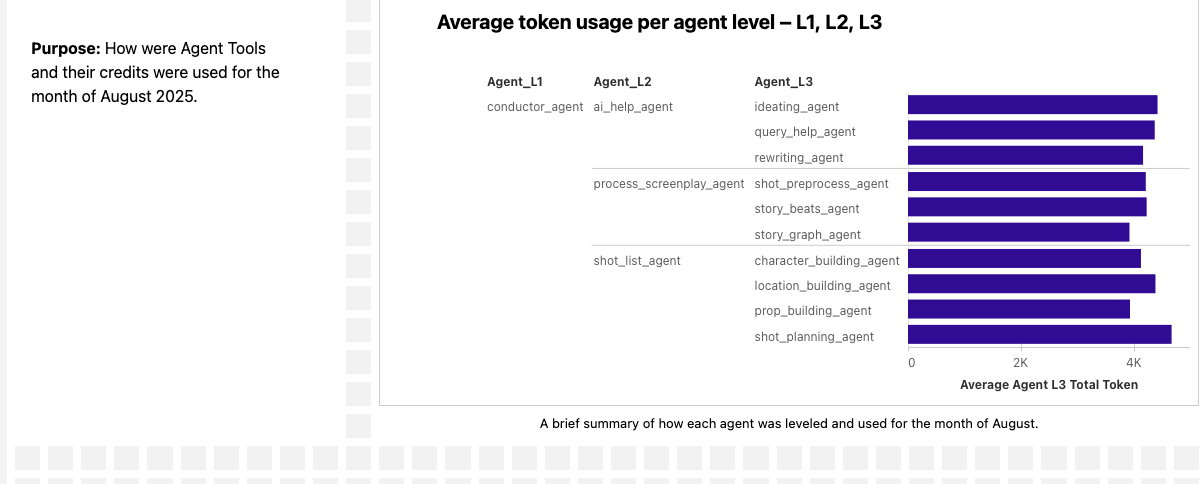
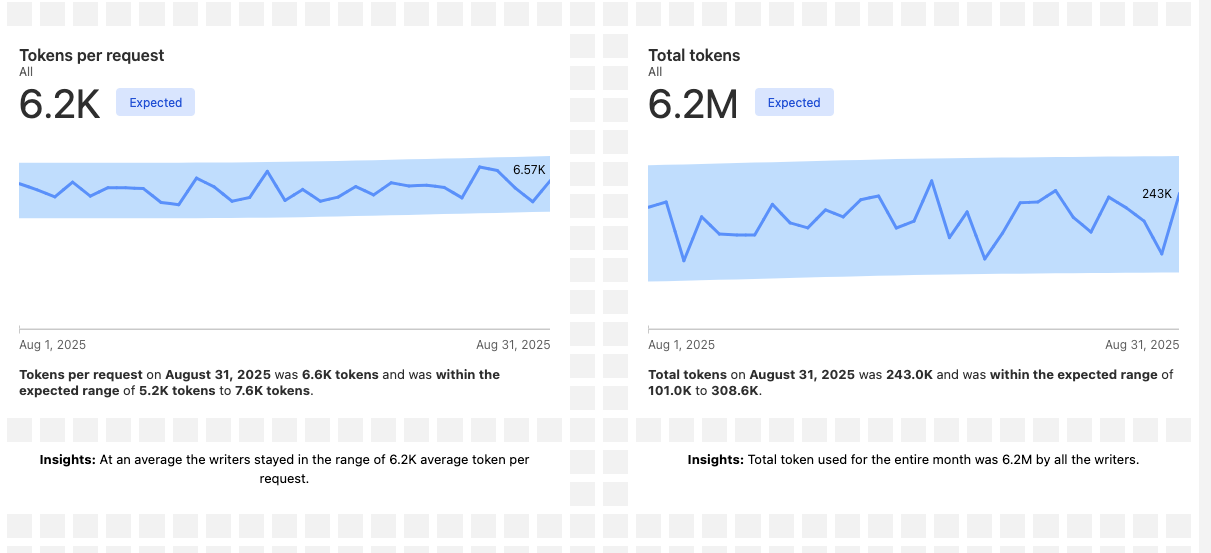
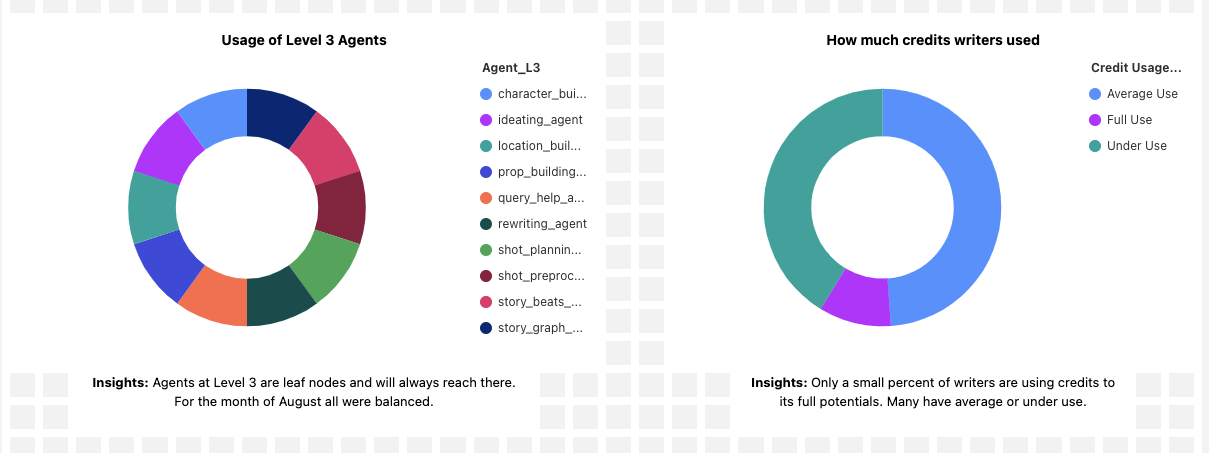
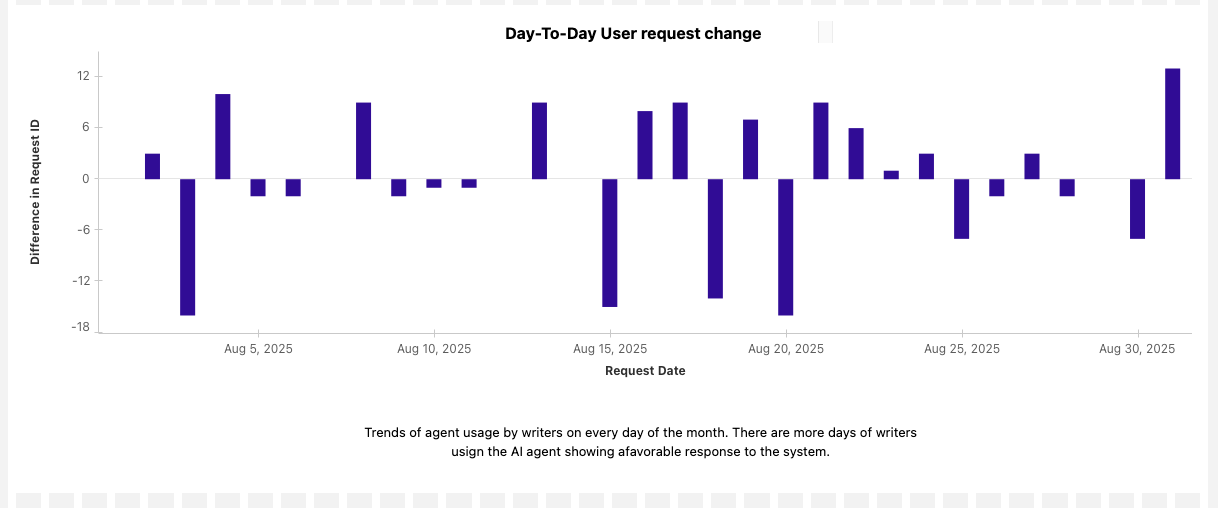
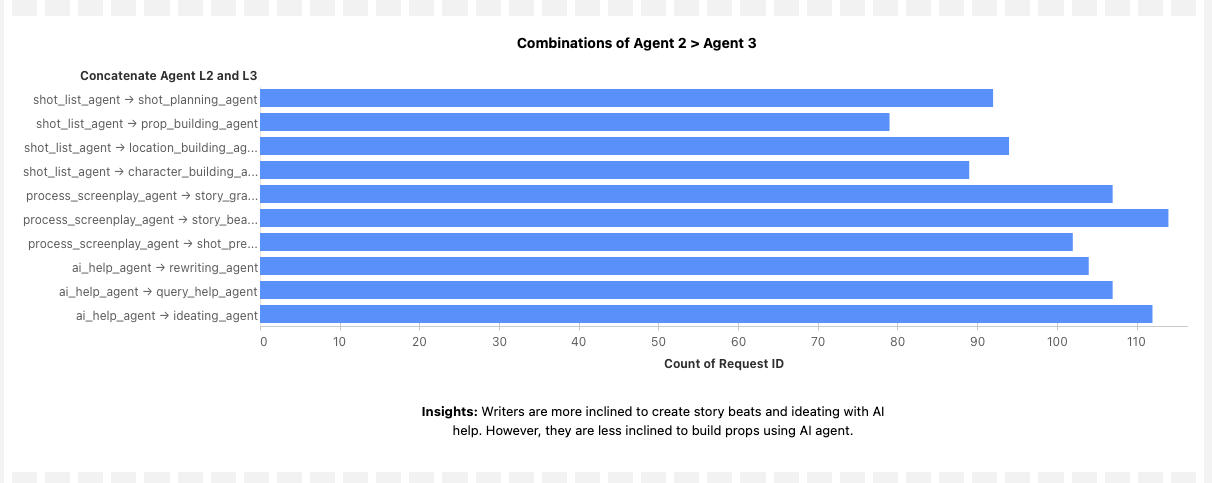
Token Management in Agentic Apps: Multi-agent applications can quickly become complex, making it important to monitor and optimize token usage. This component provides insights into token consumption and identifies potential improvements in the app’s architecture to enhance efficiency.
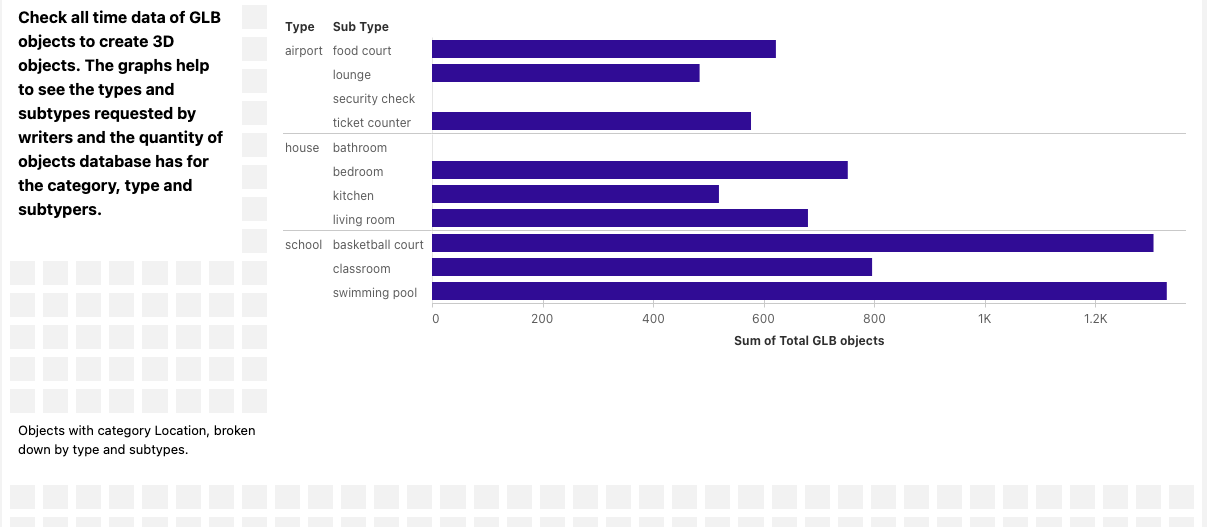
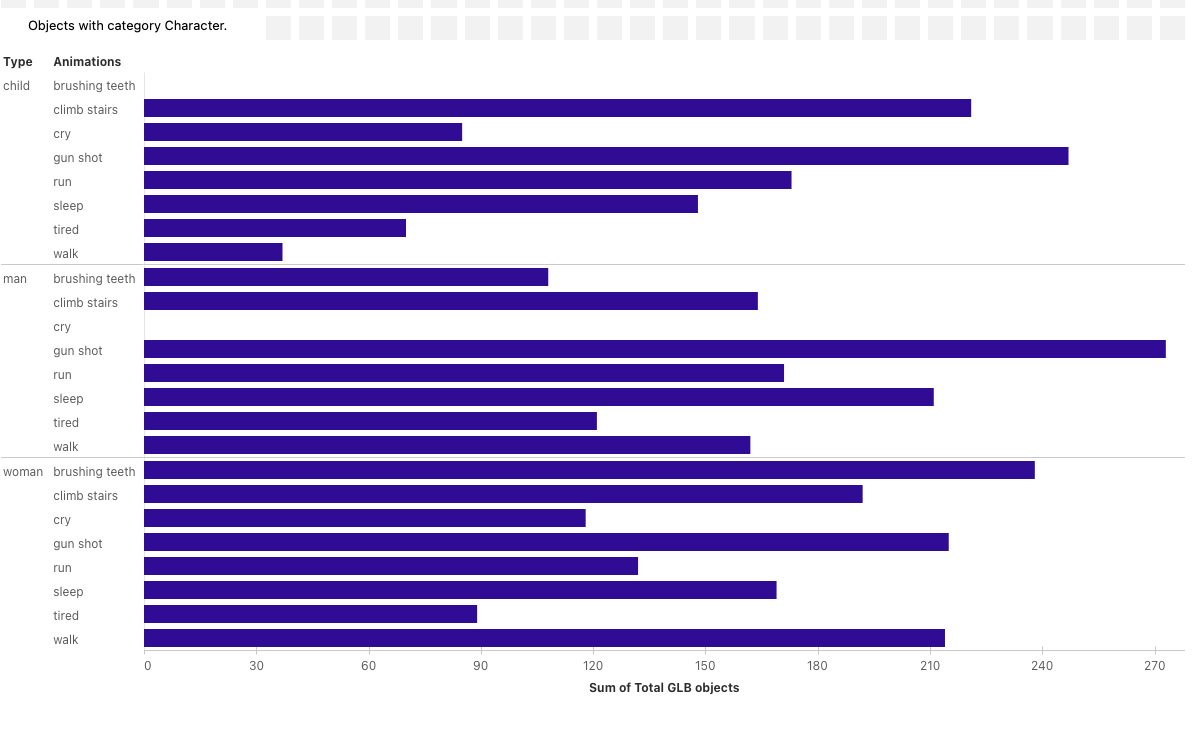
Object Planning: The app’s database contains 3D objects across three categories: locations, characters, and props. Writers may request objects that do not exist in the database. This feature tracks missing objects, allowing designers to prioritize and create new assets based on user needs.
How I built it
I generated synthetic data using Python in Google Colab, saved it as CSV files, and uploaded it to Tableau Next. All visualizations and analyses were created directly within Tableau Next.
Accomplishments that I am proud of
- As someone new to data insights, I explored the platform extensively and experimented with different visualizations. Beyond that, I gained a deeper understanding of how Tableau Next can support future development of a production-level application.
What we learned
- I gained hands-on experience with the full capabilities of Tableau Next and learned how to leverage its features to generate actionable insights.
What's next for Inksfire
- Integrate these insights into the production-level app to optimize token management and guide object creation.

Log in or sign up for Devpost to join the conversation.