Inspiration
The inspiration for this project came from a personal experience within our team. One of our teammates, who is a foreign student, faced several challenges adjusting to life at CMU Africa, from navigating the campus to understanding local services and connecting with other students. Seeing how difficult it was for them, we realized this was a common issue for many international students. This personal journey motivated us to create a solution that could make the transition smoother, not just for our teammate, but for all students in similar situations. By addressing these pain points, we hope to help others feel more supported and connected as they adjust to life at any new university in Rwanda or any other country as the solution will support it.
What it does
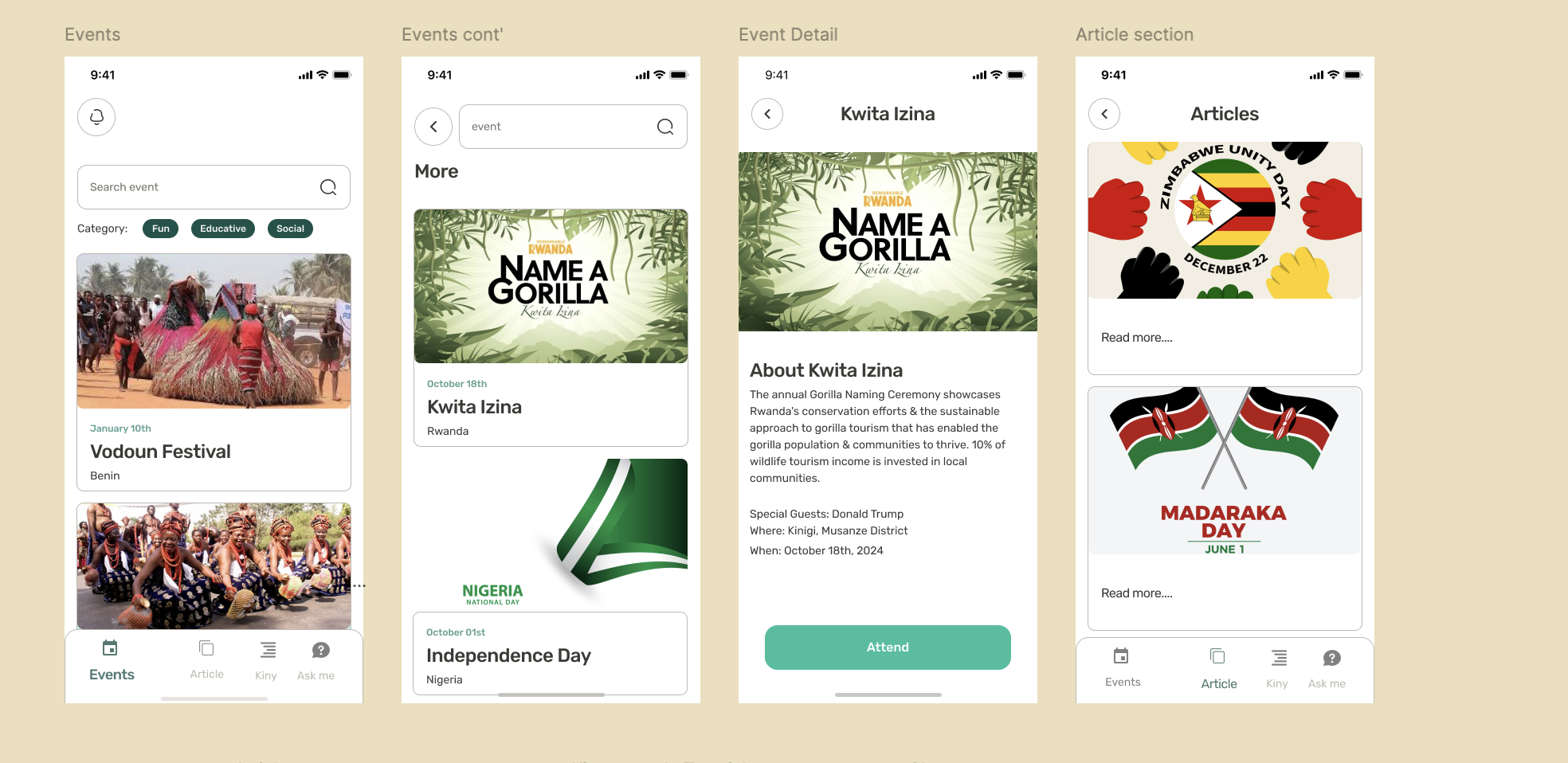
We have conceived a project with the primary goal of helping CMU Africa students, especially international ones, integrate smoothly, or with as few challenges as possible, into Rwandan culture. To achieve this, we have developed a progressive web application with several features. The main feature is a listing of cultural events that are important to Rwandan tradition and culture, which international students can attend, along with the necessary resources they will need to do so. A second feature is a collection of tips for new students, offering advice on what to do and what to avoid to ensure a quick and successful integration.
How we built it
To build the project, we first formulated several hypotheses regarding the challenges international students might face when integrating into the local culture, considering mainly the experience of one of our team members. We tested these assumptions by conducting a survey with a representative sample of international students at CMU Africa to determine whether there was a real need for such a solution. Based on the responses we gathered, it was clear that the need existed. Following this validation, our team worked collaboratively to define the functional requirements of the solution, ensuring that it would address the identified needs. We then moved into the development phase, where we translated these requirements into the coding and creation of the actual platform
Challenges we ran into
During the implementation of the project, we encountered several challenges, the first being the divergence of opinions in the feedback we received. While most international students conveyed that they had experienced, and continue to experience, difficulties in integrating, a significant group indicated that their adaptation had been quick and mostly seamless. However, through more in-depth questioning, we realized that almost all international students could benefit from our solution. Another challenge we faced was coordinating the availability of our team members, whose schedules often didn't align. Nevertheless, we made the necessary efforts to overcome these obstacles and successfully complete the project.
Accomplishments that we're proud of
Over the past few days, since we began developing this project idea and working on its prototype, we have accomplished the following:
Developed a solid understanding of the project as a team, including the problem we aim to address.
Engaged with fellow students, particularly foreign students (including one of our teammates), to gather insights on this shared pain point, and we're glad to have a clear grasp of their challenges, which we are committed to solving.
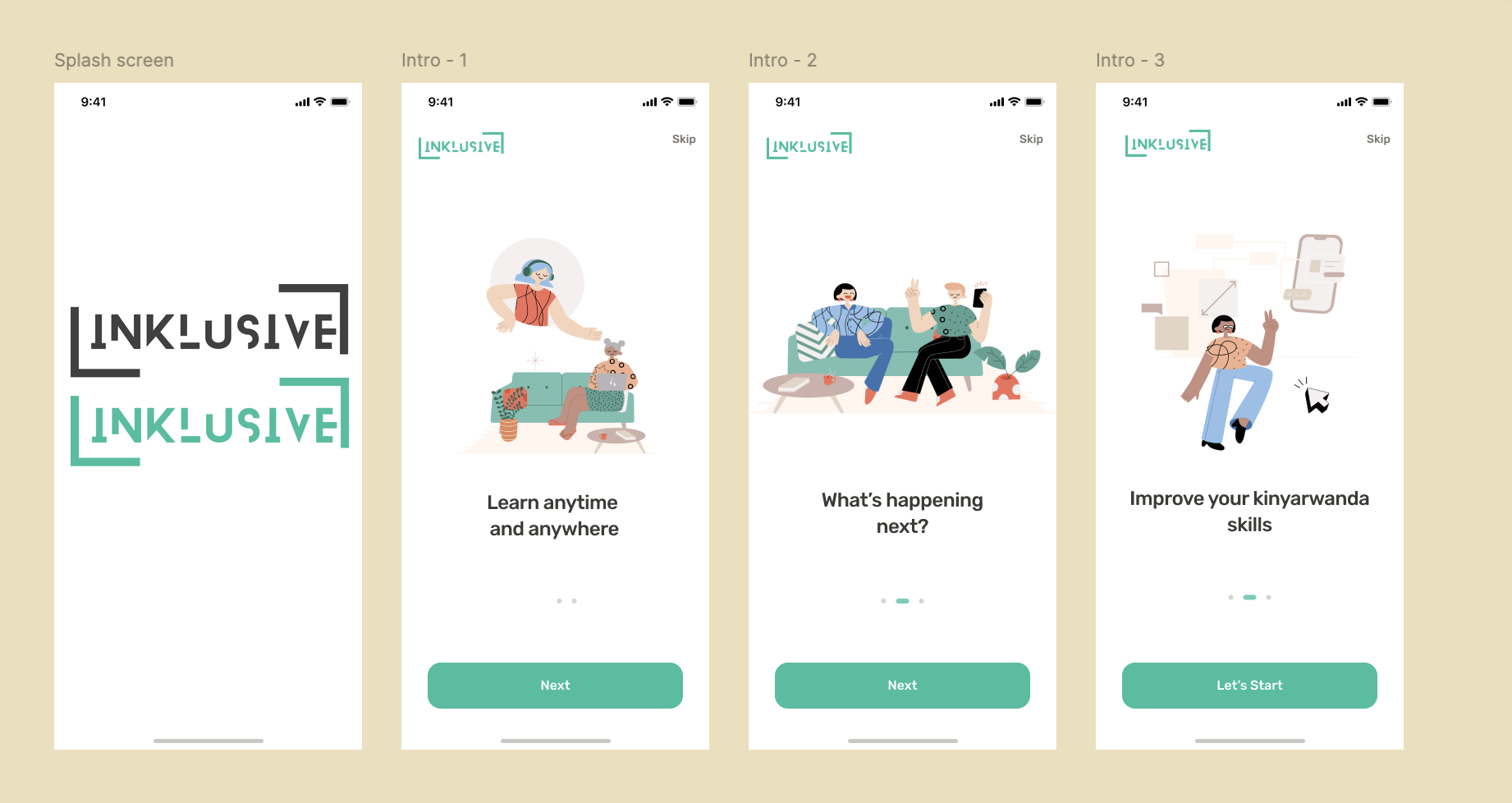
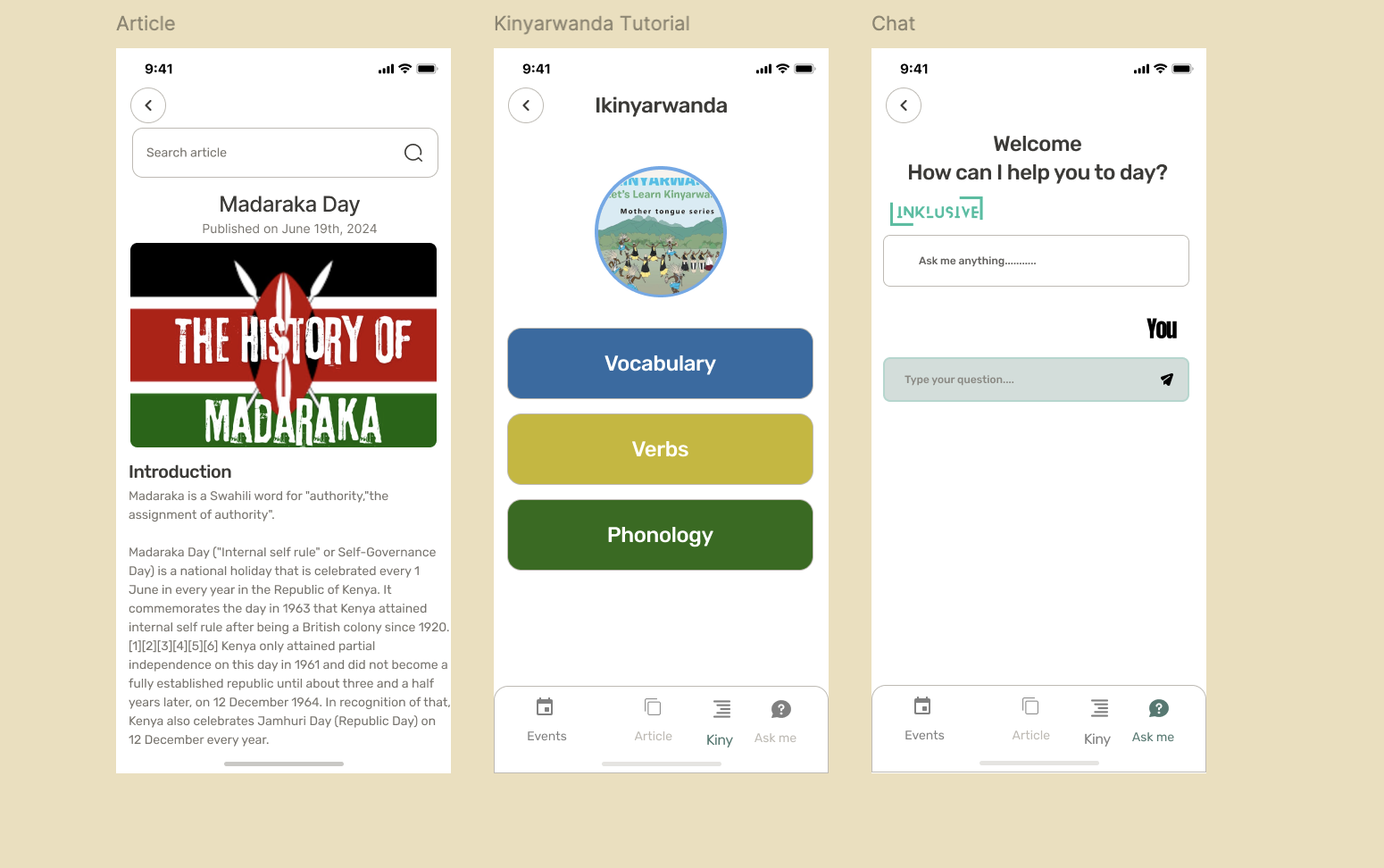
Created a Figma prototype covering most aspects of the solution we intend to offer.
What we learned
Through the process of developing and prototyping the idea, we learned a few important things:
Teamwork and Communication: We realized how important it is to work well together and talk openly so that everyone understands the problem better.
Focus on Users: By talking to other students, especially those who face the problem, we learned how valuable it is to listen to real feedback to make sure our solution helps.
Prototyping: Creating the Figma prototype taught us that seeing our ideas visually makes it easier to improve them and make changes.
Empathy and Problem-Solving: Understanding the struggles of foreign students helped us see the problem clearly and focus on creating a helpful solution.
What's next for Untitled
After completing the Figma mockups, the next steps will involve:
- Gathering feedback and making improvements based on it.
- Developing the mobile app and conducting various reviews.
- Launching the app and promoting its use among students.
- Expanding its availability to other universities, starting with our close neighbor, ALU.


Log in or sign up for Devpost to join the conversation.