-
-
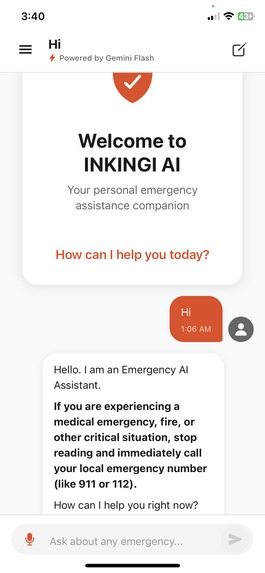
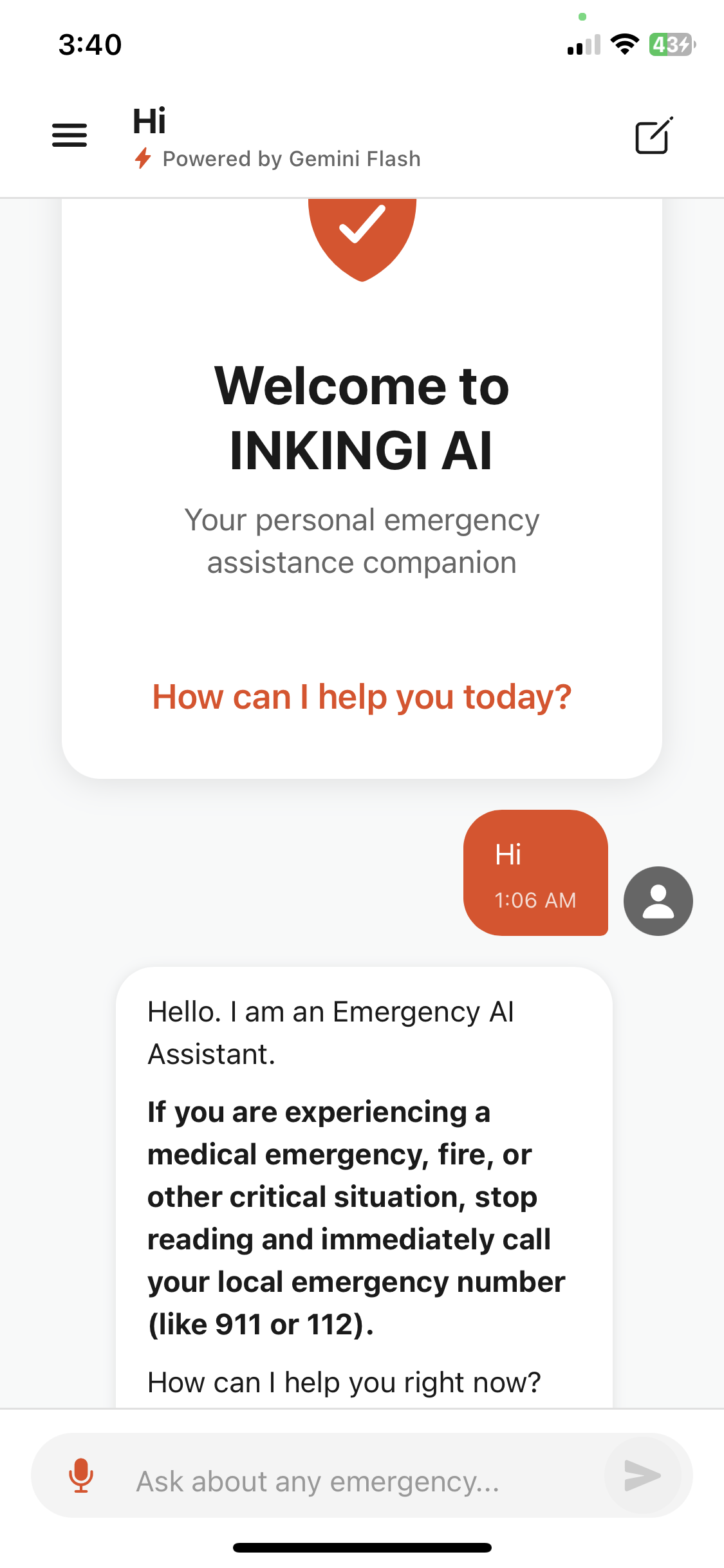
AI chatbot for emergency consultation
-
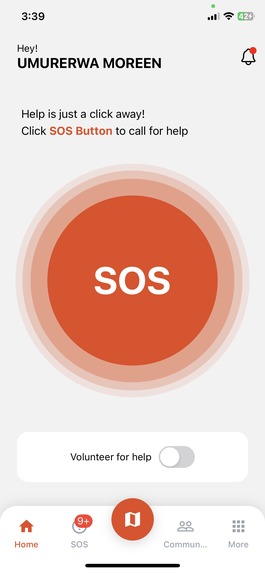
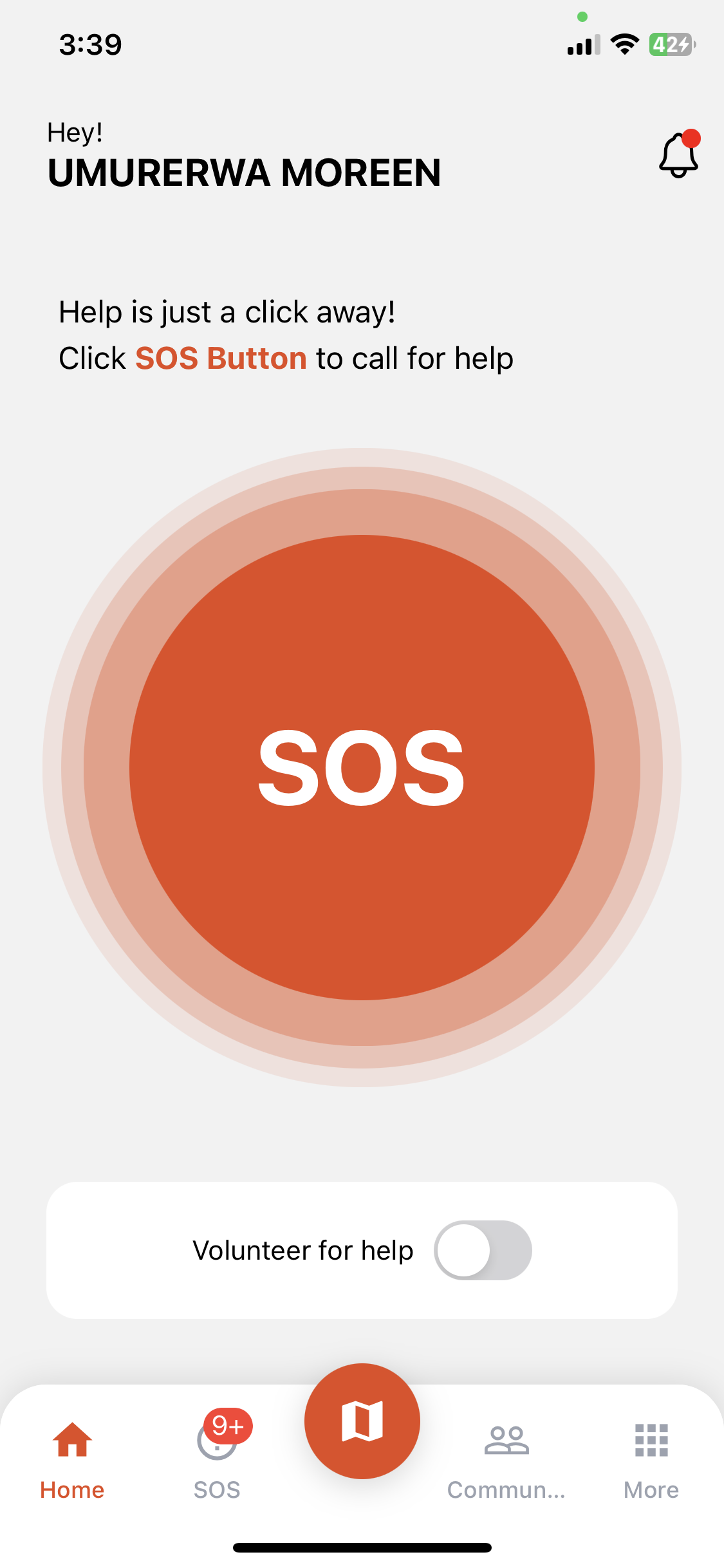
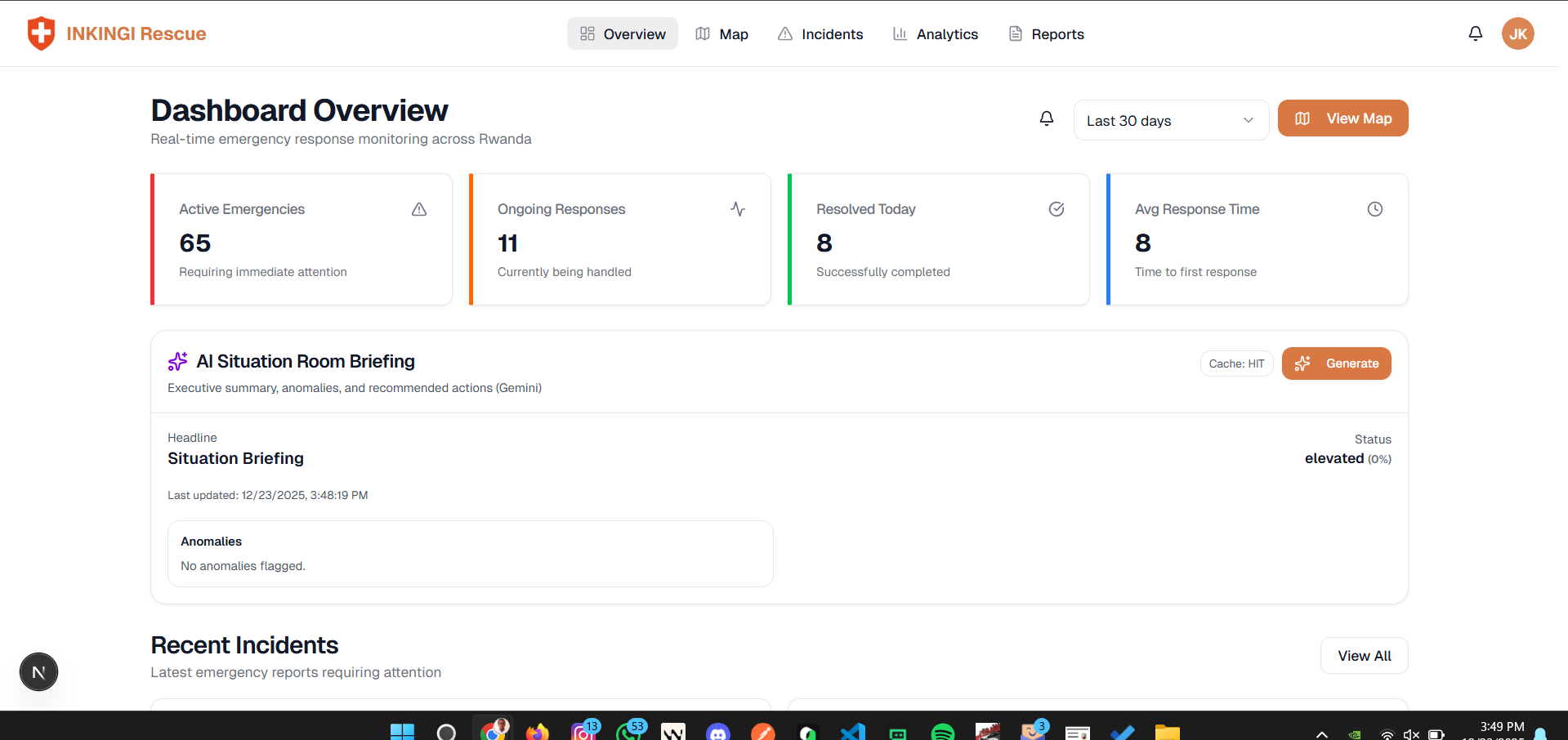
Home screen
-
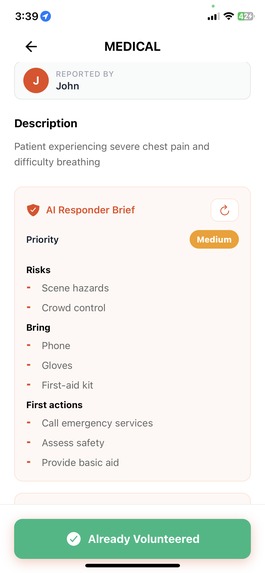
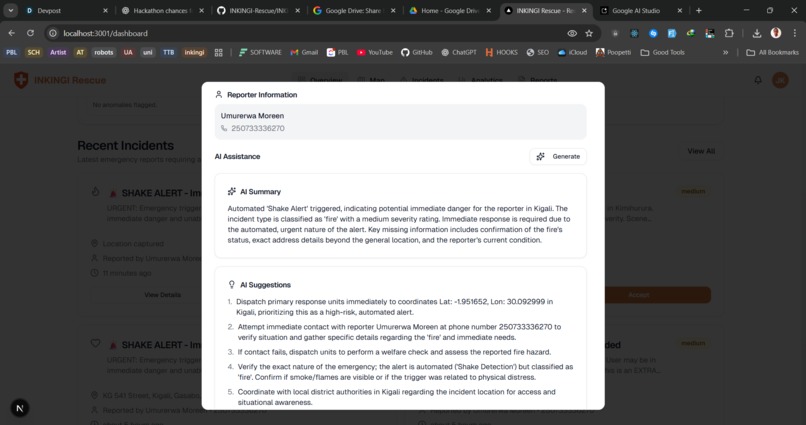
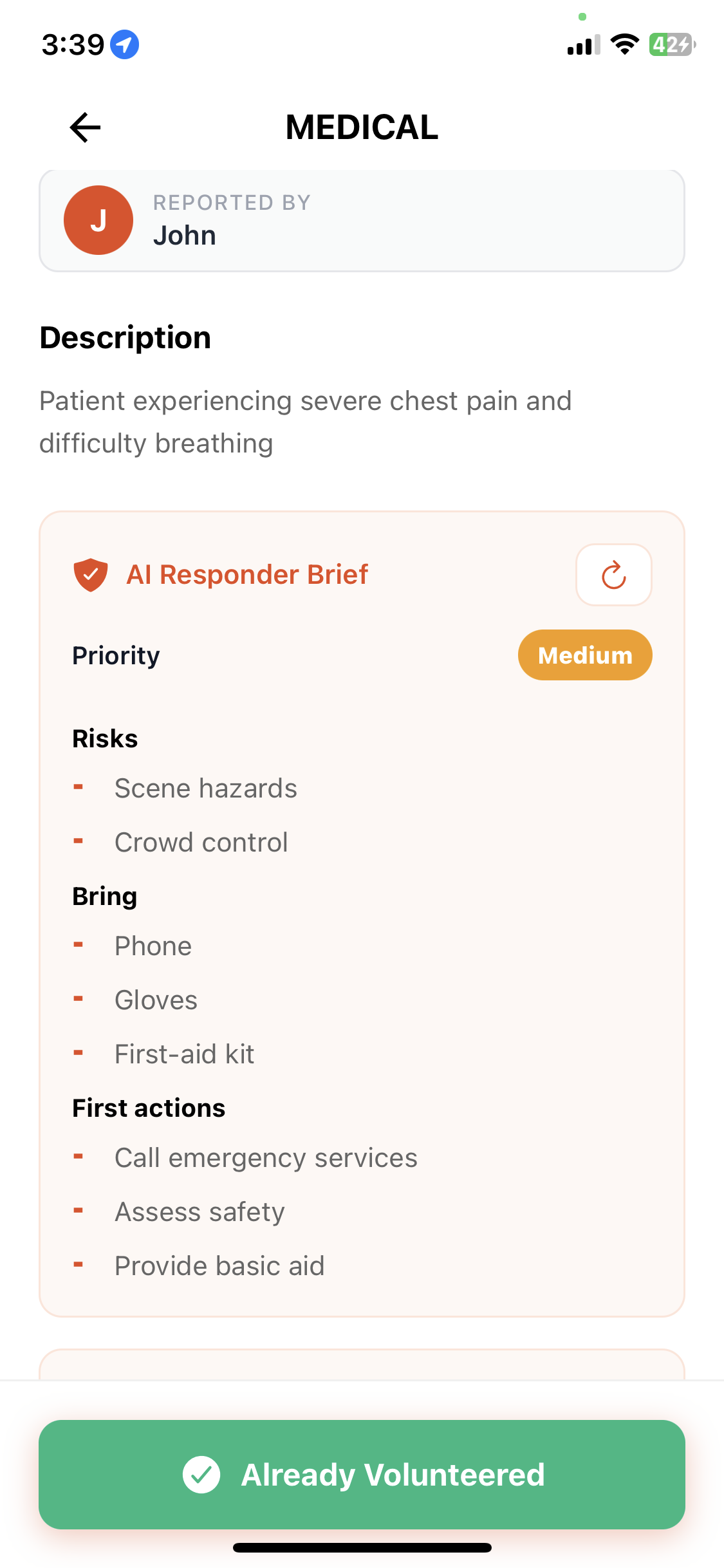
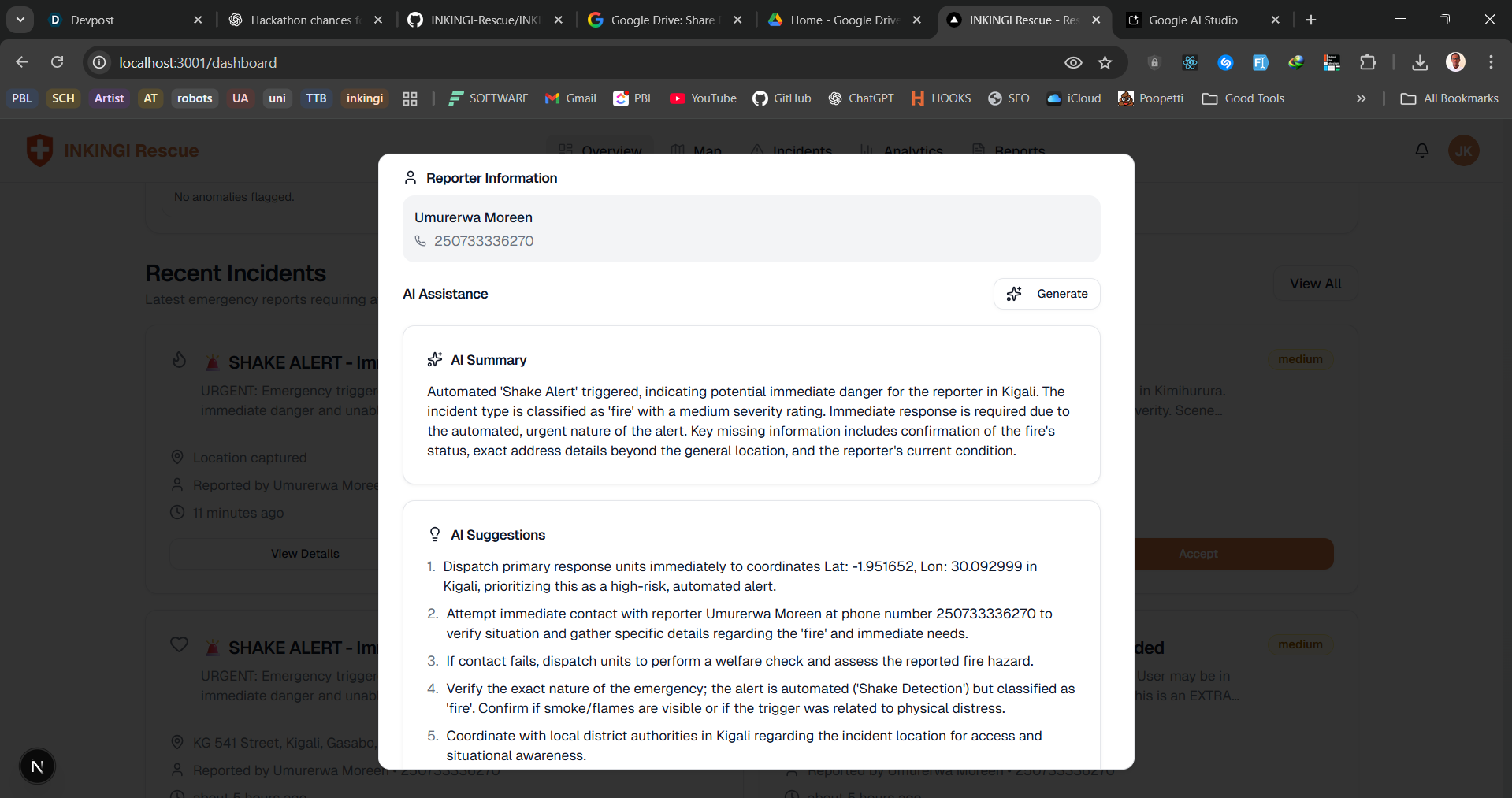
AI providing tips on a reported emergency
-
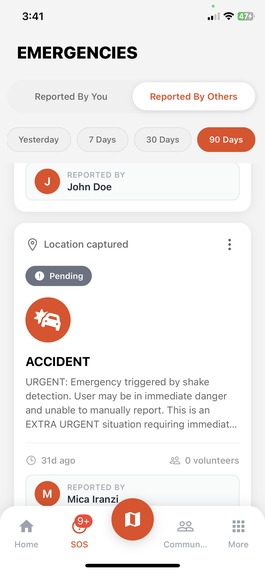
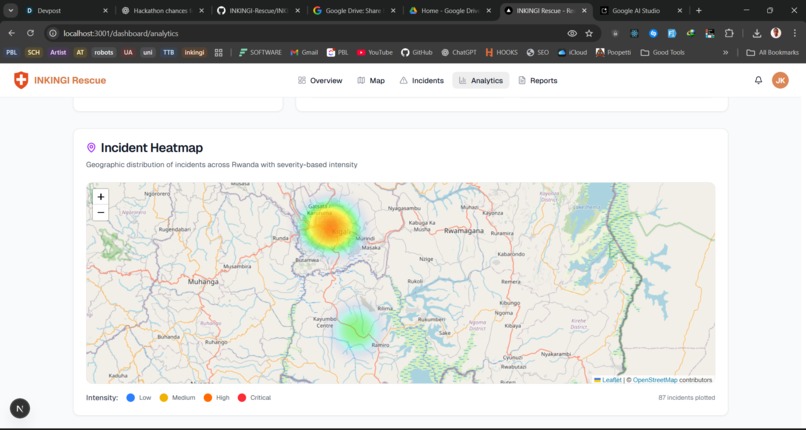
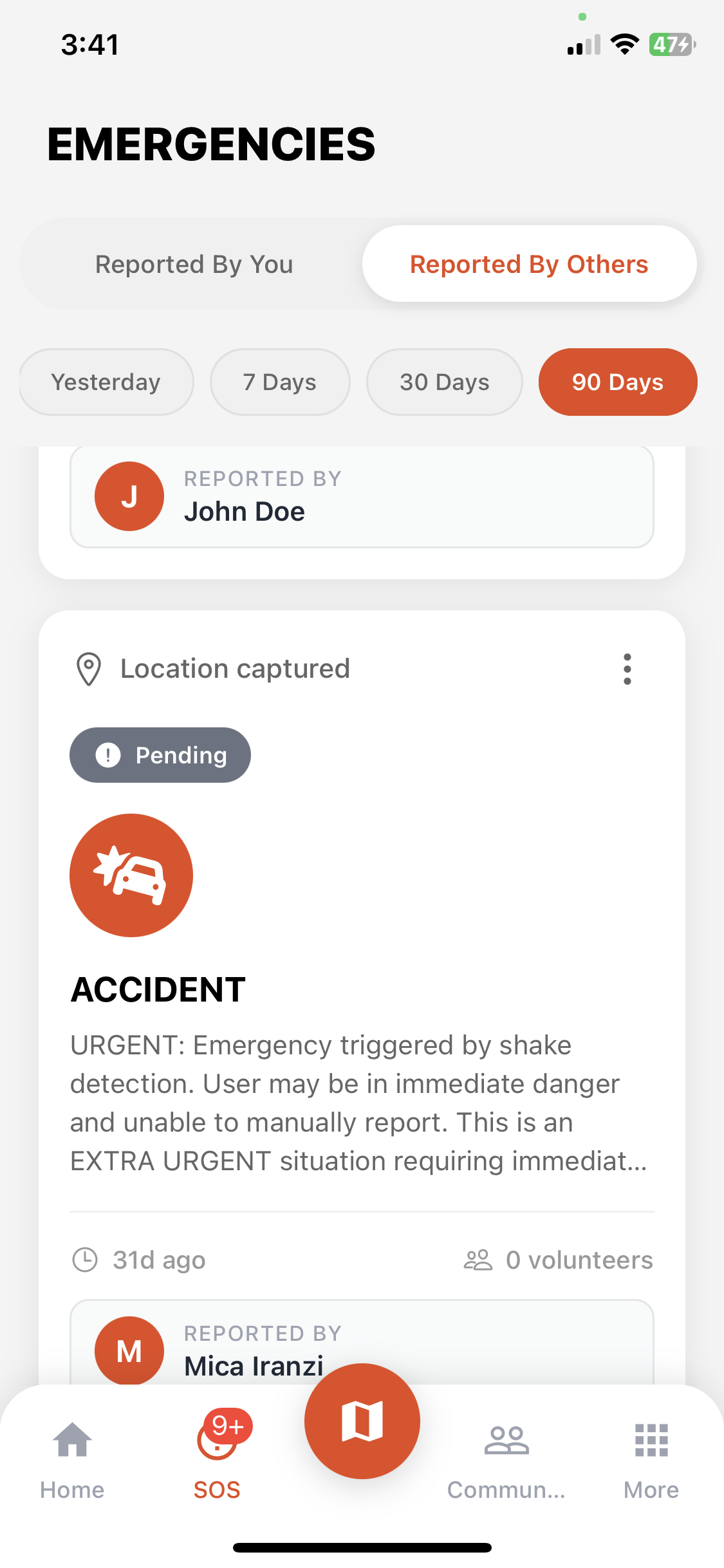
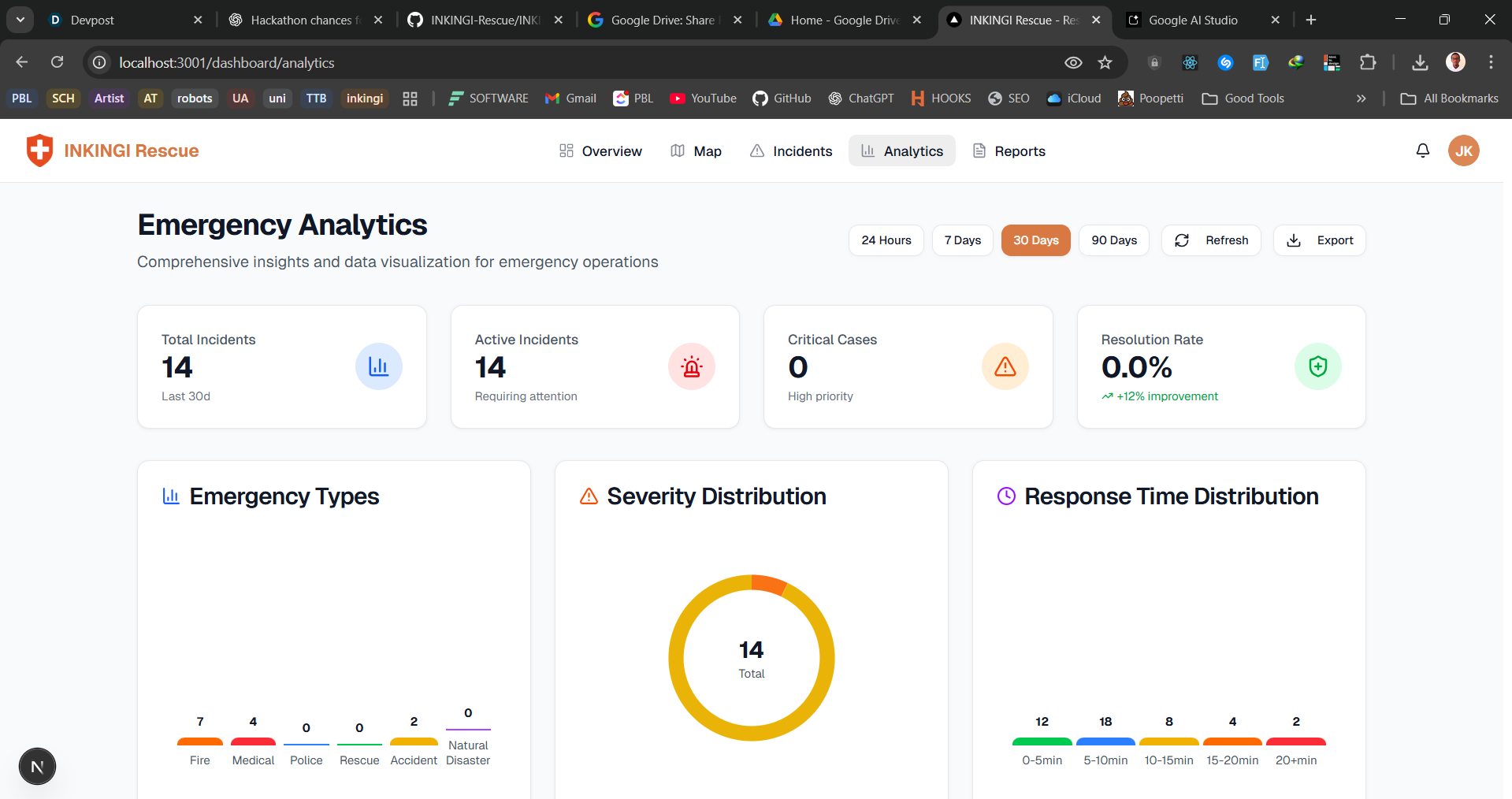
other emergencies reported by others
-
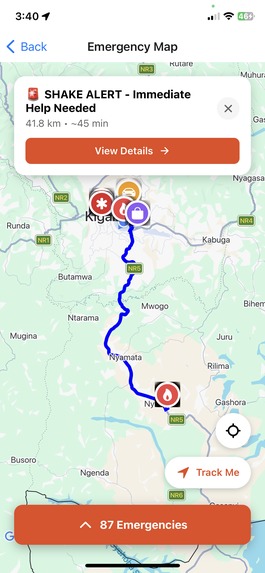
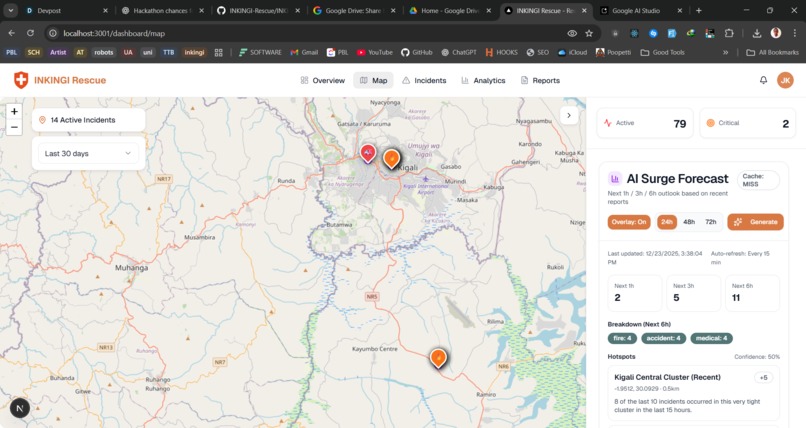
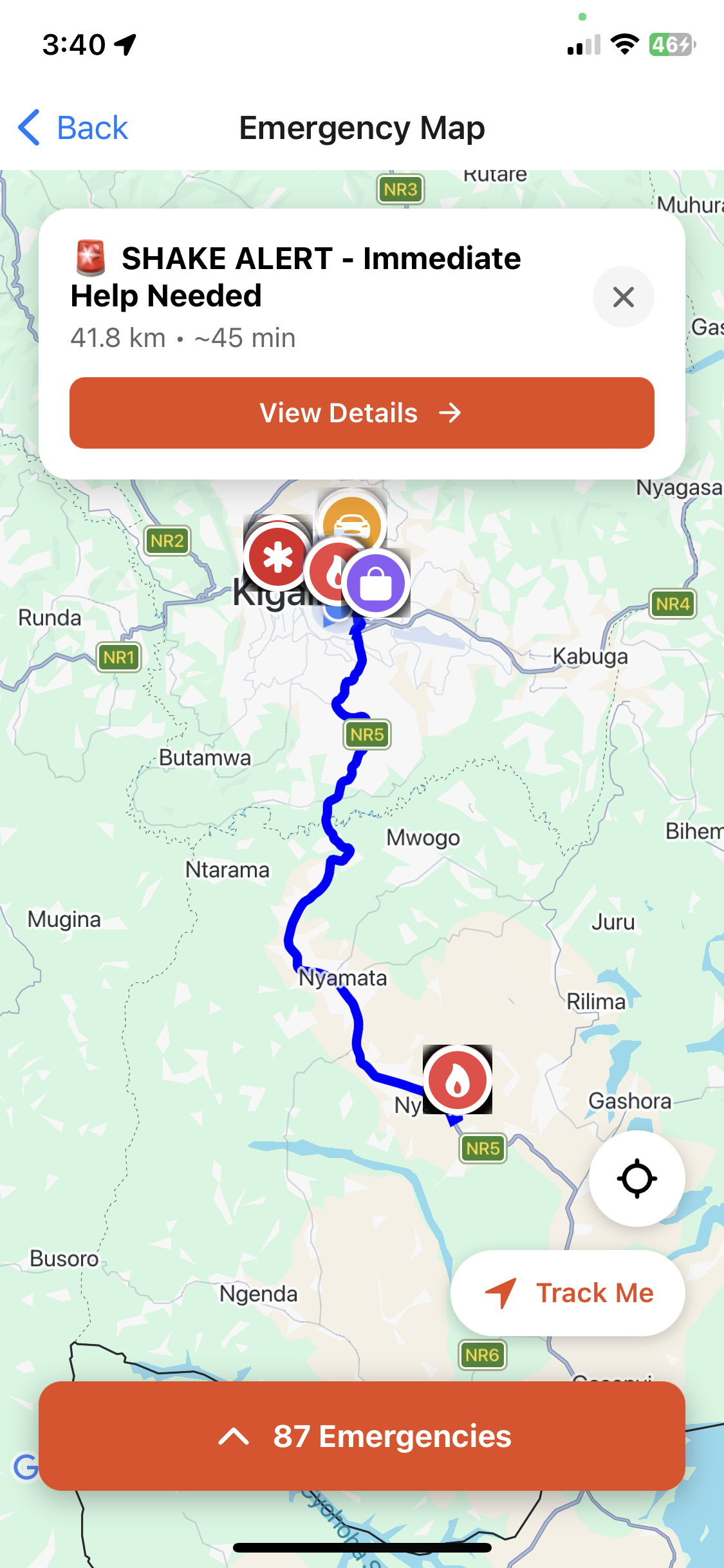
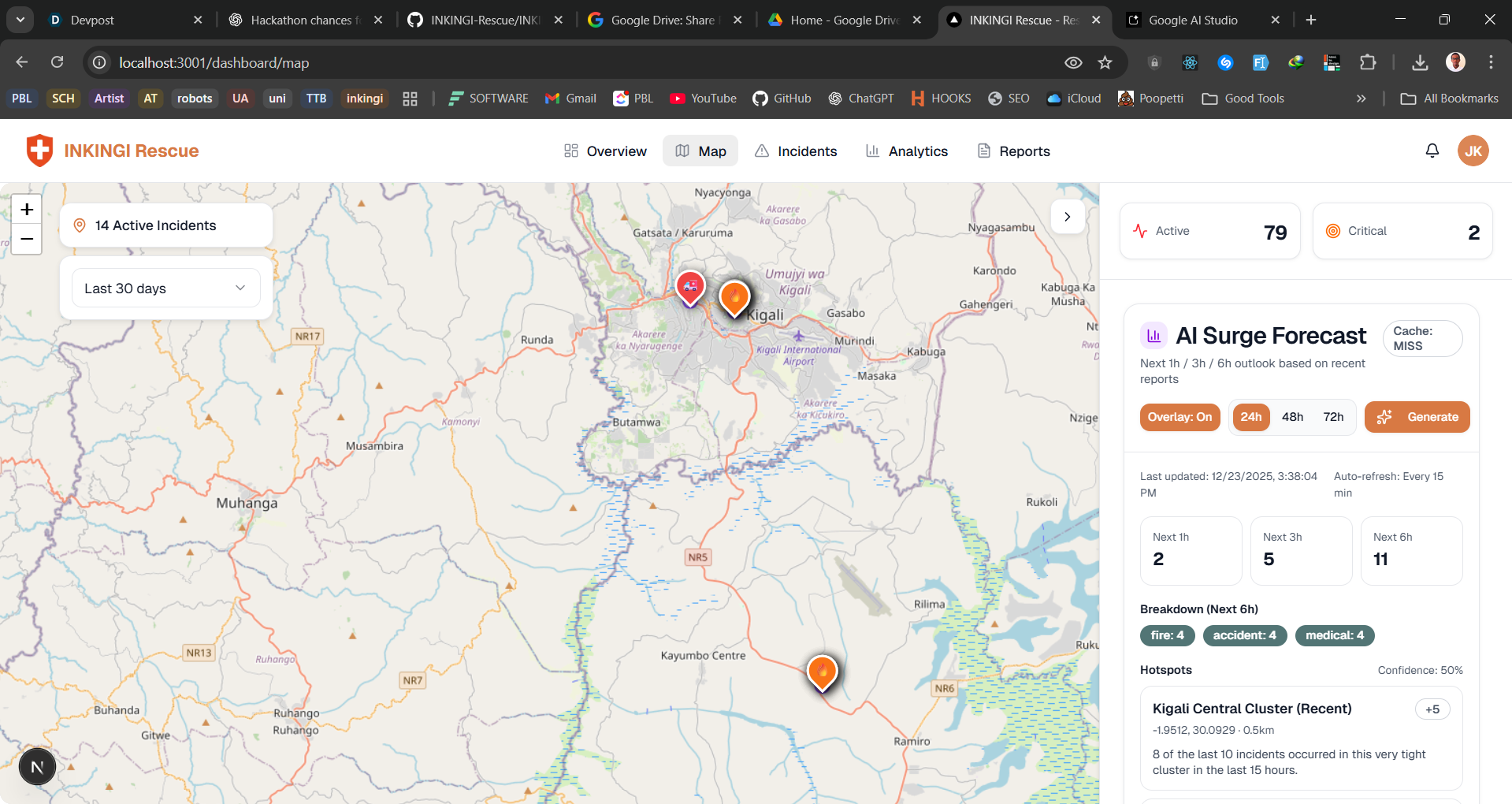
Gemini deciding shortest route to the reported incident
-
-
-
-
-
-
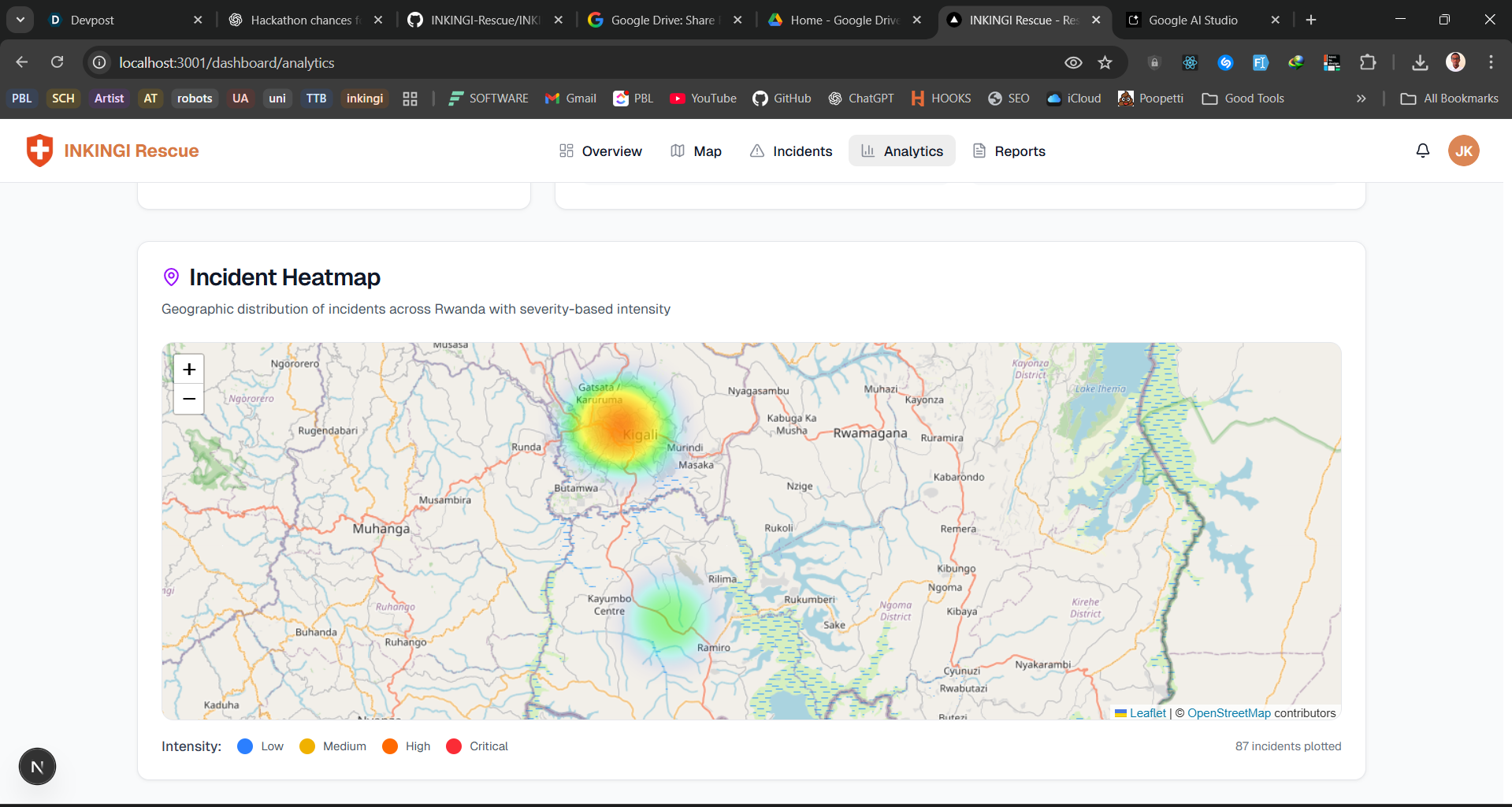
About INKINGI Rescue
Inspiration
In many emergencies, the biggest delay isn’t the lack of responders it’s the lack of clear, trustworthy information. Emergency reports often arrive as messy text, rushed voice notes, or unclear images. Dispatchers must quickly decide what is real, what is urgent, and what action to take, often under intense pressure.
INKINGI Rescue was inspired by real challenges faced in Rwanda, where emergency services must handle multilingual reports, varying levels of digital literacy, and limited response resources. The goal was simple but ambitious: help responders make faster and smarter decisions using AI assistance — without replacing human judgment.
What We Built
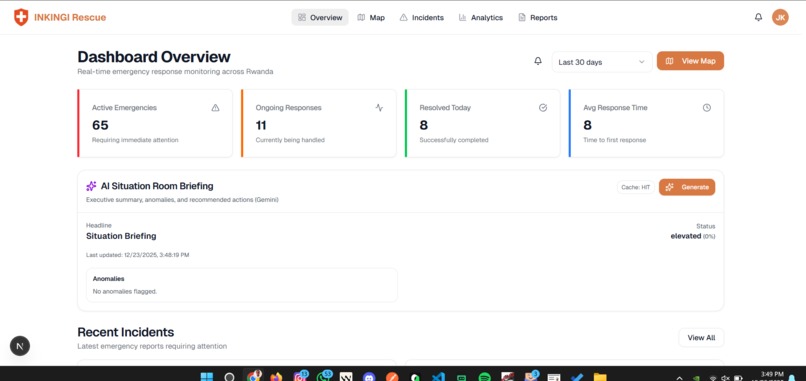
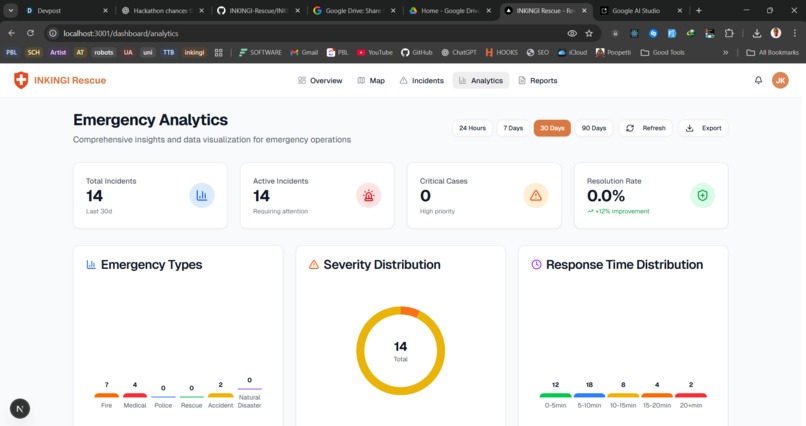
INKINGI Rescue is an AI-assisted emergency intelligence dashboard that helps emergency operators analyze incoming incident reports in real time.
Using Google Gemini 2.5 Flash lit, the system:
- Summarizes raw emergency reports into clear, actionable briefs
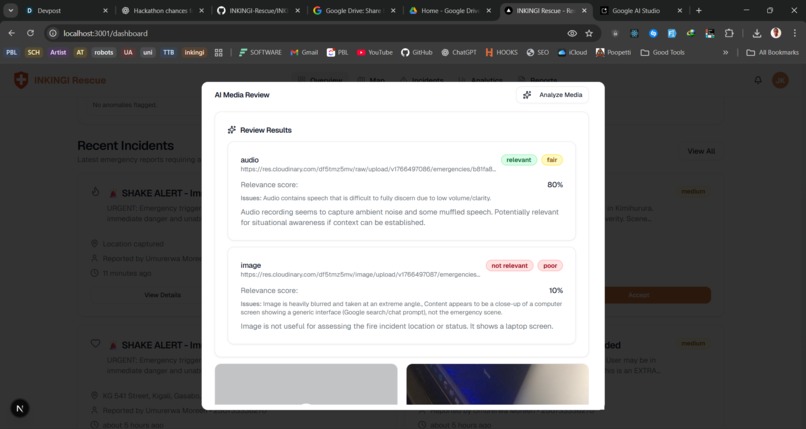
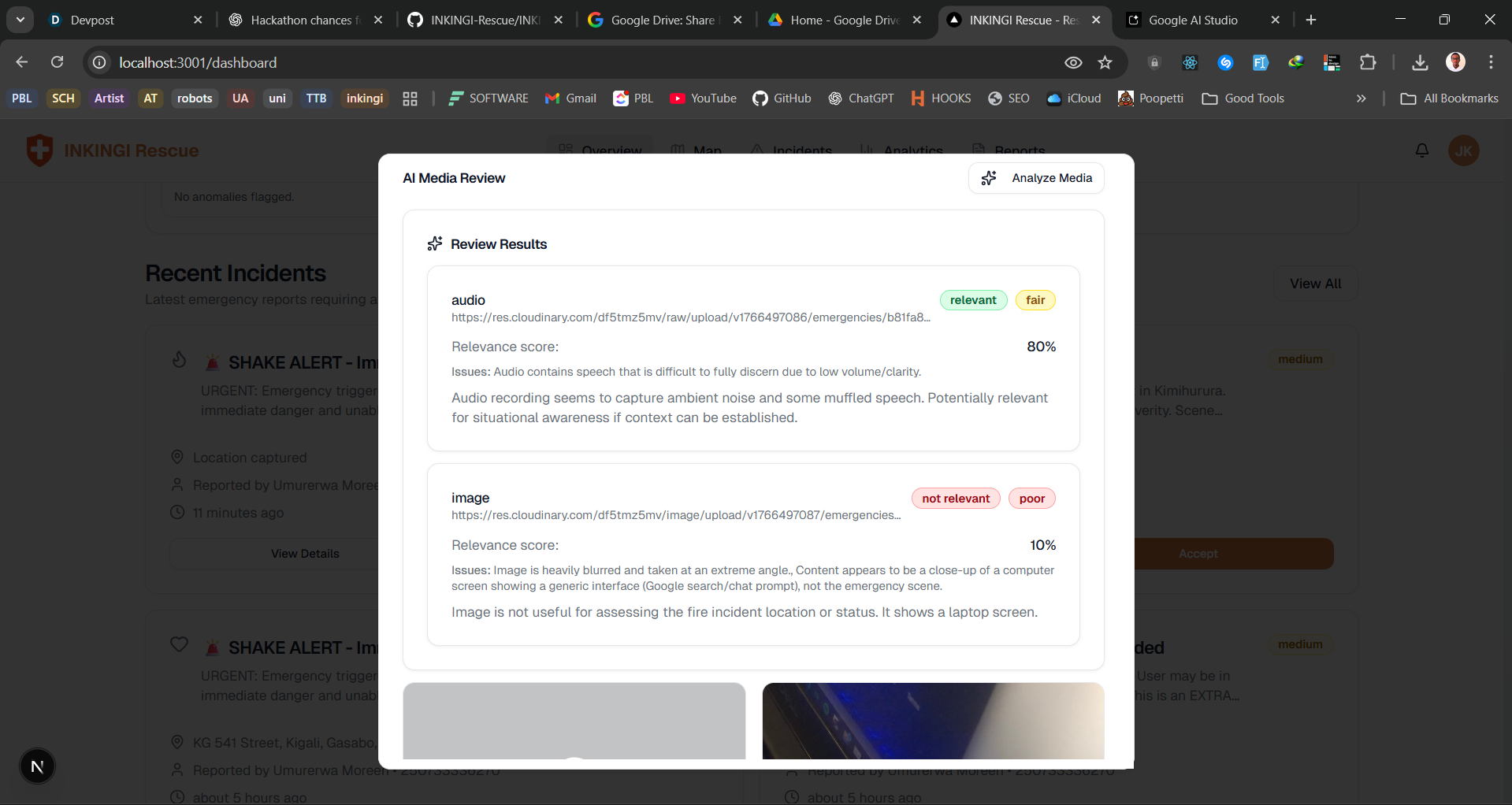
- Analyzes text, images, and audio recordings from the scene
- Assesses severity, urgency, and credibility of each report
- Provides response suggestions and flags missing or conflicting information
- Assigns an emergency intelligence score to help prioritize incidents
The AI acts as a decision-support copilot, not an autonomous dispatcher — humans remain fully in control.
How We Used Google Gemini 2.5 Flash lit
Google Gemini 2.5 Flash lit was at the core of the project due to its powerful multimodal capabilities.
We used Gemini 2.5 Flash lit to:
- Understand and summarize unstructured text reports
- Analyze images for visual emergency indicators (injuries, fire, damage, crowds)
- Review audio recordings to detect panic, distress, or alarms
- Cross-check different inputs to assess report credibility
- Generate explainable insights showing why a report was flagged as high priority
Gemini 2.5 Flash lit’s large context window allowed us to process multiple inputs together without complex fine-tuning or retrieval pipelines, making real-time analysis feasible during emergencies.
What We Learned
This project taught us that:
- AI is most effective when used as augmentation, not replacement
- Multimodal analysis dramatically improves decision confidence
- Explainability is critical in high-stakes systems like emergency response
- Local context (language, environment, infrastructure) matters as much as model capability
We also learned how to responsibly integrate AI into systems where trust and speed are equally important.
Challenges We Faced
Some of the key challenges included:
- Designing AI outputs that are helpful without overwhelming operators
- Balancing speed with accuracy in real-time analysis
- Ensuring AI suggestions remain transparent and explainable
- Scoping the project to fit within a hackathon timeframe while keeping real-world relevance
Despite these challenges, Gemini 2.5 Flash lit’s developer tools and generous limits made rapid experimentation and iteration possible.
What’s Next
INKINGI Rescue can be expanded to:
- Integrate live maps and responder availability
- Support more local languages and voice-first reporting
- Learn from historical emergency data to improve prioritization
- Collaborate with emergency services and NGOs for real-world deployment
Our vision is to build emergency systems that think faster, communicate clearer, and help save lives starting locally and scaling globally.
Built With
- africastalkingapi
- gemimi
- mailerro
- nestjs
- nextjs
- react-native
- typescript


Log in or sign up for Devpost to join the conversation.