-
-
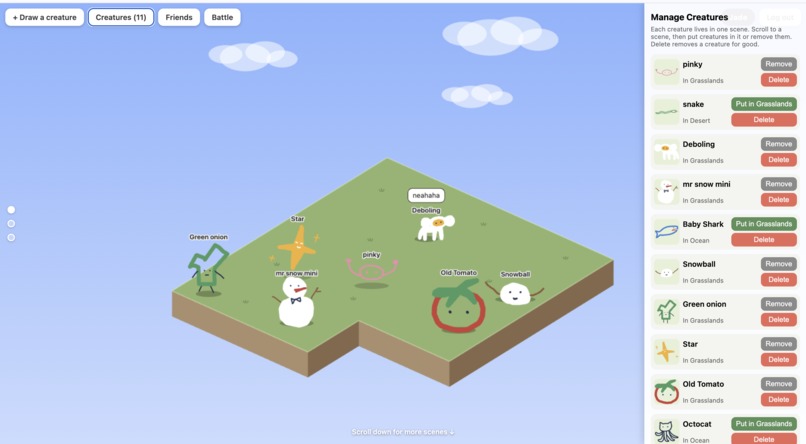
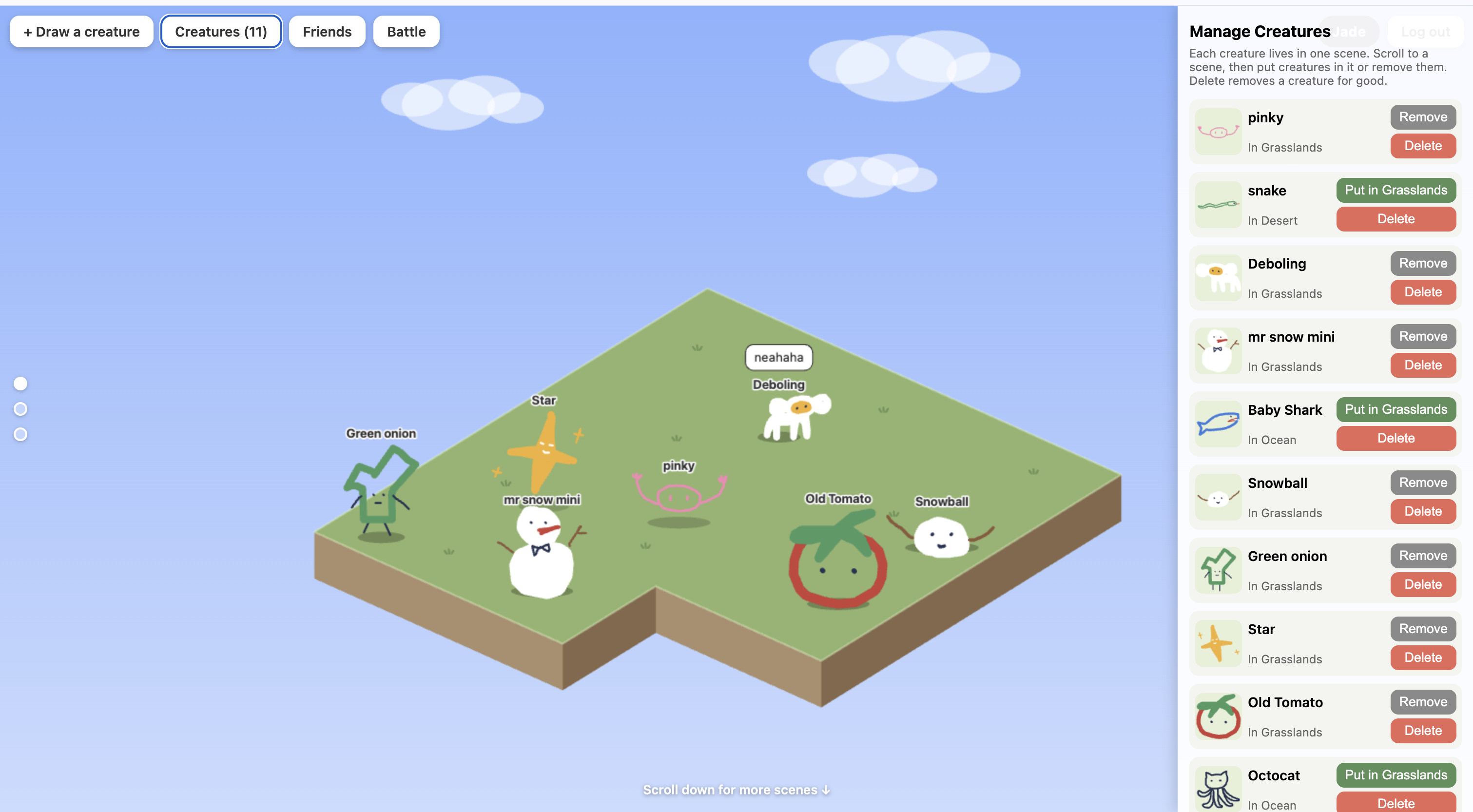
own habitat and manage creatures
-
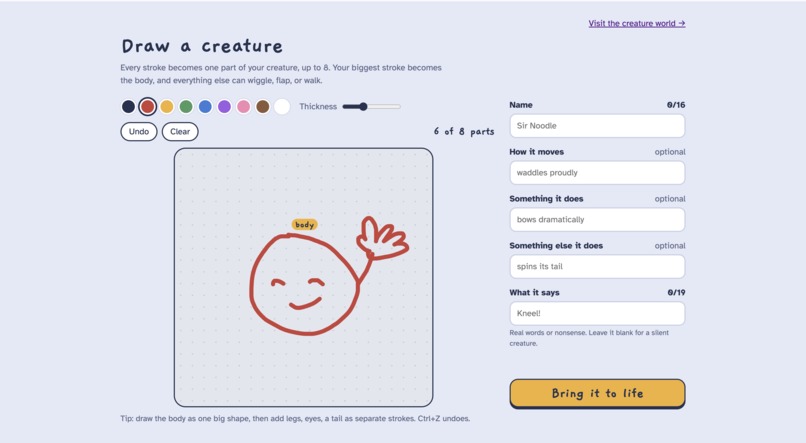
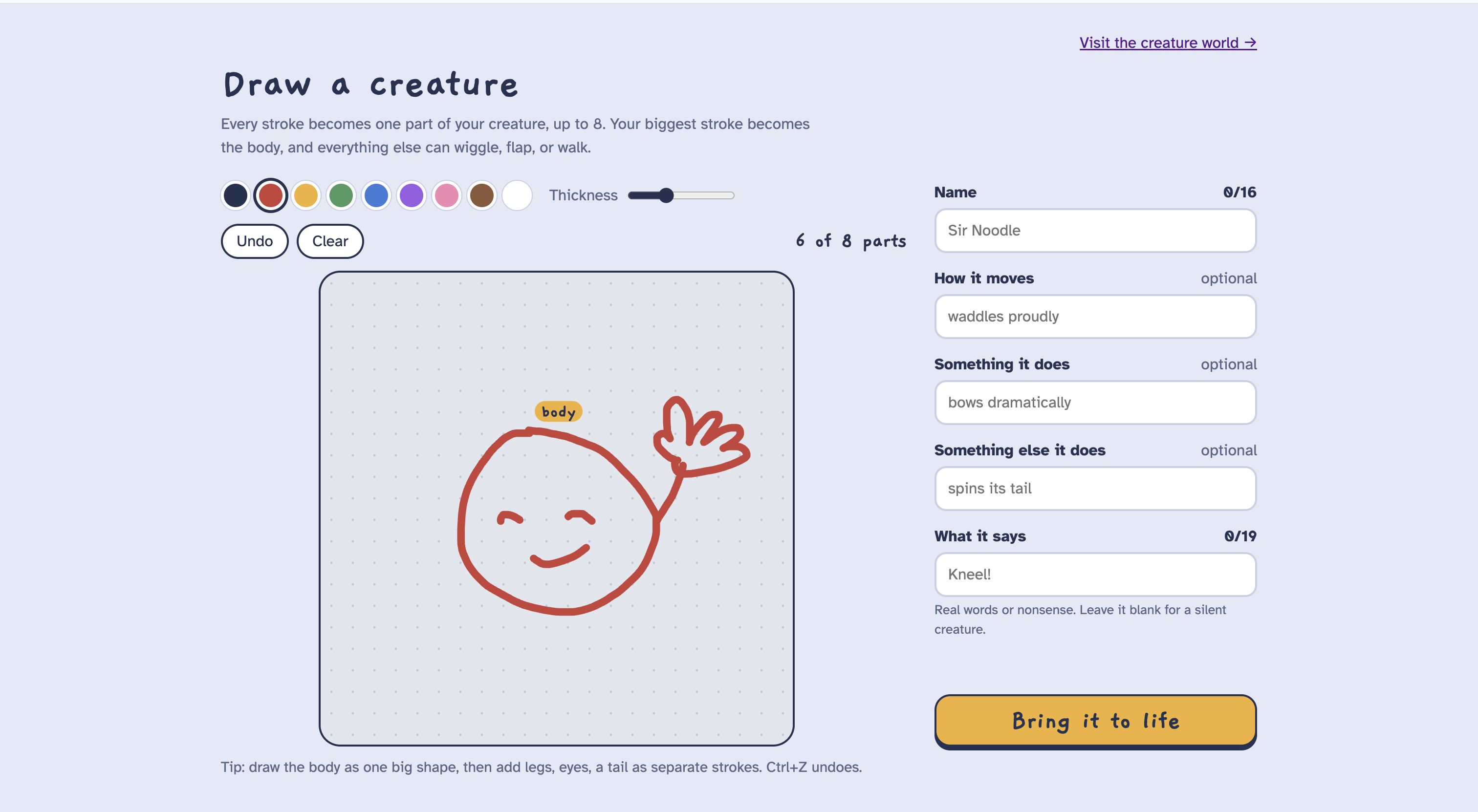
drawing own creatures
-
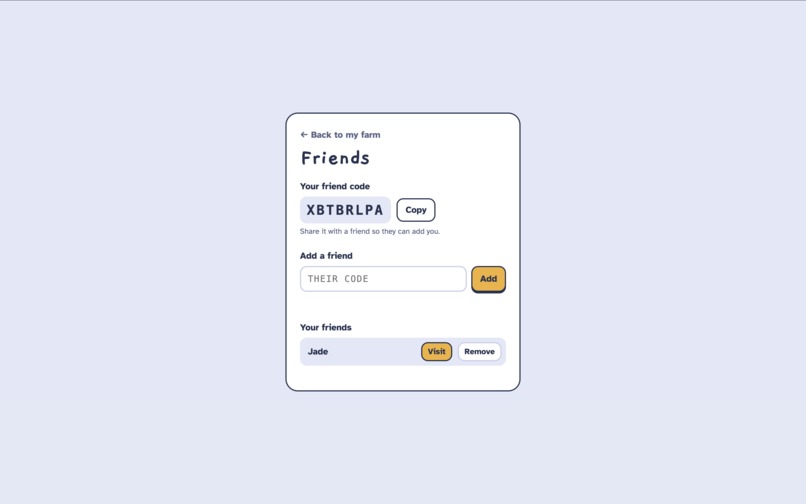
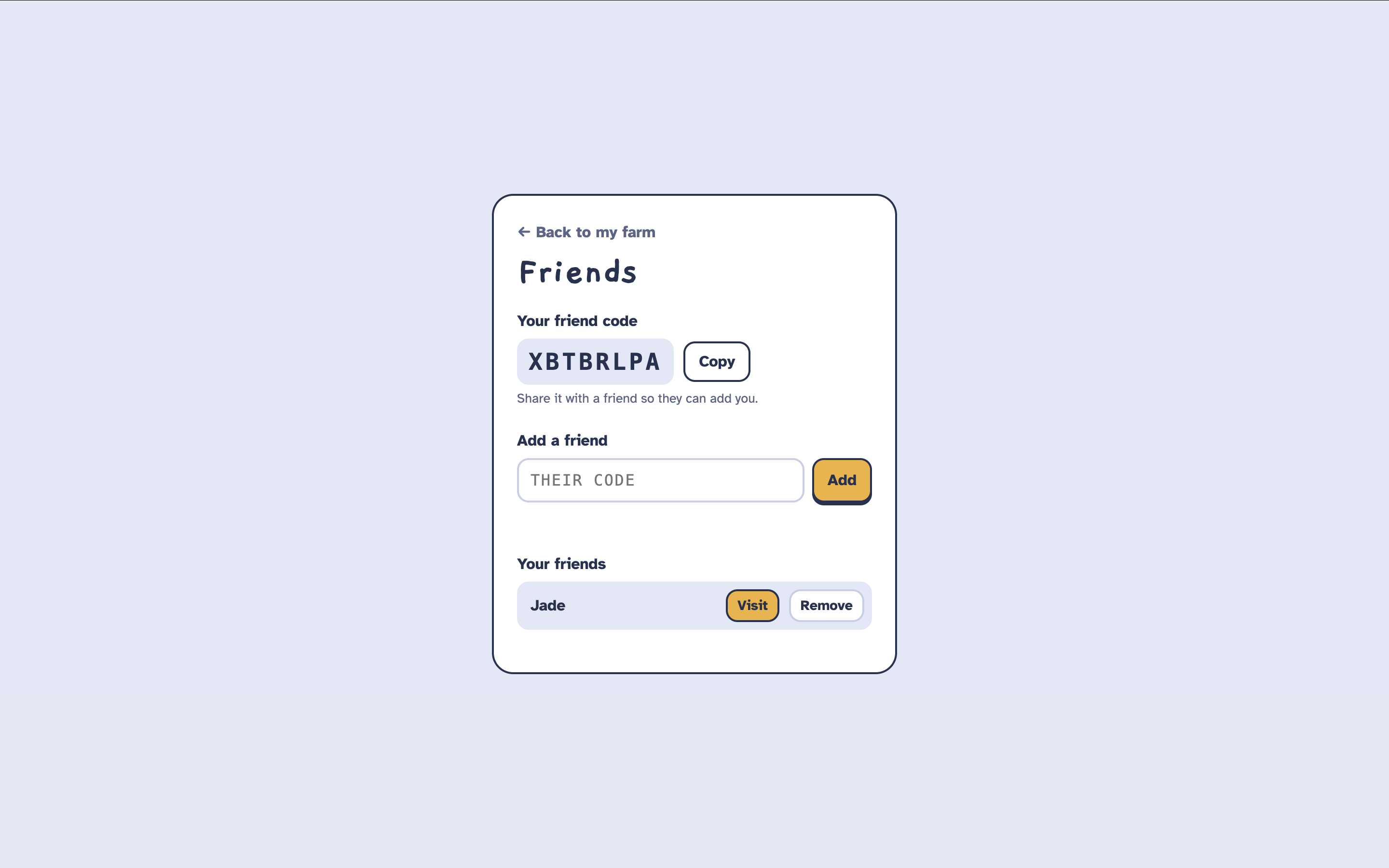
friends system homepage
-
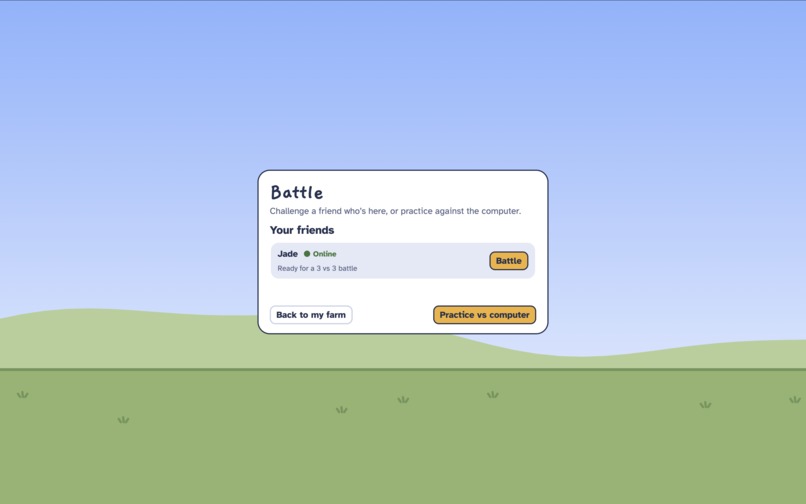
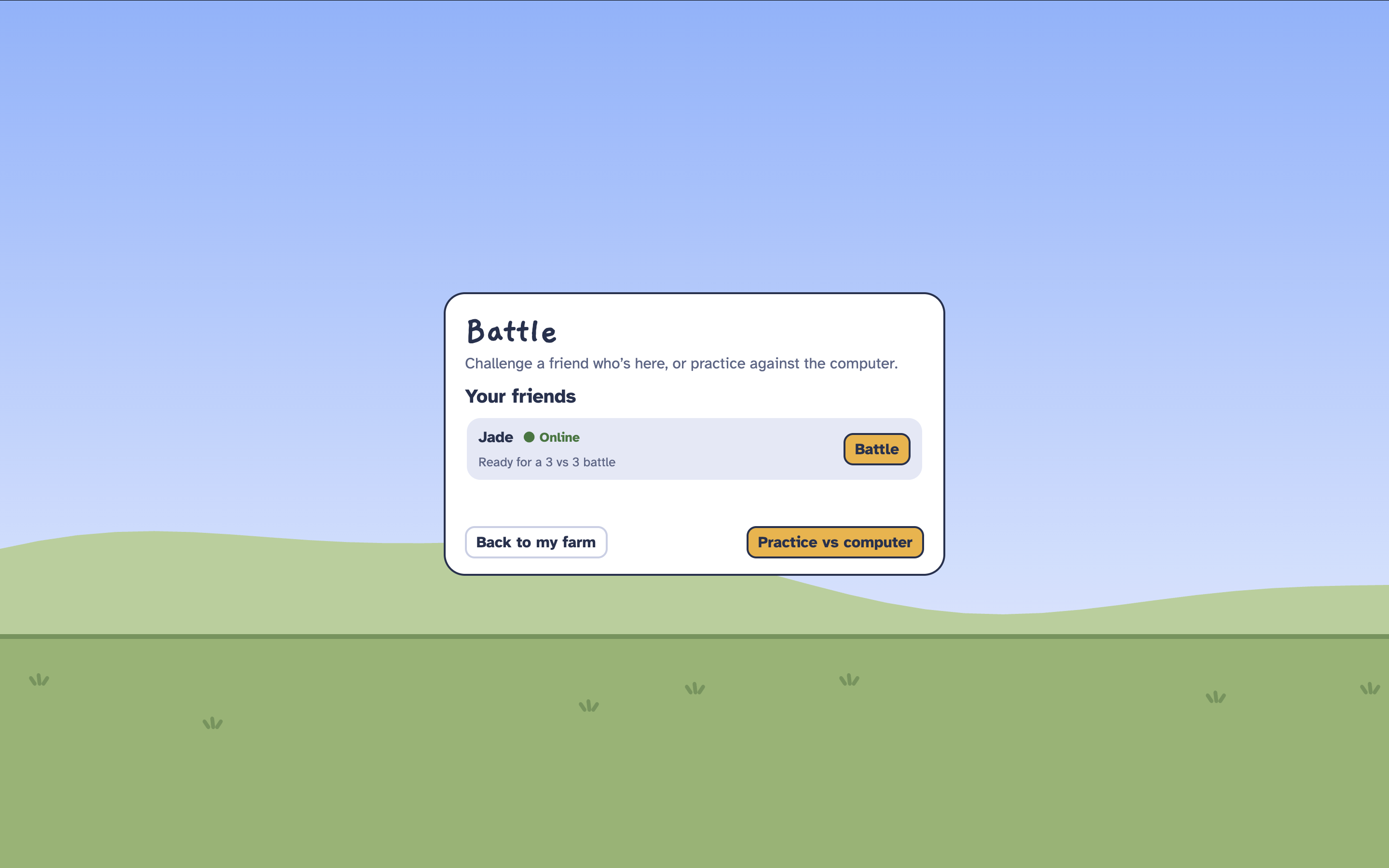
Battle system waiting room
-
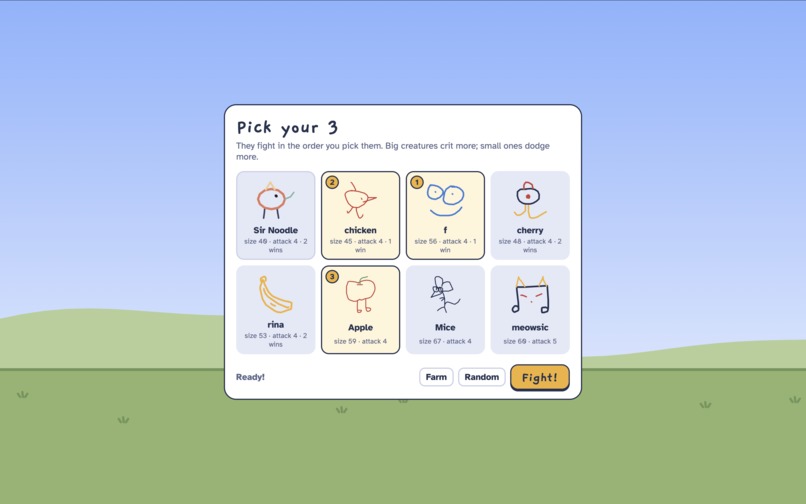
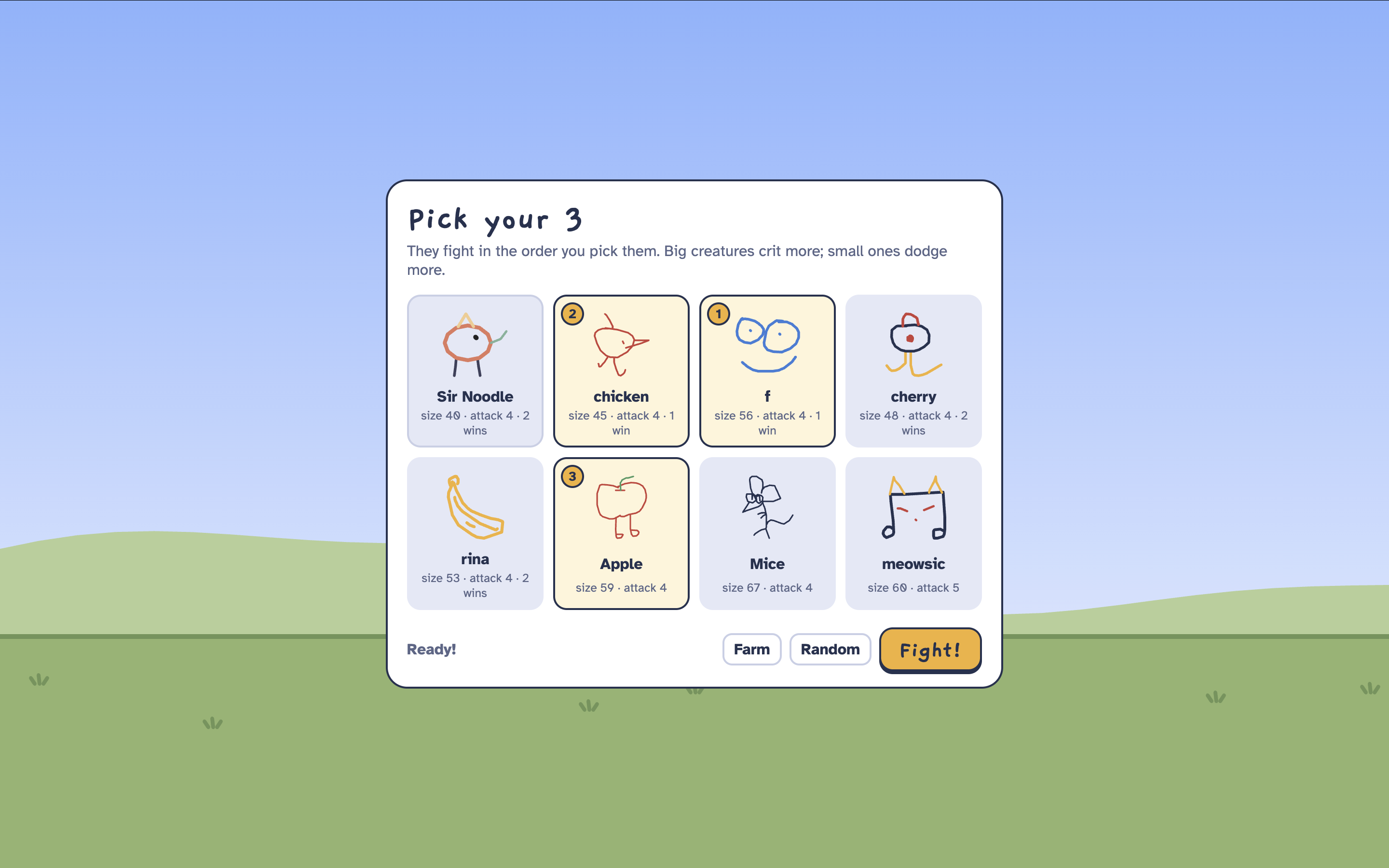
Picking the creatures wanna used for battle
-
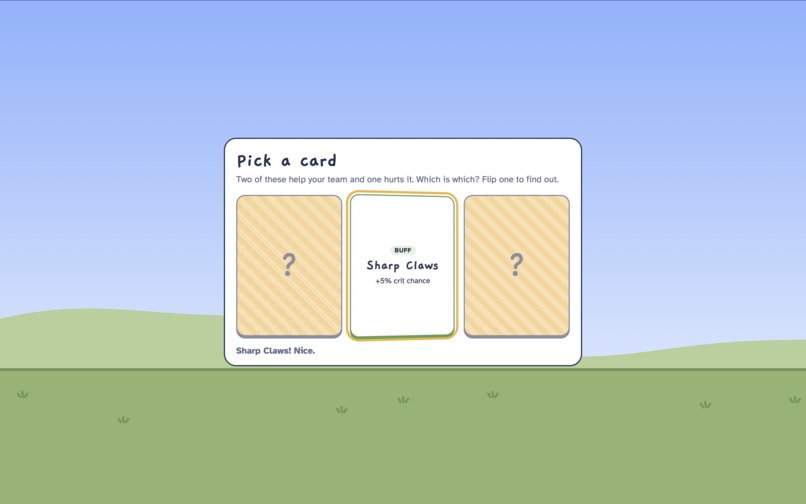
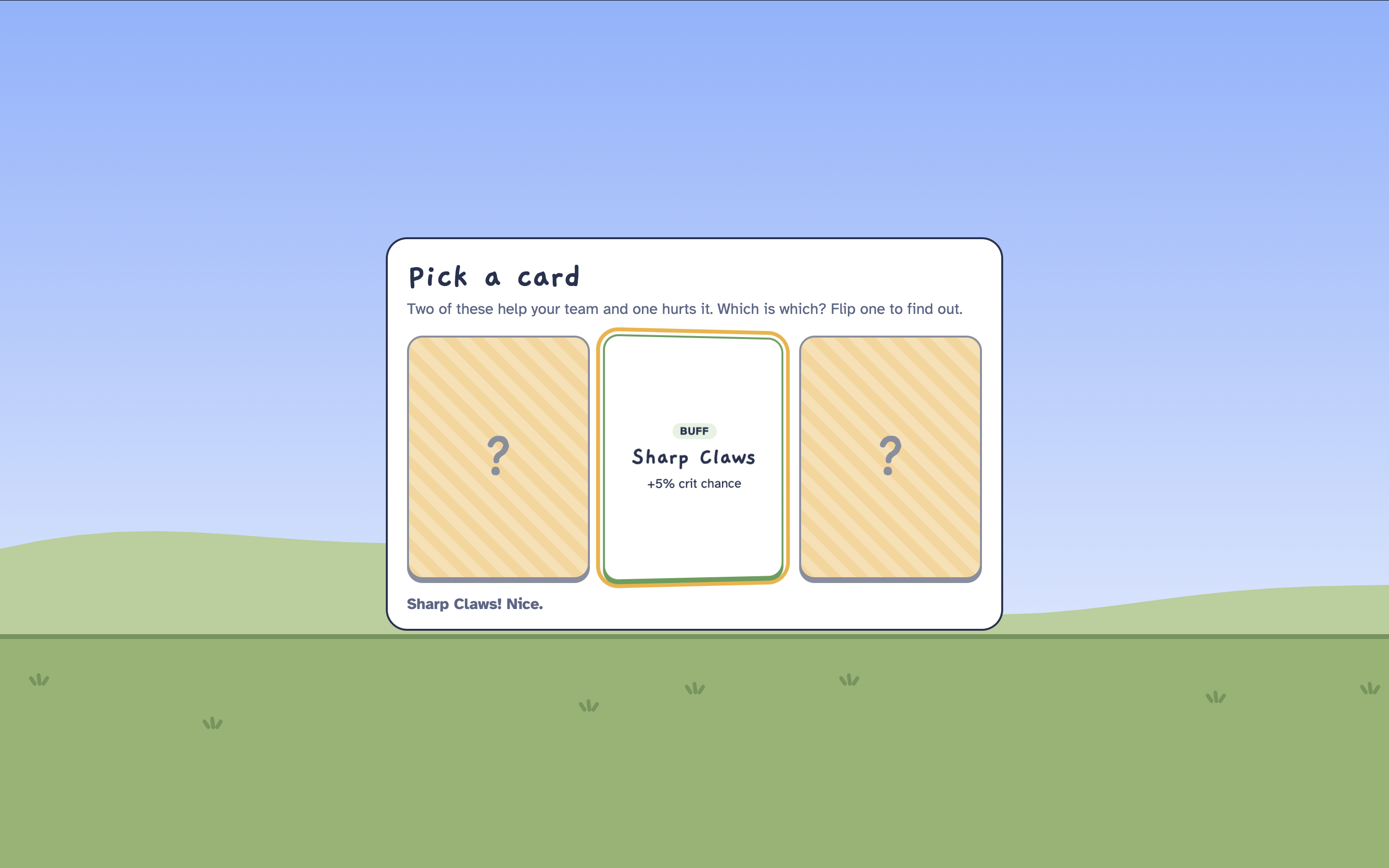
pick your buff(or maybe debuff)
-
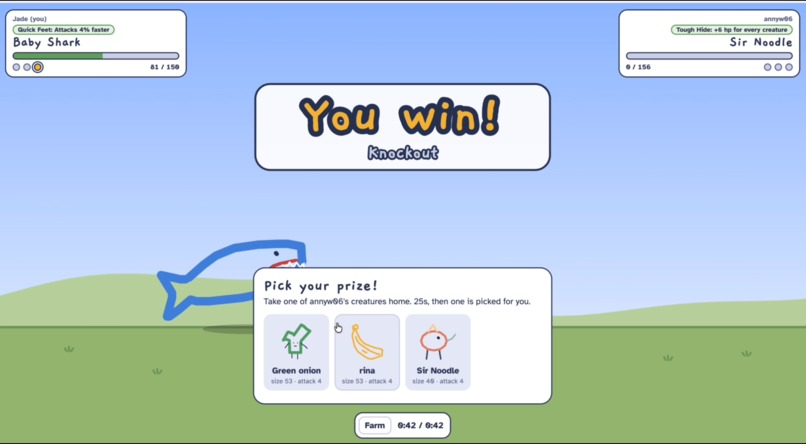
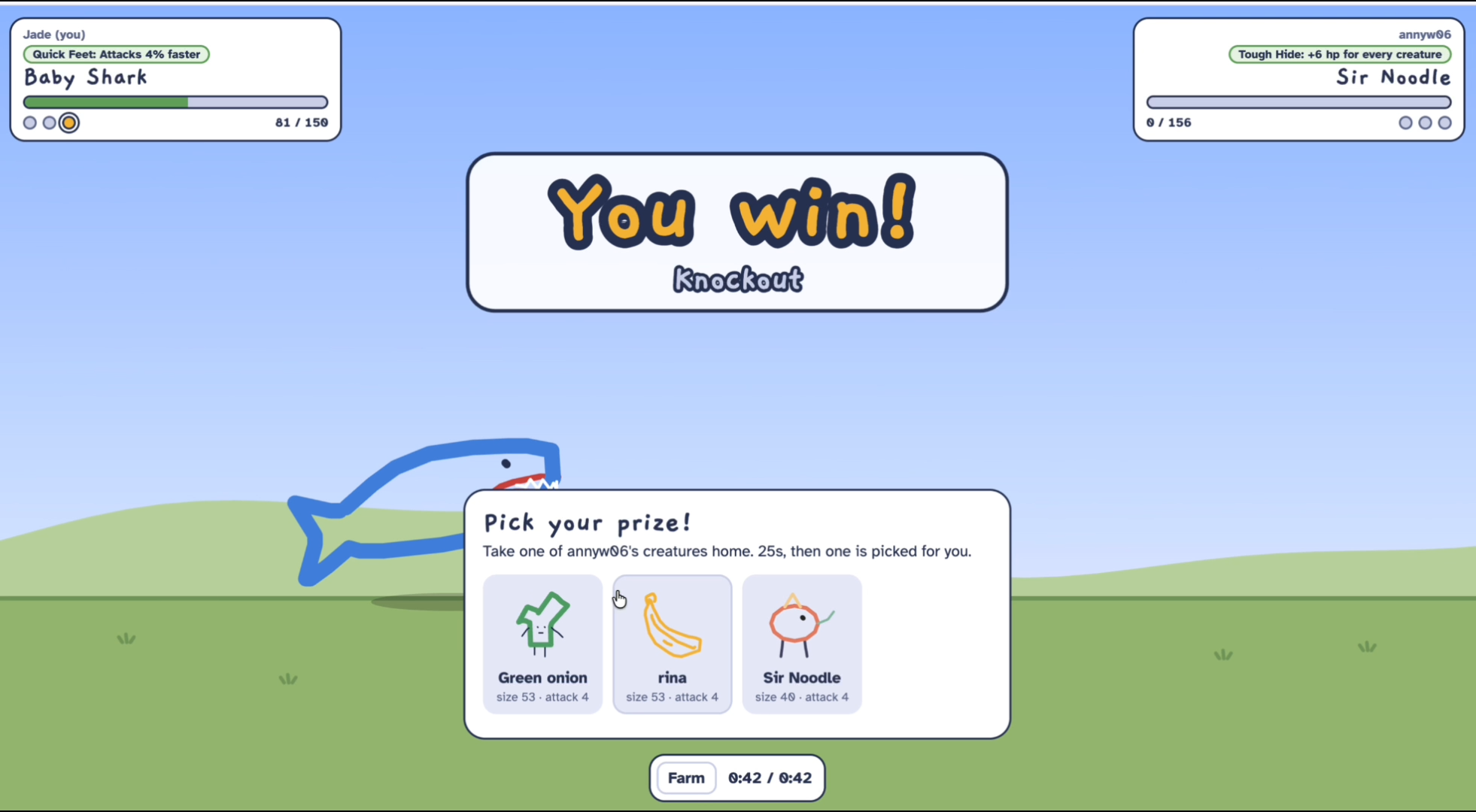
win! choose a crature from friend's box (also lose and draw situation)
Inspiration
We were inspired by the farm-related games we've played before. It is a pity that we couldn't create our own creatures because there were some restrictions on the creatures in the game shops – sometimes, they didn't look the way we wanted, and it was boring. So, we asked ourselves why not draw our own creatures. At first, we designed the Grasslands island to be the base world of our game and started drawing our creatures. But after some time we understood that it is a bit dull when you only draw your creatures and watch how they move. And then, we invented the friend system and battles between friends – so that you could go to your friend's farm and battle with them and get one of their creatures.
What it does
Ink Habitat is a creature farm where you can draw your creatures, give them names and speech, assign them unique behaviour and voices with AI(Gemini and ElevenLabs), and bring them to life in a virtual environment. You will get an opportunity to explore different landscapes such as Grassland, Desert, and Ocean, visit your friends' farms, and fight them in creature team battles using three creatures. Each battle includes random buff cards that may be helpful or detrimental to your creatures. The winner gets an opportunity to pick one creature from the defeated side. In order to increase the realism of the game, all creatures that took part in the battle must have some rest after it.
How we built it
We started by sketching the basic island environment and designing our own creatures. We then built the website and developed the different features step by step, including creature creation, farm exploration, friend interactions, and the battle system. We also integrated AI into the project to help bring our hand-drawn creatures to life with animations and attack behaviours, along with voice clips that make each creature feel more unique. We used GitHub to manage our code and collaborate throughout development.
Challenges we ran into
The most difficult part was designing the battle mechanics. It was necessary to consider very thoroughly how the battles were to be conducted, who would be the winner and how to make sure that the result will be surprising but at the same time fair. After adding random buff cards to our game, the process of balancing became even more challenging. It was necessary to consider how one card or another would affect the player’s team of creatures.
Accomplishments that we're proud of
Neither of us had experience in game-making before, so creating Ink Habitat became quite a challenge for both of us. In the beginning, we had an easier task in mind that we were more familiar with. But we have chosen to leave our comfort zone and create something unique and innovative. What we are really proud of is that we managed to create an interactive world of creatures with custom-made drawings, different locations, social interactions, and battles. What is even more important, we did not choose the easy way out.
What we learned
During the hackathon, we acquired some skills in working with GitHub in terms of collaboration, making changes in the code and integrating various parts of the project. Also, we've understood how we could use AI to our advantage and make our creatures interactive without creating all the animations manually. Moreover, we've realized that game development is not only about developing the concept. Sometimes even something simple may turn out to be quite complex.
What's next for Ink Habitat
In the future, we plan to make our creatures more interactive, as opposed to just clicking on them to see how they move. Instead, the players will be able to give food to the creatures, train them, level them up, and establish more bonds with them. In addition, it would be interesting to consider ways to enable the creatures to move from the website to the players' computer screens as their little virtual companions. We would like for our Ink Habitat to be more of a world to live and grow in, rather than a game which people only play.

Log in or sign up for Devpost to join the conversation.