-
Product Concept
-
UX Design
-
model1
-
model2
-
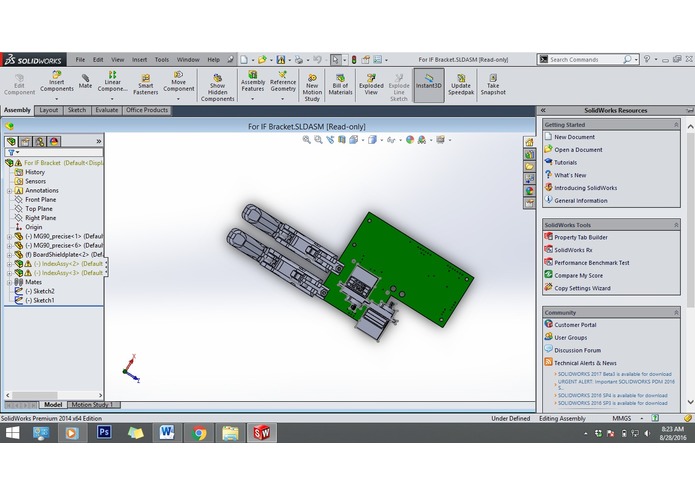
model3
-
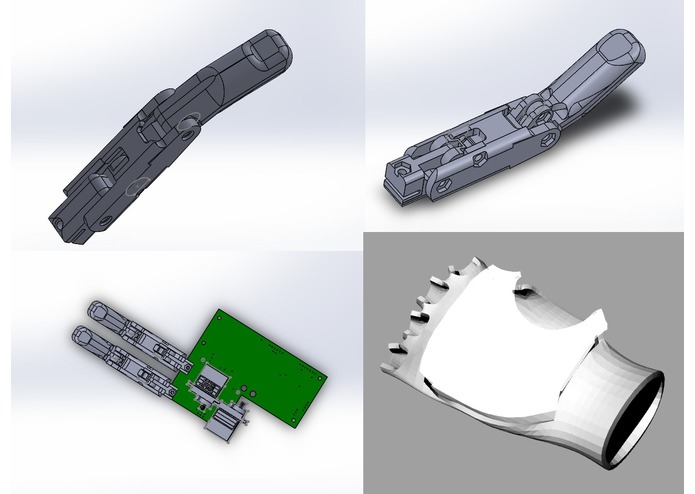
Model4
-
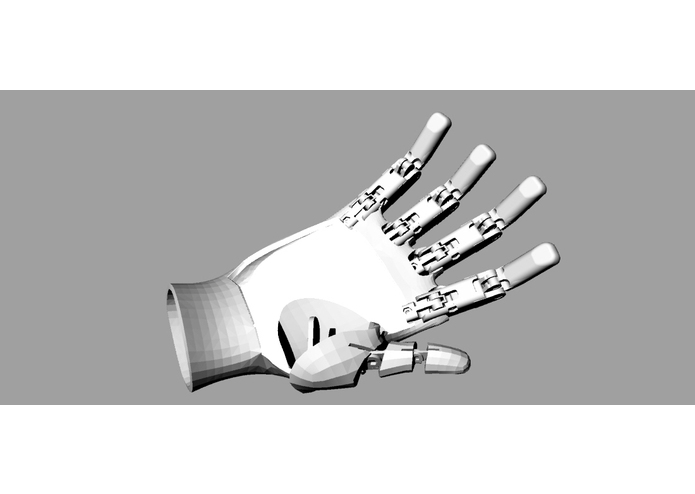
model5
-
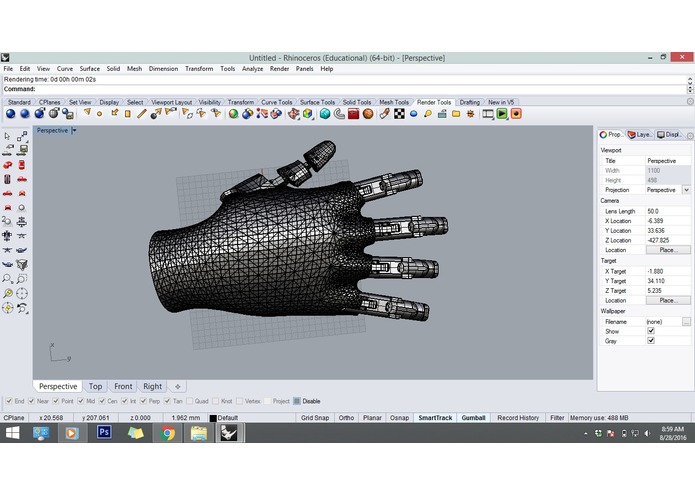
model6
Concept
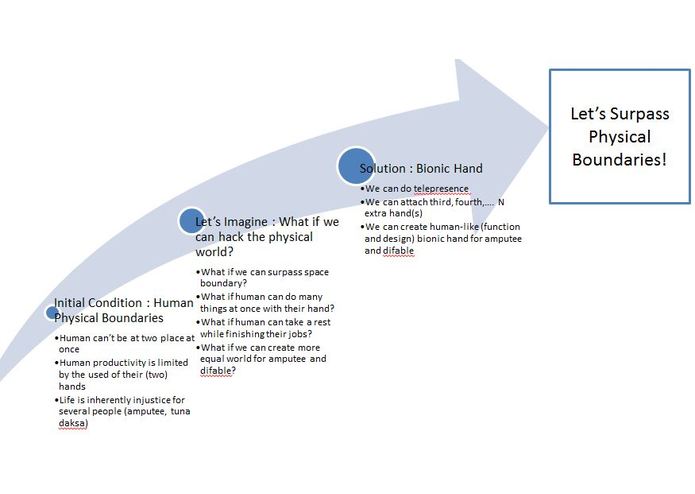
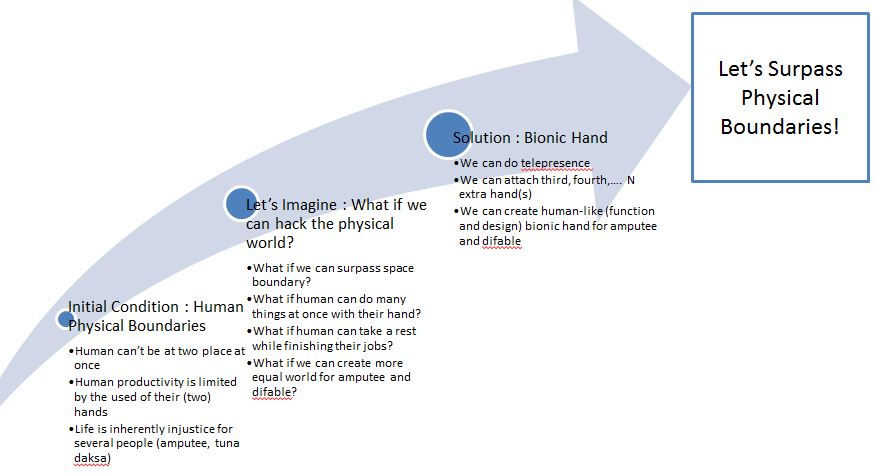
Human is limited by physical boundaries, whether it is biological or space boundary. For example: human can't be at two place at once, human productivity is limited by the used of their (two) hand and somehow, life is inherently injustice for amputee and disable person. The good news is, science and technology always proof that actually there is no boundary, human can always surpass his limit and break the fate that existing society has created – the invention of aeroplane, space shuttle, and many others have showed us that we can surpass those physical boundaries. The development of InHand shares the same spirit. Start from this bionic hand, in no further future we can do telepresence, attach additional hand to make our life easier (or simply just for fun) and create more equal world for amputee and disable person. With InHand, we can challenge the status quo of space and biological boundaries in our life today.
UX Design
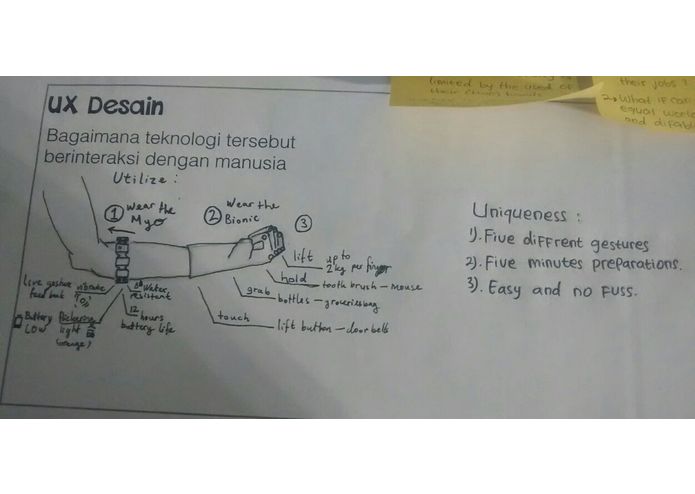
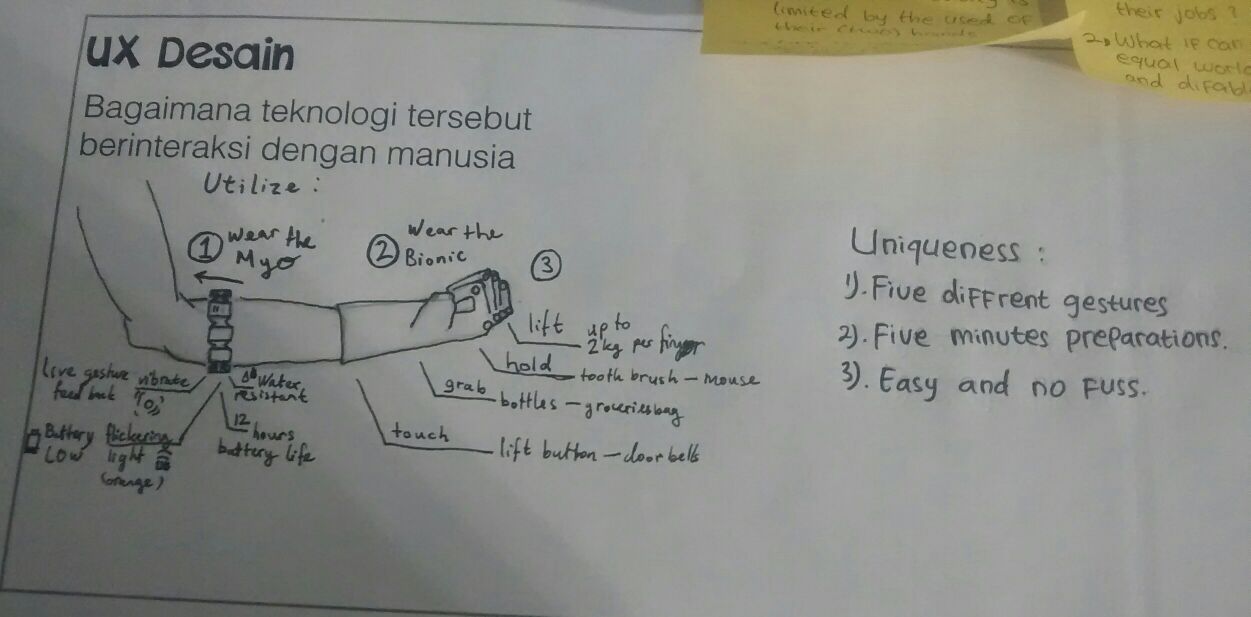
Convenience and comfort is the first consideration. Five minutes preparation is all you need to make it work all day. It is smart and intuitive, giving live muscle feedback, letting you know when to charge, fit perfectly with anti-slip material. An universal design, no specific user who can’t use it. First, put on the Myo, then the Bionic hand, sync muscular movement with software, it is good to go! Almost every movement can be done, such as:
- Hold. It can hold everything from big to small object easily.
- Lift. Every finger is capable of taking up to 20kg weighted object.
- Grab. Bottle and mouse is a piece of cake job.
- Touch. Push or activate any button you want. Easy training and you will soon master it.
Engineering/Technology
How It Works:
- Myo Armband picks up muscle potentials (EMG) from skin surface
- TI CC2541 Bluetooth LE with special, custom firmware receives Myo data packets
- Arduino Pro Mini receives myo pockets via UART
- Intelligent classifier algorithm maps let the myo data into servo PMW signals
How It is Made
- There are 4 main works of Inhand: Mechanical, Electronics, Programming, Product Design and Integration
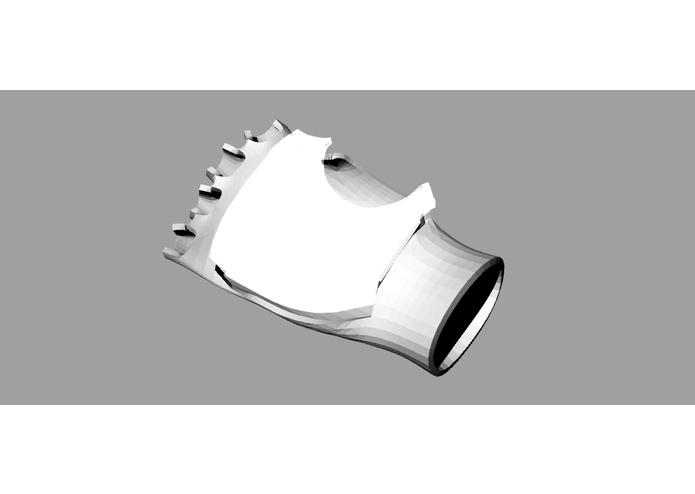
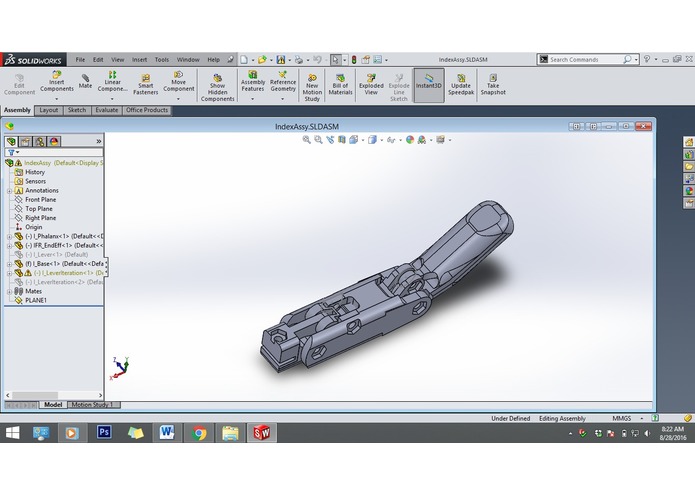
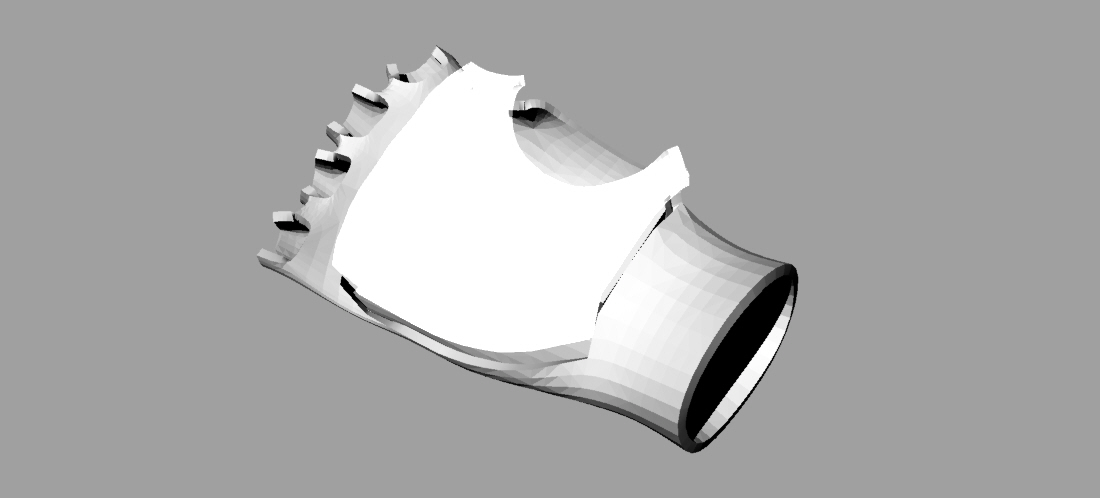
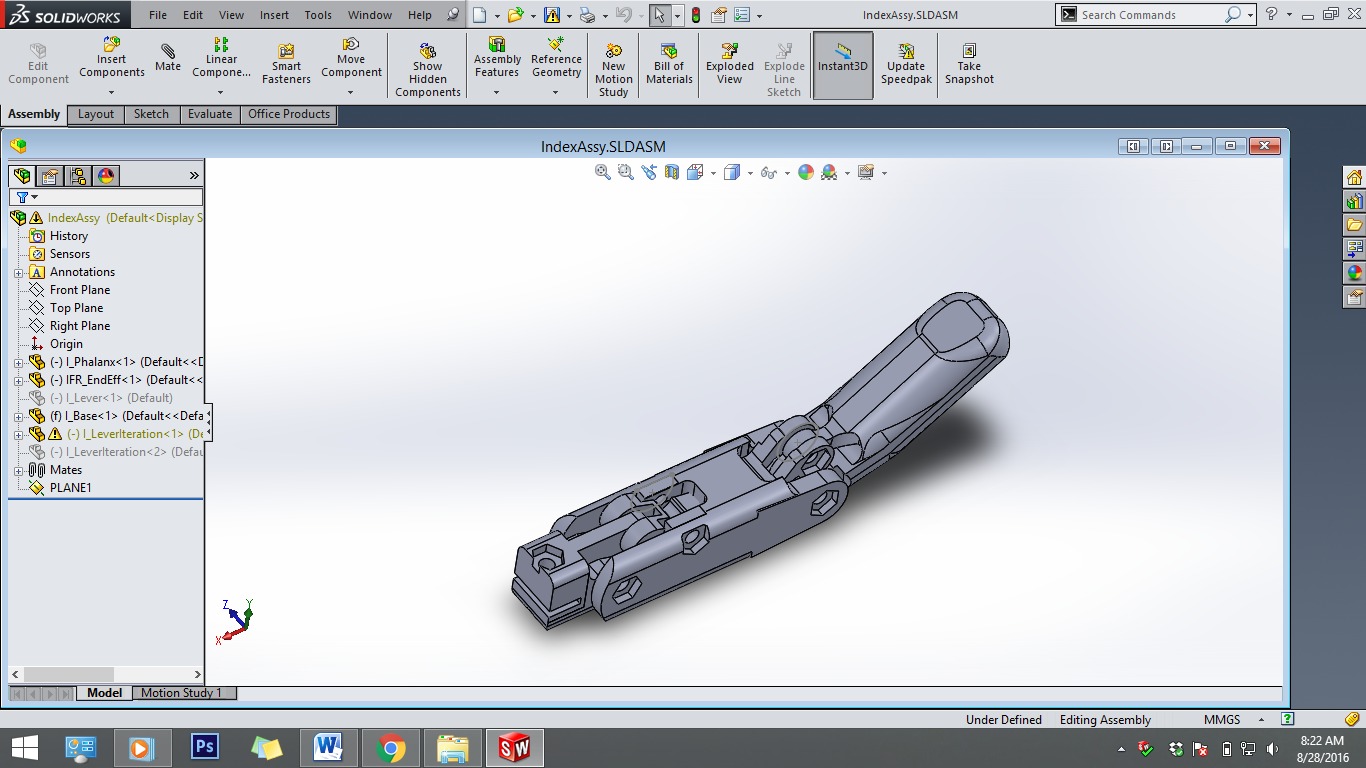
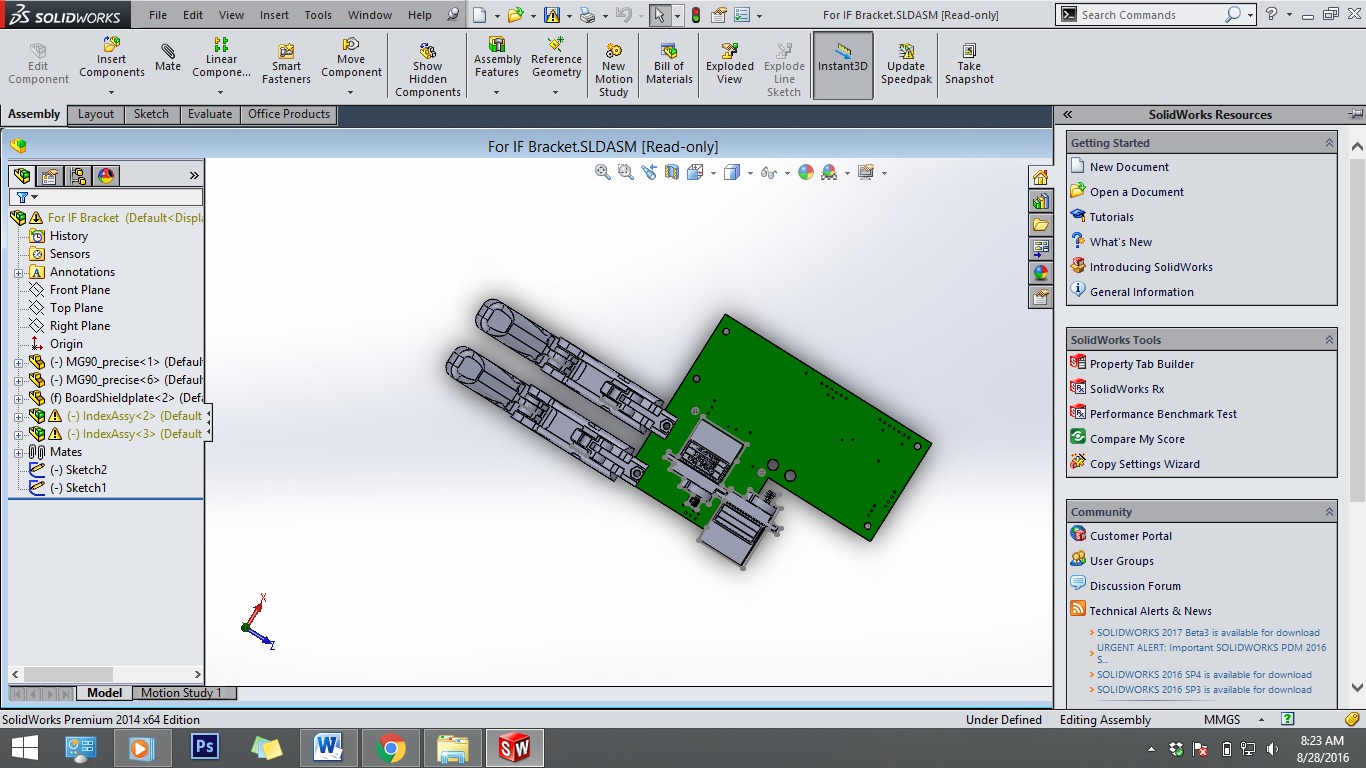
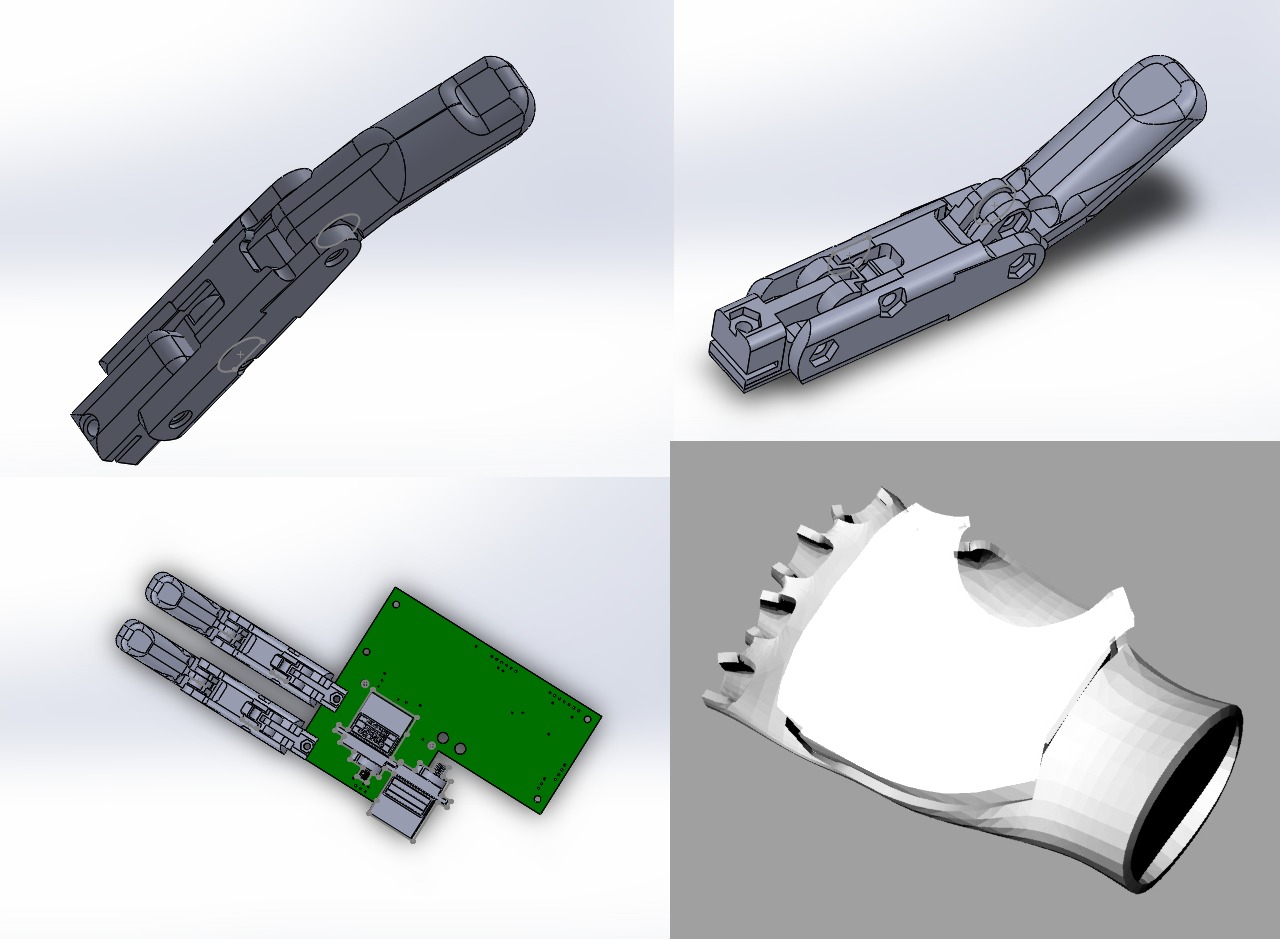
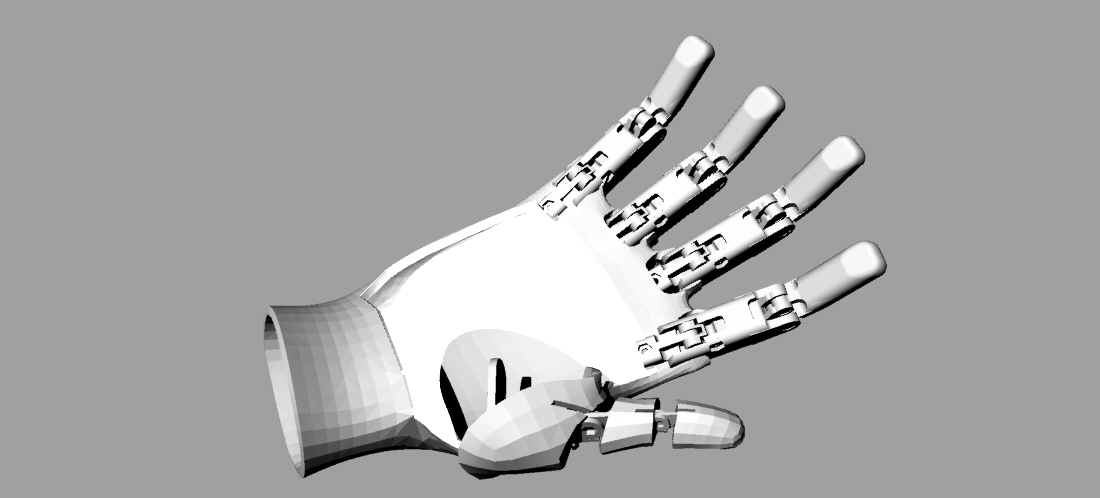
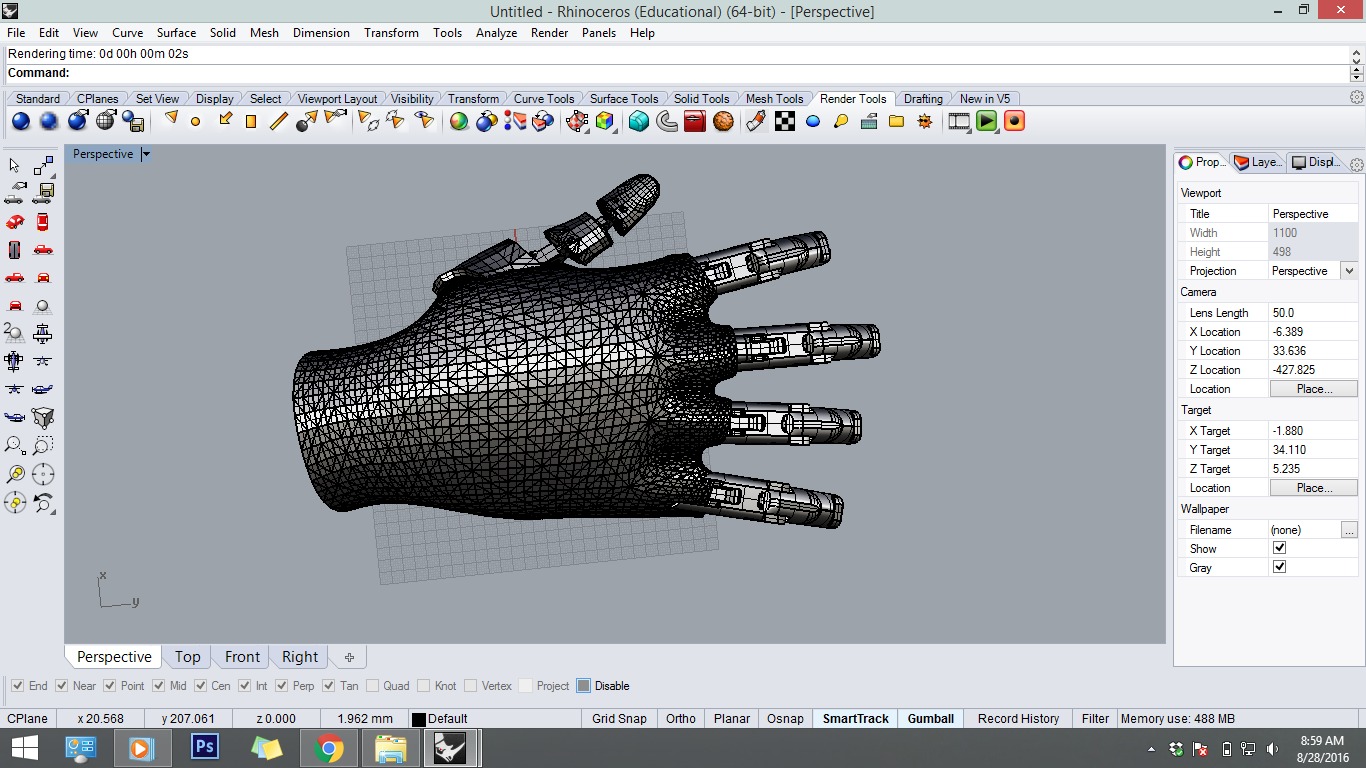
- The bionic hand mechanicals are proffesionally modeled with SolidWorks and Rhinoceros
- The PCB is professionally made using two layer PTH with mostle SMD components using Altium Designer
- The parts are manufactured with 3d printing techniques using PLA plastic
Lesson from Hackaton : 3D Printing is not the future of mechanical prototyping (or even manufacturing)... not even close.


Log in or sign up for Devpost to join the conversation.