-
-
InflaAssetManagement Logo
-
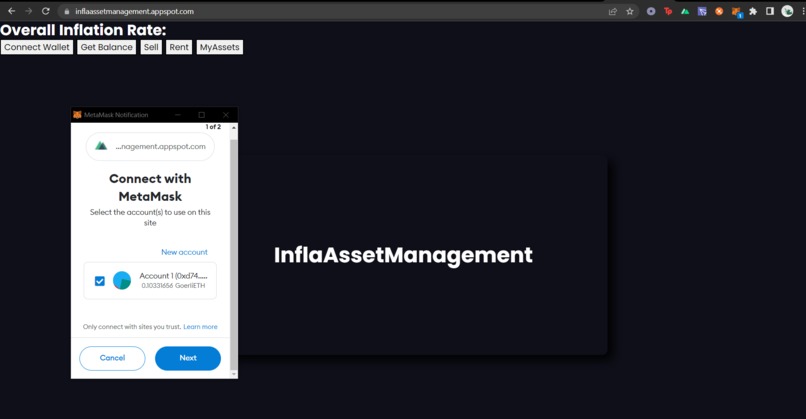
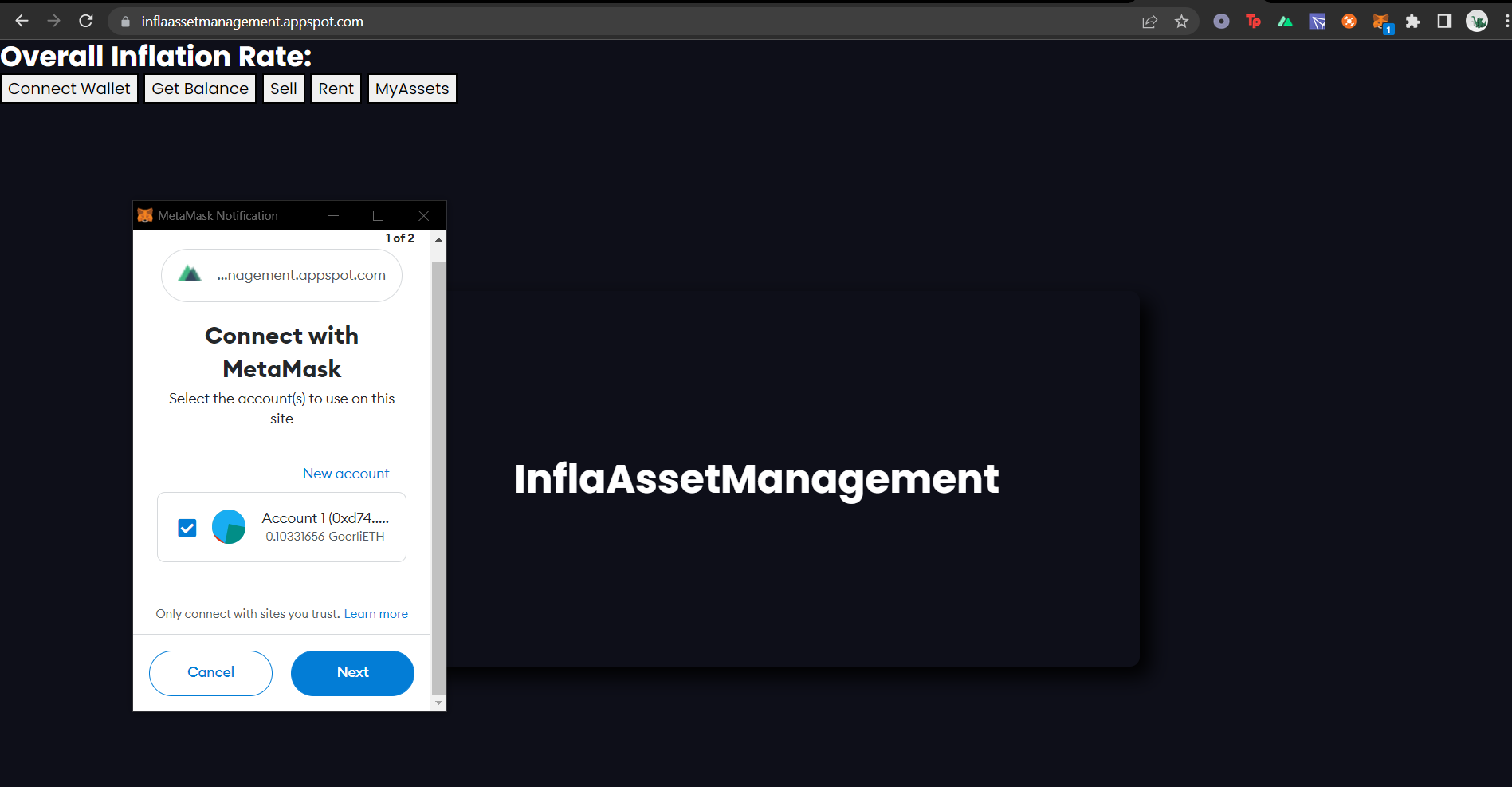
First Page
-
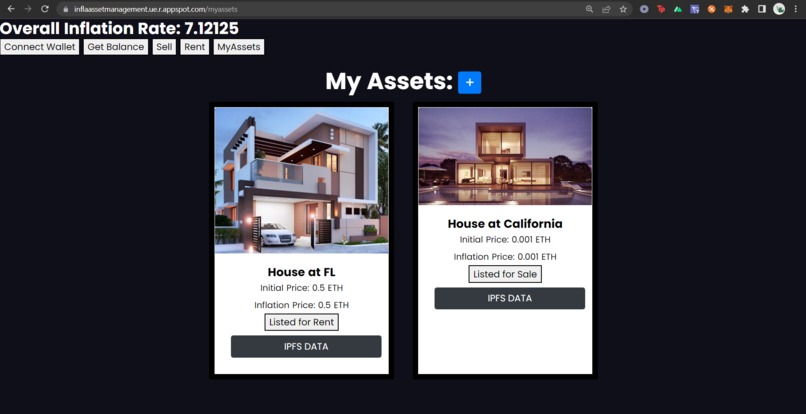
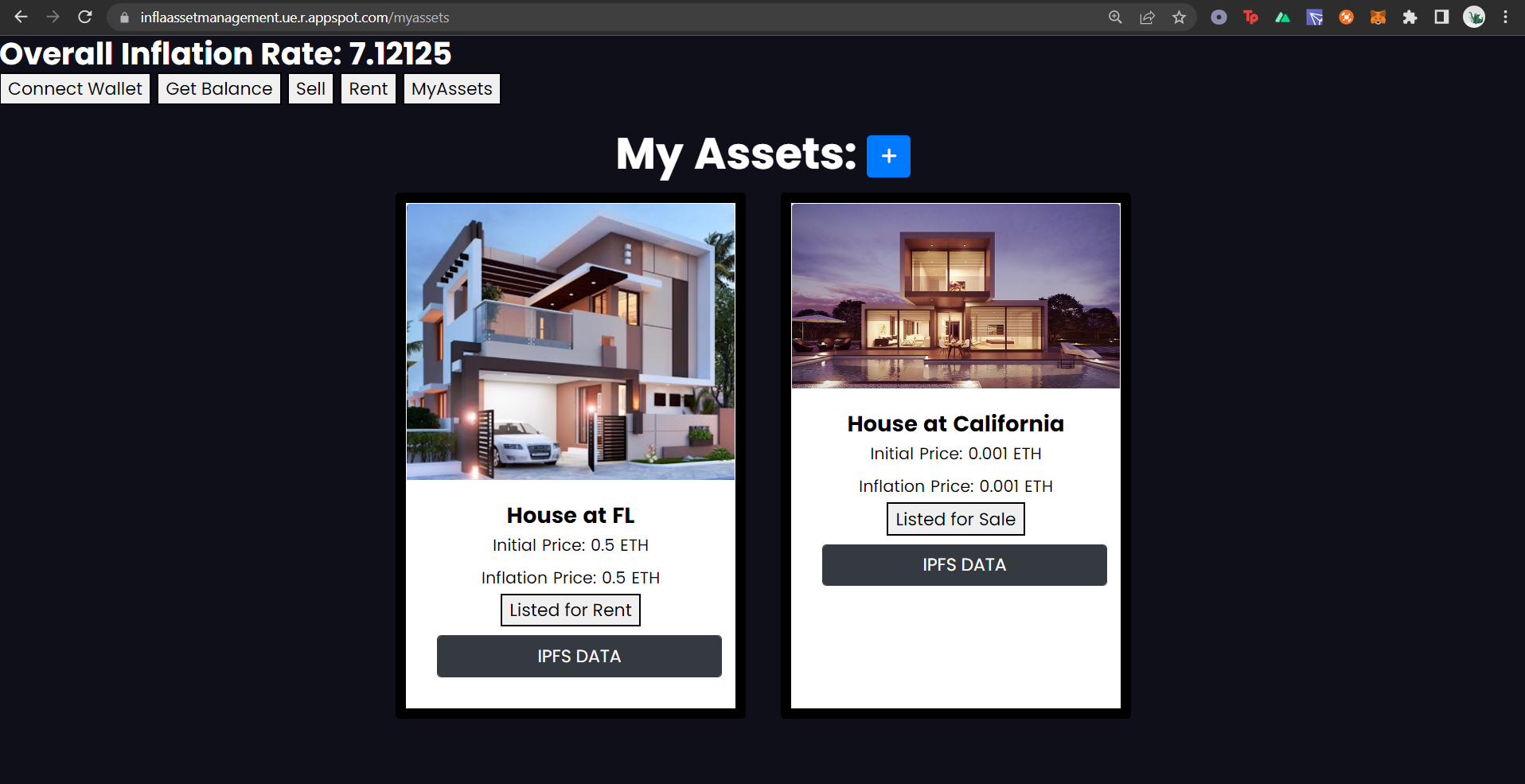
All My Assets
-
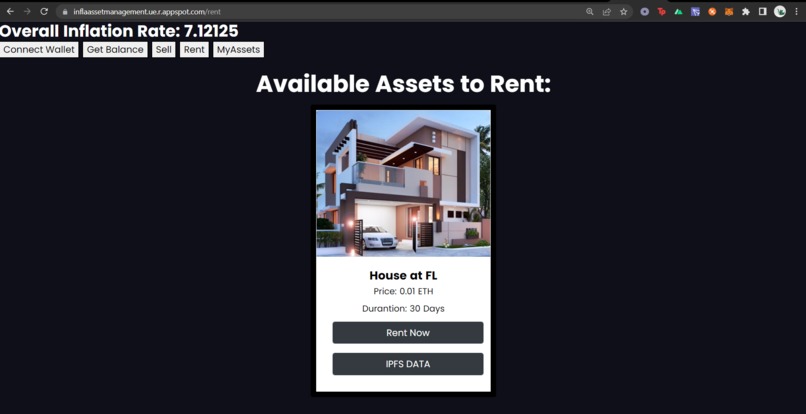
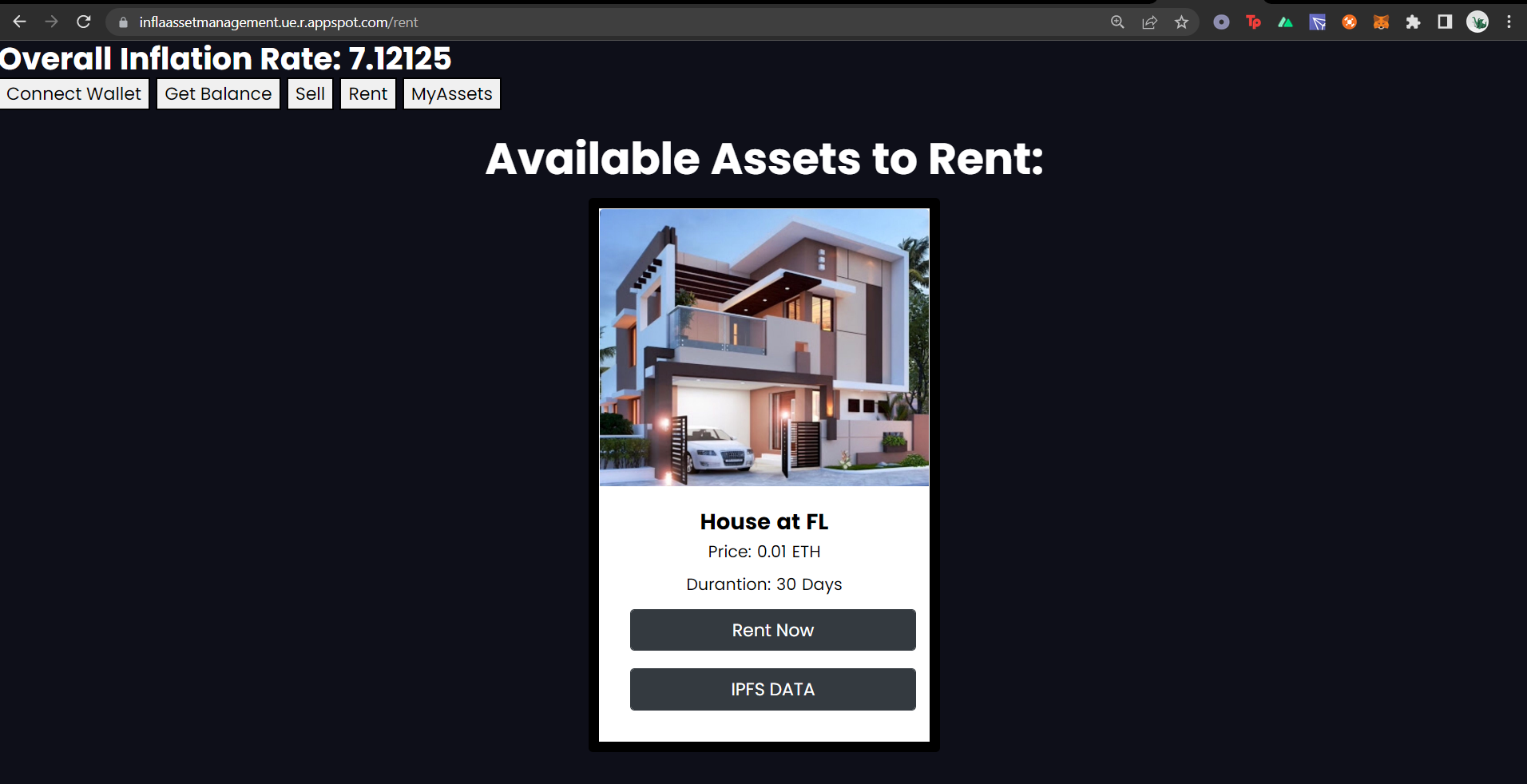
All Assets ready to Rent
-
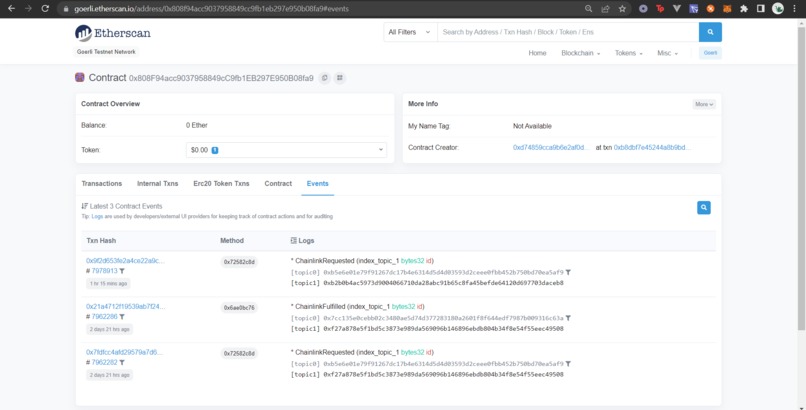
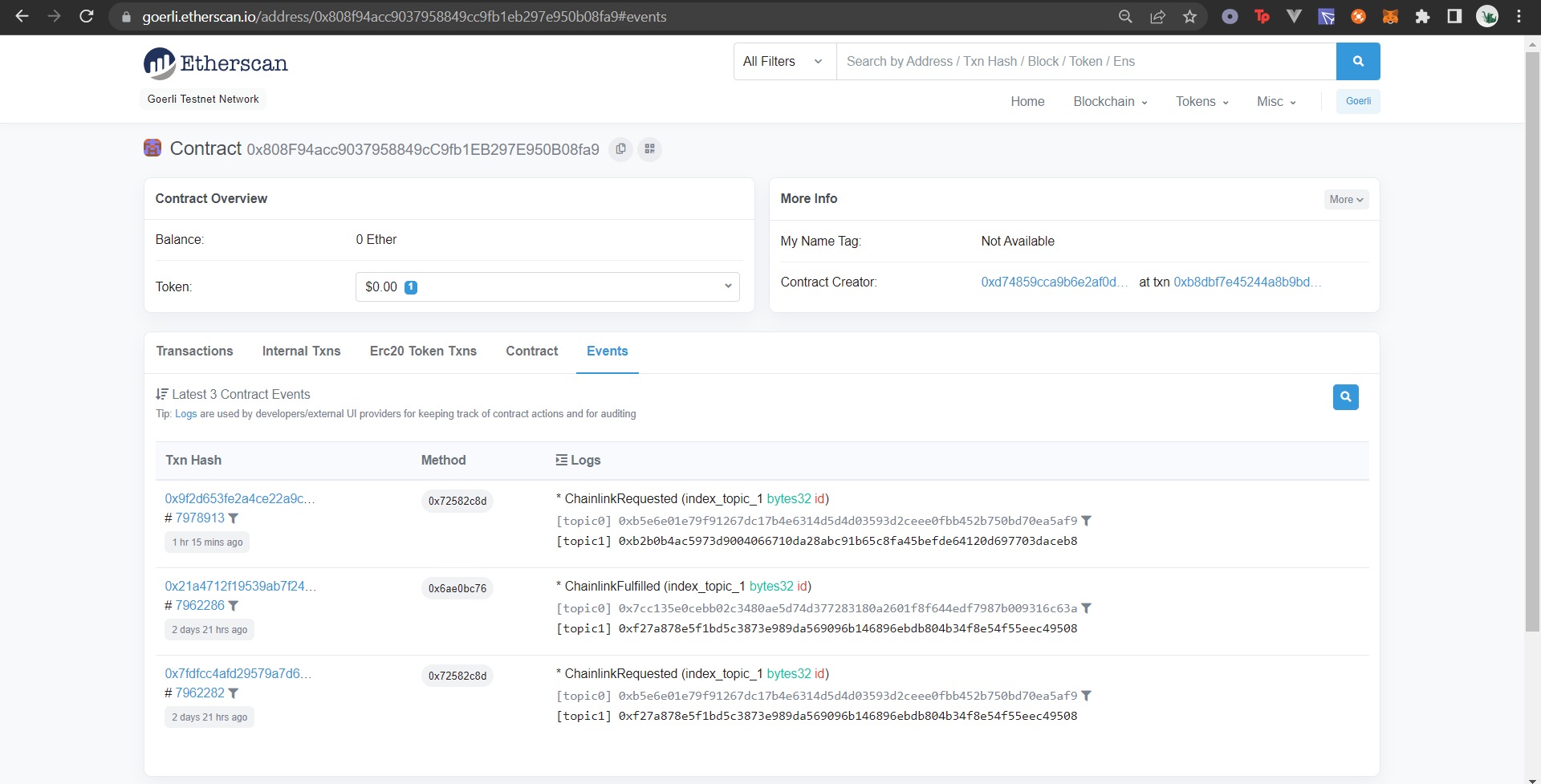
Truflation Smart Contract Deployed on personal account - Goerli testnet
-
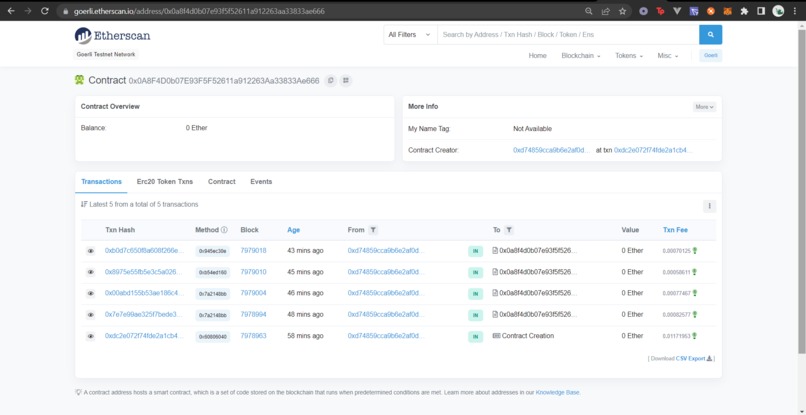
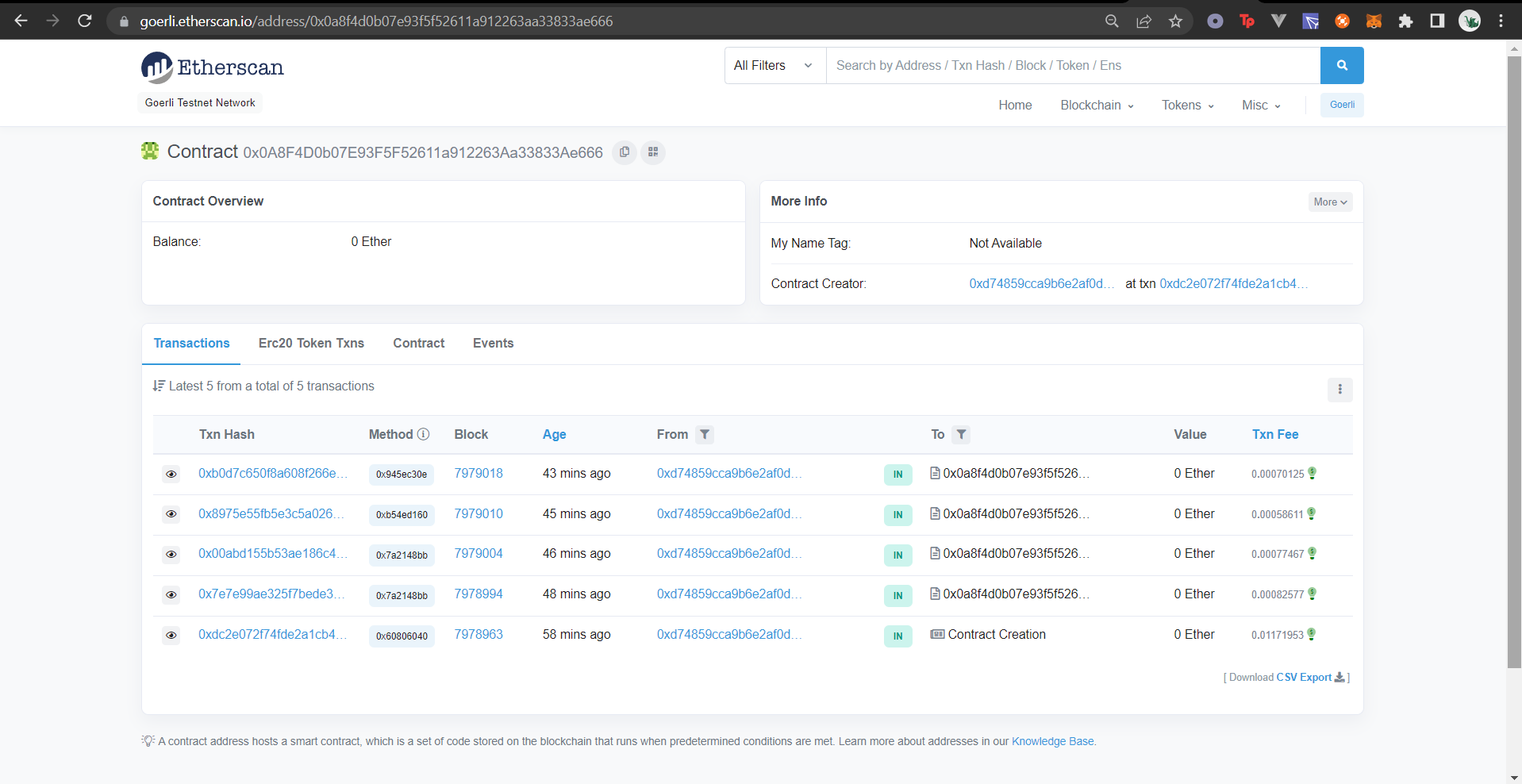
Complete Smart Contract Deployed on Goerli testnet with all logic
-
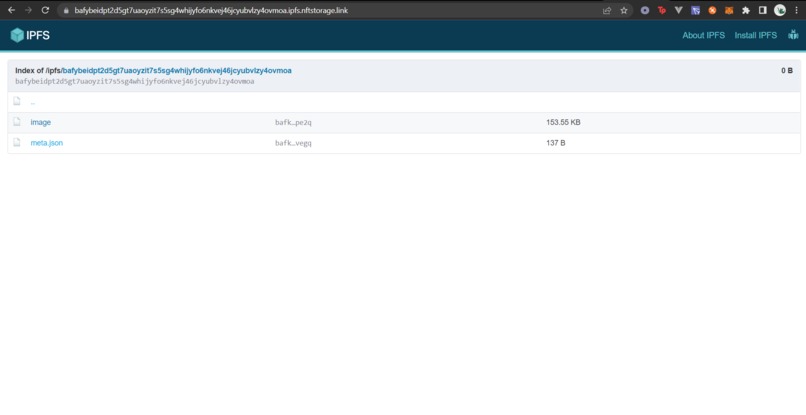
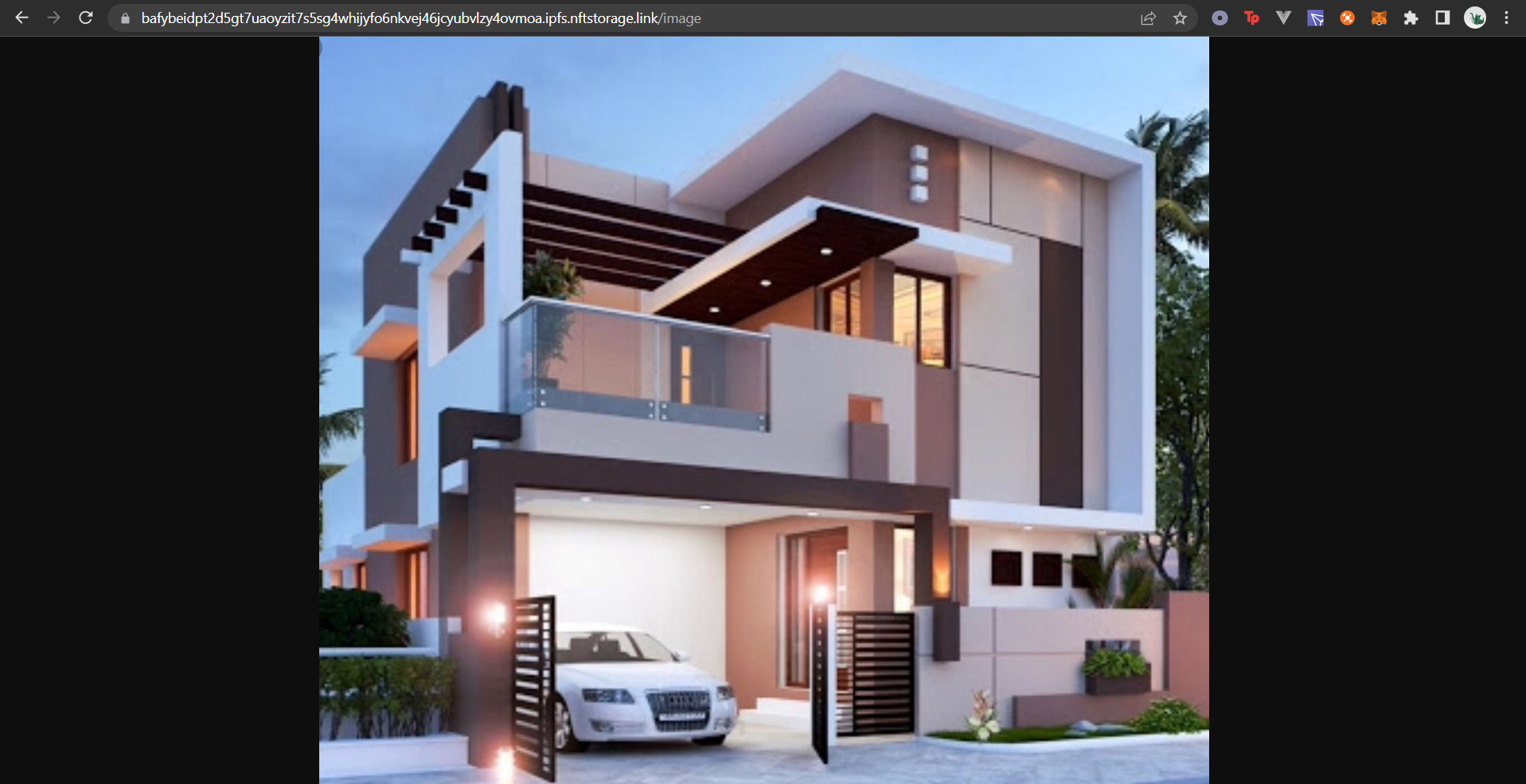
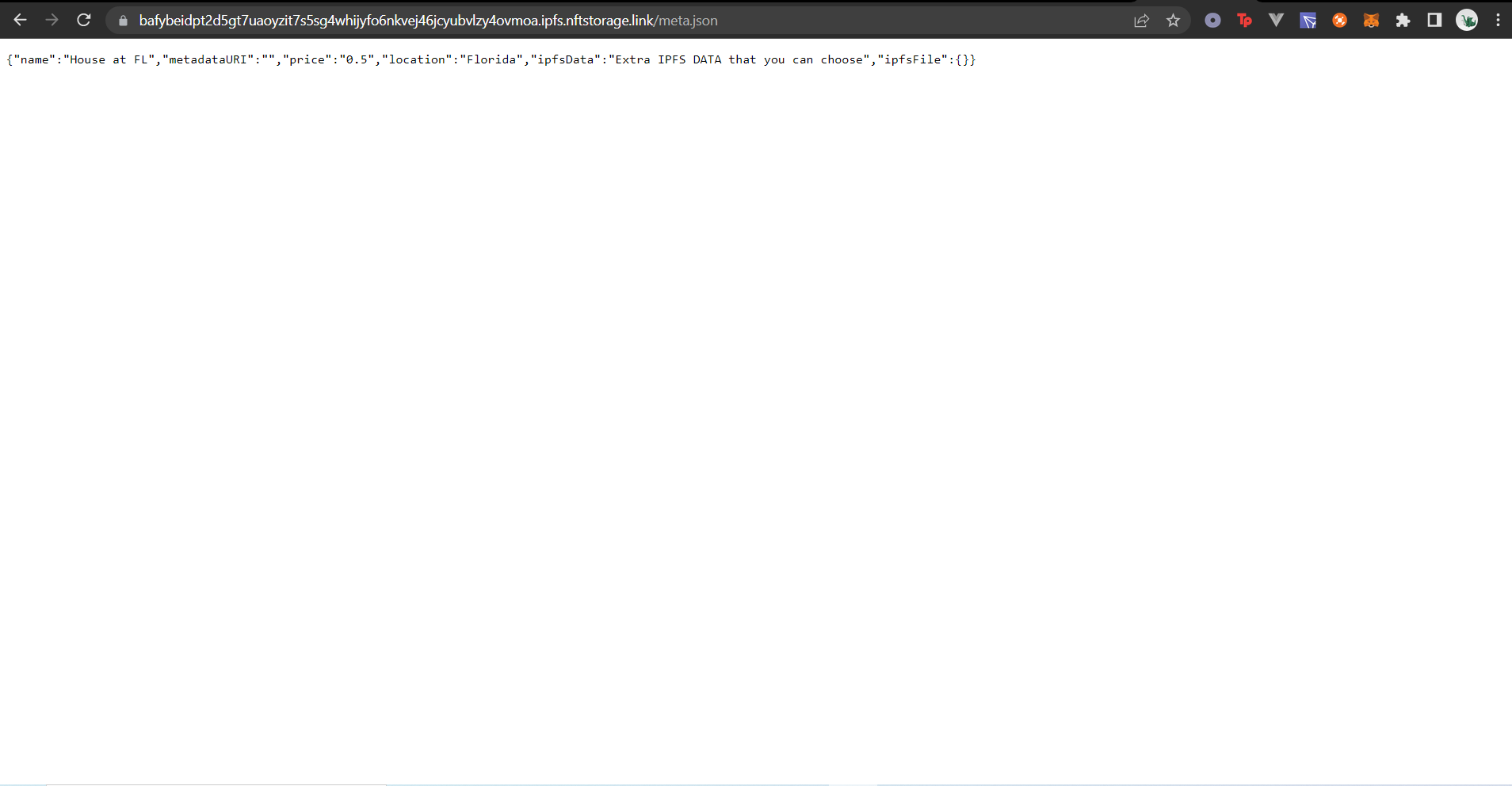
Usage of IPFS + NFT.Storage to quickly pin images and Metadata
-
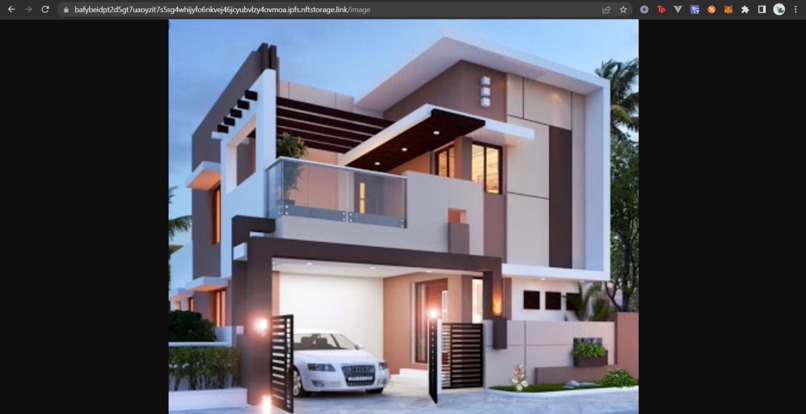
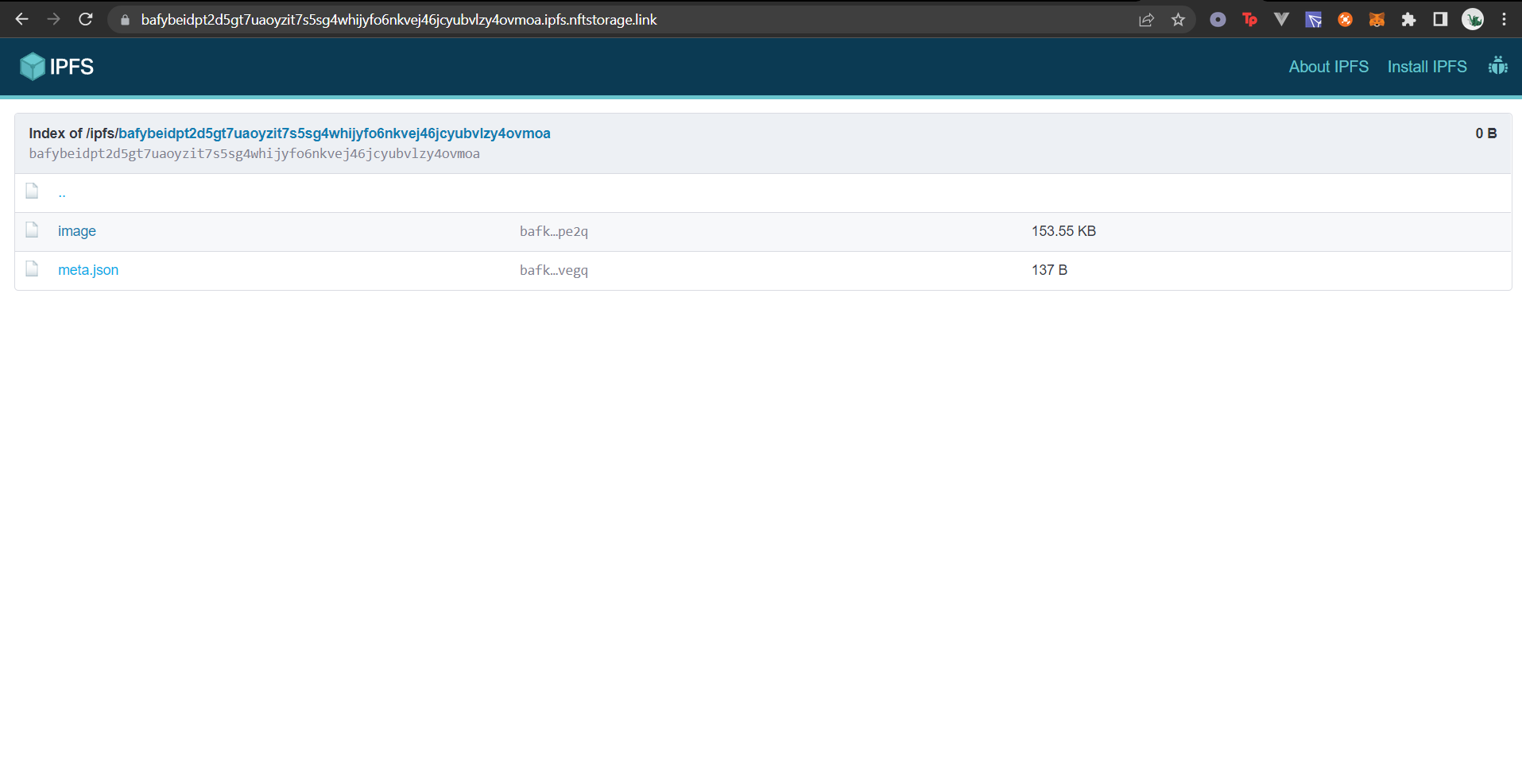
Image stored in the IPFS
-
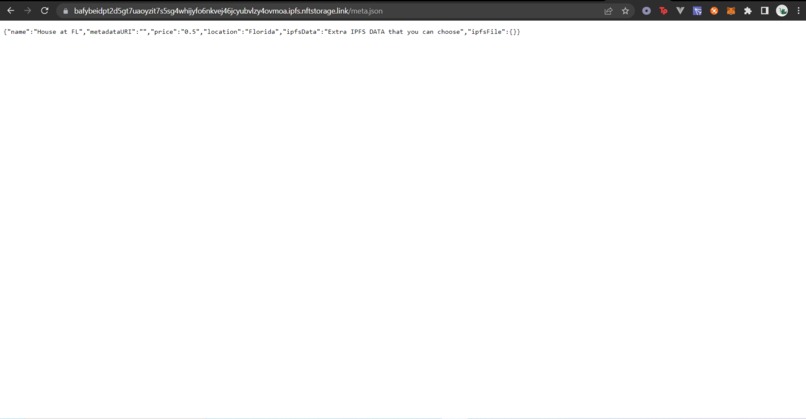
Simple example of data stored in the IPFS
Inspiration
After hearing countless stories of people losing their assets during recessions and bad inflation, I was very interested in discovering what could be done to help manage those assets daily with access to inflation data. During the investigation, I found that there were very few options out there. Traditional asset management platforms didn't offer the flexibility or autonomy I was looking for, so I decided to build the first version of InflaAssetManagement. With this platform, users can manage their own assets and choose how they want to sell them, ensuring that they are always getting the best possible price all in a decentralized environment.
What it does
InflaAssetManagement is a decentralized application that interacts with two smart contracts to give users the power and autonomy to manage their own assets. The first contract is used to get data from Truflation, and the second contract holds all the logic for buying, selling, renting, creating, and interacting with other assets. Users can add new assets, list them for sale or rent, purchase other assets listed on the platform, and more. One unique feature of InflaAssetManagement is that it lets users sell their assets following inflation rates + a margin, so their prices can dynamically change throughout time.
The platform's first version provides a very intuitive user interface to let the user go with the flow!
Smart-contracts:
How we built it
InflaAssetManagement was built entirely on a serverless environment using Vue. JS. The Web Application (dApp) interacts with the Goerli testnet through the usage of ether.js and the ABI function calls. We used Truflation's smart contract to get immediate data on inflation rates and also downloaded a historical file for analysis. To store all the rest of the data, InflaAssetManagement uses the Interplanetary File System (IPFS) to store images and JSON data, which was then pinned for fast access using NFT.Storage. All of this was connected into one place with our own Smart Contract.
Challenges we ran into
This was my second time using Solidity and my first time specifically building for Chainlink, LINK, and ETH. Therefore, I had many roadblocks that made the project go slower, such as bugs when trying to return lists, some nested structures, and also when interacting with ethers.js.
What's next for InflaAssetManagement
We plan to add more features such as the ability to take out loans against your assets, asset insurance, and more. We also want to continue building out the platform so that it can be used by anyone, regardless of their location or economic situation.
Built With
- chainlink
- css
- gcp
- html
- ipfs
- javascript
- nft.storage
- truflation
- vue.js


Log in or sign up for Devpost to join the conversation.