-
-
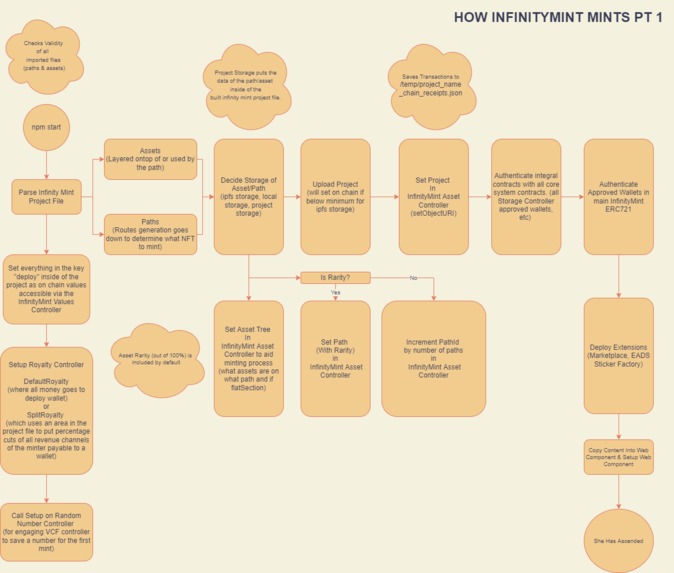
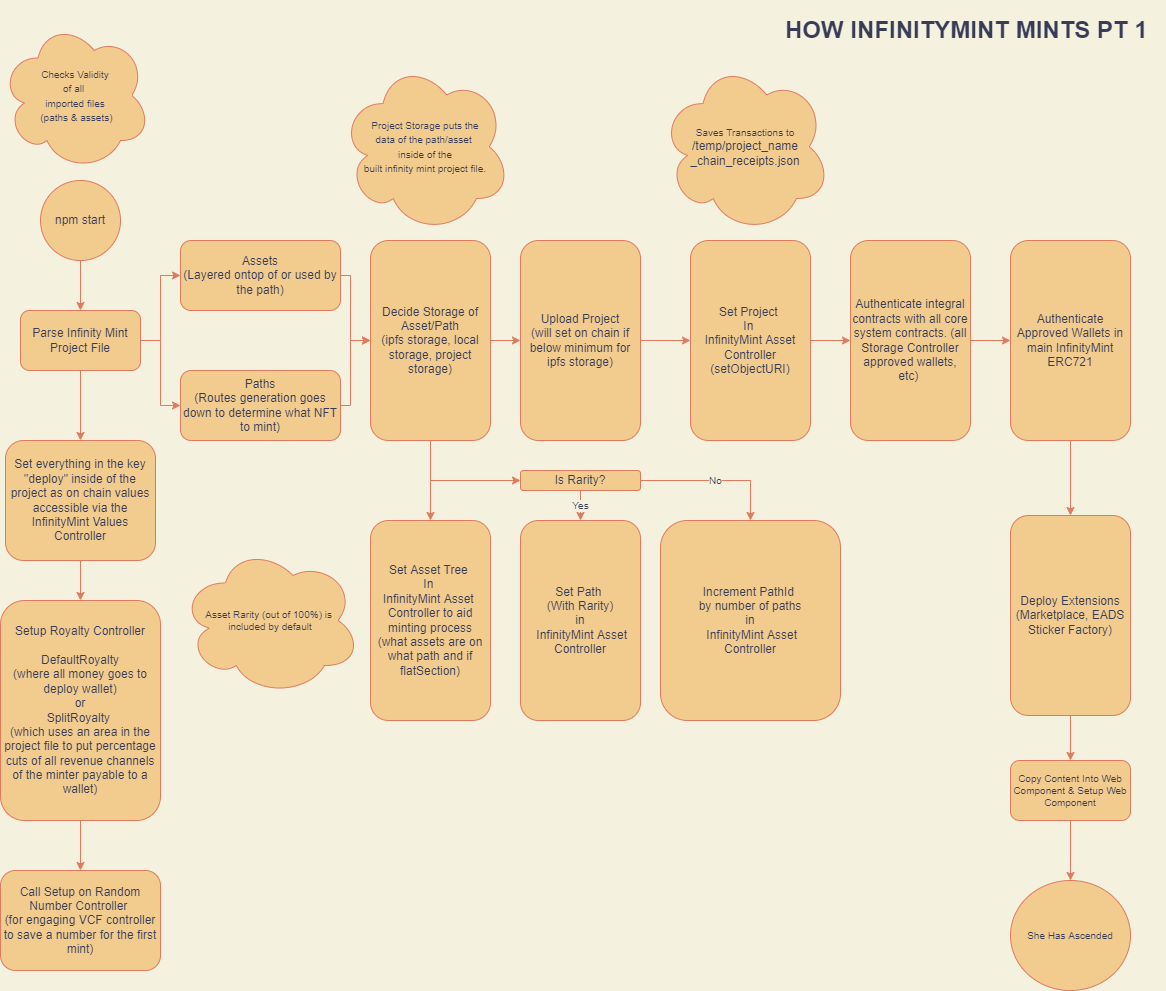
Step 1: The InfinityMint setup process.
-
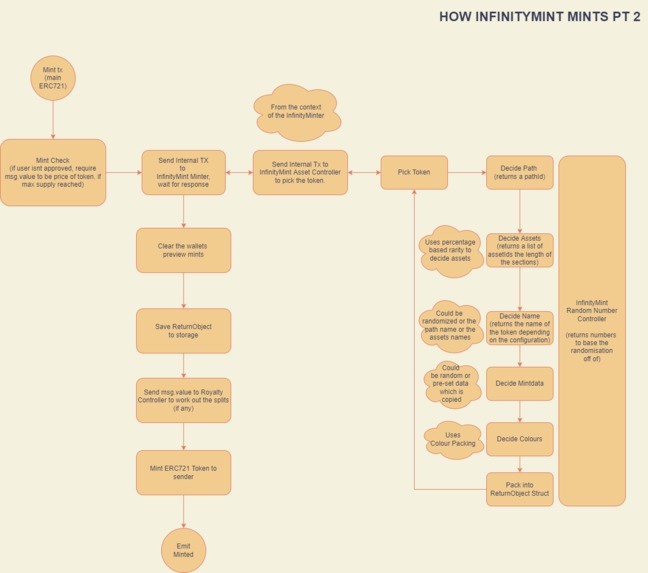
Step 2: The InfinityMint mint process.
-
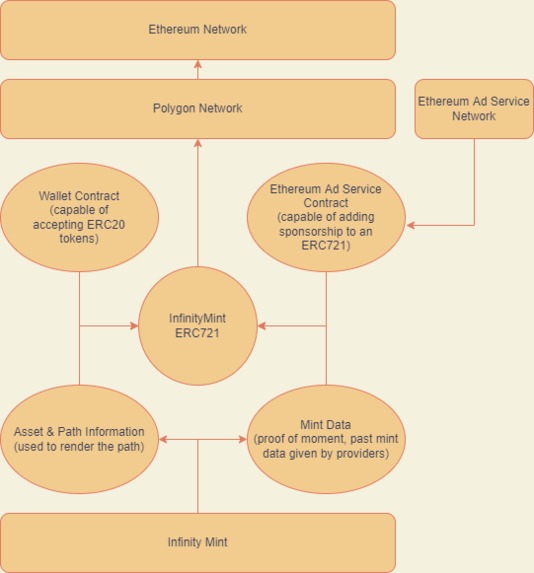
What makes up an InfinityMint ERC721
-

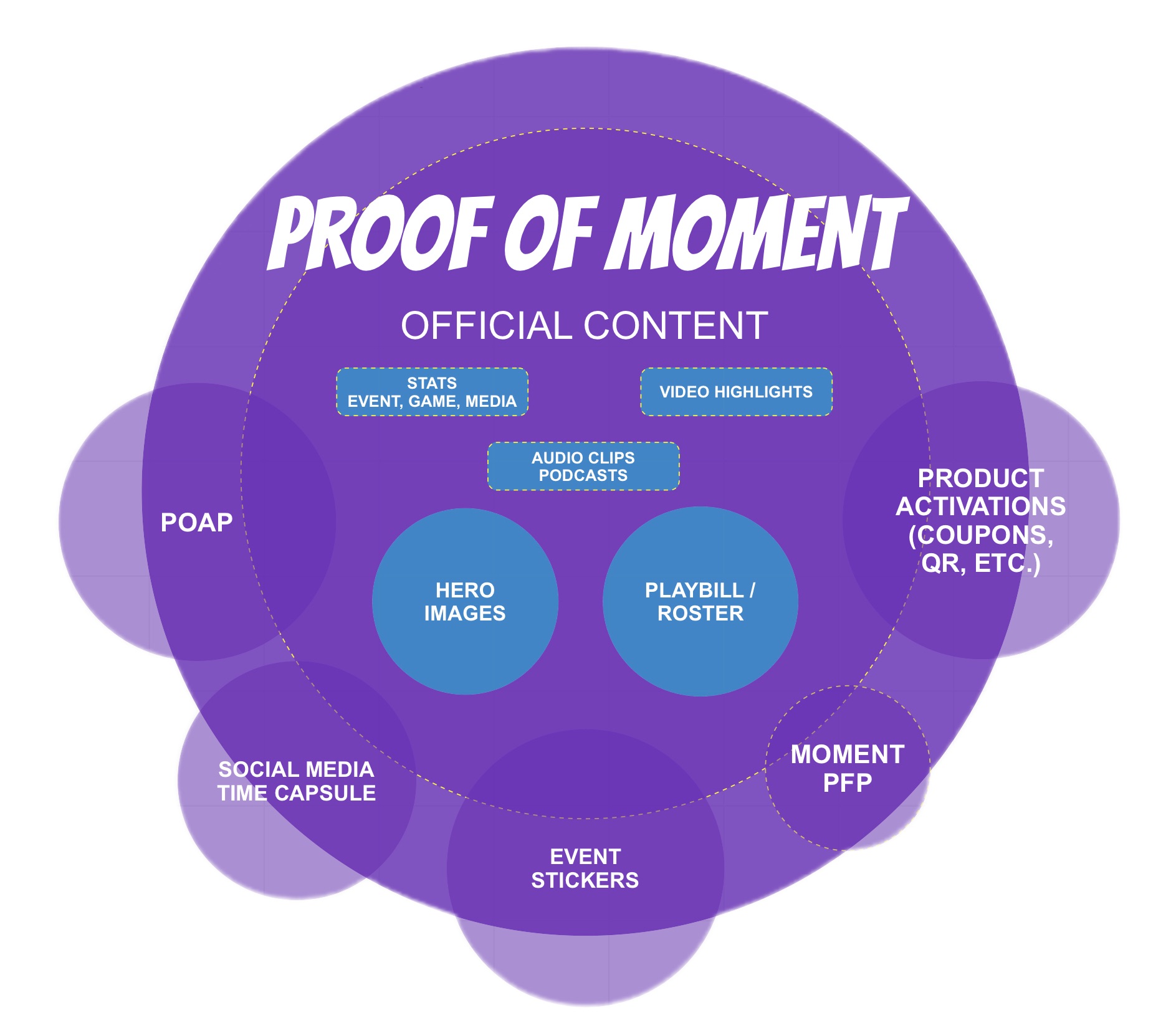
A tree of the main components of infinity mint.
-
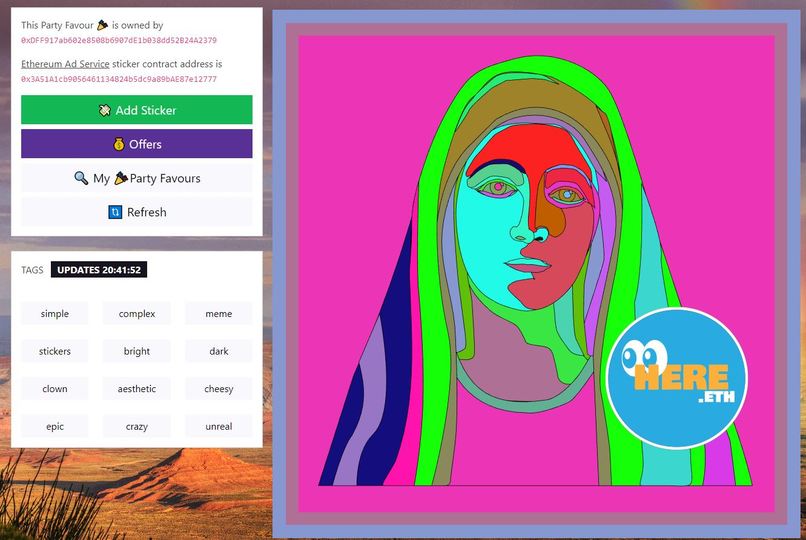
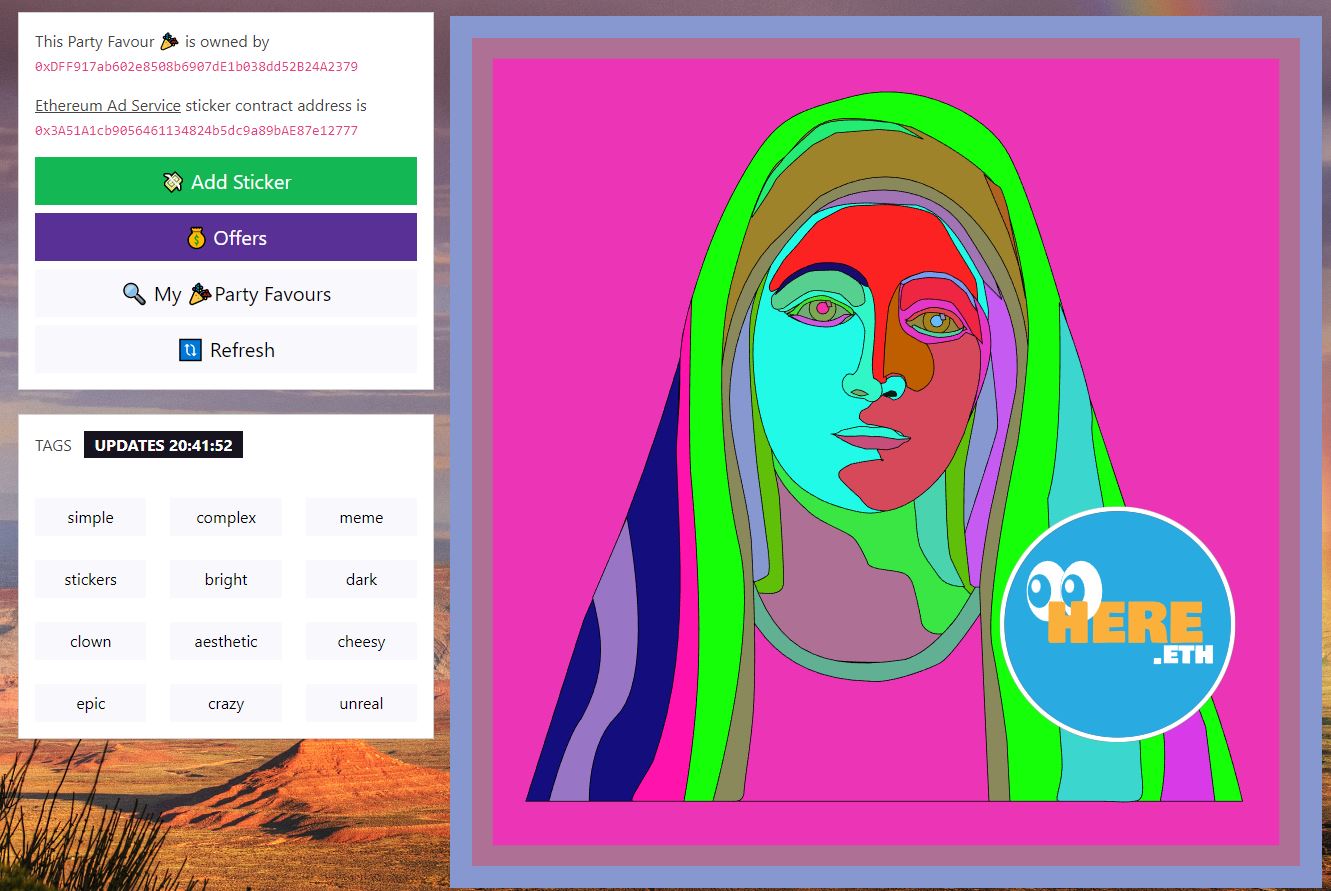
An Ethereum Ad Service ERC721 appearing next to an InfinityMint ERC721
-
The actual sticker image, it can be anything.
-
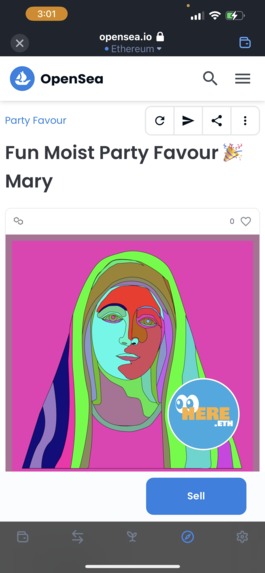
An Ethereum Ad Service ERC721 appearing next to an InfinityMint ERC721 on opensea.
-
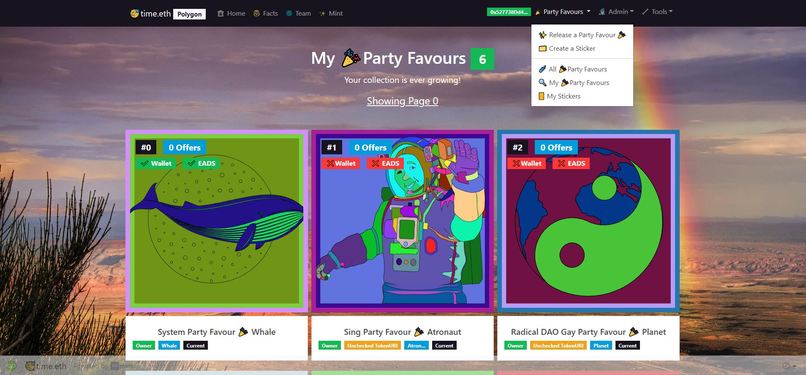
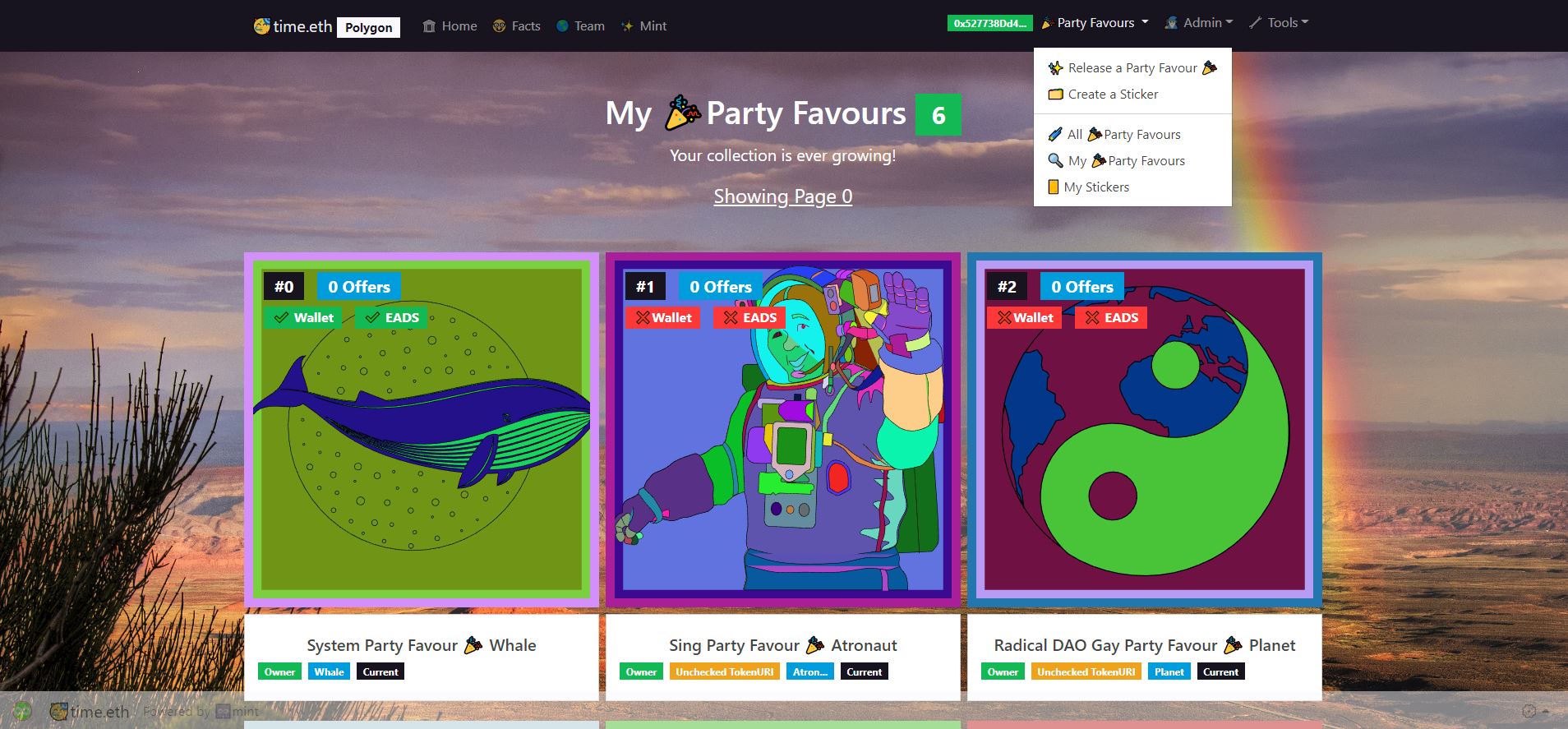
My Tokens Page
-
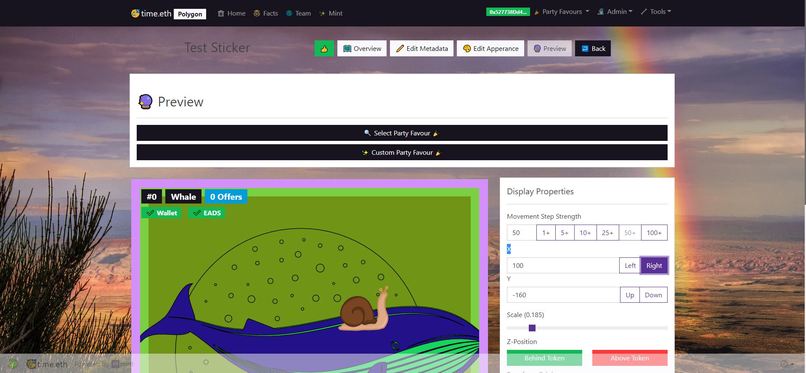
The sticker editor page built into each InfinityMint.
-
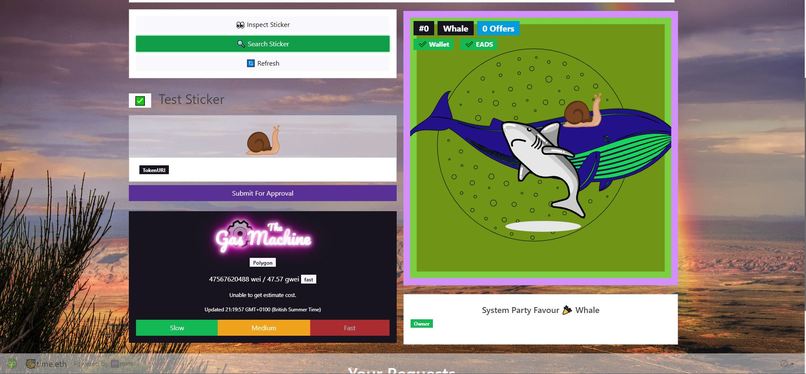
Adding my sticker to an ERC721
-
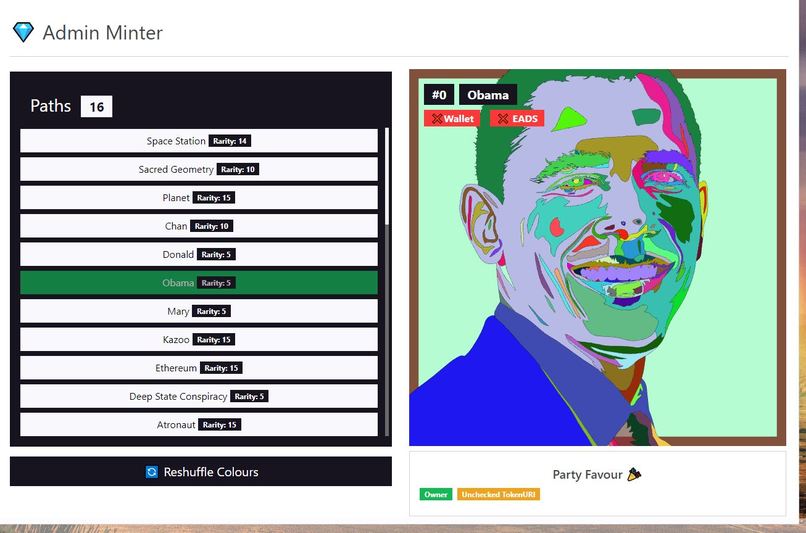
Admin Mint page allowing you to mint 1:1's
-
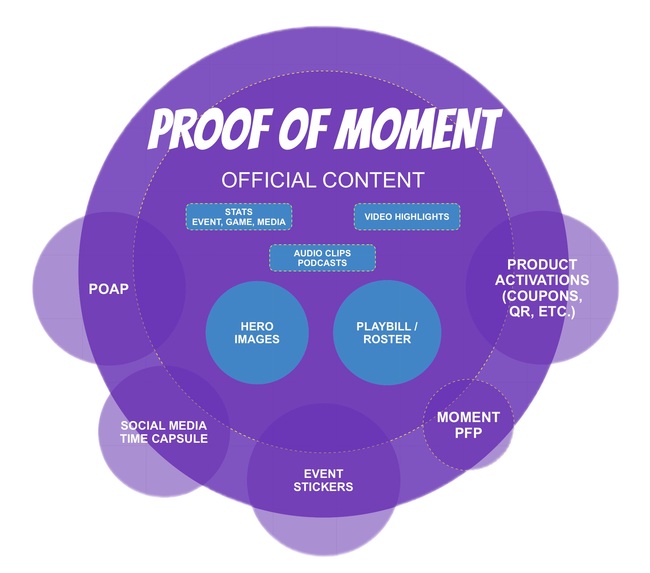






Inspiration
Collectively our team represents product development knowledge from all of the biggest technological movements from Networking Video Games from Arcade to Xbox, to building a Web1 music community that became part of Electronic Dance Music history, to executing mobile-ad gamification patents at the front and center to mobile commerce history in the Chicago tech scene. It also represents the generational front line of the convergence of all of these tangents and talents in our youngest, and most prolific founding member. But more on us later.
To our team, Web3 provides the opportunity to re-factor how intellectual property is used, monetized and perpetuated in the future of the internet. With an NFT, all observable objects or systems can now be tokenized and have their applications, admin tools, fine-tune controls, and even their actual monetary value stored within that NFT. Because of this, tools that understand and cater to giving creators full control of their IP in Web3 are both possible and required.
Tools that go way beyond our current understanding of what’s possible with NFT technology and provide an infinity of solutions for common content distribution and monetization in the new Web3 paradigm. We believe creators will need these tools to be flexible and connected, chain agnostic platforms, that allow them to mint to infinity and beyond as well as control the aspects of that IP are important to them.
What it does
♾Mint.eth is an NFT Minter and NFT control center for any EVM compatible blockchain, that mints multiple formats of NFT, and is integrated with our EADS.eth supply-side advertising and self-serve sponsorship platform. It empowers creators to mint an infinity of NFT across and infinity of projects, from PFP/Metaverse Portal Projects, to 1:1 NFTs, to Music NFTs, Contract NFT and an ever evolving list of Content NFT.
Create an NFT project in minutes with direct connections to a robust tools like the NFT location and authentication service EGPS.eth, or our NFT Avatar unification standard OpenAvatar.eth, and EADS.eth, a supply side content Web3 network that lets NFTs create there own supply side controls, allowing for new ways to self serve advertising and sponsorships across your content with fun tools like EADS.eth Stickers, Sponsorship anchors and many more activations in the future.
How It Works
At the genesis of all InfinityMint’s there is project file that lets you define dozens of parameters and behaviors the minter will take on. Below are flowcharts of a simpliefied version what goes on behind the scenes.



How we built it
While building NFTofME.eth, a set of extensions that would give ENS domains superpowers like Content Publishing, IP Licensing and multiple Monetization hooks we rapidly came to the realization that better tools are needed to deploy and control content in Web3. The first prototype was an NFT minter for the well known web2 Kazoo Kid Meme. The test is still live on Rinkby (https://kazookid.club). We wanted to show how Web3 could give control back to creators, even when their creation is memetic.
Our goal went beyond building a simple PFP minter, it was to build in the ability to allow Kazoo NFT holders to pick choose and deploy sponsor NFTs which are set up to contain both the display rules as well as the reward for meeting sponsorship conditions such as, listing your NFT on OpenSea, displaying your NFT in your Decentraland session, etcetera. Further we wanted to innovate on the importing and utility of Standardized Vector Graphics files on Ethereum based blockchains, extending its utility with monetizable tags that allowed interaction with our experimental Ethereum Ad Service (EADS.eth).
After accomplishing the EADS and SVG minting tools we set off to create a platform for everyone to mint their own version of our minting tools eventually lead to combining our products under the banner of ♾Mint.eth, and we set off on the mission to build Web3’s IP and Content Control Center. Bringing us inexorably to this point in time and our proud submission to our first public hackathon.
Tech Stack:
We take advantage of many useful web3 techs and also support many web3 tech through the dynamic nature of InfinityMints project files. Its hard to really say what will be used, but we can for sure say what we have used which is below.
Build Tools
- Node
- Hardhat & Ethers & Chain (for our tests)
- web3.storage
- Alchemy (for RPC)
- Etherscan (& Polyscan) API
- tinysvg (https://www.npmjs.com/package/tinysvg-js)
Website
- InfinityMint
- Web3.js
- web3.storage
- Alchemy
- Etherscan (& Polyscan) API
- tinysvg (https://www.npmjs.com/package/tinysvg-js)
Challenges we ran into
We ran into many issues trying to perfect our minter. It was a struggle to get on-chain generation for any asset type (be it png, svg) working and also trying to figure out how to randomize potentially thousands of colours on chain. InfinityMint projects are more gas intensive based on their complexity, and it was a challenge to achieve an average for all types of content. InfinityMint could potentially be in any configuration minting any type of content and thus its fundamental platform needs to be efficient as possible something which we are still working on. We are proud however of where we stand today and already recommend mints to be deployed to L1 chains if they are SVG based.
There was also lots of fine tuning of the contracts to be low-gas and cross-chain deployable which was important to us as we needed to provide quick deployment to Ganache, Polygon Mumbai, Goerli, Ropsten, Rinkeby and Ethereum proper.
Accomplishments that we're proud of
- ☝️ Invention of the InfinityMint project file and framework allowing us to quickly prototype.
- ☝️IPFS is backbone to InfinityMint‘s file storage and handling. Our goal is one file fits all.
- ☝️ Deployed First prototype on https://kazookid.club as tokenized website leading to the pursuit of a new way to mint the web.
- ☝️ Deployed First 3rd Party ♾Mint: (https://pod.infinitymint.app/)
- ☝️ Deployed Merge Ready Test of 🥳time.eth (Demo project of ♾mint) on Goreli.
- ☝️ Deployed Live Test of Demo Project 🥳time.eth (https://partytime.infinitymint.eth) on Polygon Network to begin public introduction of ♾mint.eth
- ☝️ Multi-chain deployment, script controls, and React based Web UI
- ☝️ Creator controlled contracts, deployment and interfaces
- ☝️ Fully deployable React UI for the user to refine or even immediately deploy as their own website.
What we learned
Anything is possible, but it must be written. Web3 fundamentally challenges what we understand about content and monetization in the digital space. During product development, it was easy to get caught up in what features are possible. However, it was critical to keep our focus on not what was possible, but rather, what we could write to solve problems and create value today.
What's next for ♾Mint.eth
This tool will now go on to supply the backbone to over 300 Web3 based properties under development at 0x0z. Products like 🎫mint.eth which will use ♾mint to serve its Proof of Moment Tickets, Achievemint.eth a cross platform Videogame Achievements Platform, NewTube.eth a video service that requires faceNFT verification to validate identity, MerchMint.eth, 👟head.eth, 🍷club.eth, 0️⃣❎🆓⛽️.eth, 🏟club.eth, sad🐼.eth and many, many more next generation Metaverse ready destinations.


Log in or sign up for Devpost to join the conversation.