

Inspiration
The name inFINite is derived from the infinite learning possibilities our app can give to any student in need. The inspiration behind it came from the personal struggles many students face when preparing for exams. Keeping up with study materials, creating practice questions, and staying on top of deadlines can be overwhelming. We wanted to create a tool that simplifies this process by using AI to dynamically generate quiz questions from course materials, helping students study more effectively as their exam dates approach.
We were also inspired by the global need to take better care of our oceans. During the brainstorming process, we realized how little attention is given to the environment in everyday technology. This led us to integrate an environmental initiative into the project, where users can help remove plastic waste from the oceans by answering questions correctly.
What it does
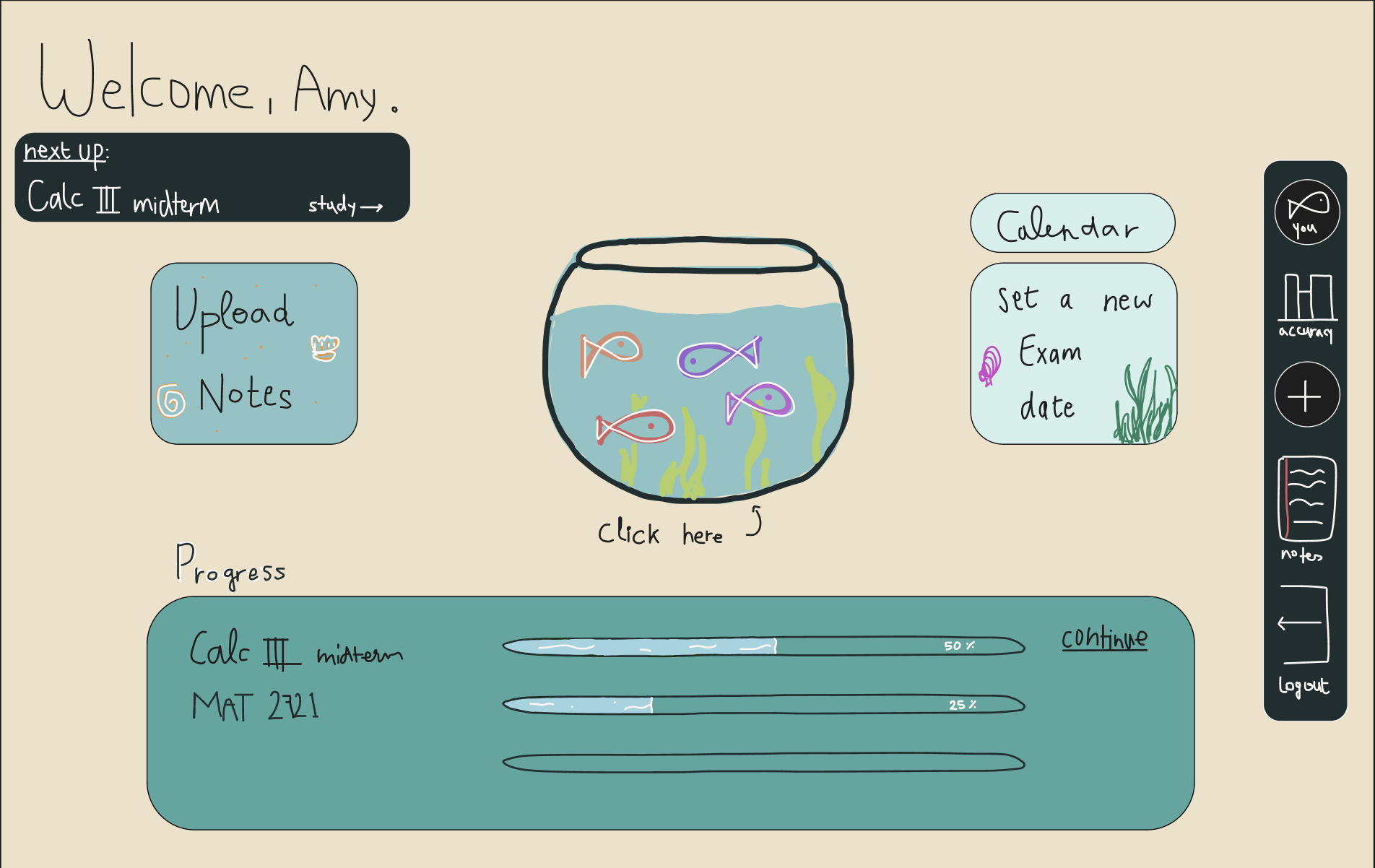
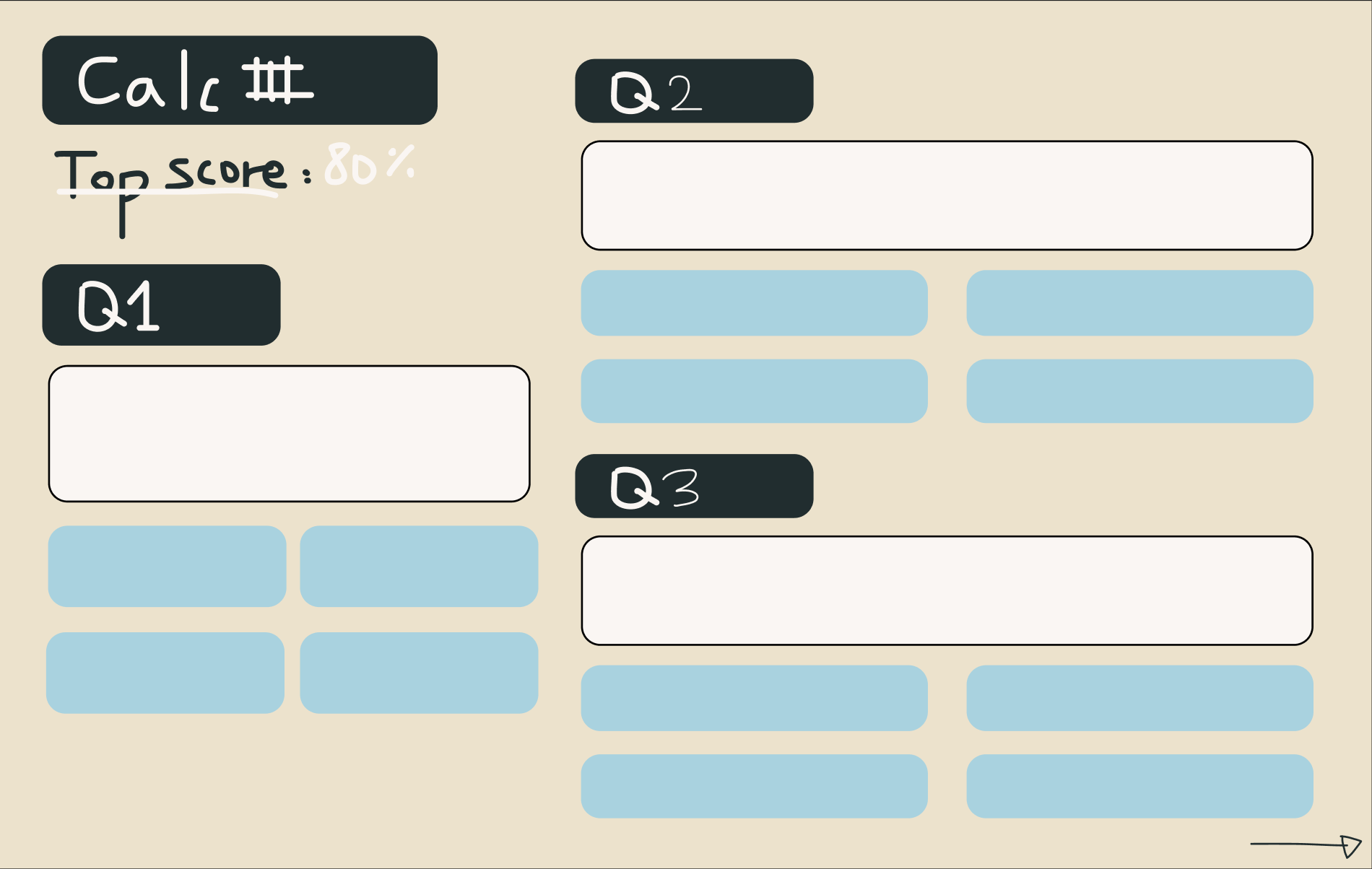
inFINite allows students to upload their course materials, set exam dates, and receive personalized, AI-generated quiz questions. As the exam date gets closer, the app increases the frequency of quizzes to ensure students are fully prepared. The platform keeps track of materials and ensures students stay on track with their studies, ultimately improving their exam performance.
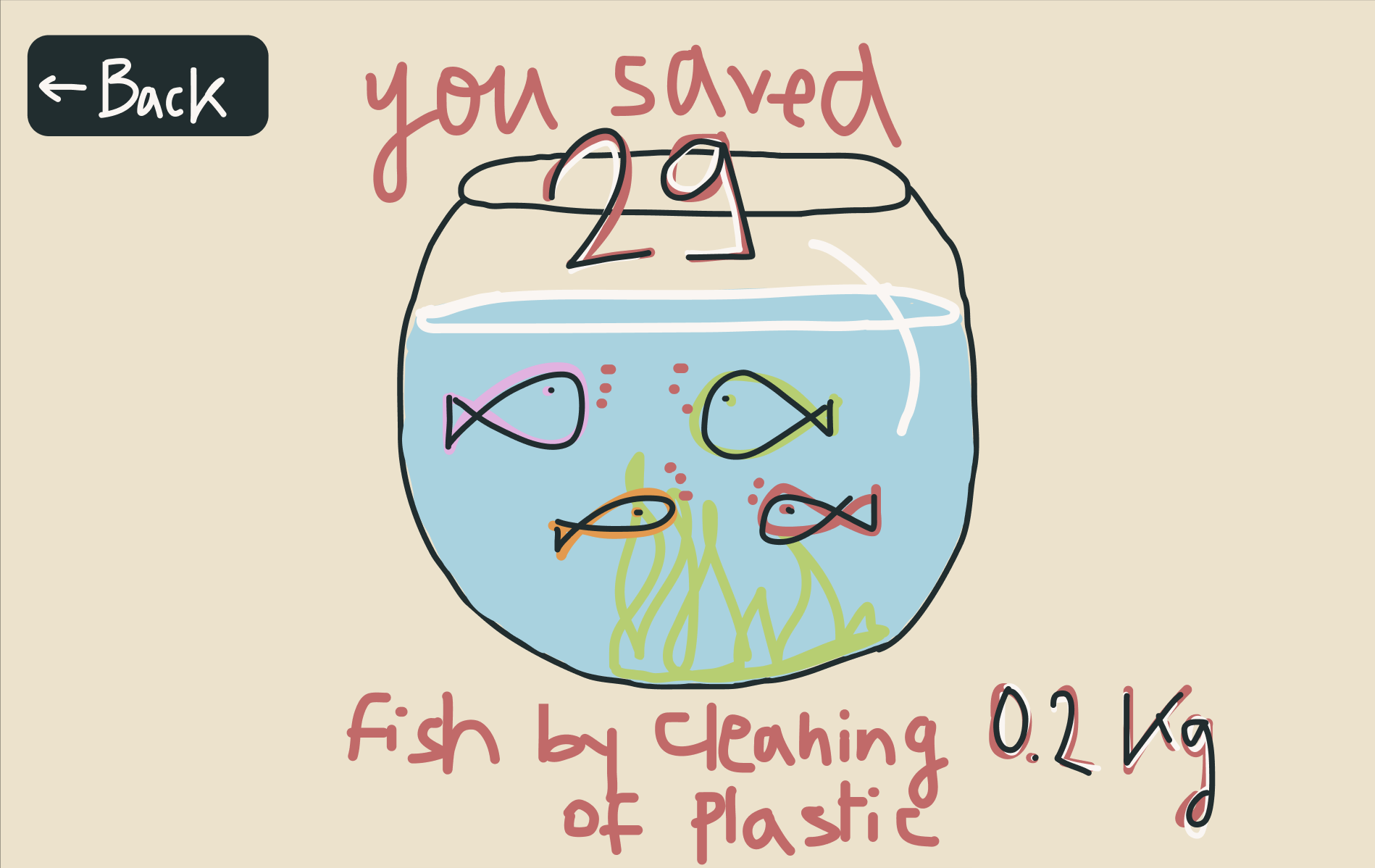
We also added a fun and meaningful feature: a virtual fish bowl that fills up with fish every time a user answers quiz questions correctly. The more fish the user collects, the more plastic waste gets removed from the oceans through real-world partnerships with environmental organizations. It’s a way to turn education into something not only beneficial for the student but also for the planet.
How we built it
We built inFINite using a combination of front-end and back-end technologies. The front-end is powered by HTML, CSS, and JavaScript for a smooth user experience. We used Node.js with the Express.js framework to manage the back-end, handle file uploads, and communicate with external services. One of our hackers even had to learn to use a rendering software called Cinema4D. It was a long and thorough process but the end result definitely made up for the complications that the software brought.
This was our first hackathon, and it was also our first time using libraries like Node.js and Express.js, which presented both excitement and challenges. We had to learn how to build a secure and scalable backend, and while searching for a reliable database, we discovered Firebase, which we used for both authentication and cloud storage. Additionally, we learned how to use APIs for the first time, particularly integrating OpenAI for generating the quiz questions.
The fish bowl feature was designed with an environmental focus in mind. The app tracks correct answers and fills a virtual bowl with fish, linking progress to real-world ocean clean-up efforts. We hope to collaborate with eco-conscious organizations to tie in this feature with tangible impact.
Challenges we ran into
One of the major challenges was integrating the OpenAI API to generate meaningful and accurate quiz questions from various file formats. Ensuring the system could handle multiple file types, such as PDFs and text files, while maintaining the accuracy of the questions was difficult. Additionally, managing user authentication and cloud storage using Firebase presented challenges, particularly in ensuring secure file uploads and proper error handling.
Since this was our first time using Node.js and Express.js, we faced a steep learning curve when building the backend infrastructure. Learning how to securely store user data and files was a critical part of the process. Implementing Firebase and understanding how to authenticate users, store files, and ensure data privacy added another layer of complexity.
Accomplishments that we're proud of
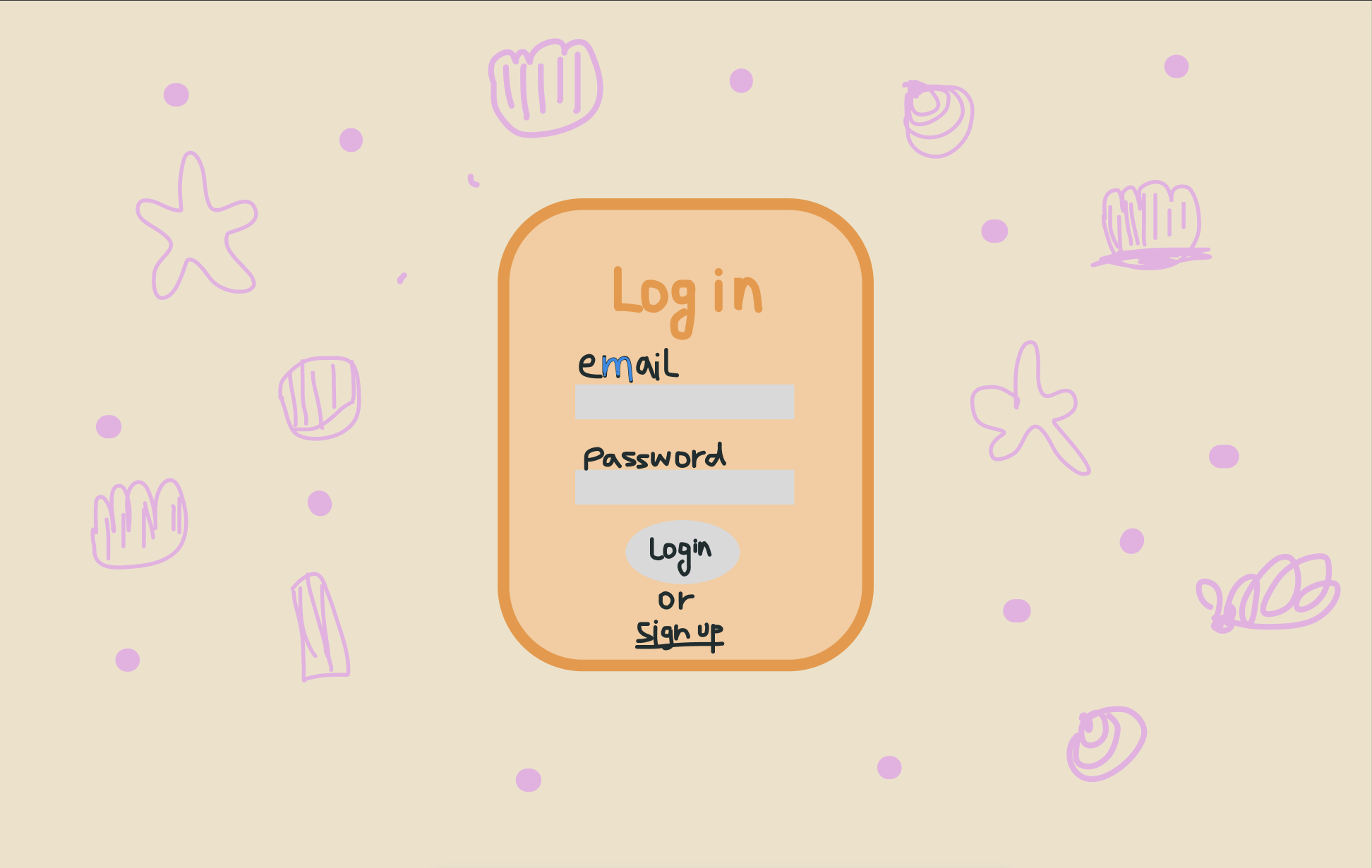
We're proud to have successfully integrated the OpenAI API with our file upload system, allowing for the generation of multiple-choice questions from user-uploaded study materials. Additionally, we implemented a seamless user authentication and file storage solution using Firebase, making the app secure and reliable.
We’re especially excited about the fish bowl feature. The idea that students can contribute to cleaning the oceans just by improving their study habits adds a meaningful layer to our app. It’s a small way to make studying fun and impactful beyond personal growth.
What we learned
This hackathon taught us an incredible amount, especially since it was our first. We learned how to effectively use Firebase for authentication and storage, which was entirely new to us. Working with Node.js and Express.js for the first time gave us hands-on experience in building a backend infrastructure. We also gained valuable experience working with the OpenAI API, learning how to harness its powerful language model to provide useful and personalized quiz questions.
Additionally, we now understand how to search for secure backend databases, ensuring our app is safe and scalable for future use. This hackathon was a crash course in everything from API integration to building a cloud-based platform, and it has significantly expanded our skillset.
We also realized how much we can do to integrate sustainability and environmental consciousness into technology. Designing the fish bowl feature taught us that gamification can be a powerful motivator, not only for education but for social good as well.
What's next for inFINite
Moving forward, we plan to expand inFINite by adding more advanced AI features, such as adaptive learning based on a student’s performance. We aim to integrate analytics so students can track their progress over time. Additionally, we hope to launch a mobile app version, allowing for push notifications and an even more personalized study experience. We also plan to support more file formats and offer language translation options, making the platform accessible to a wider range of users.
For the fish bowl feature, we are planning to partner with real-world organizations to tie the collected fish to actual ocean clean-up efforts. This will turn inFINite into not just a learning tool, but a way for students to actively contribute to environmental conservation while studying.


Log in or sign up for Devpost to join the conversation.