-
-
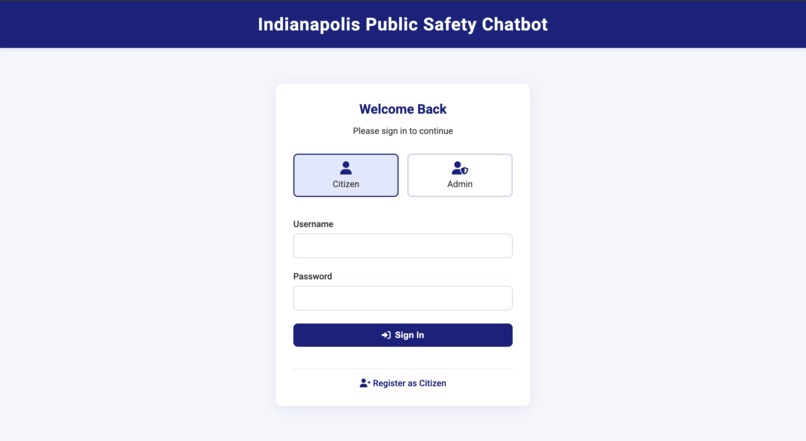
Login Page
-
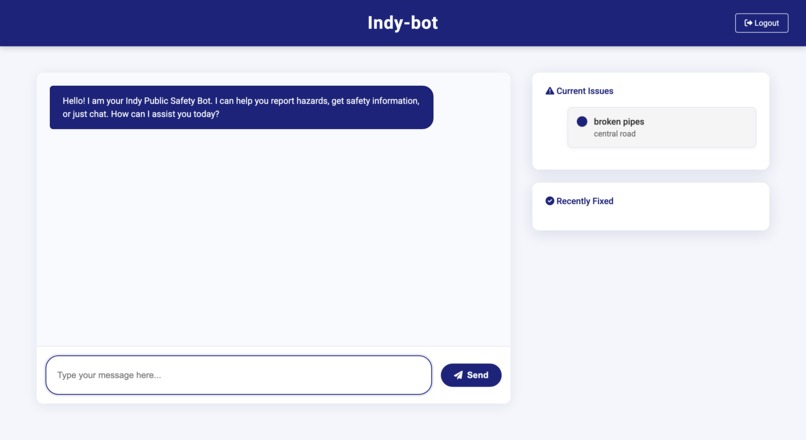
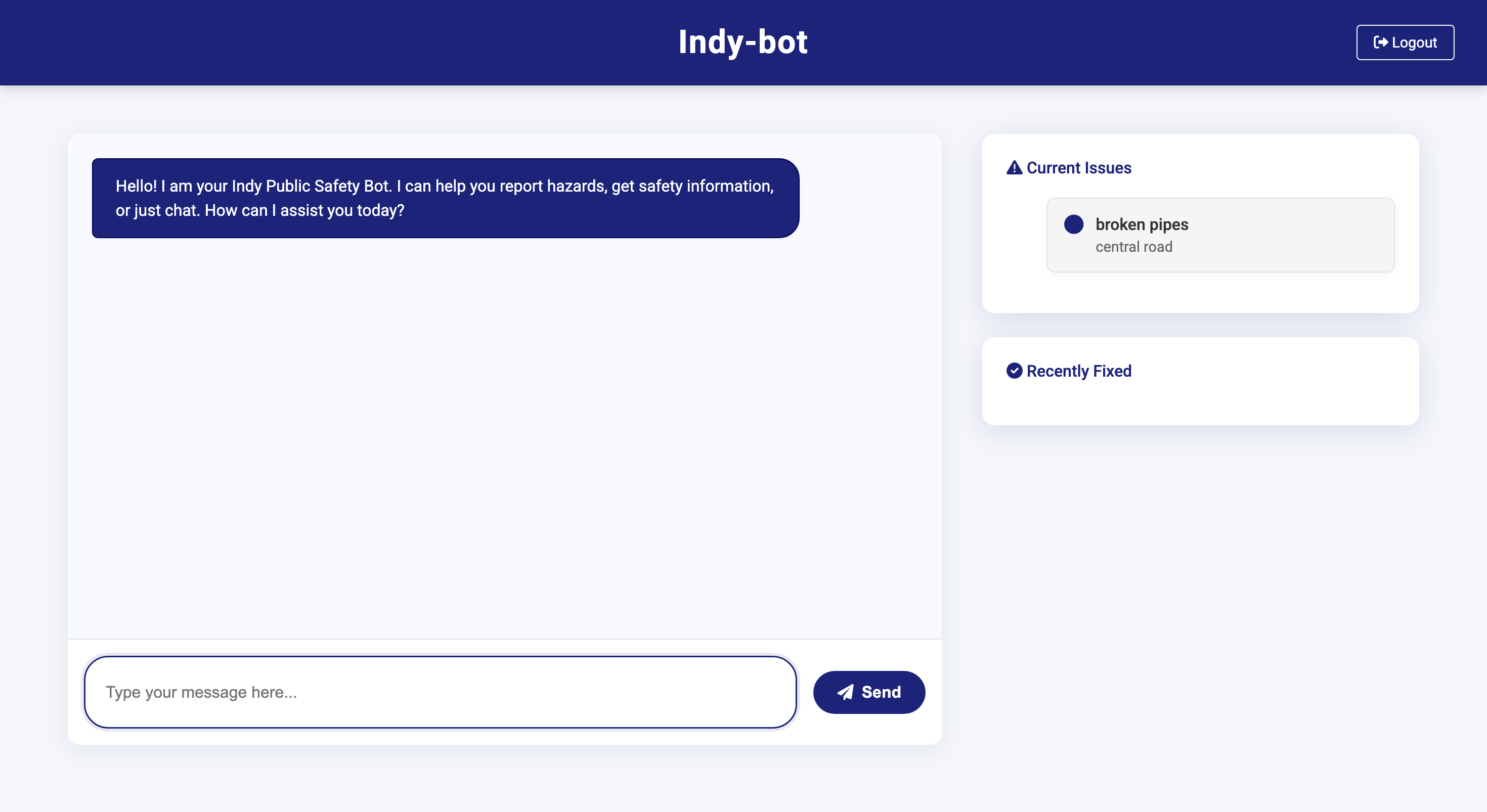
Chatbot
-
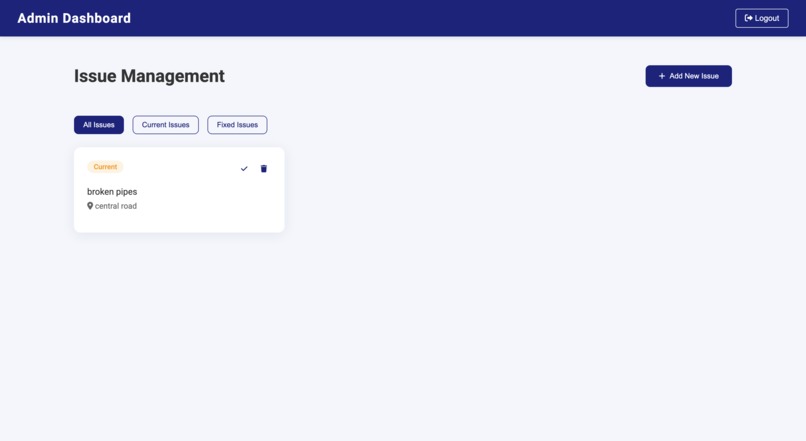
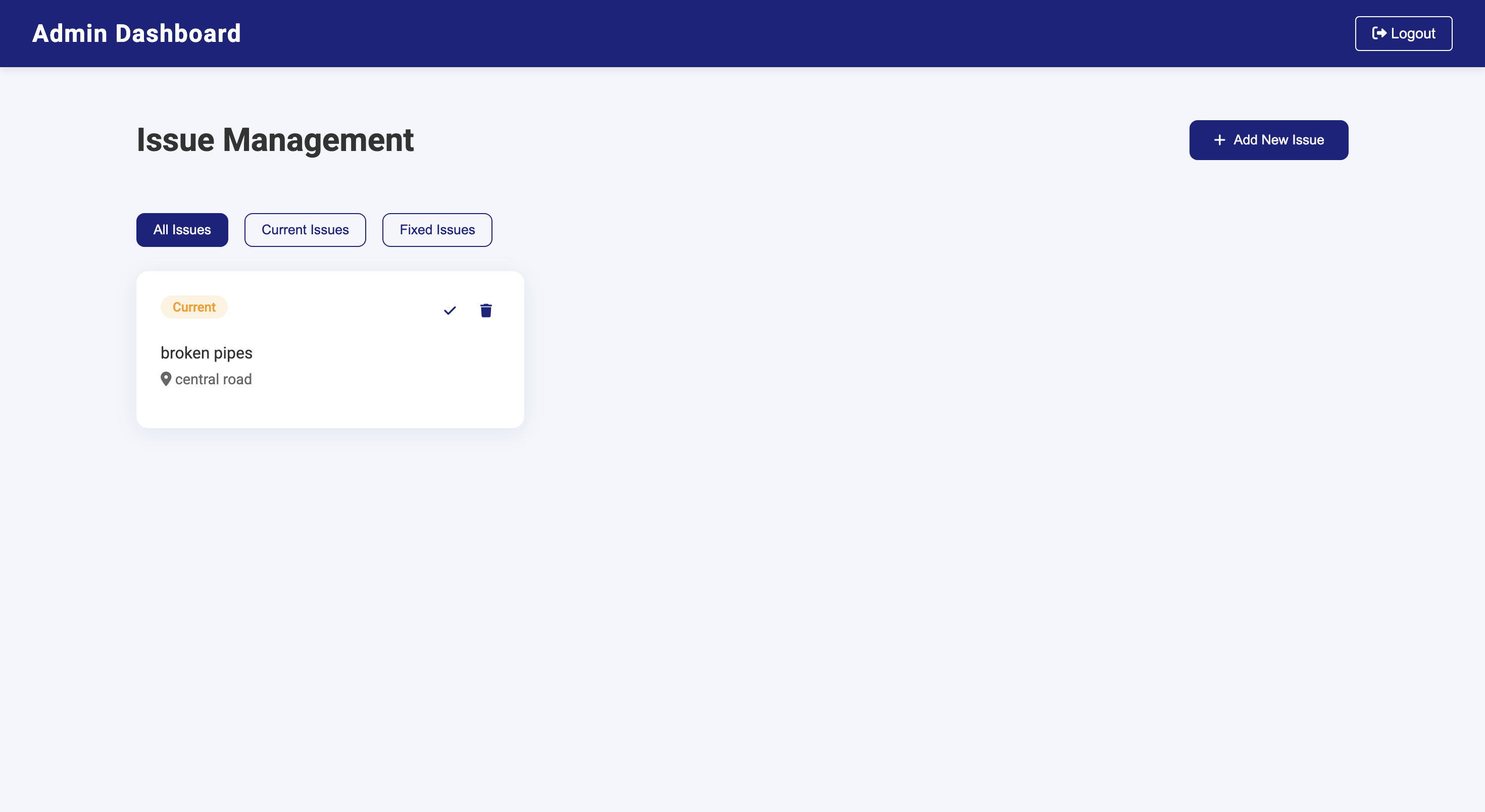
Admin Dashboard
Inspiration
The inspiration for Indybot comes from the need to make Indianapolis a safer city for its 870,000+ residents. We noticed that many safety concerns and hazards often go unreported due to the complexity of traditional reporting systems. We wanted to create an accessible, user-friendly solution that would encourage community participation in maintaining public safety.
What it does
Indy Safety Bot is a comprehensive safety platform that: -Provides a natural language interface for reporting hazards and safety concerns -Offers real-time emergency alerts and safety tips -Connects users with relevant safety services and emergency contacts -Features an admin dashboard for managing and resolving reported issues -Includes weather-related safety information and first aid instructions -Supports multiple communication channels through a web interface
How we built it
We built Indy Safety Bot using a modern tech stack: -Backend: Python with Flask framework for the web application -Database: SQLite for storing user data and hazard reports -Chatbot: Rasa for natural language processing and conversation management -Frontend: HTML/CSS for the web interface -Authentication: Custom user authentication system with admin privileges -API Integration: RESTful API endpoints for data management
Challenges we ran into
-Integrating the Rasa chatbot with the Flask application while maintaining session management -Implementing secure user authentication and authorization -Handling real-time updates for emergency alerts -Managing concurrent user sessions and database operations -Training the chatbot to understand various safety-related queries -Ensuring accurate location tracking for hazard reports
Accomplishments that we're proud of
-Successfully integrated a sophisticated chatbot with a web application -Created an intuitive user interface that's accessible to all residents -Implemented a robust admin system for managing safety reports -Developed a comprehensive set of safety-related features -Built a scalable architecture that can handle multiple concurrent users -Created a system that encourages community participation in safety
What we learned
-Advanced integration of Rasa with Flask applications -Best practices for secure user authentication -Database design for safety reporting systems -Natural language processing for safety-related queries -Real-time data management and updates -User experience design for safety-critical applications
What's next for Indy-bot
-Integrate camera/photo submission -Add AI-based hazard detection using CV (YOLO / OpenCV) -Launch SMS/WhatsApp integration via Twilio -Add multilingual fallback using GPT-4/Whisper -City-wide dashboard for admin use
Built With
- css
- flask
- html
- python
- rasa
- restful
- sqlalchemy

Log in or sign up for Devpost to join the conversation.