-
-
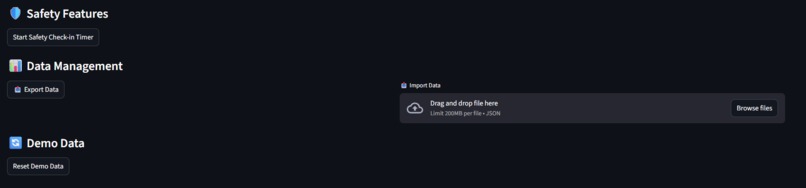
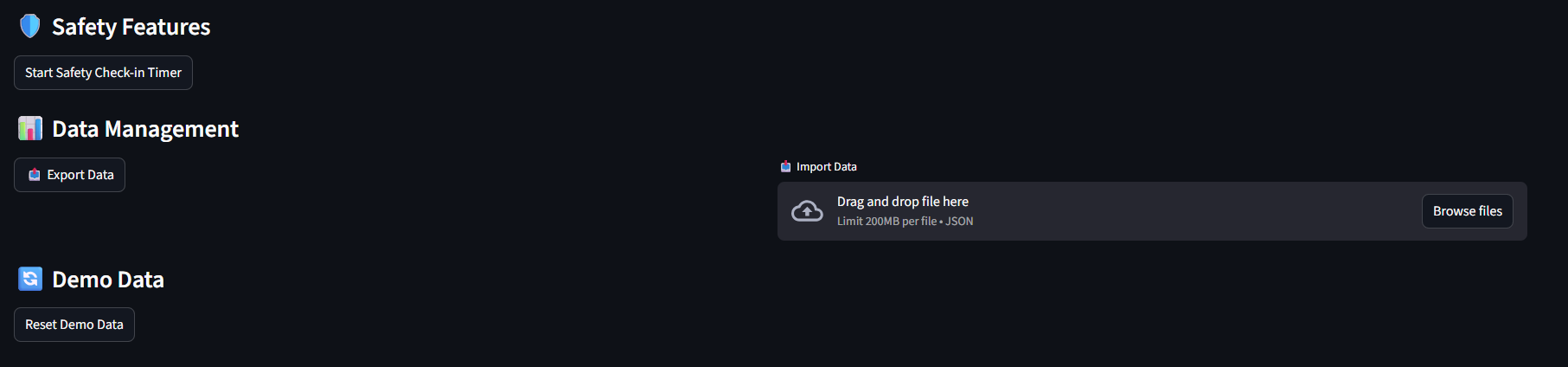
Safety Features, Import/Export Data
-
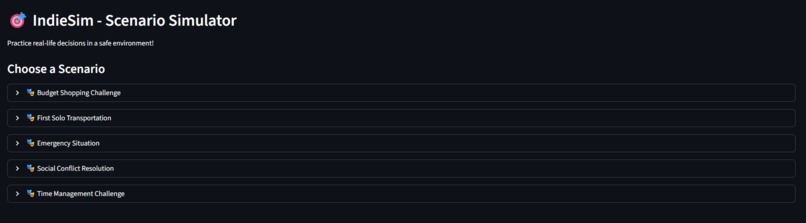
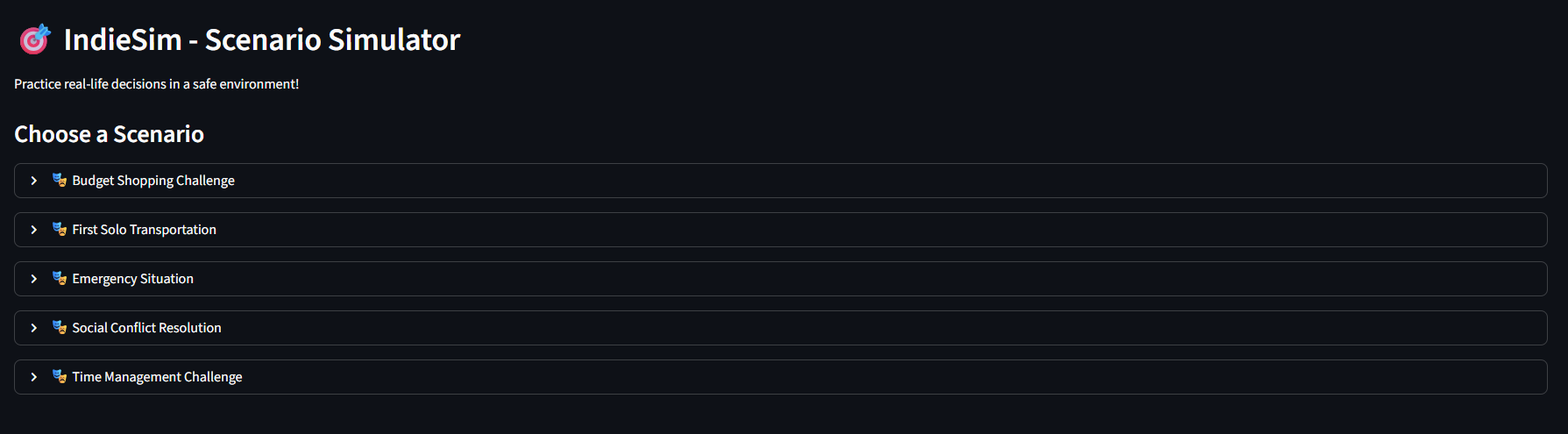
Scenario Simulator
-
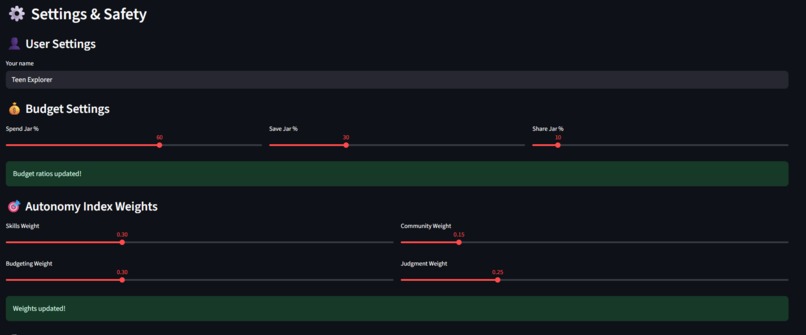
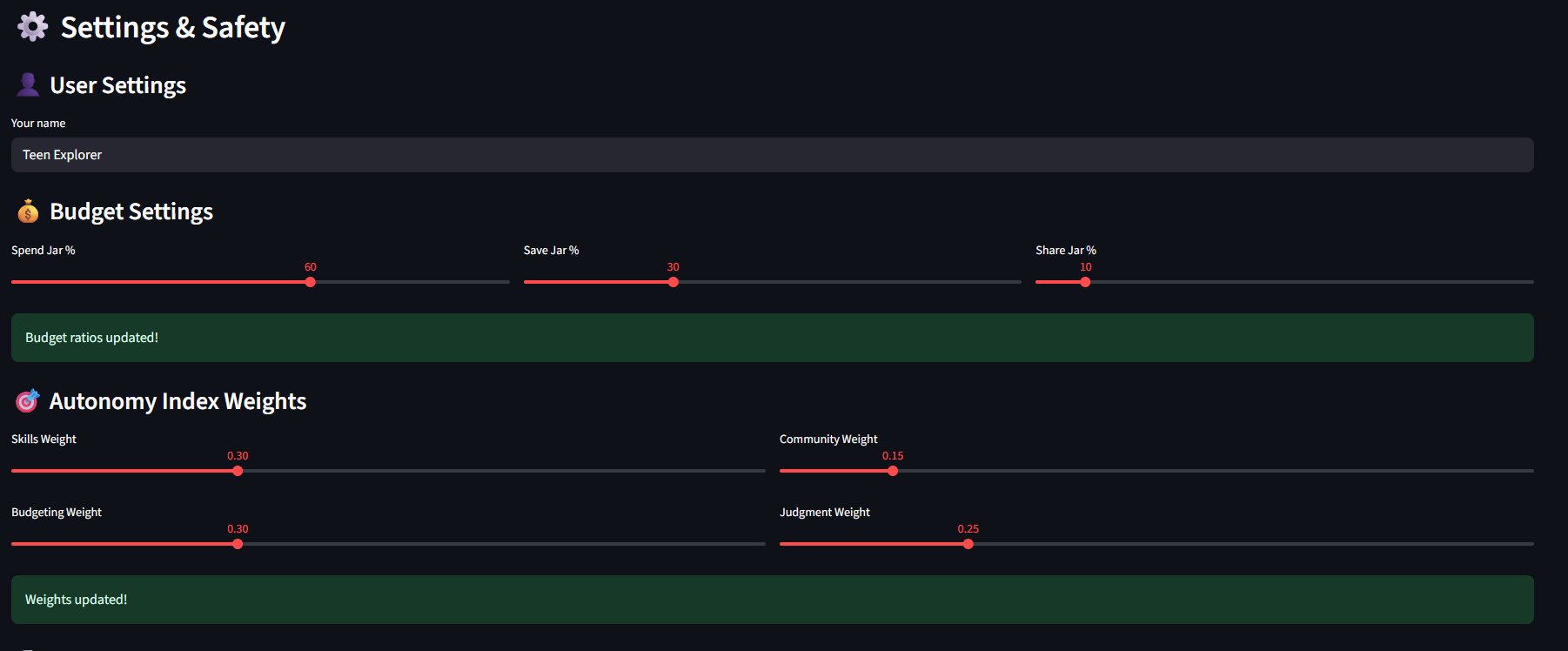
Settings
-
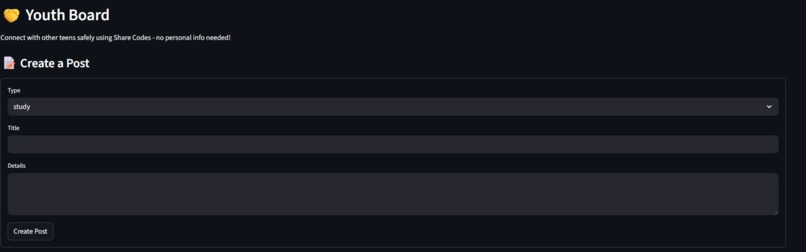
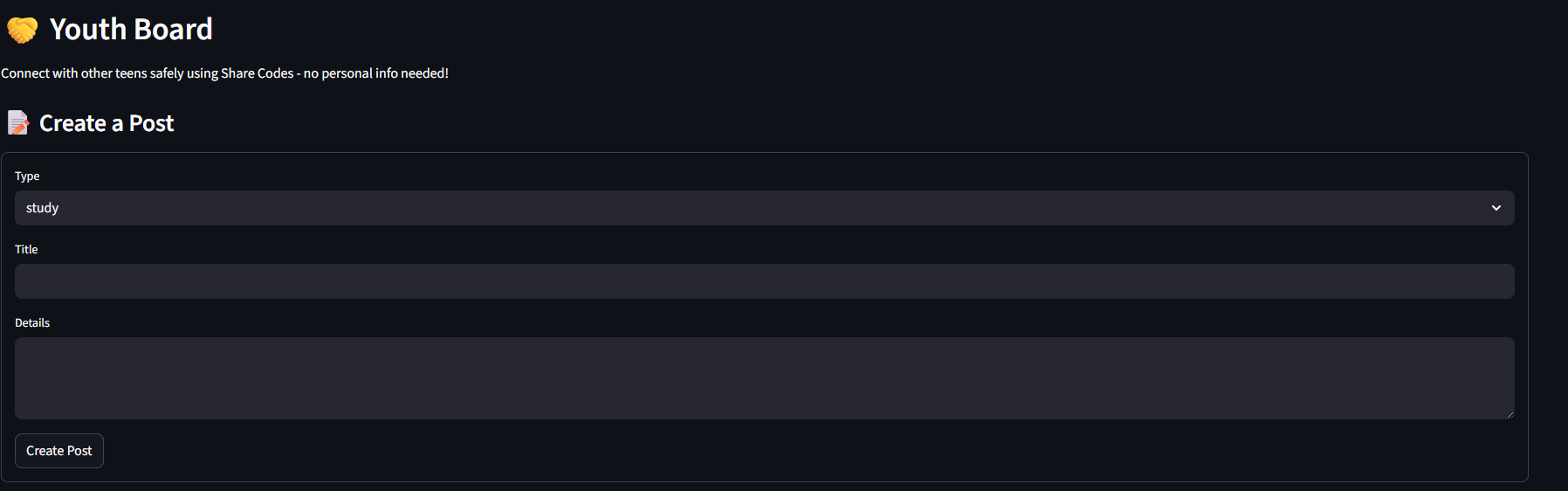
Youth Board
-
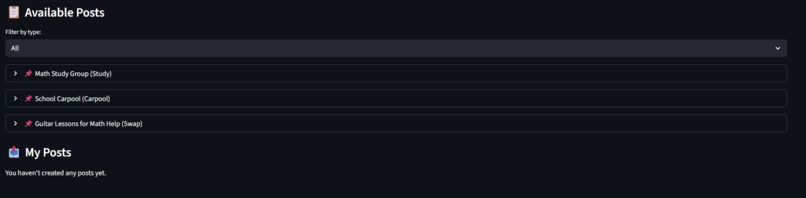
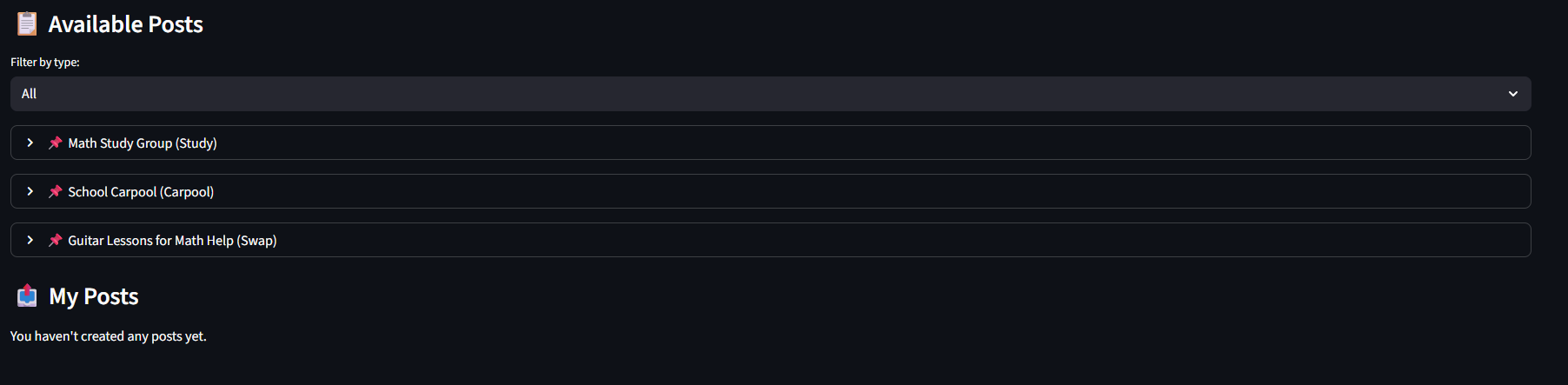
Available Posts, User Posts
-
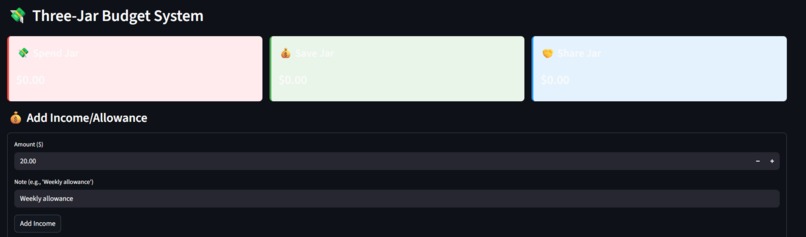
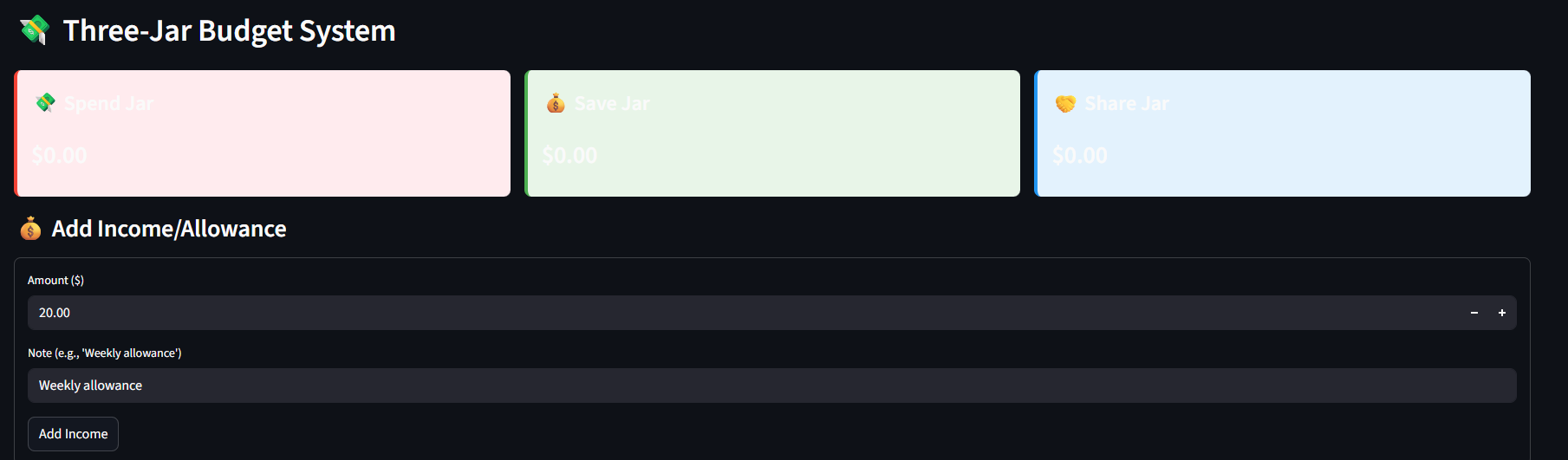
Three-Jar Budget System
-
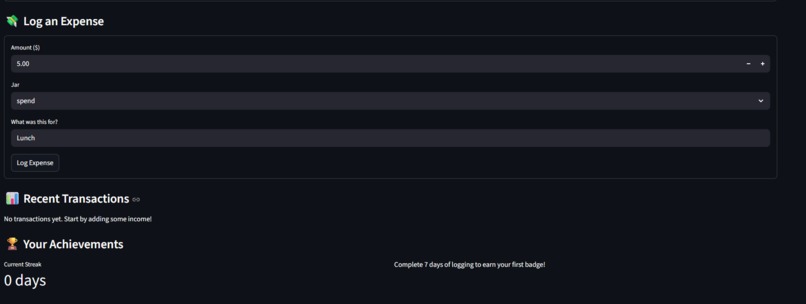
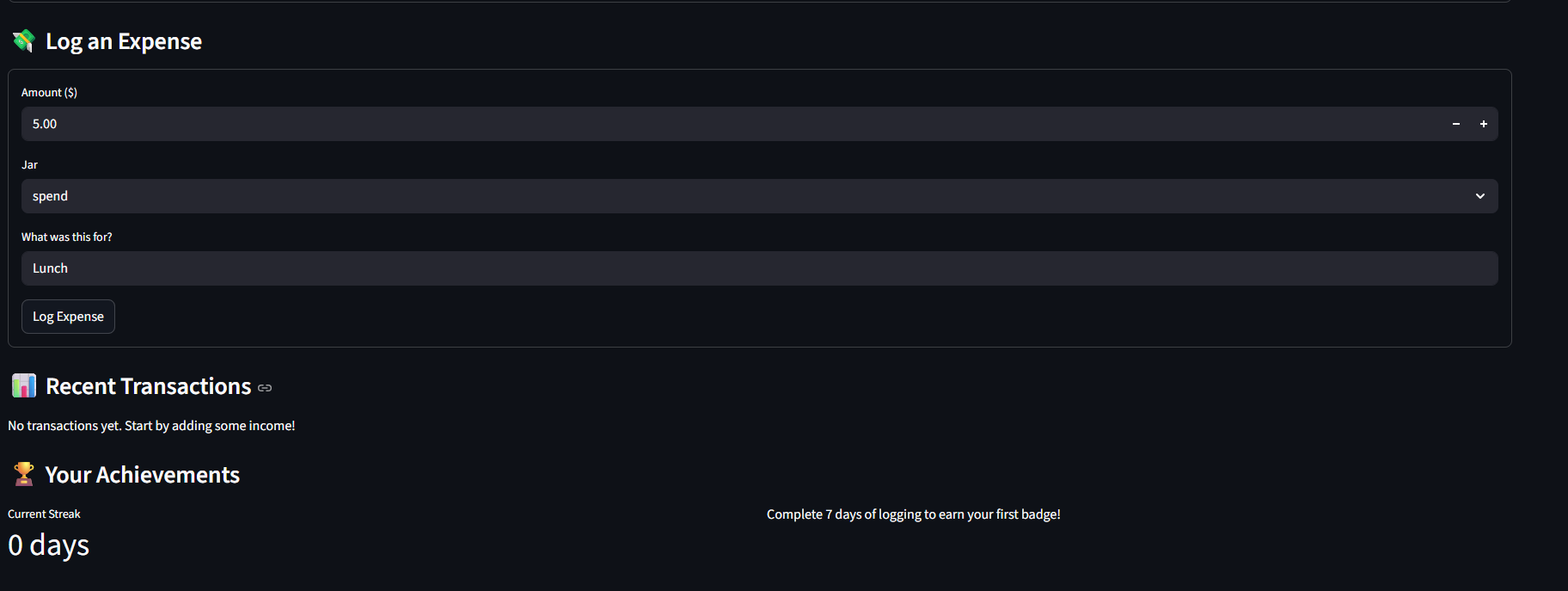
Expenses/Transactions
-
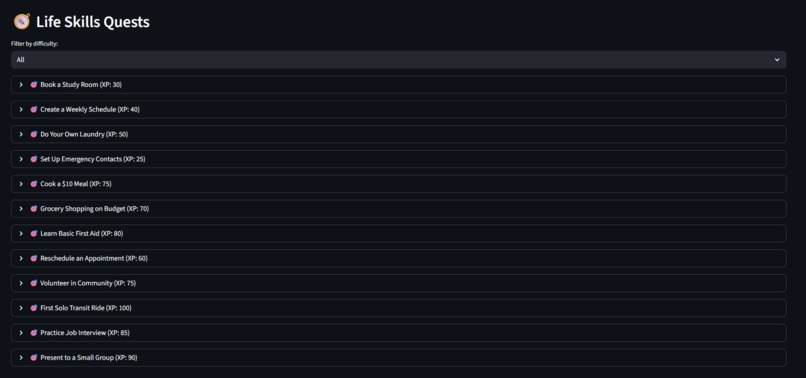
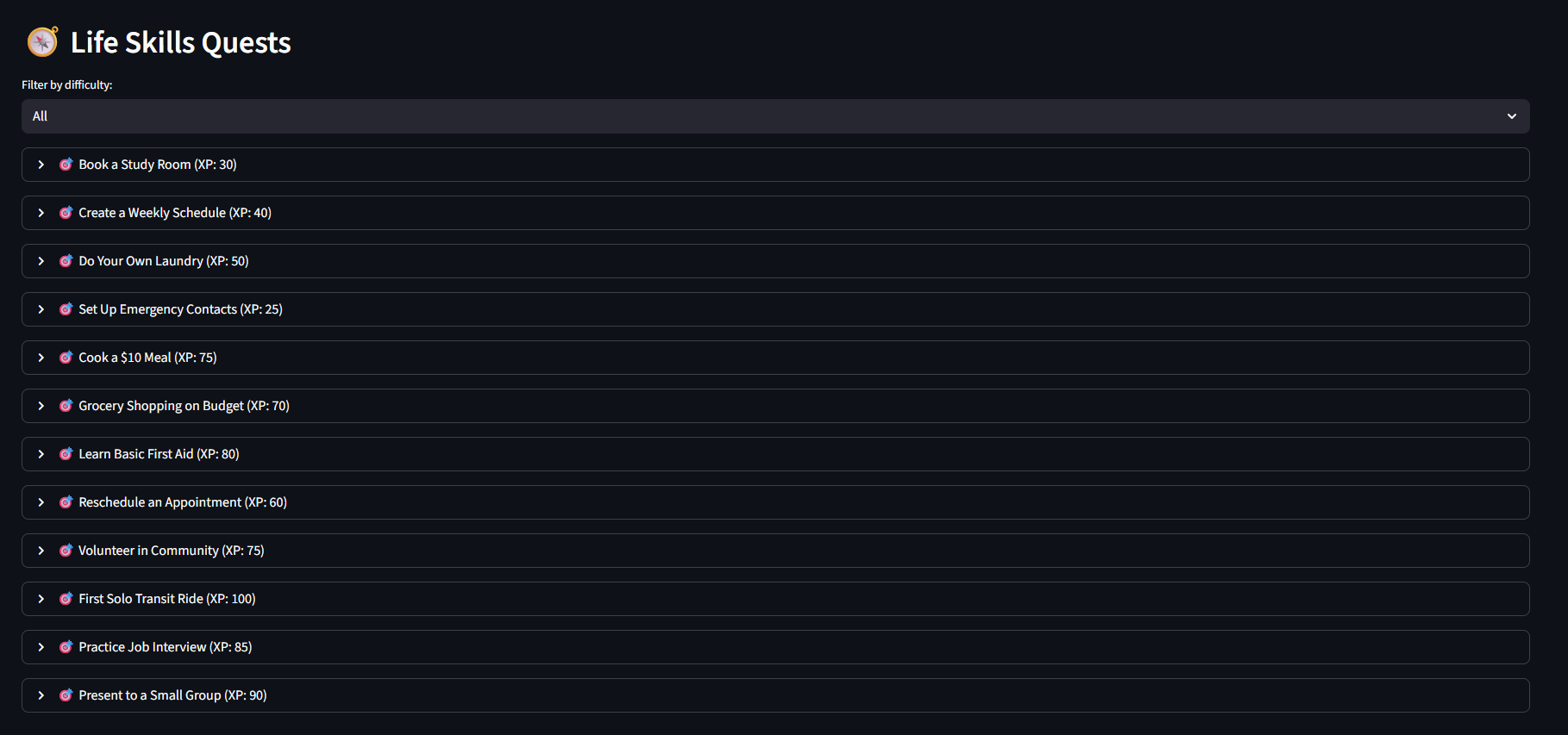
Life Skills Quests
-
-

Dashboard

Inspiration
Adolescence is the stage where teens begin seeking independence, but many existing tools for building life skills are designed for adults or lack engagement. I wanted to create something that helps teenagers develop autonomy in a safe, structured, and motivating way. My goal was to combine practicality with interactivity, making independence both educational and enjoyable.
What it does
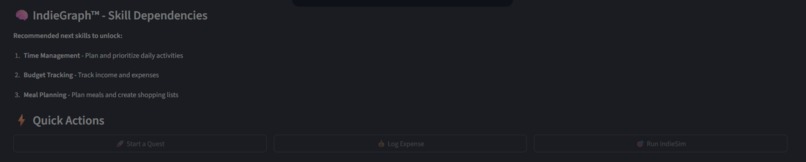
IndiePilot is a web application that helps teens build independence through budgeting, skill-building quests, community sharing, and simulated life scenarios. It features a three-jar budgeting system (spend, save, share), life skills quests with XP rewards, a youth board for safe peer-to-peer coordination, and a scenario simulator that allows teens to practice real-world decisions. All progress is tracked through an Autonomy Index, visualized on a radar chart.
How I built it
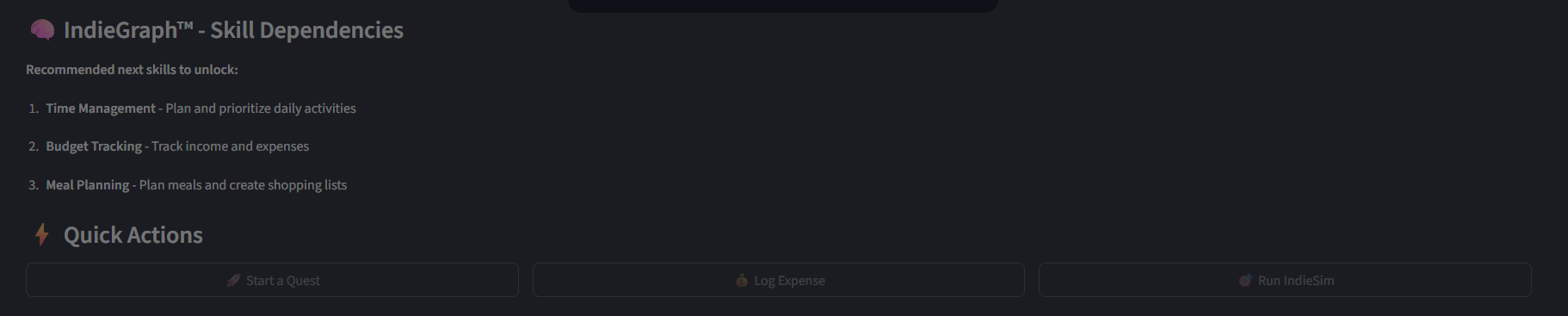
I built IndiePilot using Python and Streamlit for the interactive interface. SQLite serves as the lightweight local database to store budgets, quests, posts, and scenarios. Each feature is separated into modular components in the src/ directory for maintainability. Matplotlib powers the radar charts and data visualizations. JSON files seed data for quests, scenarios, and the independence skill graph. I developed and tested the application in VS Code and GitHub for version control.
Challenges I ran into
I encountered challenges ensuring database consistency when seeding and updating records. Streamlit session state management required careful handling to maintain user progress across tabs. Encoding issues in Windows initially caused execution errors, which I resolved by enforcing UTF-8. Another challenge was balancing complexity with simplicity to ensure the project remained accessible while still showcasing technical depth.
Accomplishments that I'm proud of
I successfully designed and implemented a unique Autonomy Index that quantifies independence growth across skills, budgeting, community, and judgment. I built a privacy-first youth board that uses share codes instead of personal information. I also created an interactive simulator where teens can safely explore decisions and learn from outcomes. Most importantly, I built an application that is functional, engaging, and aligned with the hackathon’s theme of independence.
What I learned
I learned the importance of modular architecture, with each major feature isolated in its own file for easier debugging and scalability. I gained experience working with SQLite and JSON seeding to rapidly prototype applications. I also discovered how small design details, such as streaks, badges, and clear visualizations, can significantly improve user engagement. Finally, I learned how to adapt quickly under hackathon time constraints to deliver a polished product.
What's next for IndiePilot - Your Independence Copilot
My next steps include expanding the scenario library to cover a wider range of real-life challenges, creating a mobile-friendly version, and partnering with schools or youth programs to introduce IndiePilot to a larger audience. I also plan to refine the Autonomy Index into a more robust, validated tool and explore optional mentor or guardian dashboards to enhance the support network while maintaining teen privacy.

Log in or sign up for Devpost to join the conversation.