Inspiration
Indian and Indian-American families carry some of the highest risks in the world for heart disease and type 2 diabetes, yet most nutrition apps are built around Western food and barcode scanning. Our plates are full of white rice, refined wheat, sugar, and fried foods—but our tools rarely speak the language of dal, sabzi, or biryani.
Indian NutriCare started from a simple question: What if an AI coach actually understood Indian food and could quietly push our community away from the most dangerous diet patterns? For me, this isn’t just about macros; it’s about lowering preventable heart attacks and diabetes in a community that’s losing people too young.
What it does
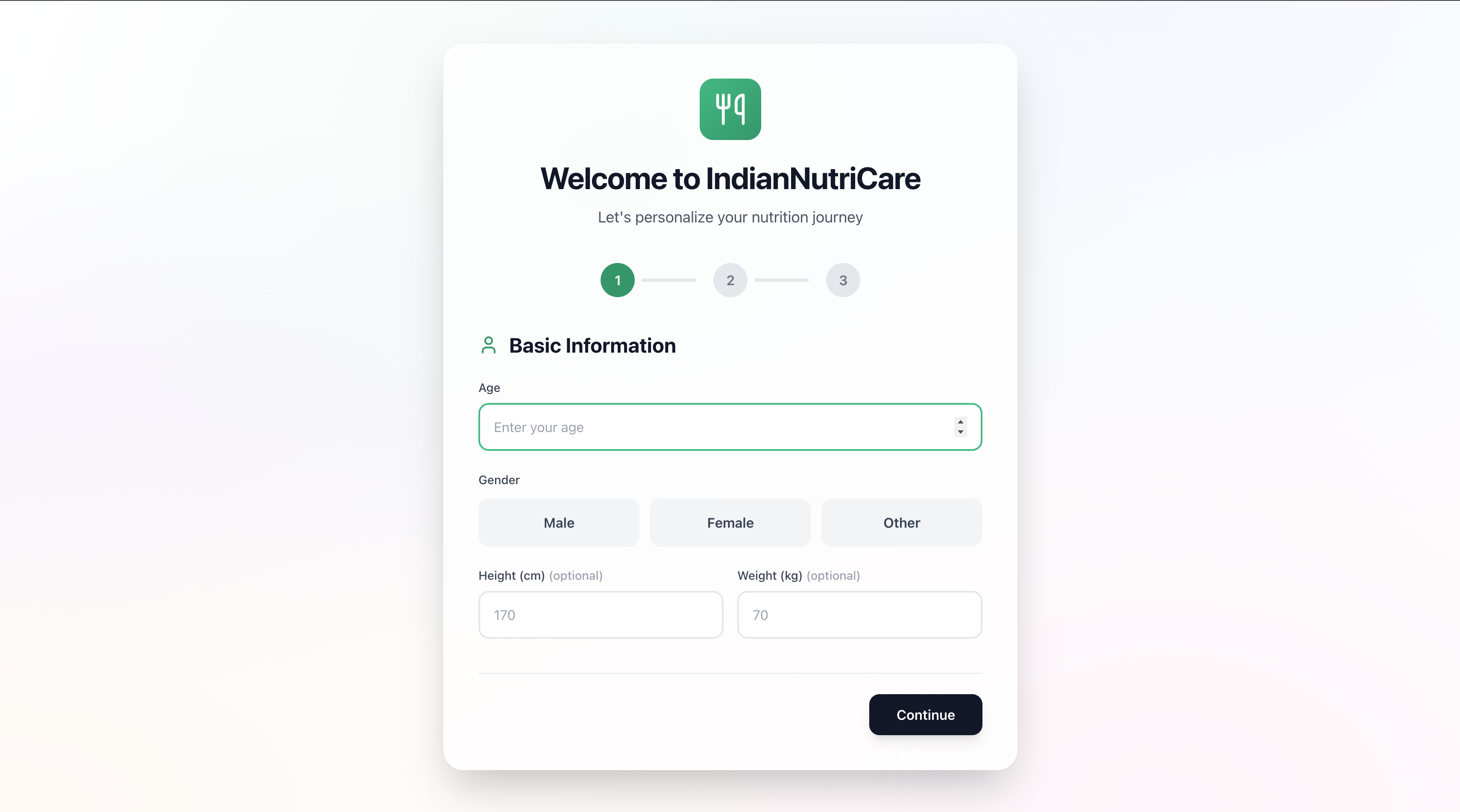
Indian NutriCare is an AI-powered nutrition platform that speaks the language of Indian cuisine and targets real health risk, not just calorie counts:
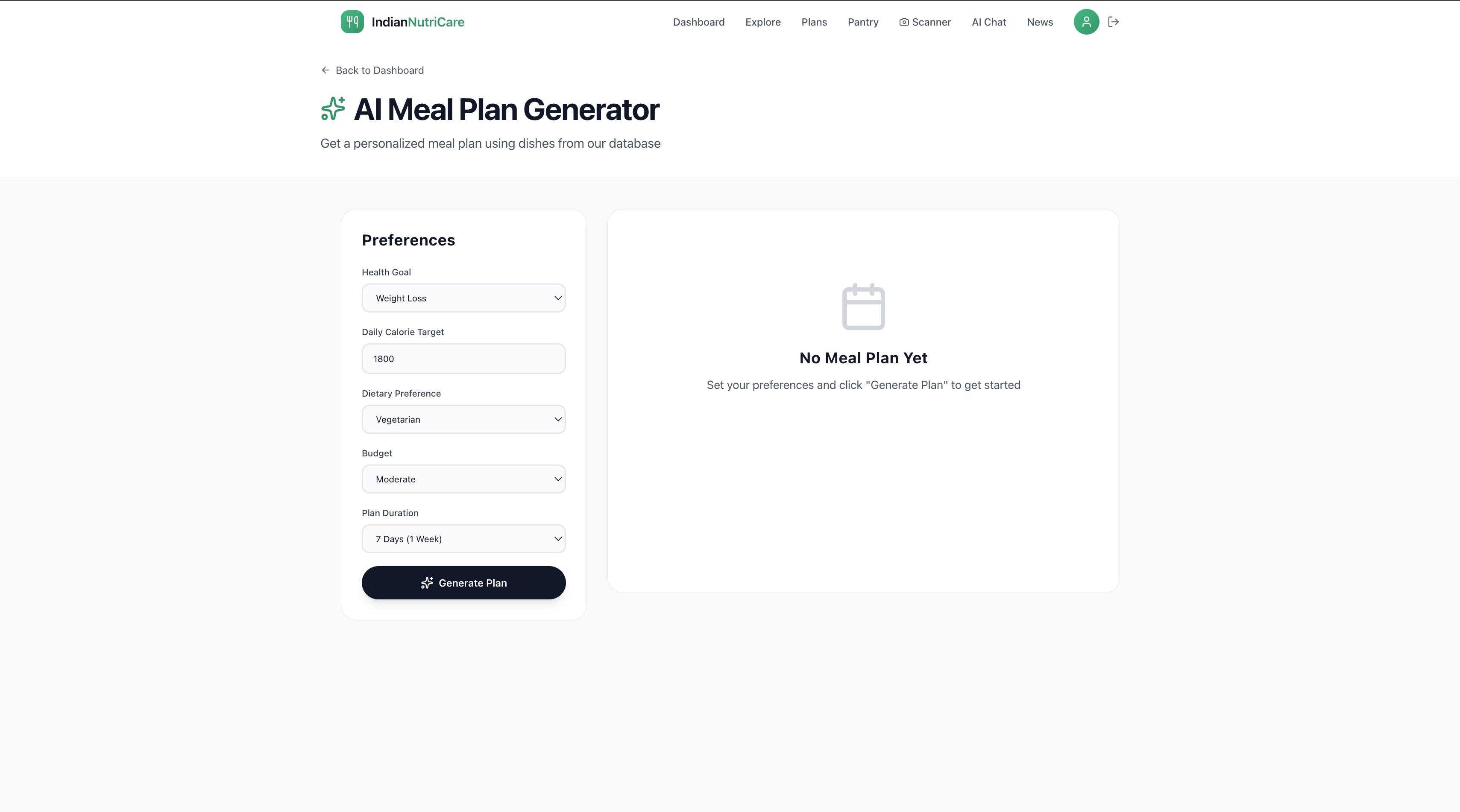
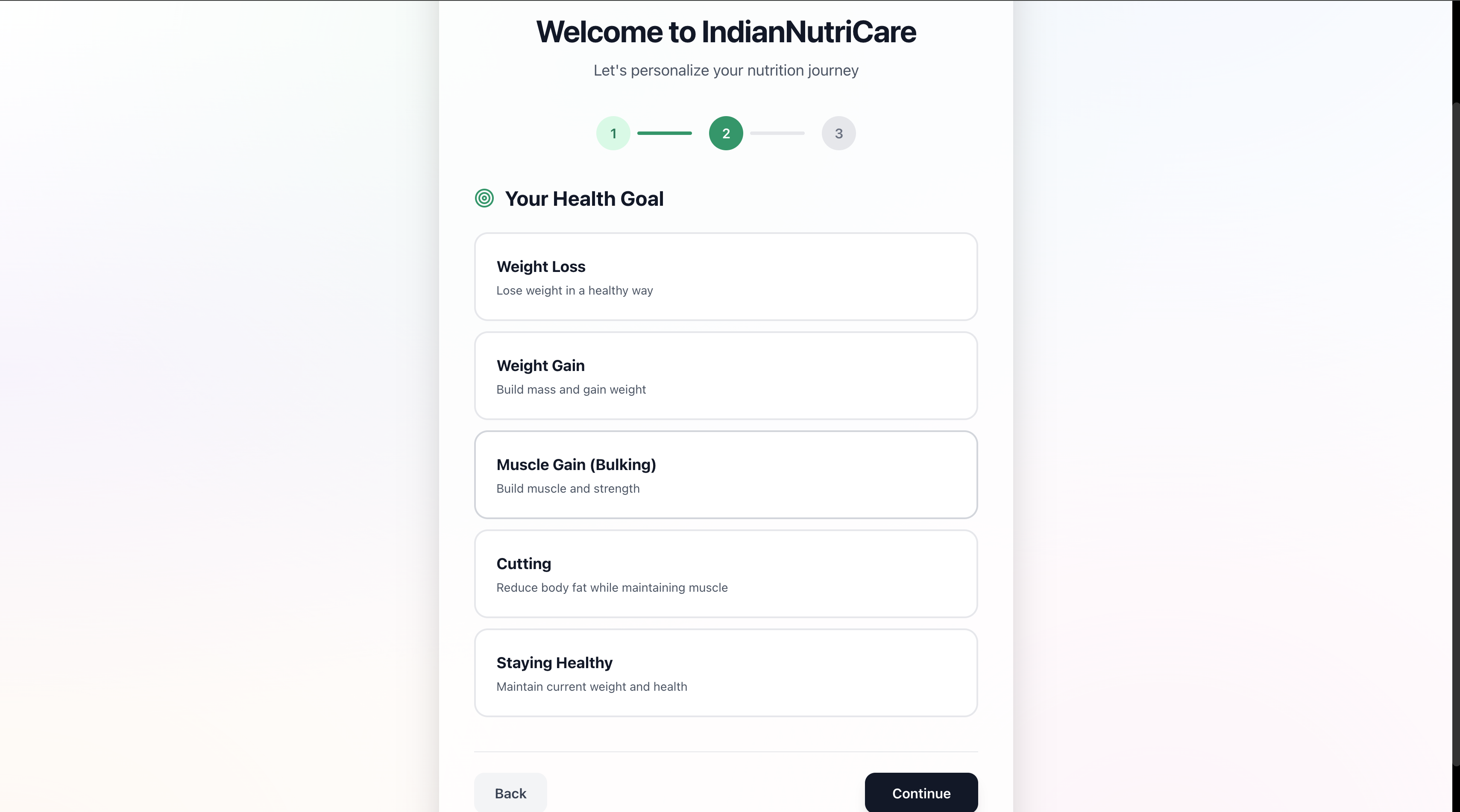
- Smart Meal Planning – Generates personalized 7-day plans with authentic Indian dishes tailored to goals like weight loss, muscle gain, or diabetes management.
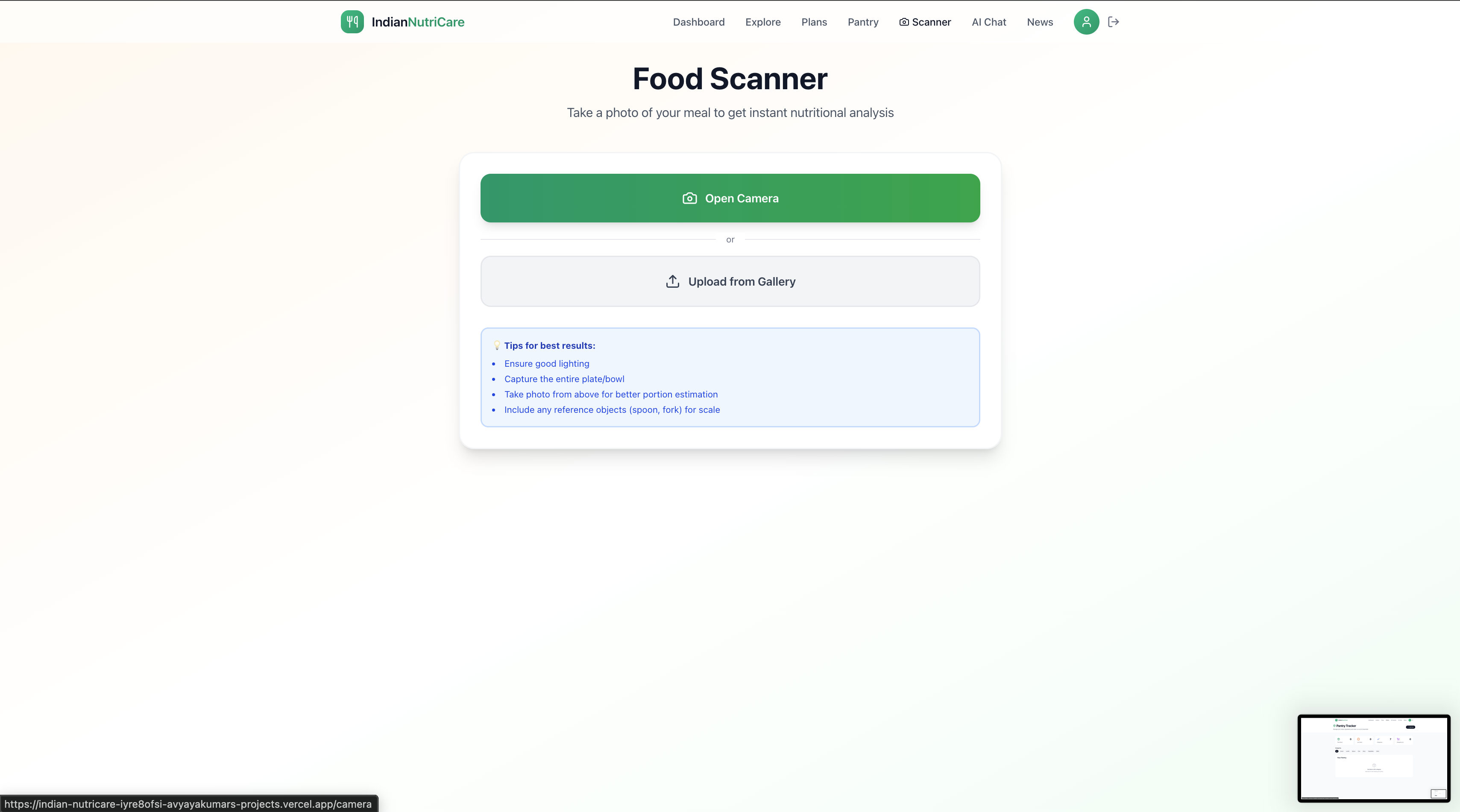
- Photo-Based Meal Logging – You snap a photo of your plate; the AI recognizes Indian dishes and logs full nutritional data instantly.
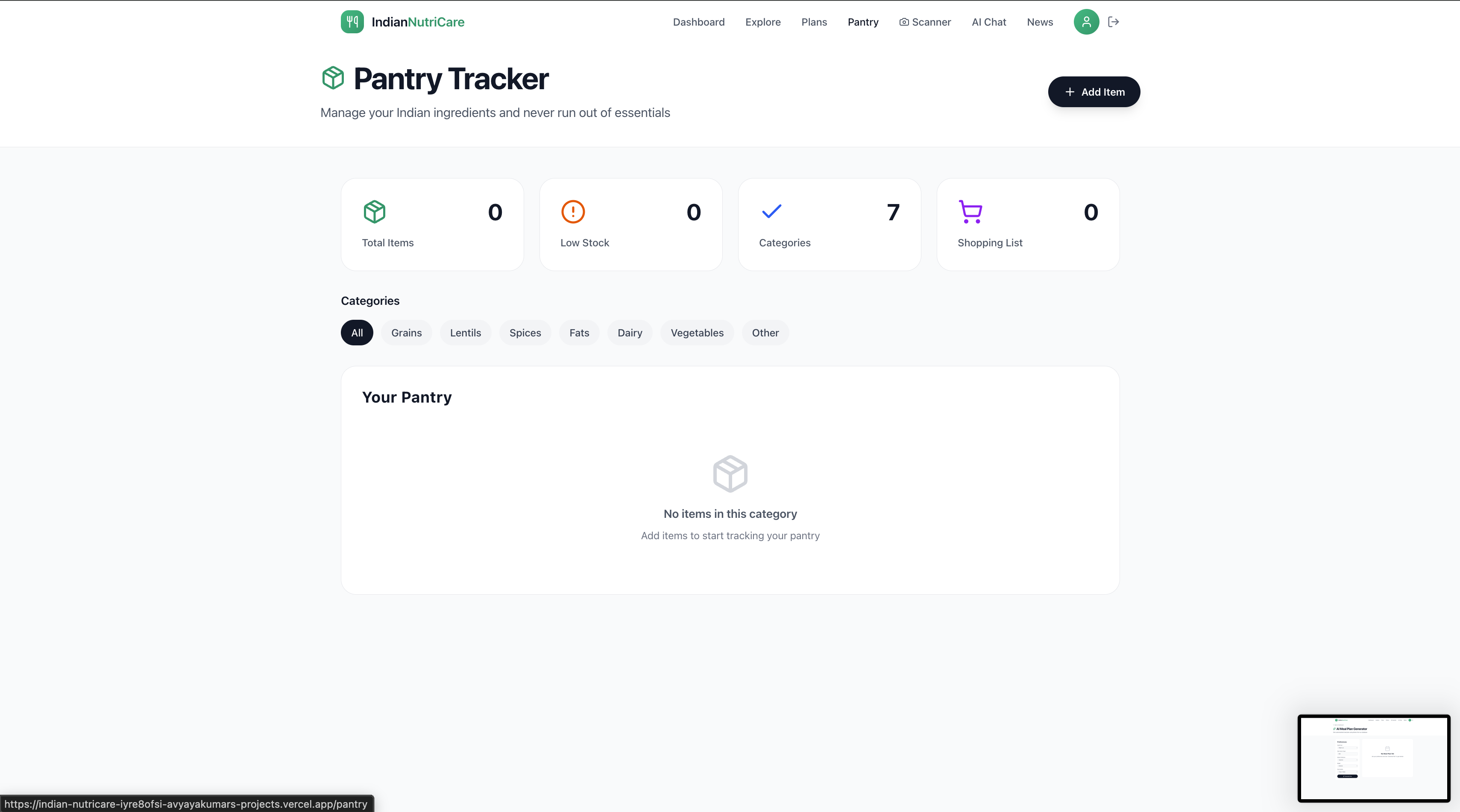
- Intelligent Pantry Management – Tracks Indian staples—from atta and basmati to ghee and turmeric—so the app knows exactly what you have.
- Automated Shopping Lists – Meal plans turn into precise Indian grocery lists, automatically subtracting what’s already in your pantry.
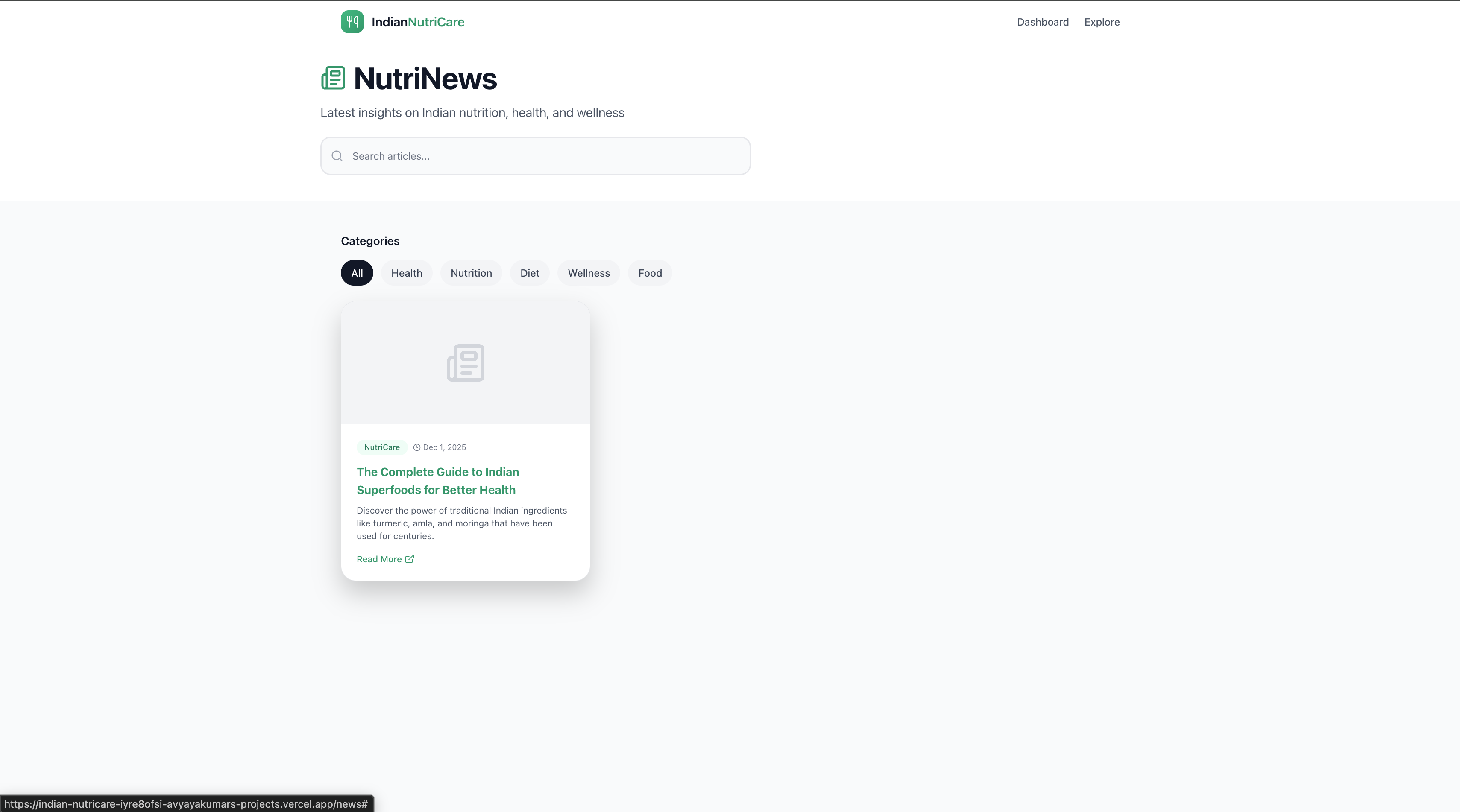
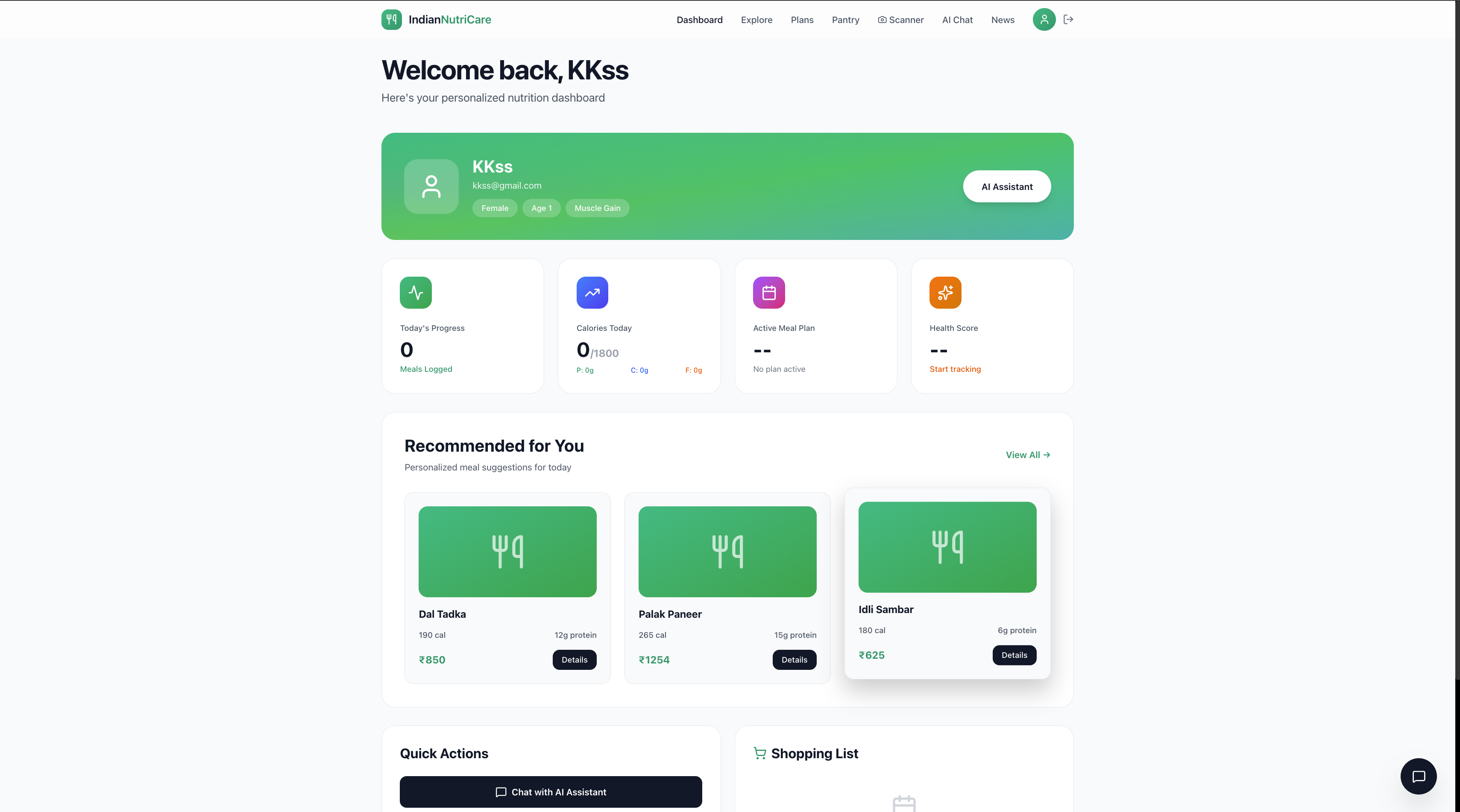
- Real-Time Nutrition Tracking – Monitors calories, protein, carbs, and fiber across every meal and shows how your daily choices move you toward or away from your health goals. Under the hood, the goal is simple: make it effortless for Indian families to move from high-risk eating patterns toward safer, heart-healthy ones without giving up the food they love.
How I built it
I built Indian NutriCare as a production-ready, AI-native web app:
- Frontend: Next.js 16 with React 19 for a fast, responsive interface across dashboard, scanner, plans, pantry, and chat.
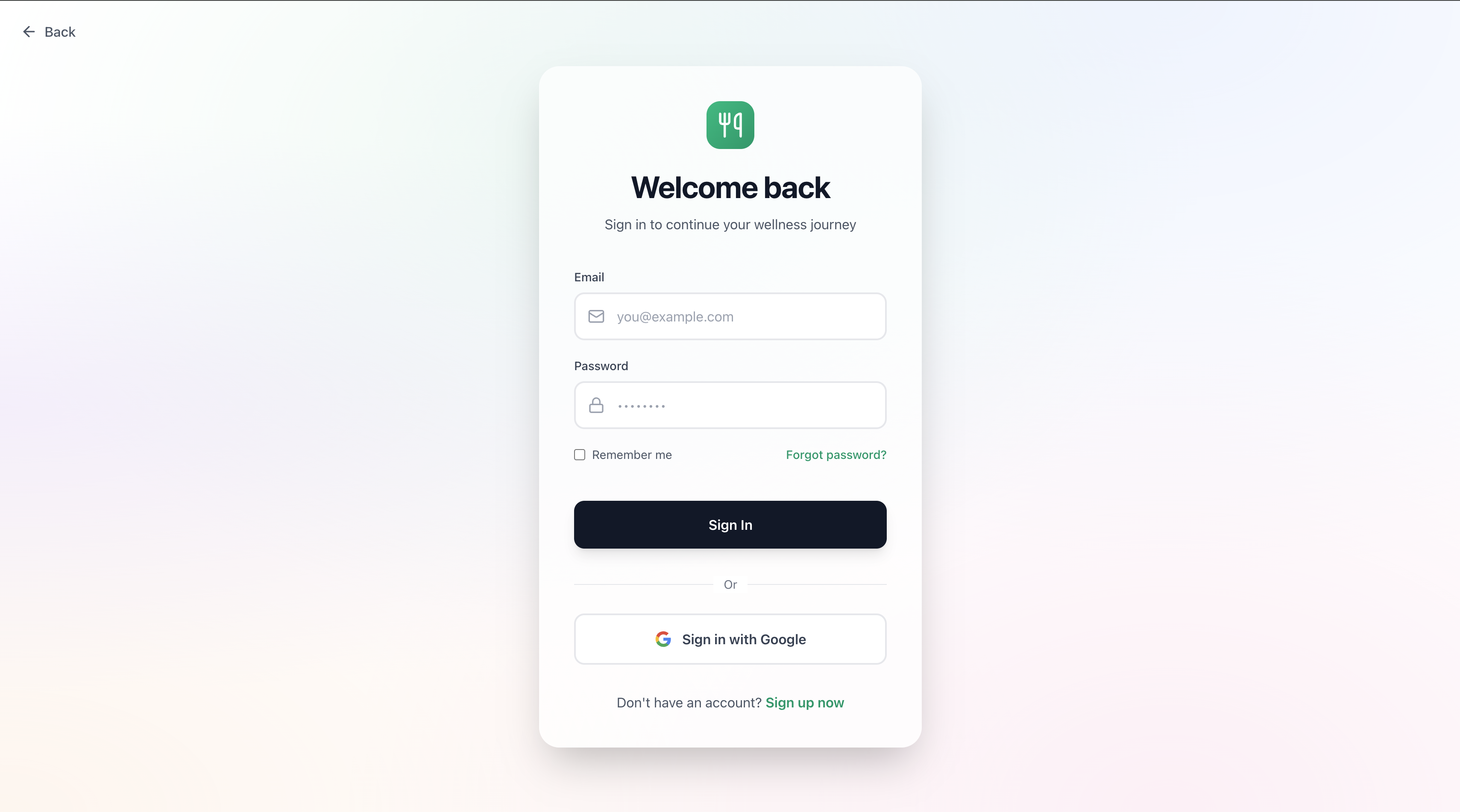
- Backend: Firebase for Authentication, Firestore, and Storage, giving real-time sync and secure user management.
- AI Engine: Google Gemini 2.0 Flash powers meal-plan generation, recipe analysis, and photo-based food recognition tuned for Indian cuisine.
- Architecture: A multi-agent AI system with dedicated agents for nutrition analysis, meal planning, pantry management, and user coaching.
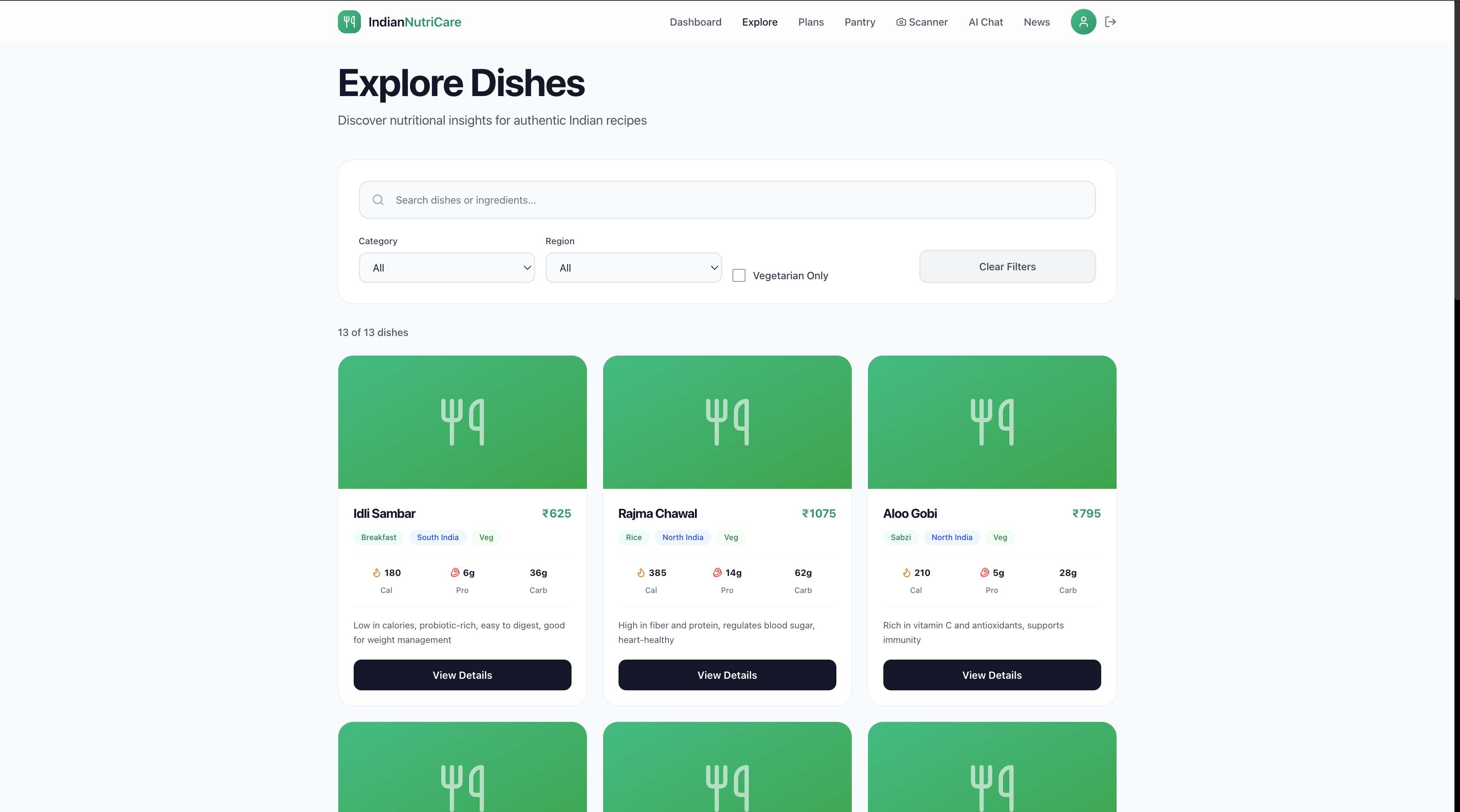
- Data: A curated database of 500+ Indian dishes with complete nutritional profiles, plus an ingredient model tailored to Indian staples.
- Deployment: Deployed on Vercel (Mumbai region) for low-latency access in both India and the U.S. Everything is wired so that one photo or one plan update flows through the system—updating your logs, pantry, shopping list, and health dashboard in real time.
Challenges I ran into
- Google OAuth in production: Firebase signInWithPopup failed on mobile browsers. I had to migrate to signInWithRedirect, carefully manage auth state, and stop redirect loops in production.
- Meal photo recognition for Indian food: Generic models treated everything as “curry.” I built a custom prompt-engineering system around Gemini, with regional examples, to distinguish chole bhature from aloo paratha, and coconut-based Kerala curries from tomato-based North Indian gravies.
- Real-time sync across devices: Users scan on their phones but plan on laptops. I used Firestore’s real-time listeners with optimistic updates while avoiding infinite loops and stale state.
- Indian ingredient tracking: Standard grocery datasets didn’t cover things like different attas, dals, and regional spices. I created a comprehensive ingredient database that understands these variations.
Accomplishments that I'm proud of
- Built an end-to-end platform in hackathon time with production-ready auth, real-time sync, AI meal planning, photo logging, pantry intelligence, and dashboards.
- Debugged a real production auth failure that was preventing all new sign-ups—tracked it down through redirect flows, fixed environment variable encoding, and shipped a working Google sign-in on web and mobile.
- Got AI to truly “see” Indian food, capturing differences between Punjabi chole and Bengali chana, or between regional curries, instead of collapsing everything into “curry with rice.”
- Made tracking nearly effortless: one photo replaces 10 minutes of manual entry, which lowers the biggest barrier to consistent, long-term behavior change.
- Kept the mission front and center: every feature is designed around lowering diabetes and heart-disease risk in Indian and Indian-American communities, not just chasing engagement metrics.
What I learned
- Firebase Authentication is deceptively complex. OAuth redirects, state persistence, and cross-page auth flows need deliberate architecture to avoid race conditions and broken sessions.
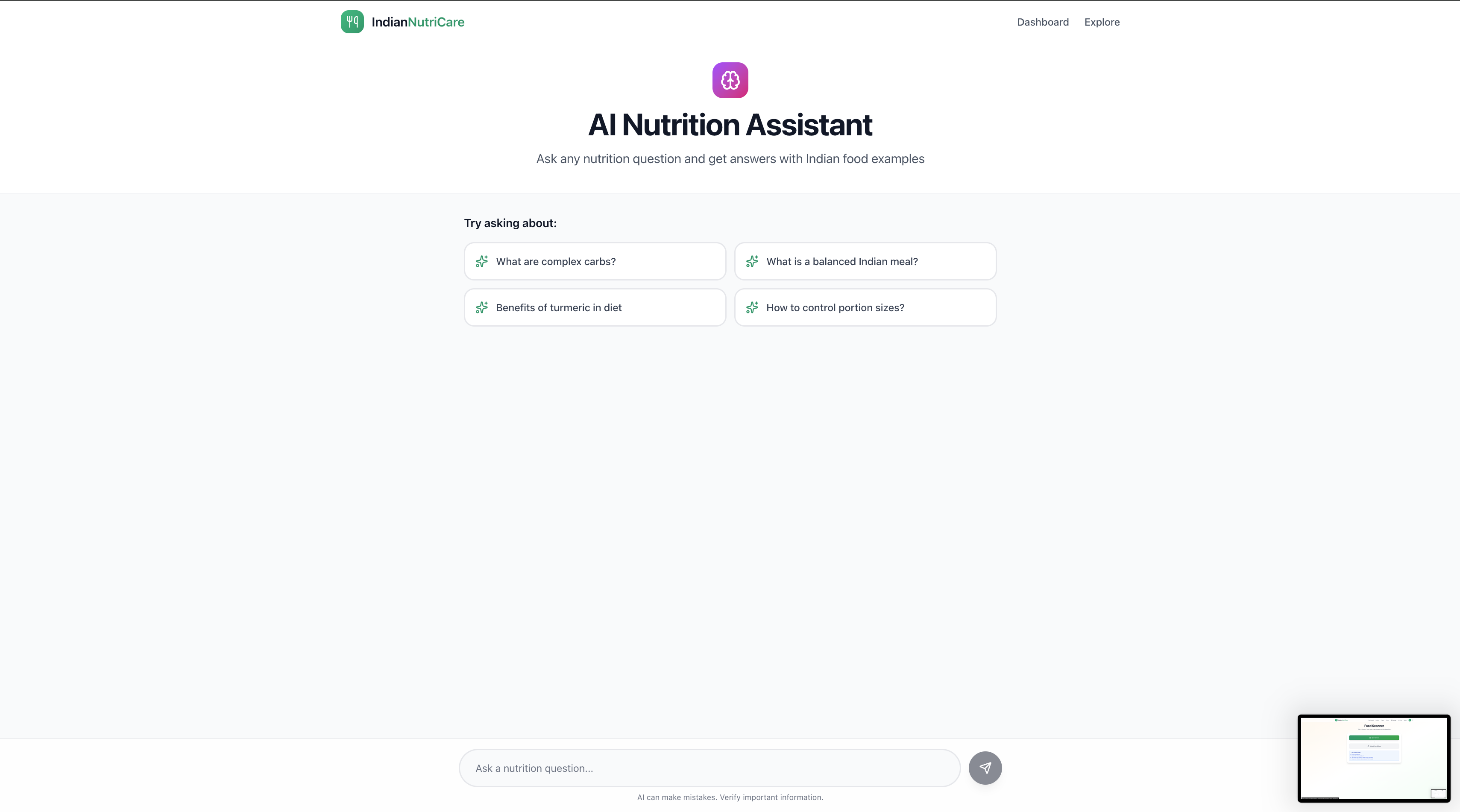
- Prompt engineering matters as much as model choice. Getting Gemini to reliably identify Indian dishes require context, carefully chosen examples, and strict output formats.
- Real-time data changes user expectations. Once Firestore listeners were in place, users expected instant cross-device updates, which forced me to handle edge cases like offline edits and overlapping writes.
- Cultural specificity is key to health equity. Generic “eat more salad” advice doesn’t work for Indian Americans. When the app respects our food culture and offers realistic swaps—like changing the type of carb or fat instead of banning the dish—people are more likely to stick with it, and that’s where lives are saved.
What's next for Indian Nutricare
To move from prototype to a truly life-saving platform for Indian-origin communities globally, I’m focusing on:
- Restaurant integration: Let users scan or select from Indian restaurant menus and get instant nutritional estimates, not just for home-cooked food.
- Health metric integration: Connect with glucose monitors, fitness trackers, and health apps to show exactly how specific Indian meals impact blood sugar, weight, and long-term risk.
- Recipe substitutions: Use AI to suggest heart-healthier, diabetes-friendly tweaks to classics—like swapping heavy cream for yogurt-based gravies or nudging part of the rice to millets—without killing flavor.
- Community features: Allow users to share meal plans, recipes, and progress with other Indian Americans working toward lower A1C, better lipid profiles, and healthier weights.
- Regional expansion: Move beyond North Indian dishes to fully support South Indian, Bengali, Gujarati, and other regional cuisines with accurate nutritional profiles.
- Clinical validation: Partner with endocrinologists and cardiologists to measure how much our plans actually cut diabetes and heart-disease risk in Indian-American populations.
Built With
- cloud
- eslint
- firebase
- framer
- gemini
- javascript
- langchain
- lucide
- next.js
- postcss
- react
- tailwind
- typescript

Log in or sign up for Devpost to join the conversation.