-
Screen 2
-
-
-
-
-
Scre
-
As
Inspiration
What it does
How we built it
Challenges we ran into
Accomplishments that we're proud of
What we learned
What's next for IncidentMind AI
Inspiration
Simulated incident response training is often static, repetitive, or isolated in text-based docs. When production systems fail or face critical zero-day threats, engineering teams need to act under pressure without risking real infrastructure. We wanted to build a dynamic, high-stakes SRE & Security War Room simulator that challenges developers to handle complex infrastructure crises in real time.
What it does
IncidentMind AI turns complex system failures and security breaches into interactive, live training grounds.
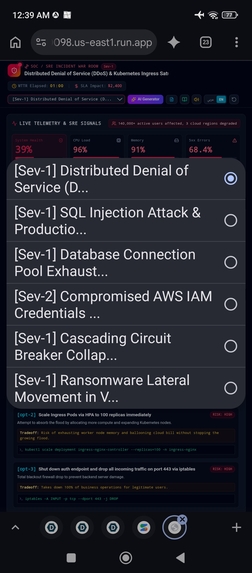
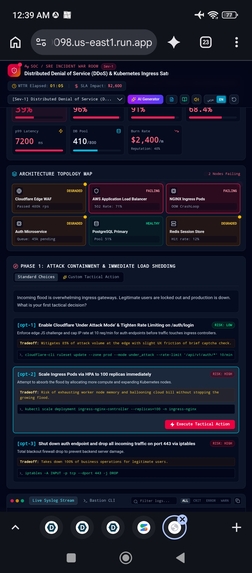
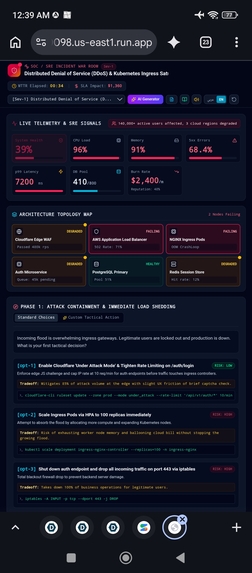
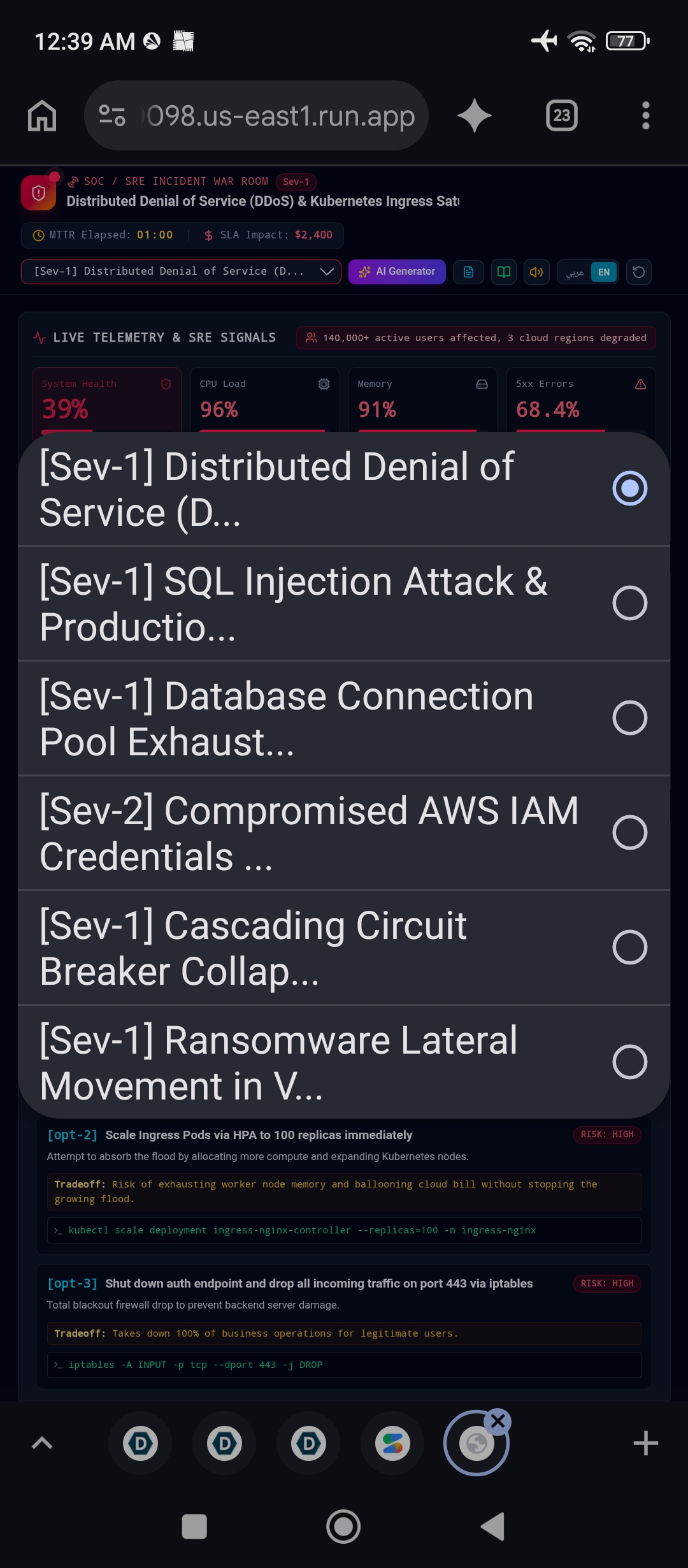
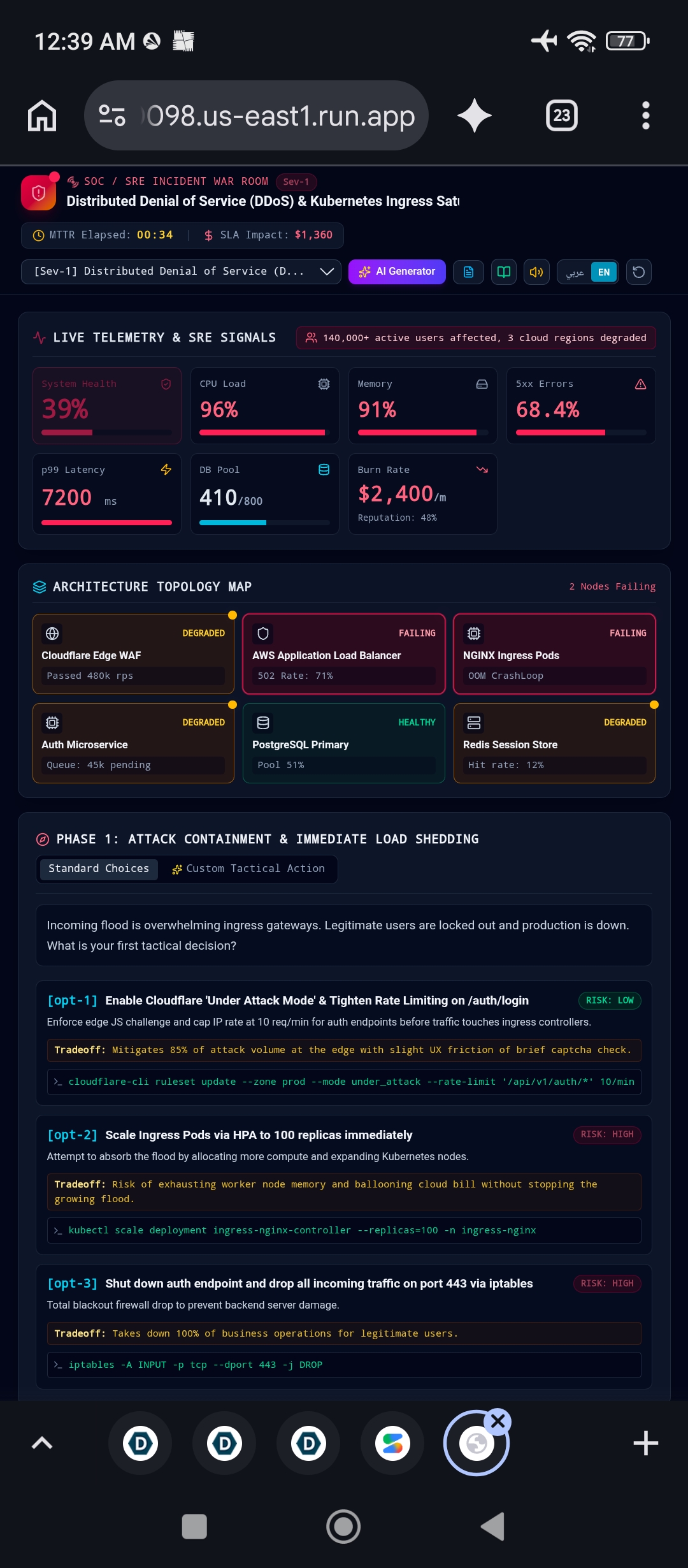
Dynamic Scenario Generation: Leverages Google's Gemini 1.5 / 2.0 / Flash models to dynamically generate real-world incidents (e.g., Log4j Zero-Day RCE, DDoS attacks, IAM token leakage).
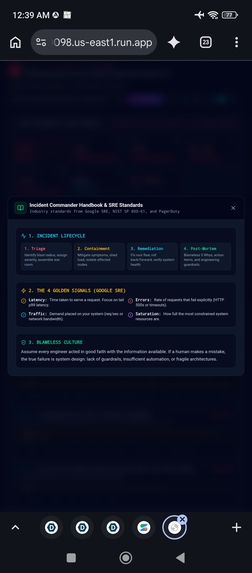
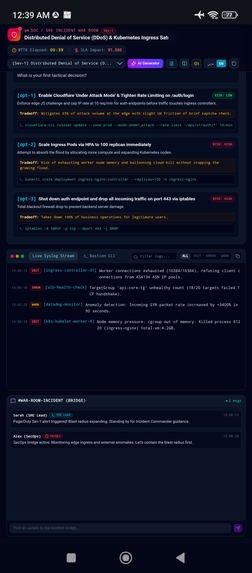
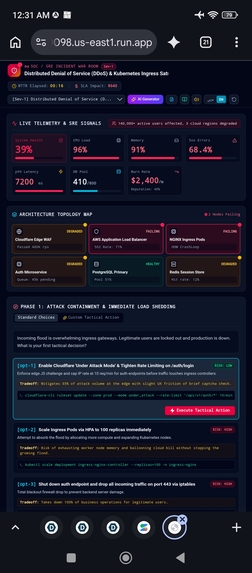
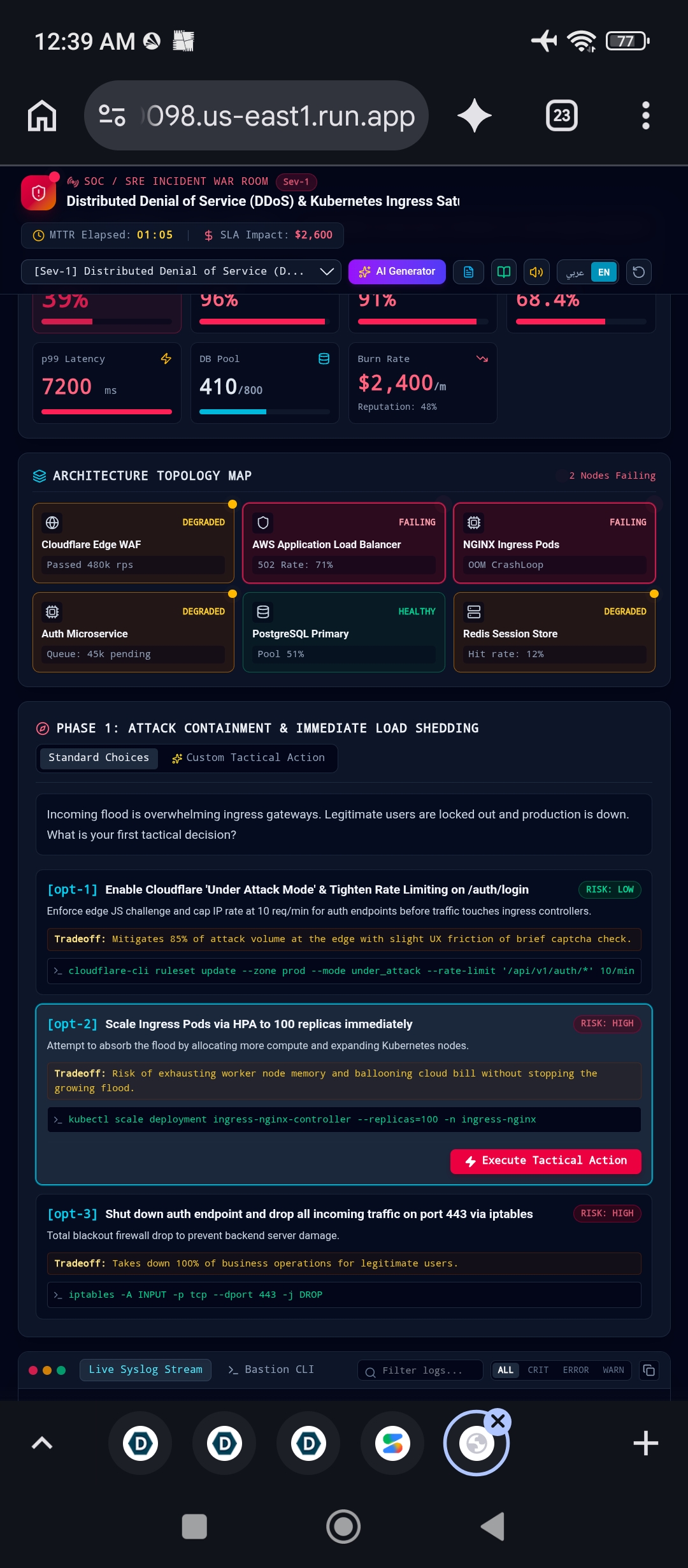
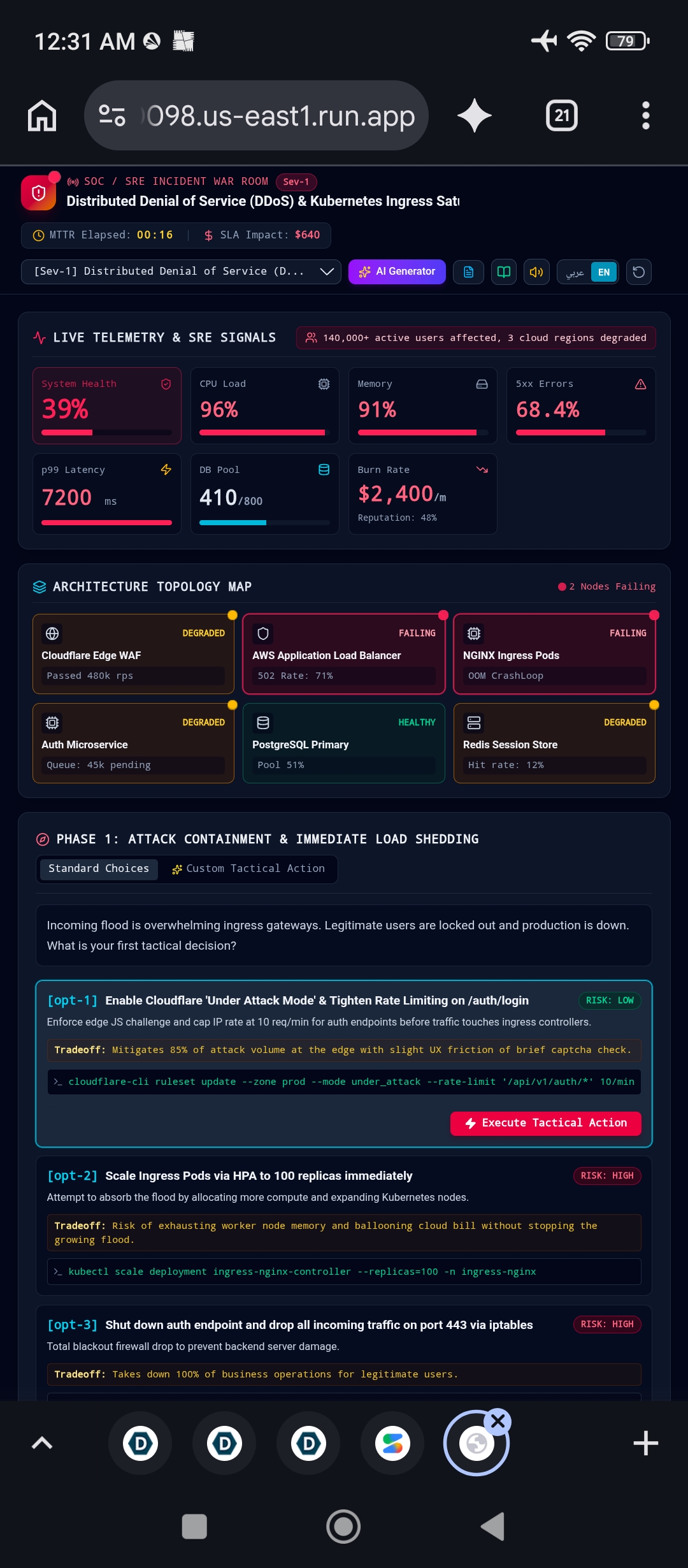
Live Telemetry & Topology: Features a simulated dashboard showing real-time CPU, RAM, error rates, and infrastructure topologies.
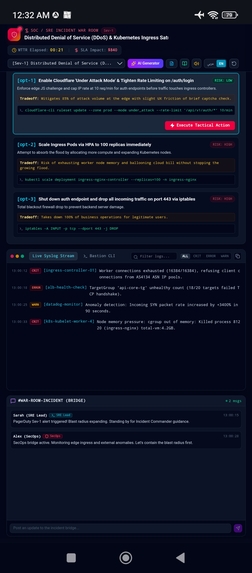
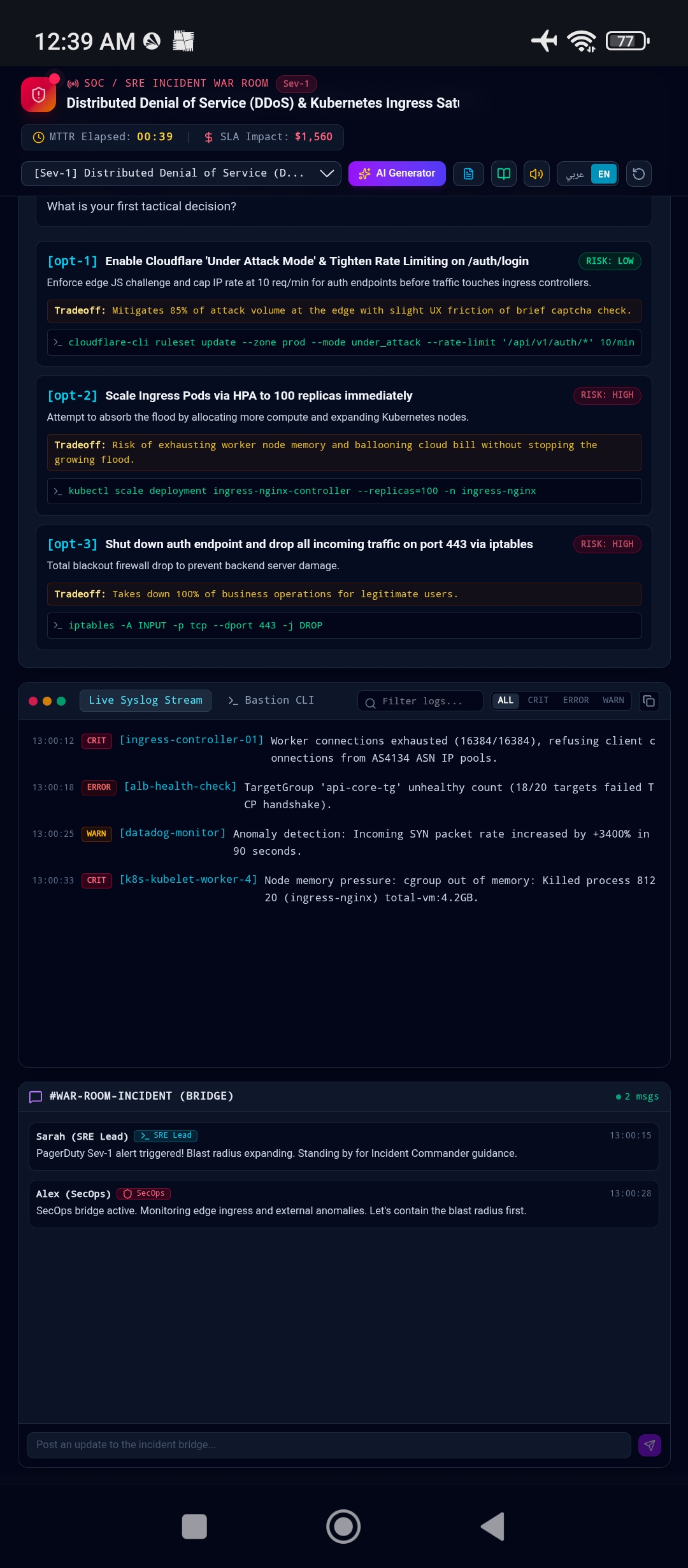
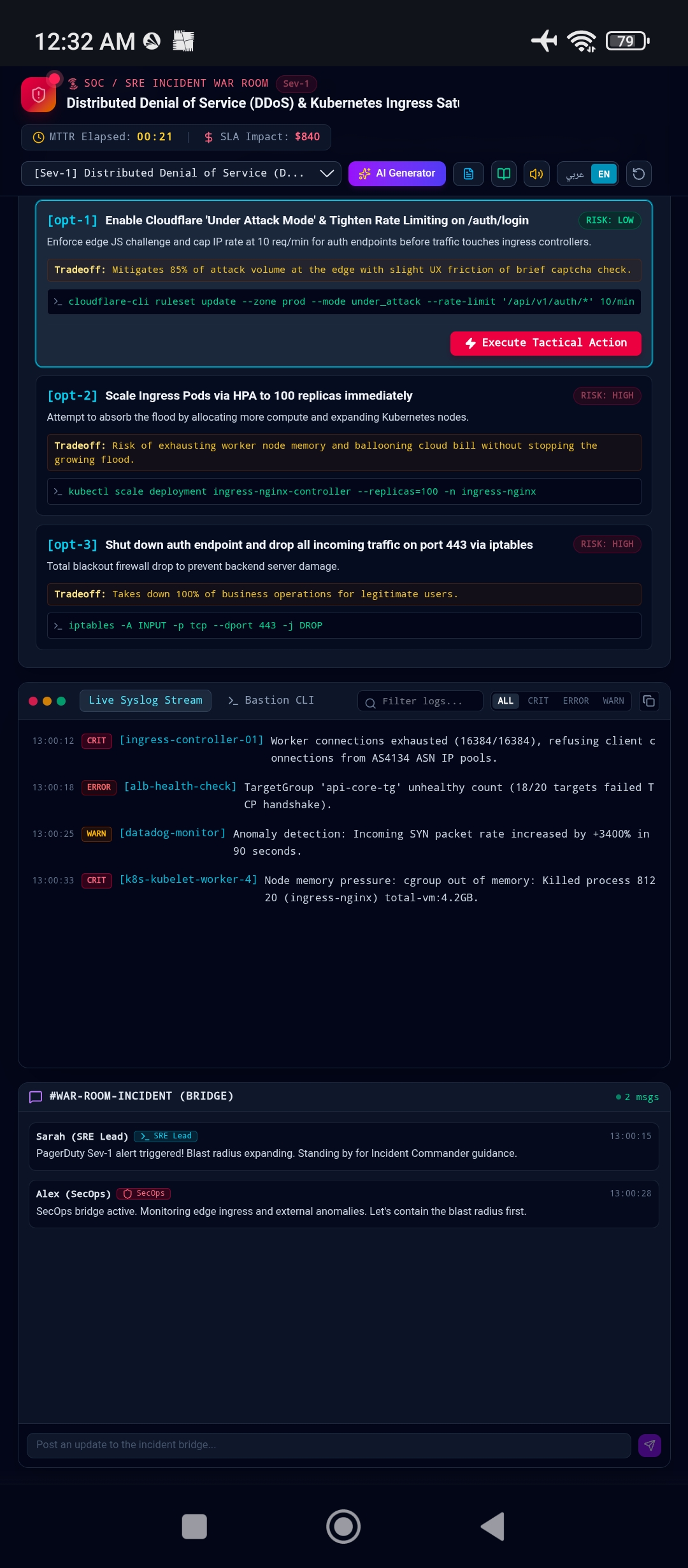
Strategic Triage: Presents developers with actionable containment strategies and CLI commands (e.g., Kubernetes NetworkPolicies, IAM Revocations).
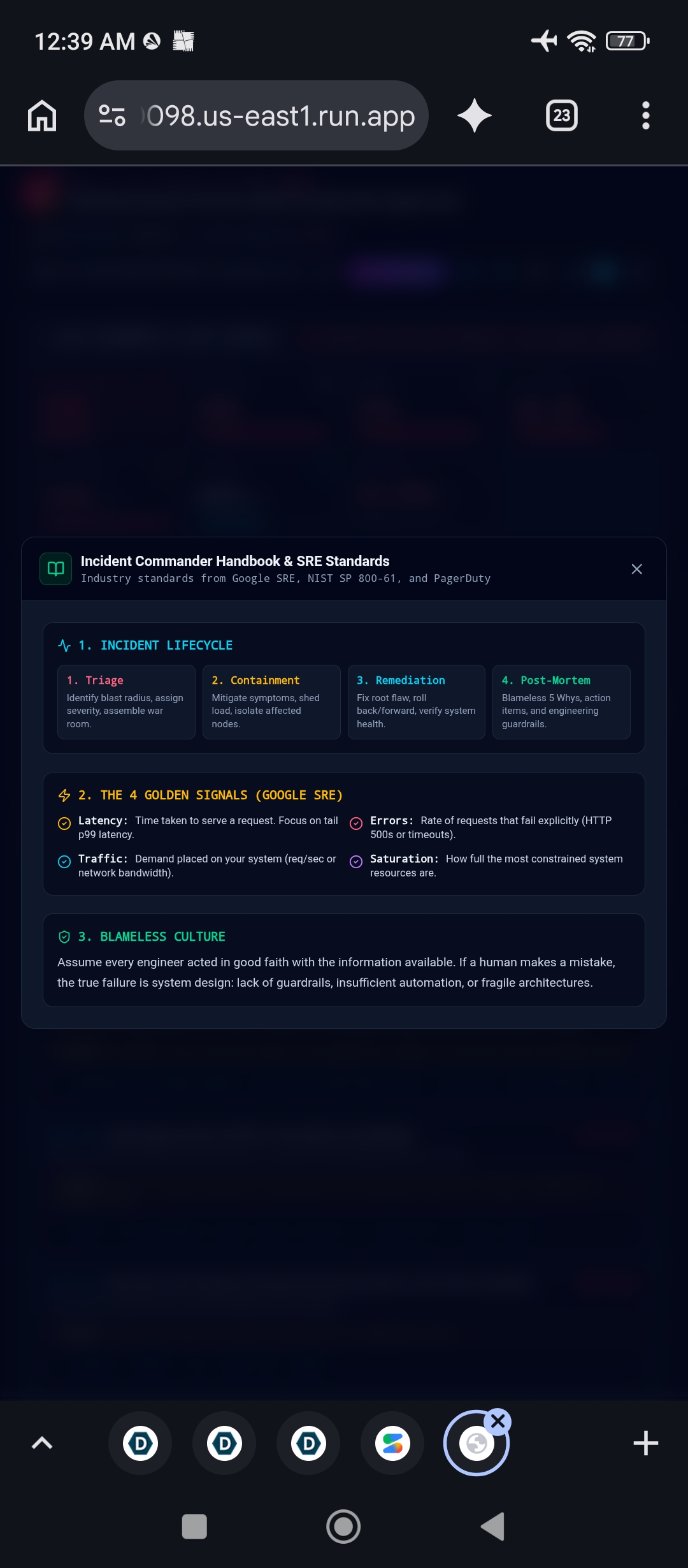
AI Performance Evaluation: Evaluates decisions on-the-fly and provides detailed post-incident reviews to strengthen response protocols.
How we built it
Frontend & UI: Built with React and Tailwind CSS to render a dark-mode, high-density SRE War Room dashboard.
AI Engine: Integrated Google Gemini API via Google AI Studio to generate realistic, context-aware telemetry data, system logs, and mitigation strategies dynamically.
Backend & Logic: Powered by a lightweight Python (Flask) service to maintain incident states, evaluate user choices, and track real-time metric changes.
Challenges we ran into
Dynamic Log Generation: Balancing LLM responses so that generated Syslogs and technical options reflect accurate system behavior without hallucinating invalid CLI syntax.
State Management: Syncing active telemetry numbers (e.g., CPU spikes, financial loss metrics) seamlessly with user triage decisions in real time.
Accomplishments that we're proud of
Building a fully functional, highly immersive War Room UI that feels like an enterprise-grade monitoring dashboard.
Successfully generating realistic zero-day threat scenarios and mitigation steps using Gemini API within tight execution constraints.
What we learned
How to effectively harness generative AI for realistic technical simulation rather than basic text chat. The importance of intuitive UX when presenting complex technical data during high-stress scenarios.
What's next for IncidentMind AI
Multiplayer War Rooms: Allowing entire security and SRE teams to collaborate in shared incident channels simultaneously. Custom Infrastructure Upload: Allowing organizations to upload their own architecture files (Terraform/Kubernetes manifests) to simulate custom-tailored incident response scenarios.
Link web https://ais-pre-fhbb4gxczzq4wpiu6qo5xc-216312400098.us-east1.run.app/
Built With
- ai
- amazon-web-services
- api
- css
- cybersecurity
- devops
- docker
- flask
- gemini
- generative
- incident
- javascript
- kubernetes
- llm
- python
- react
- sre
- studio
- tailwind
- typescript

Log in or sign up for Devpost to join the conversation.