Here's how you could outline those sections for your InboxInspector project:
Inspiration The idea for InboxInspector was inspired by the increasing volume of spam emails that clutter inboxes and the need for a more efficient, AI-driven solution to filter out unwanted messages.
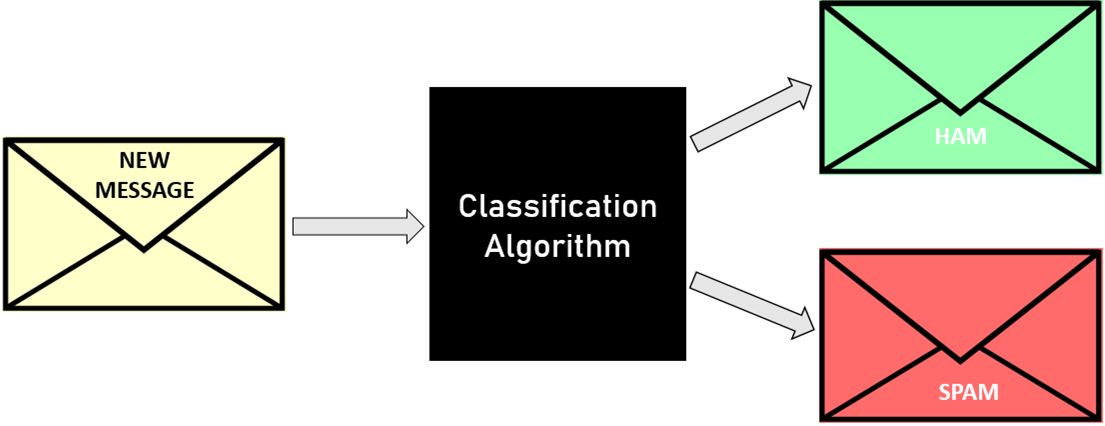
What it does InboxInspector classifies incoming emails as spam or not spam using advanced AI/ML algorithms, helping users maintain a cleaner, more organized inbox.
How we built it We built InboxInspector using Python, leveraging libraries like TensorFlow and Scikit-learn for machine learning. The model was trained on a large dataset of emails, with features extracted for better classification accuracy.
Challenges we ran into One of the main challenges was ensuring the model could accurately differentiate between legitimate emails and sophisticated spam tactics, as well as balancing precision and recall to minimize both false positives and false negatives.
Accomplishments that we're proud of We're proud of achieving a high accuracy rate in detecting spam, and successfully integrating the model into an easy-to-use interface that can be adopted by various email platforms.
What we learned We learned a lot about natural language processing (NLP), feature extraction, and the complexities of training a machine learning model that can adapt to evolving spam techniques.
What's next for InboxInspector Next, we plan to enhance InboxInspector with real-time learning capabilities, allowing it to adapt to new spam patterns automatically. We also aim to expand its functionality to support multiple languages and integrate it with more email providers.

Log in or sign up for Devpost to join the conversation.