-
-
In search of lost time...
-
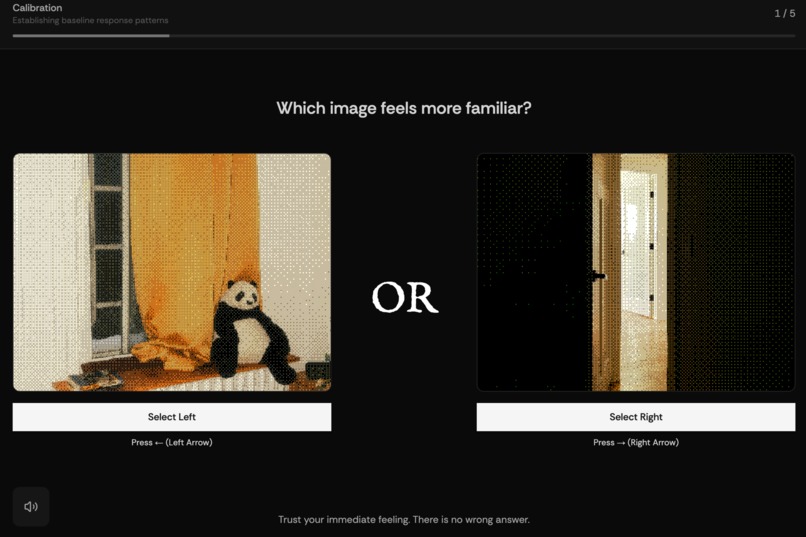
What feels familiar to you?
-
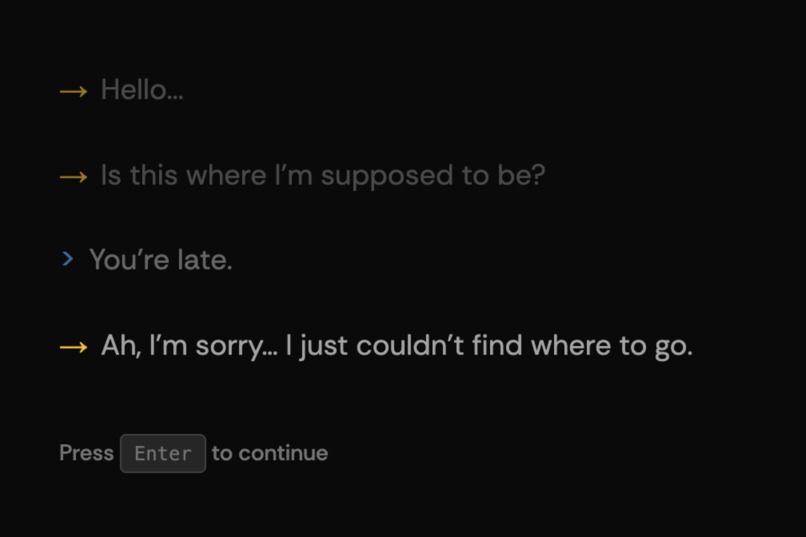
A dialogue with another
-
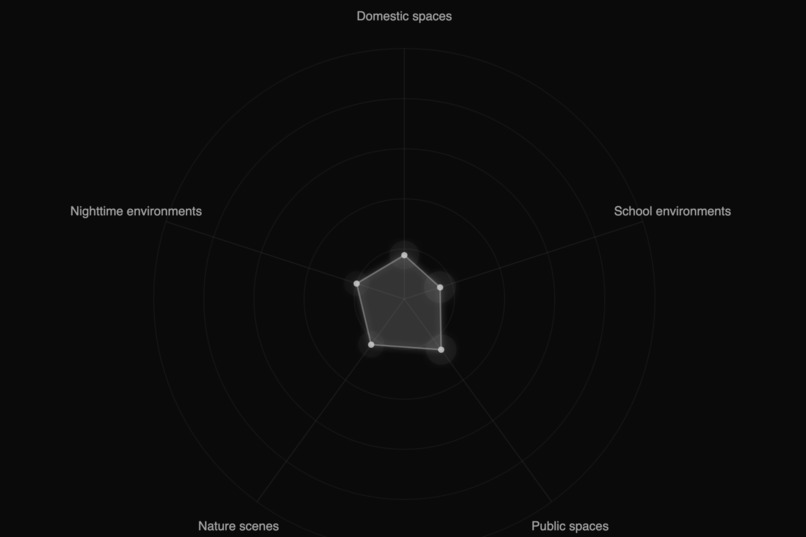
Visualize the environments you find familiar
We suggest playing through it first! Prototype link: https://in-search-of-lost-time.figma.site/
In my restless dreams... (Inspiration)
As children, we are curious about the world. With no expectations or responsibilities, we are free to go through life by following whatever pulls us. As we grow up, those signals fade. We begin to feel disconnected from our true ambitions.
Is this the life we wanted for ourselves?
When we try to remember who we once were, the answers aren’t always clear. People often lie to themselves about their wants, their desires. But even if we don’t consciously know what matters to us anymore, our memory still recognizes it. Nostalgic images can create strange feelings of recognition, even when we don’t consciously know why. Instead of asking direct questions, we built an experience that reconnects people to those signals of familiarity.
This project explores whether those recognition patterns can help people rediscover environments that once felt meaningful, and use that insight for reflection and small course corrections in everyday life.
What it does
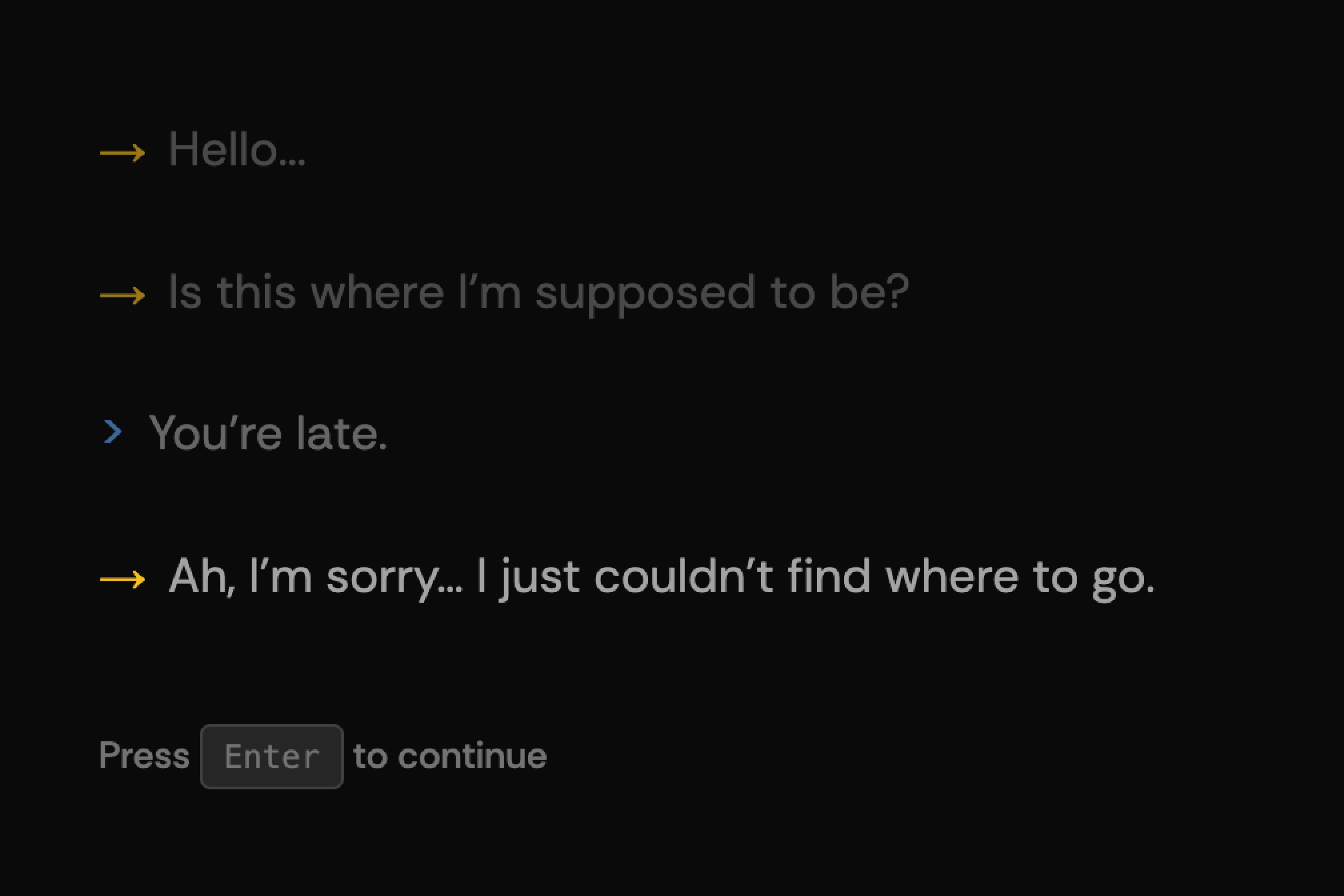
In Search of Lost Time is an interactive reflective tool that detects patterns of familiarity in nostalgic environments. We designed the experience as a short interactive sequence that combines visual stimuli, narrative segments, and some ending results.
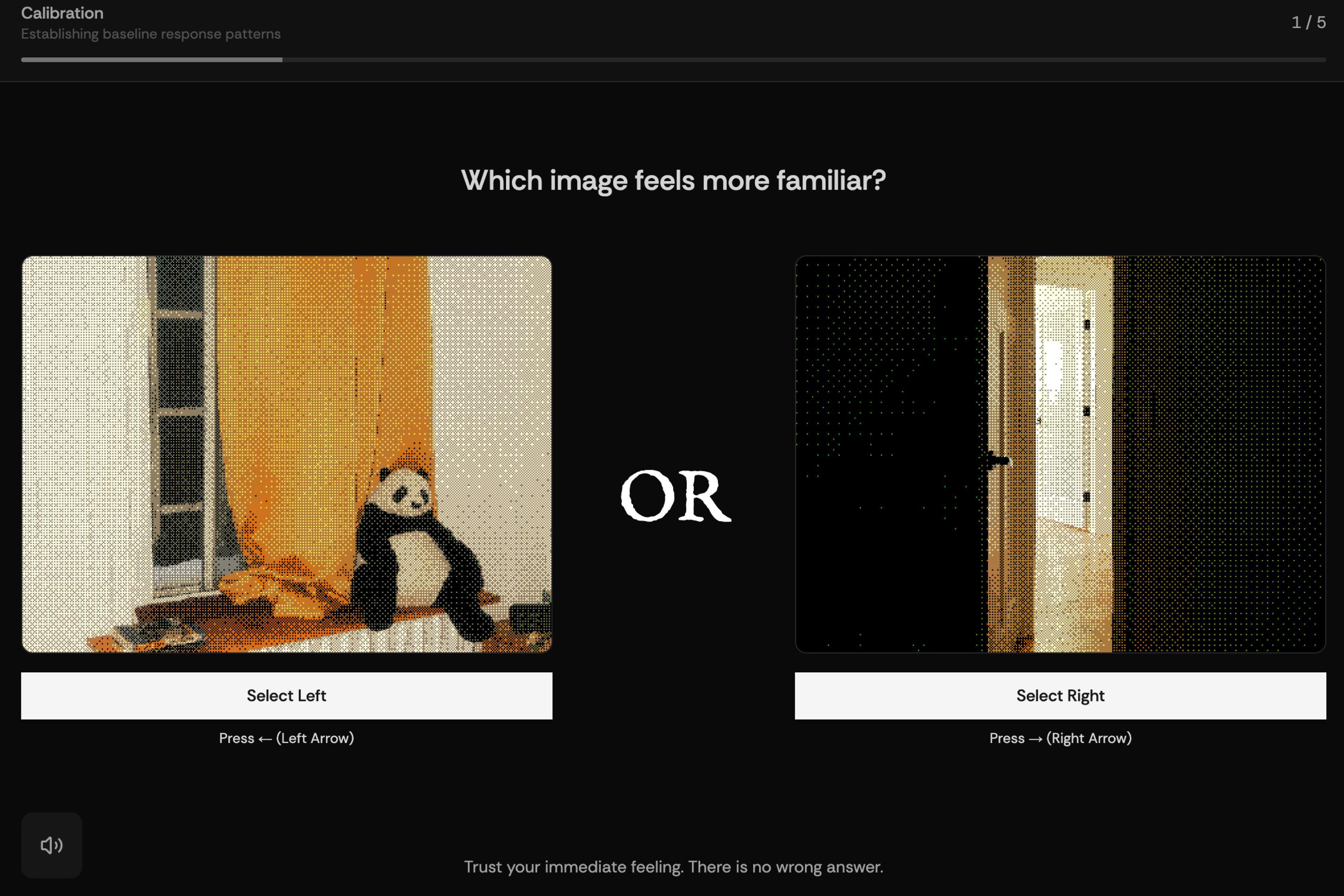
Users are shown pairs of images representing different environments, such as domestic spaces, public spaces, and nighttime environments. Instead of asking which image they prefer, the system asks which one feels more familiar. Over the period of the session, the tool records which environments the user recognizes most often.
At the end of the session, there are 3 main results:
- a collage of the images you chose, that can be rearranged to find your own connections to the images.
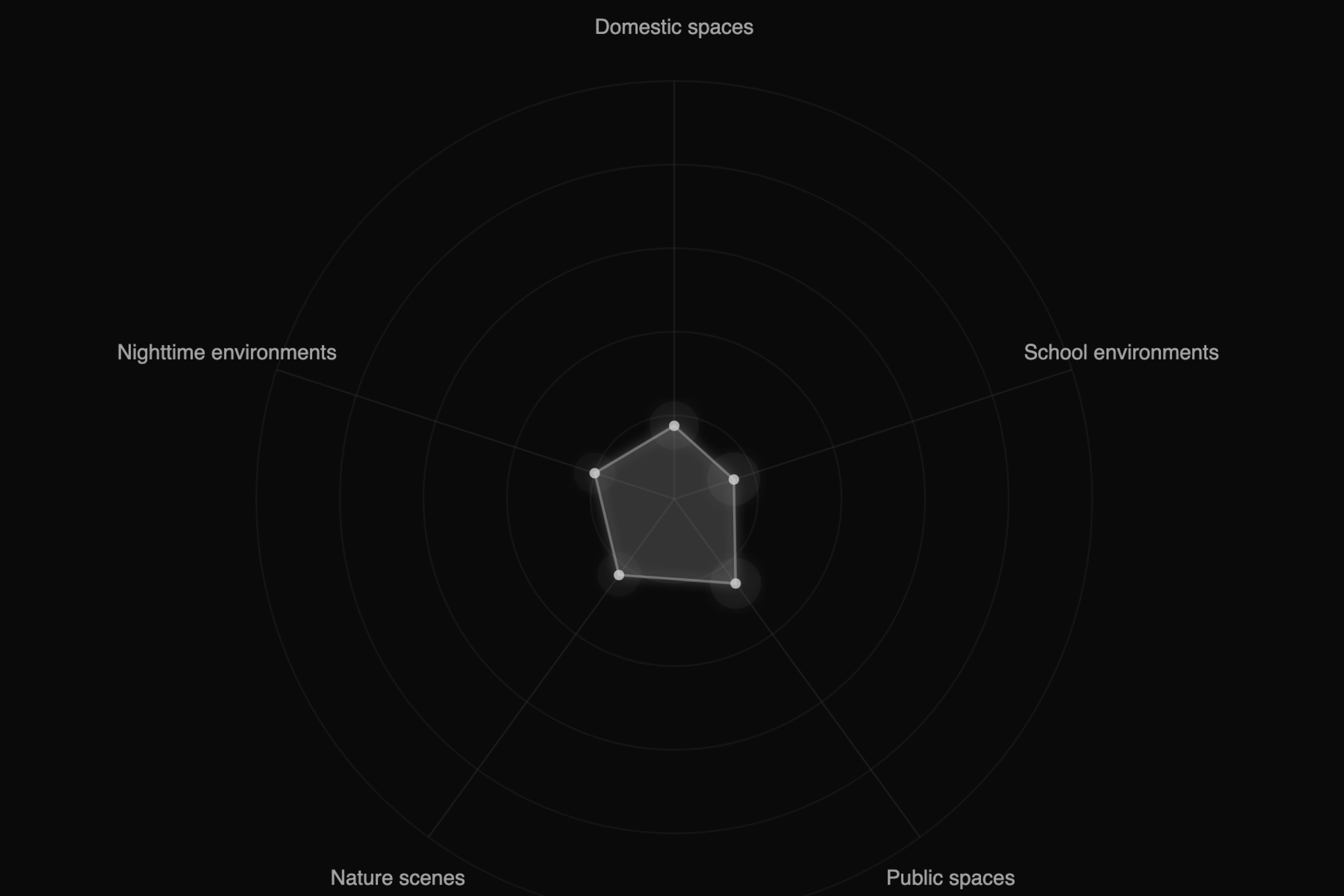
- a polar chart visualization to show which image categories you chose most frequently
- small activity suggestions based on your most frequent environment category, which helps the user reconnect with that environment in their everyday life.
How we built it
The website was built with Figma Make. Images were sourced from Unsplash, and edited using Paper.
Challenges we ran into
Our biggest challenge was balancing practicality with mystique. The narrative elements and overall ambience made it a more immersive experience, but it also made it more like an art installation rather than a tool than can be used repeatedly.
Trying to extract value from nostalgic imagery. Most of our iteration time was spent refining how the results page translates recognition patterns into meaningful reflections and small everyday experiments.
Accomplishments that we're proud of
We're proud of finding a new approach to self-discovery! Trying to measure 'familiarity signals' instead of asking direct questions can help people find new patterns and connections in their own lives.
The atmosphere and narrative elements that we were able to incorporate into the main tool make the website more fun to go through.
The suggestions we gave at the end of the experiment can lead to small but meaningful adjustments in people's lives!
What we learned
Initial iterations of the prototype gave meaningless results. When creating a reflective tool, users want actionable next steps to see what they can do with their newfound knowledge.
Balancing nostalgia and a future-facing, hopeful message to mitigate patterns of escapism and rumination was difficult. Though the product was based on nostalgia, we wanted to be a guiding force for users to work on their current self and their immediate environment, instead of dwelling on what used to be.
Adding game elements to websites is cool :)
What's next for In Search of Lost Time
More images that can be grouped into sub-categories to make results more meaningful to the user.
Features that allow the user to return to the website and see shifts in what they've found familiar over time.
Fixing cultural bias in images. Some image categories (like school environments) don't evoke the same meaning for everyone across cultures. Diversifying imagery, or giving different pools of images based on their location, could improve this.
Built With
- figma
- figmamake
- paper


Log in or sign up for Devpost to join the conversation.