
Inspiration
- 30 years in the practice of medicine ineffectively in chronic pain management and addiction medicine. I could never determine if patients were taking their medications to treat opioid use disorder correctly
What it does
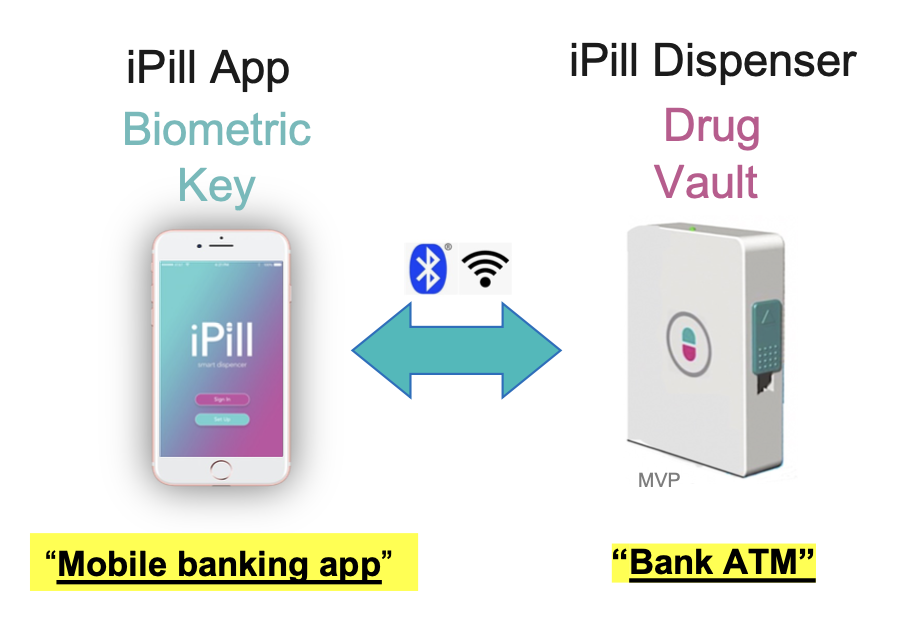
- iPill uses technology to overcome these barriers and bring care to patients cost-effectively and monitor medication adherence.
iPill can
- deliver medications directly to patient homes
- securely store them to reduce misuse, diversion and accidental overdose
- biometric authenticate the patient to ensure only the prescription holder has access at only the prescribed dose and time.
- remotely monitor medication adherence to detect/remediate missed daily doses
- alert family, friends, and caregivers for accountability, and
- destroy unused pills at 30 days and immediately if tampered
- can bring care to patients by reducing barriers to treatment including stigma, transportation, geographical disparity, social inequality, and reduced social determinants of health.
How we built it
- I designed the iPill on AutoCad then built the first prototype in my garage to demonstrate how it could work. I then hired a mechatronic engineer to build it professionally. The advanced prototype is nearing completion
Challenges we ran into
- I ran into several issues. Translating design to engineering prototype was difficult. Expressing what I had in mind was a simple mechanically controlled design was difficult to explain to an engineer who had in his mind a complex electromechanical design.
Accomplishments that we're proud of
- Being given a FDA, breakthrough designation, being granted, three patents in the US and 3 patterns in the UK, EU and Canada, building a final mature prototype that works to dispense accurately any pill of any size and shape, and destroy pills if tempered within 20 seconds
What we learned
- We learned that working together as a team, bringing together all of the different experts, requires cooperation and understanding of each others particular field of expertise. We learned about finance, hardware, software, IOT, communication, insurance, target customer, reimbursement, opioid use disorder, chronic disease, patient psychology, manufacturing and distribution. We learn that for a medical device, we must have a reimbursement scheme. There has been no digital health app that has been a big hit and has made any money. Most have failed.
What's next for improving medication adherence
- Our target customers are jails. 85% of detainees have SUD/OUD and are untreated. 3 months after release, they have a 75% higher risk of relapse, a 75% higher risk of recidivism, and a 75% higher chance of re-incarceration. Jail detainees need to get treatment in jail and continue treatment once released. iPill use can be made a mandatory part of early parole which can be paid with opioid litigation settlement funds. Detainees can then be required to use iPill for 12 months with OUD clinics who can be paid with shared revenue from remote therapeutic monitoring codes.

Log in or sign up for Devpost to join the conversation.