-
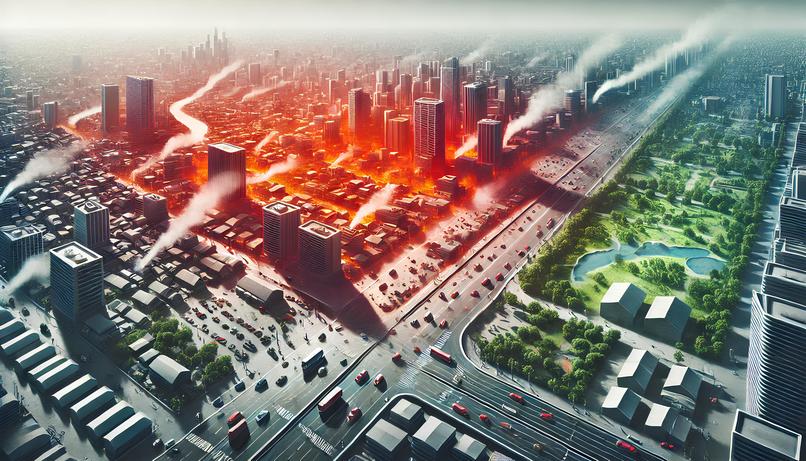
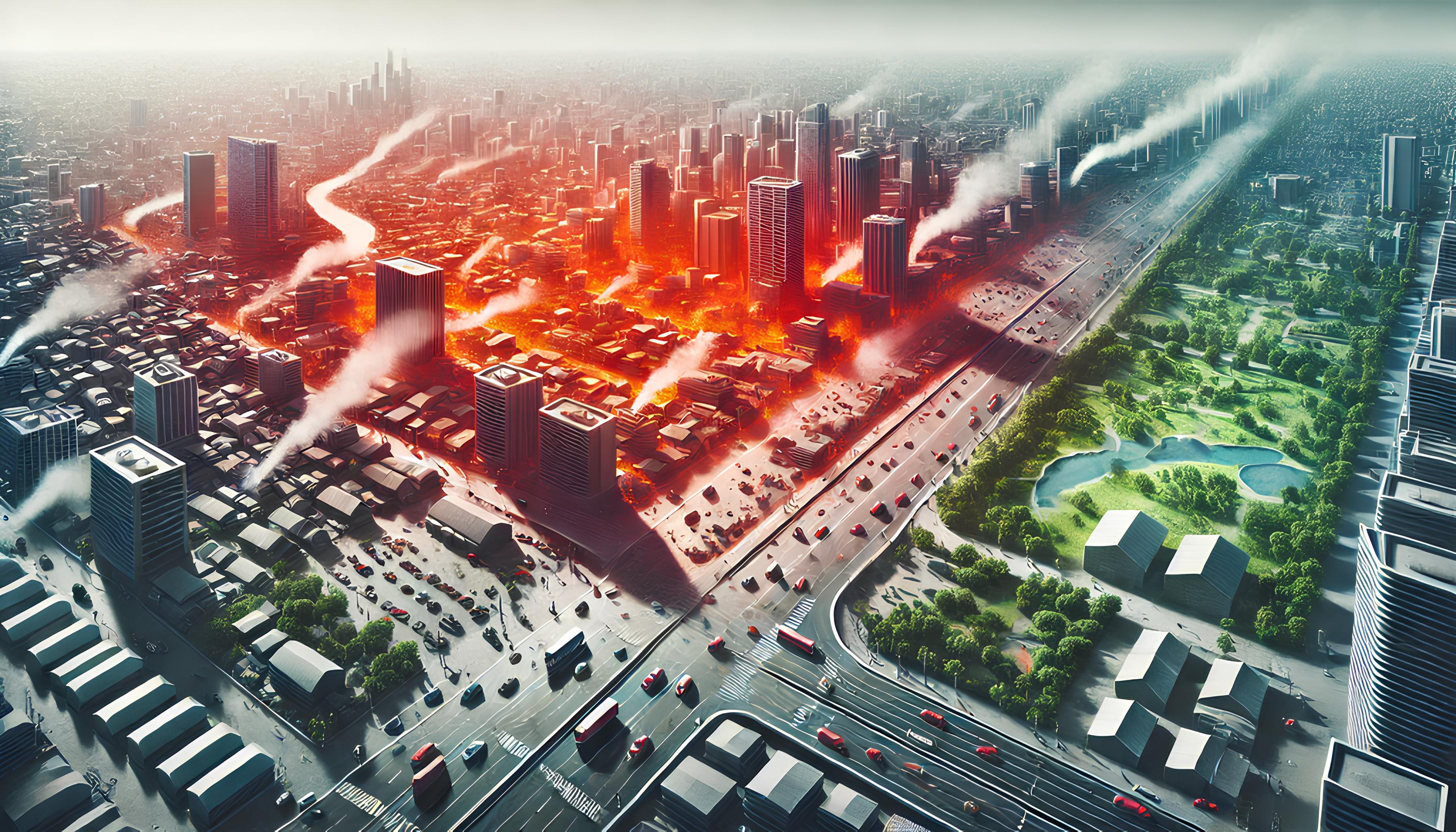
Generated image of Impact of Urban The Heat Islands (UHIs) on Public Health
-
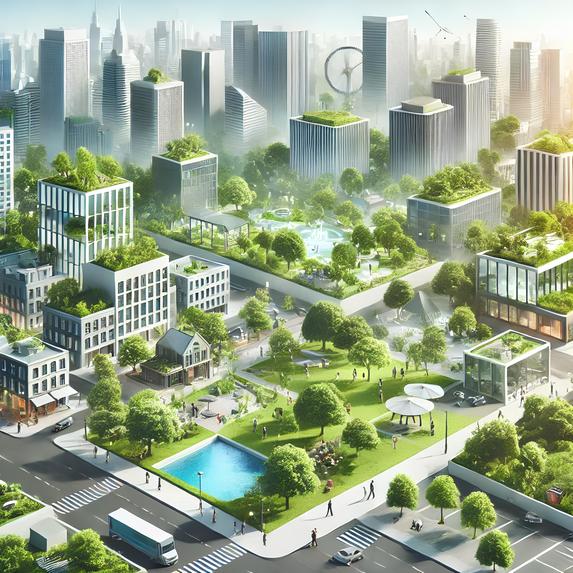
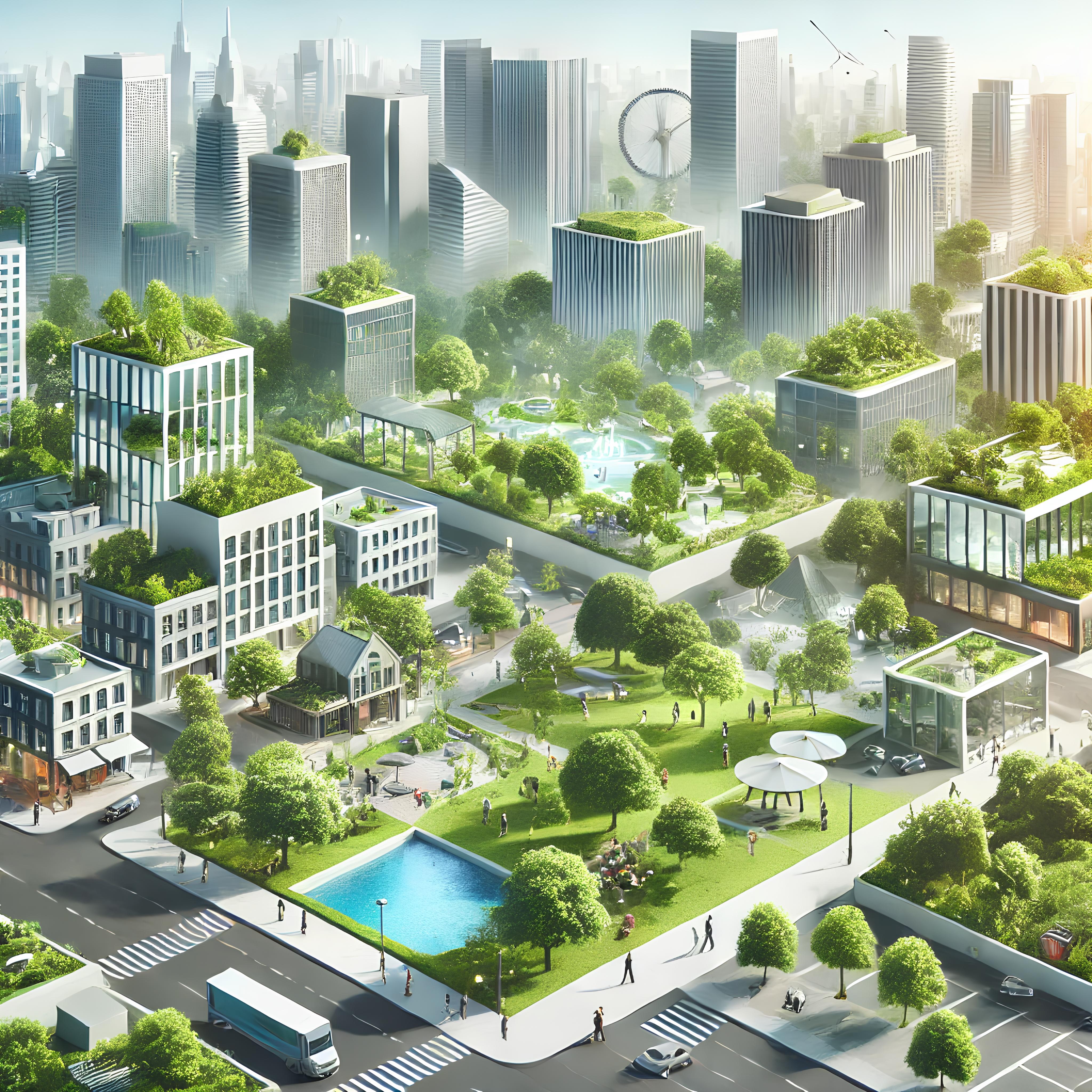
Generated image of Solution on Urban Heat Islands on Public Health
Introduction
The Impact of Urban Heat Islands (UHIs) on Public Health Urban Heat Islands (UHIs) occur when cities experience higher temperatures than surrounding rural areas due to factors like infrastructure, reduced green spaces, and human activities. Materials such as concrete and asphalt absorb heat, while energy use releases additional waste heat, exacerbating this effect. With rising global temperatures, UHIs are a growing urban health concern, particularly during heatwaves, as they worsen health problems and affect city life.
Why UHIs Are a Critical Urban Challenge
Rising Global Temperatures: As global temperatures climb, UHIs amplify the impact of climate change in cities, leading to more frequent and intense heatwaves.
Vulnerable Populations: The elderly, children, those with existing health issues, and low-income communities are at a higher risk of heat-related illnesses.
Increased Energy Demand: Higher city temperatures drive up air conditioning use, leading to greater energy consumption, increased greenhouse gas emissions, and worsening the UHI effect.
Health Impacts of UHIs
Increased Mortality and Morbidity: Heatwaves, intensified by UHIs, raise mortality rates. For example, the 2003 European heatwave led to over 70,000 excess deaths, with urban areas hardest hit.
Heat-Related Illnesses: UHIs contribute to conditions like heat exhaustion, heatstroke, and worsen cardiovascular and respiratory diseases, particularly among vulnerable groups.
Mental Health Effects: High temperatures can elevate stress, anxiety, and aggression, impacting mental well-being in crowded urban settings.
Quantifying the UHI Effect
Temperature Differences: Urban areas can be 7-10°F (4-6°C) warmer than nearby rural areas, with some cities experiencing differences exceeding 12°F (7°C) during heatwaves.
Global Examples: Cities like New York, Tokyo, and Paris show elevated nighttime temperatures, reducing heat relief and increasing health risks.
Spatial Variation: UHI intensity can vary within a city, with neighborhoods lacking green spaces experiencing the most extreme temperatures.
Factors Contributing to UHIs
Urban Development: Dense infrastructure like buildings and roads traps heat. Reduced Green Spaces: Fewer trees and green areas limit natural cooling from shade and evapotranspiration.
Waste Heat: Emissions from vehicles, industries, and air conditioning worsen the UHI effect. Current Solutions and Their Challenges
Green Roofs and Walls: These can reduce temperatures but require widespread implementation for significant impact.
Urban Forestry: Planting trees and creating parks helps, but involves long-term planning and upkeep.
Cool Roofs and Pavements: Reflective materials can lower temperatures, though high initial costs may limit their use in low-income areas.
AI-Driven Solutions to Combat UHIs
Text-to-Image Awareness Campaigns: AI-generated images can highlight temperature differences between neighborhoods and show the impact on vulnerable groups during heatwaves.
Heat Risk Prediction and Mapping: AI can analyze satellite data to predict UHI hotspots, guiding cities on where to plant trees or use reflective materials. Predictive models can identify at-risk populations and suggest timely interventions.
AI-Enhanced Urban Design: AI can simulate various urban planning approaches, optimizing the placement of green spaces and cool roofs for maximum cooling. It can also assist architects in designing buildings that minimize heat absorption.
Conclusion
Urban Heat Islands are a serious public health challenge that intensify heat-related health risks, particularly for vulnerable communities. Leveraging AI for awareness, prediction, and urban planning offers promising ways to understand and reduce the UHI effect, paving the way for more sustainable and healthier cities.
How we built it
Step 1: Identify the Urban Health Challenge We began by selecting a relevant Urban Health challenge, such as air quality or mental health. Research helped us understand the problem’s impact and explore how AI-generated images could provide insight or raise awareness.
Step 2: Design Text-to-Image Prompts We created descriptive prompts to guide the AI in generating images that reflected the challenge. We experimented with different styles and approaches until we found the most powerful ones.
Step 3: Create a Python Program with Stable Diffusion Using the model "CompVis/stable-diffusion-v1-4", we developed a Python program to fine-tune our prompts and obtain the best possible results. This allowed us to efficiently test various prompts, analyze the output, and select the best ones for further refinement.
Step 4: Generate and Refine Images with AI Tools After finalizing the best prompt, we generated images using AI tools like DALL-E, Midjourney, and other platforms. We iterated and refined the images to improve their clarity and visual impact.
Step 5: Final Image Generation with StudyAid AI We used StudyAid AI to further enhance and finalize the best images. This tool allowed us to perfect the visuals and ensure that they clearly represented the chosen Urban Health challenge.
Step 6: Explain the Solution Finally, we wrote a detailed explanation of how the images reflect the health challenge, the reasoning behind our prompt design, and the creative process. We also outlined the technical steps and iterations that improved the final output.
This structured approach helped us create compelling visuals that both raise awareness and drive engagement on key Urban Health issues.
problem prompt
A realistic city landscape illustrating the effects of an urban heat island. The scene depicts a densely populated urban area, with heatwaves visibly rising from hot asphalt roads and concrete buildings, creating a shimmering effect. The city appears hazy with a thick layer of smog and pollution. People are seen struggling with heat-related issues, some showing signs of heatstroke, like sweating and exhaustion. In the background, green spaces can be seen on the outskirts of the city, symbolizing cooler temperatures. The color palette is dominated by hot reds and oranges to signify extreme heat in the urban environment, transitioning to cooler greens and blues in the green areas. Additional elements like parked cars reflecting heat, rooftop gardens, and solar panels are included to highlight urban factors contributing to heat and their impact on health. explain this prompt and write like a human and also show how this prompt shows problem
** Explanation**
The Urban Heat Island Effect:
The scene centers around a densely populated urban area, highlighting the typical environments where UHIs are most severe. It includes heatwaves visibly rising from asphalt roads and concrete buildings, which emphasizes the intensity of heat radiating from man-made surfaces. These surfaces absorb a lot of heat during the day and release it slowly, making cities much hotter compared to surrounding areas, even at night. The shimmering effect caused by the heatwaves further illustrates the extreme temperatures that can occur in such environments.
Air Quality Issues: The hazy city with a thick layer of smog and pollution is a crucial detail that adds to the overall problem. The prompt suggests that not only is the city hotter, but the air quality is also worse. The smog results from vehicle emissions, industrial activity, and heat-induced chemical reactions, which are more intense in warmer conditions. This combination of heat and pollution creates a dangerous situation for public health, especially for people with pre-existing respiratory conditions.
Health Impacts on People: The prompt directly addresses the human toll of urban heat. It mentions people struggling with heat-related issues, such as heatstroke symptoms like sweating and exhaustion. By showing the human effects, the prompt brings attention to the fact that UHIs aren’t just an environmental issue; they’re also a serious public health threat. Heatstroke, dehydration, and other heat-related illnesses become more prevalent when temperatures soar, particularly in areas where people don’t have adequate access to cooling.
Green Spaces and Temperature Differences: Green spaces on the outskirts of the city serve as a visual contrast to the urban environment. These areas represent cooler zones where vegetation helps to naturally regulate temperatures. By transitioning from hot reds and oranges in the city to cooler greens and blues in the outskirts, the prompt highlights the stark difference in temperature between densely built-up areas and those with more greenery. It effectively visualizes how the lack of vegetation and abundance of concrete exacerbate heat in urban cores.
Contributing Factors and Potential Solutions: The inclusion of elements like parked cars reflecting heat, rooftop gardens, and solar panels adds depth to the prompt by showcasing both the causes of the problem and some potential mitigations. Cars and other reflective surfaces are heat sources in the city, contributing to the UHI effect. Meanwhile, rooftop gardens and solar panels indicate possible interventions for alleviating heat. Rooftop gardens can help cool the environment through increased greenery and evapotranspiration, while solar panels can reduce the reliance on traditional energy sources that generate heat.
How the Prompt Highlights the Problem: The prompt clearly illustrates the compounded issues of UHIs:
Extreme heat from urban surfaces makes cities significantly warmer. Smog and air pollution are worsened by high temperatures, making it hard to breathe. Heat-related health issues become more common, affecting vulnerable populations. Temperature disparities between urban areas and surrounding green spaces highlight the role of vegetation in cooling the environment. Man-made factors, such as parked cars and traditional building materials, contribute to the problem, suggesting the need for solutions like green roofs and sustainable infrastructure. In essence, the prompt tells a complete story of how urbanization, climate change, and lack of green spaces combine to create dangerous living conditions in cities, while also hinting at strategies to mitigate the heat. It visualizes the problem not just as an environmental concern but as a complex issue affecting human well-being and city planning.
solution Prompt
"A visual representation of solutions to urban heat islands and their impact on public health. The image includes sustainable design elements such as green roofs on buildings, urban parks with trees, tree-lined streets, and buildings with reflective surfaces. The scene shows a cityscape with a mix of modern and traditional buildings, lush greenery, and clear skies. It also highlights the positive effects of these solutions on public health, with people enjoying the parks and shaded streets, and a cooler, more livable urban environment."
Explanation of Prompt The prompt describes a cityscape with sustainable solutions to combat urban heat islands, such as green roofs, urban parks, tree-lined streets, and reflective building surfaces. These elements cool the environment, provide shade, and reduce heat absorption, improving public health by creating more comfortable and livable spaces.
The solutions directly address heat rise by:
Green roofs: Absorb less heat, provide insulation, and cool down buildings. Urban parks and trees: Offer shade, improve air quality, and cool down surrounding areas. Reflective surfaces: Reduce the heat absorbed by buildings, lowering the overall temperature.
Built With
- dall-e3
- diffusion
- gradio
- midjourney
- python
- studyaidai


Log in or sign up for Devpost to join the conversation.