-
-
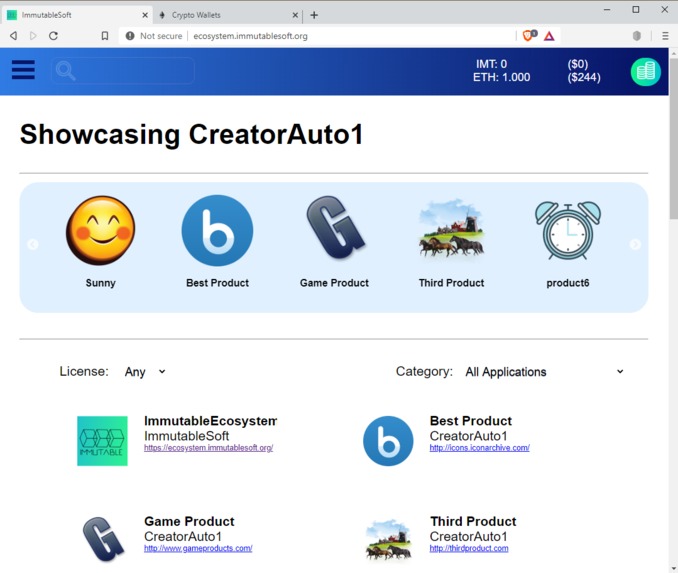
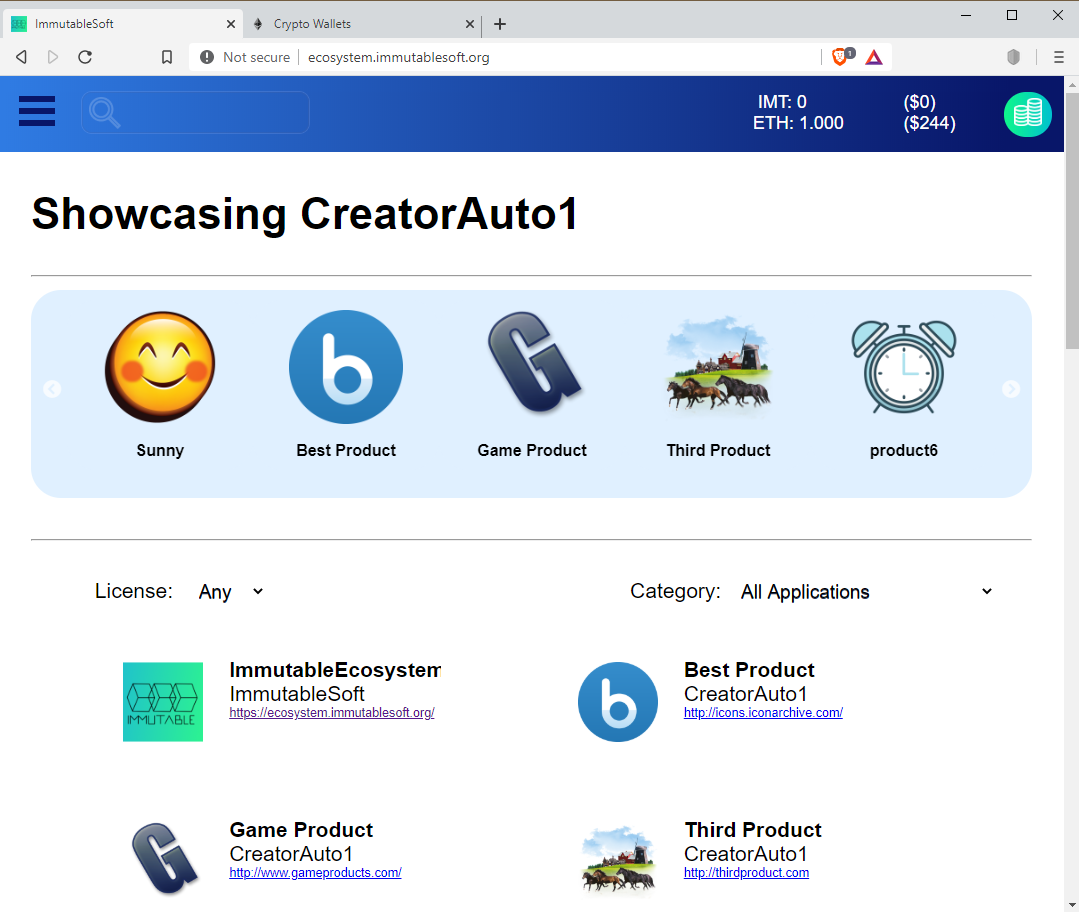
Application browse
-
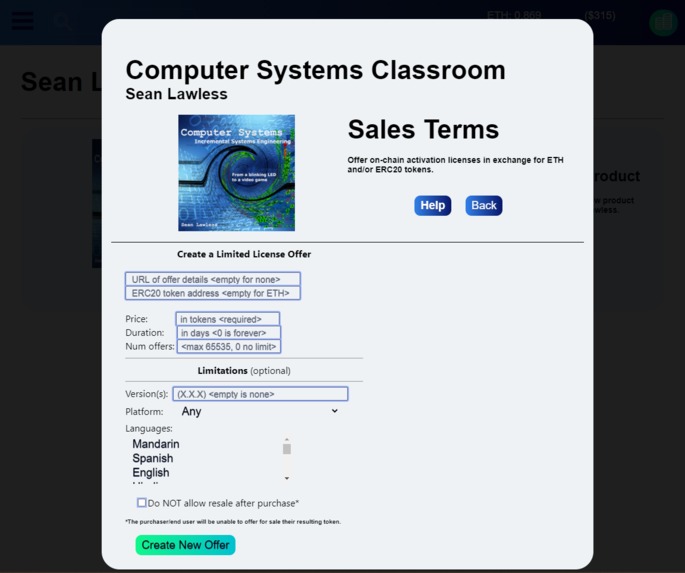
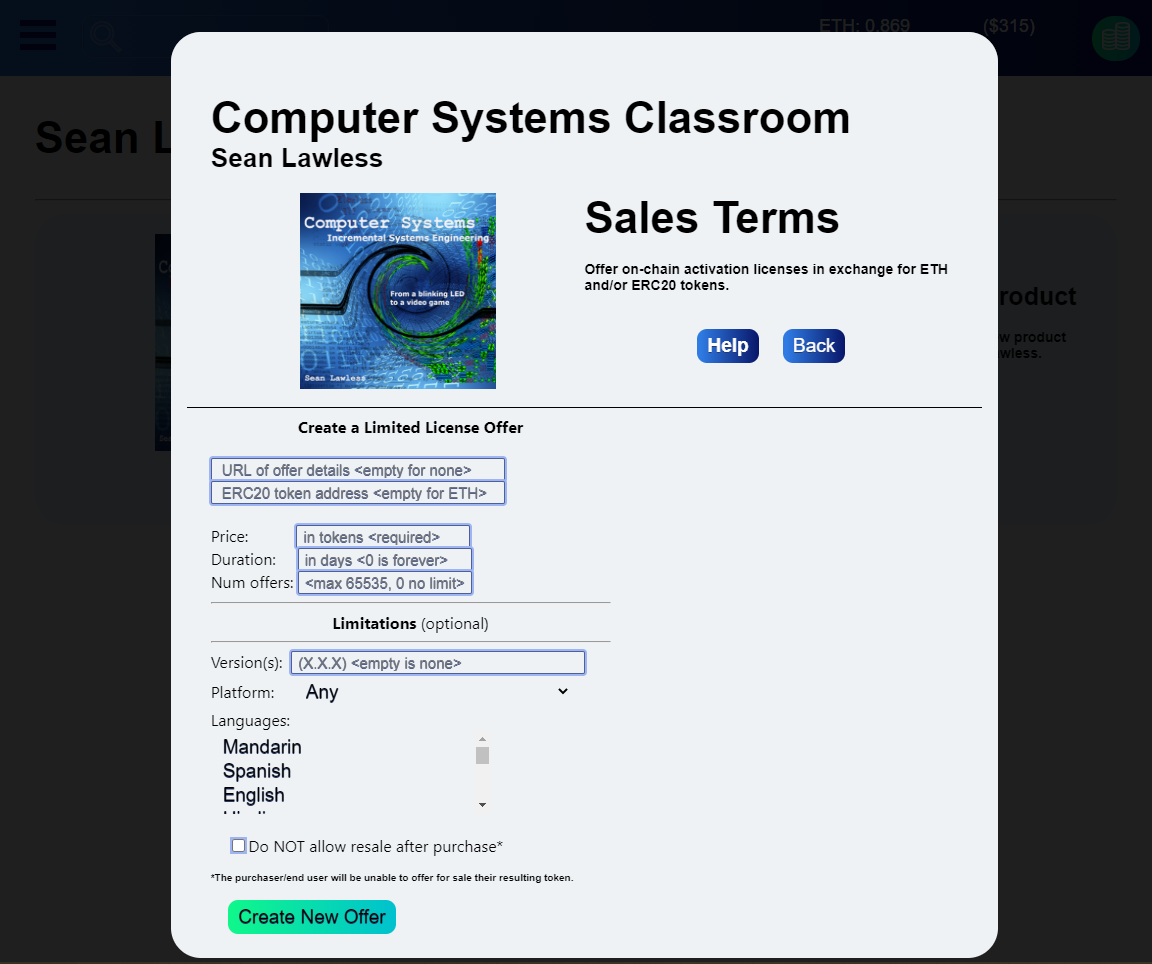
Entitlement offer details
-
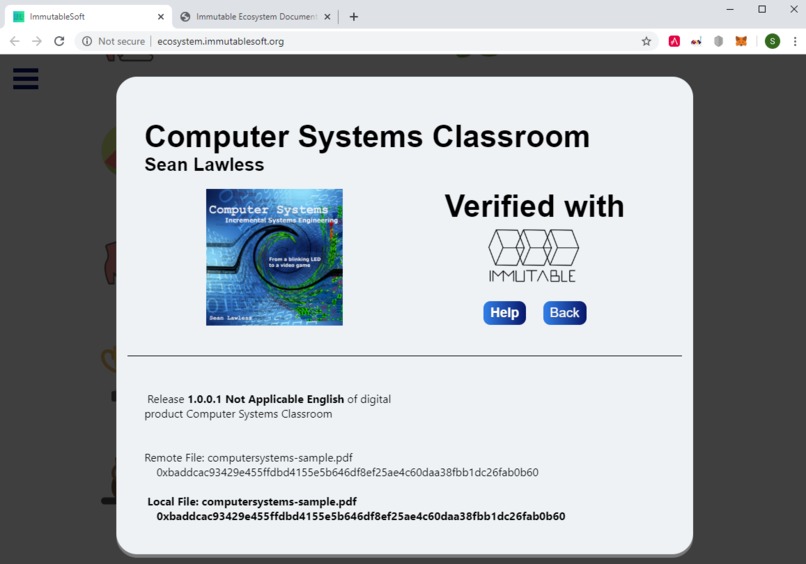
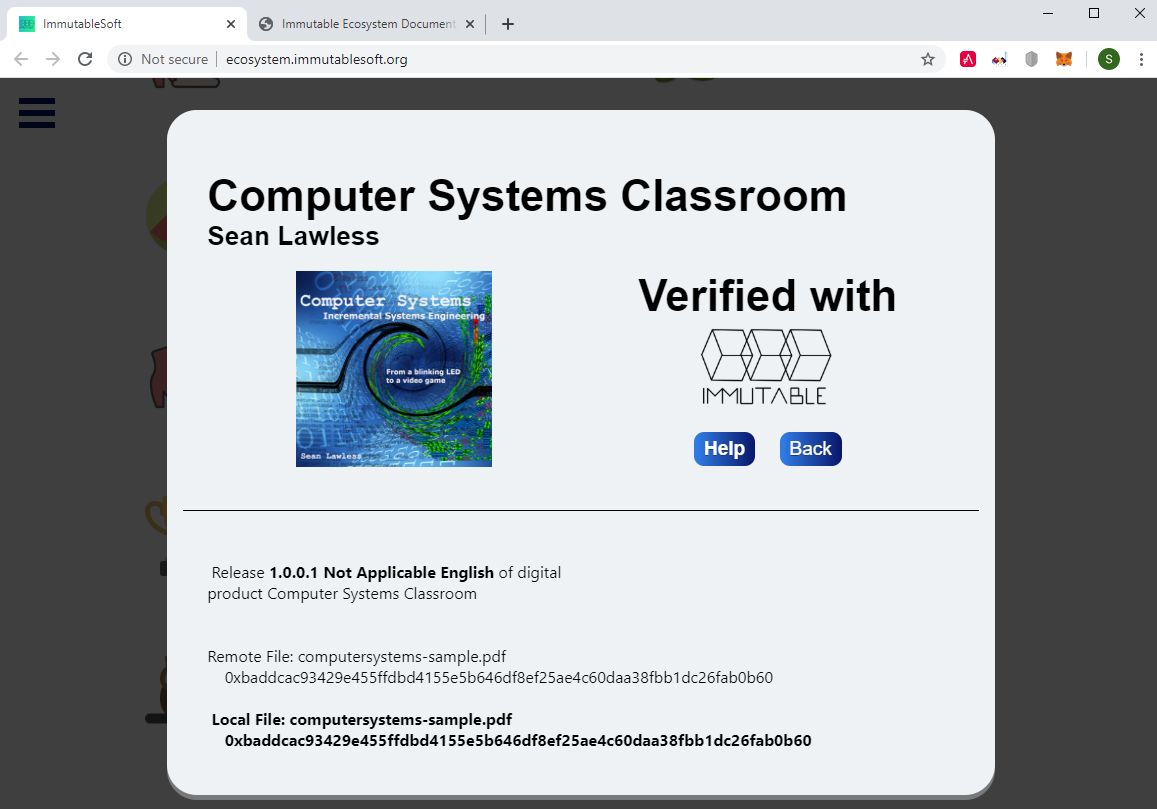
File release verification
Inspiration
Many of today's centralized software distribution channels are technically and economically strangling the independent software creators (ISVs). On mobile devices, typically 30% of every ISV sale to end users is taken by the centralized software gatekeeper, even if all the underlying operating system software used by the gatekeeper is open source and the hardware was created by 3rd parties. Additionally, the software development options on mobile are often very controlled, which in turn limit the creativity of independent software creators (ISVs). The software development restrictions on mobile force ISVs into a homogenous user interface, thus inhibiting innovation and the true economic growth potential of ISVs.
In personal computing, there are less limits on creativity with many software development options. Yet it is still too costly for most open source software creators, and many ISV's, to pay a certificate authority needed to sign their software releases as authentic. These certificate authority companies are the software gatekeepers and with healthy competition the lowest cost options still require periodic fees and specific build tools which add cost and limit development options. Many open source software creators donate years of their expert time creating software. It is discourteous that software creators donating their time are expected to pay periodic fees in order to securely distribute their free software. Free software that enhances the value of the centralized ecosystem. Unlike signed executables used for installing compiled software, source code released as a compressed collection of files (zip, etc.) has no opportunity for authentication, putting at risk all end users and downstream developers.
The mobile distribution model is ahead of the PC model in regards to the safety of free software since all applications must be authenticated by their creators. However, software creators, even those who give their creations away for free, are all charged registration and / or per application fees by these centralized gatekeepers. Software creators are encouraged, and may be required, to allow advertisements to appear in their creations. Advertisements that can profile and data mine the end user while being under the strict control of the central authority. There is no place in the centralized mobile distribution ecosystems of today for truly free and open software. The only software allowed on these ecosystem are either well-funded or must allow the central authorities to monitor and monetize the behavior of their end users.
To solve these problems and injustices we can start by separating this into two problems; authenticated software releases and software licensing. While software licensing leverages and requires the product release, many software projects such as open source do not require payment in exchange for a software license that activates the software. This divide of the problem should also decrease complexity and lower costs when writing to the block chain. There are also non-technical problems which need to be addressed for this ecosystem to be successful. How can this system build trust for end users so they want to become active participants in the ecosystem? How can this system best support both open source and commercial software creators? How can this process be made seamless so end users authenticate downloaded software automatically? The general technical problem being addressed is how to migrate the centralized payment and distribution model used in the mobile space to a decentralized model that will encourage the open source community to participate and sign their releases. The solution should support any software or digital content creator anywhere in the world, on any platform, over any network protocol and in any language.
What it does
The solution is an open, non-profit and decentralized alternative to the standard centralized software distribution model (i.e. application store). A decentralized software distribution system for software and other digital content creators to securely distribute and license their creations directly to end users. The solution should ensure end user privacy while automating the sales process for software creators, including the ability to summarize and export their software sales. To safeguard this decentralized model requires digital content creators to privately register their complete contact information for accountability purposes. To build community trust there should also be a mechanism for end users to rate any products and/or organizations.
Once software distribution processes are available on a decentralized platform (i.e. blockchain), an empowered, educated and active community of software creators, distributors and users will flourish. With the aid of legitimate creators and users, any bad actors should be noticed quickly and removed with minimal expense or effort. This decentralized software ecosystem is built upon the Solidity smart contracts that mint Immutable and Activate tokens on demand for registered members.
How we built it
As an interoperable federated smart contract ecosystem. Solidity back end based on Truffle, Ganache and OpenZeppelin based smart contracts. NodeJs/React front end.
Challenges we ran into
Pivoting Ethereum Dapps in the Age of High Gas Prices
Accomplishments that we're proud of
Supporting independent artists
Creator Provenance within NFTs
What we learned
That blockchain development tools are in a state of constant change. Not for the faint of heart.
What's next for Immutable Ecosystem
The future of blockchain is legal agreement integration and 3rd party interoperability of enforcement.

Log in or sign up for Devpost to join the conversation.