-
-
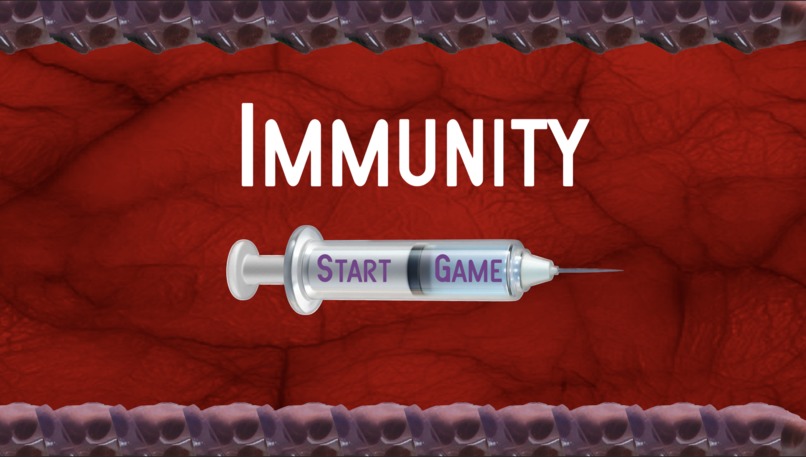
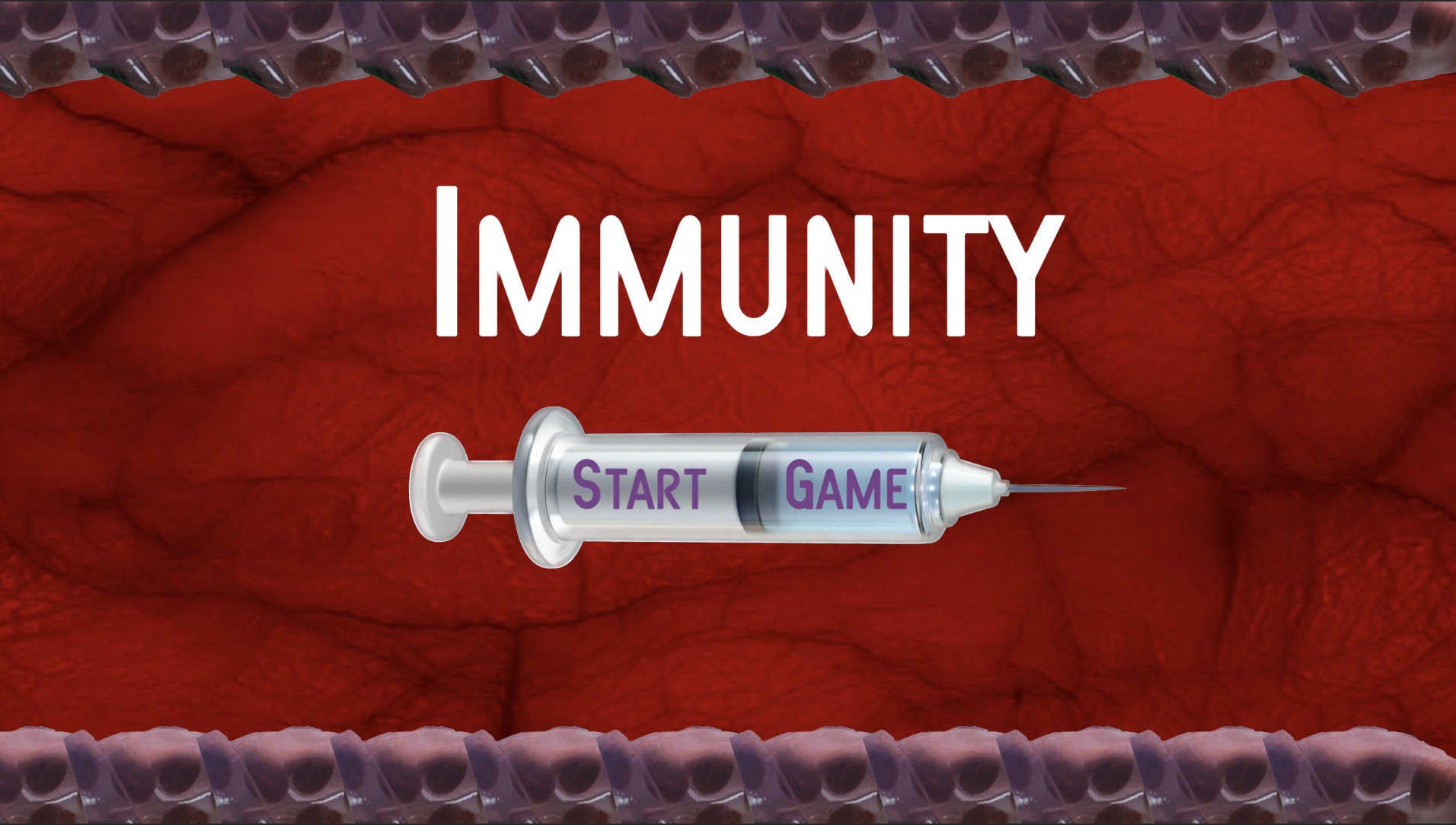
Title Screen
-
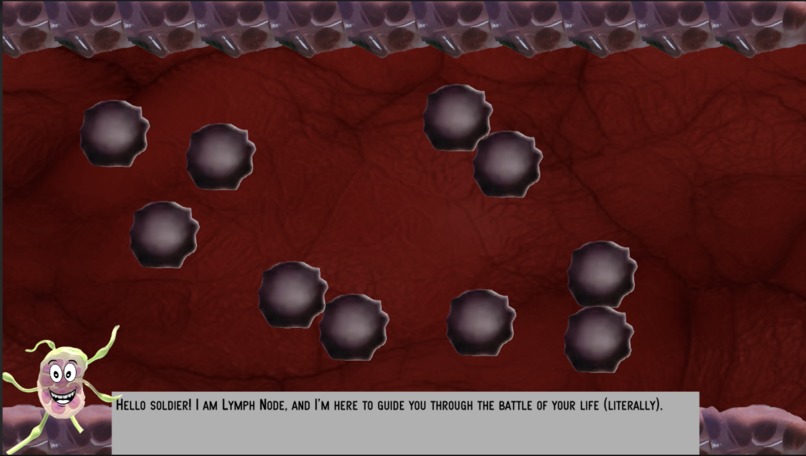
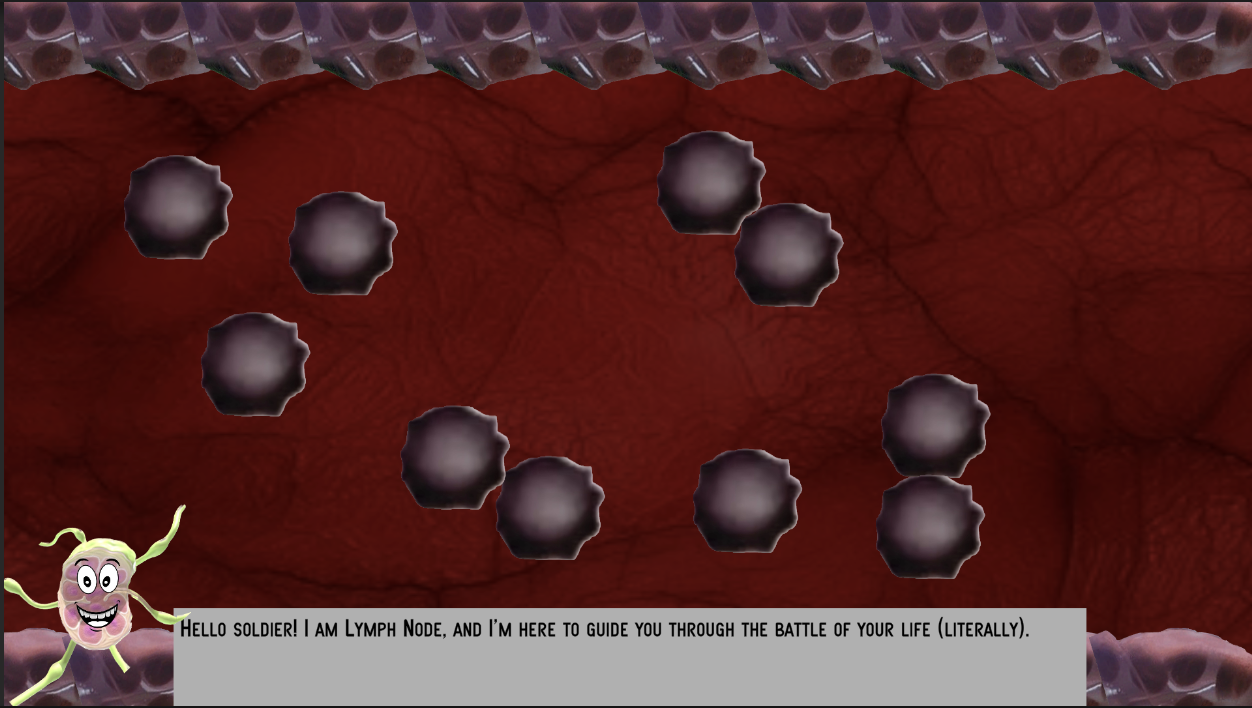
Your Friendly Tutorial Guide
-
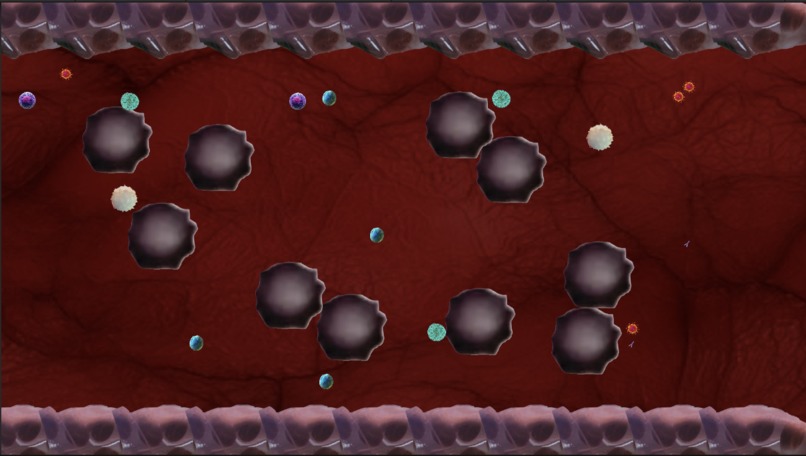
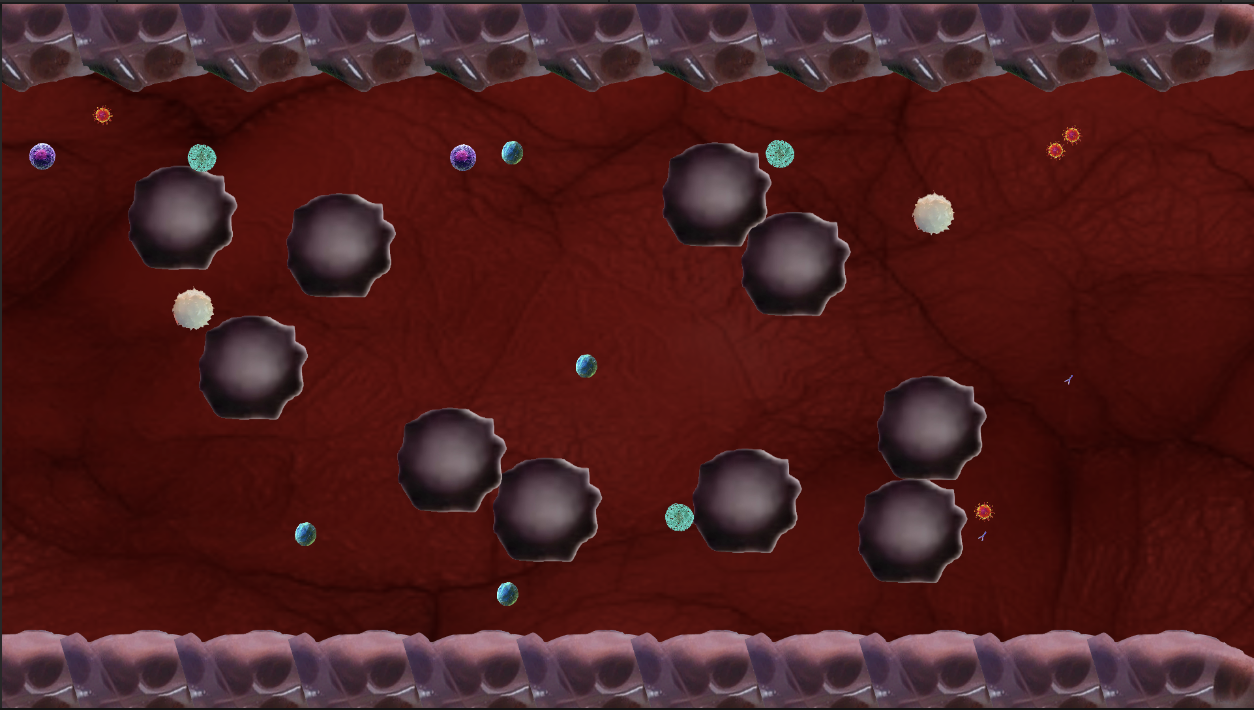
In-Game Action
-
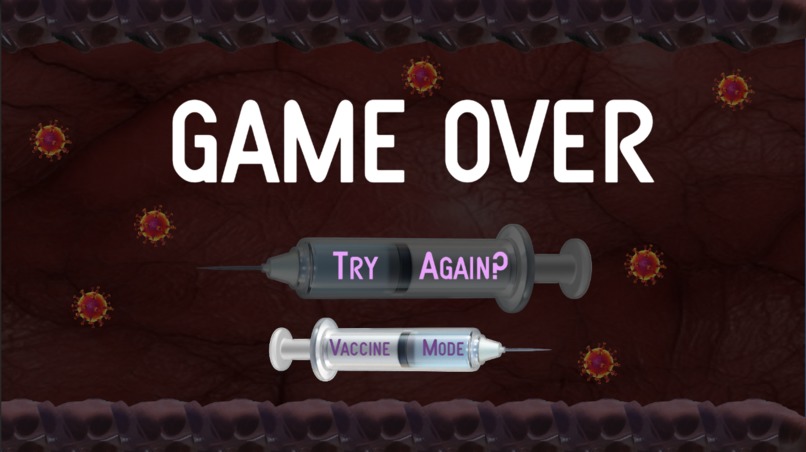
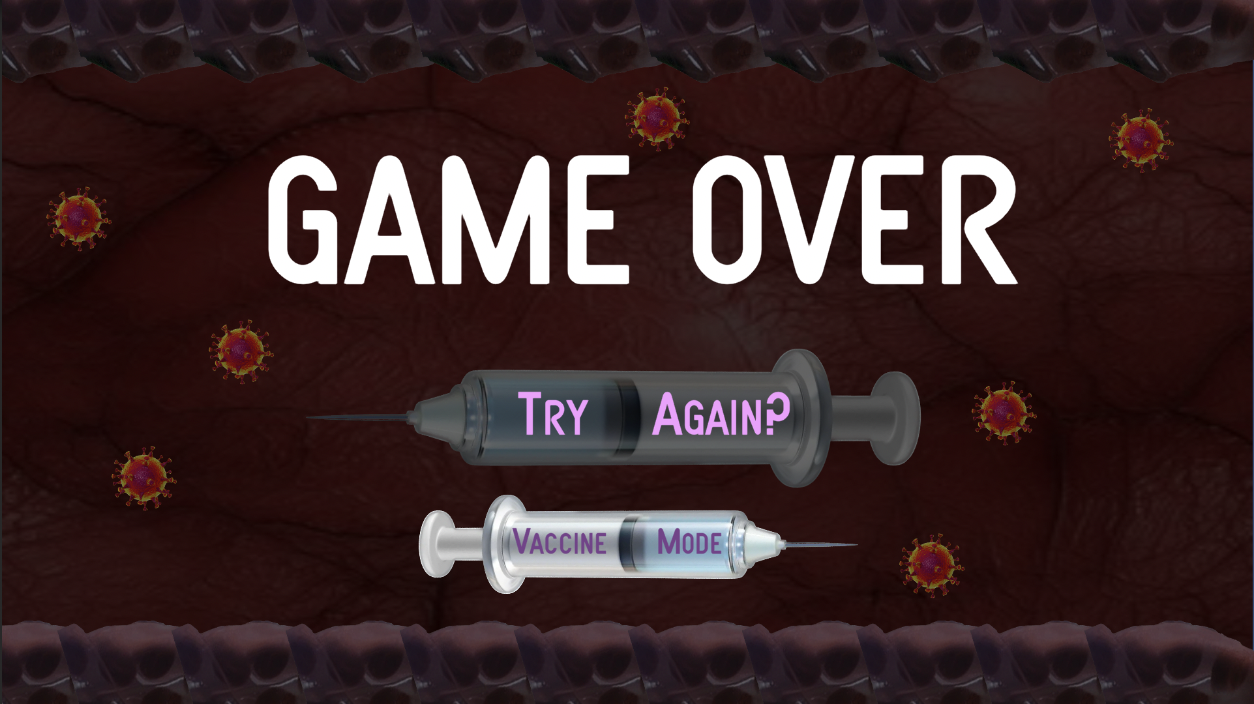
Failure Scene; Try for yourself to get the victory scene!
Inspiration
If the COVID-19 pandemic has taught us anything, it's that not a lot of people actually know how the human body's immune system works. This has led to a lot of misinformation regarding public health, safety, vaccinations, and more.
What it does
Immunity is a solution, through gaming, that educates the general public about the immune system, allowing more informed decisions in the future. By allowing the player to take on the role of different cells and learn how they work together, it provides a far more memorable experience than a textbook or video.
How we built it
We started by doing a quick brainstorming session by discussing our familiar tech stacks and decided to build a Unity game as we all come from the Vandy Game Dev club. We all thought Sebastian's idea of an immune system is great especially facing the challenges posed by the global pandemic. We collaborated through GitHub for everyone to contribute. We split our respective work streams according to different cell types and their different behaviors, as well as different larger game scenes. We continuously pulled from each other's branches, synced our understanding, built on previous work, and iterated builds. In the end, we consolidated work from all branches and integrated a complete, playable build.
Challenges we ran into
The challenges we faced were researching all the background biology knowledge in order to be as accurate as possible and GitHub merge conflicts.
Accomplishments that we're proud of
Kaicie built a Dialogue System for the first time! Olivia built the movement system for a complicated cell type!
What we learned
Kaicie: I learned how to write more complex scripts in Unity. It was cool being able to help with all aspects of the project: art, programming, and business.
Yuting: Since I have never done any game development projects before, I learned how to use Unity and C# from the beginning. In order to form a valid academic background for our project, Immunity, I have also learnt a lot Biology knowledge about how people's immune system works, including what T-cells and B-cells are.
Olivia: I learned a lot about developing a complicated game system with multiple characters by implementing inheritance and an organized file system. I also learned about the details and physics we need to pay attention to in game designs.
Sebastian: I learned how to collaborate better with Git and divvy up tasks among programmers, how to create more complex games with Unity, and how to plan a game quickly. I also learned the importance of having overall motivators for the project -- this is more than just a game, presenting an imaginative way to learn.


Log in or sign up for Devpost to join the conversation.