-
-
Play everywhere!
Inspiration
We build mobile apps and business applications for Apple Vision Pro. For our first Meta Quest project, we wanted to make a lighthearted game with simple rules, short runs, and a score that makes you want one more try. It was also a chance to get to know the Quest ecosystem and see whether it might be a good fit for our business apps.
We found out about the Meta VR Start Developer Competition four days before the deadline and decided to give it a shot. The idea started with a familiar gesture from childhood: tilting your hand like a plane and imagining it could fly.
What it does
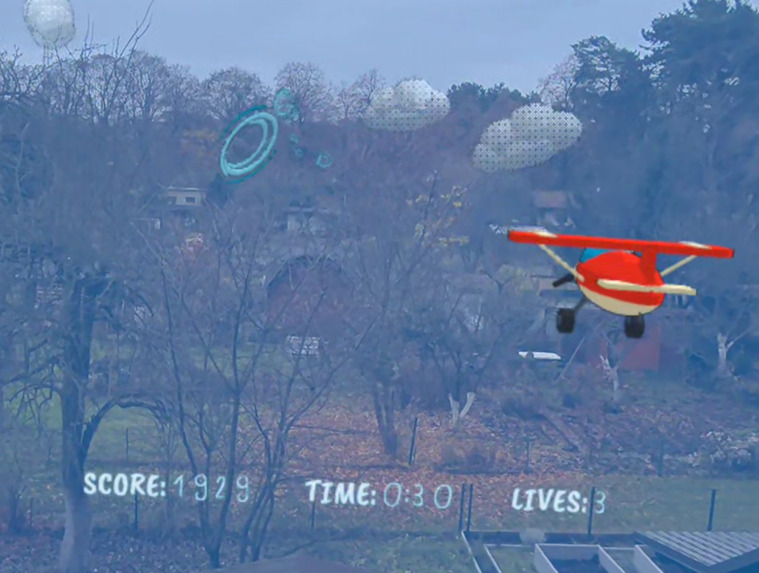
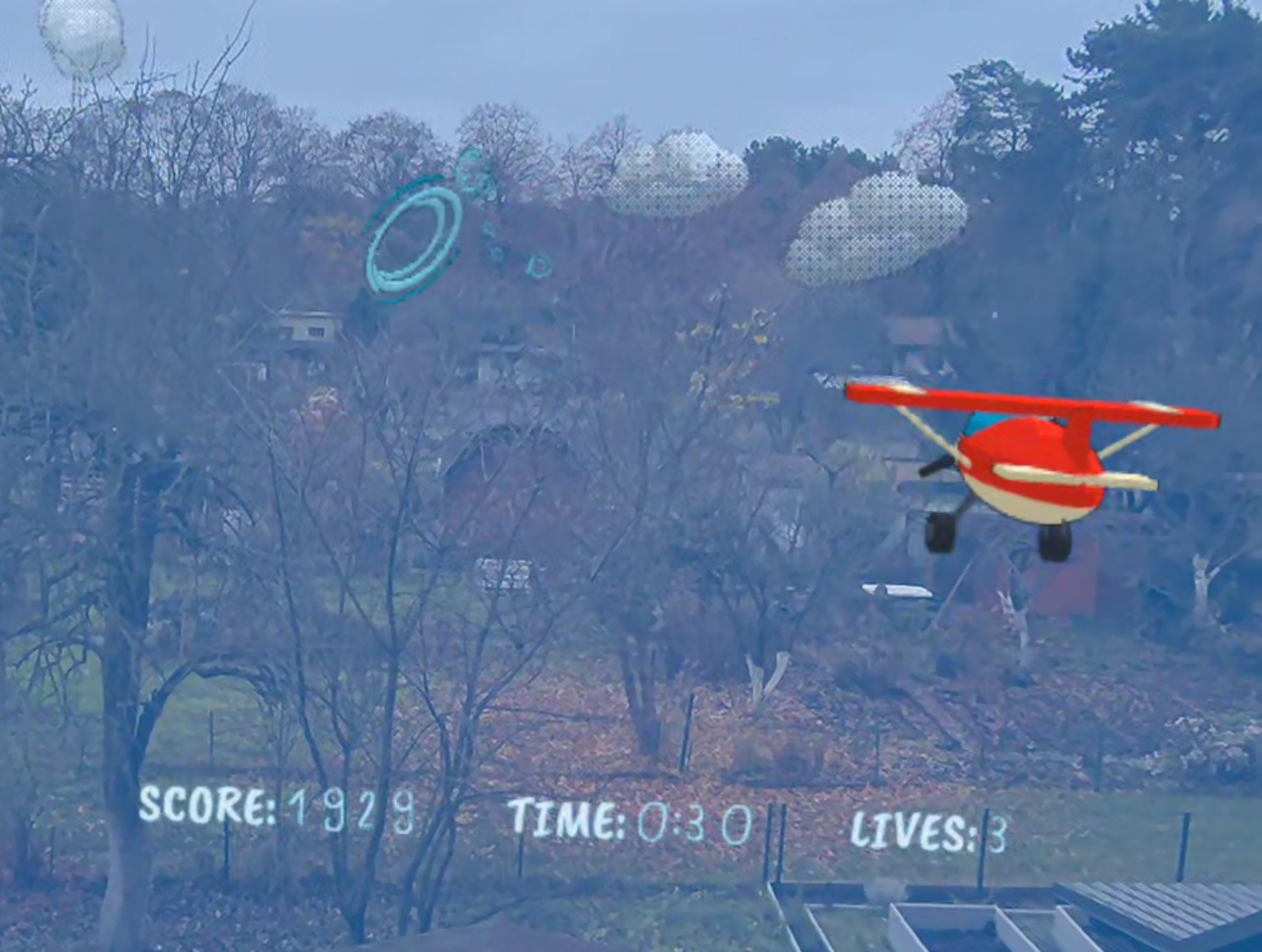
Immerso Orbit is an arcade flying game you play with one hand. Tilt your hand to steer, and raise or lower your fingers to climb or descend. Dodge obstacles and try to beat your high score.
You start with a paper plane in your real surroundings, then move on to a light propeller plane, a jet, and finally a rocket. As you progress, clouds gradually cover your room. By the final stage, you’re flying through space.
How we built it
We started with a game design document that laid out the controls, obstacles, scoring, and four stages. We split the work between development and product design so both could move forward in parallel.
On the development side, we built the game in Unity for Meta Quest using the Meta XR SDK and Unity’s Android build workflow. That covered gameplay implementation, testing on the headset, and preparing the competition build. We also explored Meta’s tooling for AI coding agents as we got up to speed on Quest development.
On the product side, we refined the game design and created the art and sound. We chose a comic-inspired visual style with a paper-like feel, recorded some of the sound effects ourselves, and experimented with AI-generated audio for others.
Challenges we ran into
Our biggest challenge was building a complete game in four days while learning a new engine and platform. We wanted the four stages to feel distinct and still have time to test the entire run on the headset.
We kept the controls and scoring consistent across all four stages. That gave us room to make each stage feel different through its aircraft and surroundings without building four separate sets of mechanics.
Accomplishments that we're proud of
We went from a blank game design document to a playable four-stage game on Quest in four days. We’re especially proud that the first takeoff happens in the player’s own room and that the same hand gesture carries the flight all the way into space.
We also made room for small personal touches. The digits on the score display came from one teammate’s own handwriting.
What we learned
We learned how to organize gameplay using Unity’s component model, work with hand tracking and passthrough on Quest, and take a project from design through implementation, headset testing, and release preparation.
We also saw how useful a shared design document can be on a short deadline. Agreeing on the controls, scoring, and stage progression early let us make decisions independently while building toward the same experience.
What's next for Immerso Orbit
We’d like to see how first-time players pick up the controls and where their runs tend to end. That would help us refine the opening and add obstacle patterns that make repeat runs more varied.
