-
-
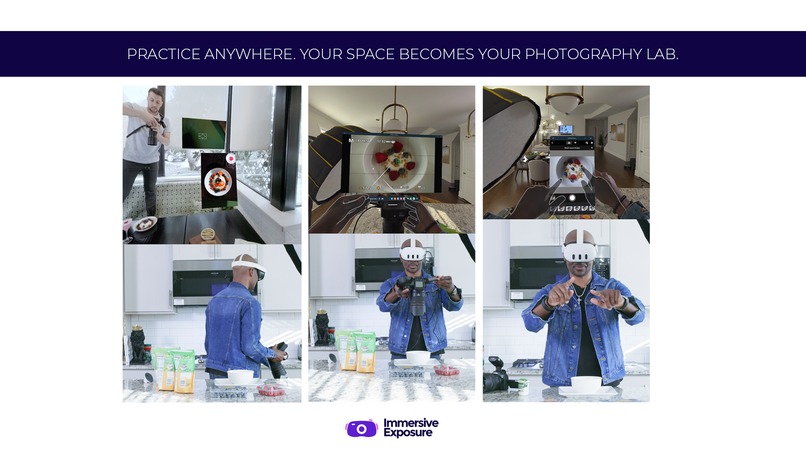
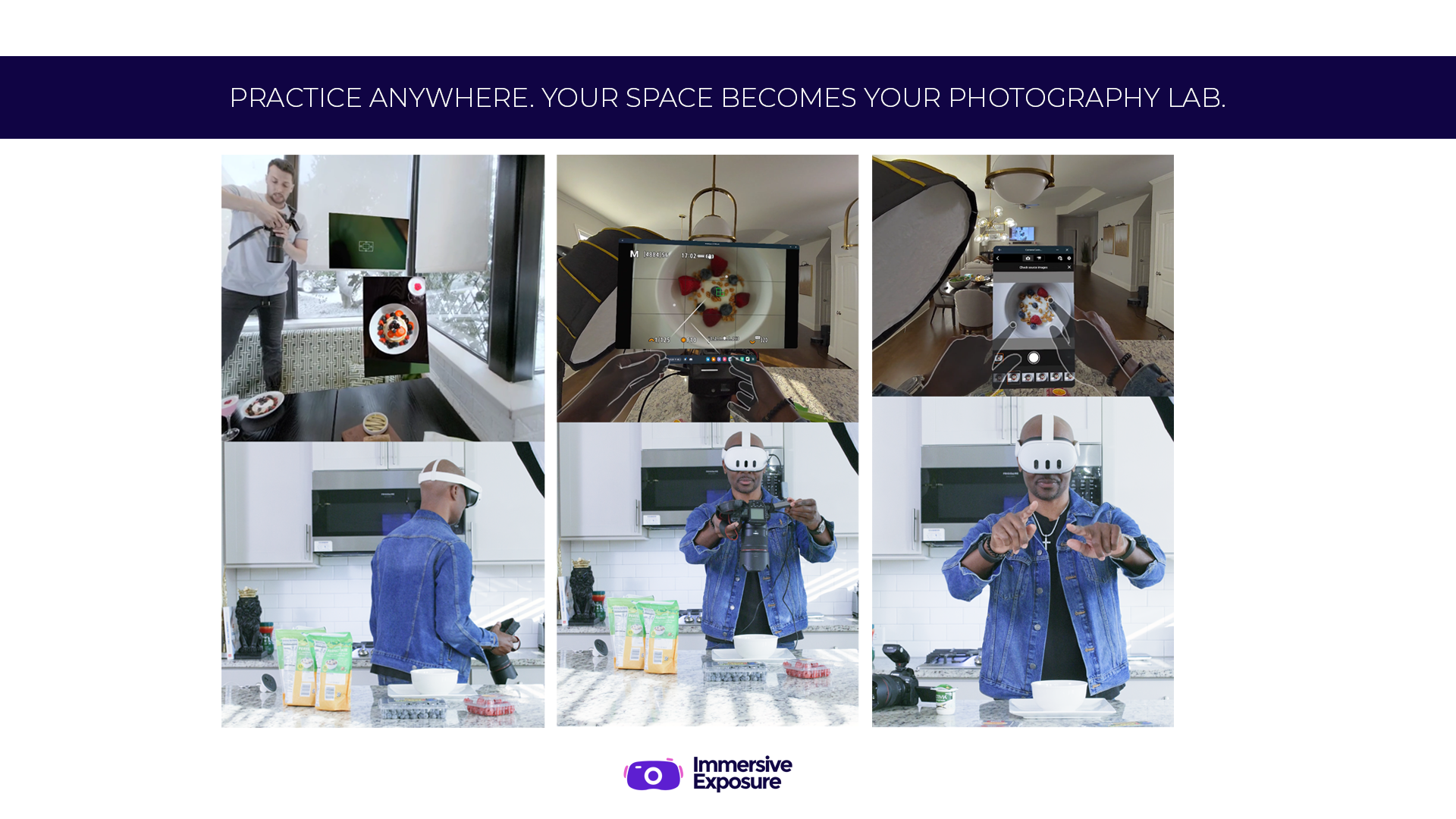
Practice anywhere. Bring virtual models, pro lighting, and complete studios into your living room. Your space becomes your photography lab.
-
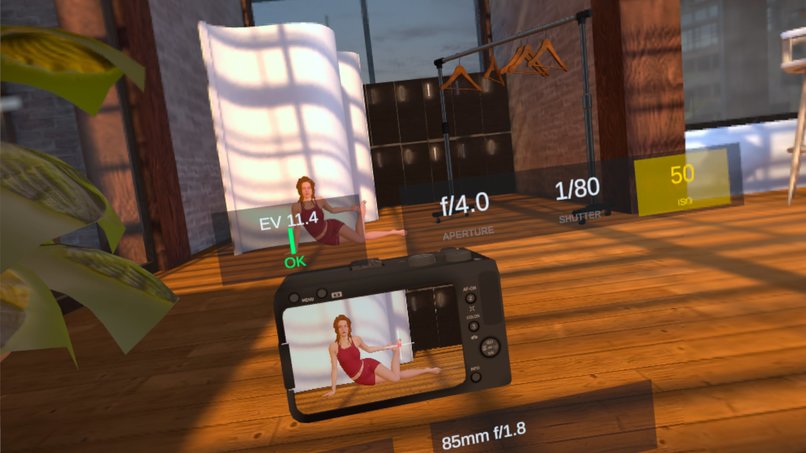
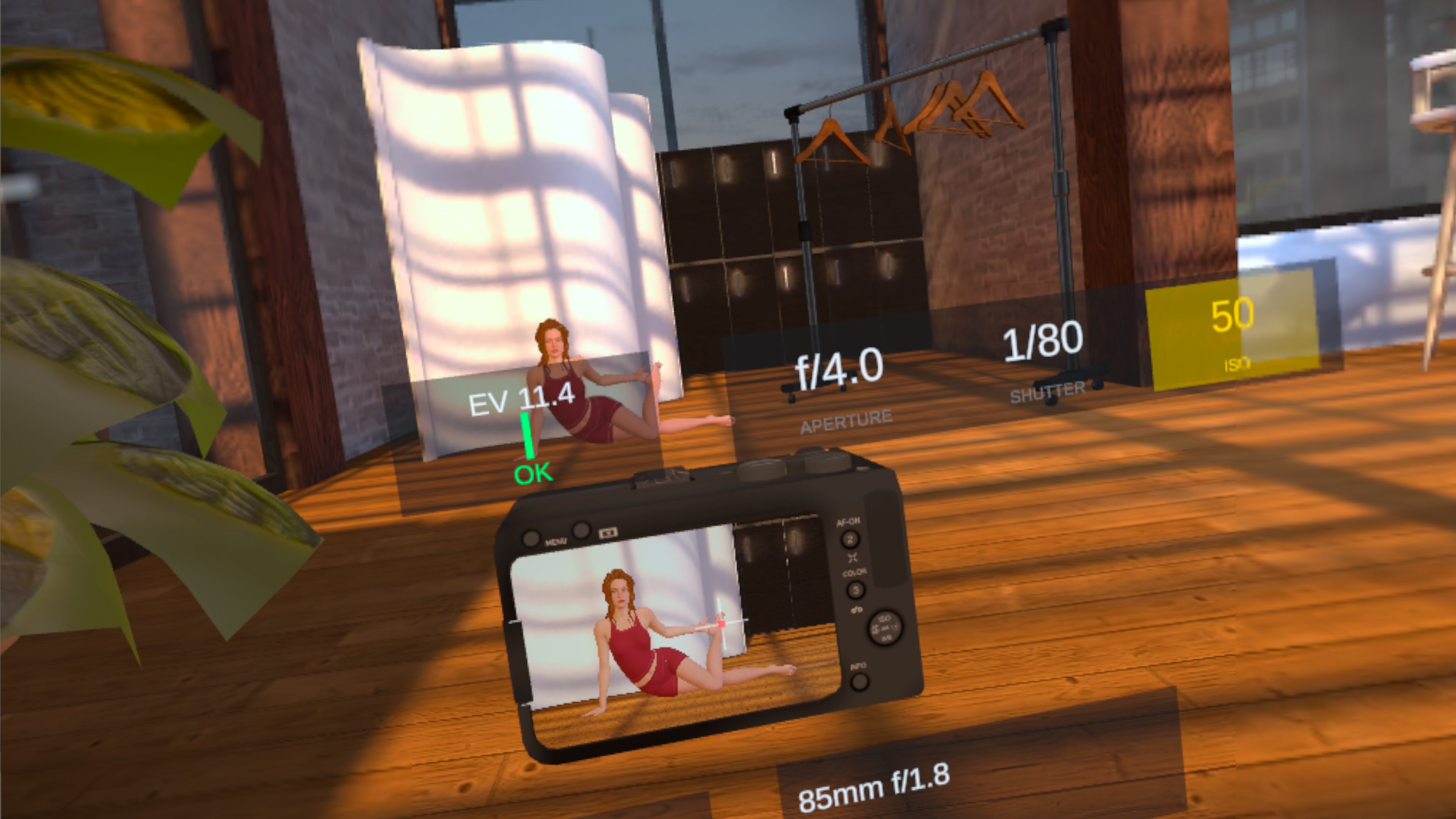
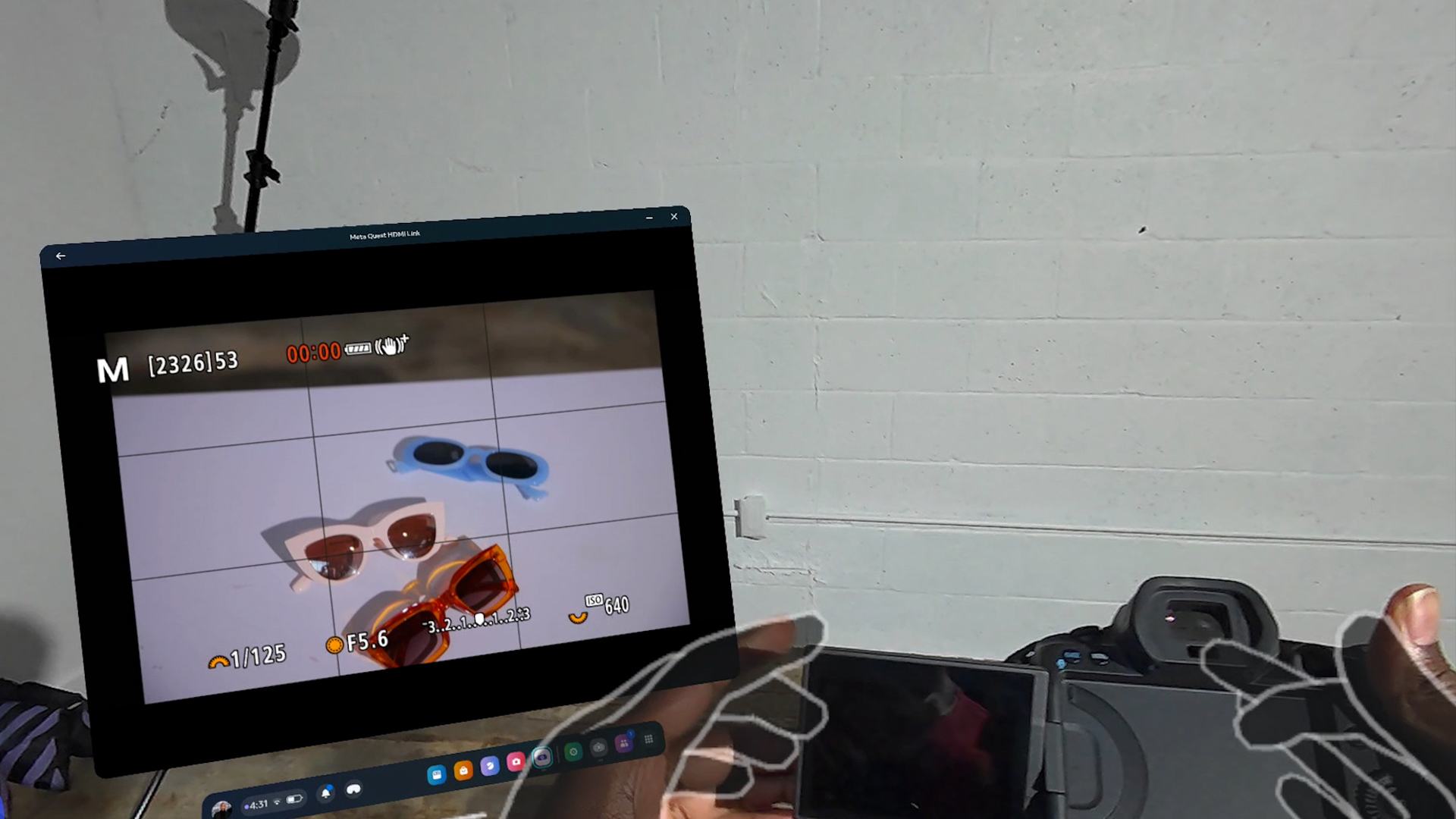
Full manual control: aperture, shutter speed, ISO, focus. Real camera behavior, real photography decisions, instant feedback on every shot.
-
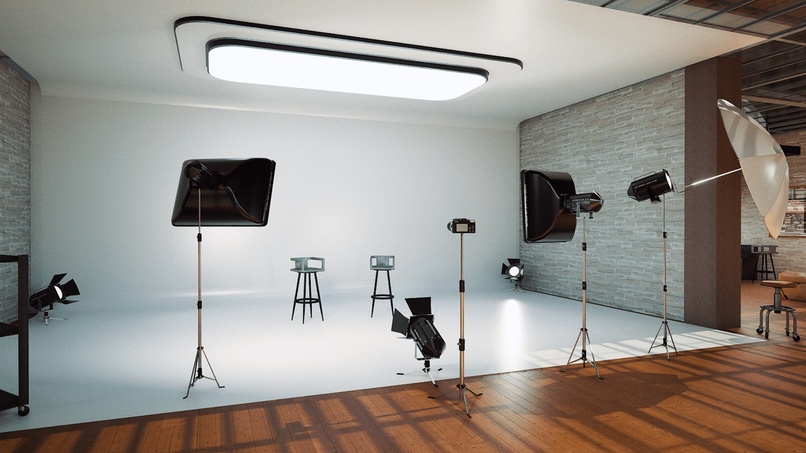
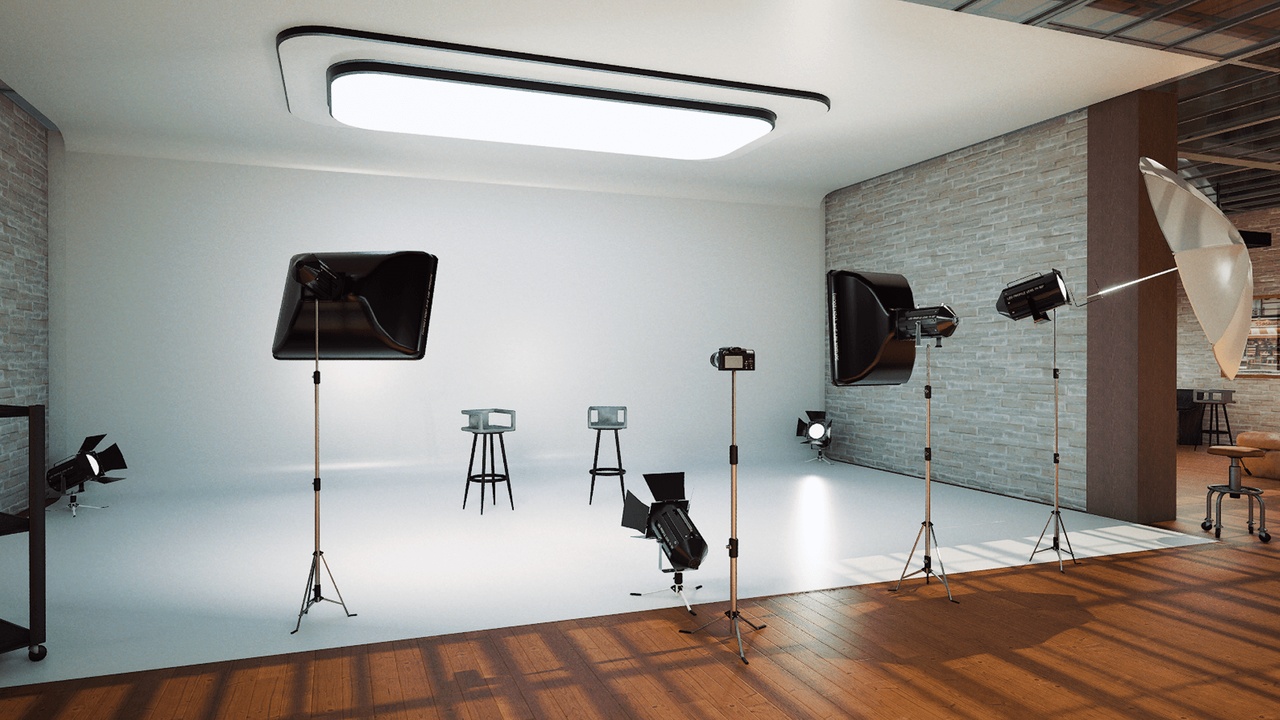
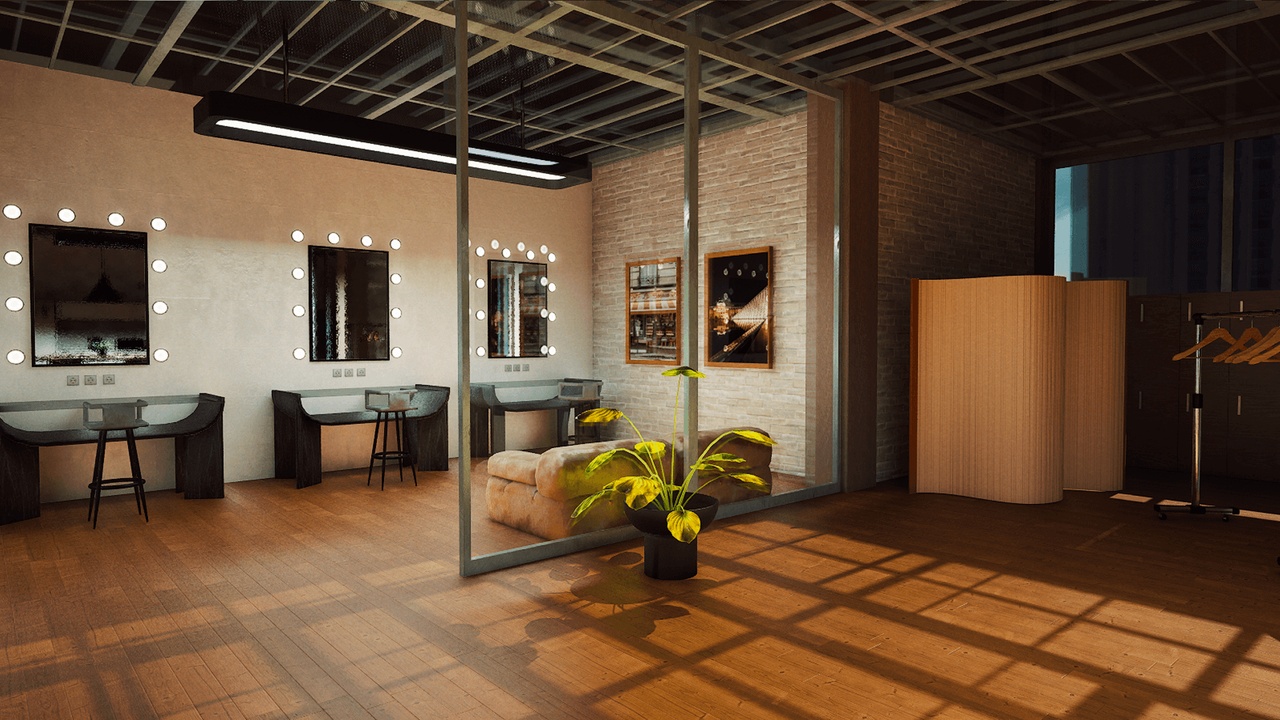
Professional studio environments with movable lights. Experiment with ratios, angles, and modifiers. See results in real-time as you learn
-
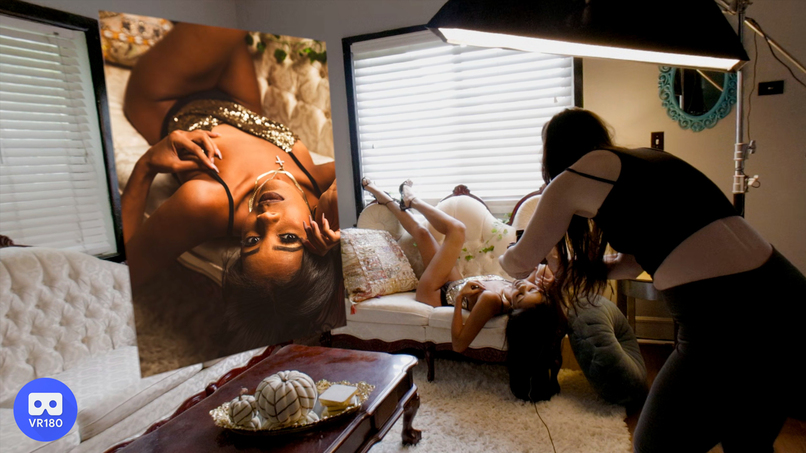
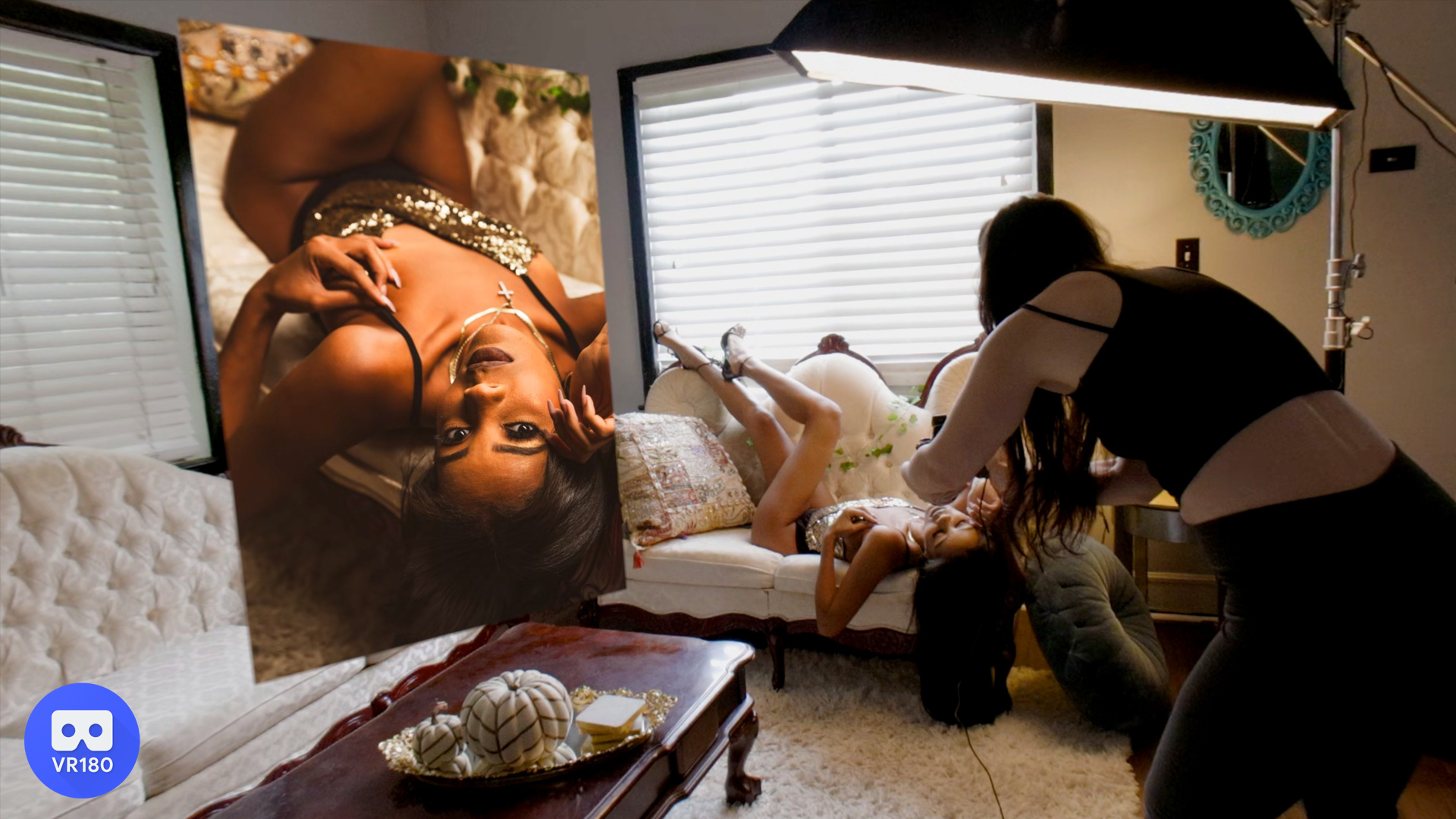
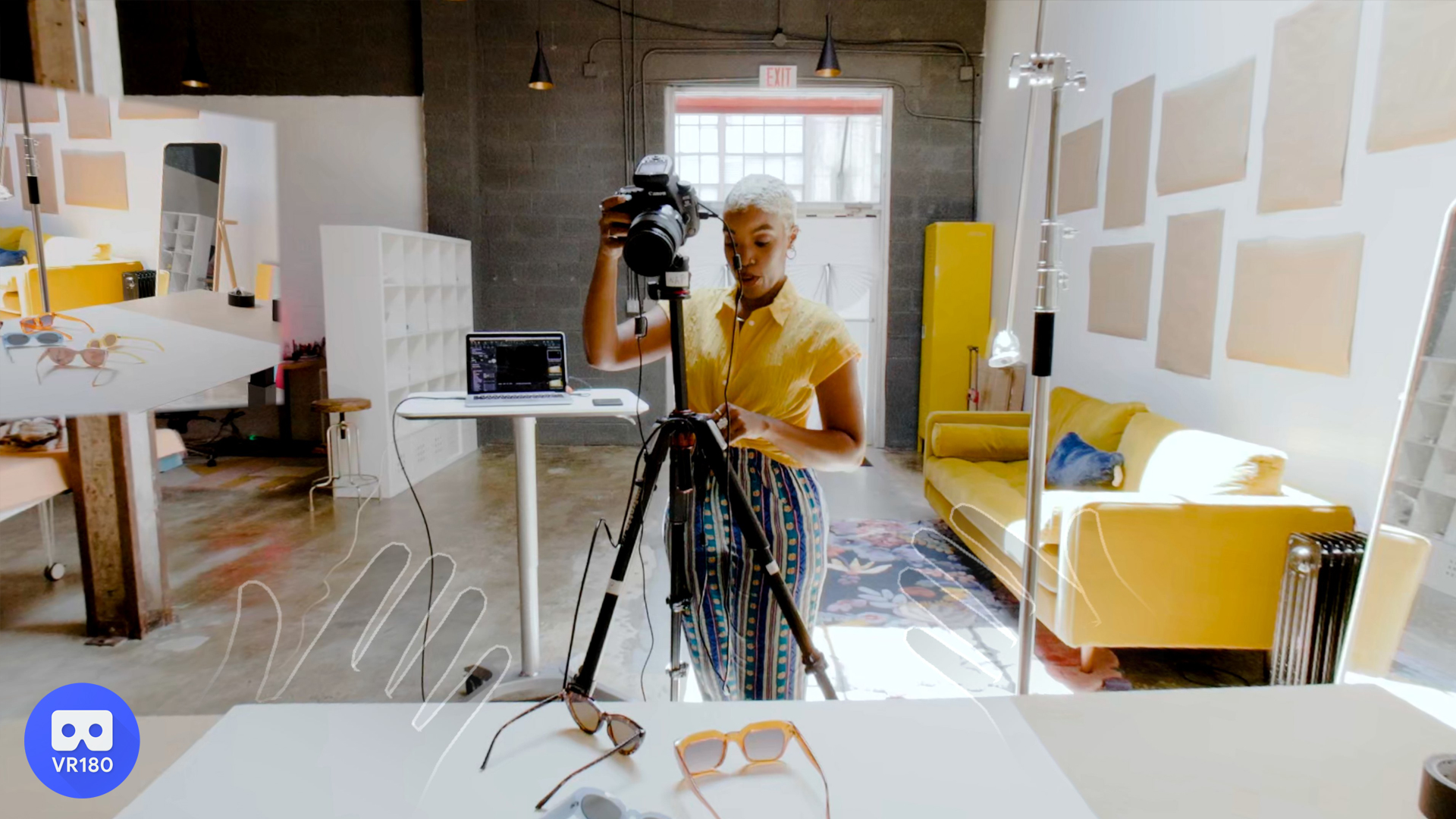
Step into real shoots with real photographers. Watch their process, hear their thinking, then practice what you learned in the VR studio.
-
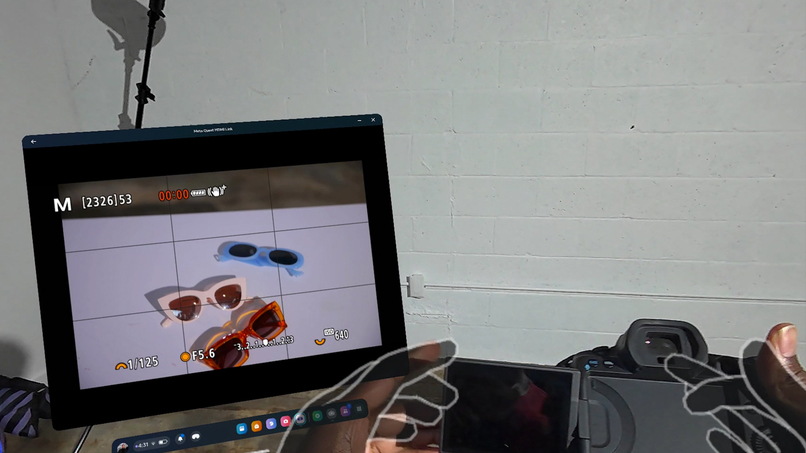
Watch techniques in VR, then immediately practice them in your own space. Bridge the gap between learning and doing.
-
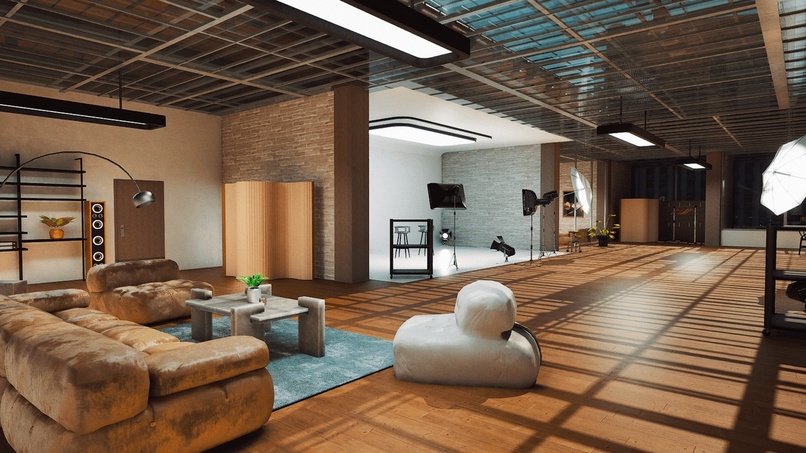
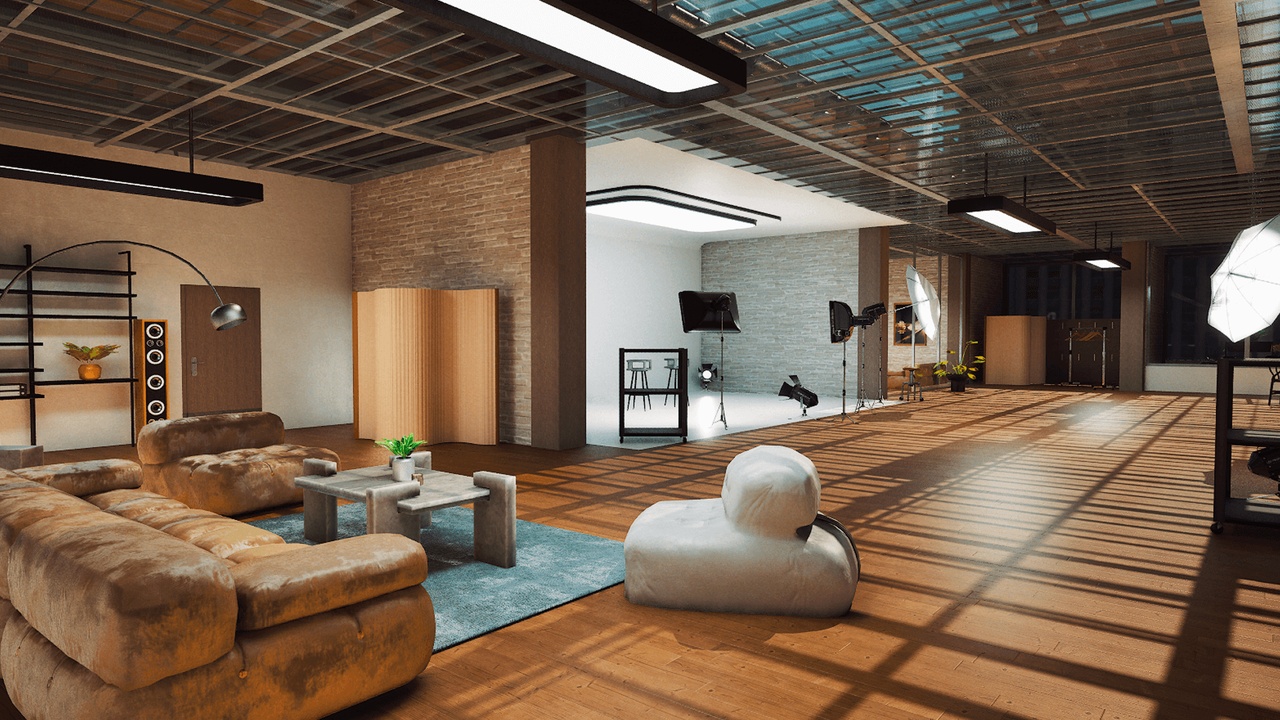
Multiple studio areas unlock different creative challenges. Each space teaches different lighting scenarios and compositional skills.
-
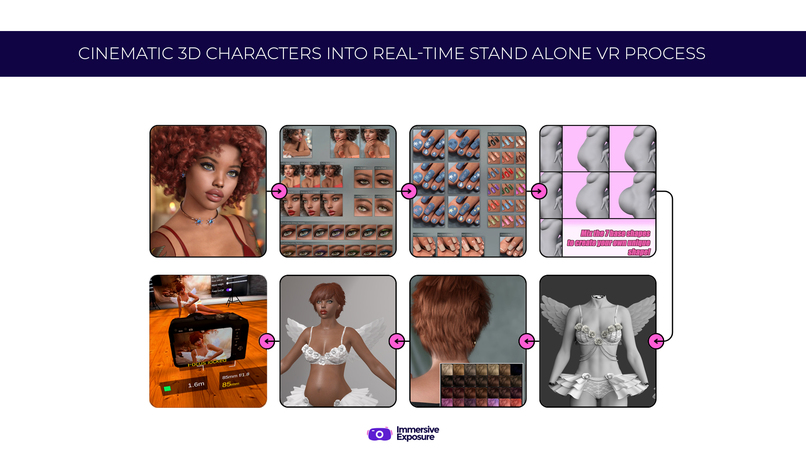
AI-powered virtual models that pose, react, and respond like real subjects. Practice directing, not just shooting static mannequins in VR
-
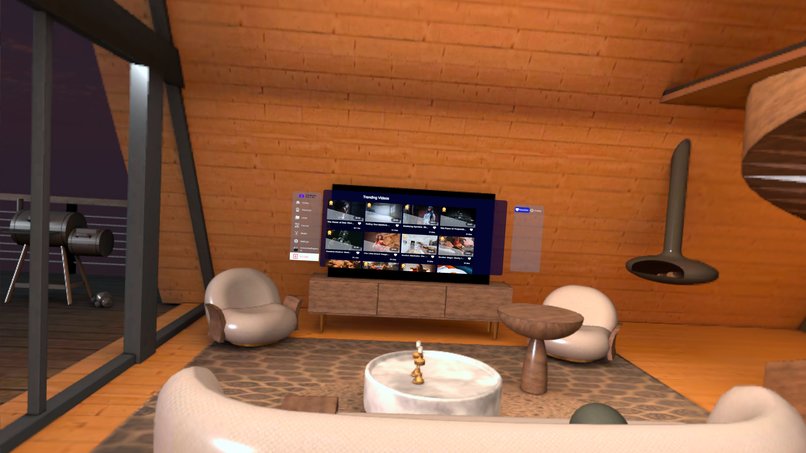
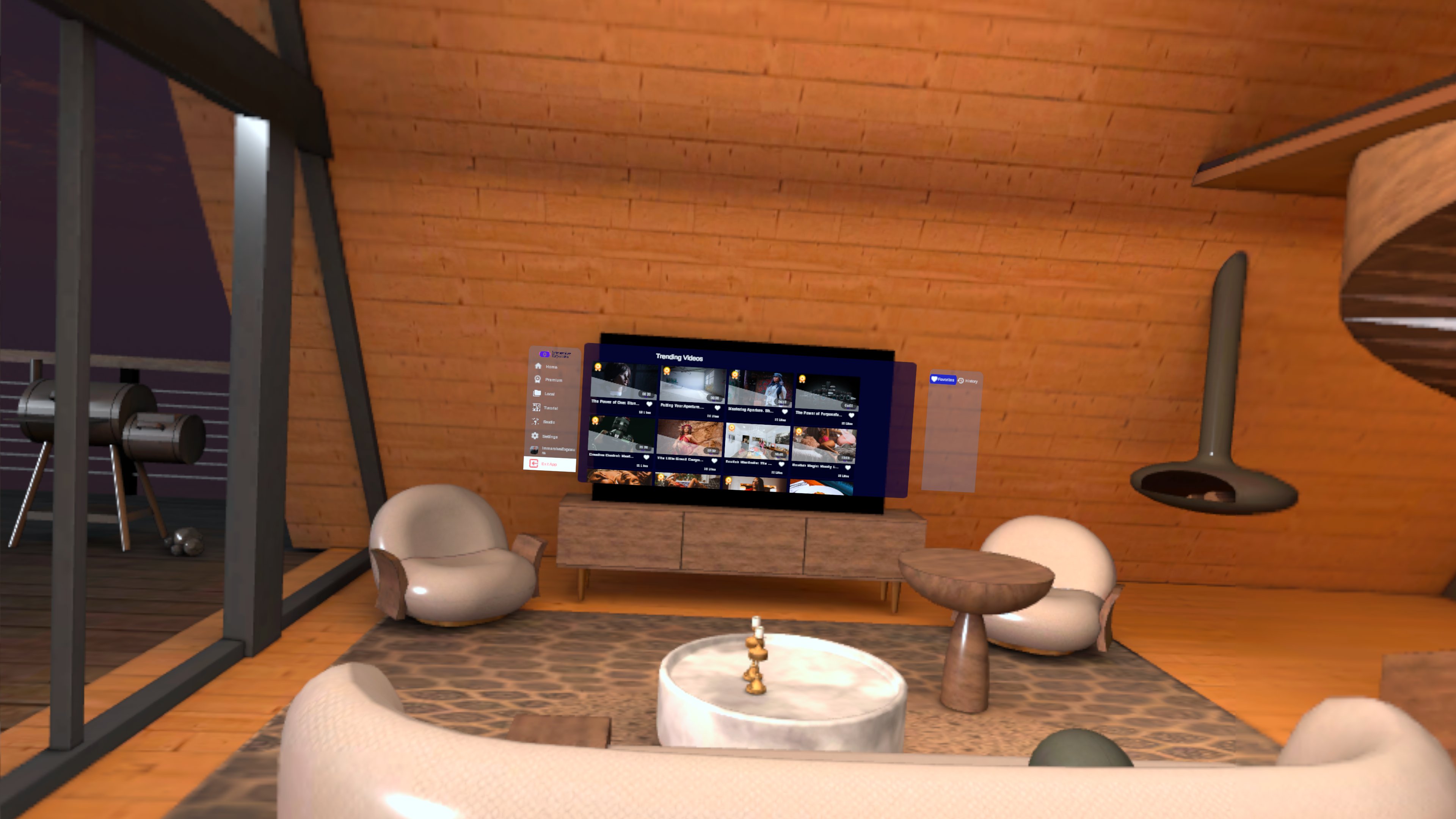
Your creative hub. Access studios, watch pro content, track progress, and jump into any learning path that matches your skill level.
-
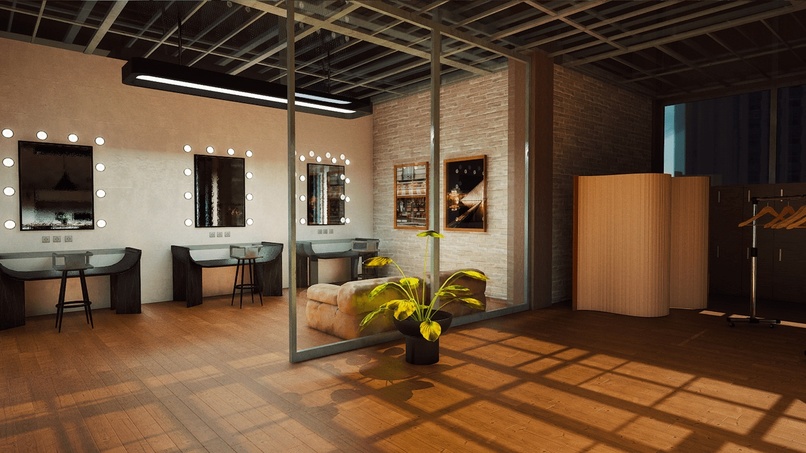
Complete photography world with wardrobe options, prop selection, and customization. Build the exact scenarios you need to practice for.
-
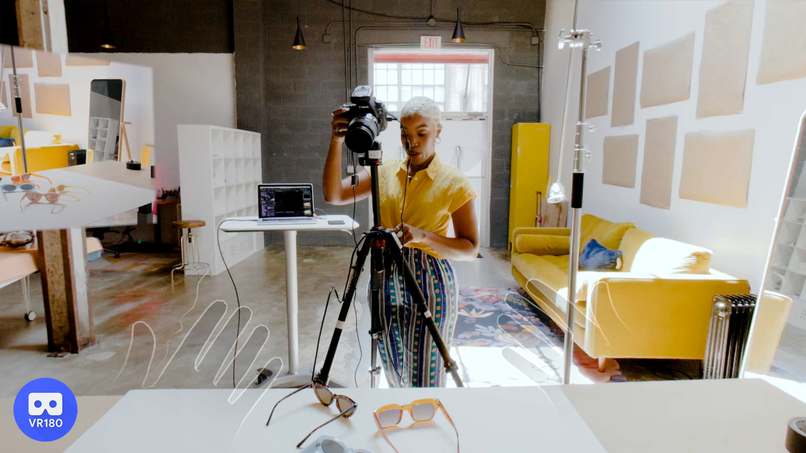
From concept to capture, every element simulates real photography workflows. No barriers between you and building professional-level skills.
Inspiration
1.8 trillion photos will be taken this year. Yet there's nowhere to practice photography skills in a realistic, hands-on way before picking up a real camera.
The photography education market is drowning in passive content - tutorials, courses, YouTube videos, but learning photography isn't about watching, it's about doing. Real practice requires access to locations, subjects, lighting equipment, and the freedom to experiment repeatedly without cost or consequence. These barriers keep millions of aspiring photographers stuck in tutorial hell, never building the muscle memory and decision-making skills that only come from hands-on repetition.
XR (Extended Reality) changes this equation entirely.
For the first time, we can create an always-accessible photography playground where users can grab a camera, adjust real settings, direct virtual subjects, manipulate professional lighting, and build real-world skills through immersive practice - without the traditional barriers of cost, access, or coordination.
After teaching 56,000+ photographers across 181 countries, I've seen firsthand how transformative hands-on learning is compared to passive consumption. Immersive Exposure exists because photography is how people see, express, and remember life - and everyone should have a space to learn it through exploration and play, not just observation.
What it does
Immersive Exposure is a XR photography sandbox where users pick up a virtual camera with realistic settings, explore interactive environments, photograph AI-powered virtual models, manipulate professional lighting, and build real-world skills through hands-on practice.
Current Features:
Fully functional virtual camera system with manual exposure, focus, and depth-of-field controls
Interactive studio environments with movable professional lighting
Virtual models for portrait and fashion photography practice
Mixed reality mode to blend virtual studios into your physical space
30+ 8K VR180 videos featuring real photographers demonstrating techniques
The Core Loop: Learn a technique → Practice it repeatedly in XR → Apply it confidently in real shoots
How we built it
Immersive Exposure began as VR180 video content, powerful for immersion, but fundamentally passive. During this competition, we rebuilt the platform from scratch to enable the real-time interaction photography education actually requires.
Technical Rebuild (Unity 21 → Unity 6):
Completely rewrote XR input and interaction logic for Meta XR Core SDK
Rebuilt UI systems for Unity 6's new input framework
Migrated Firebase with updated .NET and Gradle targets
Upgraded AVPro for Unity 6 compatibility
Fixed shader pipeline, materials, and lighting systems after URP migration
Full Quest device testing to ensure consistent performance
New Interactive Systems:
Realistic camera simulation (exposure triangle, focusing, lens behavior, depth-of-field)
Dynamic lighting tools that respond in real-time
Studio environments designed for repeatable practice scenarios
Mixed reality passthrough integration
This foundation enables us to move from linear lessons to an open photography playground.
Challenges we ran into
Performance vs. Realism: Simulating realistic camera behavior (exposure, depth-of-field, lens characteristics) while maintaining VR comfort and framerate required extensive optimization. Photography is about subtle control, we had to make complex systems feel intuitive.
VR-Native Interaction Design: Traditional photography doesn't translate to VR. We had to rethink every interaction - how you hold a camera, adjust settings, move lights, change positions - to feel natural with hand tracking and controllers.
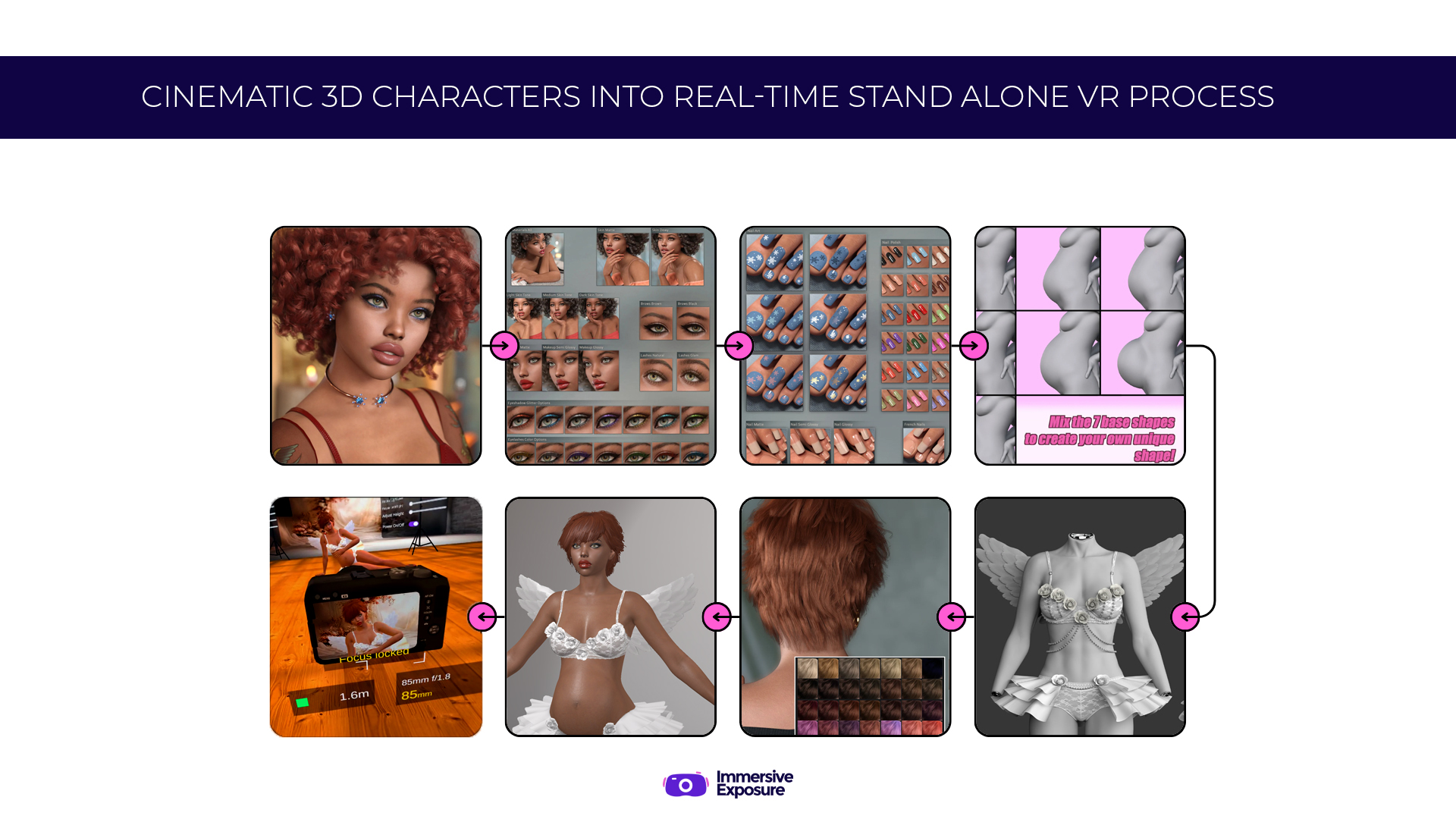
Asset Pipeline for Real-Time Characters: Bringing cinematic-quality 3D characters into standalone VR required building a custom pipeline for optimization without sacrificing visual fidelity.
Accomplishments that we're proud of
Built a fully functional virtual camera system that behaves like real photography equipment
Created interactive studio environments where lighting produce realistic, immediate results
Successfully migrated to Unity 6, establishing a scalable technical foundation
Transitioned from passive video content to a true hands-on learning platform
Made professional-level photography practice accessible to anyone with a Quest headset
What we learned
Technical: The nuances of balancing realism with performance in VR - particularly around lighting, physics, and real-time rendering, are more complex than traditional game development. Every frame matters for comfort.
Design: VR interaction design requires rethinking assumptions from 2D interfaces. What works on a screen doesn't necessarily work in 3D space. The best VR experiences feel natural, not clever.
Market: Photographers don't just want more content, they want practice environments. The shift from consumption to creation is the unlock.
What's next for Immersive Exposure
While the competition submission demonstrated core mechanics, we're building toward a much larger vision: a living photography lab powered by AI and mixed reality.
AI-Powered Virtual Models
We're developing intelligent NPCs that function as responsive photography subjects. These characters will take direction, adjust poses naturally, respond to photographer cues, and create authentic shooting scenarios - not static mannequins, but subjects that behave like real clients and models.
Mixed Reality Studio Integration
Our MR systems will allow photographers to composite virtual models, professional lighting setups, and complete studio environments directly into their physical space. Test portrait lighting in your living room. Rehearse composition anywhere, anytime.
Advanced Lighting Simulation
Beyond movable lights, we're building systems that replicate real studio equipment - cameras, lens, softboxes, reflectors, rim lights, natural window light, multi-light ratios - with real-time feedback showing how each adjustment affects exposure, shadows, and mood.
Scenario-Based Training
Real photographers don't just "take photos" - they handle specific contexts: with moving subjects, weddings, corporate headshots with nervous clients, family portraits with restless children, product shoots with tight deadlines. We're creating these scenarios with AI-driven subjects that respond realistically.
Social Photography World
Multiplayer photo walks, collaborative shoots, community galleries, daily challenges, and unlockable gear that rewards exploration and mastery. Photography is both a technical craft and a creative community, Immersive Exposure will reflect both.
The Long-Term Vision:
Transform photography education from passive content consumption to active, immersive practice. Create a space where skills are built through repetition, experimentation, and play, mirroring how professionals actually develop their craft, but without the traditional barriers of cost, access, and opportunity.
Photography is how billions of people capture, express, and remember their lives. Immersive Exposure makes mastering it accessible to anyone willing to practice.
Join Us in Building the Future
Immersive Exposure is live on Wefunder. We're scaling from 3,033 beta users to full commercial launch—building the experiential learning platform for VR, starting with photography.
→ View our investment opportunity on Wefunder
Early investors get equity at a $12M valuation cap before we launch monetization in Q2 2026.


Log in or sign up for Devpost to join the conversation.