-
-
ImageGen
Inspiration
Creating high-performing e-commerce product images is expensive, slow, and often inconsistent. A single product listing typically requires multiple creatives—hero images, benefit callouts, comparisons, trust panels, and lifestyle visuals—usually produced by agencies over weeks.
While AI image tools exist, most generate isolated visuals without understanding product positioning, brand consistency, or conversion strategy. ImageGen was inspired by this gap: using Gemini 3 not as an image generator, but as a reasoning engine that understands how products should be presented to sell.
What it does
ImageGen transforms a single product photo into a complete, conversion-optimized e-commerce image set.
By combining the product image with structured context and brand constraints, ImageGen generates:
- Marketplace-compliant hero images
- Benefit-driven infographics
- Brand vs competitor comparison panels
- Trust and certification visuals
- Lifestyle mockups
- Before-and-after visuals
Each asset is designed to reflect real e-commerce listing strategies used on platforms like Amazon, and D2C storefronts.
How we built it
ImageGen was built as a structured, step-by-step workflow:
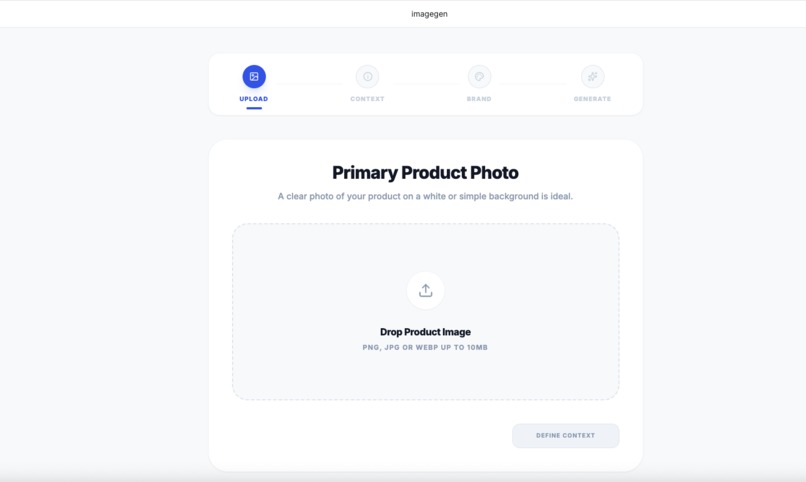
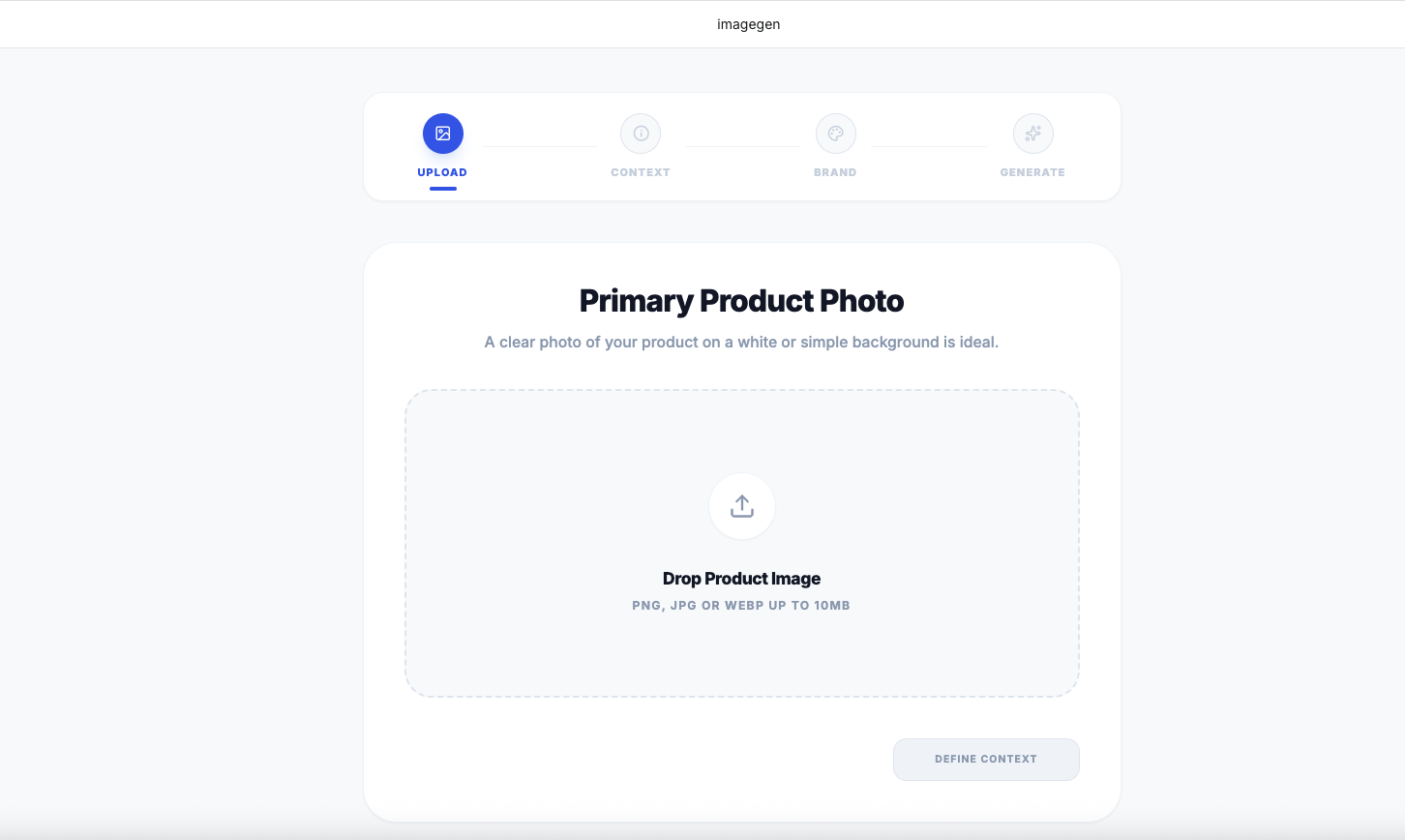
- A product image is uploaded and validated for quality.
- Structured product context—name, category, benefits, and description—is collected.
- Brand constraints such as primary and secondary colors are applied.
- Gemini 3 processes the combined multimodal inputs and generates a coherent set of listing assets.
Google AI Studio was used to prototype and orchestrate the Gemini 3 integration.
Challenges we ran into
The biggest challenge was avoiding generic AI-generated visuals. Early outputs looked visually appealing but lacked clarity and intent.
This was addressed by introducing strict structure before generation—forcing the model to reason about context, positioning, and brand identity before producing any images.
Accomplishments that we're proud of
- Built a fully functional, end-to-end e-commerce creative workflow
- Generated multiple distinct asset types from a single input image
- Maintained brand consistency across all generated visuals
- Created marketplace-ready outputs without manual design work
What we learned
We learned that Gemini 3 performs best when treated as a reasoning system rather than a creative shortcut. Clear structure, constraints, and intent dramatically improve output quality and reliability.
This approach enables AI to produce production-ready assets, not just experiments.
What's next for ImageGen
Future plans include batch generation for large catalogs, and deeper brand style learning to further improve consistency and scalability.
Note: All brands and products shown are fictional and used for demonstration purposes only.
Built With
- css)
- google-gemini-3-api-google-ai-studio-multimodal-image-&-text-prompting-javascript-web-based-ui-(html


Log in or sign up for Devpost to join the conversation.