
Detection of Face and Recognition of Interviewee
Inspiration Behind the Project
The inspiration for this project arose from the increasing shift to virtual interviews due to the COVID-19 pandemic. With remote hiring becoming the norm, verifying the identity and sincerity of interviewees posed a significant challenge. Traditionally, interviewers manually compared candidate faces across different interview rounds, which was time-consuming and prone to errors. To address this, we sought to automate the process using machine learning techniques for face detection and recognition.
What I Learned
Working on this project provided valuable insights into:
- Machine Learning Techniques: Implementing facial recognition using OpenCV and Python.
- Haar Cascade & LBPH Algorithm: Understanding how Haar cascade classifiers detect facial features and how Local Binary Pattern Histogram (LBPH) recognizes faces.
- Image Processing: Learning about dimensionality reduction, feature extraction, and image recognition techniques.
- Real-world Application: The importance of biometric authentication in HR recruitment, attendance tracking, and security surveillance.
How I Built the Project
1. Face Detection Using Haar Cascade
- Installed OpenCV for Python.
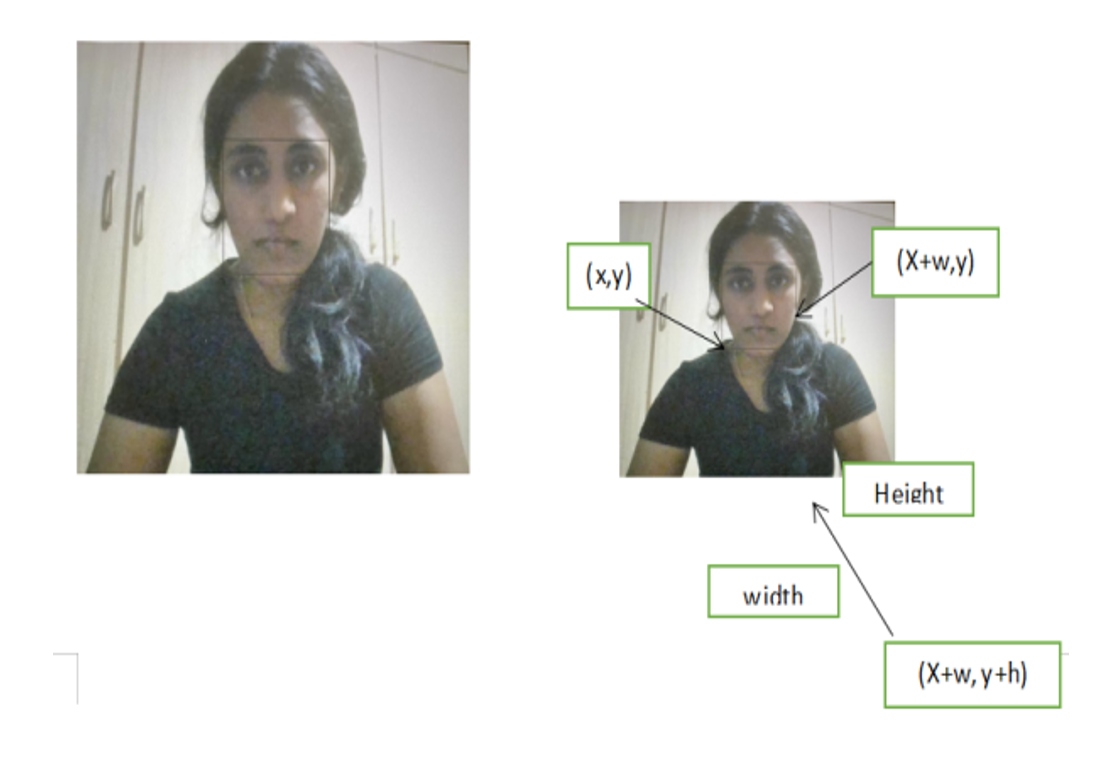
- Used Haar cascade classifiers for detecting faces and extracting facial features.
- Created bounding boxes around detected faces.
2. Creating the Dataset
- Collected images of interviewees from various rounds of interviews.
- Stored grayscale images with unique identifiers for each individual.
3. Training the Model
- Used LBPH (Local Binary Pattern Histogram) to train the model.
- Each image was converted to grayscale and assigned an ID.
- Generated a classifier (
classifier.yml) for face recognition.
4. Face Recognition
- Compared images taken during the interview process to the ones captured at the time of joining.
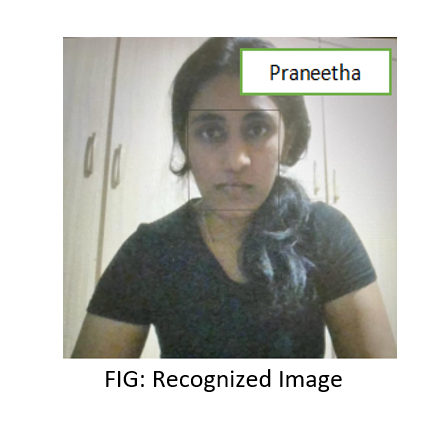
- Verified the identity of the interviewee.
- Displayed the name of the recognized person.
Challenges Faced
- Lighting Conditions: Changes in lighting affected face detection accuracy.
- Pose Variation: Different head positions reduced recognition efficiency.
- Dataset Quality: Training data needed to be diverse to improve accuracy.
- Processing Speed: Real-time face detection required optimizing the algorithm.
Conclusion
This project successfully demonstrated an automated approach to face recognition in hiring processes. The Haar Cascade classifier effectively detected faces, while LBPH ensured accurate recognition. The model can be expanded for security applications, employee verification, and fraud prevention.
Future Scope
- Integration with AI-powered HR systems for seamless recruitment.
- Enhancing accuracy by incorporating deep learning (CNNs).
- Deploying on cloud platforms for scalability and real-time authentication.

Log in or sign up for Devpost to join the conversation.