Inspiration
Aside from the example stating that the recycling rate had fallen to a 10 year low, we have also found that the 13% amount of domestic waste. Hence, we are trying to target more towards them as they make a larger impact (day-to-day activities). After seeing how helpful the recognition system is (via camera), that was able to translate sign language to voice (through a speaker) which aided the communication (language barrier).
Hence, with this example we had an idea of why not have one that can identify the type of recycling material it is and if it can be recycled or not? These are the usually questions that people have that may
What it does
What does your hack do?
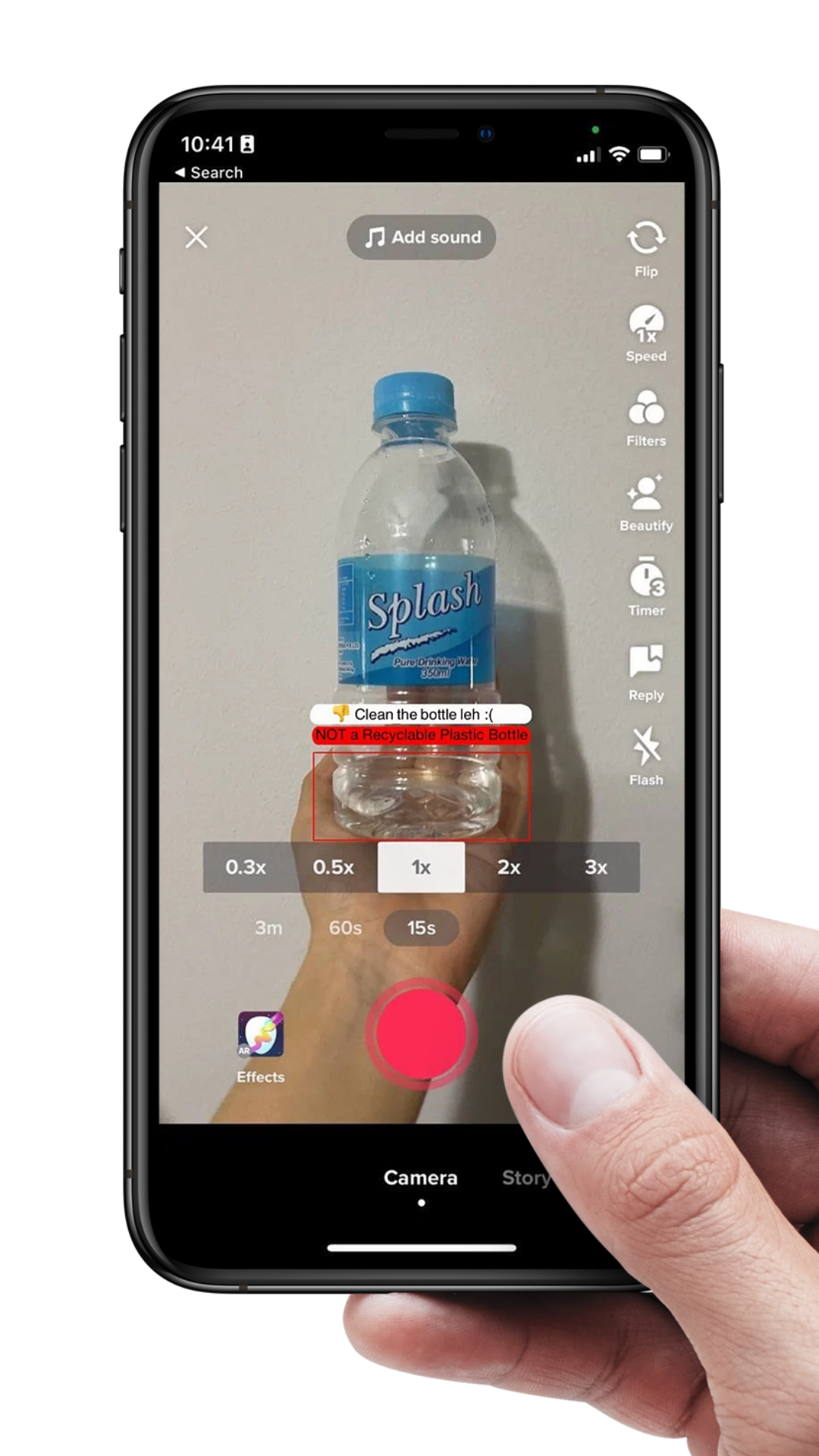
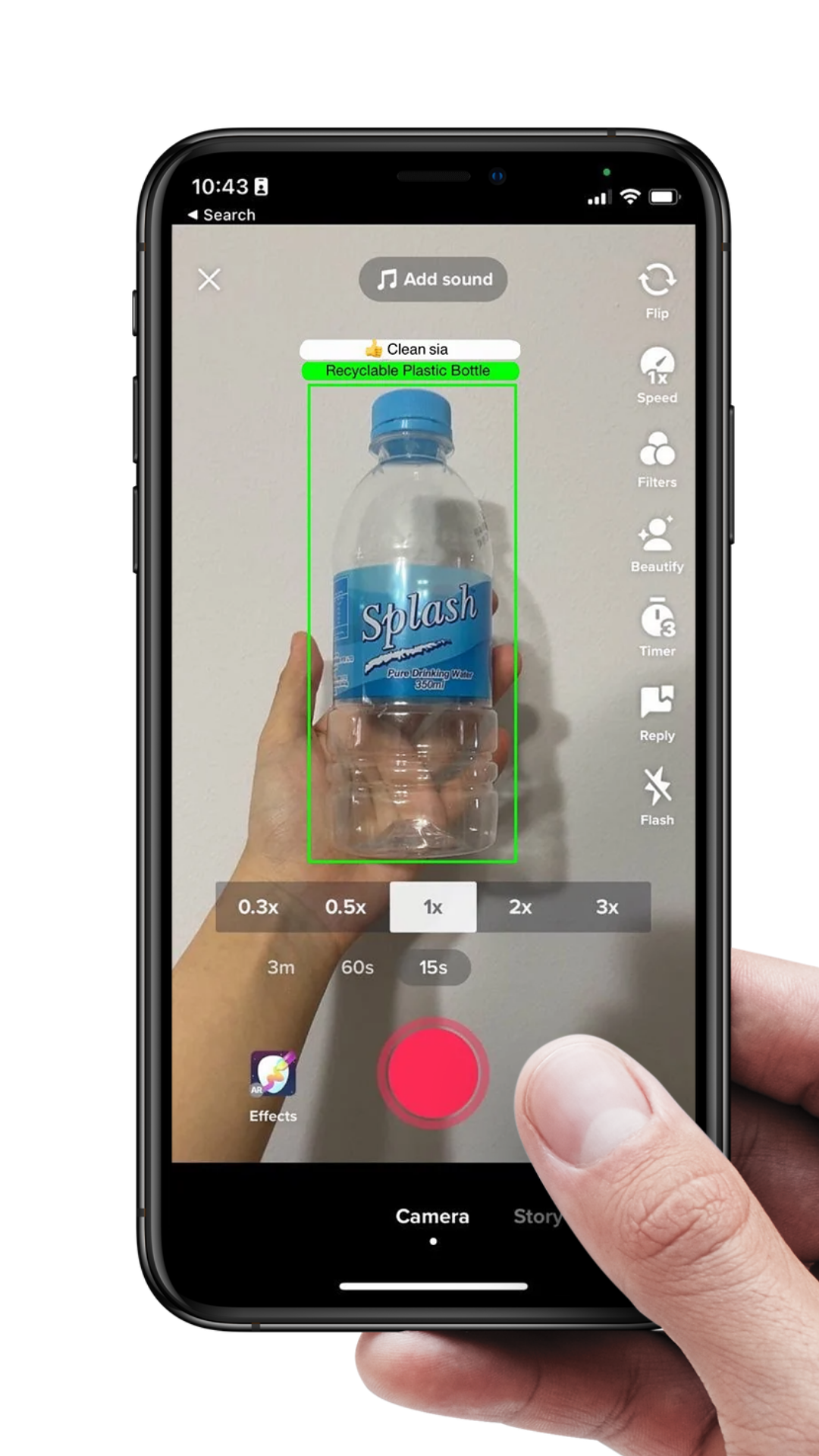
It educates users on the proper recycling etiquette by scanning the selected object using machine vision and informs on whether the object is recycleable. We decided to target users on tiktok and we focused on our audience on Generation Z.
“Right now, the recycling rate for plastics is at 4 per cent — the lowest here among other waste streams such as metal and paper…..But there are other reasons that contribute to the low figures, they said, including the lack of knowledge among consumers on what plastics can be recycled and how to recycle them properly.” - TodayOnline (August 30, 2021)
With an easy access to the information, we hope to make it convenient for users to educate themselves on proper recycling etiquette to cultivate a good recycling culture in Singapore. By targeting Gen Zs, we also hoped that the other generations will be influenced by their younger counterparts to recycle more as well.
How does your hack answer the problem statement?
Our solution is to use image recognition to determine whether scanned items are recyclable. To increase the use of this solution, the solution should be a feature on a widely-used social media platform like TikTok. From the scanned image, we can visually infer non-visual properties like softness or hardness - a physical material property. Furthermore, this function can be integrated into the end-to-end learning of a Convolutional Neural Network (CNN) to recognise materials and their visual attributes simultaneously.
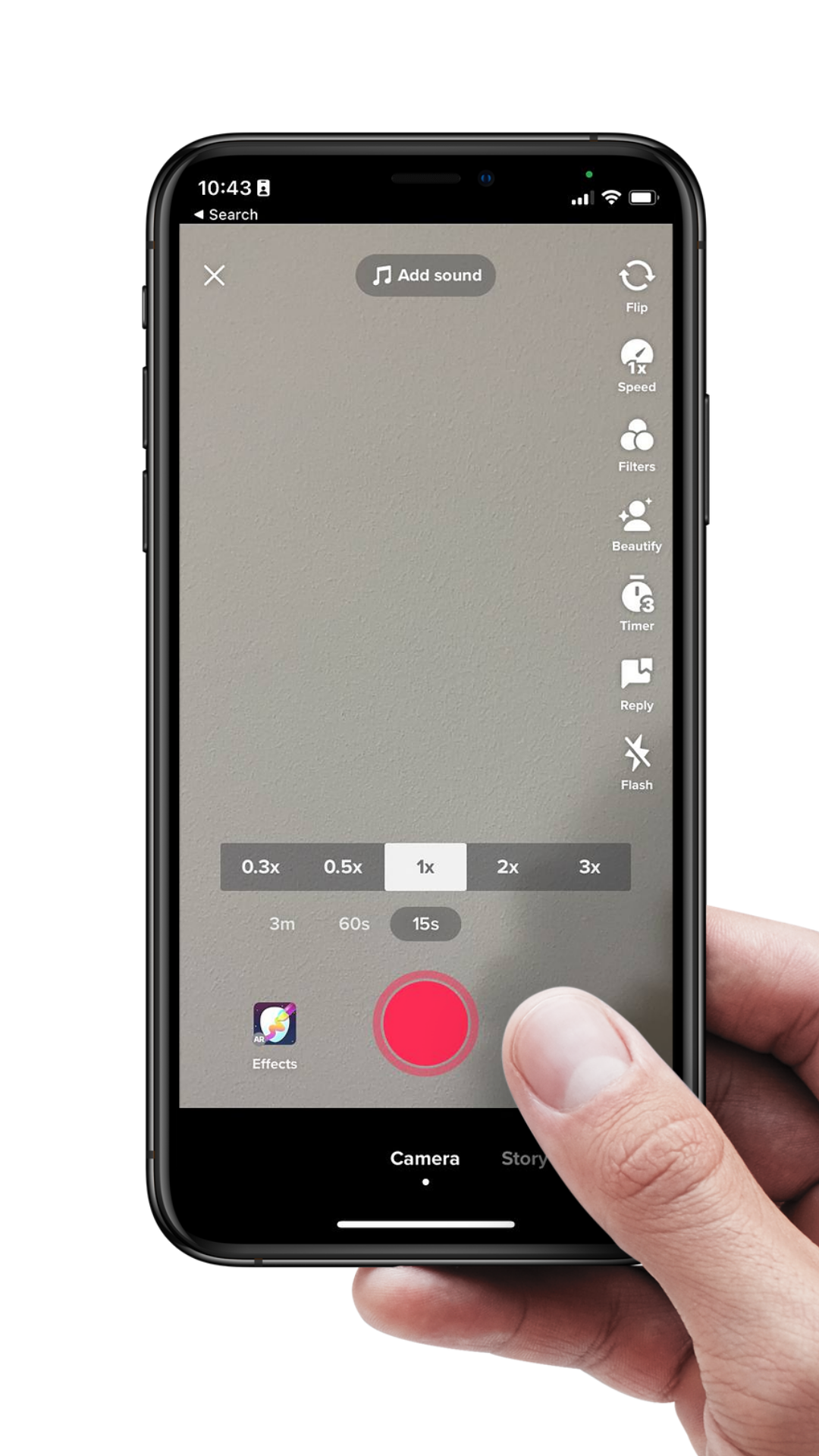
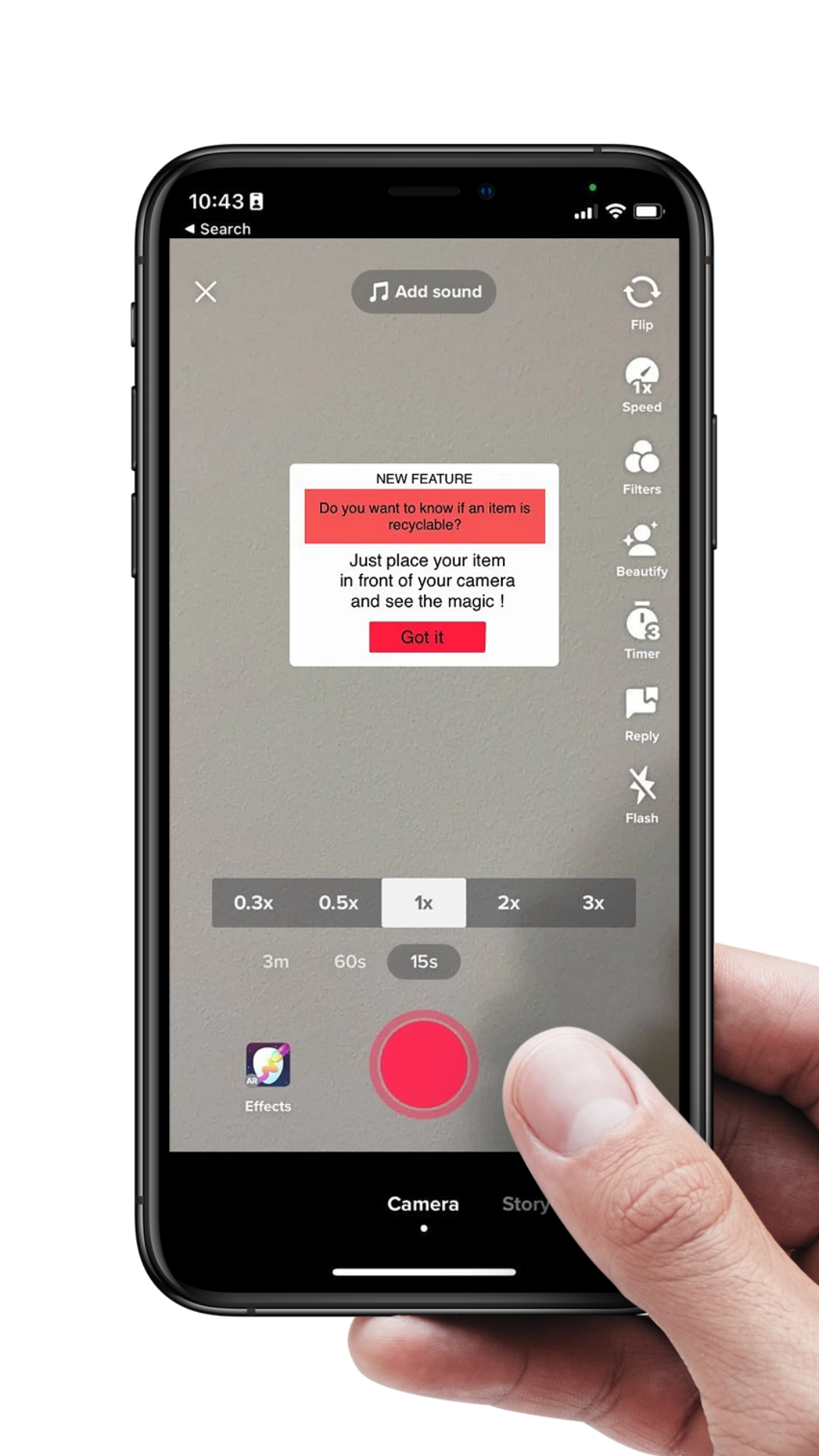
Step by step on how users use the feature (on TikTok): Users open the camera function on the app Scan the item The app will process the picture and tell the user whether the item is recyclable
Therefore, with this feature, users have easy accessible information at hand to equip themselves with the proper recycling knowledge. Such mobile applications have the potential to encourage users to recycle confidently.
How we built it
Step by step on how the feature is made: Develop an image dataset on the various recyclable materials Train and test the dataset Create a baseline model using CNN (image recognition, image classification) Evaluate the model Make predictions for new images
Challenges we ran into
We have beginner knowledge on this hackathon area of expertise so we are not well-versed on the technologies that we could apply for our project. With the 24 hour deadline, we also had difficulties in finding time to work together.
Accomplishments that we're proud of
What are the benefits and limitations to this solution?
Environmental Sustainability Reducing any amount of waste would be able to help the environment, not using non-recyling products is one thing, however finding a way to repurpose a recyclable product is another. One of the key steps to achieve the repurposing is to have properly sorted and cleaned products to prevent contamination. Overall ,this would help the environment largely.
Feasibility If this were to continue, the domestic recycling rate would increase, additionally if a Tiktok trend come out of this it be able to have a wide spread effect. Impacting Singapore’s recycling system.
Economic Sustainability With more recycling, it will help with the materials sourcing as there is another opened option for people to tap on.
What we learned
What's next for Ikigai Environment
Built With
- interface

Log in or sign up for Devpost to join the conversation.