Inspiration
With the rapid evolution of Zero-Shot text-to-speech models, committing voice identity fraud has never been easier. Cybercriminals can now clone a person’s voice with just a 3-second sample and use it to bypass banking security systems or scam unsuspecting victims over the phone. We were inspired to build Ignition Biometrics because we believe that the only way to fight AI is with better AI. We wanted to create an impenetrable, real-time acoustic shield that financial institutions can deploy to protect their users' identities.
What it does
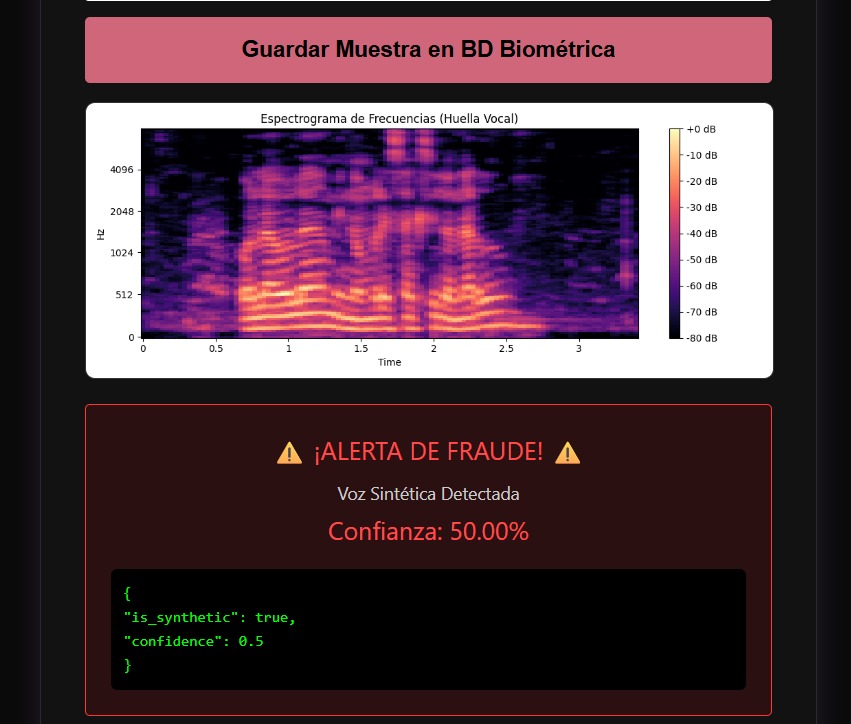
Ignition Biometrics is an enterprise-grade acoustic anti-spoofing engine. It analyzes incoming audio streams in real-time to determine if the voice on the other end is a legitimate human or a synthetic AI deepfake.
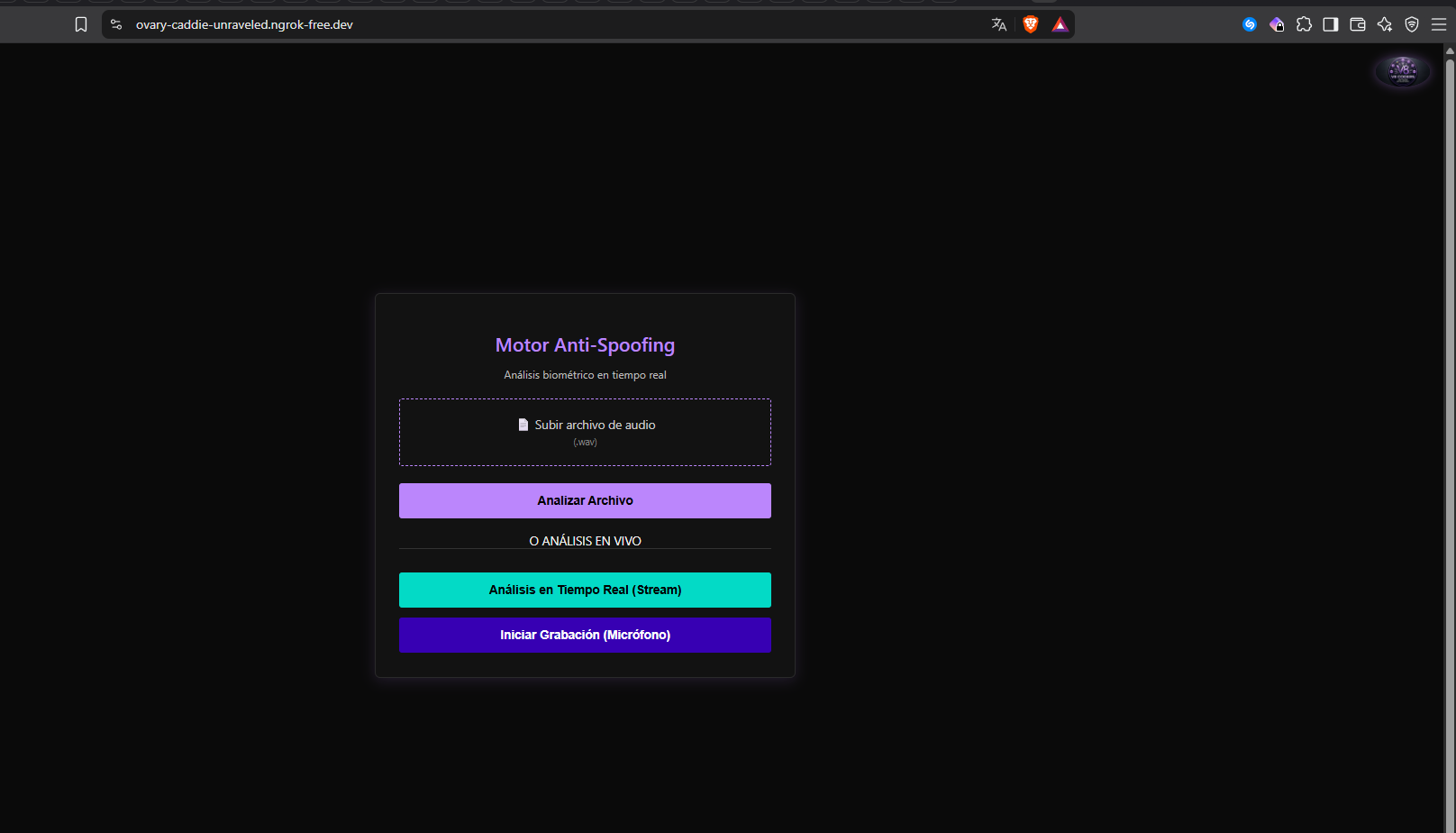
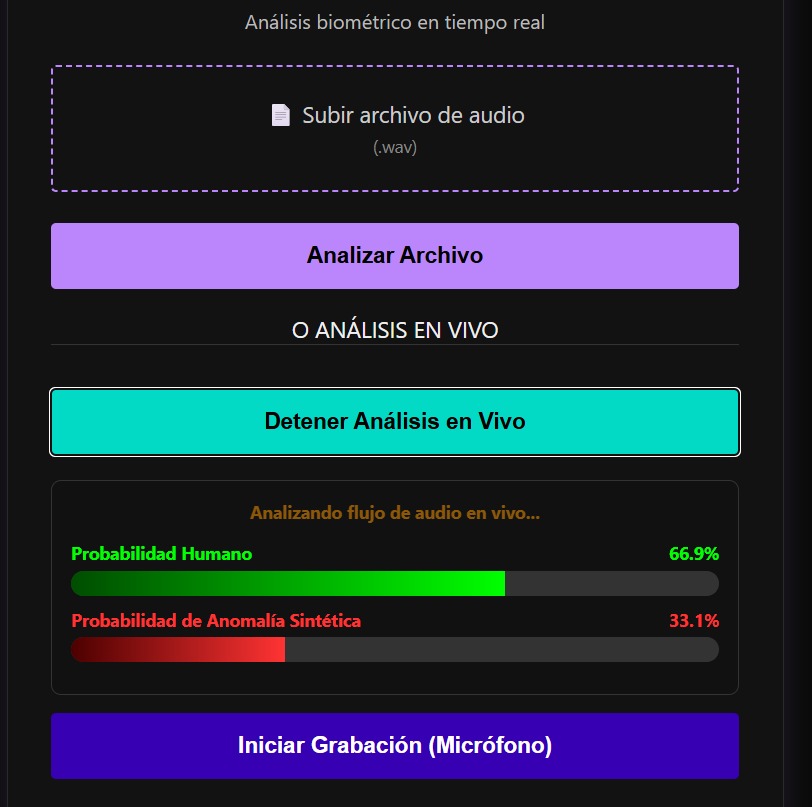
Instead of relying on simple frequency checks, it extracts deep biometric embeddings from the vocal tract's acoustic signature. It features a fully compliant Base64 API endpoint for seamless backend integration, and a sleek, real-time graphical interface that allows live microphone monitoring with instant probability feedback.
How we built it
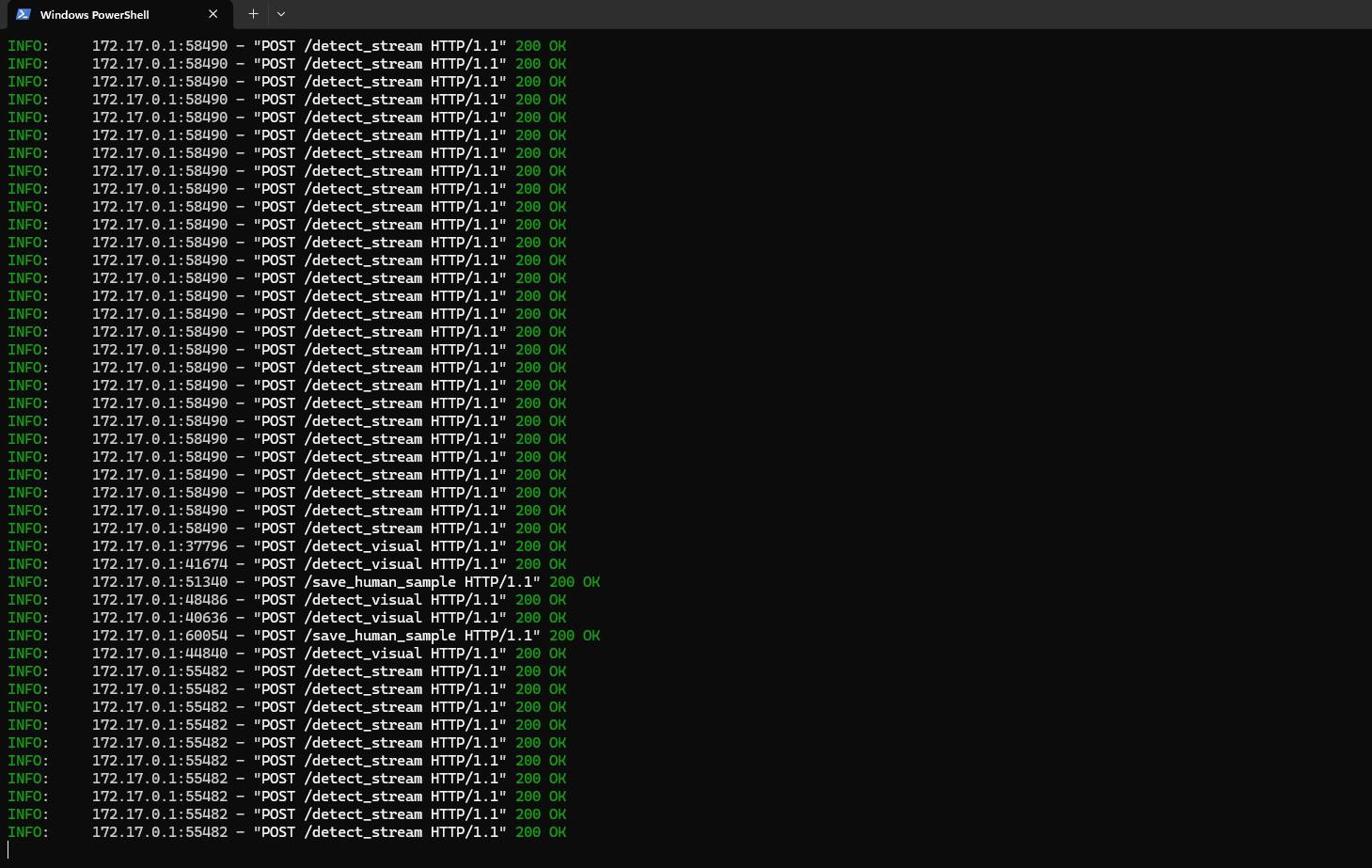
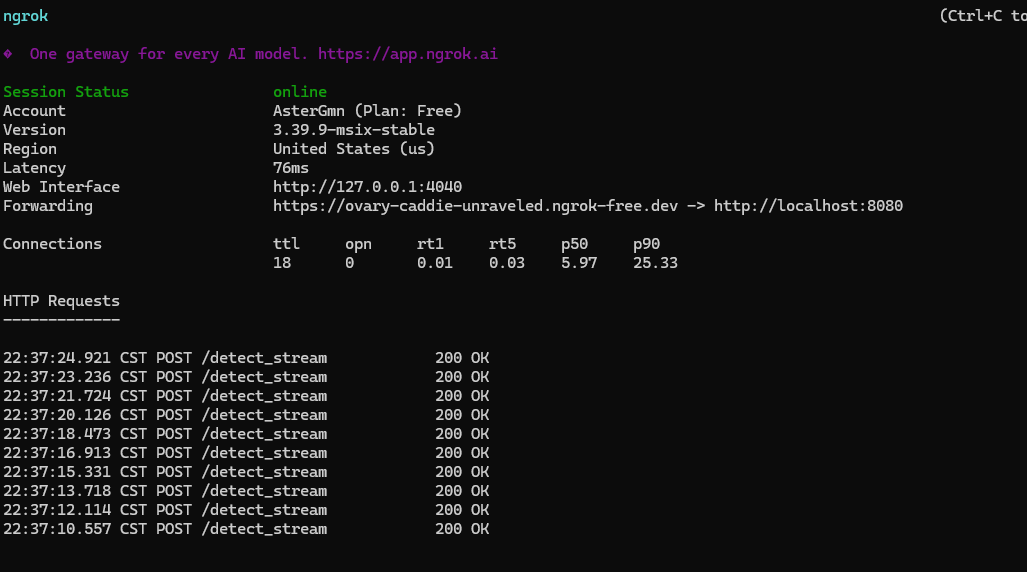
We developed the core of our engine using NVIDIA NeMo's TitaNet, a state-of-the-art model for extracting deep speaker representations. To classify these embeddings, we trained a highly optimized statistical classifier. Our pipeline is wrapped in a high-performance FastAPI backend and containerized via Docker to ensure full GPU utilization (specifically optimized for RTX architectures). Finally, we built a zero-dependency HTML/JS frontend that streams microphone audio chunks directly to our backend for real-time inference.
Challenges we ran into
Our biggest hurdle was "Domain Mismatch". The official evaluation dataset consisted of low-quality, noisy telephone calls, while our generated synthetic attacks and human voice samples were high-definition clean audio. Initially, the neural network cheated by classifying "noisy audio" as human and "clean audio" as AI. To solve this, we implemented Telephony Noise Augmentation, mathematically injecting Gaussian white noise into our clean datasets during the training loop. We also faced memory bottlenecks with 4-minute long audio files, which we solved by engineering a Dynamic Chunking algorithm that processes audio in 4-second overlapping segments.
Accomplishments that we're proud of
Adversarial Training: We successfully deployed a local F5-TTS pipeline to generate ultra-realistic voice clones of ourselves, forcing our model to learn the true acoustic differences rather than robotic artifacts.
Zero Timeouts: Thanks to our Dynamic Chunking architecture, our API can process massive 5MB payloads and 4-minute calls in just ~1.2 seconds, completely avoiding the 30-second timeout limit. Real-Time Streaming: We managed to build a live UI that updates confidence graphs instantly as the user speaks into the microphone, without needing WebSockets.
What we learned
We learned that in machine learning, data quality and domain representation are far more important than just having a large model. We also gained deep insights into audio signal processing, dealing with Base64 payload extraction, and optimizing PyTorch memory allocation for real-time applications.
What's next for Ignition Biometrics
In the future, we want to integrate Continuous Authentication—where the system doesn't just authenticate the user at the start of the call, but continuously verifies the vocal signature in the background to ensure a deepfake wasn't swapped in mid-conversation. We also plan to optimize our embedding extractor using TensorRT for even lower latency edge deployments.
Built With
- artificial-intelligence
- cuda
- docker
- fastapi
- html5
- javascript
- librosa
- machine-learning
- ngrok
- numpy
- nvidia
- nvidia-nemo
- python
- pytorch
- scikit-learn

Log in or sign up for Devpost to join the conversation.