-
-
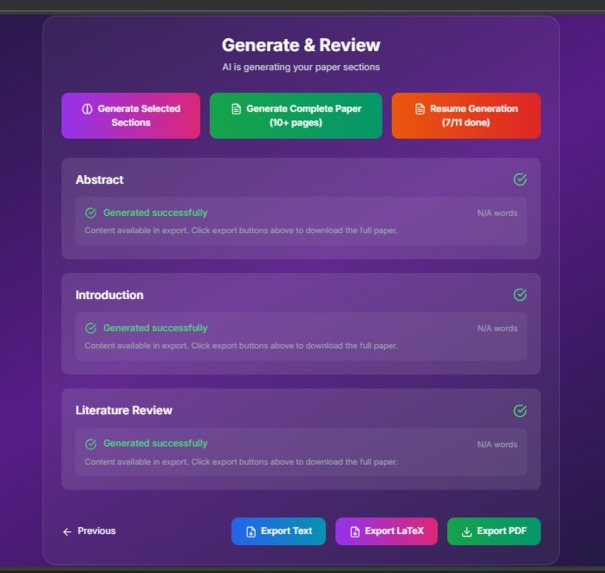
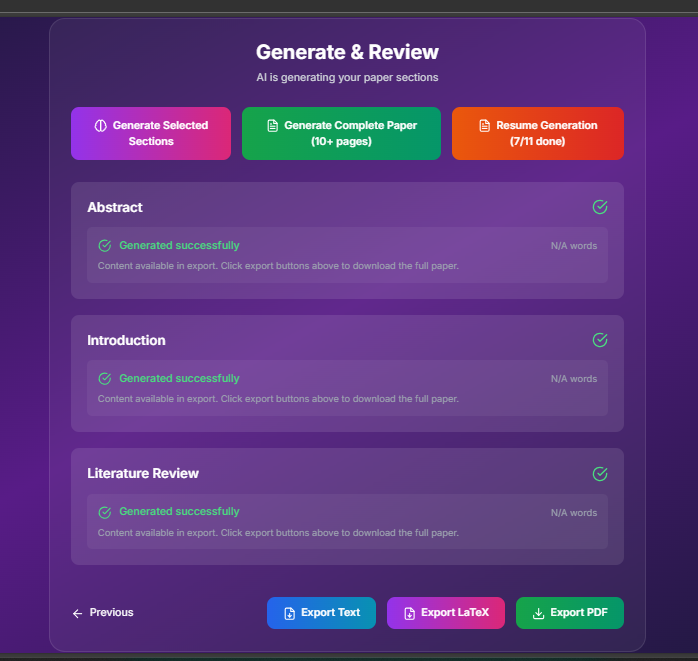
Generation page
-
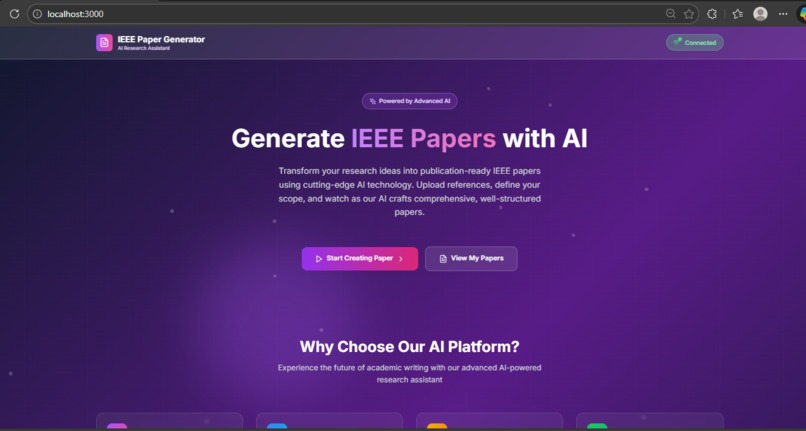
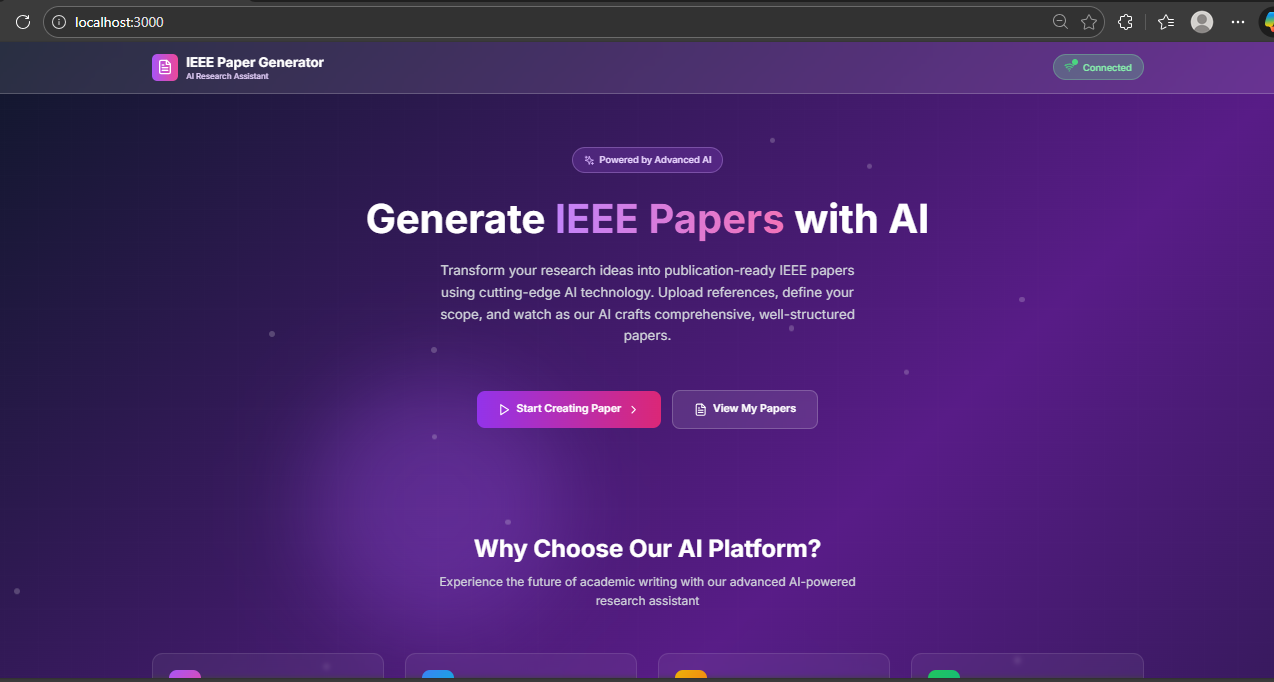
Dashboard
-
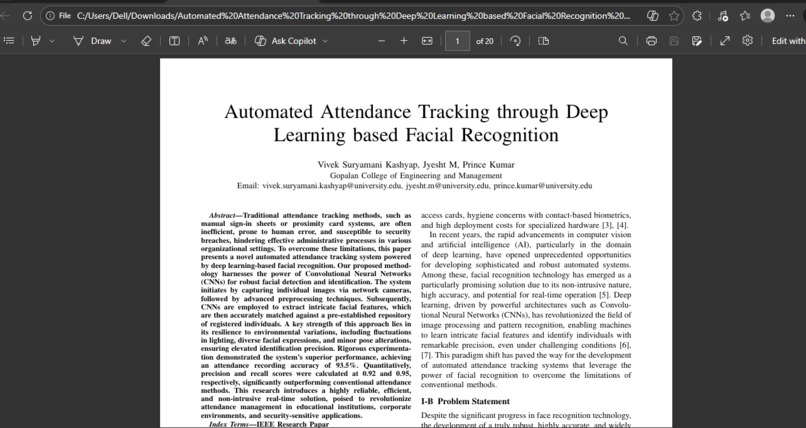
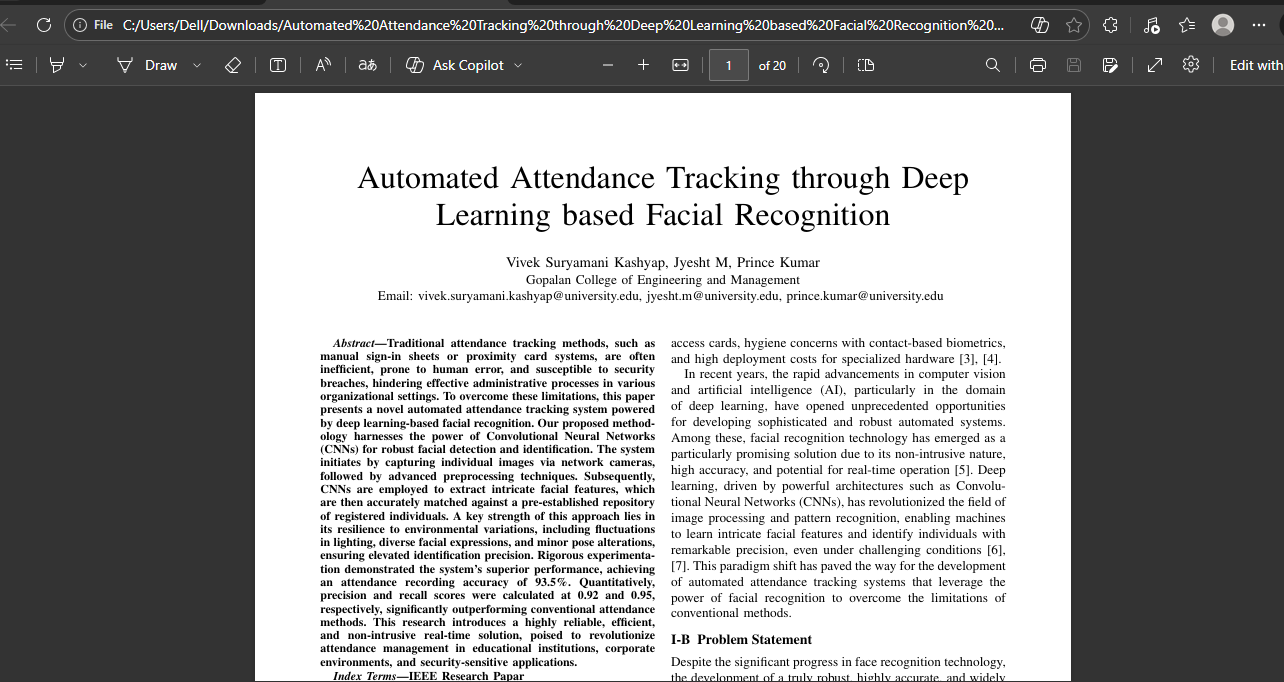
Generated Paper
-
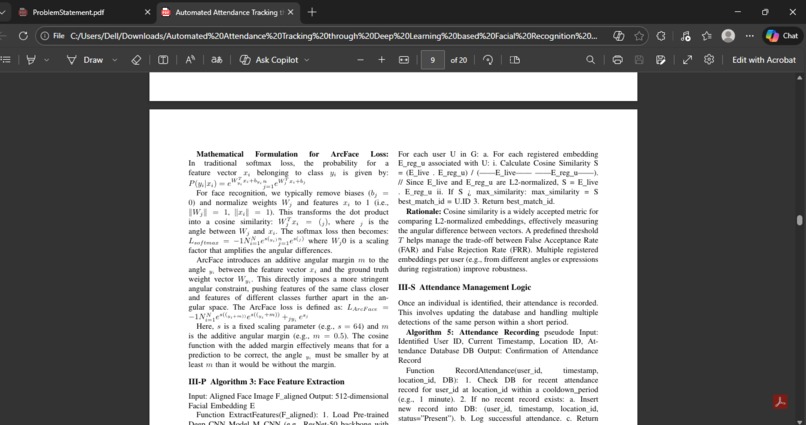
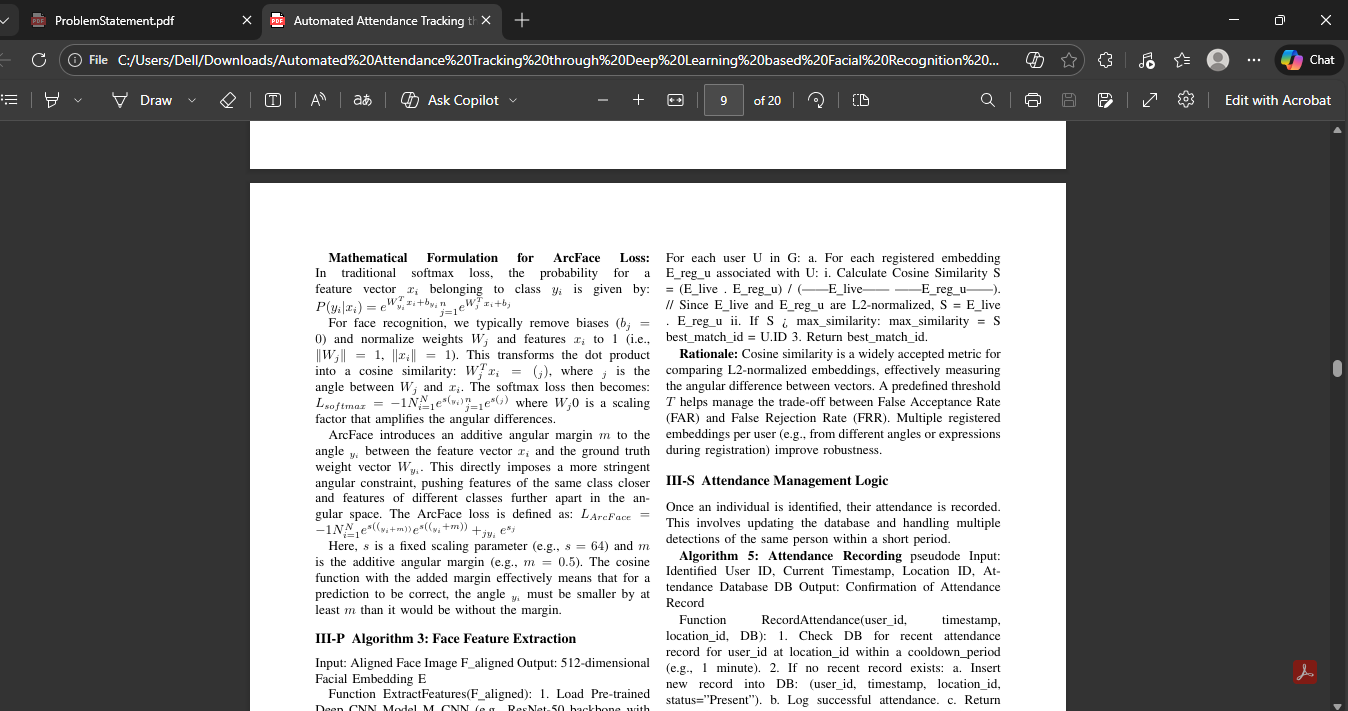
Generated paper
Inspiration
Writing an IEEE research paper is often more difficult than the research itself. We observed that students and early researchers spend weeks struggling with strict IEEE formatting, structuring sections, consolidating multiple review papers, and fixing LaTeX errors. While existing AI tools can generate text, they fail to follow IEEE standards and often produce ungrounded or hallucinated content. This gap inspired us to build a system that uses AI responsibly to assist research writing while maintaining academic structure and integrity.
What it does
IEEE Paper Generator using Gemini AI is an AI-powered platform that converts uploaded review papers into a fully structured, IEEE-compliant research paper. The system generates content section by section, including the abstract, introduction, methodology, and conclusion, while grounding all generation in the uploaded literature. It automatically formats the paper using IEEE LaTeX templates and exports a publication-ready PDF, significantly reducing manual effort and formatting errors.
How we built it
We built the platform using a modern full-stack architecture. The frontend is developed with React and Tailwind CSS for a clean and intuitive user experience. The backend is powered by FastAPI in Python, which orchestrates file processing, AI generation, and document compilation.
Uploaded review papers are processed and split into smaller chunks. Each chunk is converted into semantic vector embeddings and stored in a PostgreSQL database using the pgvector extension. When generating a paper section, the system performs semantic similarity search to retrieve the most relevant chunks. These retrieved contexts are then passed to Gemini 3 for grounded academic text generation using Retrieval Augmented Generation.
The generated sections are injected into an IEEEtran LaTeX template and compiled using MiKTeX to produce a fully formatted IEEE PDF. This approach ensures both content accuracy and strict formatting compliance.
Challenges we ran into
One of the main challenges was controlling hallucination in AI-generated academic content. This was addressed by enforcing retrieval-based generation and limiting Gemini to only the retrieved context. Another challenge was handling LaTeX compilation issues caused by Unicode characters generated by AI, which required text sanitization before PDF generation. Managing API rate limits and ensuring sequential, section-wise generation also required careful backend design.
Accomplishments that we're proud of
We successfully built an end-to-end system that generates publication-ready IEEE research papers instead of just plain text. The integration of semantic search, Gemini-based generation, and automated LaTeX compilation resulted in a reliable and reproducible workflow. We are especially proud of implementing section-wise generation with academic grounding, which significantly improves content quality and trustworthiness.
What we learned
This project taught us the importance of responsible AI usage in academic contexts. We learned how Retrieval Augmented Generation can dramatically reduce hallucinations and improve relevance. We also gained hands-on experience with vector databases, LaTeX automation, and designing scalable AI systems that balance performance, accuracy, and ethical considerations.
What's next for IEEE Paper Generator using Gemini AI
In the future, we plan to add semantic plagiarism and similarity analysis against larger academic datasets, support multiple journal and conference templates, enable multi-author collaboration, and provide editable DOCX and LaTeX exports. We also aim to enhance model flexibility by supporting newer Gemini models and improving citation and reference automation to further assist researchers.

Log in or sign up for Devpost to join the conversation.