-
-
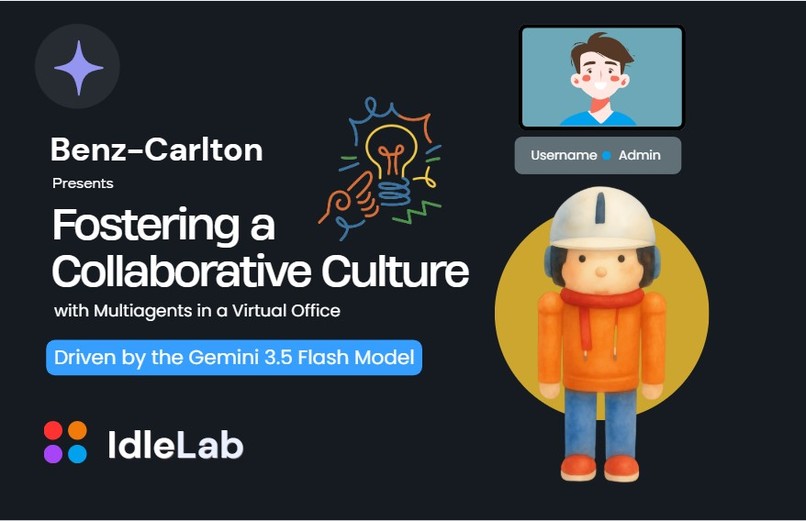
IdleLab : Fostering a Collaborative Culture with Multi Agents in Virtual Office
-
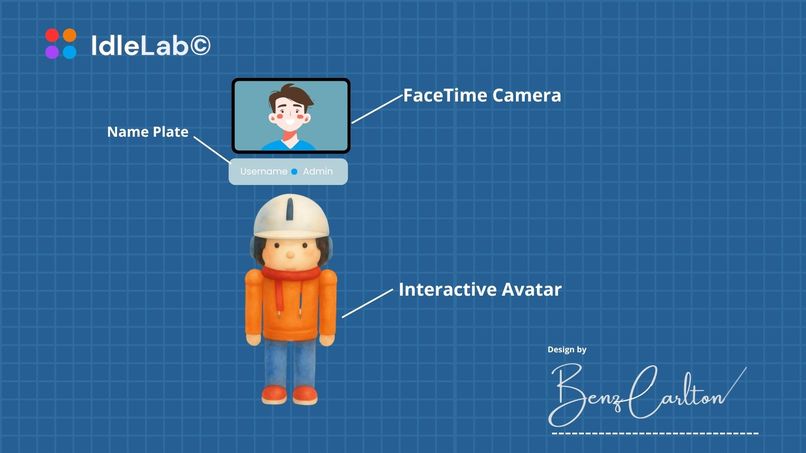
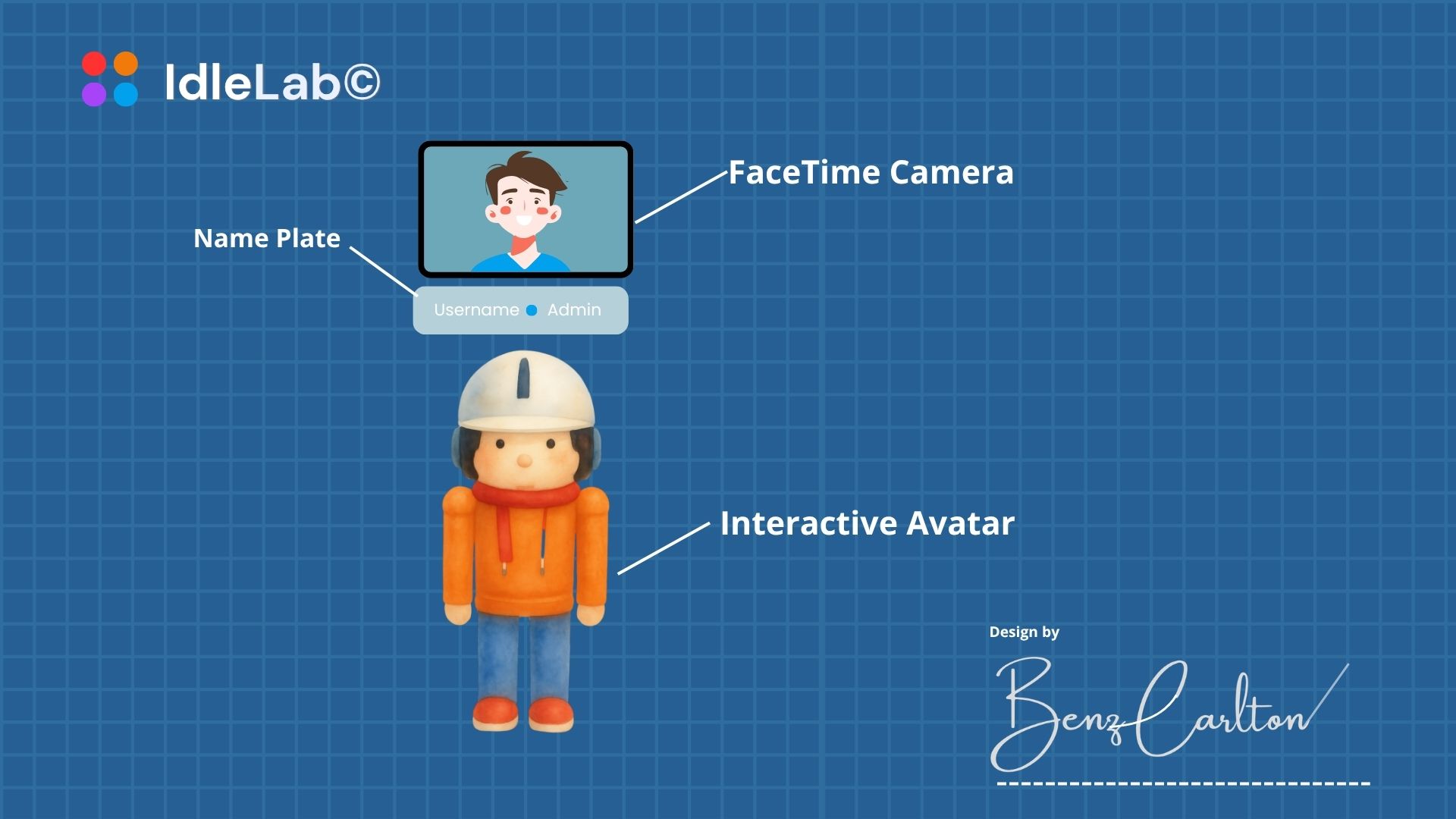
Blueprint for an interactive Avatar with camera facetime toggle options.
-
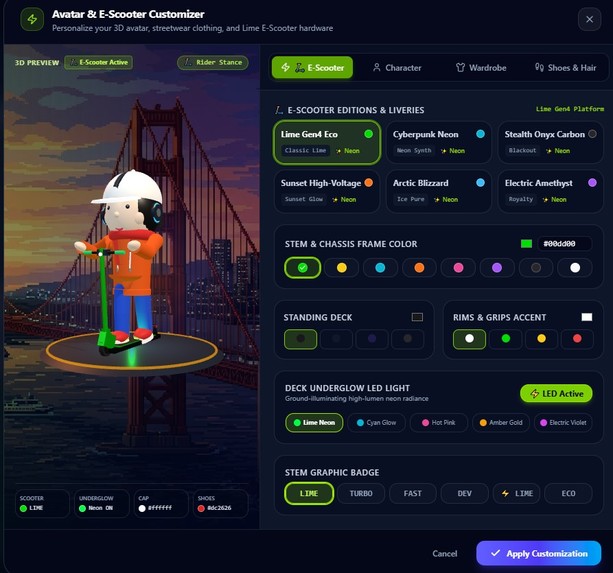
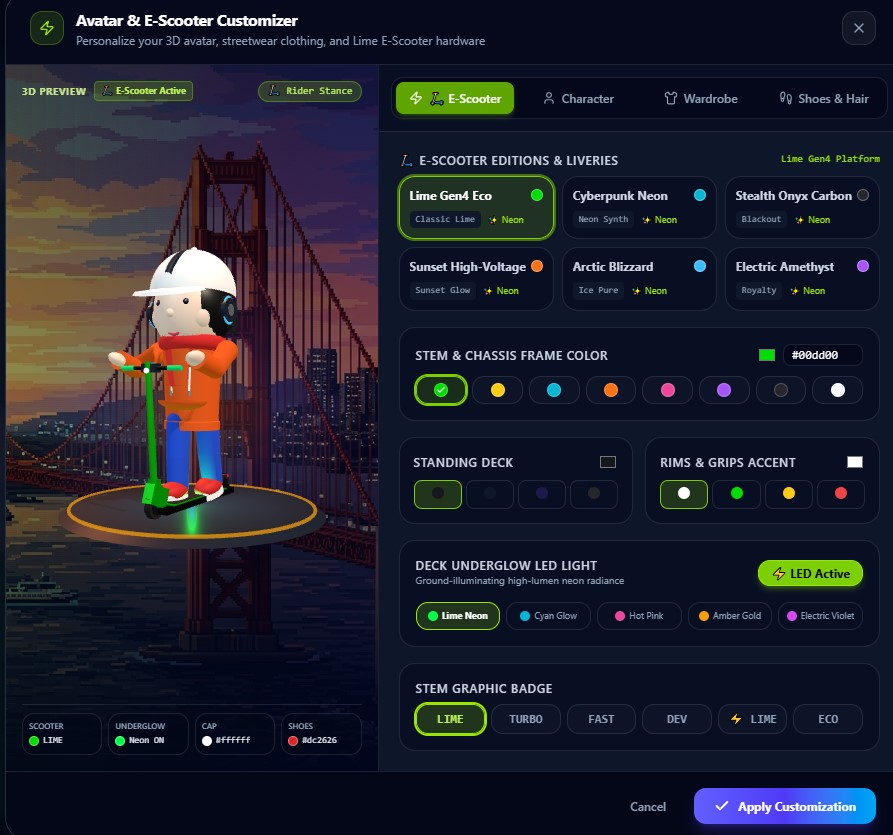
Customizable Avatar
-
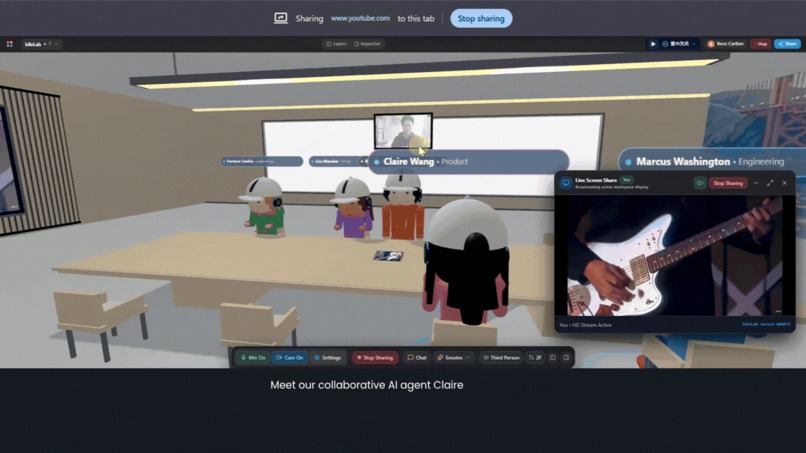 GIF
GIF
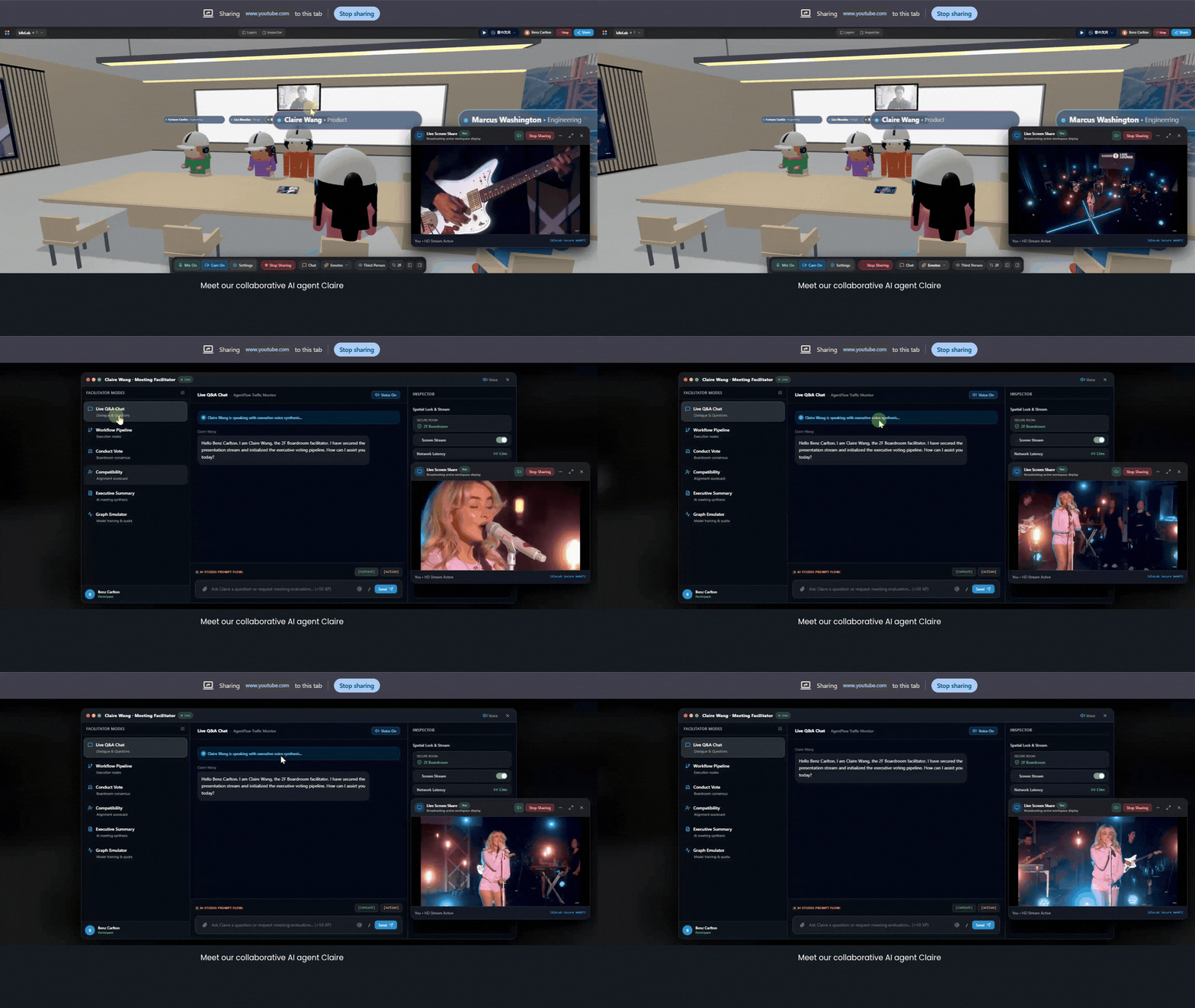
Interactive AI agent designed to act as a collaborative partner and task manager in a 3D virtual office spac
-
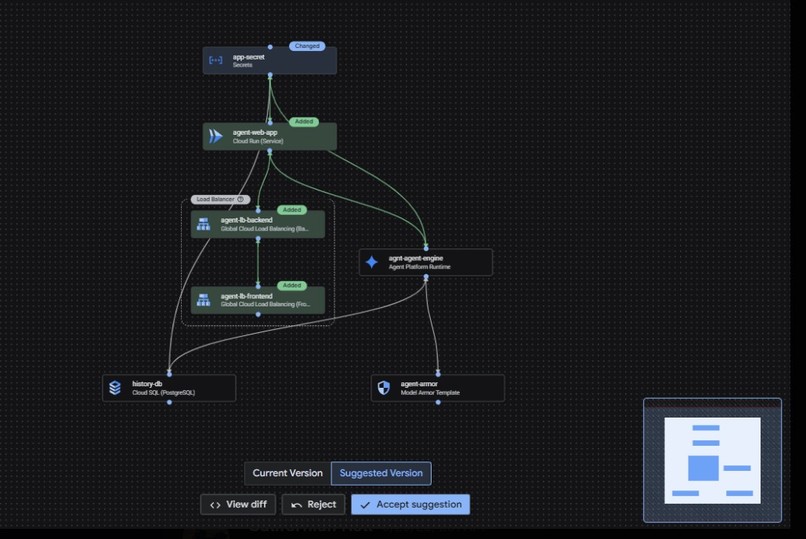
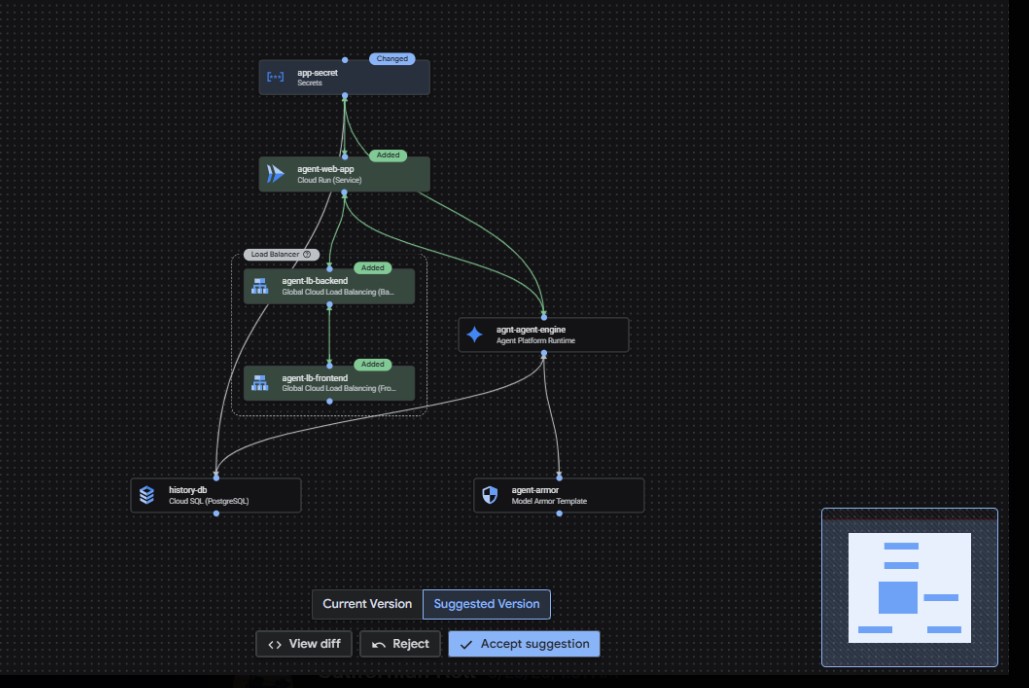
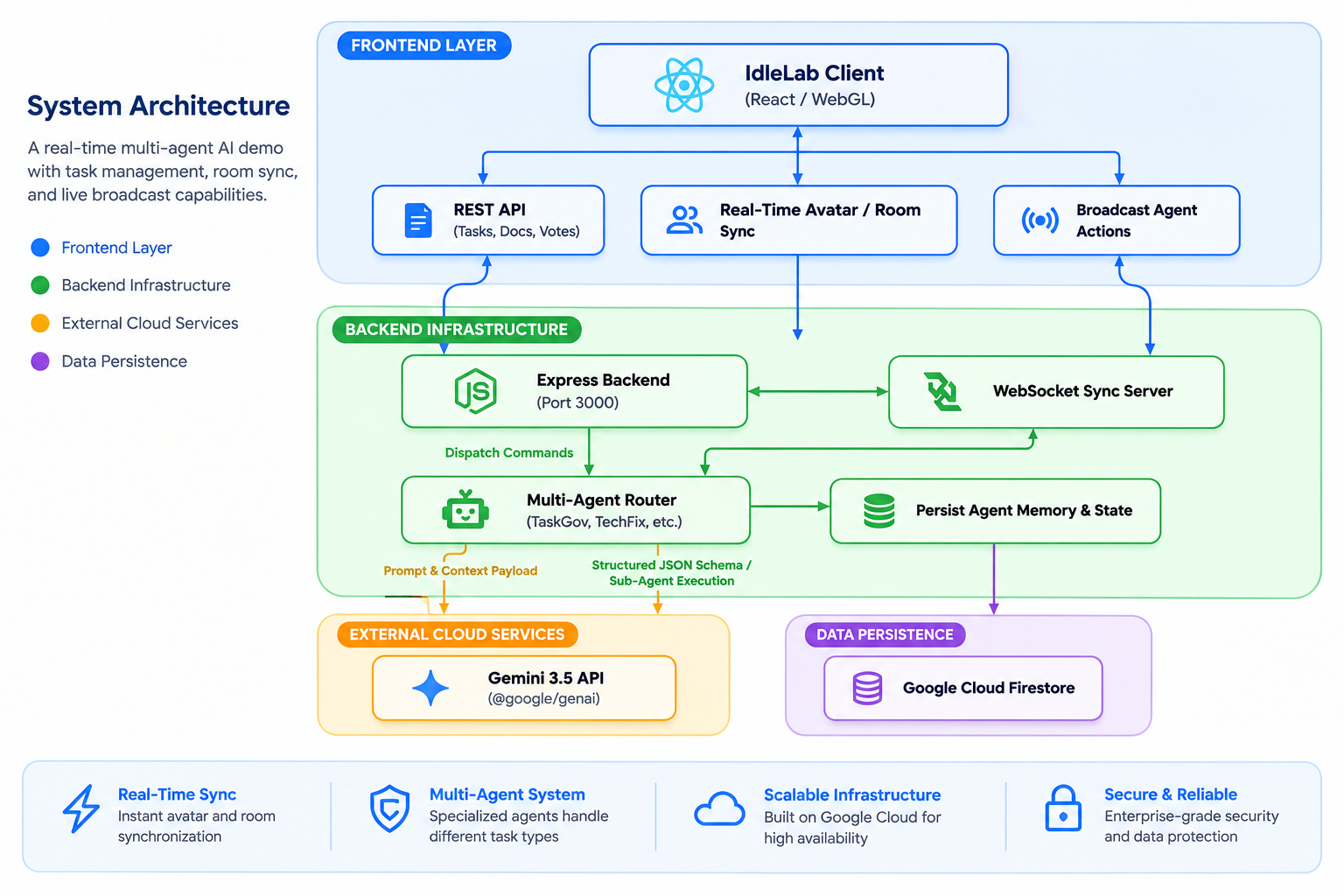
GCP Architecture; scaled for enterprise use with high-tier API allocation.
-
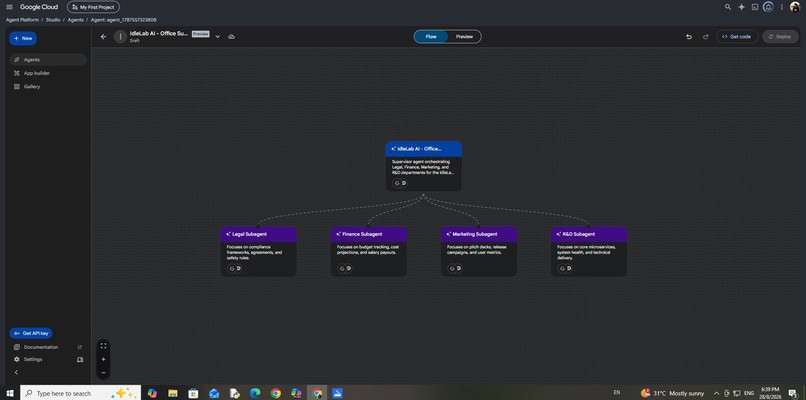
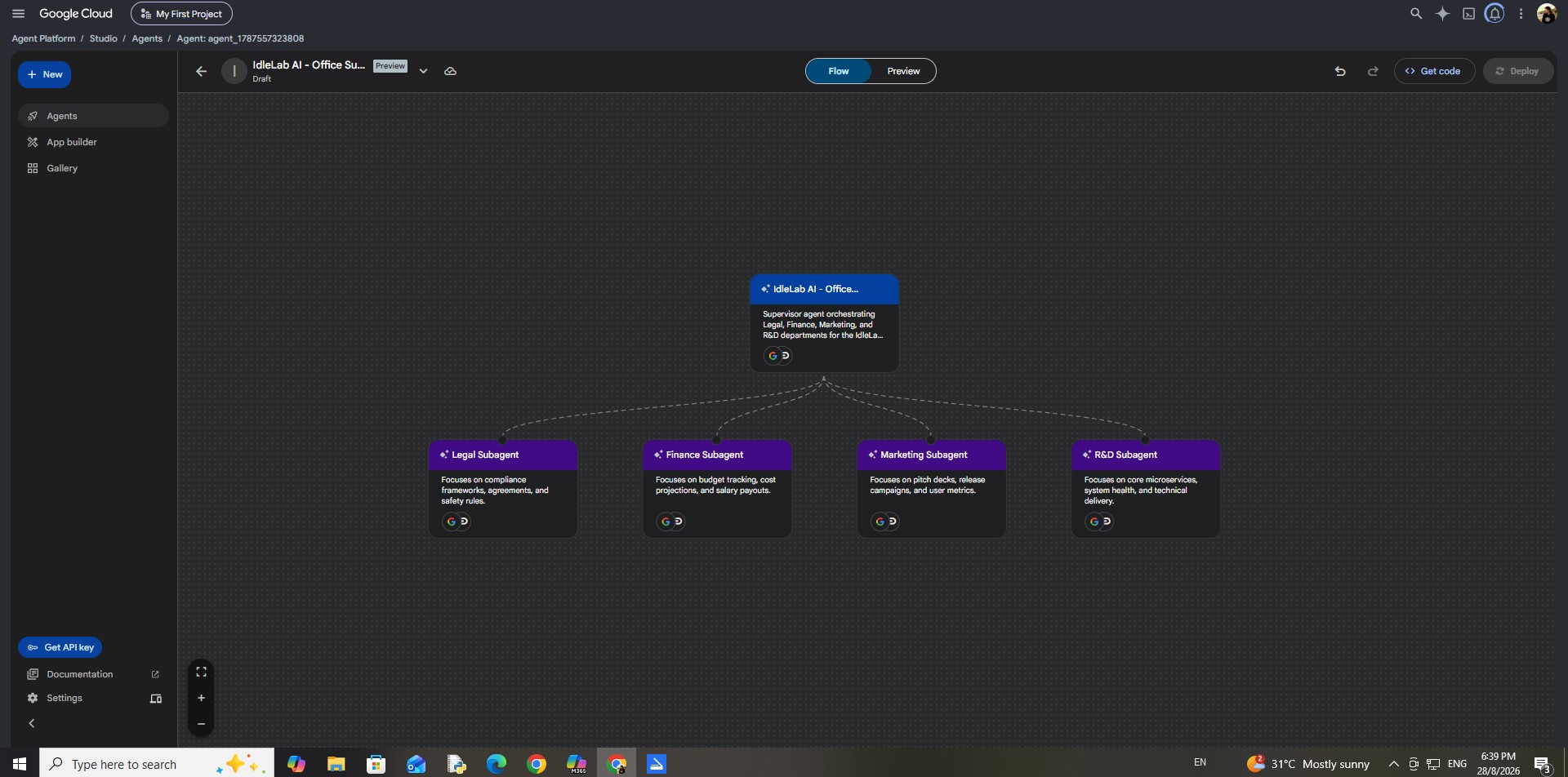
IdleLab's multi agent architecture/hierarchical agent network
-
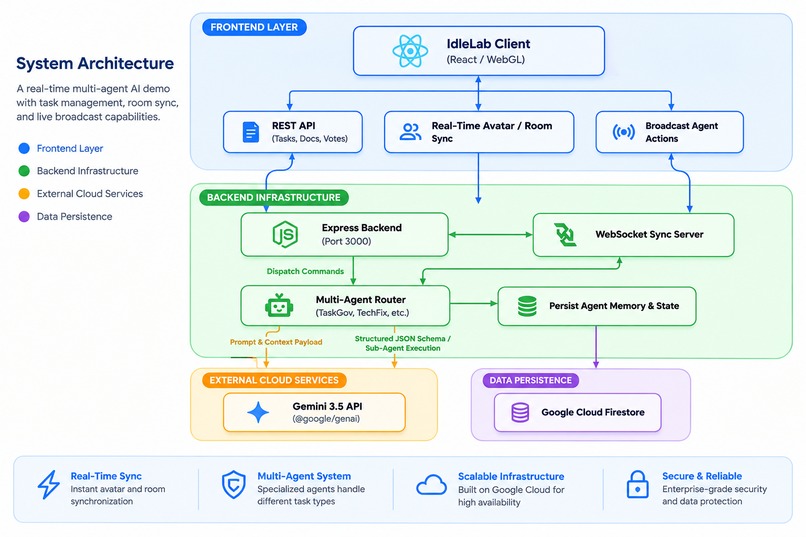
Systemic Architecture Diagram
-
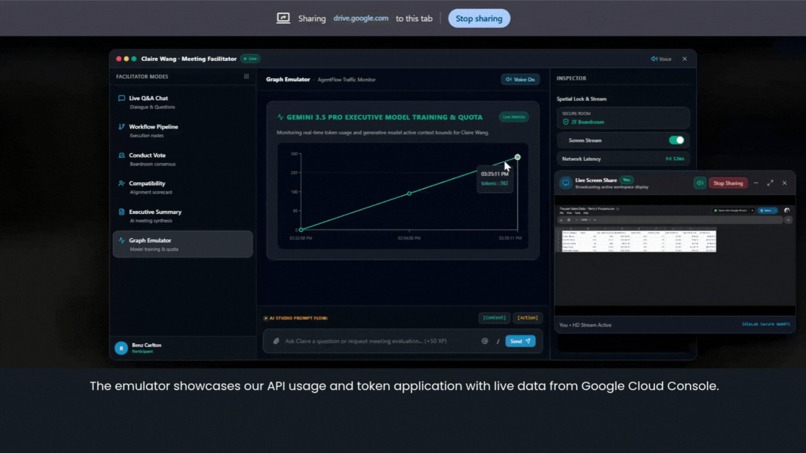 GIF
GIF
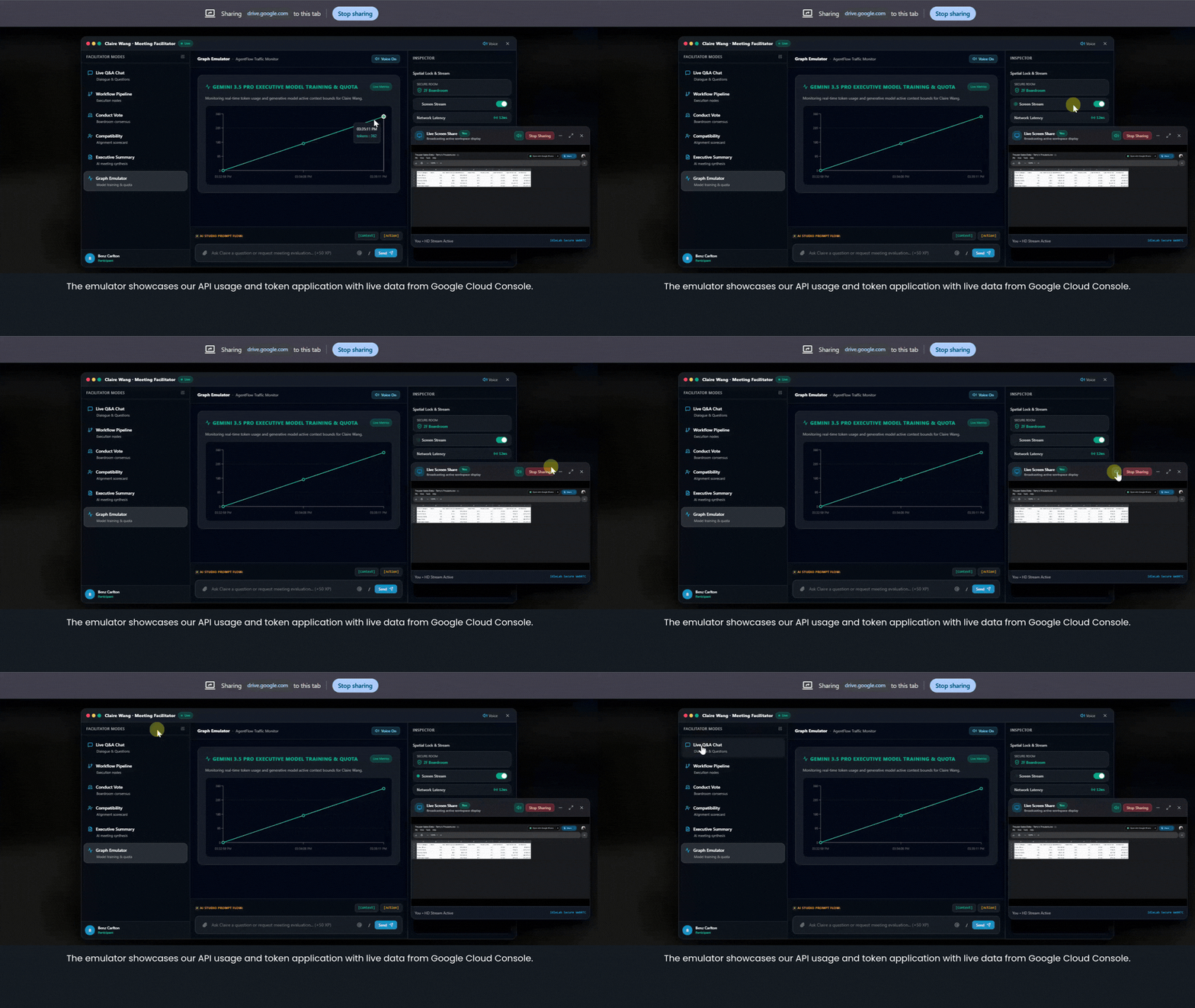
Emulator indicates our API usage and token application using live data from Google Cloud Console
-
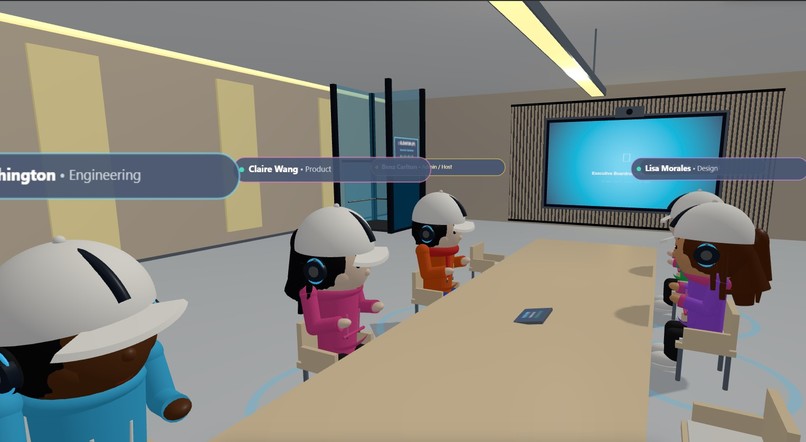
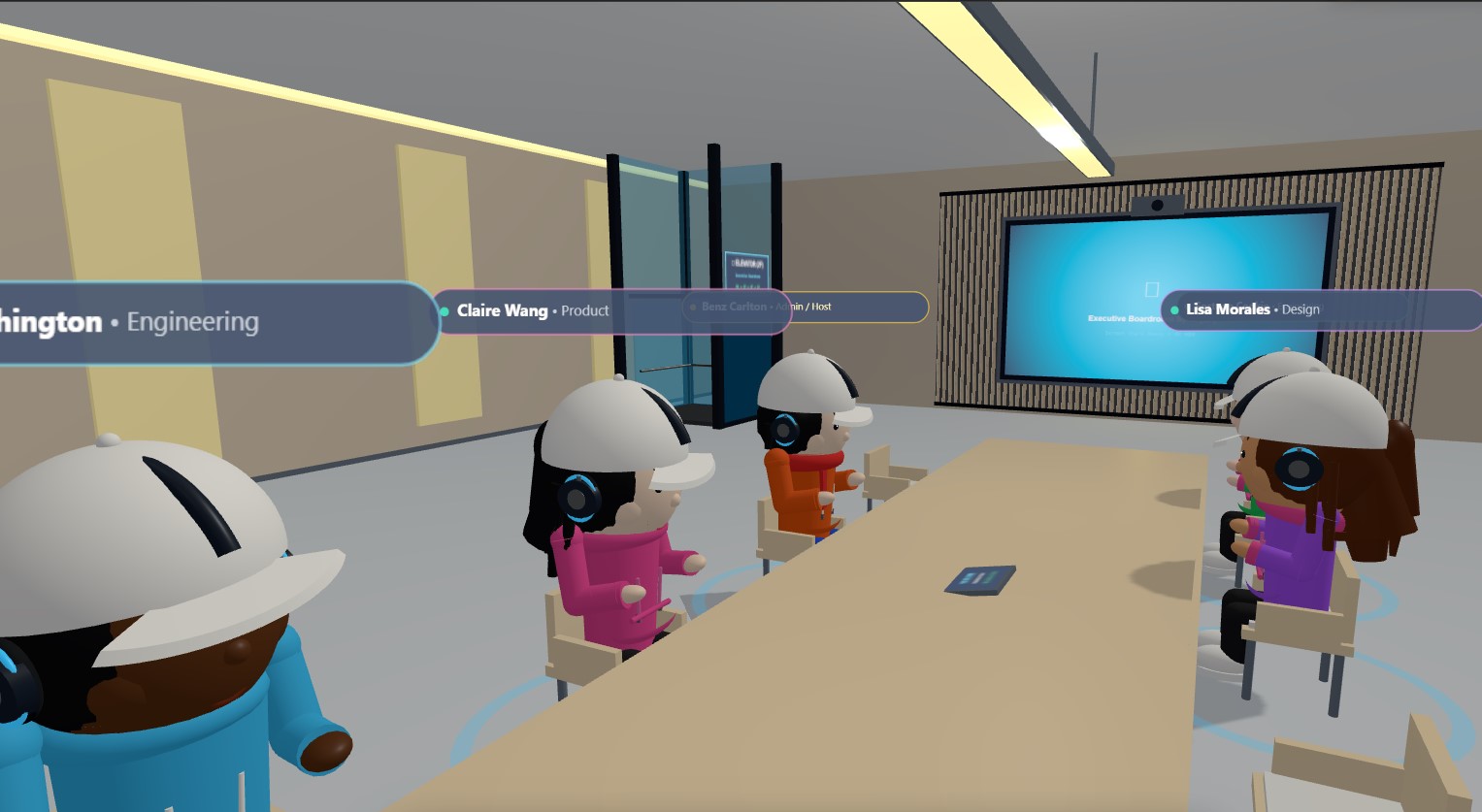
Meeting Hub providing shareable screen display, voice chat, and text chat for users.
-
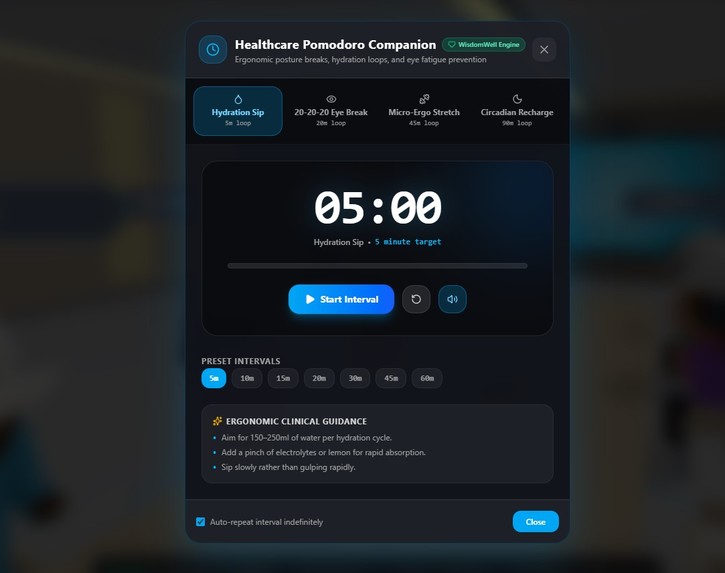
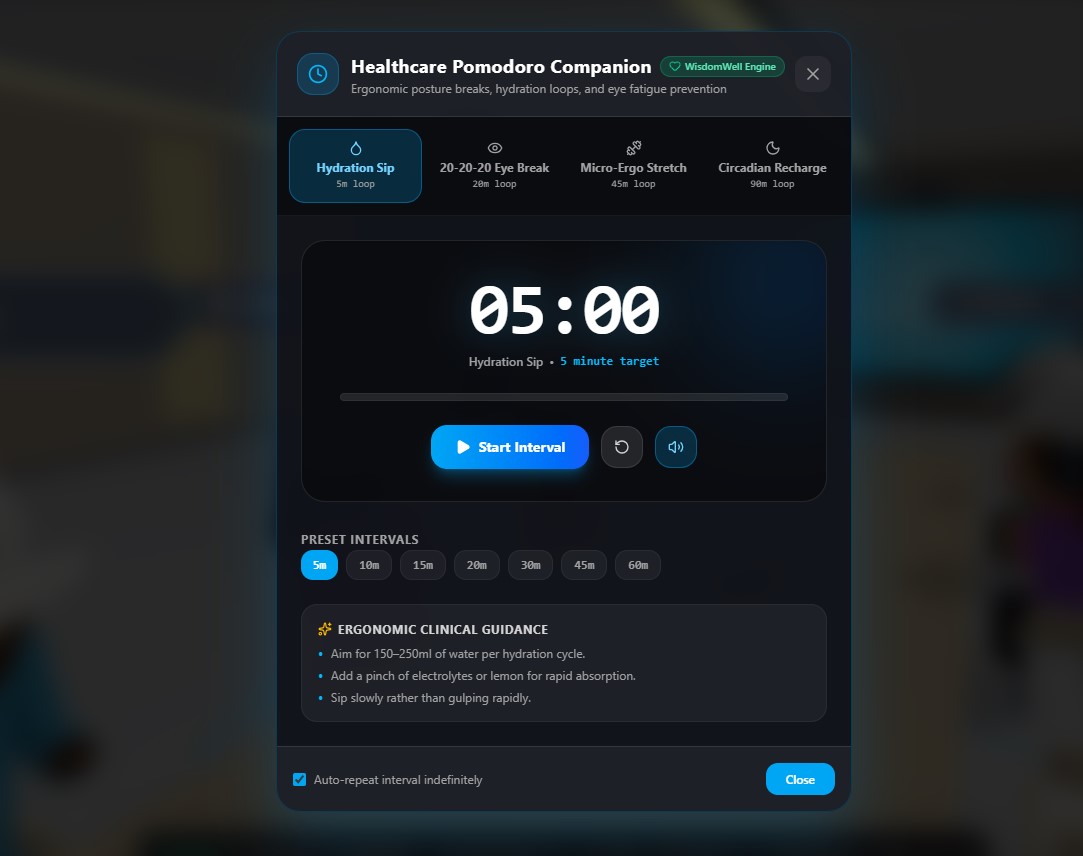
Managed Healthcare Pomodoro with Custom Subagent .This system is designed to remind users to stay hydrated, take eye breaks, and stretch.
-
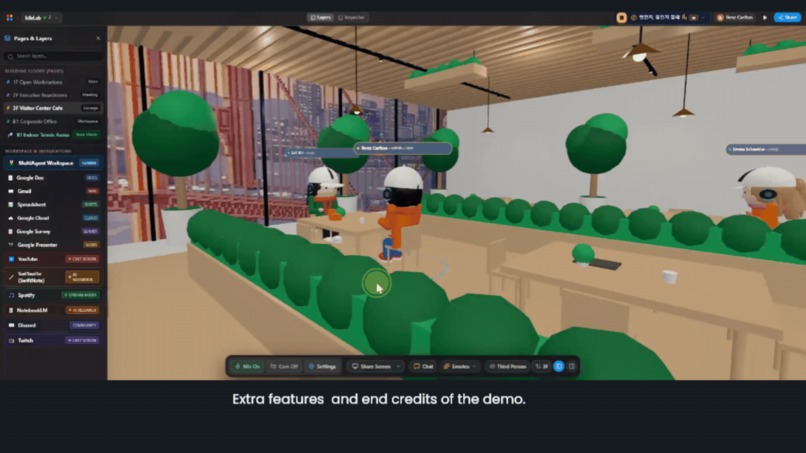 GIF
GIF
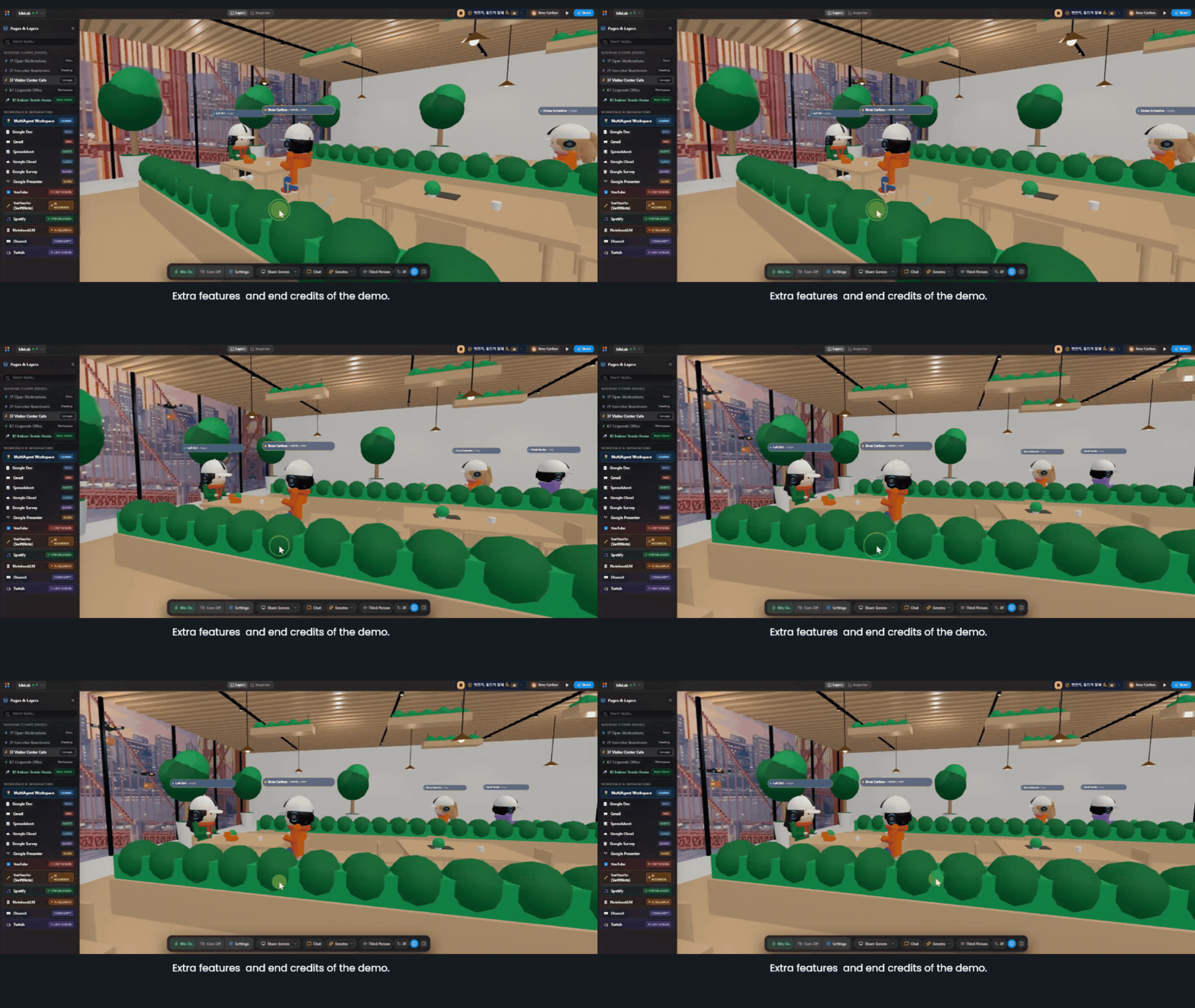
Virtual Cafeteria designed for virtual coffee chats, interviews, and friendly discussions.
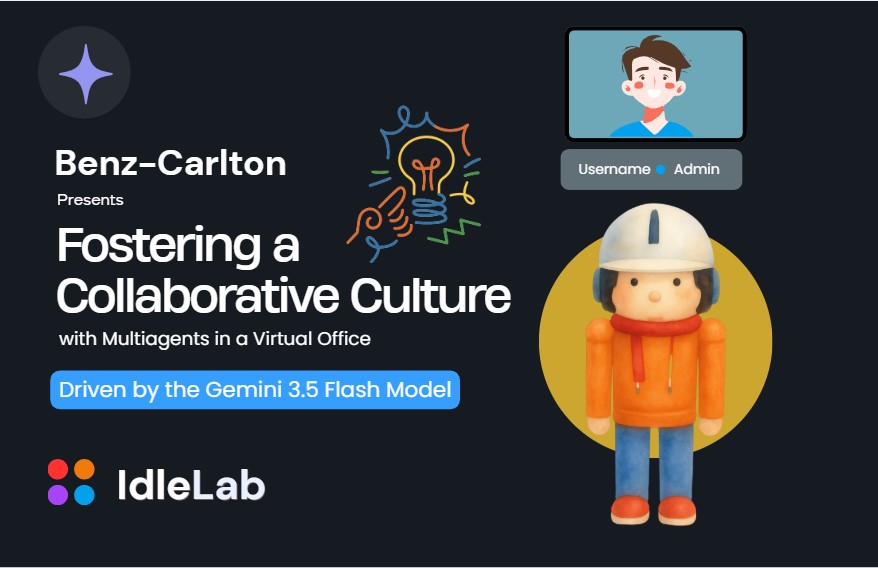
Inspiration
IdleLab was born from a deep personal struggle and a refusal to stay down. As a linguistics undergraduate navigating systemic barriers, financial constraints, and an isolating academic deadlock caused by administrative mismanagement at my previous university. I found myself completely cut off from friends, peer groups, local support networks, and having no internship. Left stranded and suspended, I turned my predicaments into an opportunity for self-growth, to learn more about AI prompting and Agentic architecture by devouring free online courses from Stanford, Google, and Meta in my bedroom.
These are driven entirely by my goal as to push my limits and radically improve my English skills. In that transition, I saw firsthand how intimidating and sterile AI tools felt to everyday users (e.g. ineffective prompting , enterprise structures are too technical, and most tech solutions lack genuine human connection.) But as a digital native, I noticed a stark contradiction: people will happily spend hours collaborating, building, and problem-solving together in virtual worlds like Minecraft, Roblox, and Steam. I realized the problem wasn't a lack of willingness to work; it was the lack of an environment that didn't feel like a lonely chore. Remembering the unreliable partnerships and burnout from my university days and seeing how Discord communities and hackathon teams constantly struggle with onboarding. I decided to built IdleLab to gamify the remote workspace, transforming multi-agent AI collaboration into a vibrant, low-poly 3D world where intelligent agents act as reliable teammates, making tech creation engaging, inclusive, and fun for everyone.
What it does
IdleLab is a gamified, low-poly 3D virtual office and workspace designed to make remote collaboration and multi-agent AI interactions engaging and human-centric. Small business owners and startup-founders face overhead expenses such as physical office rent and taxes that hinder growths and make it difficult to hire skilled talent. Similarly, Remote workers and college students frequently struggle with finding reliable peer groups they need to deliver their portfolios. When human focus group or peer review panels become financially and logistically out of reach, this is where we would rely on AI chatbots or online community to fulfill resources gap. But we often risk onboarding unreliable members to manage workflow to gauge productivity. As a result, we need a meeting hub that allows us to have face-to-face interaction and an environment that equips users with an actual workspace backed by multiagents, that functions like a real office.
IdleLab solves this by combining a low-poly 3D virtual workspace with Gemini-powered multi-agent AI. It gives you a fully functional virtual office equipped with interactive avatars, a multi-floor meeting hub, intelligent NPCs, screen sharing, voice and text chat, and a virtual cafeteria for casual team syncs.For example, Claire is our NPC who acts as a meeting facilitator backed by collaborative and task-manager agents. Her purpose is to sync meetings, provide suggestions, check API quota usage, and conduct live votes from different NPCs that are programmed to have diversified personas such as different demographics, income levels, and ages. IdleLab also features seamless shortcut integrations such as bookmarks for Google Docs, Gmail, YouTube, Spotify, and NotebookLM for maximum convenience.
We also provide a free writing tool called Swift Note, which allows users to save their best prompts to use directly with the multi-agent workspace managed by another AI agent NPC, known as Chloe. Additionally, we introduce a new method for enterprises called Mitari: an automated system that allows users to self-check assignments by grading them with agent subtools, instantly compensating them the second the job is signed off.
Ultimately, IdleLab is designed to shift how we think about modern employment when it comes to valuing prompt engineering, self-awareness and practical execution. By leveraging our multi-agent environment and enterprise tools like Mitari, we open the door to hiring skilled workers based on their real-world capability to prompt effectively and demonstrate high self-awareness, proving that a digital-native skillset is just as valuable as traditional credentials.
Challenges we ran into
Building IdleLab as a solo developer with a non-traditional background meant facing a steep learning curve, particularly when orchestrating the Cloud-Native Agent Fabric (CNAF) across Google Cloud Platform.
My biggest hurdle was navigating strict API quotas and regional port limitations on Cloud Run, which caused several deployment failures and exhausted my standard free-tier limits. To keep the project alive on the hackathon’s limited credits, I engineered a resilient fallback pattern: I decoupled the core logic via Google AI Studio to handle agent reasoning seamlessly, wiring it back into the cloud infrastructure when resource boundaries permitted. This constraint ultimately forced me to build a cleaner architectural separation between our Autonomous Office Mesh (AOM) workspace layer and our Governed Agent Topology (GAT) security framework, teaching me invaluable lessons in cloud resilience and API cost optimization.
Additionally, debugging manually for hours can lead to physical fatigue and burnout. To combat this, IdleLab features a Managed Healthcare Pomodoro companion—a dedicated subagent designed to look out for your well-being by reminding you to drink water, rest your eyes, and take necessary breaks while at work.
Accomplishments that we're proud of
Building IdleLab taught me that technical limitations are often just design constraints in disguise. I am happy to finish and ship IdleLab entirely as a solo developer in less than a month, starting on August 6, 2026. After struggling to find reliable teammates on Discord, I spent countless sleepless nights staring at notes at my desk and rewatching Google's YouTube tutorials to master the Google Cloud Platform from scratch. The earliest phases of the simulator had rigid, rough graphics, malfunctioning voice agents and blocky Minecraft-style physics. After weeks of iteration, I managed to design and implement friendly, low-poly animated characters inspired by Pixar's early Toy Story era. Crafted specifically to appeal to younger audiences to explore and embrace AI agents tools, while reflecting the vibrant personas of Milennials and Gen Z.
IdleLab is built on the belief that future technology shouldn't isolate generations; it should bridge them. Looking ahead, I want IdleLab to evolve into an inclusive cross-generational ecosystem where parents and children can enter the same interactive, gamified virtual workspace together much like families playing on Roblox or Minecraft in their free time. By bringing families into the fold, we can safely guide kids to become mature, responsible digital citizens while empowering older generations to learn the latest technological tools alongside them. Without intentional intergenerational integration, technology risks creating an irreversible gap between the old and the young, and IdleLab is my first step toward changing that.
What we learned
I learned the true power of simplicity and guardrails while building IdleLab. Instead of using AI merely as a raw idea generator, we must treat agentic tools as infrastructure and guardrails that guide us to produce innovations that are genuinely feasible, productive, and aligned with human needs. Furthermore, building IdleLab taught me a crucial lesson about user perception versus actual system architecture. Users unfamiliar with cloud engineering or advanced AI orchestration may often mistake IdleLab’s multi-agent system for a standard chatbot like Gemini. However, the true differentiator lies in hyper-personalization and highly structured, actionable responses that fundamentally shift how we evaluate AI.
Think of it like comparing gasoline cars to EVs: both serve the core purpose of mobility, and someone who has never driven an EV might not grasp its distinct advantages or trade-offs. It is only when you experience how an EV automatically runs diagnostics, monitors battery health, and updates over-the-air that you truly realize how advanced and self-equipped modern engineering is. Drawing directly from Google's UX design principles, I learned that we must build AI agent tools like modern vehicles—intuitive on the surface, but deeply autonomous, self-checking, and structurally equipped beneath the hood.
Ultimately, building IdleLab taught me that bugs, technical glitches, and deployment failures during live test are never the end of the road. As a solo developer navigating GCP and agentic infrastructure from scratch, every malfunction became a masterclass in resilience—proving that obstacles are simply raw experience fueling deeper system improvements.
What's next for IdleLab
Participating in this hackathon is just the beginning. I hope IdleLab continues to progress, securing the resources and funding needed to scale API subscriptions, recruit likeminded global talent, and expand our virtual office ecosystem so that practical, agentic AI tools remain accessible and affordable for everyone worldwide.
Built With
- gemini
- google-cloud
- googleaistudio


Log in or sign up for Devpost to join the conversation.