
Inspiration
In a world where multiplayer gaming experiences are feeling more and more isolating, we wanted to bring personal connection back to multiplayer gaming. To do so we analyzed what has worked best in the past, attempting to capture that unique element which made the multiplayer games of our childhoods so incredibly special. In the end, we drew on several sources of inspiration for this project, taking our favorite components of several gaming-social fads to create what we believe could be a retro gaming experience suited for the modern world. But to achieve our main goal of brining meaningful connection back to multiplayer gaming, we aimed to incorporate the essence of one of our favorite mechanics of gaming-past: the inter-personal touch of gameboy era Pokémon link cable trading. At the very heart of this lofty goal is the humble USB drive, which served as the perfect medium for a gaming platform specifically designed to bring people together. And thus, PlayPort was born.
What it does
In essence, PlayPort is a medium for retro-style games: trading card games, platformers, and more. Our hope is that game developer's will recognize that the limitations of the USB drive serve as the perfect guiding force for more innovative collaborative features. By developing games which store locally on a USB, and using our multiplayer USB platform, the benefits of an expansive multiplayer network can be carried over to a gaming experience which incentivizes playing together, side-by-side. And since all app and game data is stored on the USBs themselves, players can quickly jump into a PlayPort experience by plugging their USB drives into any computer.
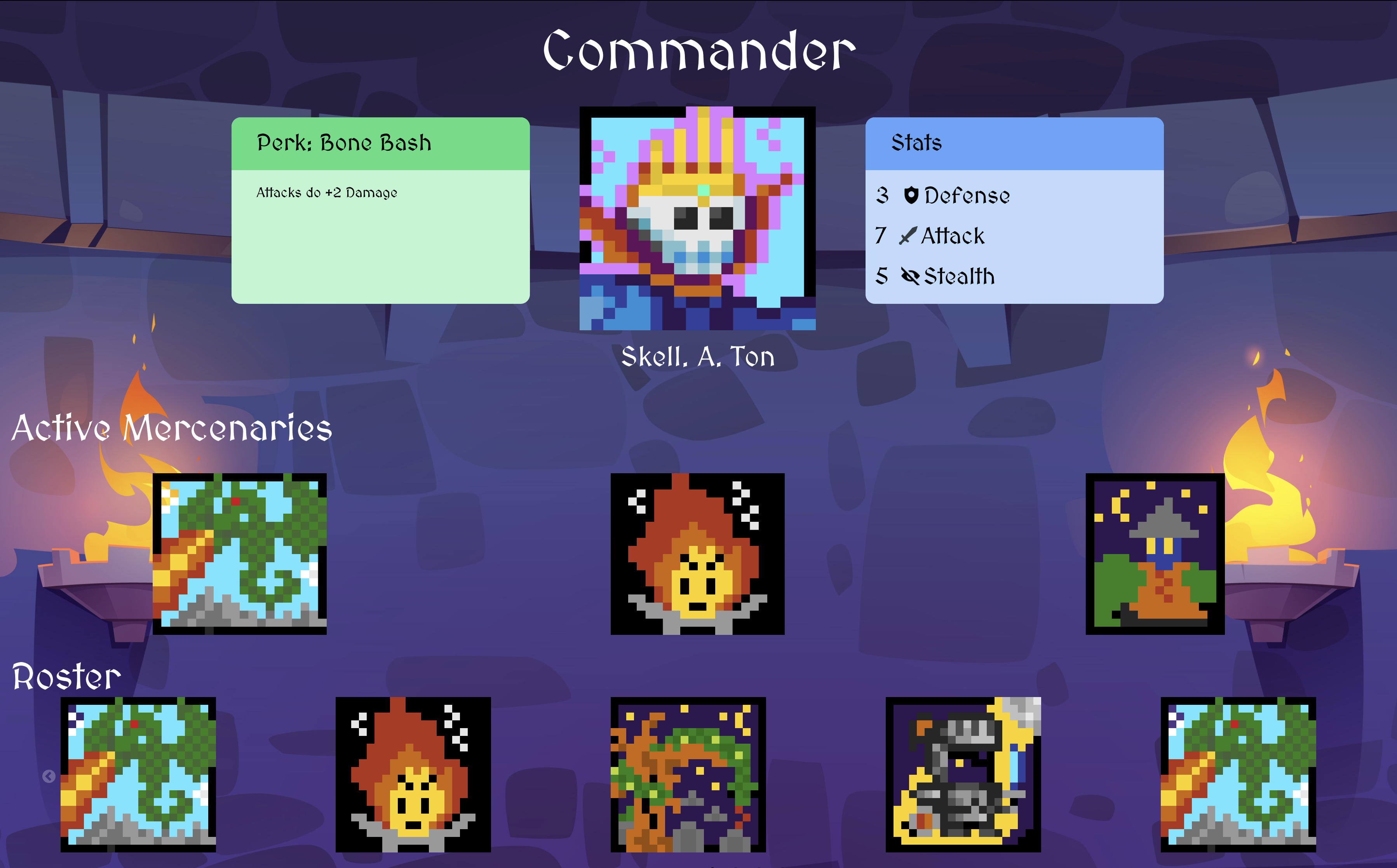
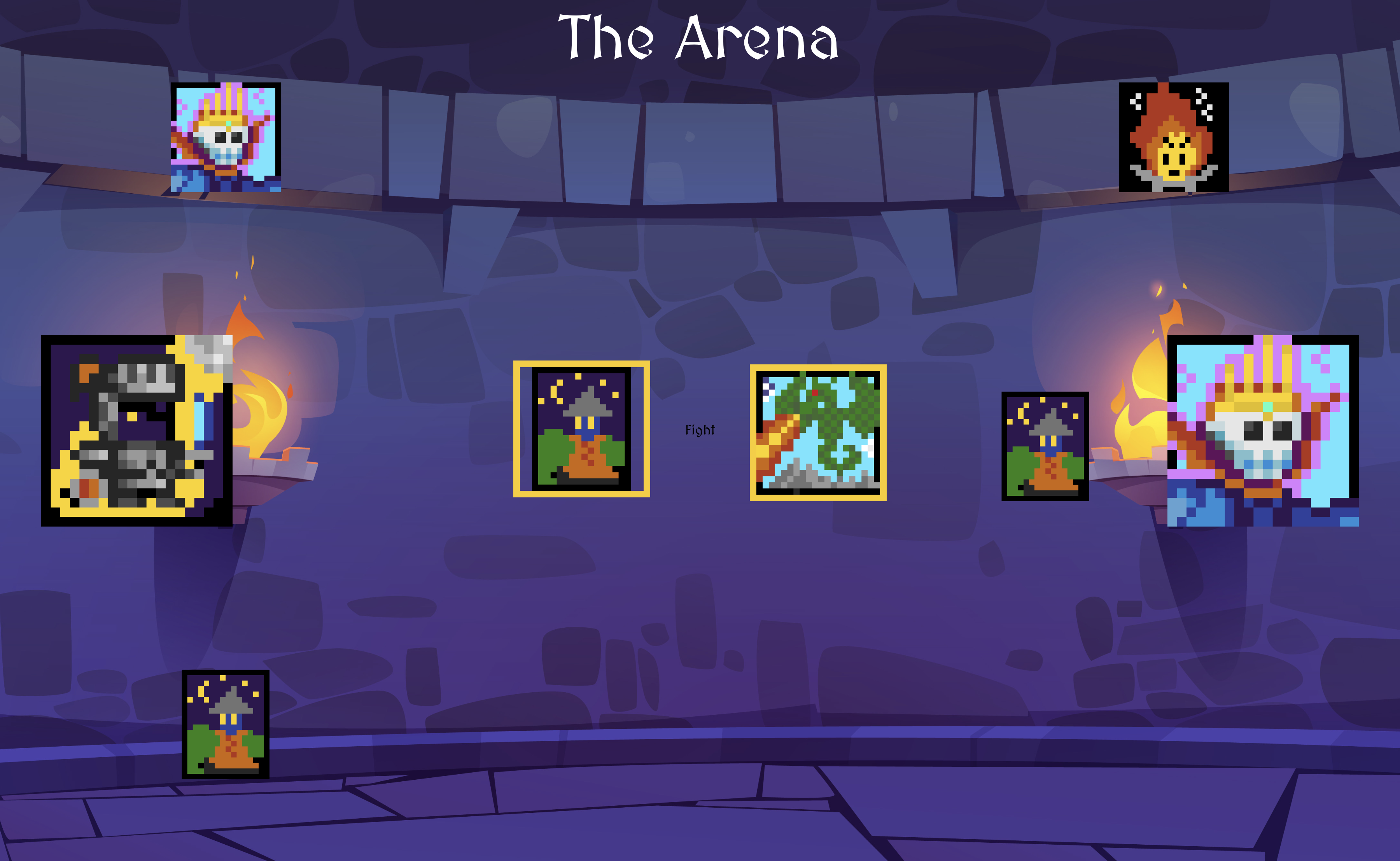
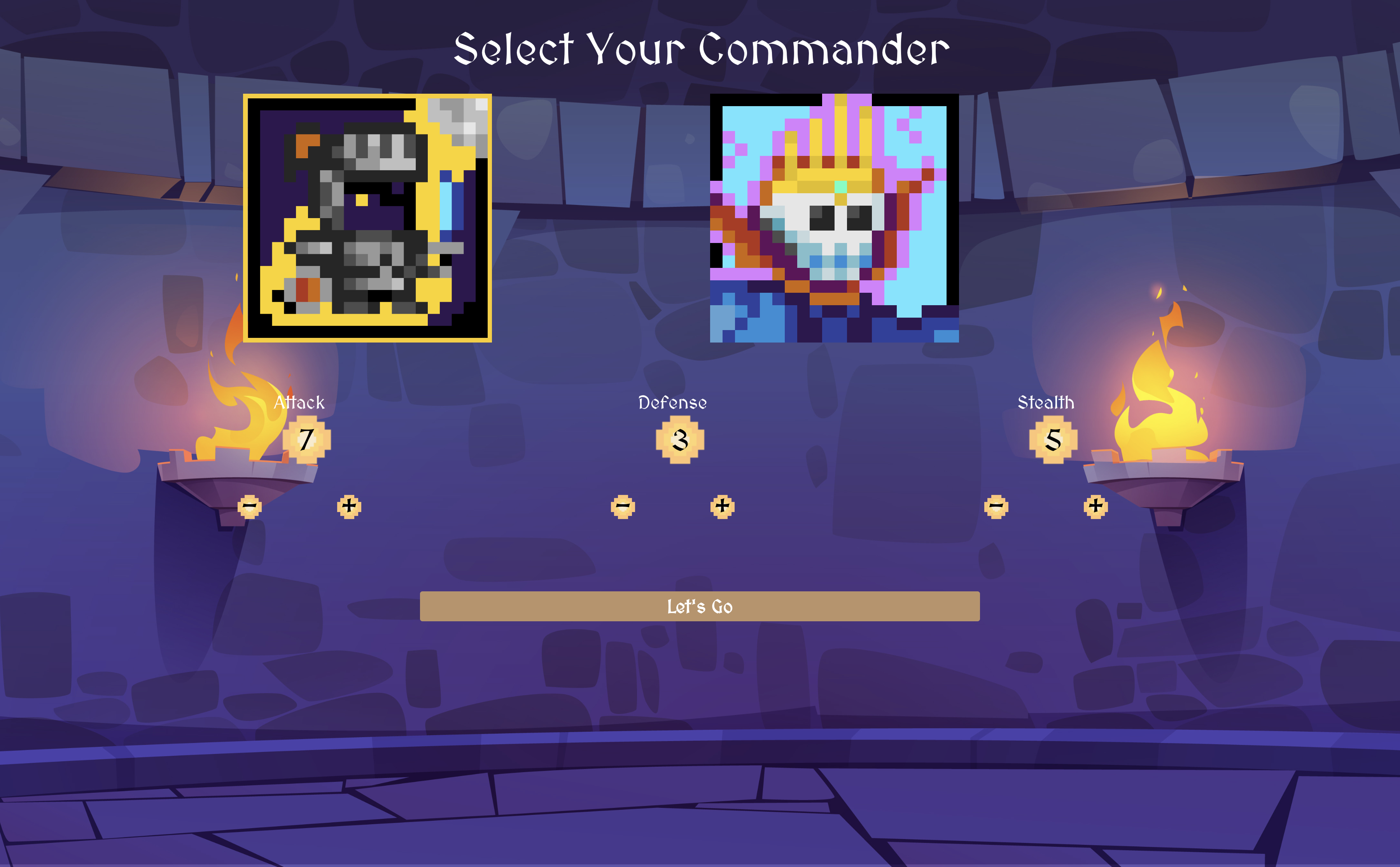
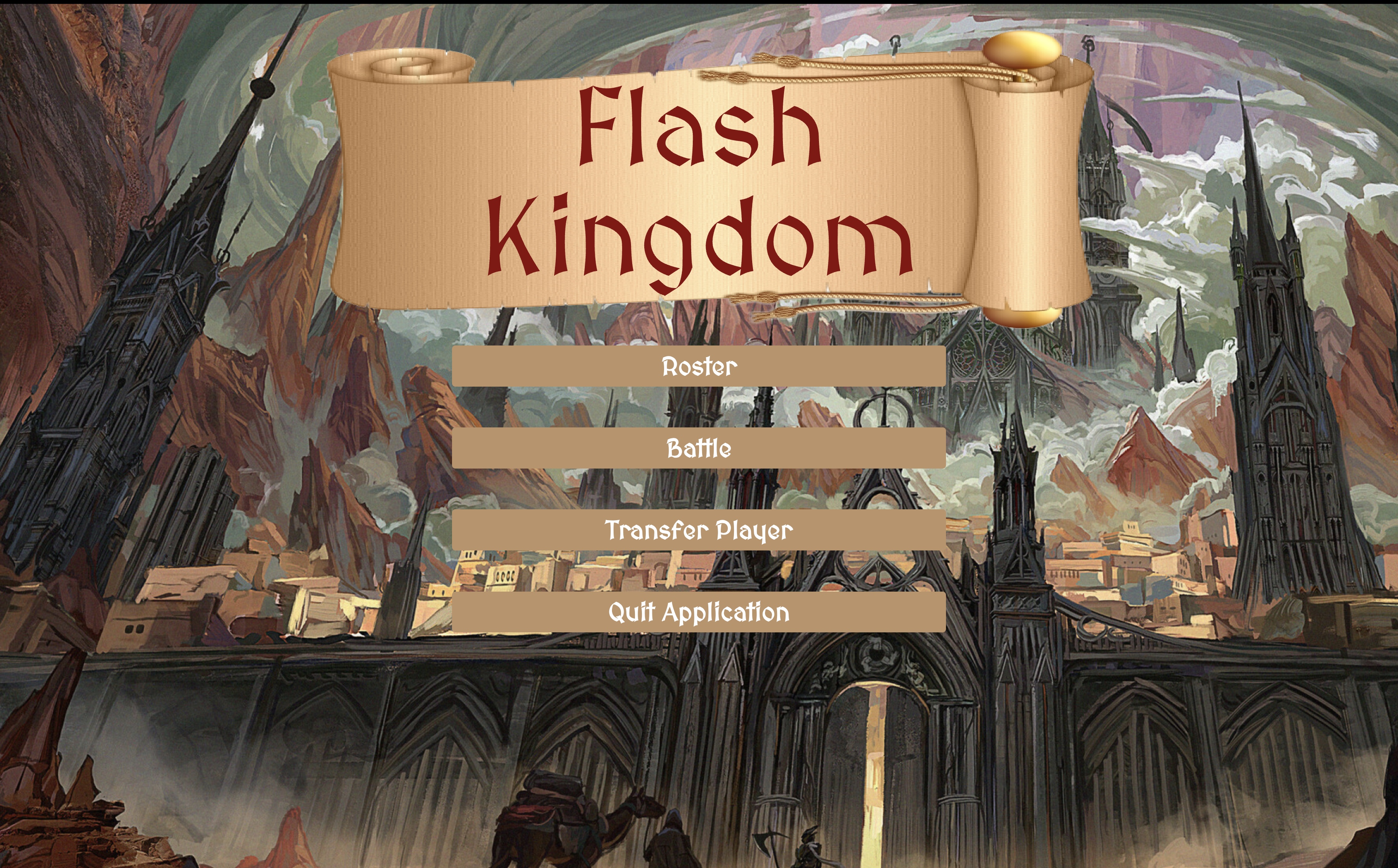
To prove that anyone can make a fun and engaging game on PlayPort, we designed Flash Kingdom, the first game in PlayPort's library. The mechanics of Flash Kingdom, from both a gameplay and software perspective, were designed very specifically to incentivize human connection. The game itself is divided into two main components, acquiring cards and using your virtual deck to battle others. All game data is stored locally on a USB drive and multiplayer interactions, such as trading cards and battling, require that both players plug their USBs into the same computer. The USB drives are then able to communicate with each other to execute player actions and gameplay mechanics.
The choice to use USBs as a medium made a lot of sense from the get go to encourage in person connection. But it was to our pleasant surprise that the USB quickly became an integral part of the core gameplay mechanics. Facilitating, and not limiting, enjoyment.
How we built it
We've designed a safe, reliable, self-contained, and USB-centric multiplayer experience by packaging a Flask based react application directly onto a USB drive. This novel architecture allows for USB drives to communicate directly with each other, using the computer as only a medium for information exchange and gameplay. Additionally, we've integrated symmetric encryption techniques to prevent tampering and secure player information. Our framework allows for USB drives to self-encrypt and self-decrypt their data while interfacing with a laptop, allowing for a safe ejection at any point throughout the game.
Challenges we ran into
We ran into several challenges throughout this project, including the implementation of data encryption, safe ejection techniques, and overall game design challenges.
Accomplishments that we're proud of and what we learned
We're incredibly proud of everything we've accomplished. With no prior game development experience, we've developed our own game development framework with custom graphics and fully functional USB interfacing as a proof of concept for our idea.
What's next for PlayPort?
We'd love to collaborate with game developers to push the limits of our platform and bring our vision to life.
Built With
- cryptography
- flask
- javascript
- python
- react
- usb

Log in or sign up for Devpost to join the conversation.