-
-
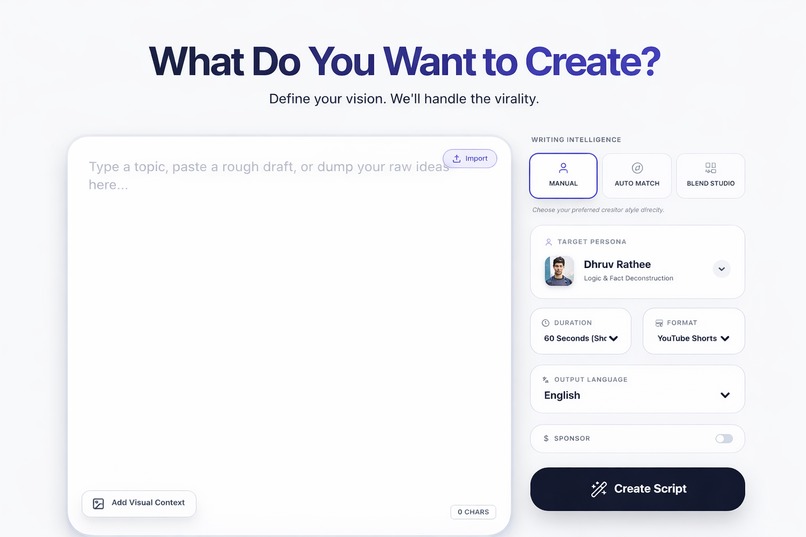
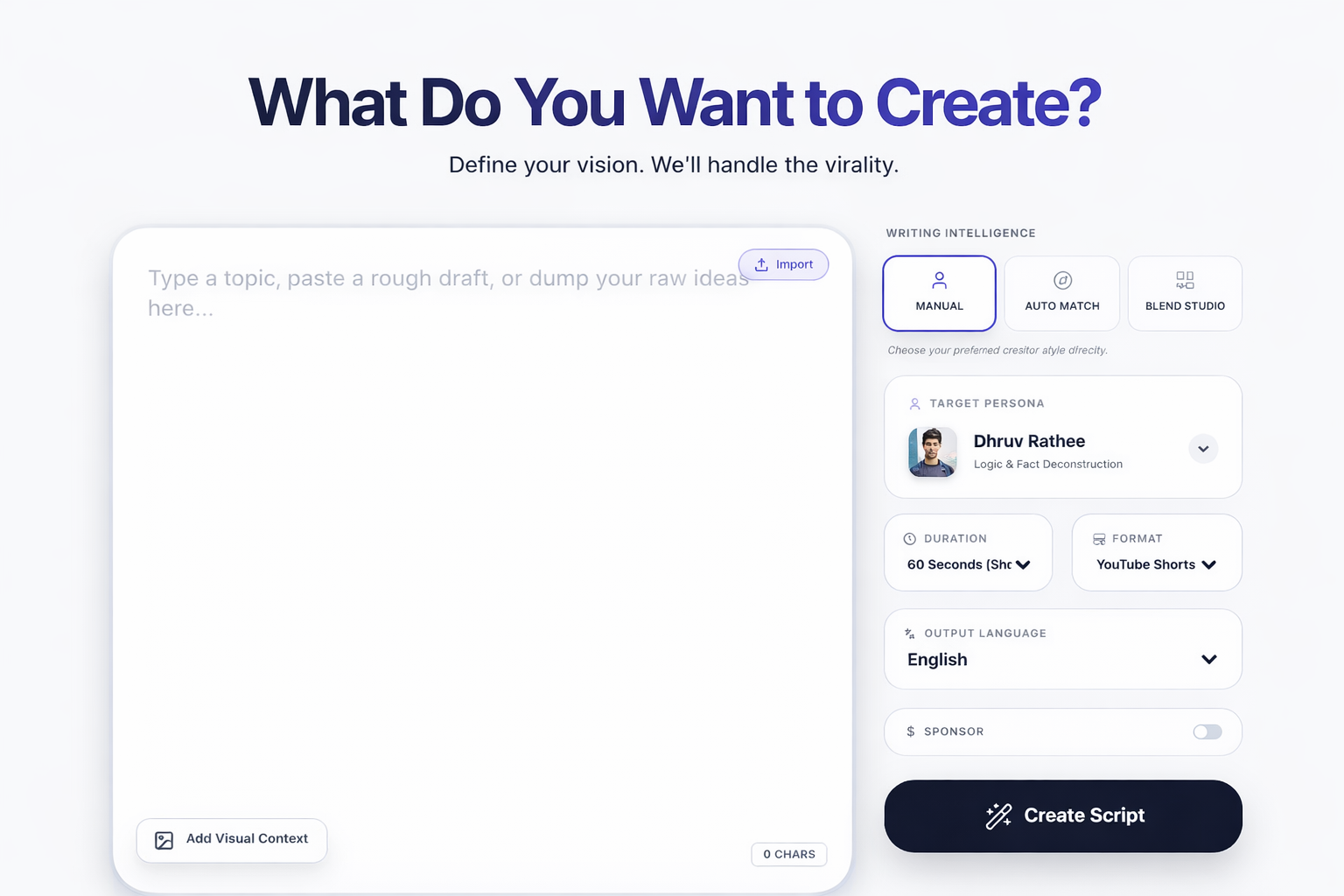
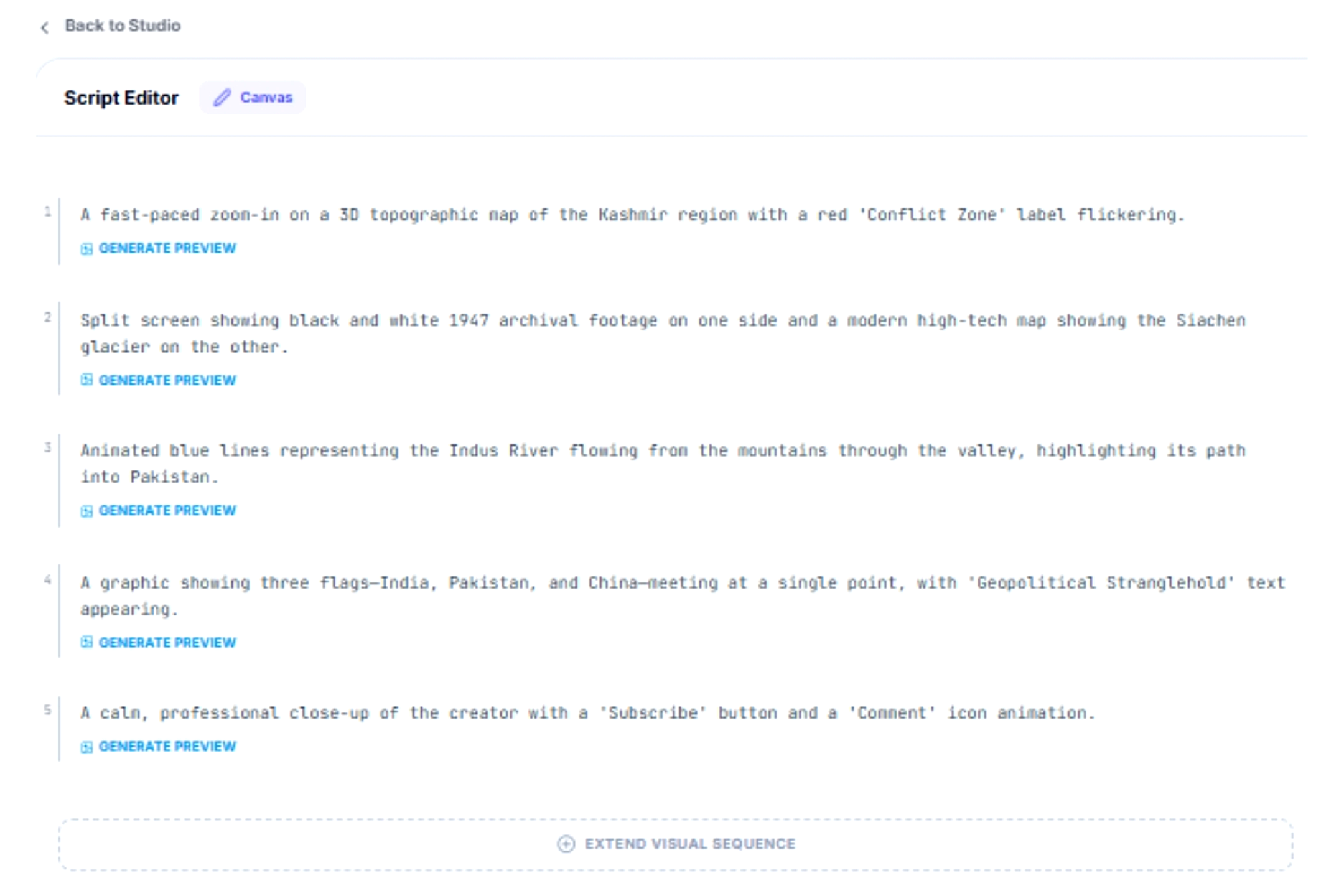
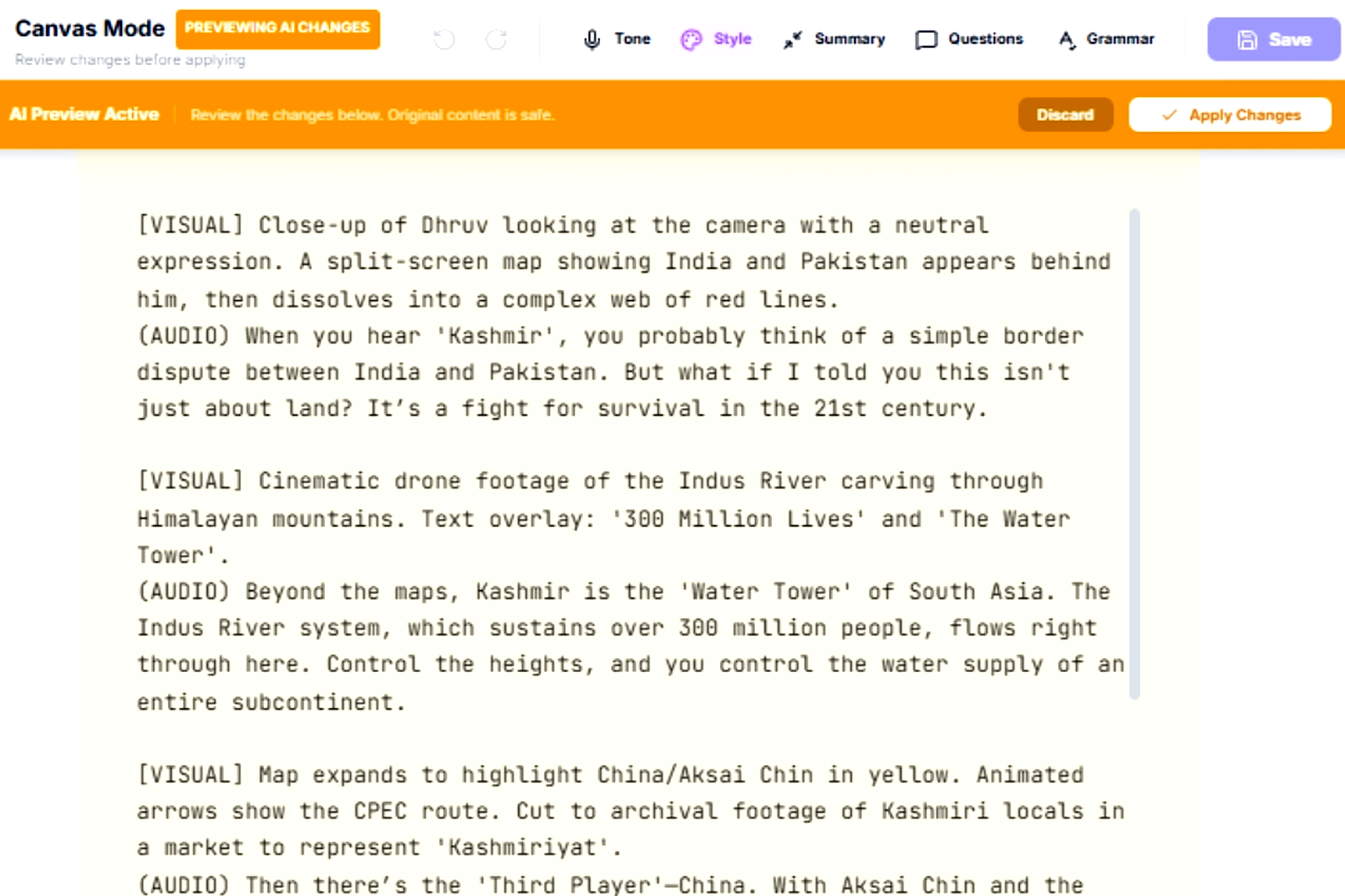
Home Page Interface
-
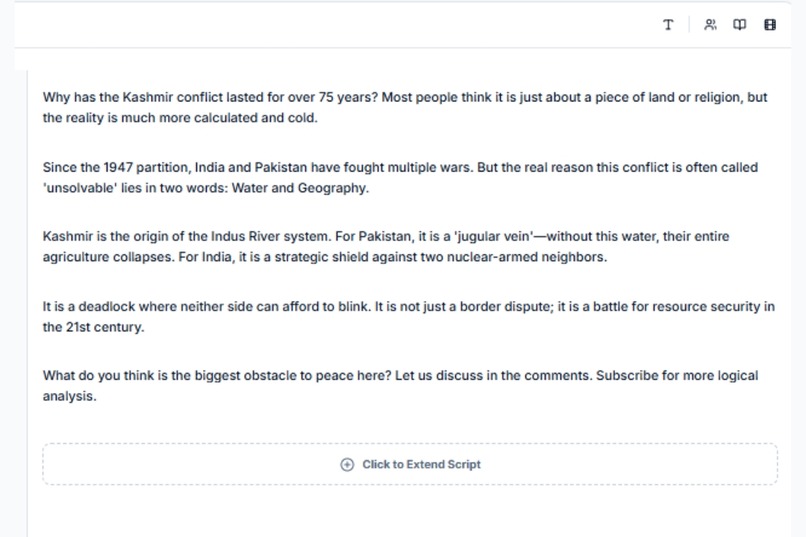
Script Box
-
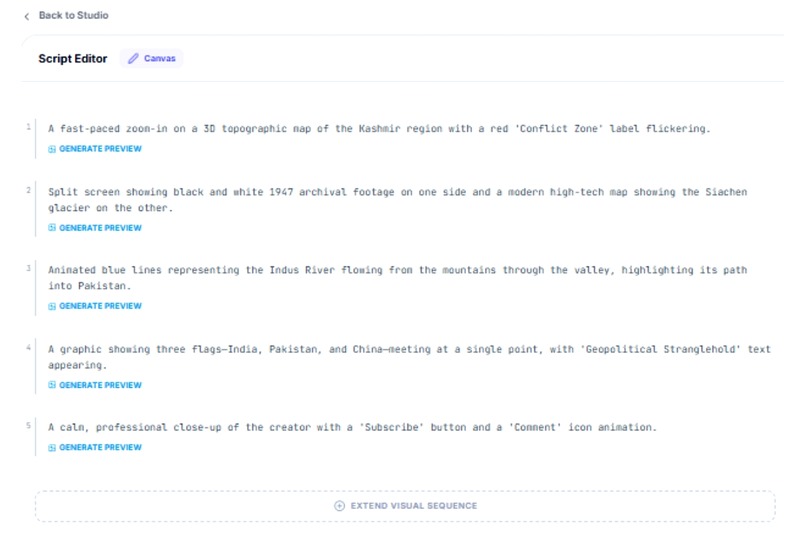
B-Roll Box
-
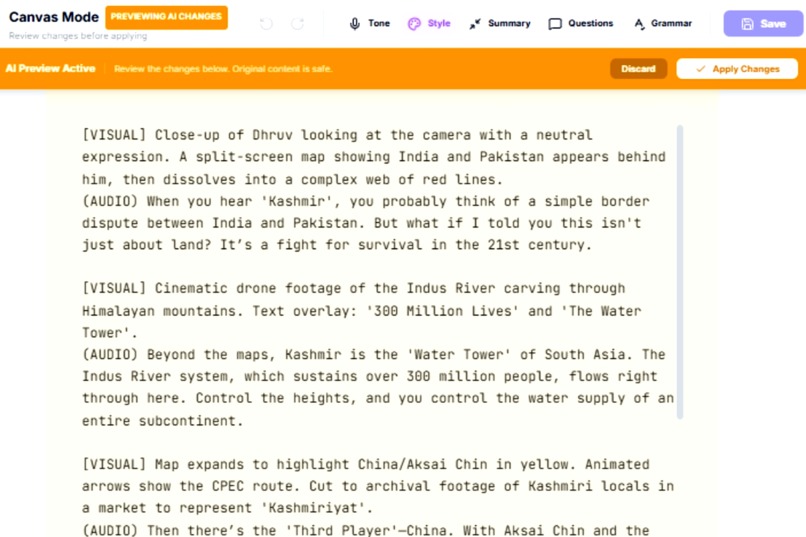
Canvas Mode
-
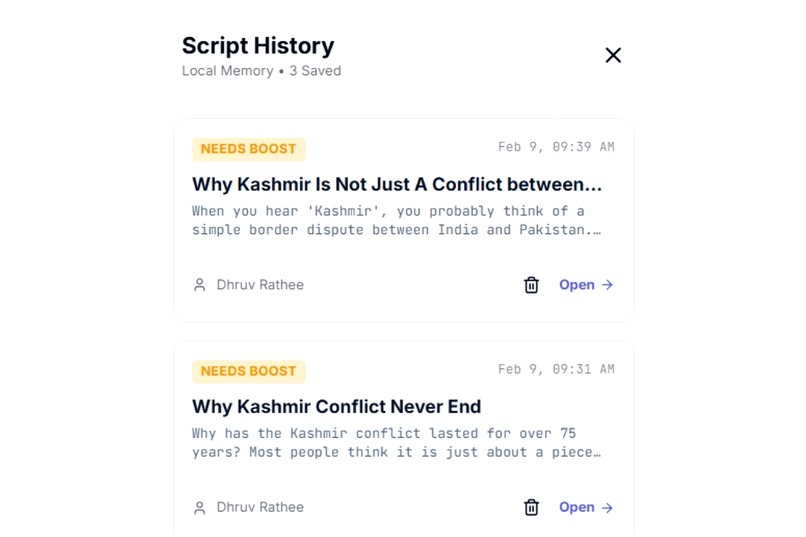
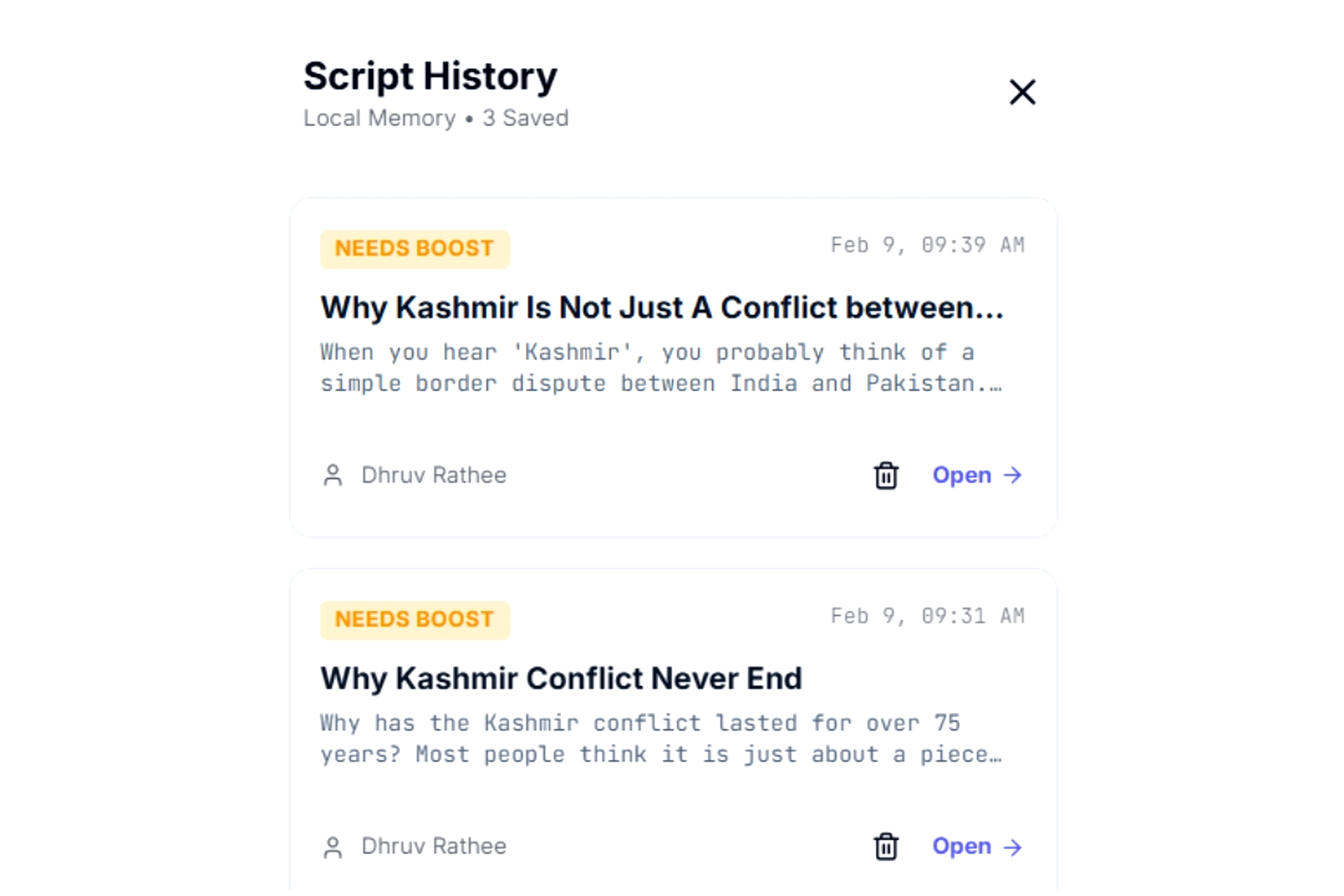
Script History
-
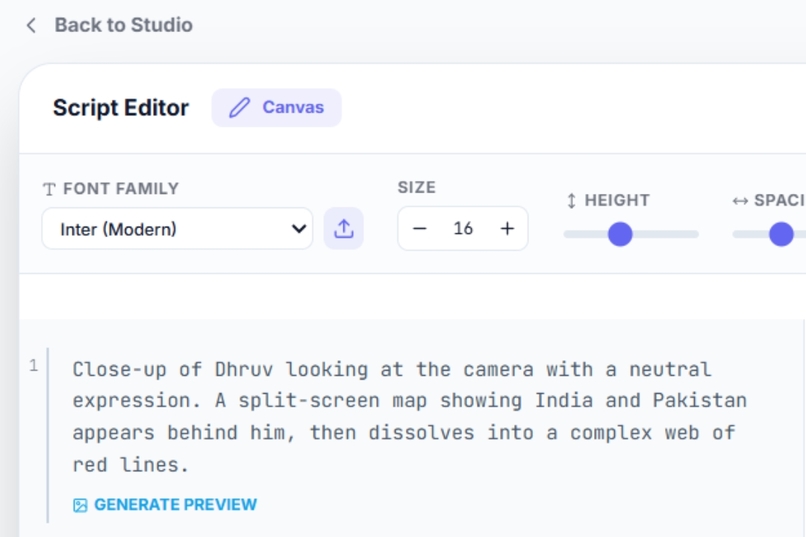
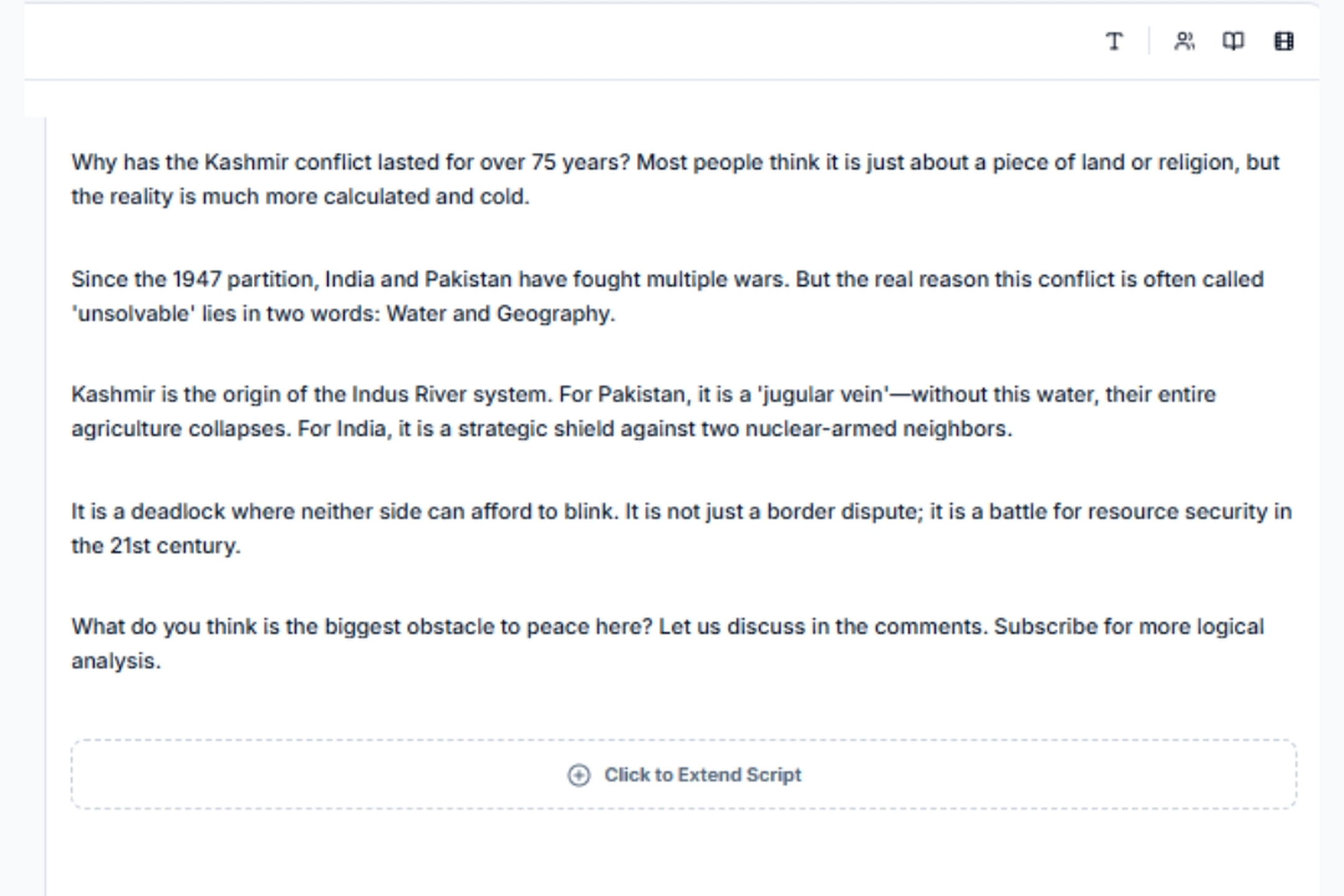
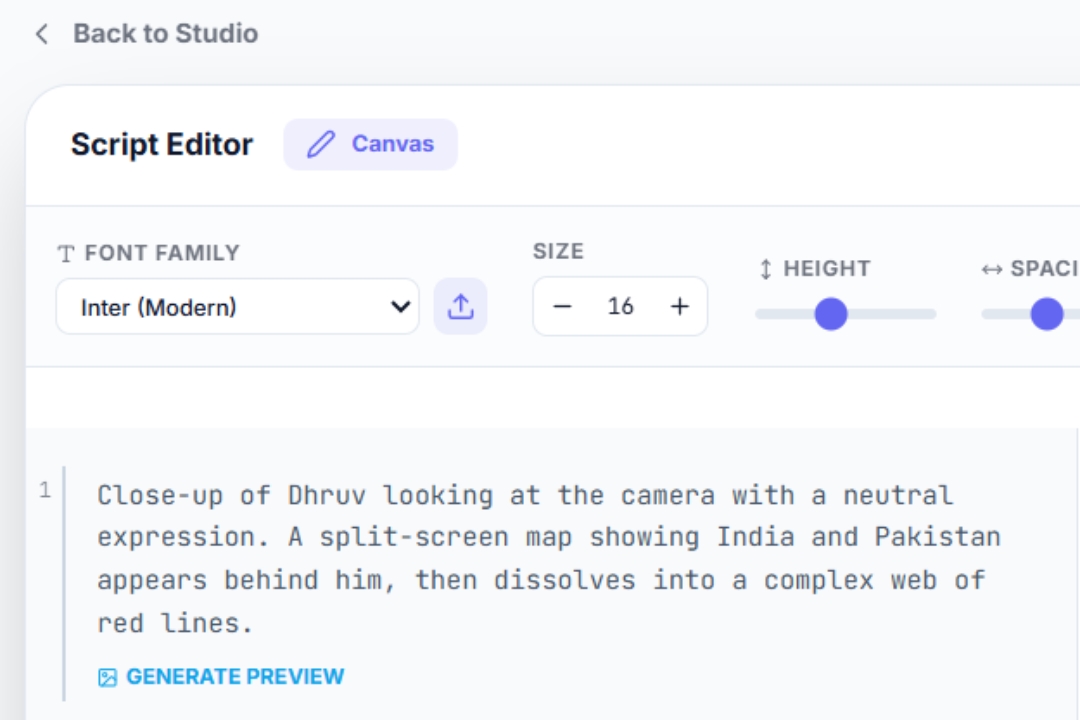
Editor Tab
Inspiration
I am a content creator, and I am trying YouTube for almost 3 years. In this journey, I learned one very important thing: a good script decides everything. If the hook is weak, people leave. If the flow is boring, retention drops. I also observed that big creators are not just lucky, they have a very strong way of thinking and writing.
But the competition on YouTube is now very high. Every day, thousands of videos are uploaded. To compete with big creators, small creators need not only ideas, but ideas written in the right way. This is where the inspiration for Ideograph came. I wanted to build something that does not just write text, but understands how creators think and why their scripts work.
What it does
Ideograph is an AI Script Writer made specially for documentary and long-form content. It helps creators turn a simple idea into a complete script with hook, flow, depth, and visuals planning.
The main thing is that Ideograph can write scripts in specific creator styles like Dhruv Rathee, Nitish Rajput, ThynkWhy, Raftar, and others. Each creator's style is trained using their bio, tone, research pattern, and narrative structure.
There is also an Auto Choose Creator mode where the system itself decides which creator style fits best for the topic. Another feature is Creator Blend Mode, where two or three creator styles can be mixed in a controlled way to generate a unique script voice.
Ideograph also plans visual prompts according to video length, so the script is not only text but feels like a real documentary.
How we built it
I built Ideograph step by step by thinking like a creator, not like a machine. First, I designed the idea that scripts should be long, structured, and research-based. Then I separated creator data into different bio files so the AI can properly learn how each creator writes.
I used Google AI Studio and Gemini models for text intelligence. The logic is designed in a way that research, hook generation, clarity checking, and style locking all work in parallel, so the app does not become slow.
The UI is kept clean and simple. Big buttons, clear modes, and no confusing options. The system handles complexity in the background, while the user only focuses on the idea.
Challenges we ran into
The biggest challenge was maintaining creator authenticity. At first, the AI was mixing styles or becoming generic. I had to design strict style locks and separate creator files to fix this.
Another challenge was language. For Urdu scripts, the AI was mixing English or Roman Urdu, which looked very bad. I solved this by enforcing pure Urdu rules at the system level.
Performance was also a concern. Adding deep research and analysis can slow apps, so I had to design everything in a lightweight way that does not affect speed.
Accomplishments that we're proud of
I am proud that Ideograph is not a simple script generator. It feels like a thinking assistant for creators.
I am also proud of the creator-style system, because it respects how real creators work instead of copying surface-level words.
The visual planning feature is another big achievement, because most script tools ignore visuals completely.
What we learned
I learned that good AI tools are not about adding many features, but about adding the right intelligence at the right place.
I also learned that creators care about authenticity, not just automation.
Most importantly, I learned how difficult it is to balance creativity, speed, and structure in one system.
What's next for Ideograph – AI Script Writer
In future, Ideograph will have clear creation paths like documentary, educational content, and series.
For educational videos, the system will be trained to explain concepts deeply and clearly, using different teaching styles. Students will be able to learn from the style of teacher that suits them best, with questions, examples, and step-by-step explanations instead of confusing theory.
For series creation, Ideograph will help users build complete blueprints before production. It will generate full episode-wise scripts, narration flow, scene structure, settings, and small visual references so creators can understand how the story and plot will look. This is very important for beginners who want to start a small series or drama but don’t know how to plan everything from scratch.
I also want to add audio input, where creators can speak their idea instead of typing. Along with this, Ideograph will support image-to-video generation, turning scripts into visuals using tools like Veo 3.
More creator styles, stronger research depth, and a complete script-to-video documentary pipeline are also part of the future vision.
Ideograph is still growing, but the goal is simple: make powerful storytelling, learning, and production accessible to everyone, even those who are just starting.

Log in or sign up for Devpost to join the conversation.