-
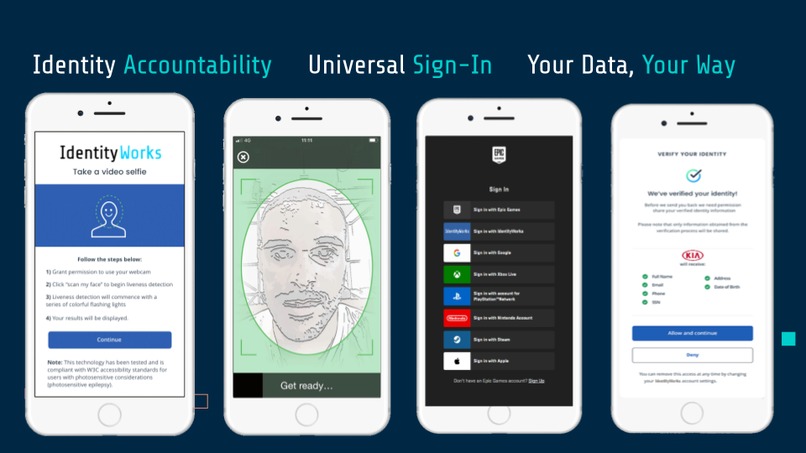
Product Demo
-
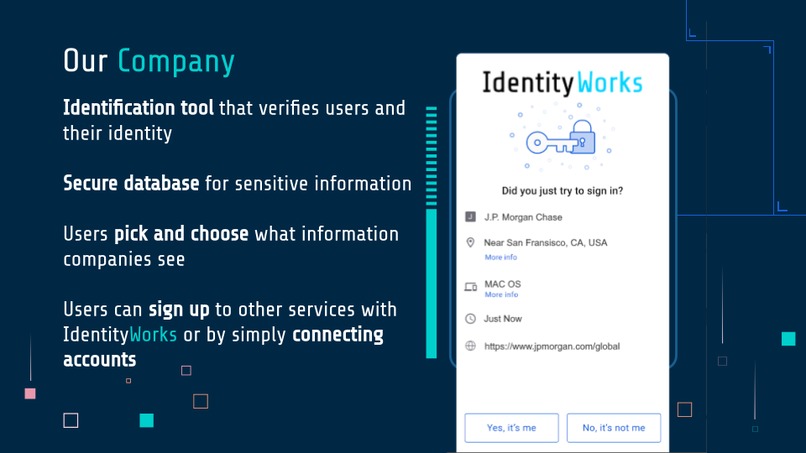
Our Company
-
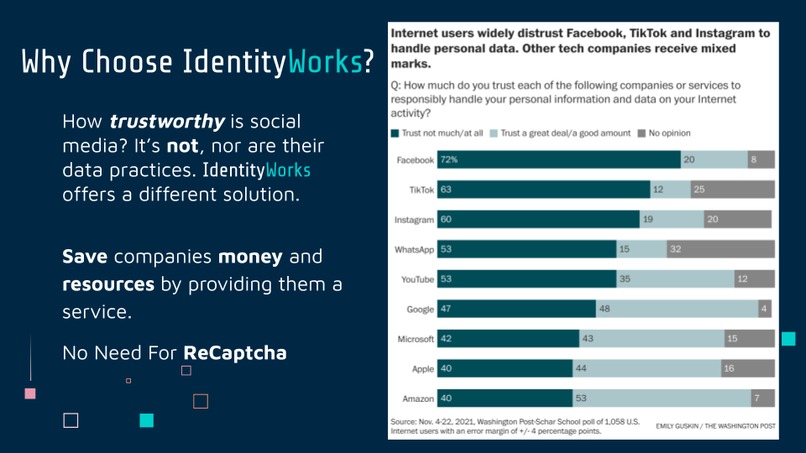
Why Choose IdentityWorks?
-
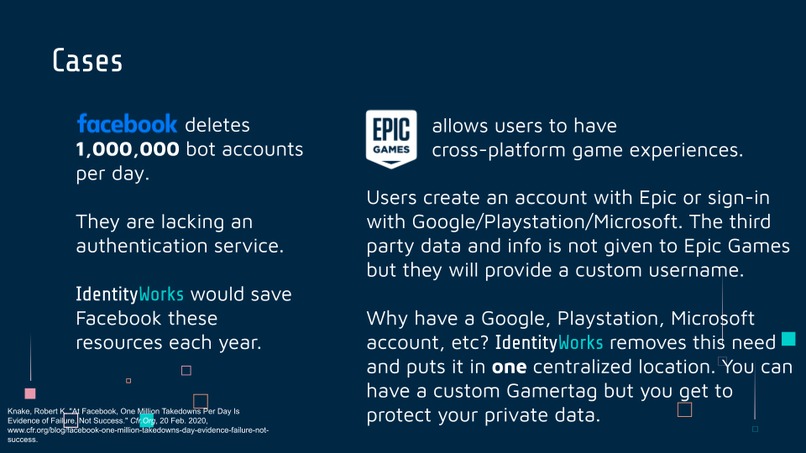
Cases
-
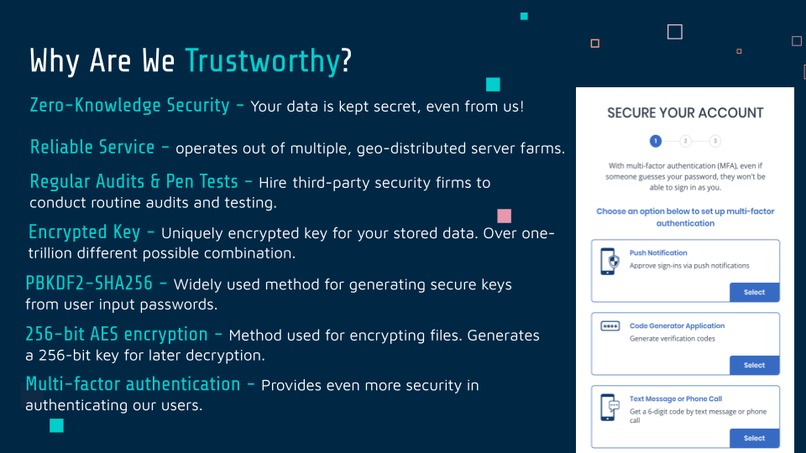
Why Are We Trustworthy?
-
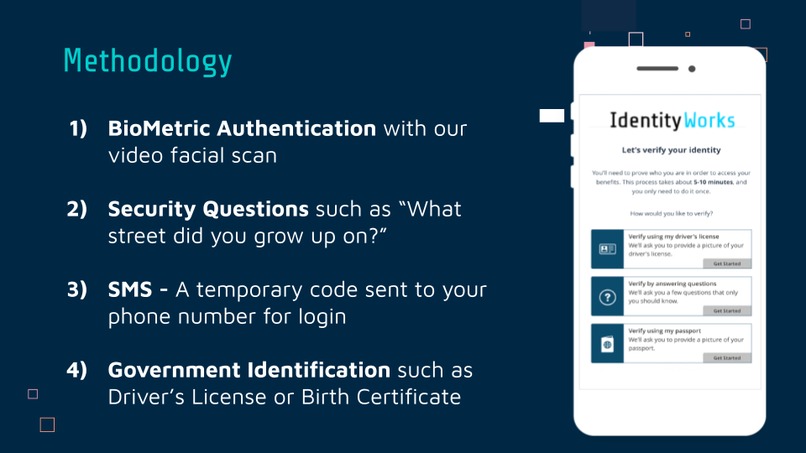
Methodology
-
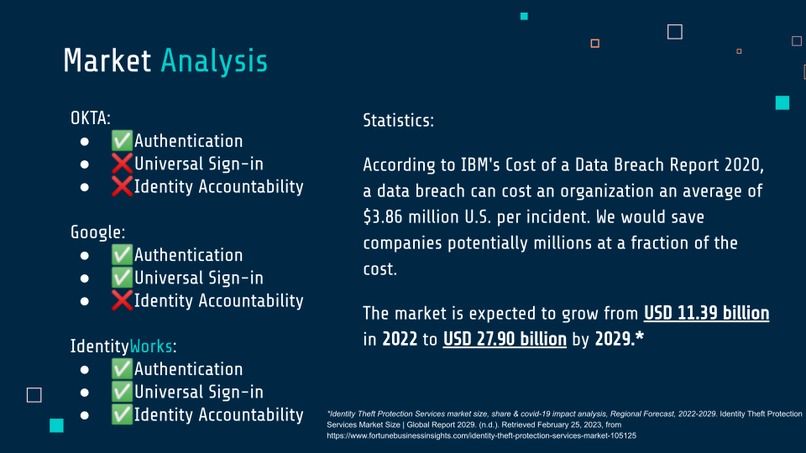
Market Analysis
-
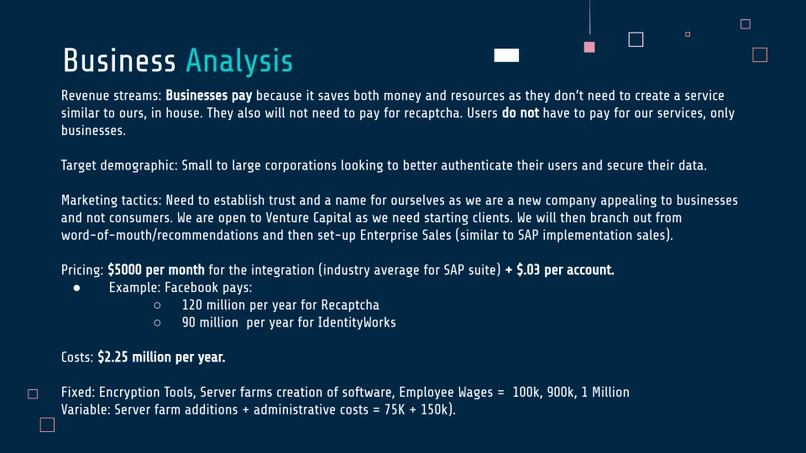
Business Analysis
-
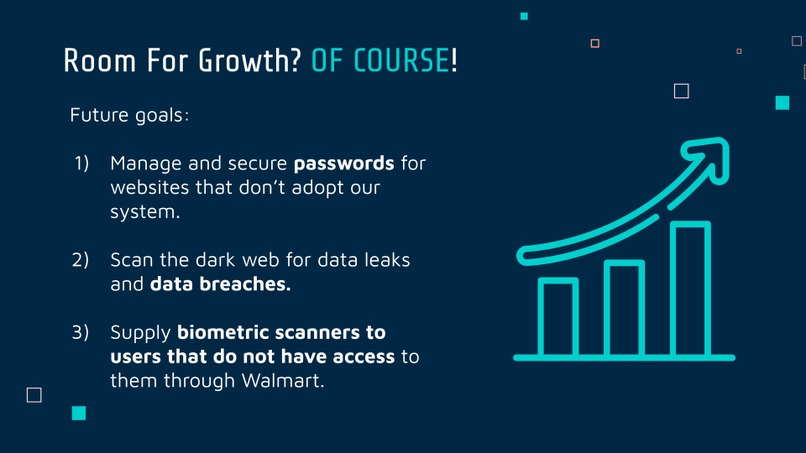
Room For Growth?
-
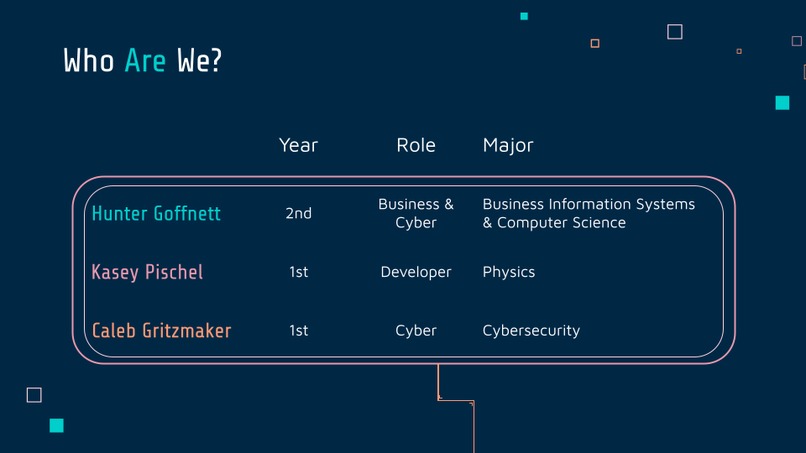
Who Are We?


Inspiration
We realized companies are facing a severe issue with bot accounts. We wanted to solve this problem for companies as well as provide a valuable and convenient service for everyday consumers. This sparked the idea of our product but we still didn’t know where to go for the execution. The team ended up drawing inspiration from leading companies such as OKTA, Id.me, and LastPass for their innovative design and technical aspects. At the end of the day, we took what was tried and true but made it our own.
What it does
IdentityWorks verifies a user's true identity using biometric data, government ID, and other verifiable forms of identification, creating an encrypted profile in our system. We utilize encrypted keys, PBKDF2-SHA256, and geo-distributed server farms for privacy and reliability. Companies pay us to verify their users' identities and ensure only real people are on their platforms. With these verified profiles, our service also acts as a universal login for users, with their data securely stored in our trusted database. This is the first universal login that comprehensibly shows what data companies want to access, allowing users to accept or deny requests. IdentityWorks puts users' data back in their hands.
How we built it
Despite the limited 24-hour timeframe, we started by developing a solid conceptual framework for the backend of the service, including the necessary technologies and implementation concepts. Next, we directed our efforts toward creating a visually appealing UI and a proof of concept. We used photo editing tools to design the UI and carefully considered its practical implementation.
Challenges we ran into
Gathering market data for our niche cybersecurity market and private companies was a challenge due to limited and outdated sources. We relied on primary research and ballpark estimates, comparing them to reliable sources in similar industries. Despite the difficulties, we gained valuable insights and made informed decisions for our business strategy.
Accomplishments that we're proud of
We identified an untapped market for identity verification and universal logins and quickly began developing IdentityWorks. We actively sought input from anyone willing to hear our pitch and incorporated their ideas to create a framework we are proud of. We incorporated Jeff's message from his speech to remove any preconceived biases and talk to anyone, and this was our greatest accomplishment, as it helped improve both our product and character.
What we learned
We learned how to solve problems and improvise using our strengths and skills during a time crunch. Each team member had to wear multiple hats when faced with a complex problem. Some who were not familiar with business had to learn the basics and terms like market share, while others who were business-savvy had to learn how to create a presentable product. However, our team members were not experts in any field. For example, we had to use both Photoshop and Paint.net to achieve our UI's end goal, as we only knew how to use some features in each.
What's next for IdentityWorks
The future holds many possibilities for IdentityWorks! We want to collaborate with Michigan cybersecurity experts to get our idea off the ground. In addition to our main goals of authenticating users and providing convenience, we envision IdentityWorks functioning as a password manager for sites that have not yet adopted our system. We also aim to develop a leak tracker that searches the internet for irresponsible use of user data. Our goal is to establish ourselves as a trusted player in the market. From there, we can grow our market share and product portfolio.
Built With
- aes
- figma
- pbkdf2-sha256
- photoshop
- slides
