-
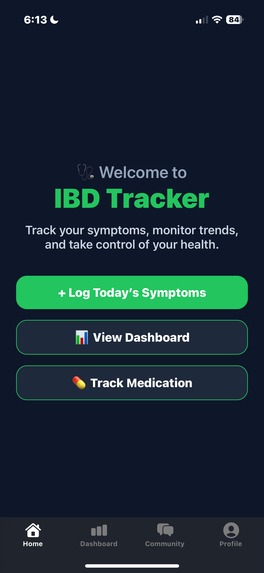
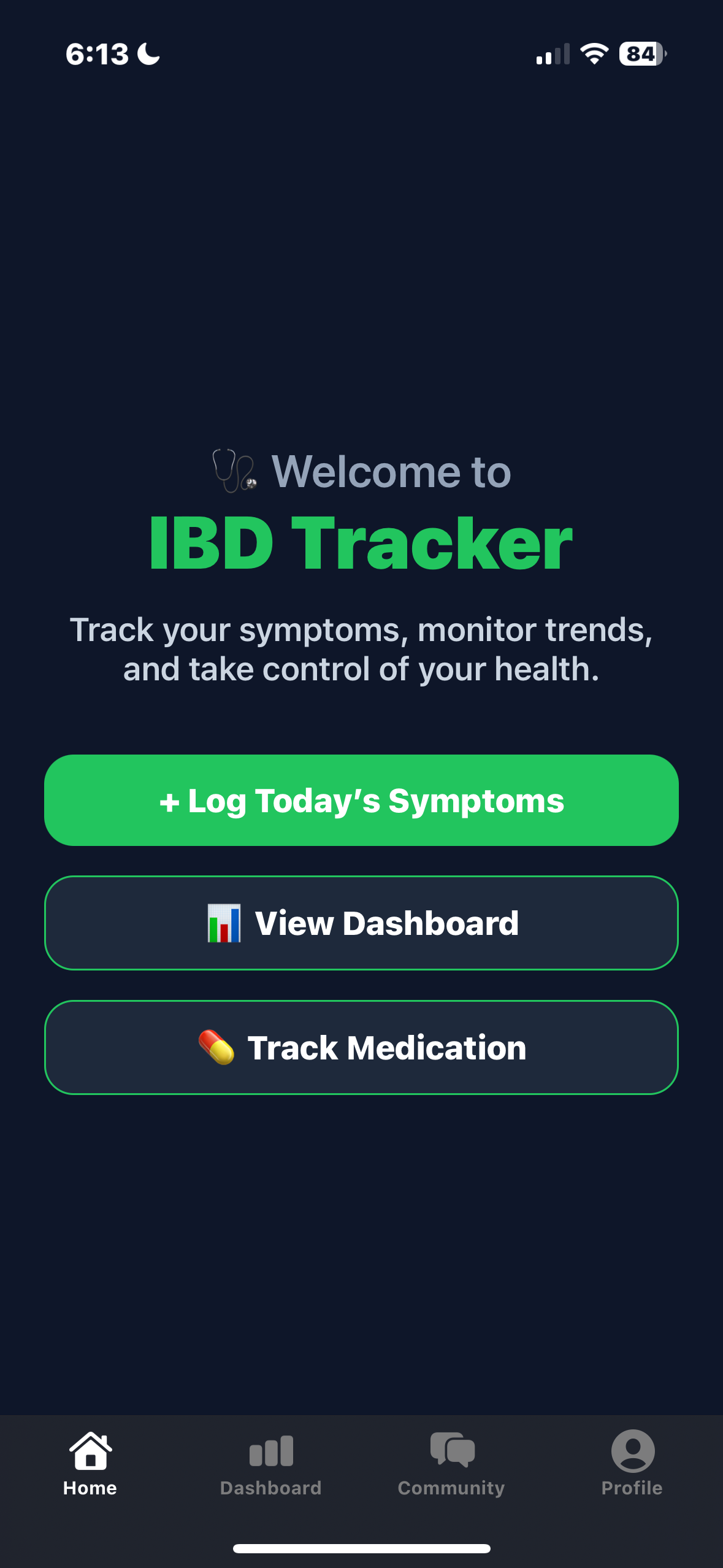
Home Page. Quick acces to medication tracking, dash board and log entries
-
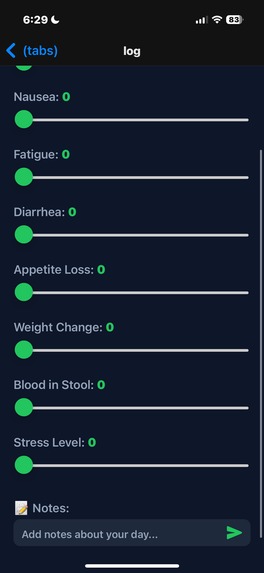
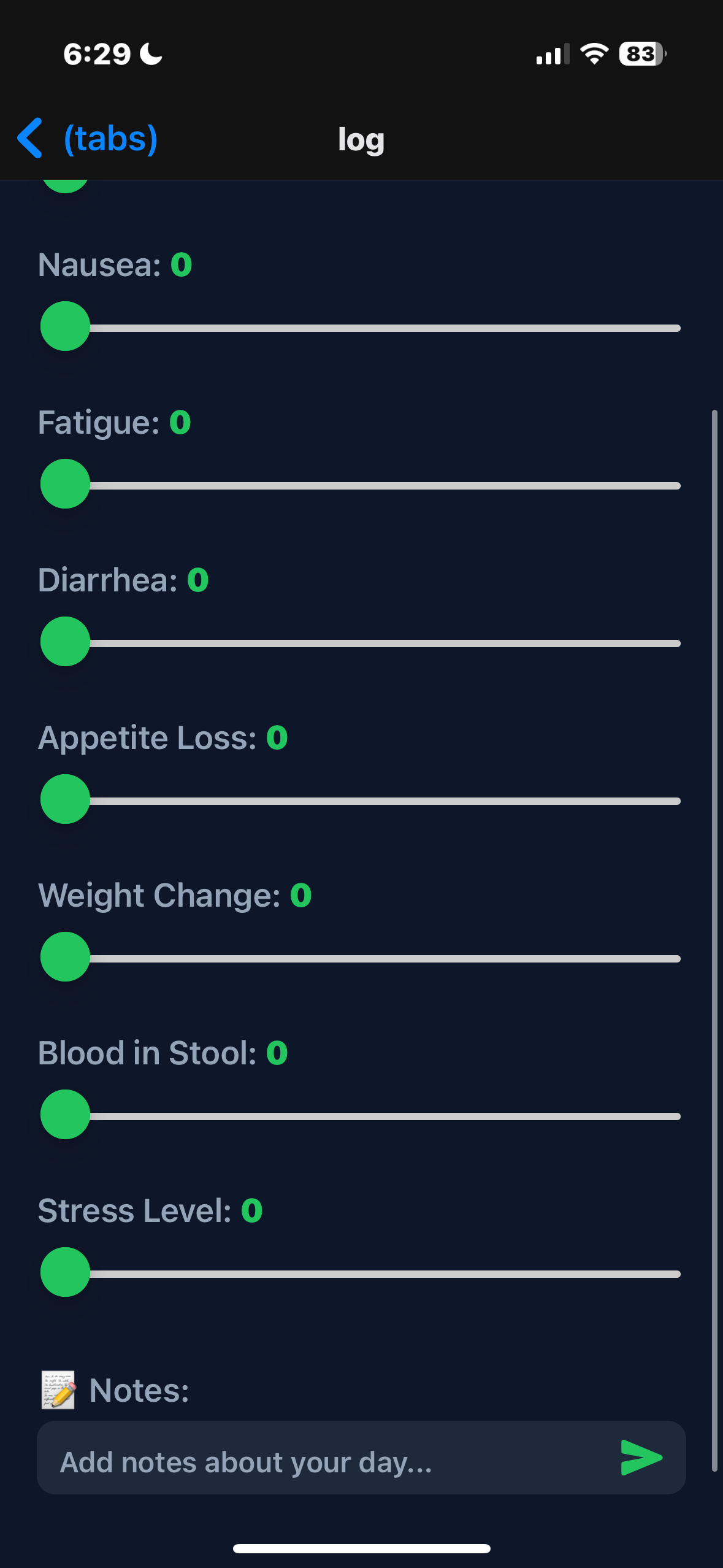
Log entries. You can enter daily the severity of you symptoms and some notes that you can later export as a pdf for your doctor to see.
-
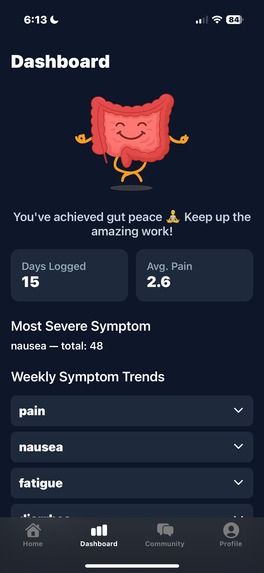
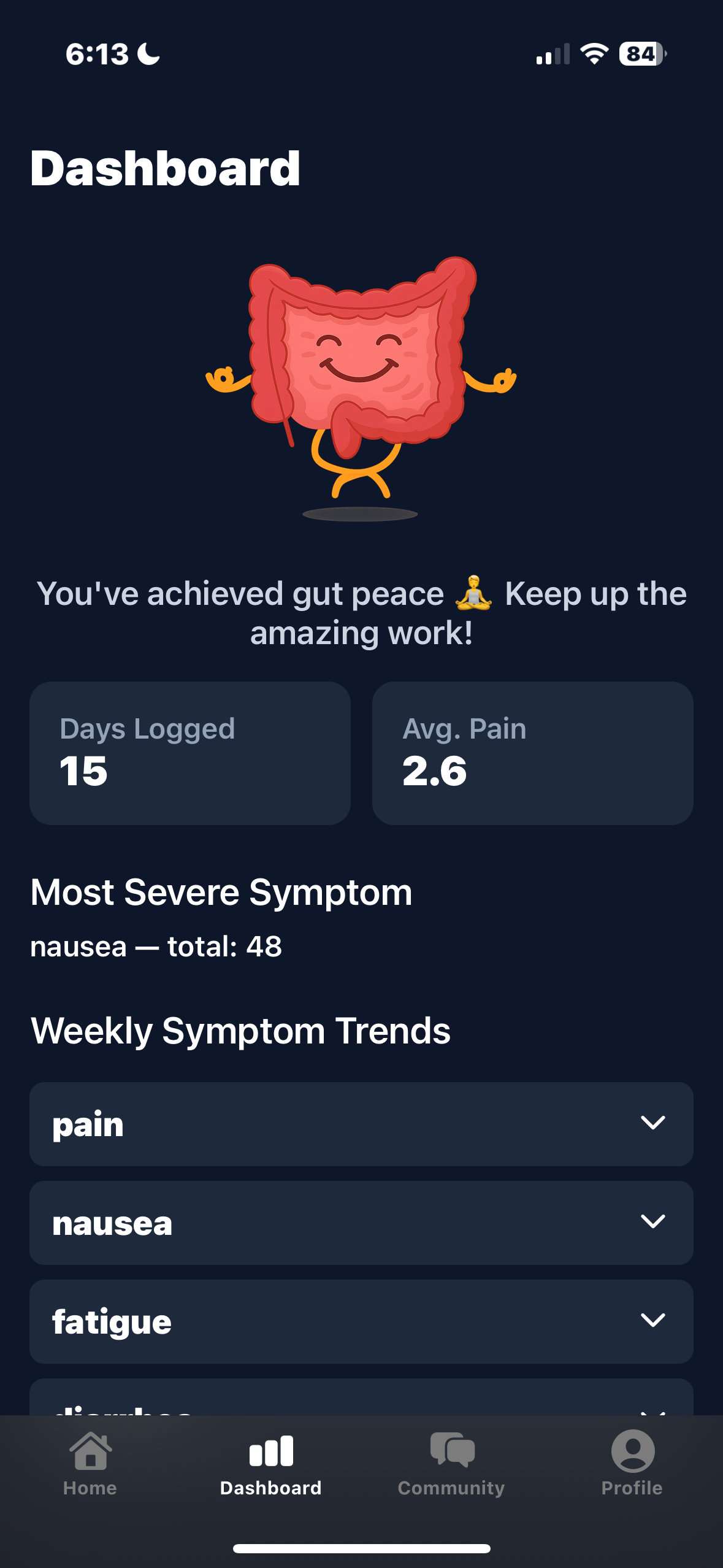
Dashboard. Displays the most severe symptom. If your average is high it recommends you to go and see a doctor right away.
-
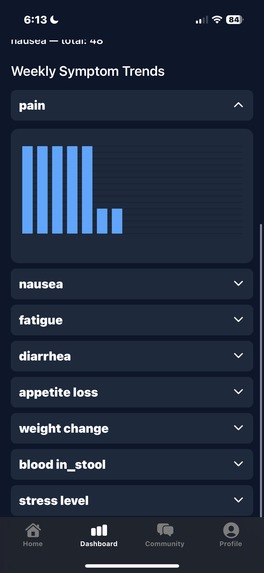
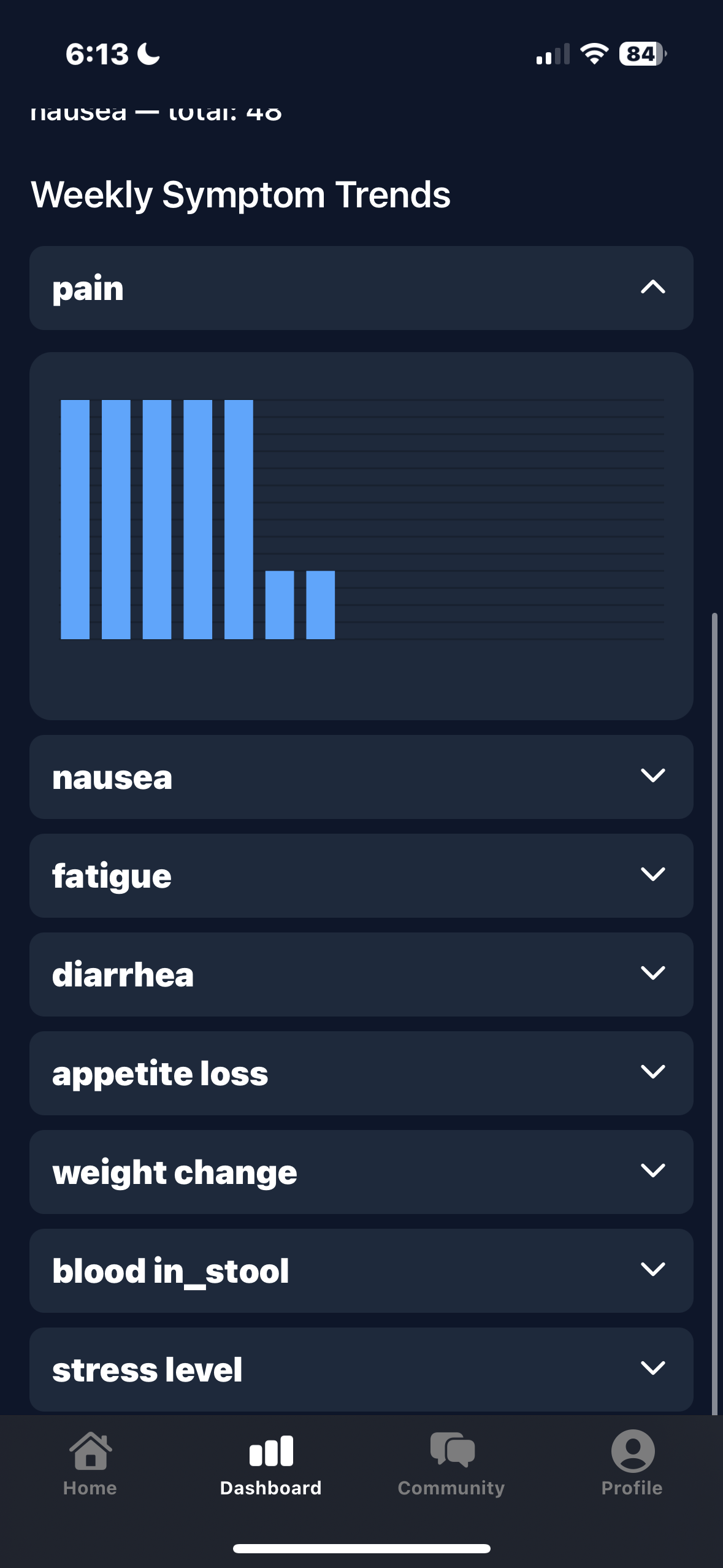
Symptoms Graph
-
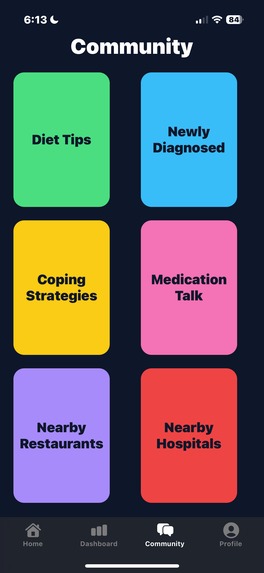
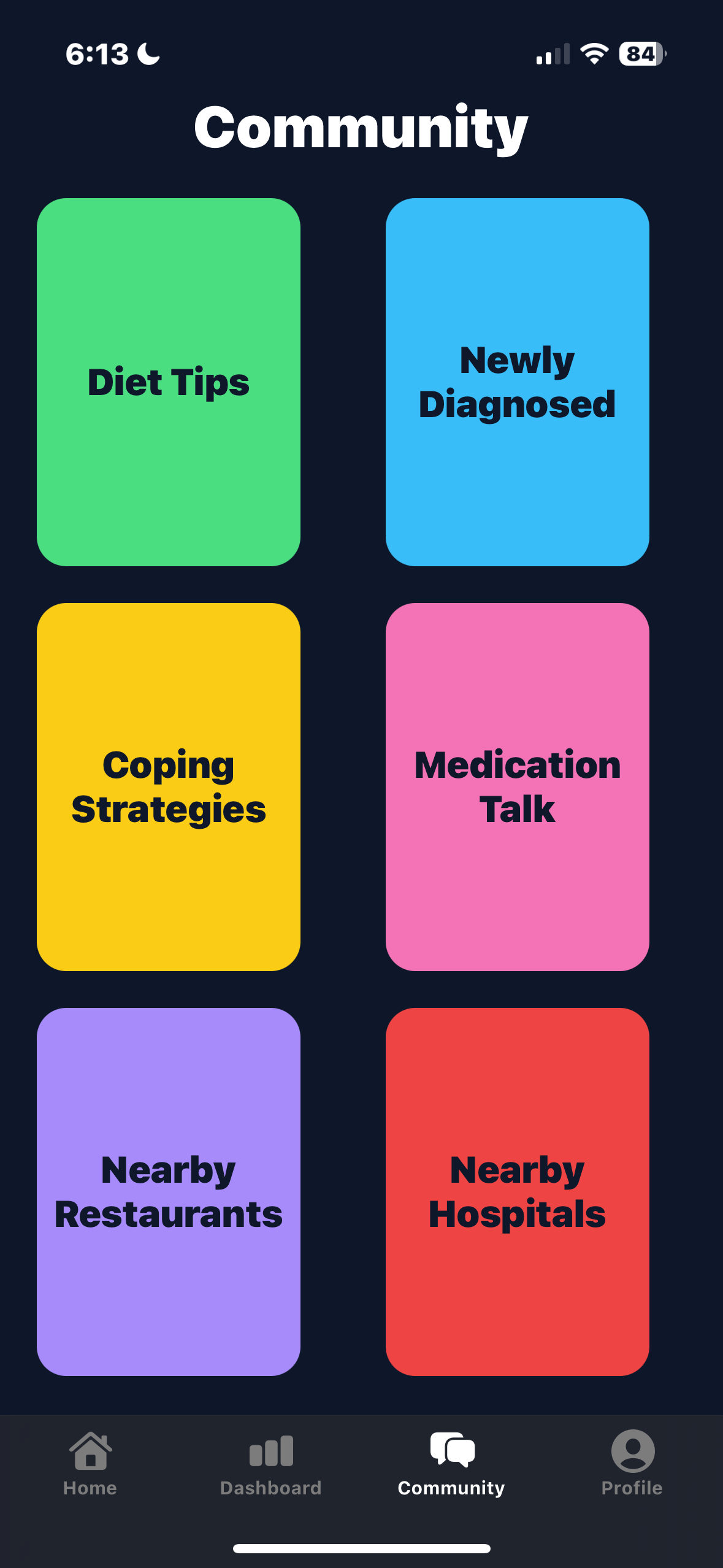
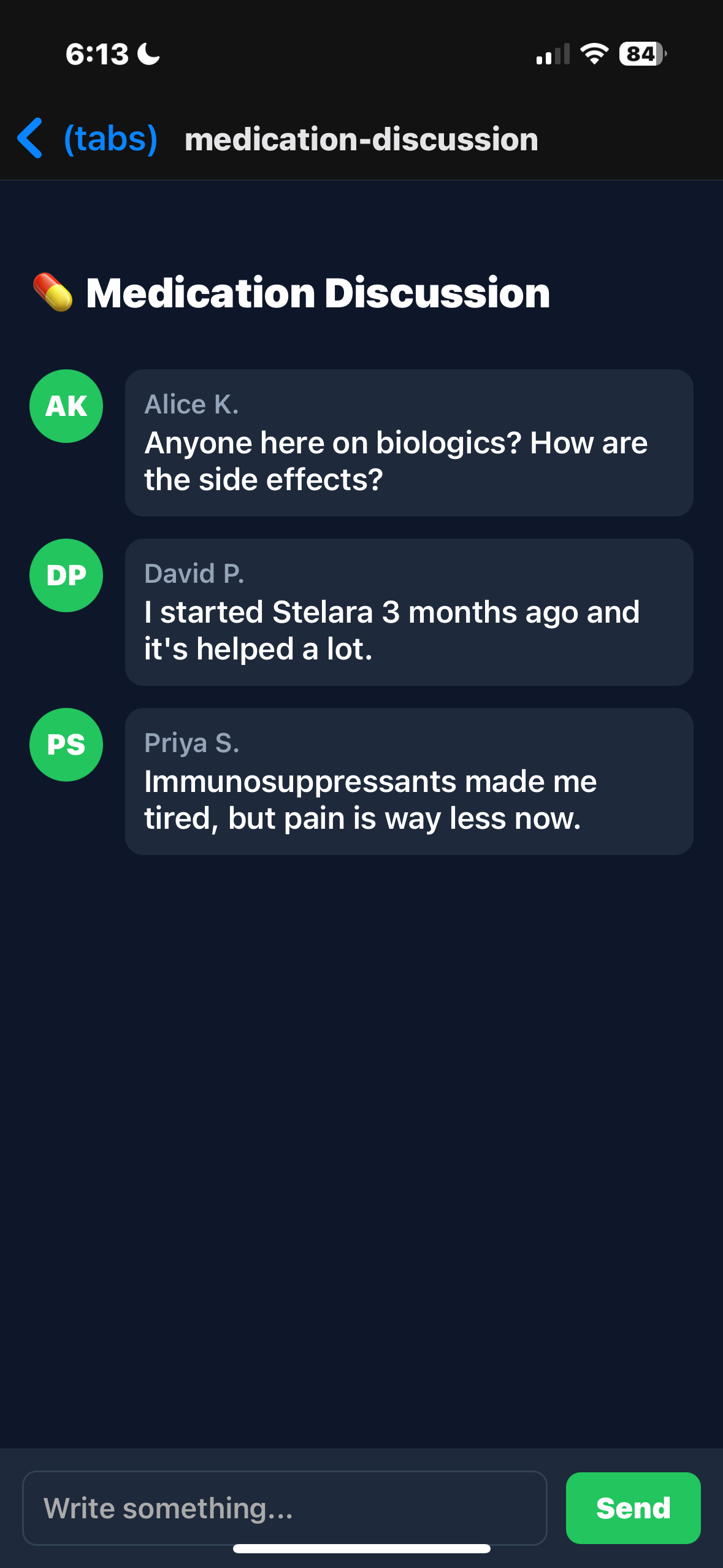
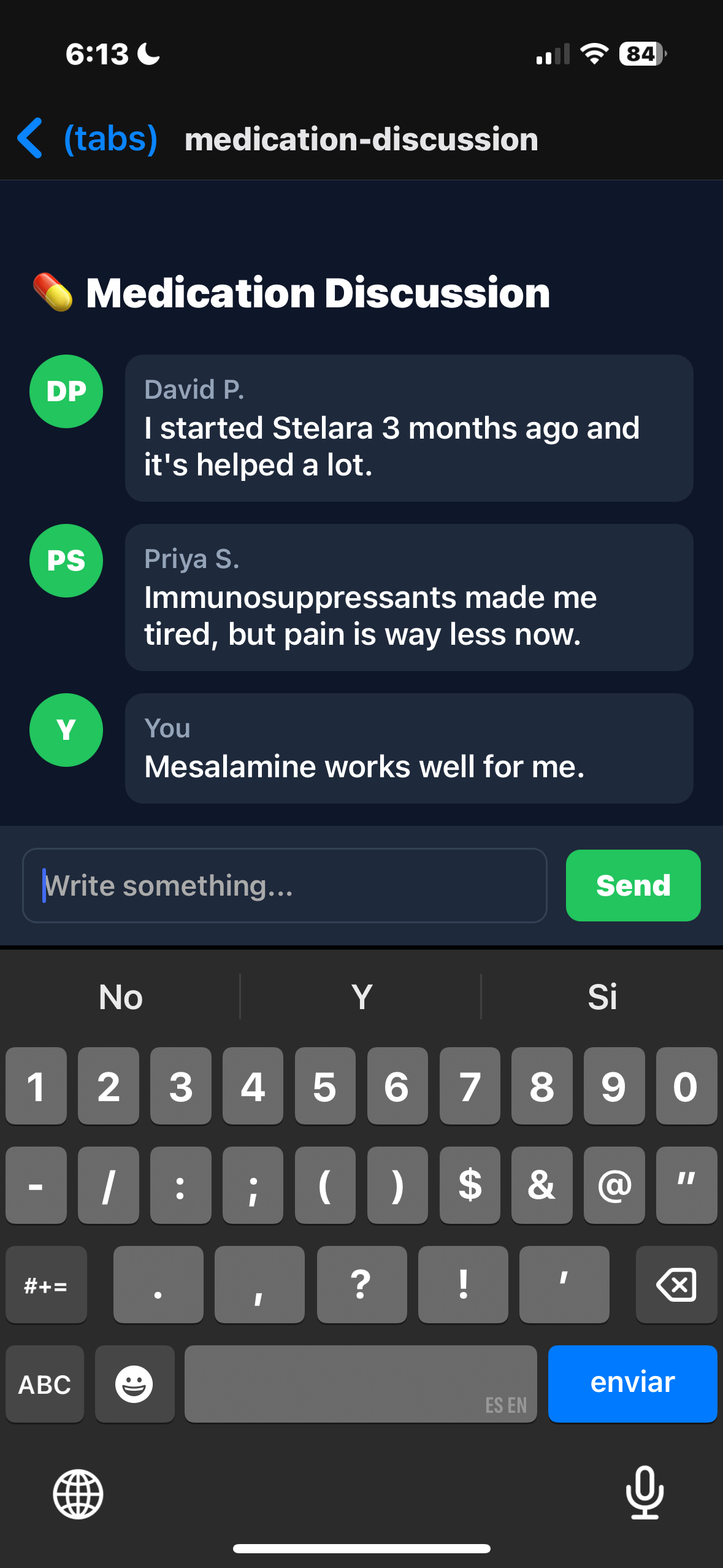
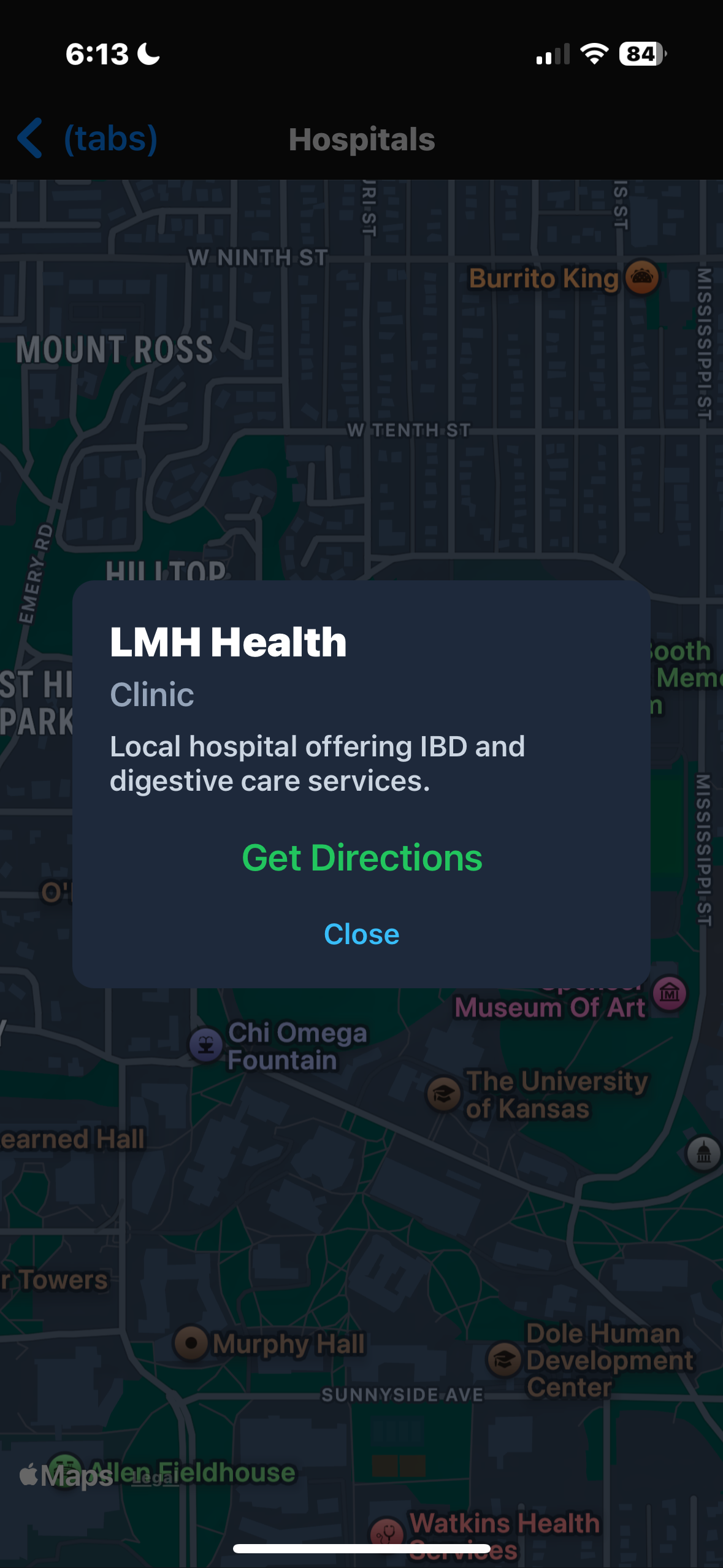
Community tab. You can choose topics to have conversations about. You also have access recommended restaurants and nearby hospitals.
-
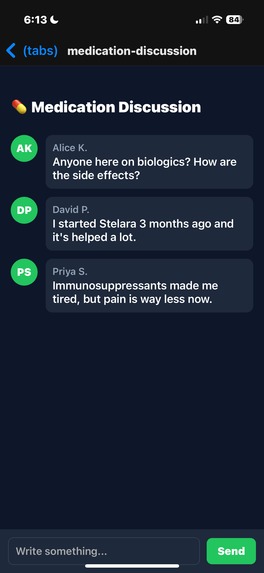
Community Posts
-
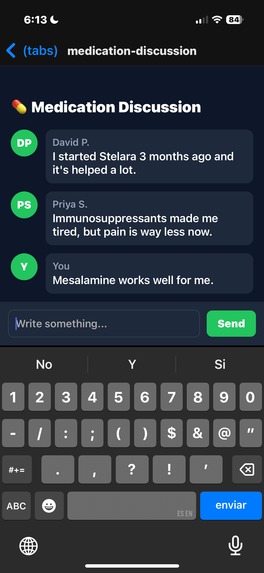
User's commuity post
-
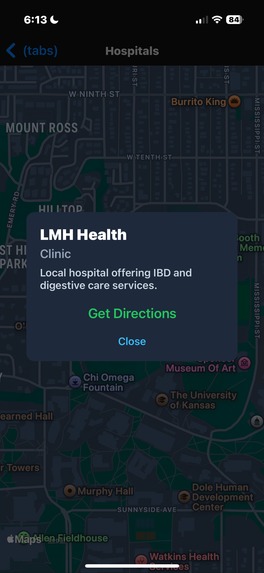
Find a hospital nearby.
-
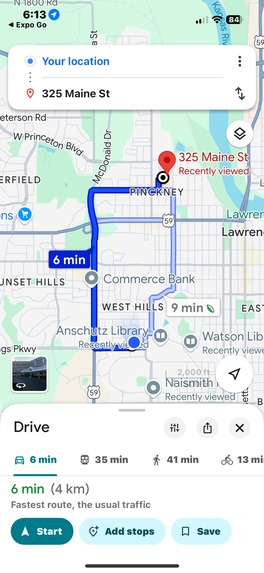
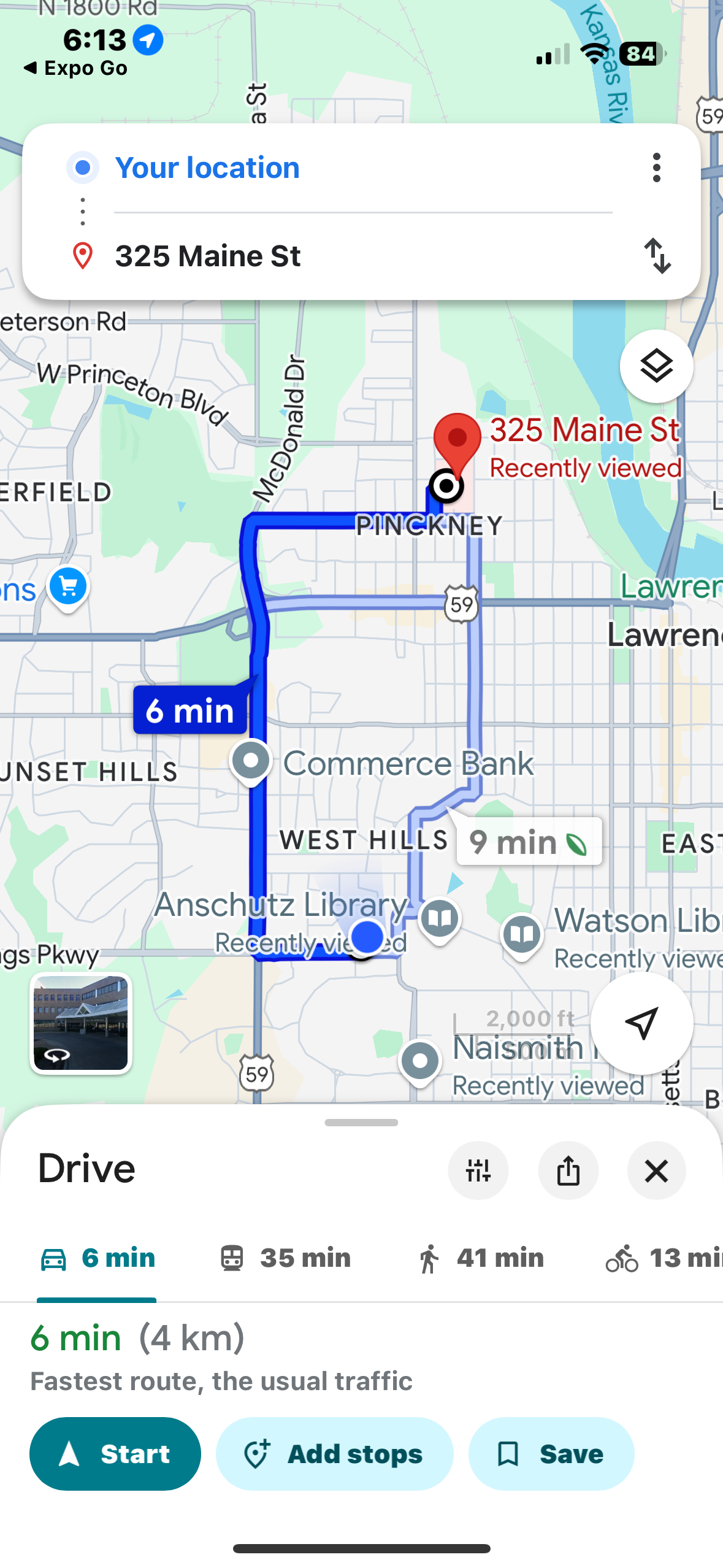
Redirection to google map
-
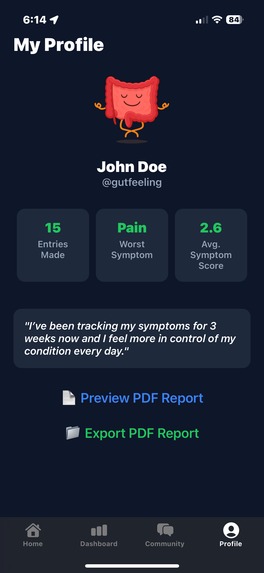
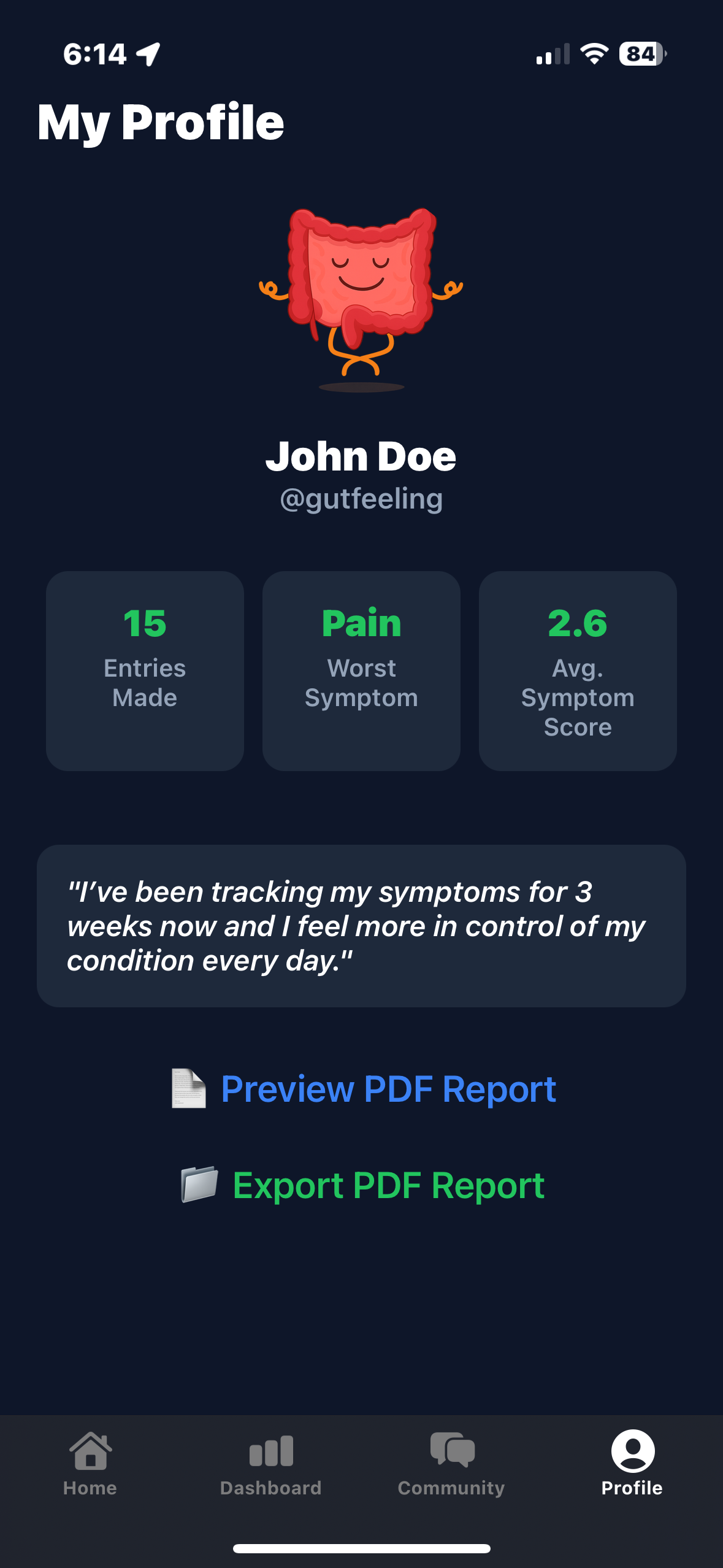
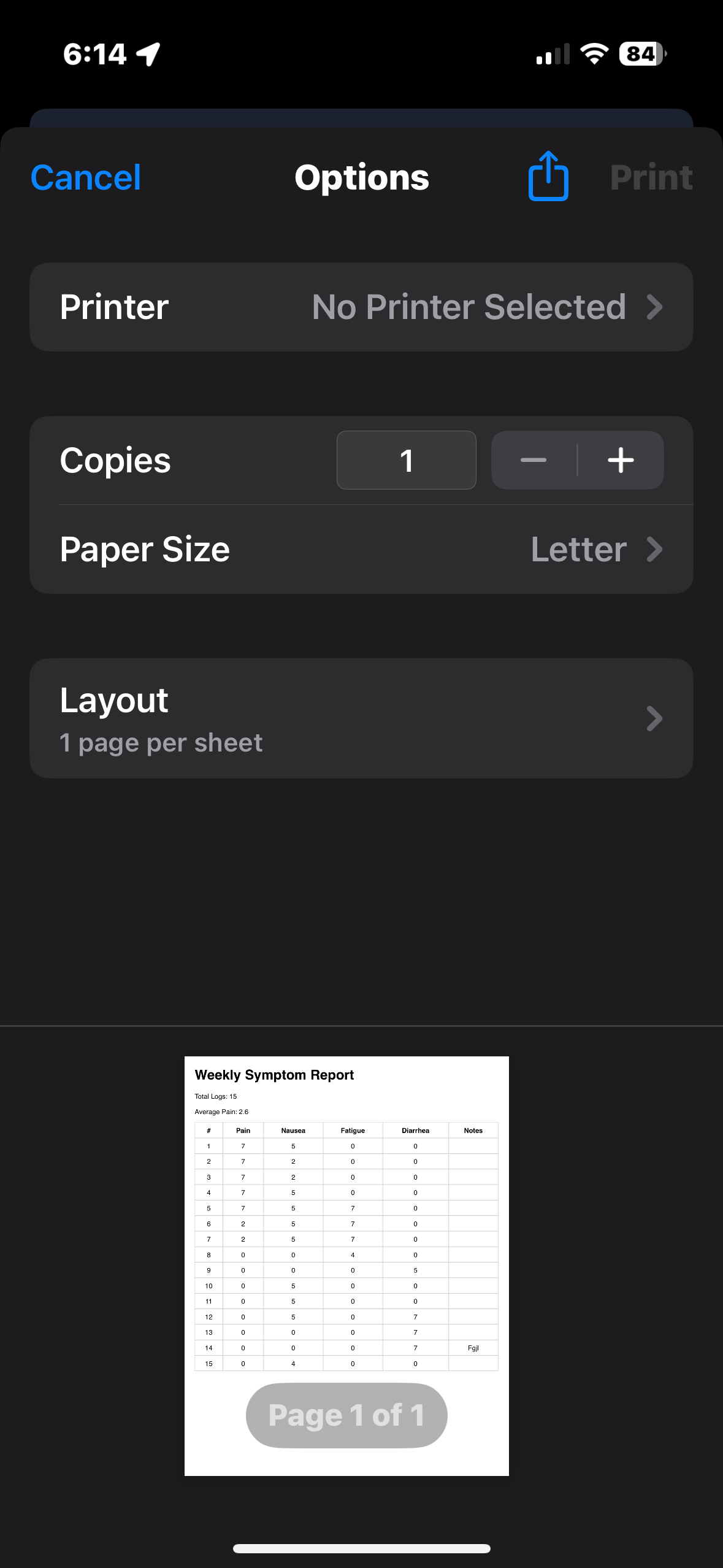
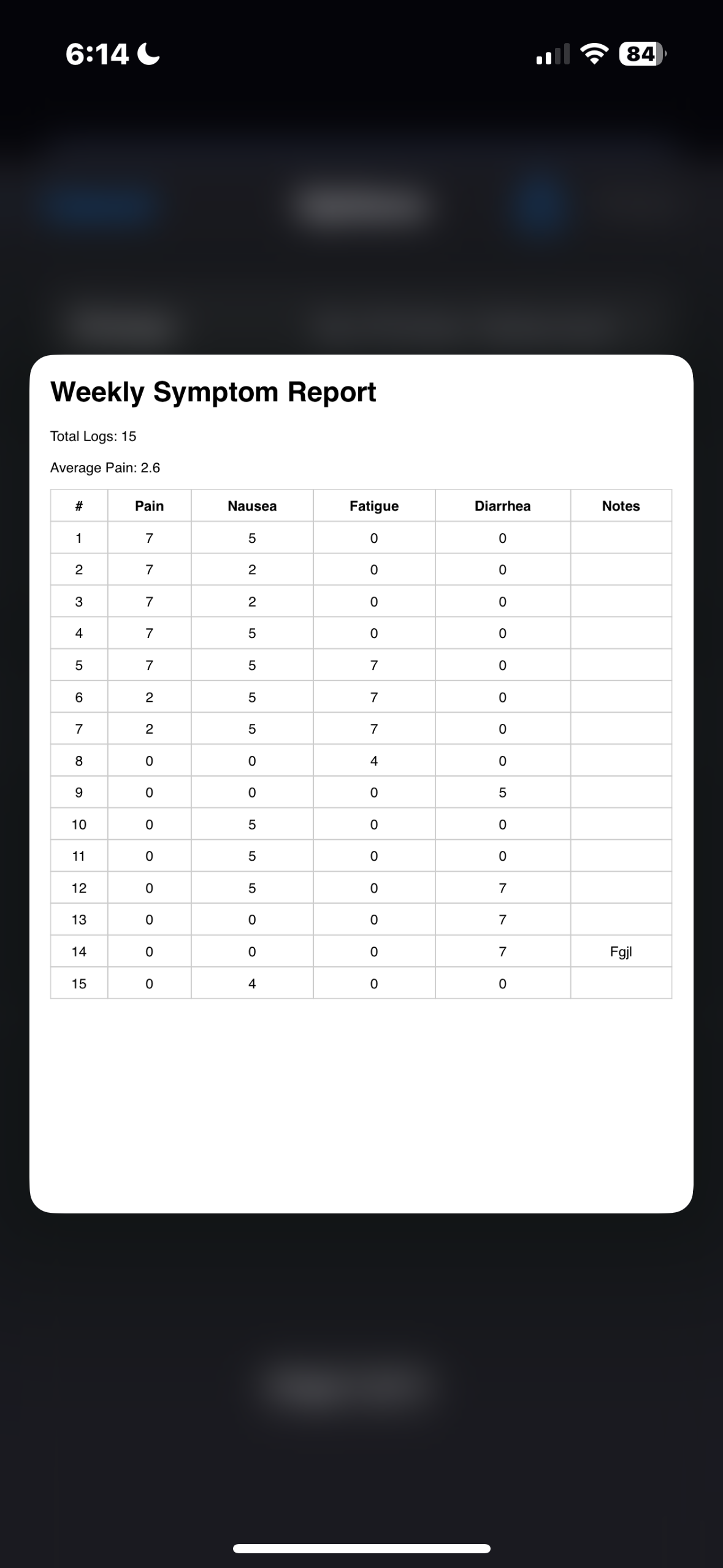
Profile tab. Information about the user is displayed, the user can export pdfs.
-
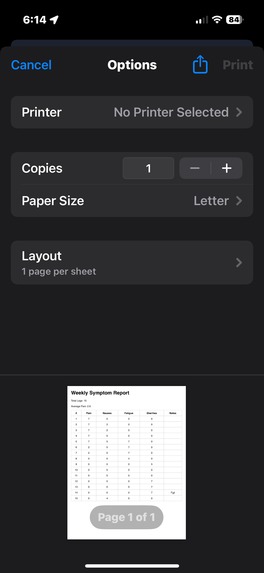
Preview of pdf
-
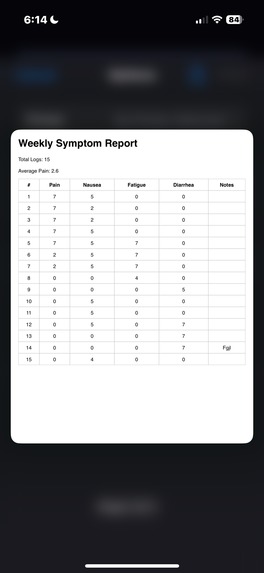
Preview of pdf
-
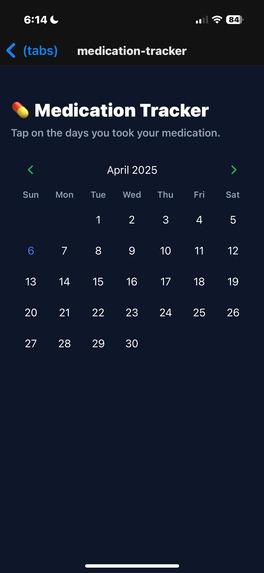
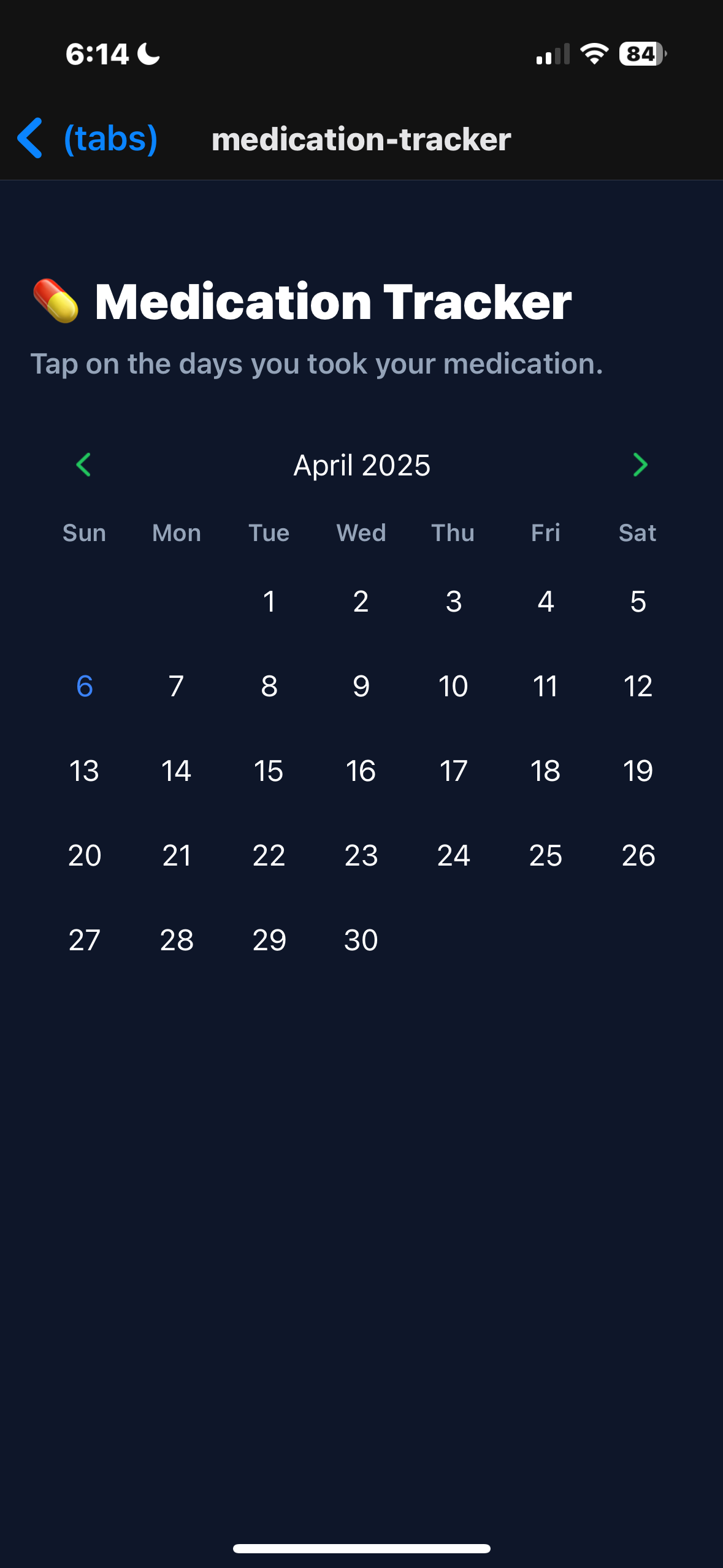
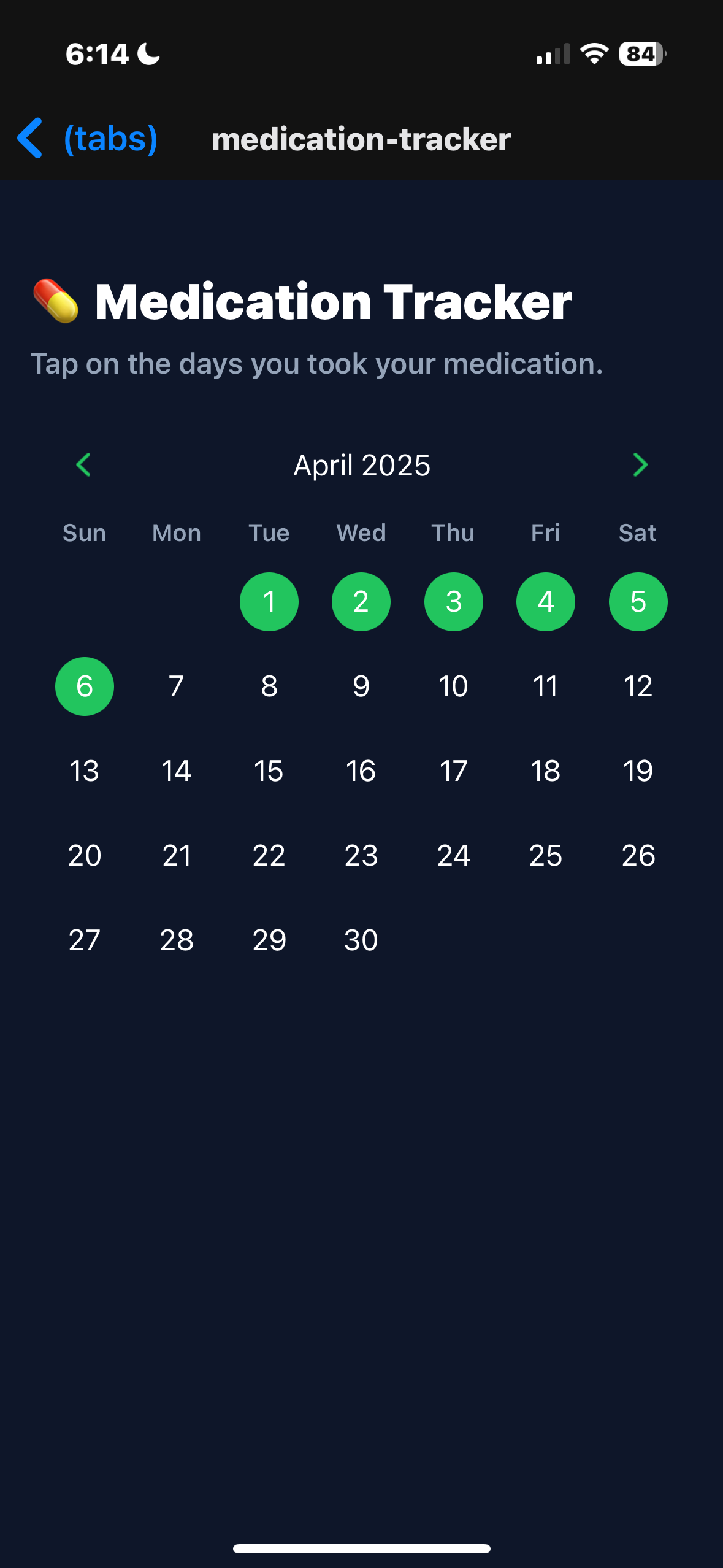
Medication Tracker. Calendar for the user to track his medication consumption
-
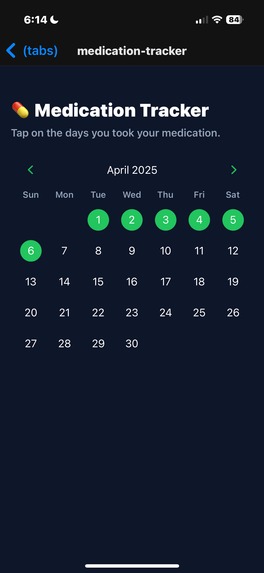
Medication Tracker. Mark daily intake of medication
-
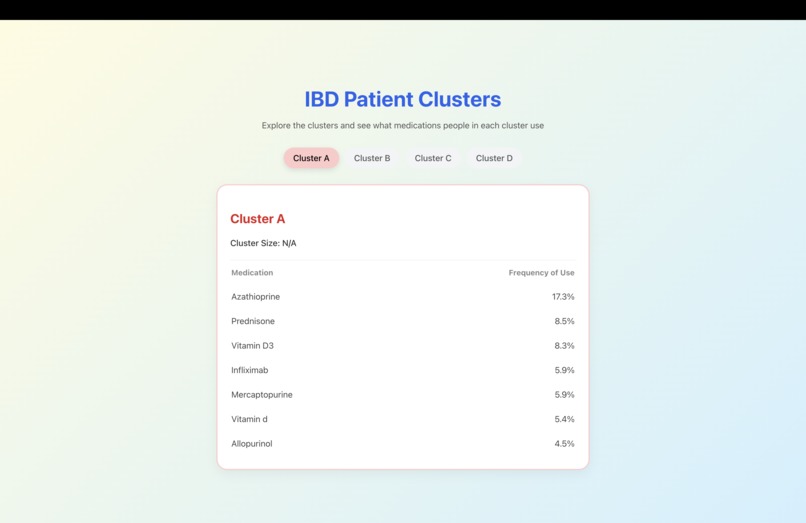
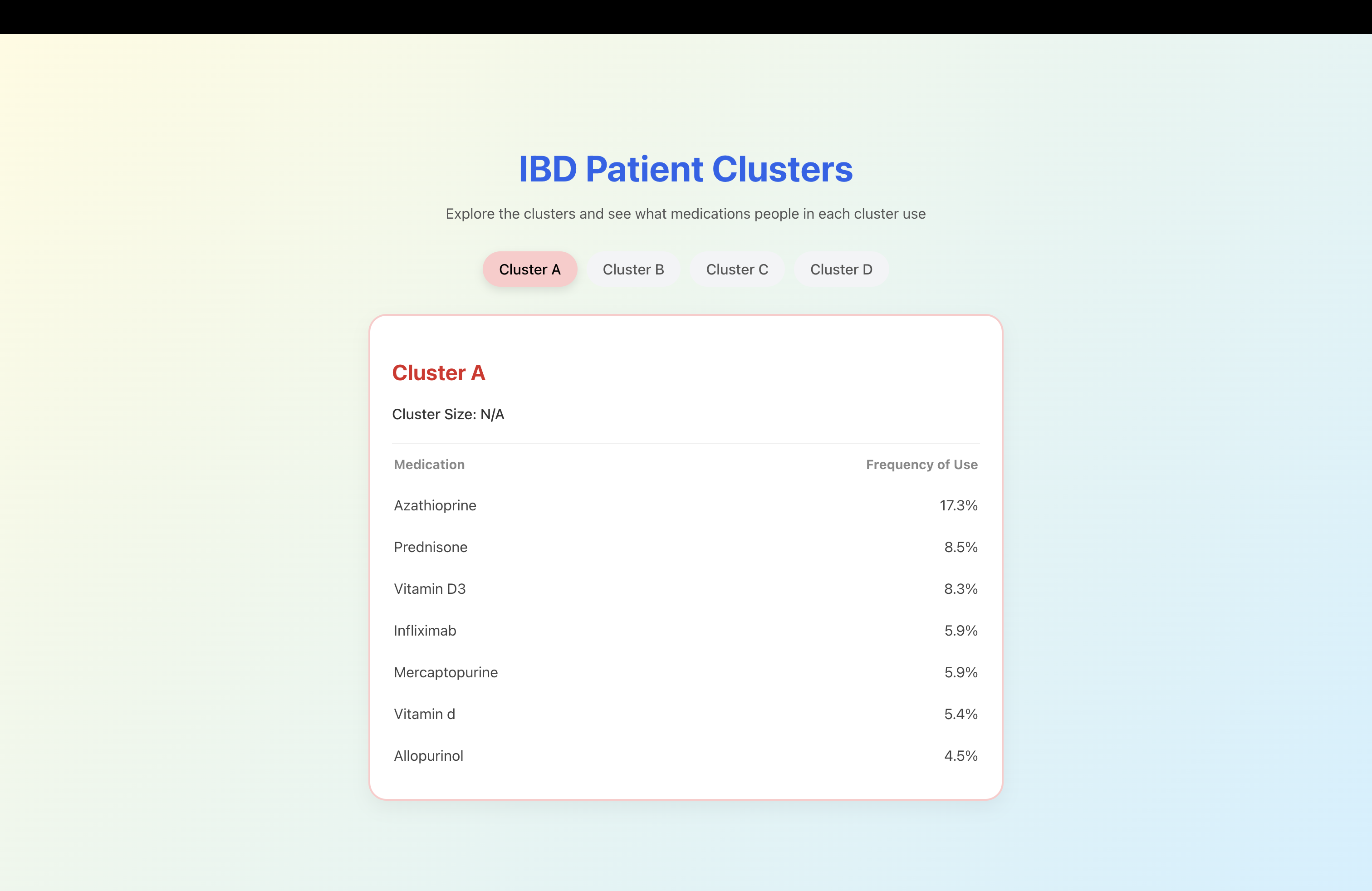
Web Page. The clusters are based on a database which was used to make an algorithm an come with clusters. They vary in severity.
Inspiration
We were biased to make this app because Sam and I both suffer from IBD, a chronic autoimmune disease, which currently has no cure. Treatments to manage IBD are not well understood, so the process of finding what works for an individual is often tedious, taking many years to find treatments to allieve patients' suffering. Out of this need for a way to better recommand treatment and understand what leads to the large variance of treatment responses across individuals, we developed IBD Tracker -- the first product of it's kind -- whose aim is to help sufferers of IBD better understand their disease and contribute to our understanding of and ability to personalize treatment for IBD.
What it does
IBD Tracker consists of two parts -- the phone application for logging symptoms and receiving personalized insights, and the machine learning powering these insights. We utilize clustering and custom pattern recognition algorithms to detect groups in IBD patients who respond differently to medication and share distinct symptom profiles. We trained these algorithms from scratch utilizing open-sourced data (over 2 terabytes and 8 million repeated self-assessments). The power of IBD tracker, is the more our app is used, the better our models get, as they are continuously improving to understand IBD treatment better.
The app has many features. In the home page, you can log entries and your daily symptoms (e.g fatigue, stomach pain, etc) on a scale from one to ten. you can also add a notes, for example I ate chicken today and I hit legs in the gym. This data is shown in the dashboard, so you are able to see your most severe symptom as well as graphs that show you how you felt throughout a given period of time. This dashboard encourages app usage with the mascot starting out sad and, as you use the app, it gets happier. Then you have the community tab, where you have chats in which you can post and connect with other people and discuss about topics like medication, nutrition, etc. You also have recommended healthy restaurants, and nearby hospitals. Finally in the profile tab you have information about the user and then you can export the pdf and send it to your doctor. This has your symptoms over a period of time, and also your notes. From experience this is something that gastroenterologists recommend when you suffer from ibd.
How we built it
We built the app using a combination of react native and FastAPI. React Native was use for the frontend and we are really happy with the results. We were able to connect the frontend and the backend to achieve successful features but without complicating things to much. We utilized PostgreSQL, Sklearn, Pandas, and Matplotlib for training the models.
Challenges we ran into
The dataset was 2 terabytes. We had to clean it, pre process it, one hot encode it.
Accomplishments that we're proud of
We learnt a lot about databases and finally got to put what we've learnt in class to test. It's also the first time we compete in a hackathon so we are proud to be able to have a succesful demo.
What we learned
We learned a lot about team work. How to divide tasks, how to work under pressure and deadline and also how to push through fatigue and still maintain a positive attitude an creativity.
What's next for IBD Tracker
Connect all the features with the backend and add more features that can be useful for the user. A major goal would be a win-win situation in which the user is getting helped by using the app, but we, the creators are using their data, with their consent to train models and be able to help even more people.
Built With
- custom
- expo-print
- expo-router
- expo-sharing
- expo.io
- expo/vector-icons
- fastapi
- github
- javascript
- python
- react-native
- react-native-calendars
- react-native-community/slider
- react-native-svg-charts
- typescript


Log in or sign up for Devpost to join the conversation.