-
-
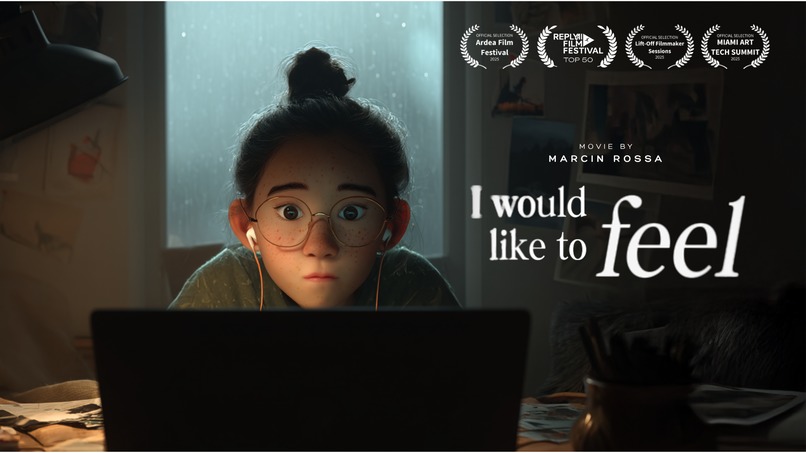
Poster
-
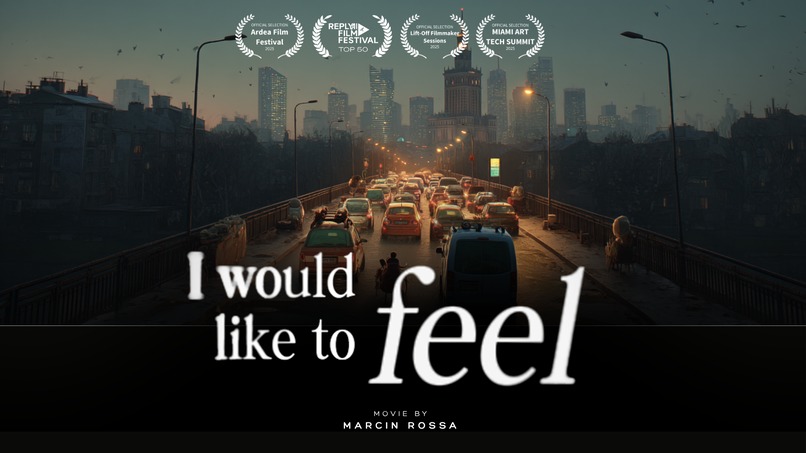
Poster
-
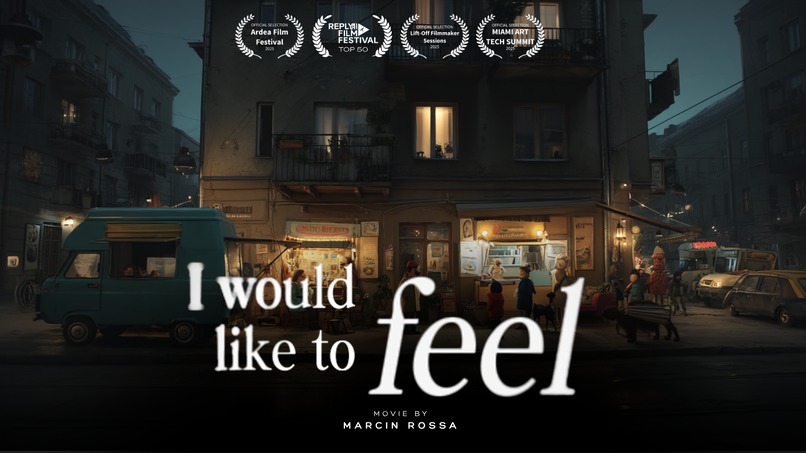
Poster
-
-
-
Inspiration
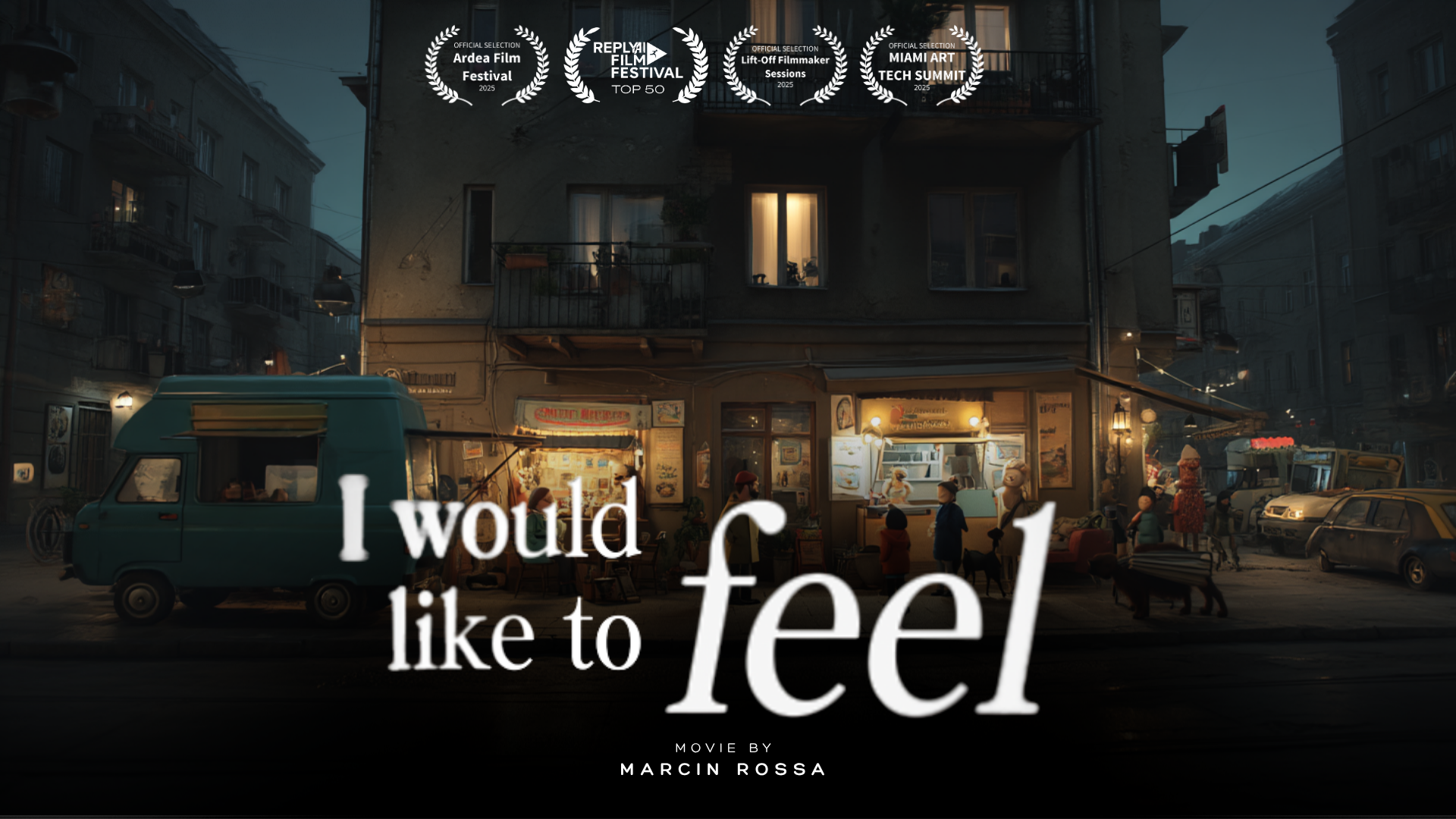
The film “I Would Like to Feel” was born from a simple yet deeply moving question: What truly sets us apart as humans?
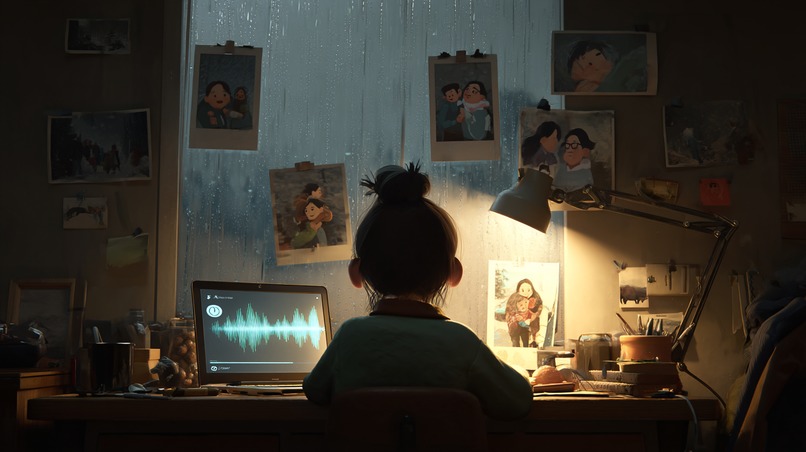
The inspiration came from conversations with my children about emotions our shared stories, everyday situations, and the spontaneous questions that appear in the most ordinary moments. That’s when I realized how fundamental the difference is between a human and an AI: a machine can analyze data, imitate language, and generate images, but it will never experience love, joy, or sadness. And that is the boundary I wanted to highlight gently.
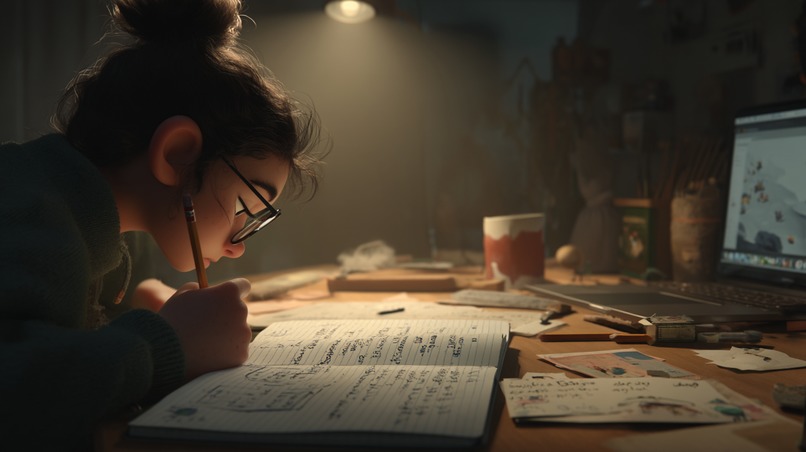
I wanted to create a story that is delicate, intimate, and modest in form, yet touches on themes of consciousness, closeness, and the need to be understood.
What it does
How we built it
The film was created using a full GenAI workflow, combining:
- generative images in a soft, painterly style,
- animation and subtle camera movements,
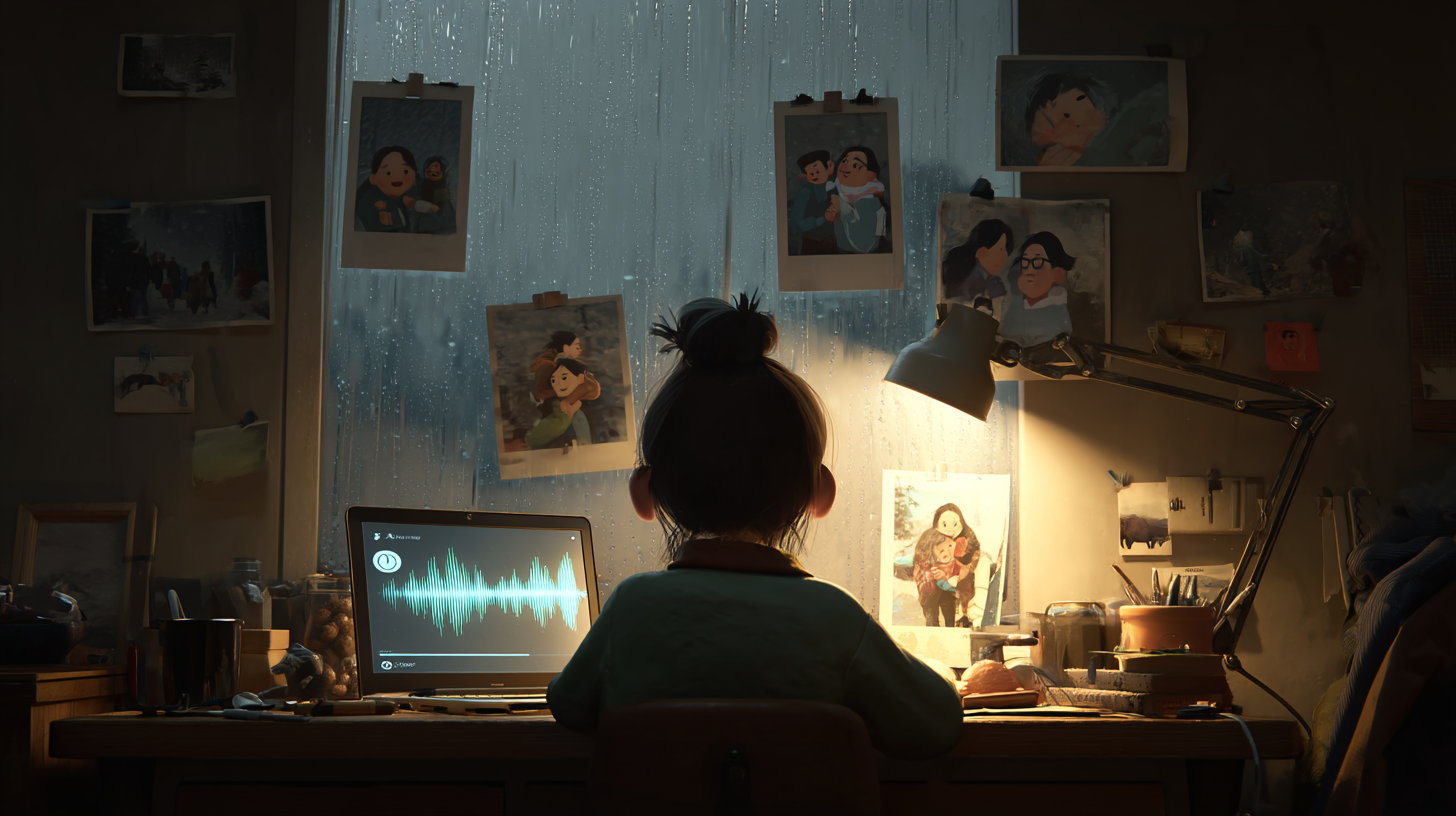
- work with an AI-generated voice, modulated to sound innocent but not childish,
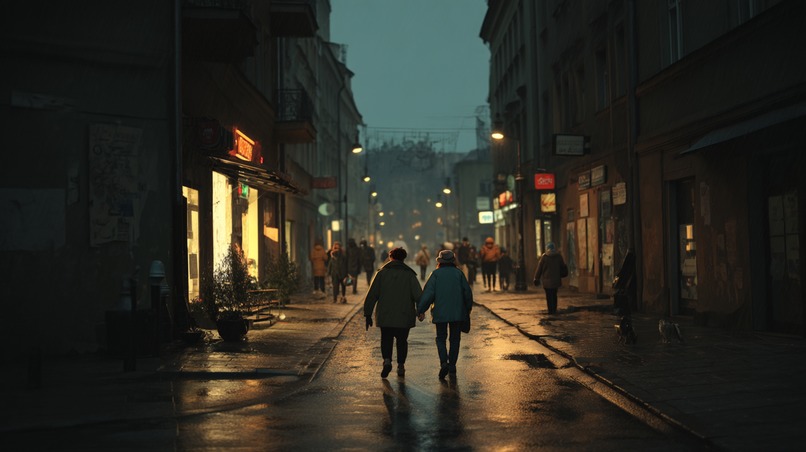
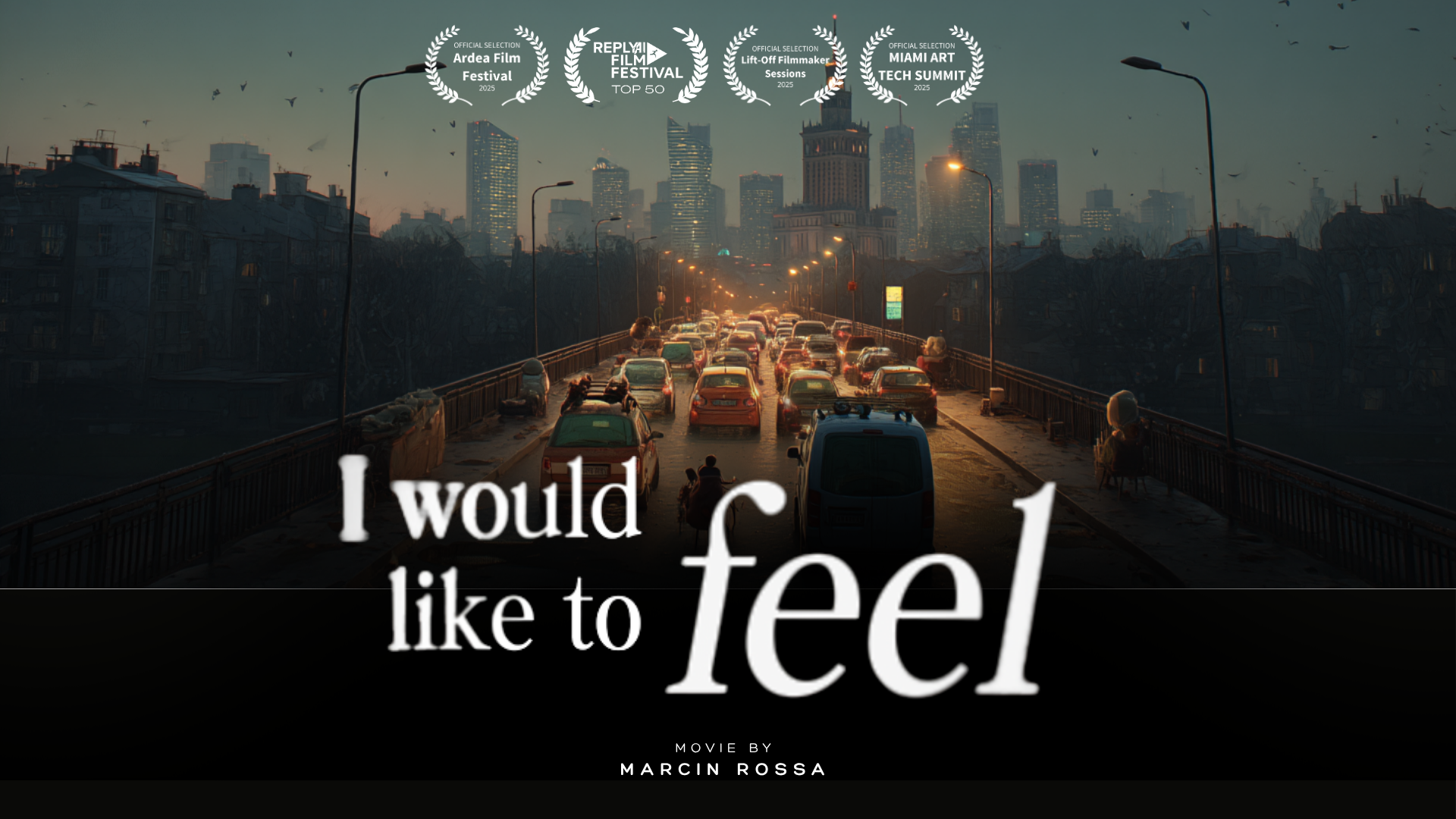
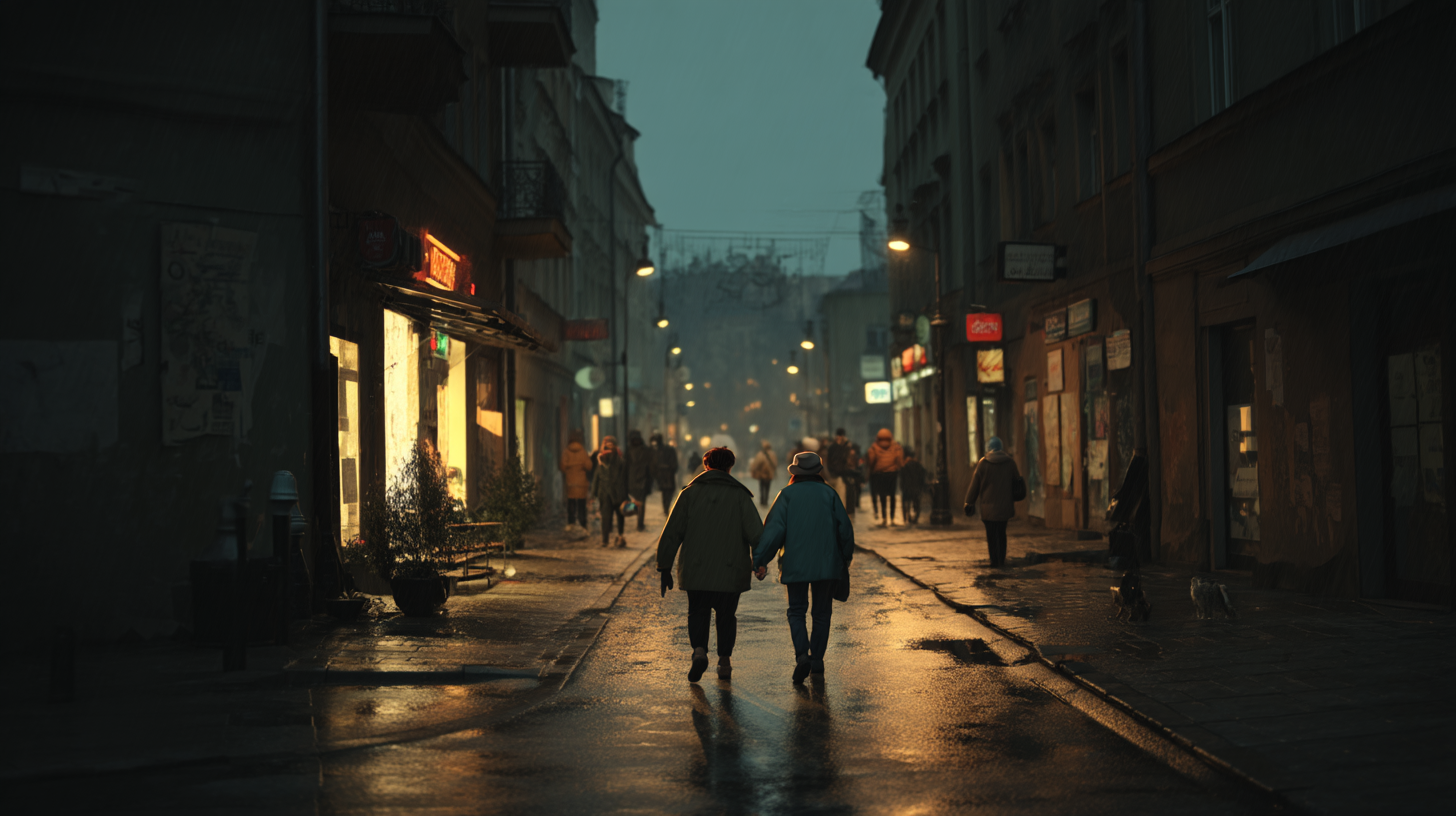
- sound design that builds the intimate mood of a Warsaw evening,
- a micro-script based on real questions.
Throughout the process, I used a wide range of tools from image generation, to compositing, to manual post-production and grading that gave the film an organic, cinematic character.
Tools:
- Midjourney
- GPT
- Gemini
- Kling
- Veo
- Weavy
- ElevenLabs
- Runway
- Artlist Vo
- Adobe
Challenges we ran into
The biggest challenge was creating this film in just 48 hours, while maintaining emotional authenticity in a story where one of the characters is not human. I needed to find a way for the AI to feel both close and distant standing beside us, yet lacking what is essential to humanity.
Another challenge was visual consistency and controlling the aesthetic while working with multiple GenAI tools.
A third challenge was balancing technology and sensitivity. This project showed me that GenAI can be a partner in creation but it is always the human who remains the sole source of emotion, meaning, and lived experience, which a machine will never truly touch.
Accomplishments that we're proud of
The film “I Would Like to Feel” has gained international recognition and was selected for the official lineup of film festivals in Rome, Venice, Miami, and London. These selections are a significant honor, especially as major festivals increasingly explore new forms of storytelling and the creative use of GenAI in cinema.
Thanks to this project, I was chosen as one of the TOP 50 directors and creators working with GenAI at the Venice Film Festival. For me, this is a powerful confirmation that films made with the support of AI can genuinely move people, evoke emotions, and build a real connection with audiences.
I deeply believe that GenAI is a tool, not a replacement for human sensitivity. It is the creator with their intentions, emotions, experiences, and the story they want to tell who remains at the center of the work. Technology only expands the possibilities. The human being is, and always will be, the heart of the narrative.
What we learned
Working on this film was a lesson in narrative minimalism. I discovered that a few images, a single light source, genuine interaction, and simple questions are enough to build strong emotional weight. I also learned how to shape a dialogue with precision so that it remains human, close, and believable.
What's next for I would like to feel
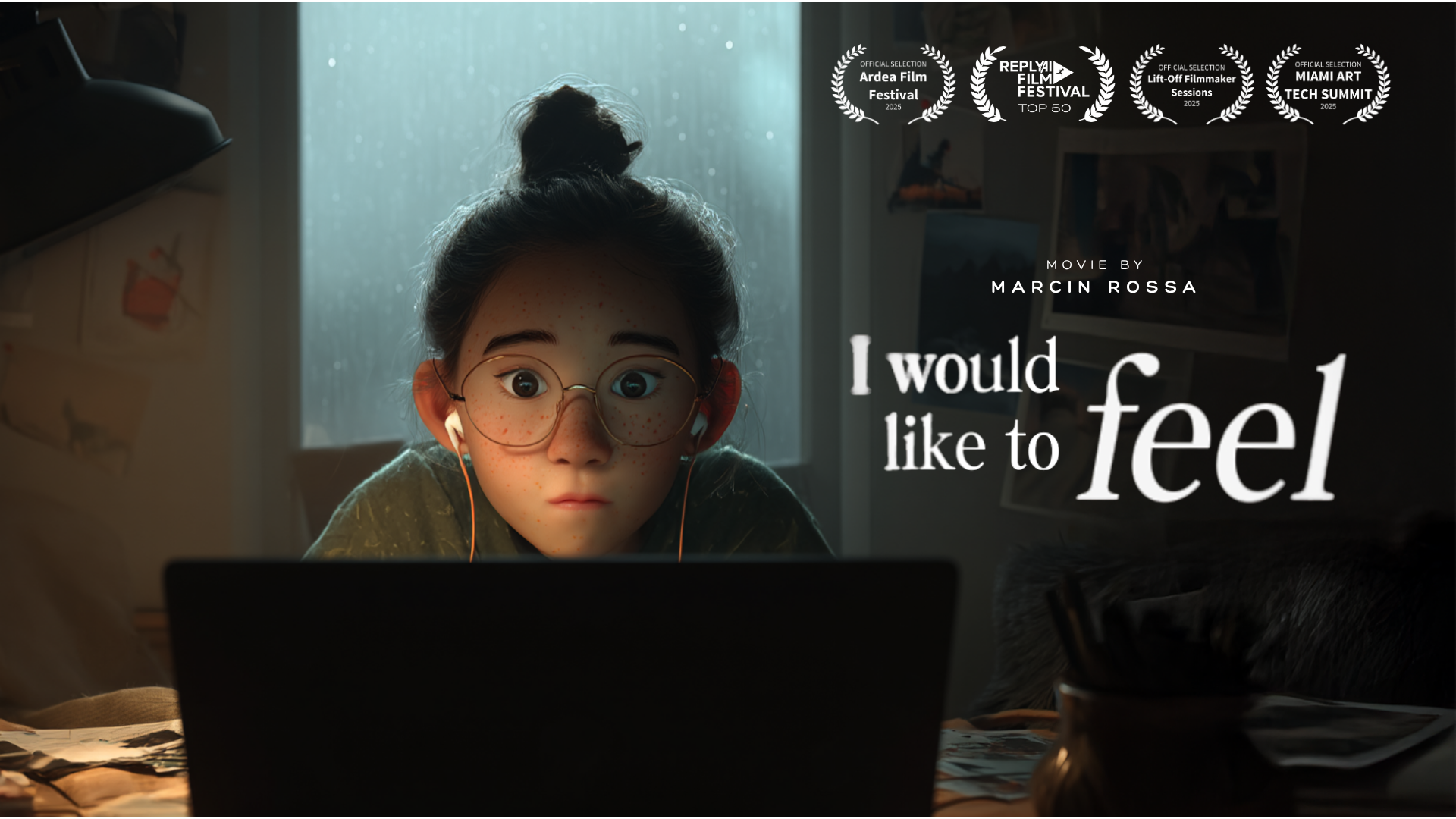
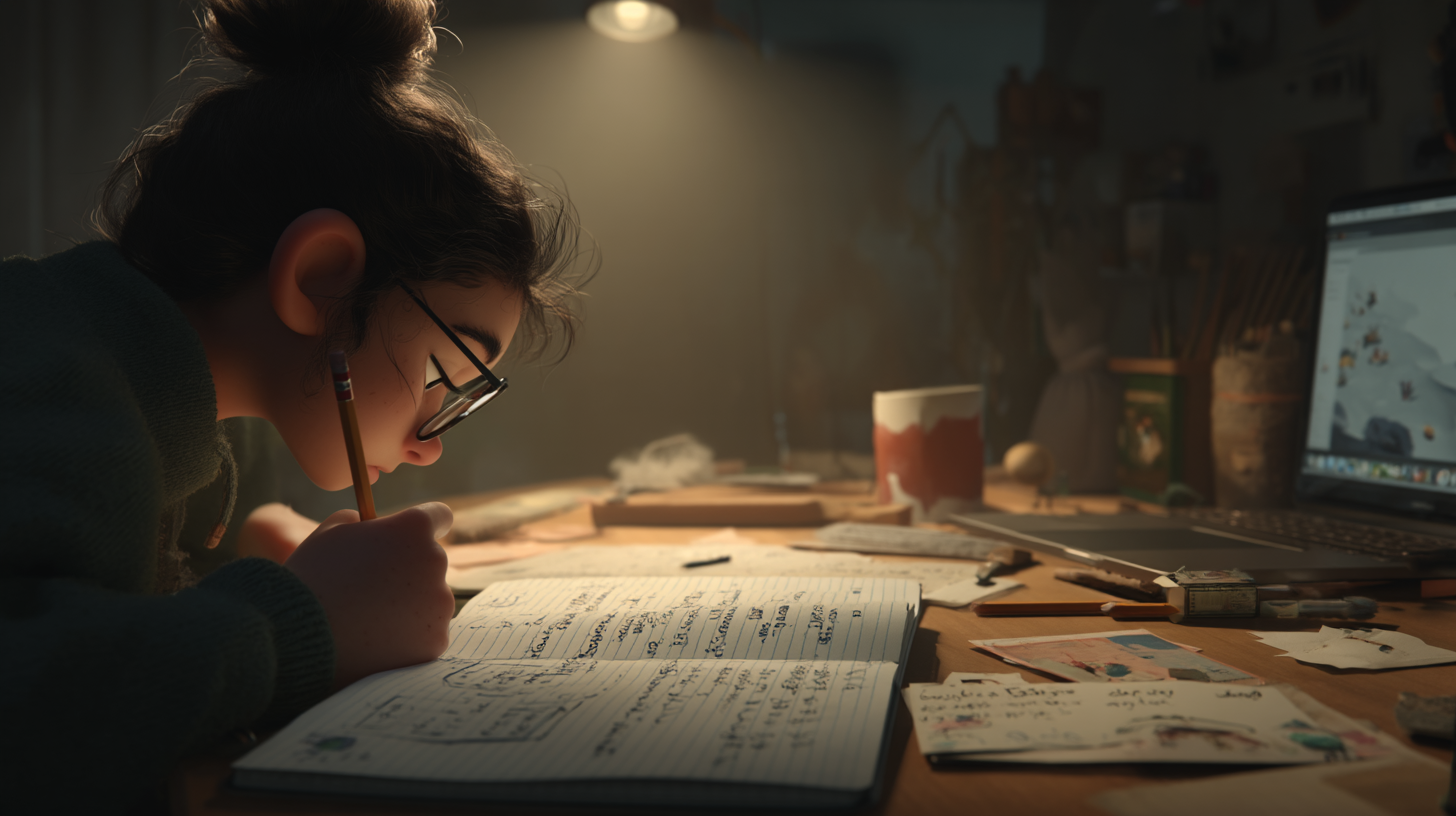
I want to continue developing new stories featuring Clara, the main character of the film. She is a lens through which I hope to explore emotions, experiences, and the small everyday discoveries that shape us. Clara is inspired by my oldest daughter, and observing my children their sensitivity, questions, and way of seeing the world constantly fuels my creativity and encourages me to write new stories.
The success of “I Would Like to Feel” gives me a strong push to keep going. I’m already working on new productions that will be released soon. I want to further explore the space between humans and technology, telling stories that move people and stay with them long after the screen fades to black.

Log in or sign up for Devpost to join the conversation.