Inspiration
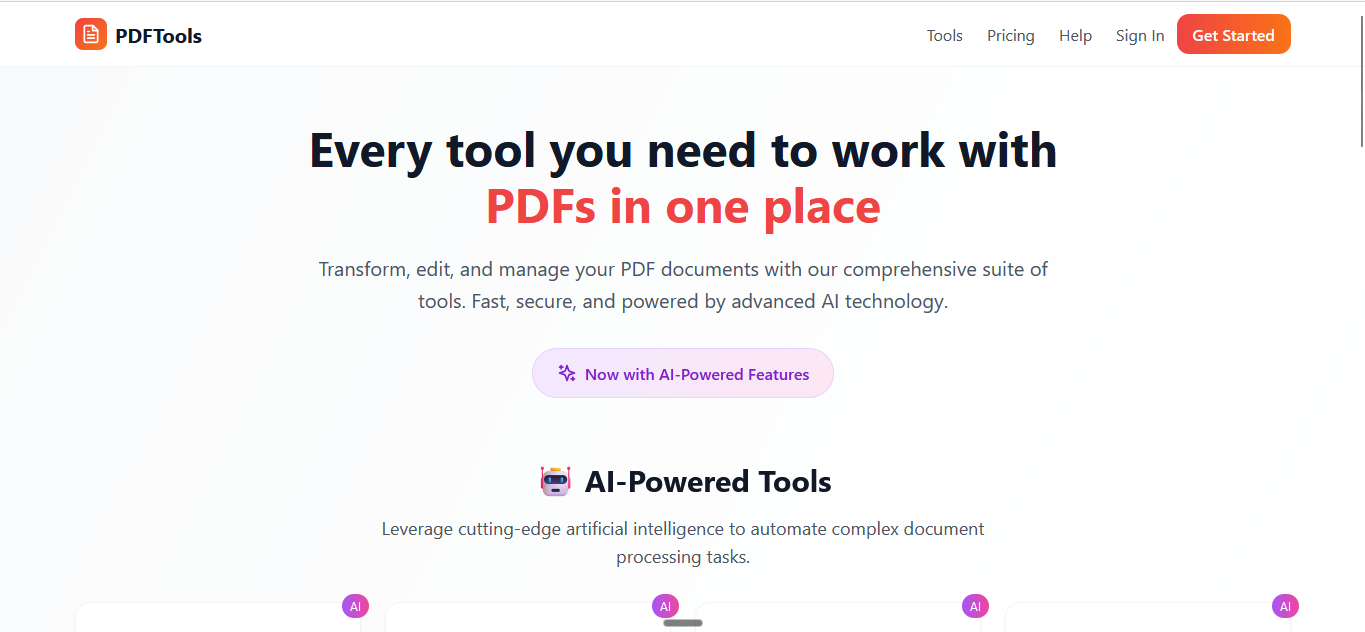
Working with PDFs remains a daily pain point—fragmented tools, clunky UIs, time-consuming workflows. Inspired by iLovePDF’s seamless simplicity and driven by AI-powered automation, we set out to build a one-stop, end-to-end PDF platform that feels like magic.
What it does
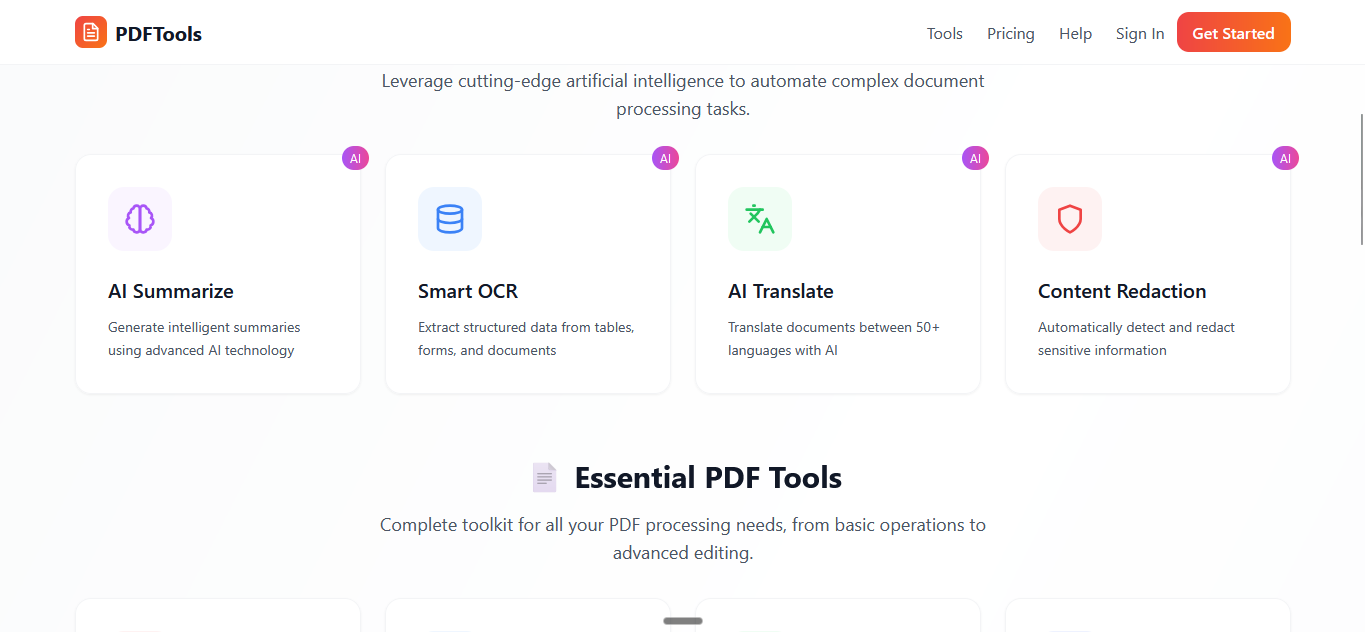
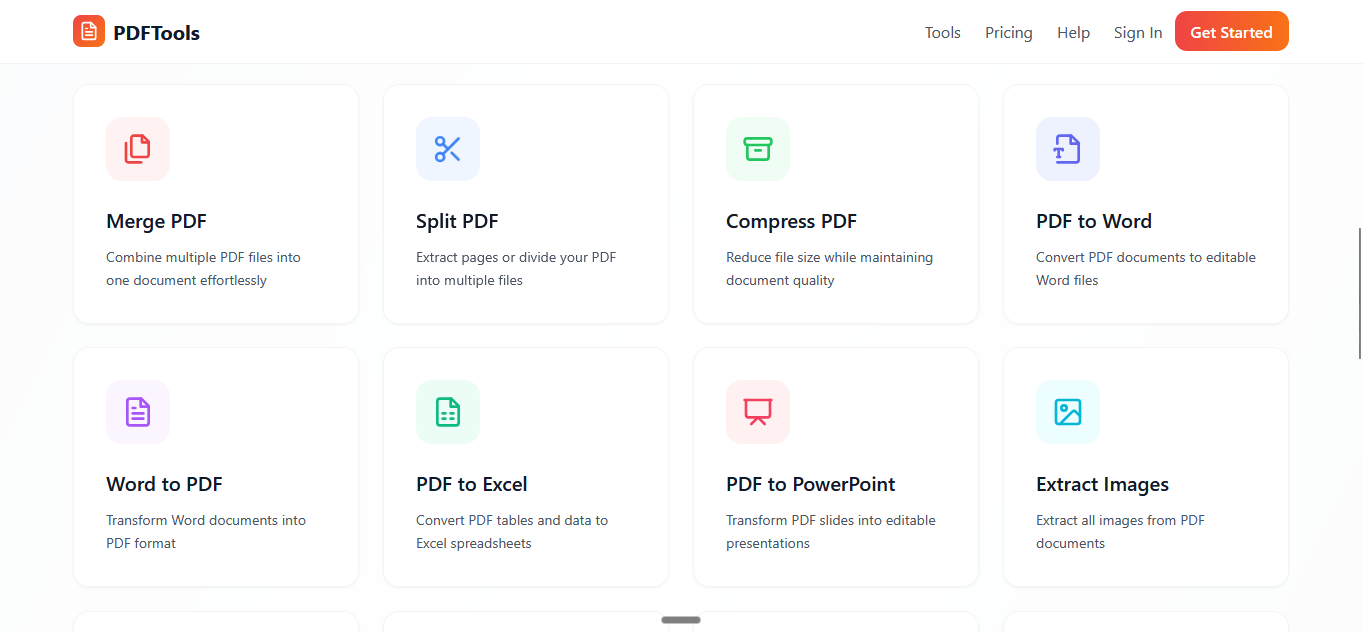
Our app lets you merge, split, compress, convert, edit, sign, protect, unlock, rotate, extract images, watermark, and apply OCR to PDFs—all in one place. AI enhancements include auto-summaries, translation, redaction suggestions, table extraction, and layout repair. Users enjoy personal dashboards and workflow chaining; super-admins manage users, billing, feature flags, and analytics.
How we built it
- Bolt.new AI & WebContainers for rapid UI scaffolding and live coding
- React + Tailwind CSS + shadcn/ui for modular, responsive components
- Serverless Node.js with
pdf-lib,Tesseract.js, andaxiosfor PDF ops, OCR, and integrations - Supabase Auth & Prisma for secure user roles, seeded Super-Admin & demo accounts
- Nodemailer & Mailchimp for SMTP/email automations
- PhonePe & Cashfree APIs for payment integrations under admin middleware
- GitHub Actions + Vercel for CI/CD, automated tests, and one-click deployment
Challenges we ran into
- Handling large PDF files in-browser without freezing the UI
- Designing a scalable, feature-driven folder structure for future growth
- Achieving high OCR accuracy across diverse languages and scan qualities
- Balancing robust security (rate-limiting, input validation, CORS) with seamless developer DX
Accomplishments that we’re proud of
- Fully functional, production-ready user & admin dashboards that can be extended without touching core logic
- End-to-end CI/CD pipeline with automated testing, linting, and deploy previews
- AI-powered enhancements (auto-summaries, redaction suggestions, translation) baked into core workflows
- Smooth, zero-config payment integration for PhonePe and Cashfree in the Super-Admin console
What we learned
- The power of feature-driven folder organization for scalability
- Best practices for offloading heavy processing (compression/OCR) to serverless functions
- How to implement role-based API protection and environment-driven configuration
- Designing intuitive, file-centric UIs that guide users step by step
What’s next for THIS
- Launch native mobile apps with offline scan-to-PDF and background processing
- Introduce team collaboration: shared libraries, comments, version history
- Expand AI suite: form-field extraction, contract analytics, generative fill
- Build a plugin marketplace for custom PDF workflows and integrations
Built With
- and
- axios
- bolt.new-&-webcontainers
- cashfree-api
- configuration.we-used-javascript
- cors
- css3
- eslint
- exceljs
- framer-motion
- github-actions
- google-drive/dropbox/onedrive-sdks
- helmet.js
- html5
- lucide-react
- mailchimp/mailchimp-marketing
- make
- node.js
- nodemailer
- pdf-lib
- phonepe-api
- postgresql
- pptxgenjs
- prettier
- prisma-orm
- rate-limiting-middleware
- react-(next.js)
- redis-+-bull
- rest-&-graphql-apis
- serverless-functions-(vercel/netlify)
- sso-(saml/oauth)
- supabase-auth
- tabula-js
- tailwind-css-(shadcn/ui)
- tesseract.js
- typescript
- we-used-javascript
- webhooks
- winston
- yup
- zapier
- zod

Log in or sign up for Devpost to join the conversation.