-
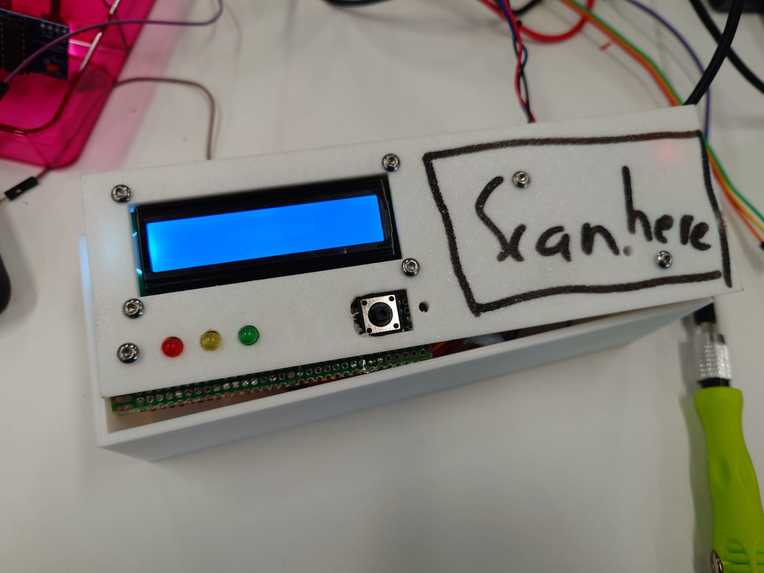
Hardware Prototype
-
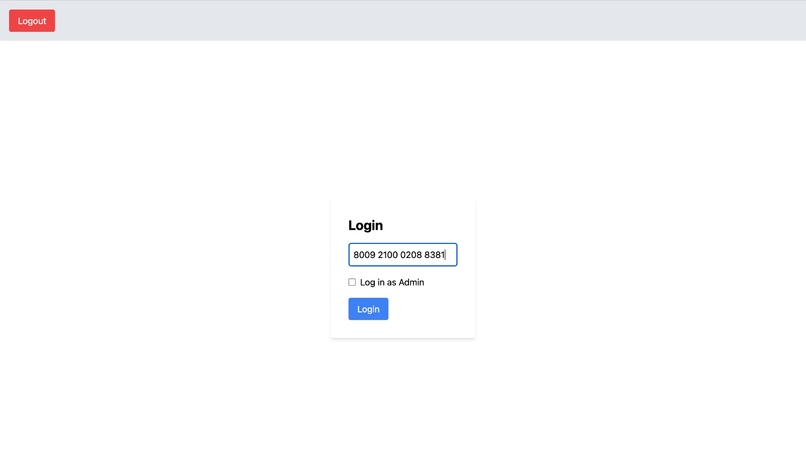
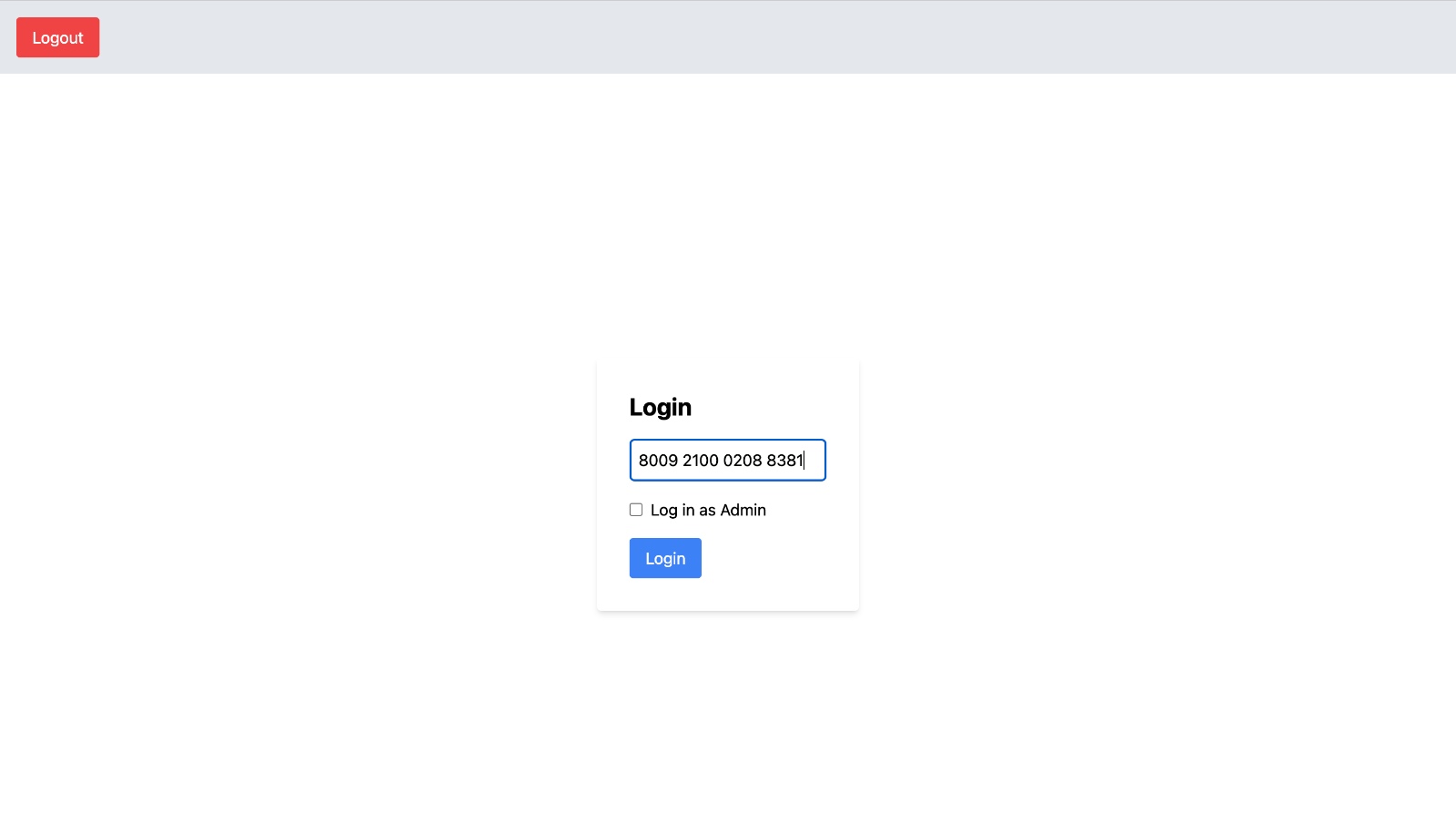
Login Screen
-
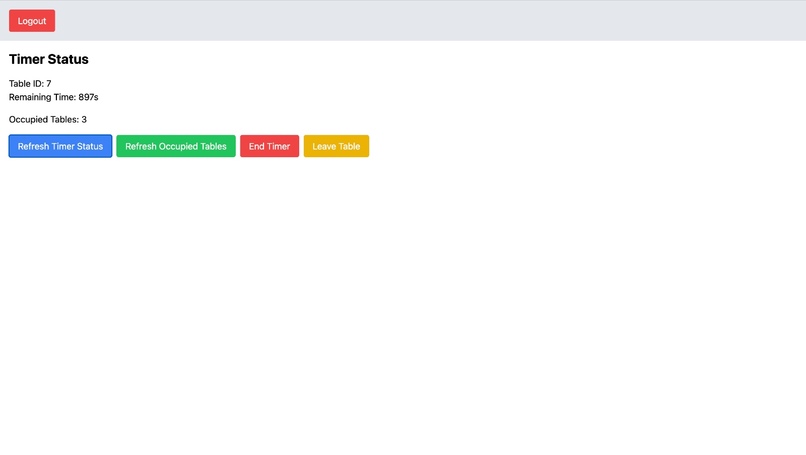
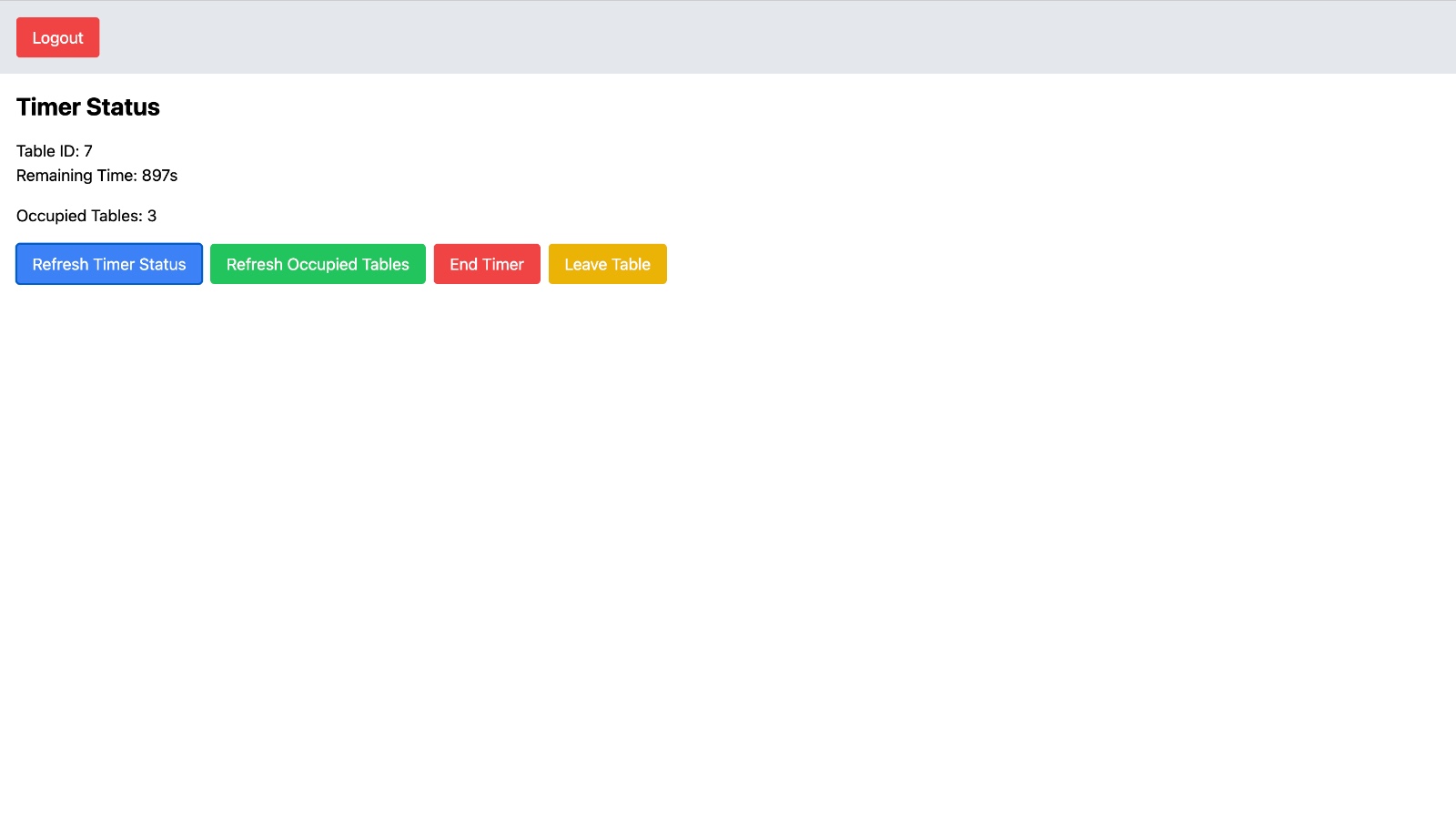
Logged in Screen
Inspiration
As a group of secondary school students, we hoped to tackle real-world problems using empathetic research as part of the Changemaker Process, which we decided to conduct on the office crowd at Albert Centre Market & Food Centre and students from Ngee Ann Polytechnic during their lunch break. Among both demographics, a few problems were shared. Firstly, both groups felt that much of their free time was wasted looking for tables. Secondly, they shared a similar sentiment that they were frequently frustrated by this experience and hoped for a solution that allowed them to plan their curriculums and breaks to ensure their time is used more efficiently.
What it does
I-chope is an integrated solution consisting of hardware and software, allowing users to 'chope' (reserve) tables efficiently using their EZ-Link cards.
How the solution comes together
Ease of integration: By enabling the system to work solely on EZ-Link cards, schools and private companies can easily customise this solution to function equally in their environments, requiring less hassle for users to start this practice.
User monitoring: The monitoring system ensures that users do not chope a seat for too long and that users far from the location can find out the number of vacant tables online via the webapp and enable the nearby users to determine whether a table is choped.
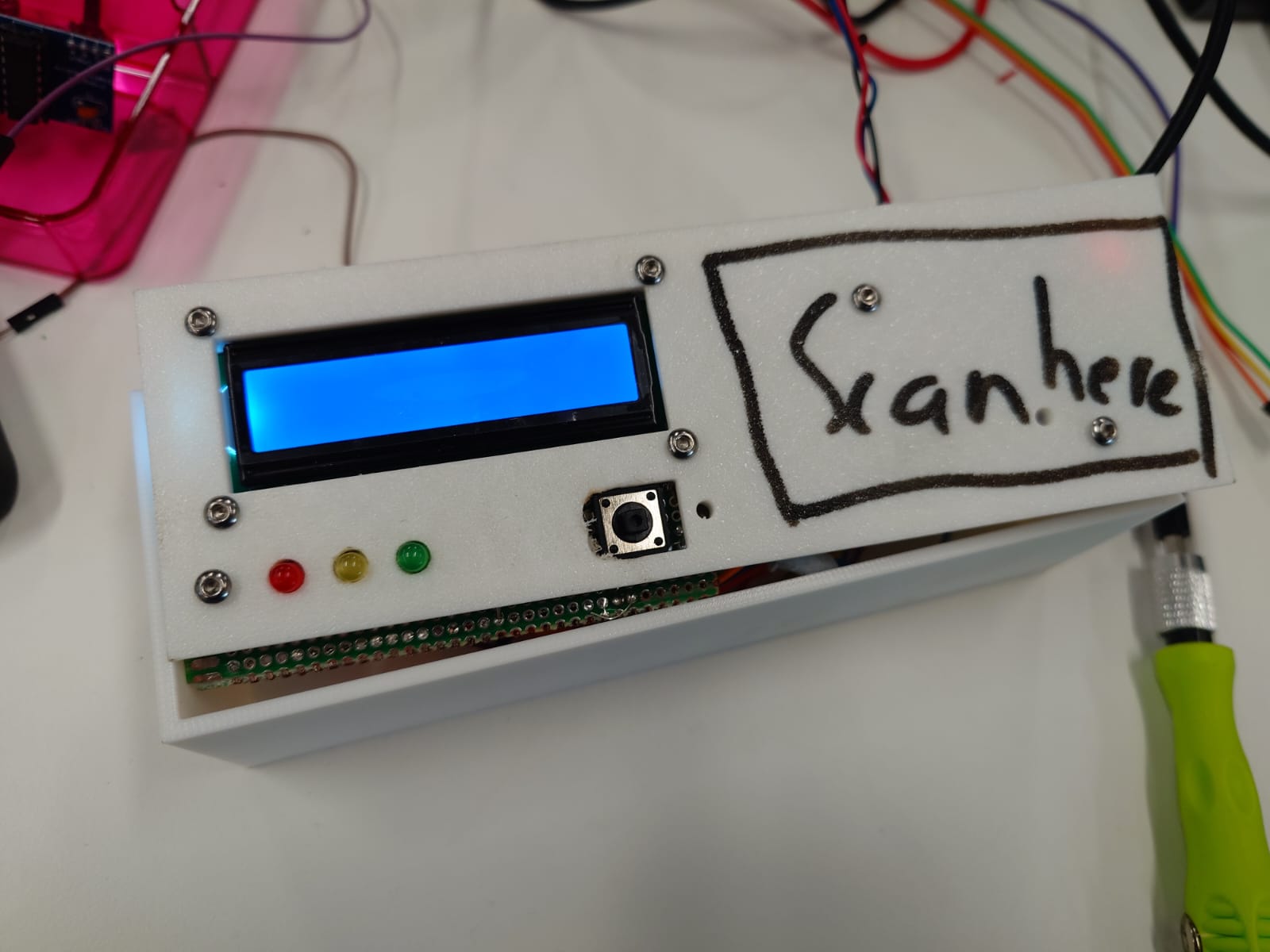
Transparency: By using the LCD screen, nearby users can find out how long the seat has been choped and how long they remain before the seat becomes vacant. This helps provide peace of mind to others and facilitates a more transparent environment for everyone to be kinder and more understanding.
How we built it
Hardware: Using an ESP32, we utilised an RFID reader to detect the presence of the card. Paired with a PIR sensor, these two come hand in hand to ensure that the system is not abused and enable accurate monitoring. In our physical prototype, we also integrated LEDs as indicators, with green being 'vacant', yellow being 'choped', and red being 'used'. The buzzer also tells the user that their EZ-Link card has been read. Upon reading the card, the LCD screen displays the time the user has left before the seat becomes vacant.
Software: Using the ESP32's Wi-Fi communication, we utilised the information received by the RFID reader to determine the CAN ID (unique identifier of the EZ-Link), which will then ensure that unique entries are being logged. This information is developed using a frontend running on React.js and a backend running on Python Flask.
Challenges we ran into
ESP32 Integration: Our team comprises people with different skill sets, such as those skilled in web development or primarily software or hardware solutions. However, the ESP32 was unfamiliar territory for all of us, requiring us to find out how to use the Wi-Fi communication and send that information to the web app, where we encountered many troubles. This led to many compromises with our final product; we believe there is still much more to achieve.
Incompatible Technology: Halfway into the hackathon, we hoped to expand our hardware capabilities with an even more powerful RFID reader, the PN532. This led to us making an unruly decision and spending an unnecessarily long time fixing what we eventually couldn't, falling back onto the provided RFID reader in the hack pack.
Accomplishments that we're proud of
As our first-ever hackathon, even individually, we found ourselves staying up all night, a once-in-a-lifetime experience we didn't even believe we could pull off. As a result of this hackathon, we learned to integrate everything we learned, all the way from soldering to frontend, as well as backend solutions! Despite not completing the original idea as we had thought, we were still able to develop a practical and scalable tool that we believe students and office workers can benefit from in their everyday lives.
What's next for I-chope
We hope to fully develop the web app to allow businesses to monitor their food court activity accurately, providing them with recommended timings for the chope timer and allowing users to monitor real-time activity via the app to fully enable our vision of allowing everyone, regardless of distance, to ensure their time is used more efficiently. We hope to expand I-chope's reach to different businesses as well as schools to leverage economies of scale to provide Singaporeans with not only a cheap, but practical device that fosters understanding and preserves Singapore's culture.


Log in or sign up for Devpost to join the conversation.