-
-
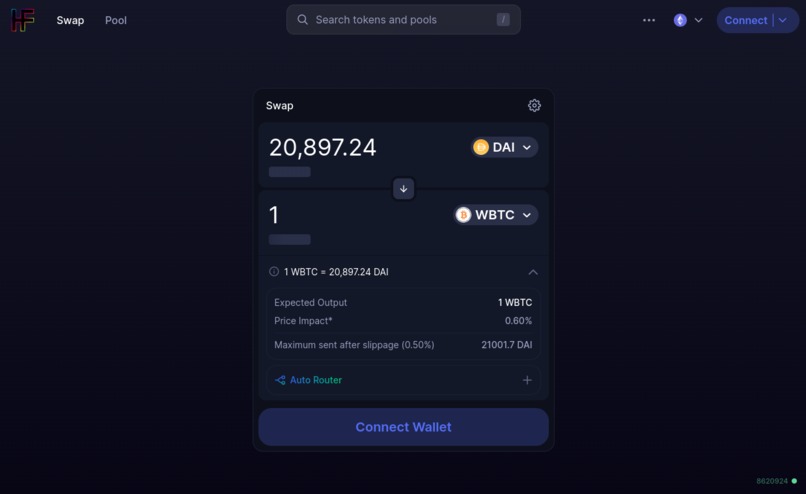
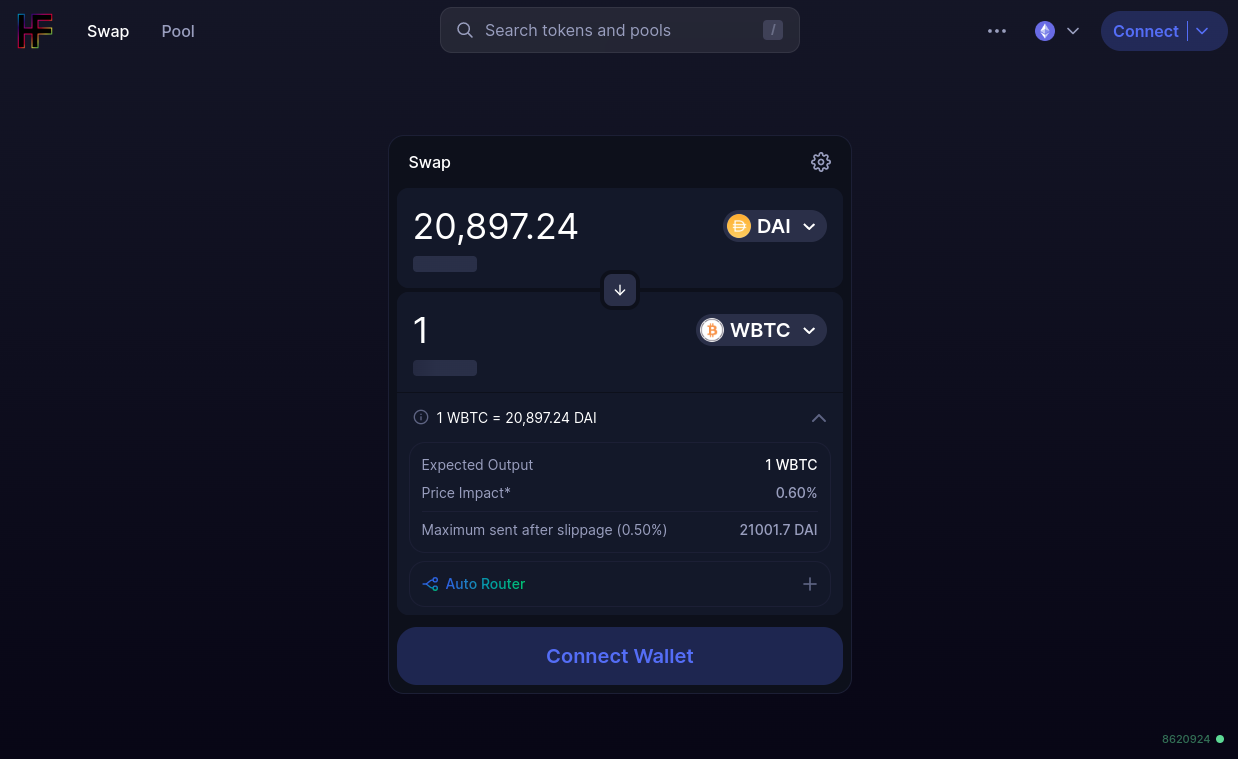
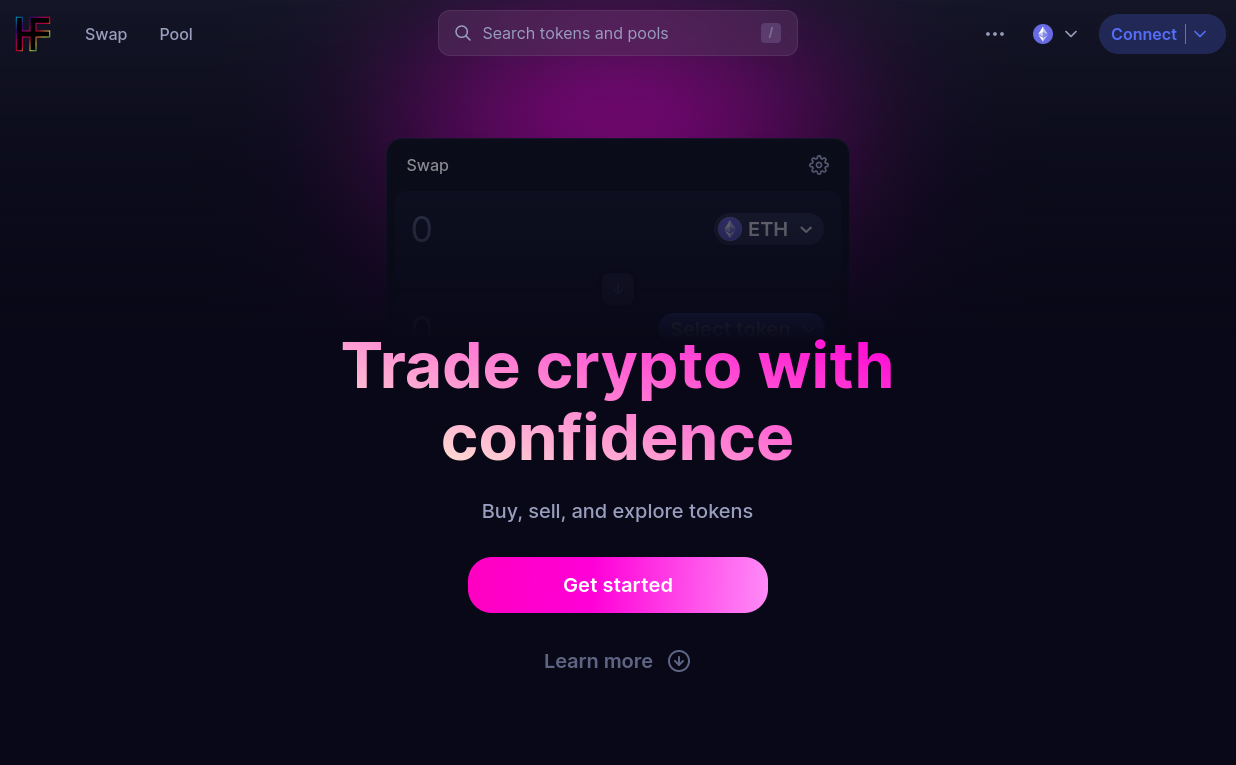
Swap Interface
-
Landing
-
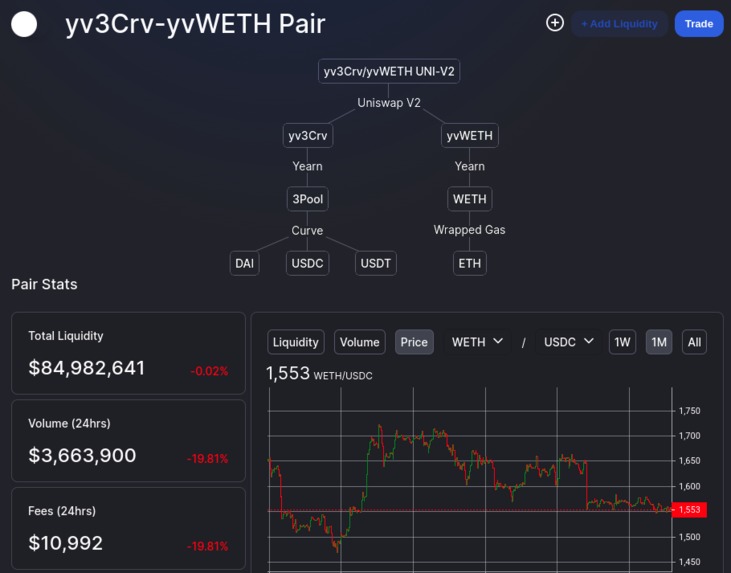
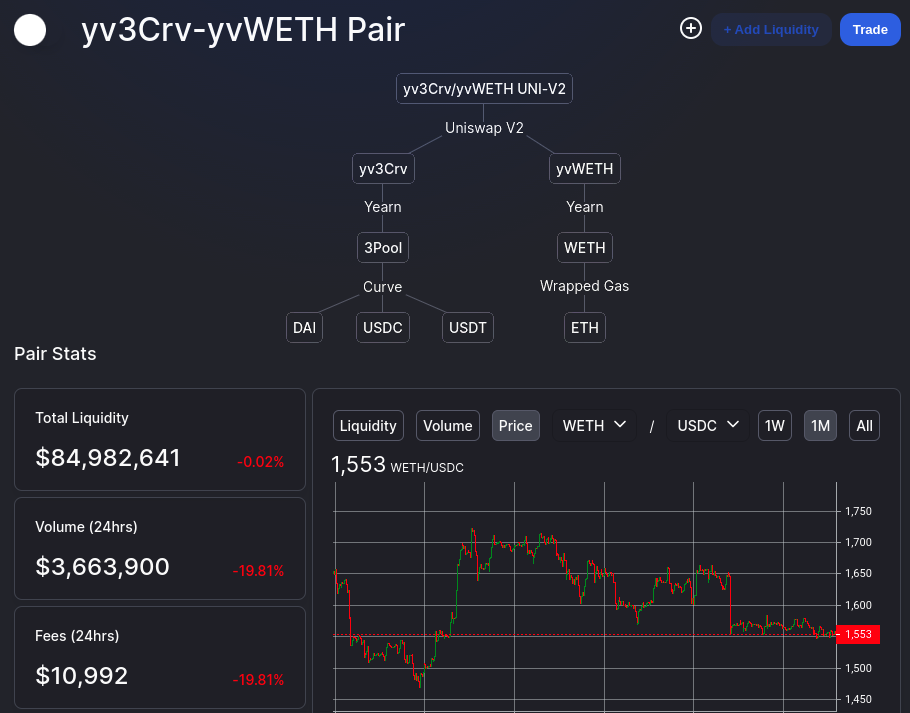
Analytics Interface
Inspiration
Hysland Finance began as a study in capital efficiency. We noted that tokens locked in bridges sit idle and are unproductive. What could we do to turn these idle assets productive? What flows would this enable? At this time we coined the phrase "have your stake and eat it too" (hyseit), where "having your stake" meant earning yield on the source chain while "eat it too" meant you could also invest or spend your tokens on the destination chain. After studying the Curve Aave 3pool, we decided it more fitting to test the hyseit principle in dexes. Liquidity providers face a similar issue as bridge users, as their assets are largely idle and only generate yield when swaps are performed. In this sense, "having your stake" means earning yield from Yearn while "eat it too" means supplying liquidity and earning swap fees.
What it does
The general pattern is to take existing yield bearing protocols, existing dexes, stack them, and offer the stack as a new service. In the current iteration, we take SpookySwap pools (eg USDC-WFTM) and recreate them using Yearn Vaults (eg yvUSDC-yvWFTM). Liquidity providers earn yield from Yearn and swap fees from traders. Traders will have their swaps automatically routed through yield bearing protocols and liquidity pools. A portion of the Yearn yield is used to bribe integrators (eg dex aggregators like 1inch) to route trades through these pools.
How we built it
We played defi legos - as the yield bearing protocols and dexes are already built and deployed by other teams, we simply needed to stack existing legos. As routing through vaults and dexes can be complex, we decided to build a router contract using the EIP2535 Diamond Standard and a router API on AWS. We forked the open source Uniswap V2 analytics and interface UIs and modified them to use our router.
Challenges we ran into
Accomplishments that we're proud of
Some major milestones during this process:
- Smart contracts written, tested, and deployed
- Liquidity pools deployed and seeded
- First trade made (using CLI)
- Successful graph search in router API
- Trade data fetched from API and displayed on UI
- First trade made (using UI)
What we learned
What's next for Hysland Finance
The general pattern is to take existing yield bearing protocols, existing dexes, stack them, and offer the stack as a new service. The next steps are to integrate additional dexes (eg BeethovenX) and yield bearing protocols (eg Geist). We also aim to expand the hyseit principle too more than just dexes.
Built With
- alchemyapi
- amazon-web-services
- eip2535
- ethers
- hardhat
- react
- solidity
- typescript
- uniswap
- yearn


Log in or sign up for Devpost to join the conversation.