-
-
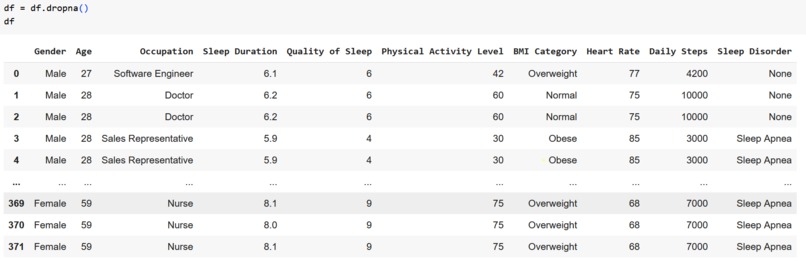
Cleaning and Processing
-
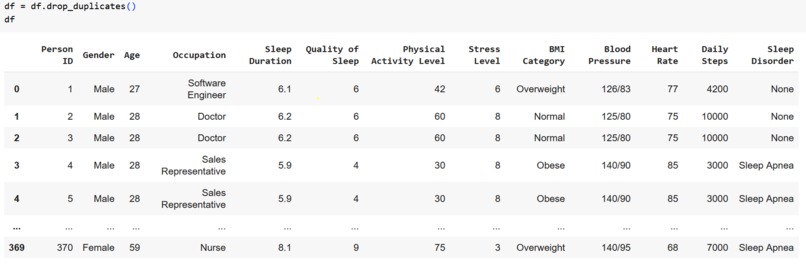
Cleaning and Processing
-
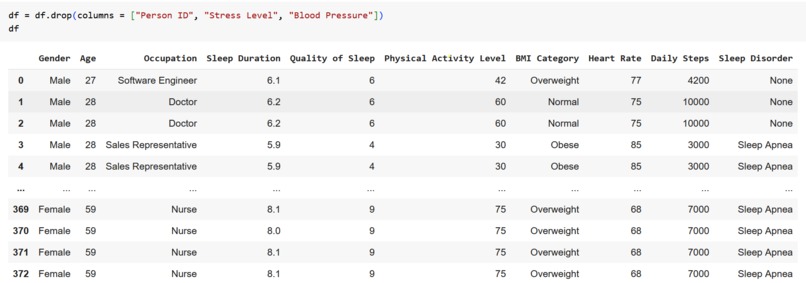
Cleaning and Processing
-
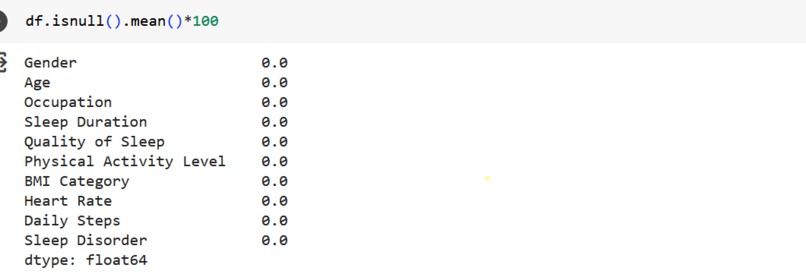
Cleaning and Processing
-
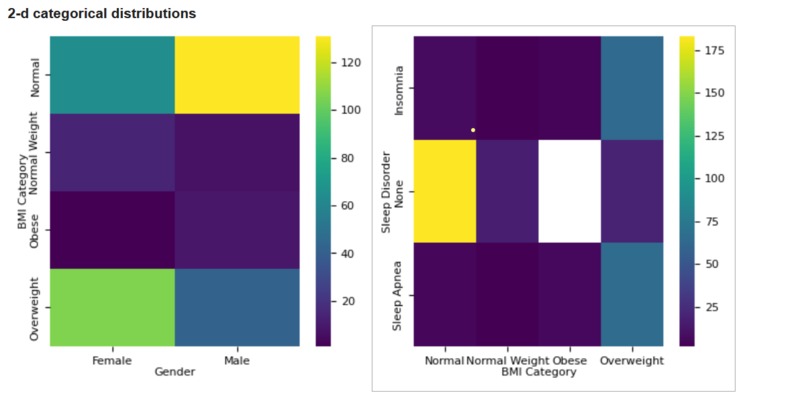
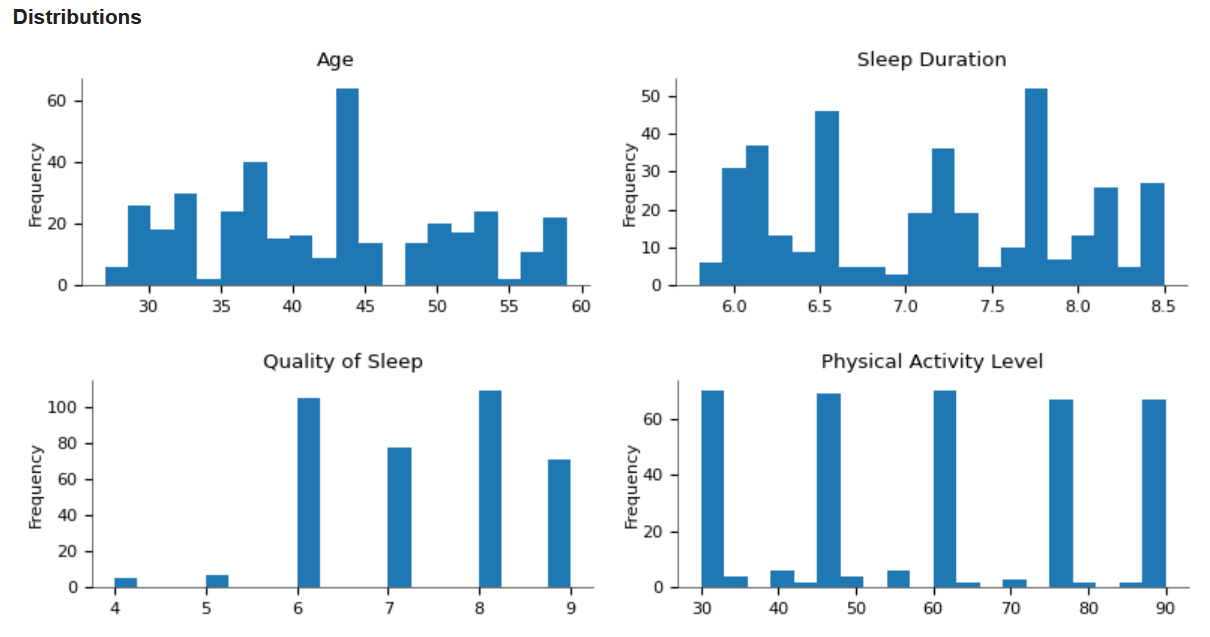
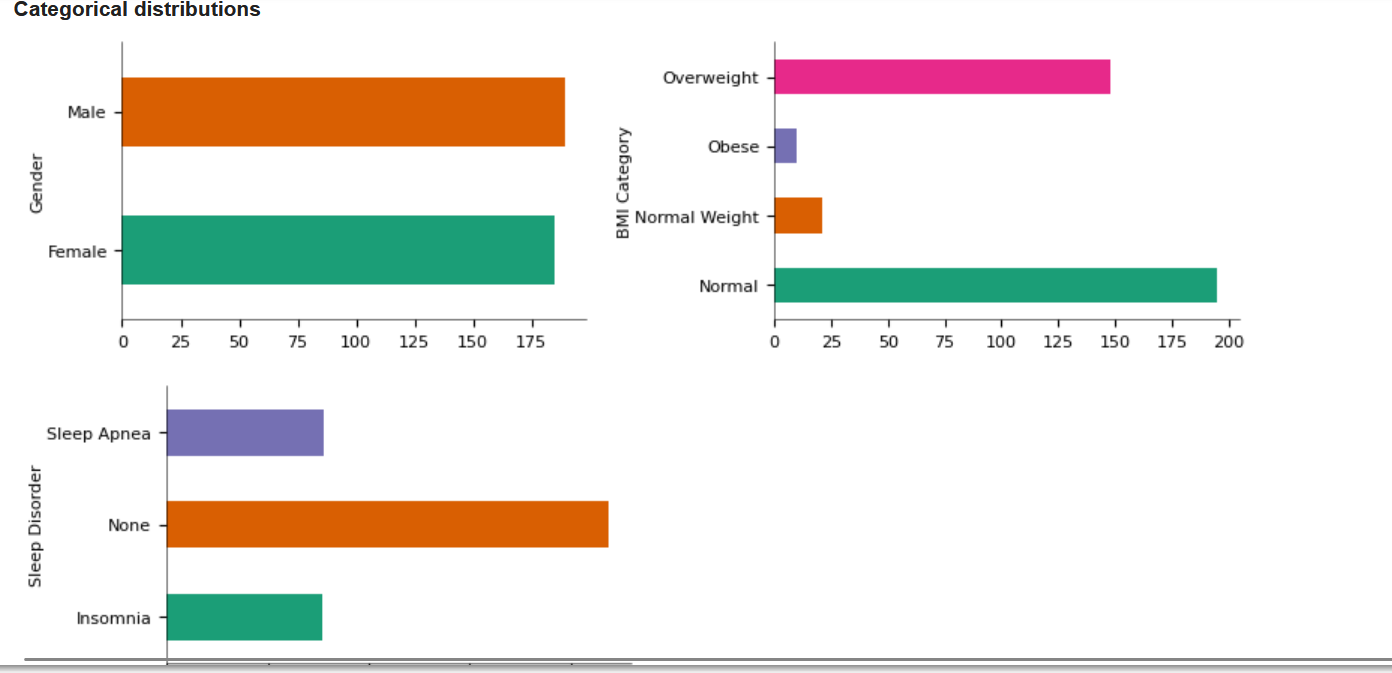
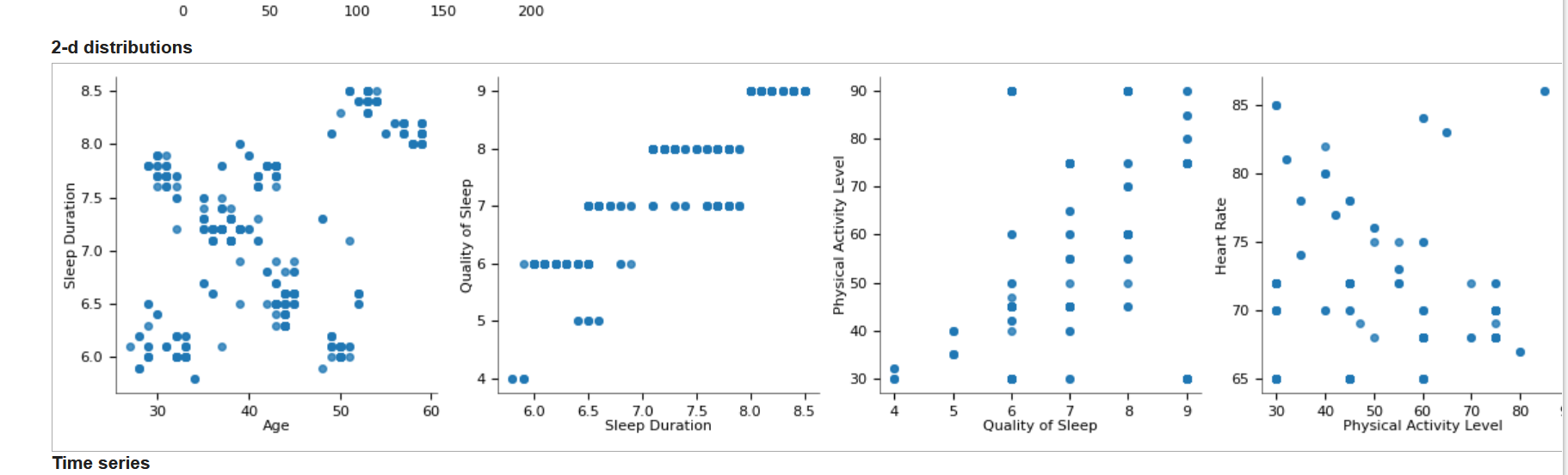
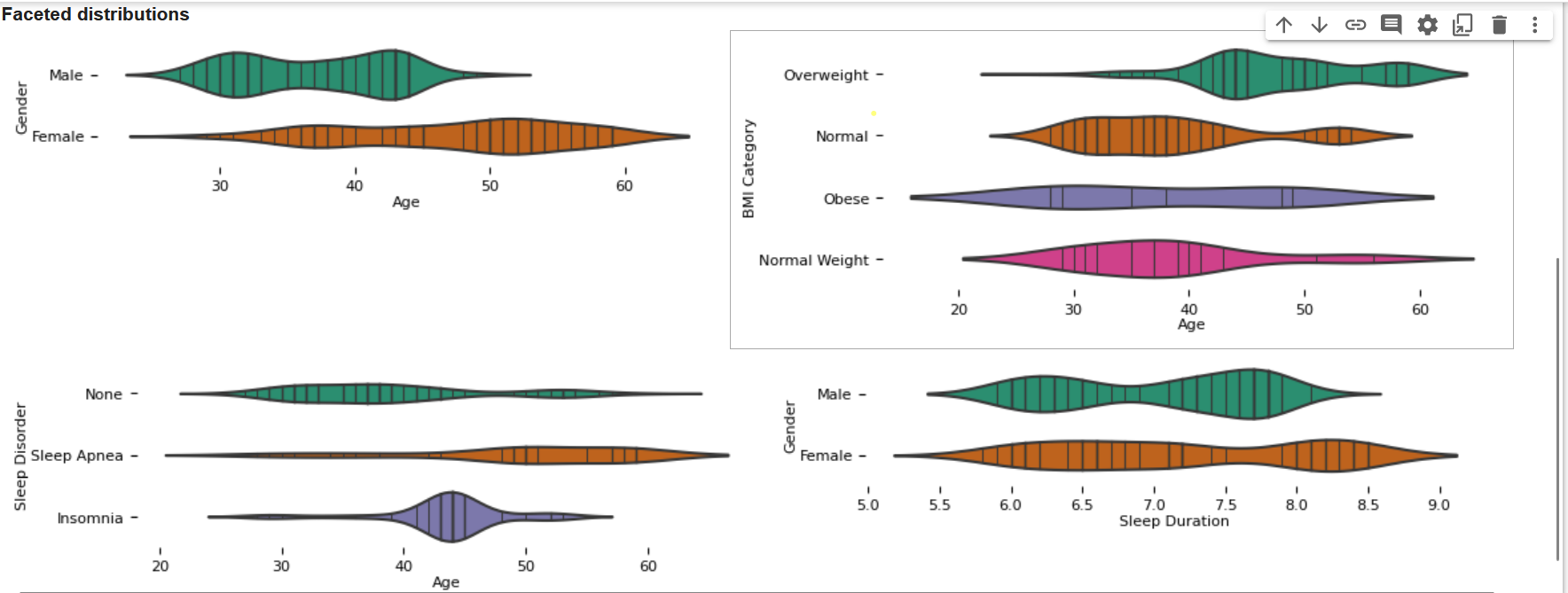
Visualization
-
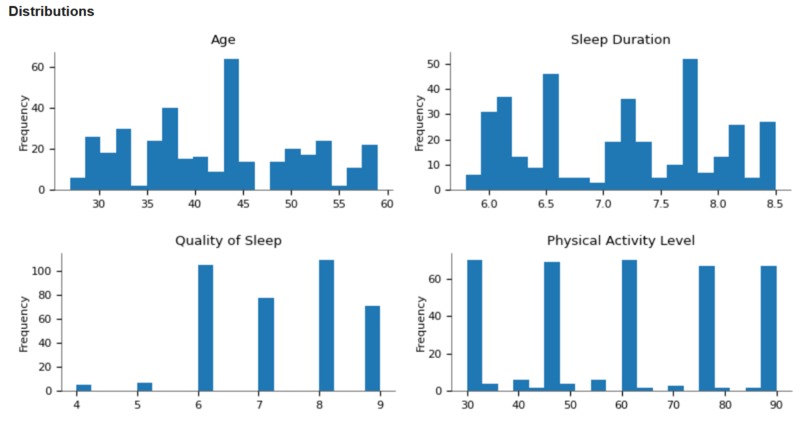
Visualization
-
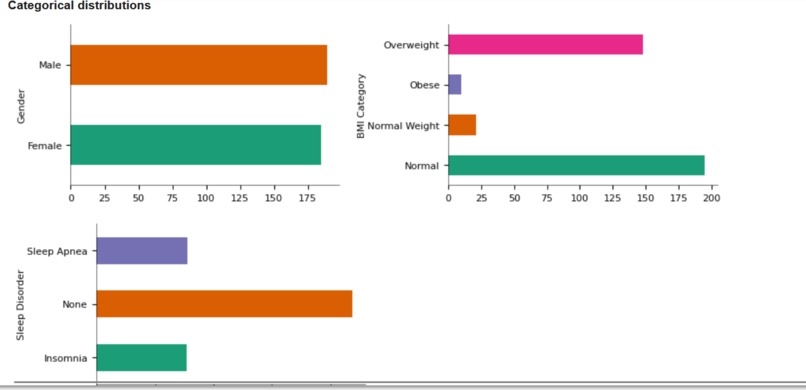
Visualization
-
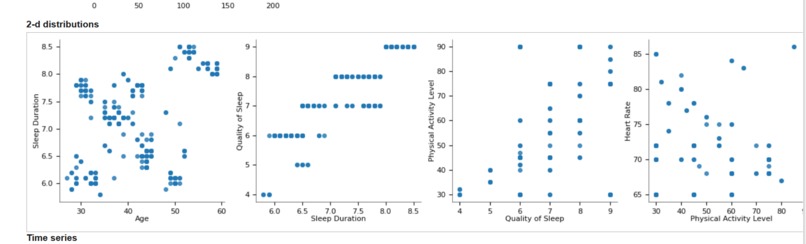
Visualization
-
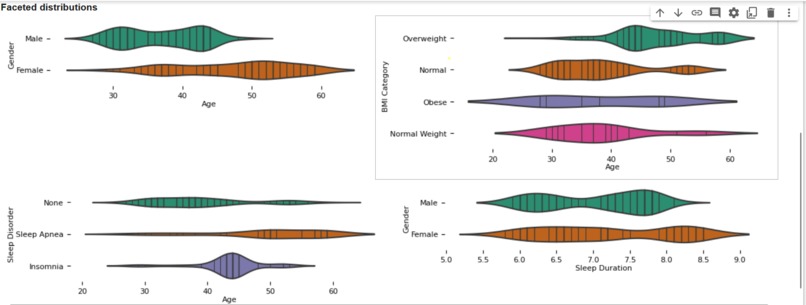
Visualization
-
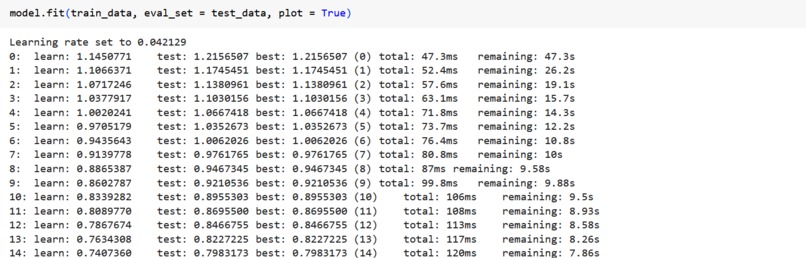
Model training
-
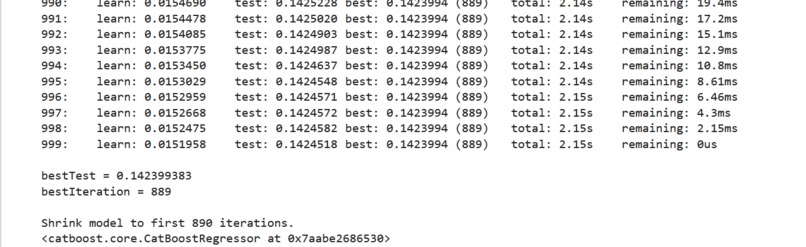
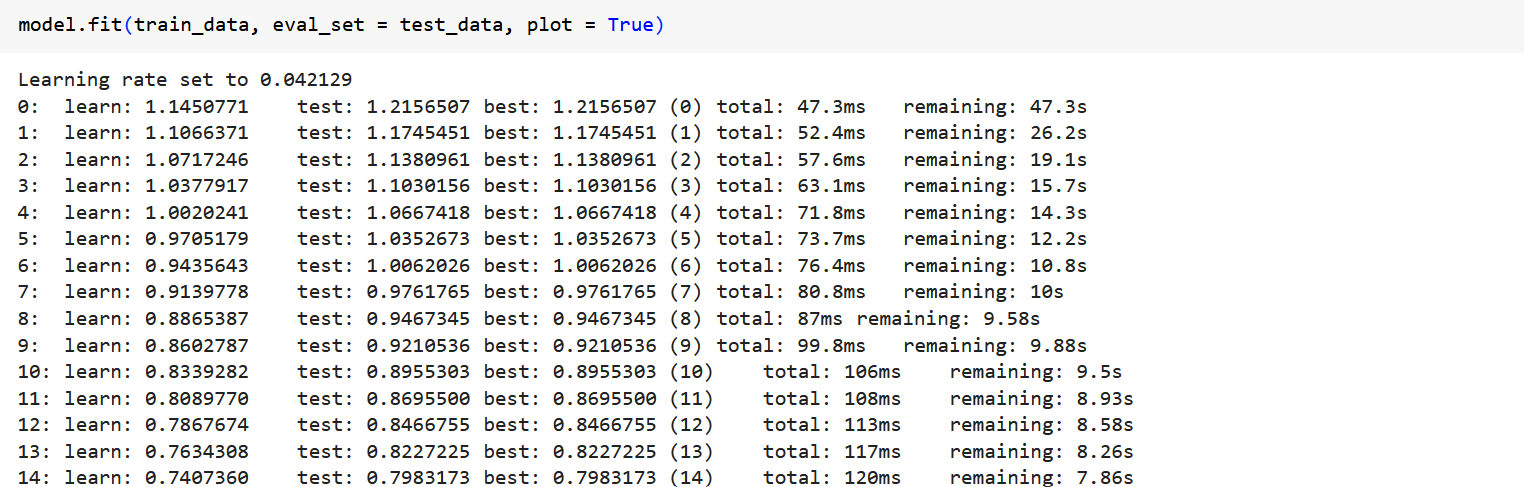
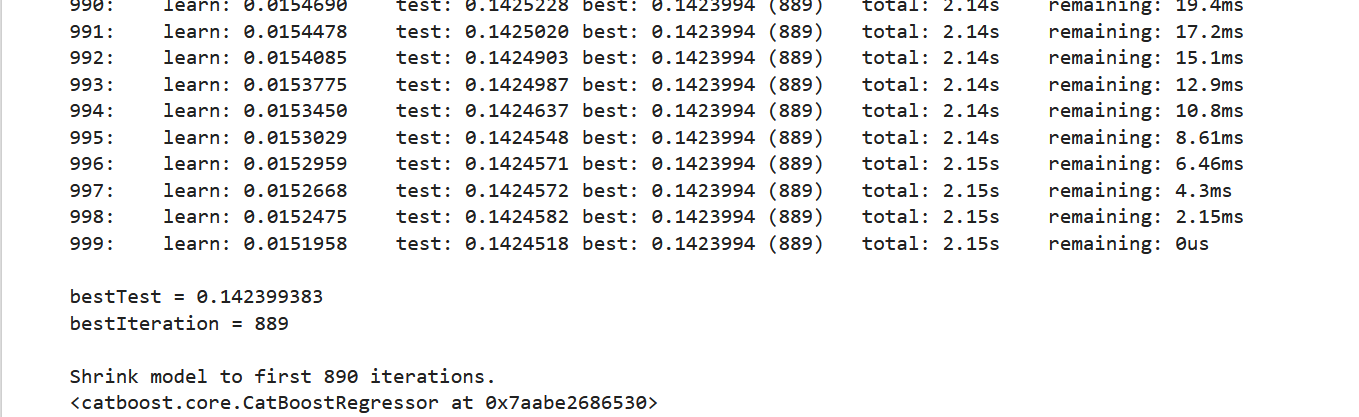
Model training
-
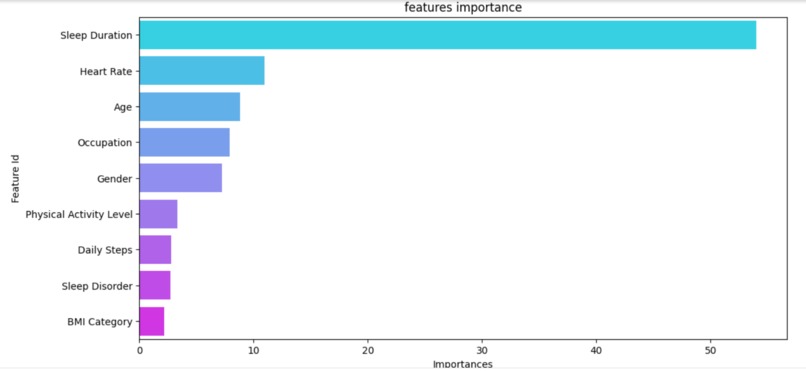
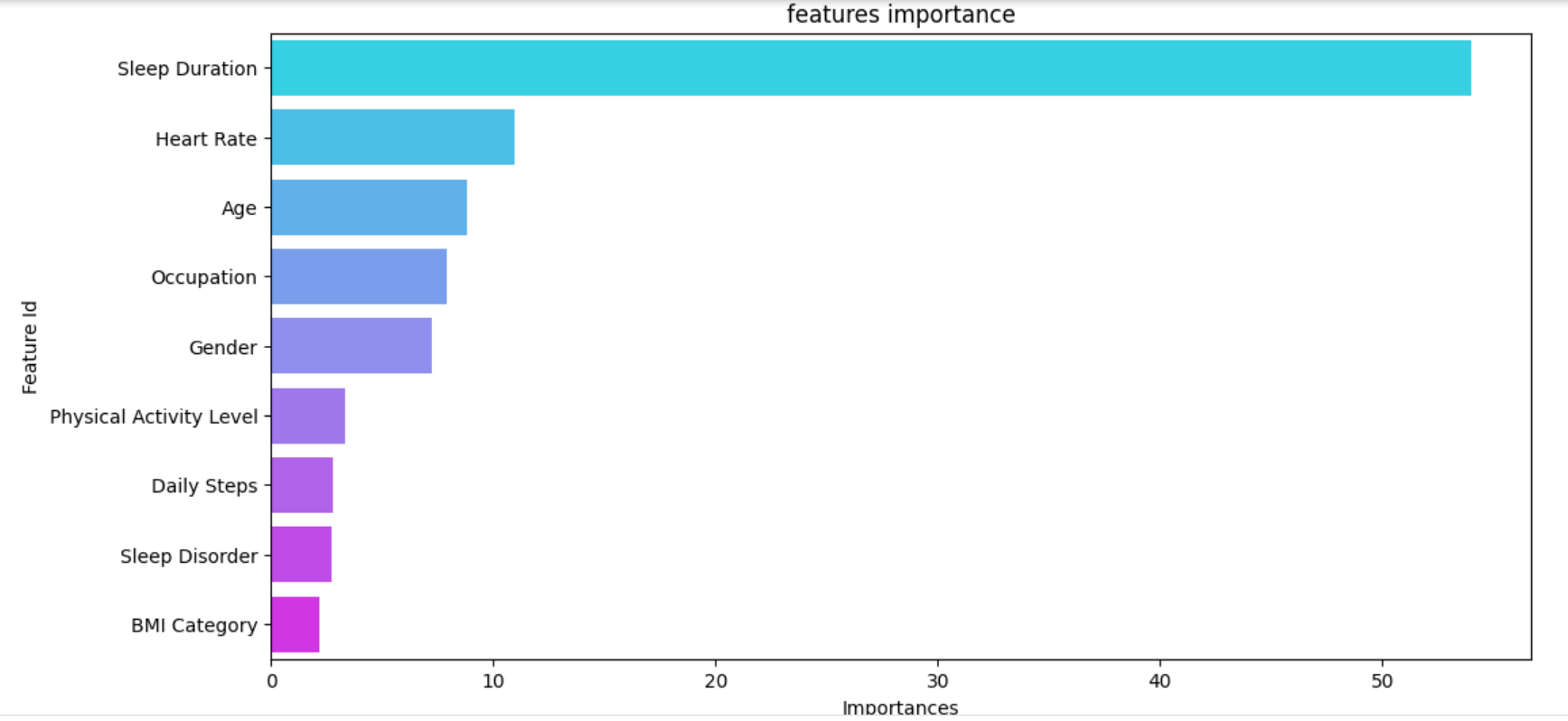
Importance of features
-
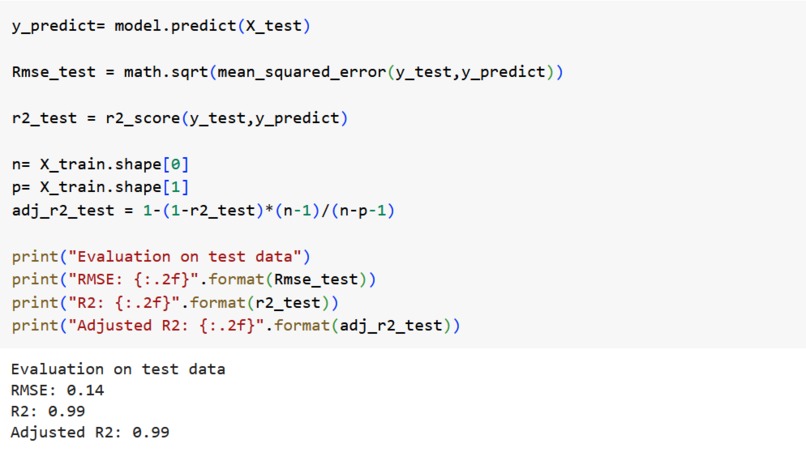
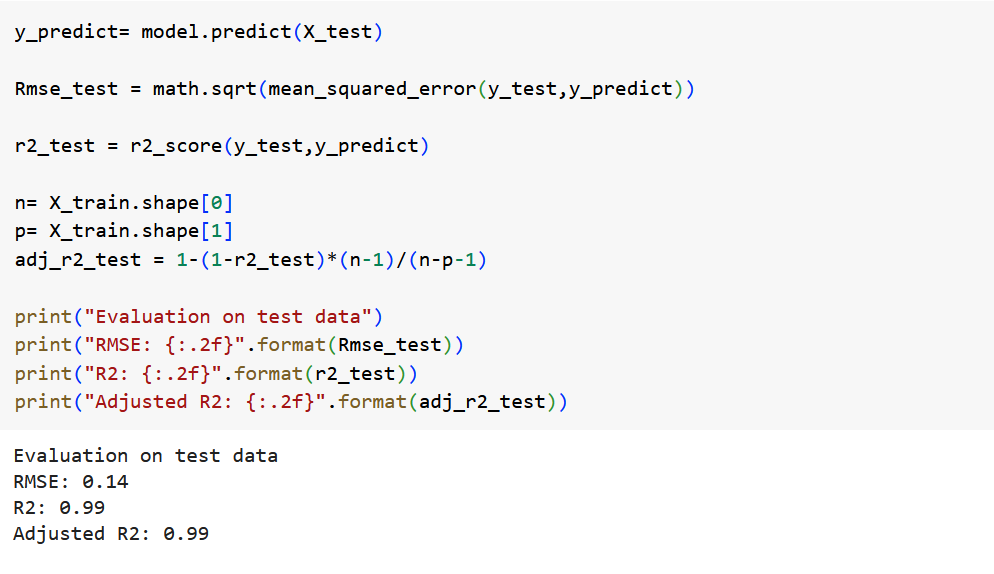
Accuracy Score
-

Home Page
-
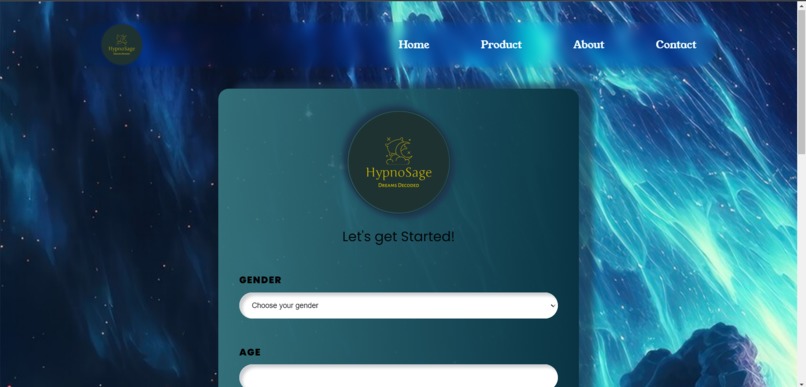
User Input
-
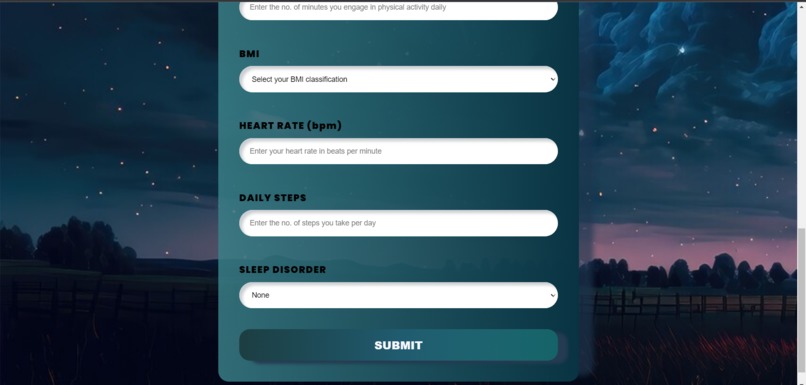
User Input
-
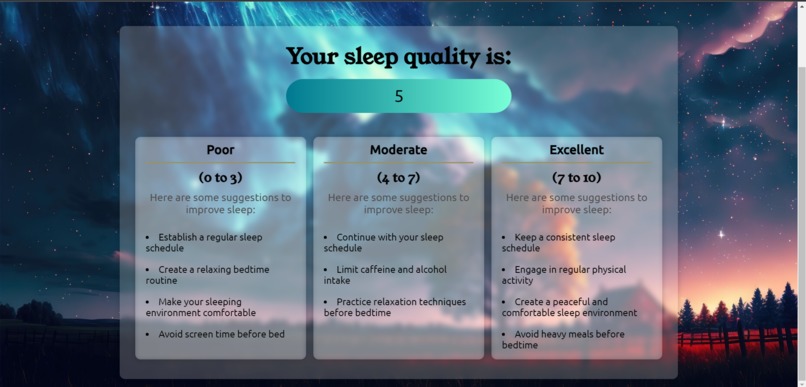
Sleep Quality Insight



Inspiration
Creating a sleep quality prediction project named "HypnoSage" using data analytics and linear regression is an innovative and highly impactful endeavor. It holds the promise of transforming the way individuals perceive and experience their nightly rest. With the increasing importance of sleep in overall health and well-being, "HypnoSage" has the potential to make a significant difference in people's lives.
Imagine a world where individuals receive personalized recommendations for achieving a good night's sleep through "HypnoSage." This project seeks to turn raw sleep data into actionable insights that can lead to improved sleep quality. By analyzing daily work routine and other factors related to sleep, individuals can make informed decisions about their sleep routines, ultimately leading to better sleep quality and overall health.
The core idea of "HypnoSage" revolves around the concept that tomorrow's energy and productivity start with the quality of sleep tonight. By harnessing the power of data analytics and linear regression, "HypnoSage" can predict and enhance sleep quality. The project will provide individuals with the tools and knowledge they need to optimize their sleep routines and make each night a restful, rejuvenating experience.
"HypnoSage" empowers individuals to take control of their sleep quality. By combining technology, data analysis, and predictive modeling, it becomes a practical and reliable solution for enhancing sleep quality. The key to this endeavor is to ensure that people can make data-driven decisions regarding their sleep through "HypnoSage," ultimately leading to improved well-being and a brighter, more energetic future.
What it does
The "HypnoSage" project is a cutting-edge initiative that harnesses the power of data analytics and linear regression to revolutionize the way individuals approach and improve their sleep quality. The project focuses on the following key objectives:
Data Integration: "HypnoSage" gathers a wide range of data points related to an individual's daily life, including sleep duration, daily steps, heart rate, and more. These data sources are integrated to provide a comprehensive overview of one's daily routines and sleep patterns.
Predictive Analytics: Leveraging the power of linear regression and advanced predictive modeling, "HypnoSage" analyzes the integrated data to predict an individual's sleep quality score. This score is based on a combination of various factors and provides an objective assessment of the quality of their sleep.
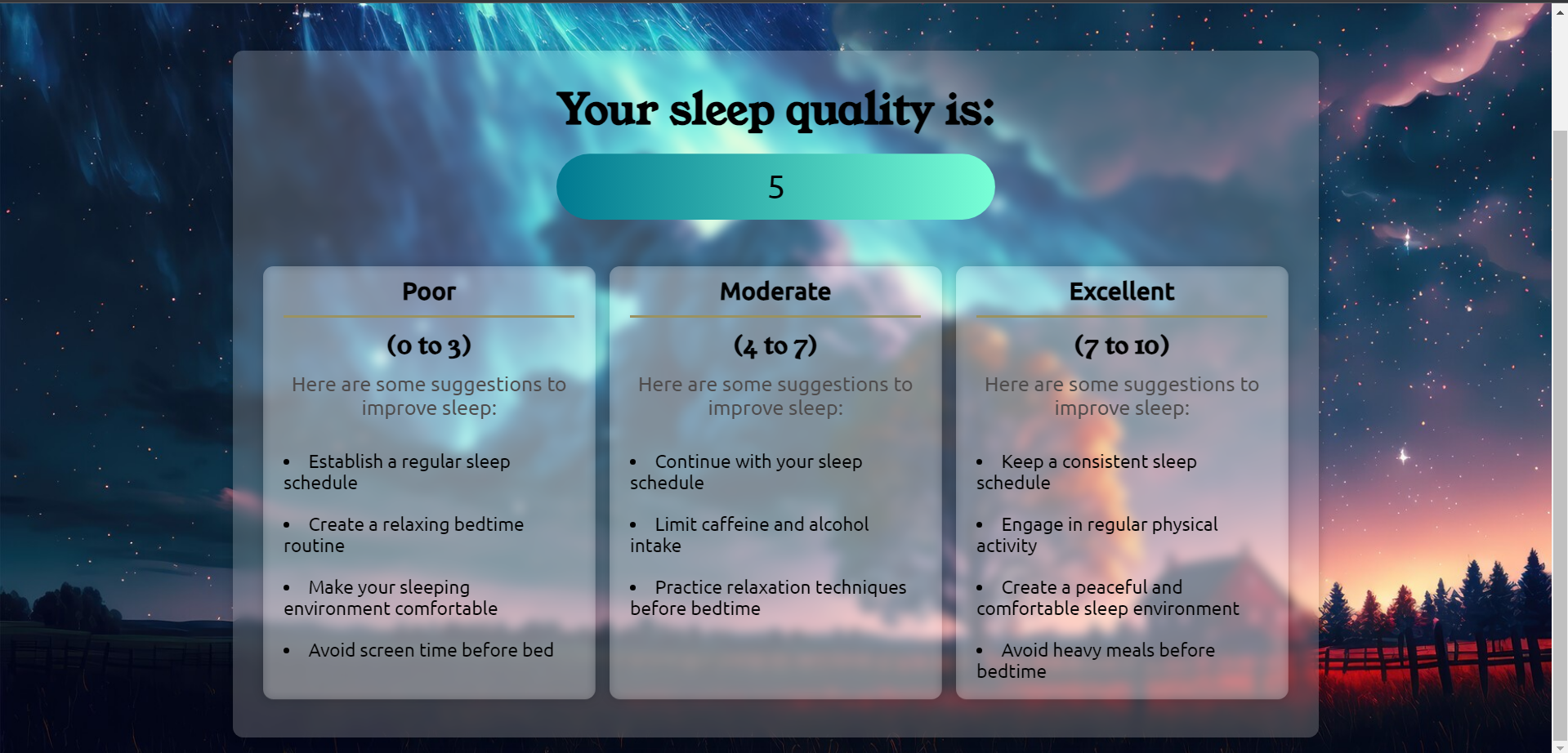
Personalized Recommendations: Based on the calculated sleep quality score, "HypnoSage" offers personalized recommendations for improving sleep quality. These recommendations are tailored to an individual's unique habits and patterns, making them highly actionable and relevant.
How we built it
The development of "HypnoSage" involved a multi-faceted approach, combining data collection, analysis, and software engineering to create a user-friendly platform for sleep quality prediction and improvement. Here's how we built it:
Data Collection: The foundation of "HypnoSage" lies in data collection. We gathered a diverse range of data sources, including sleep duration, daily steps, heart rate, and more. This data was obtained through kaggle and various medical records. The quality and accuracy of the data were paramount.
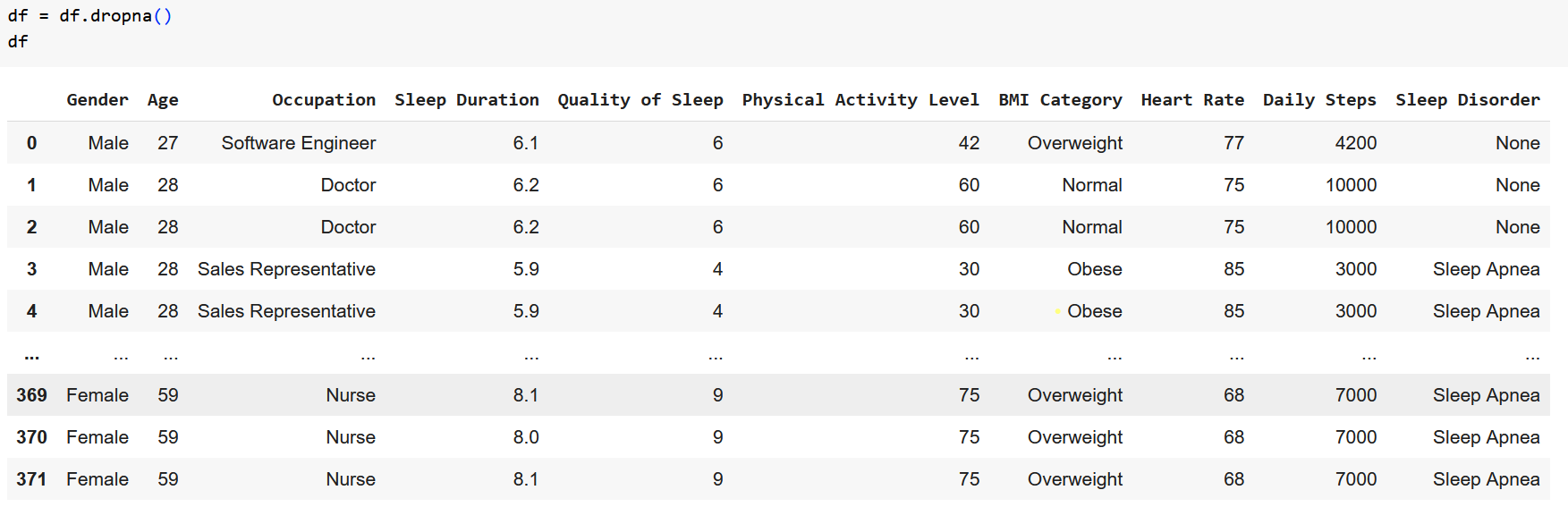
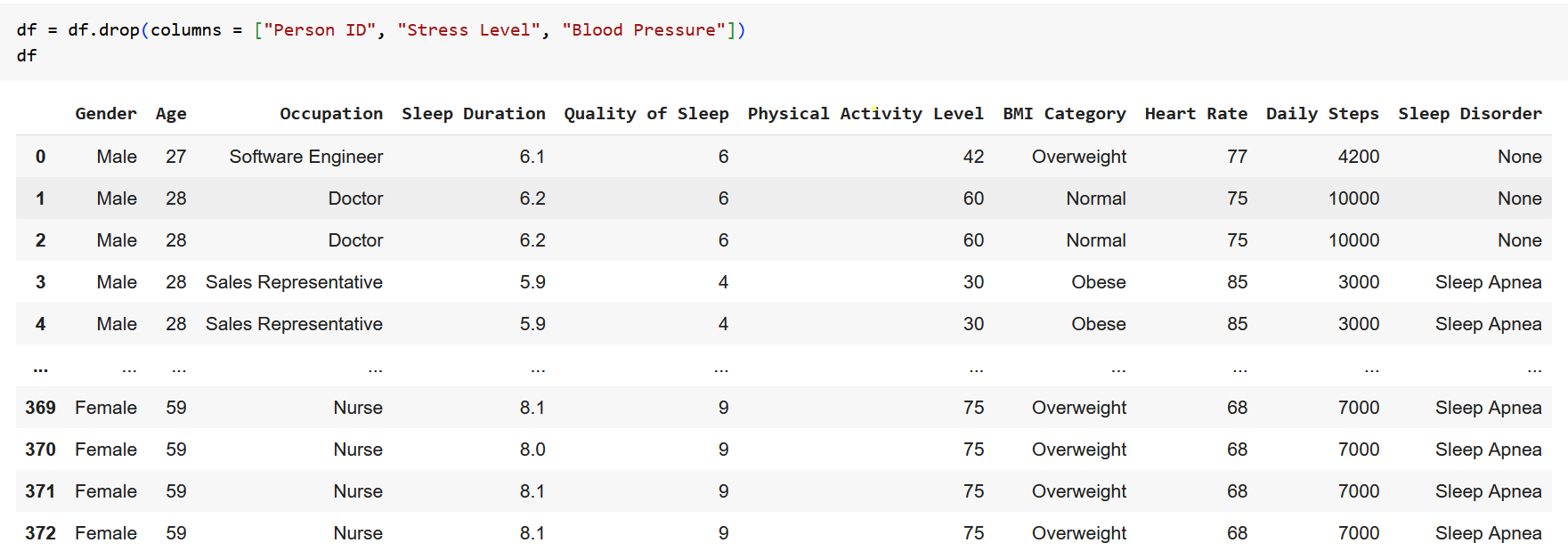
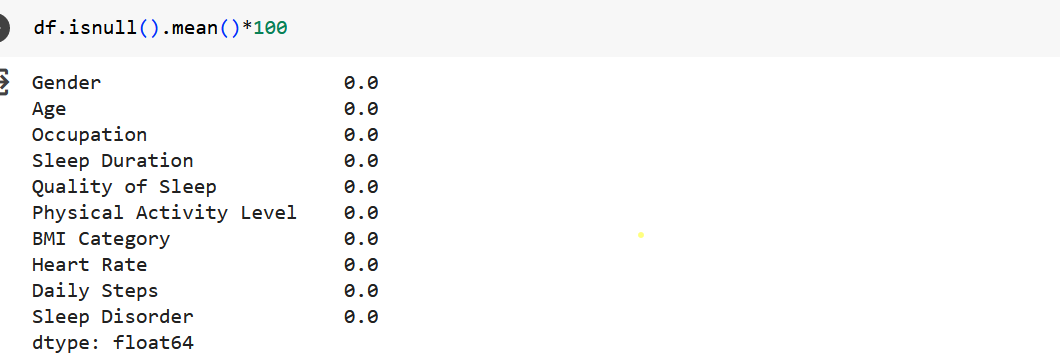
Data Integration: The collected data from different sources needed to be harmonized and integrated into a unified format. This involved data preprocessing and cleaning to ensure consistency and accuracy. Integrating diverse data streams provided a holistic view of an individual's daily activities and sleep patterns.
Feature Engineering: A critical step in building the prediction model was feature engineering. We identified the most relevant features and engineered them to create meaningful predictors for sleep quality. This involved selecting appropriate data transformation techniques and domain-specific knowledge.
Linear Regression Model: To predict sleep quality scores, we implemented a linear regression model. Linear regression is well-suited for this task as it can capture the linear relationships between various features and the sleep quality score. The model was trained on a labeled dataset, which included sleep quality scores as target variables.
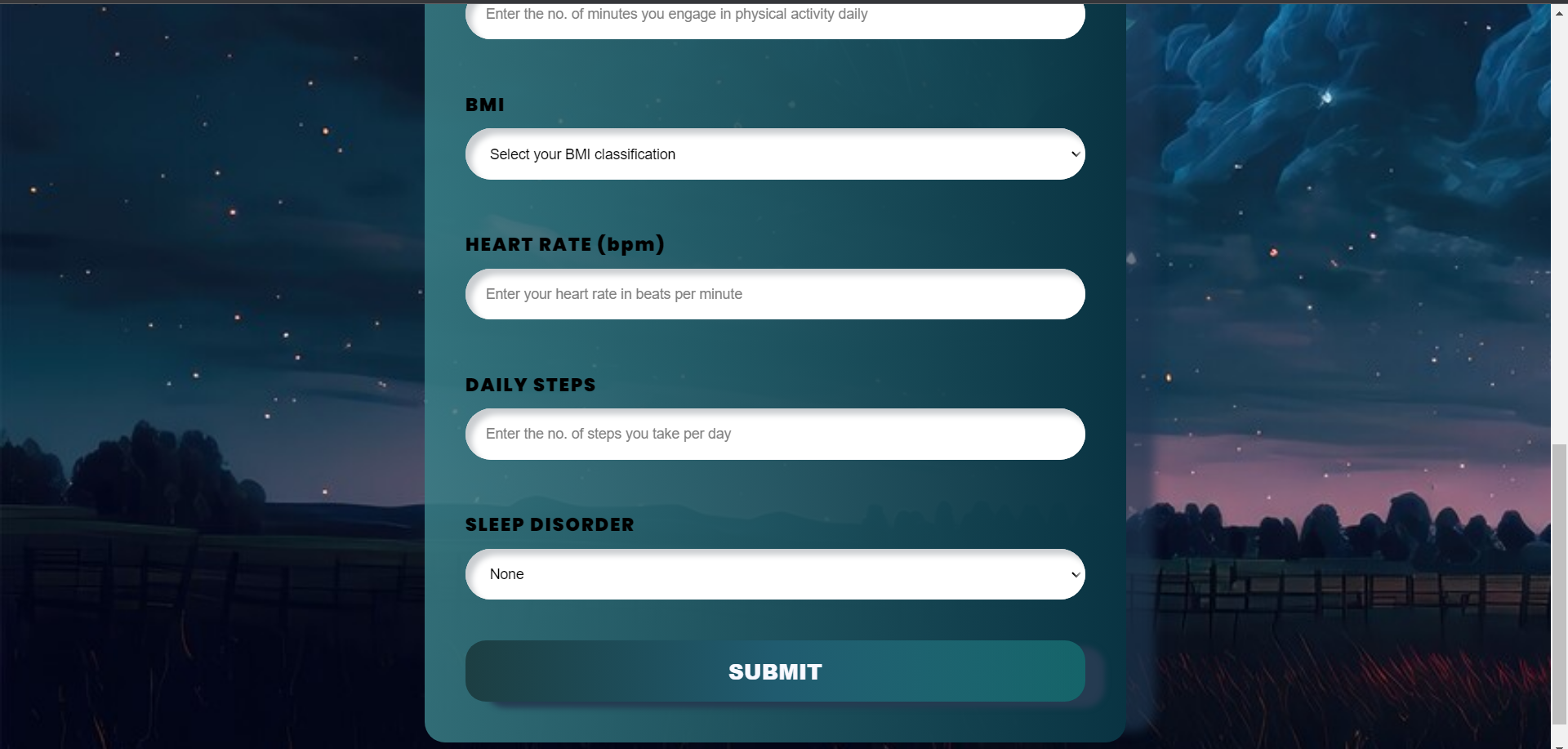
User Interface: To make "HypnoSage" accessible to users, we developed a user-friendly interface. Users could input their data and view their sleep quality predictions and recommendations. The interface was designed to be intuitive and visually informative.
Challenges we ran into
Model Integration: It took time to integrate the model with the user interface. We had to try and perform steps continuously for over 2 hrs.
OnGoing Exams: We are having our mid-sem exams so it was really challenging to divide our time between our college studies and making this project.
Lack of teammates: Our team only had 2 members, so it was quite difficult to do all the things by ourselves.
Accomplishments that we're proud of
Algorithm Accuracy: Developing and fine-tuning the algorithm used for sleep assessment is a notable accomplishment.
Completion in Limited Time: We had little time to make this project, and we are proud that we were able to do it in the stipulated time.
What's next for HypnoSage
Customized Recommendations: We would develop algorithms that provide even more personalized recommendations for improving sleep quality, including tailored advice on sleep schedules, bedtime routines, and relaxation techniques.
Mood and Stress Analysis: We could also integrate mood and stress level analysis to understand how emotional well-being affects sleep quality, and provide strategies to manage stress for better sleep.


Log in or sign up for Devpost to join the conversation.