Inspiration
The inspiration for HypeChain came from the fundamental lack of trust in online C2C (consumer-to-consumer) marketplaces. When buying high-value goods like sneakers, collectibles, or electronics, the risk of fraud is massive. Buyers risk receiving fake items or nothing at all, while legitimate sellers risk fraudulent chargebacks. We wanted to use the power of blockchain to create a "trust-by-default" system where transactions are transparent, secure, and provably fair.
What it does
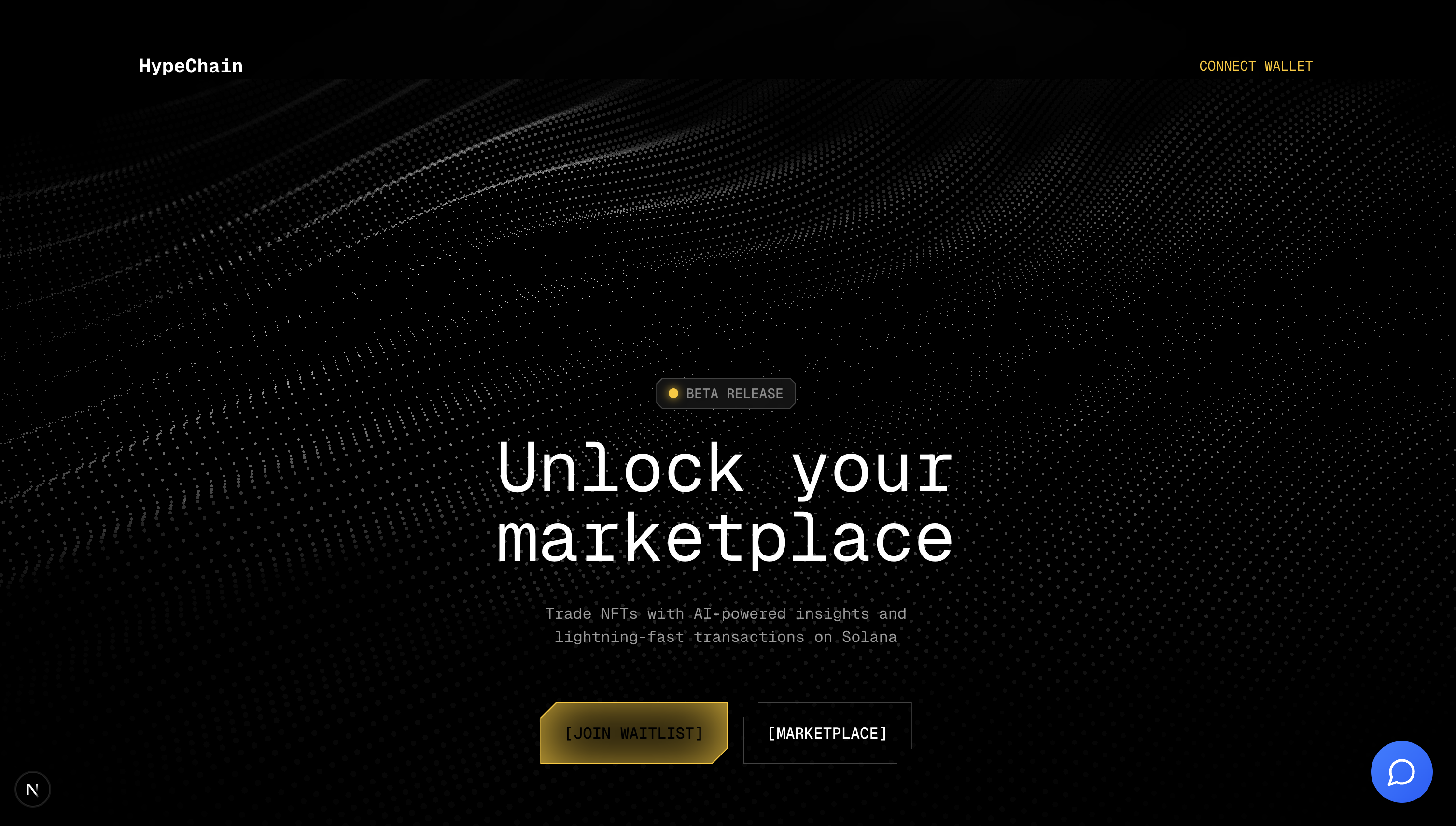
HypeChain is a decentralized marketplace for physical goods, secured by on-chain escrow and tokenization.
Seller: A seller posts their product (e.g., a pair of sneakers) and mints an NFT on Solana that represents ownership and authenticity of that physical item.
Buyer: A buyer purchases this NFT. The payment (in a stablecoin like USDC) is not sent to the seller, but is instead locked into a secure smart contract escrow.
Delivery: The seller ships the physical item to the buyer.
Confirmation: When the buyer receives the item and confirms it's authentic, they sign a transaction to "confirm delivery." This action releases the stablecoins from the escrow to the seller, completing the trade.
This flow eliminates the possibility of a seller getting paid without shipping, or a buyer claiming they never received an item they did.
How we built it
We built HypeChain on the Solana stack for its high speed, low transaction fees, and robust developer ecosystem.
Smart Contracts: We used the Anchor framework (in Rust) to write our core on-chain logic, including the secure escrow program that holds and releases stablecoins.
Tokenization (NFTs): We used Metaplex to handle the creation (minting) of the NFTs that represent each physical product listed on the marketplace.
User Onboarding & Wallets: We integrated Privy to provide a seamless user experience. This allows non-crypto-native users to sign up with a simple email or social login, which automatically creates a secure, embedded wallet for them.
Frontend: Our marketplace is a React application using the SolanaKit library to handle wallet connections and communication with our smart contracts.
Backend & Data: We used Supabase for our off-chain database to store user profiles and listing metadata, linking them to their on-chain wallet addresses.
On-Chain Data: We used Helius for high-performance RPCs and Webhooks to monitor the blockchain in real-time and update our app's state (e.g., "payment received in escrow").
Challenges we ran into
Our biggest challenge was designing the escrow smart contract to be both secure and flexible. We had to account for all edge cases: What happens if the buyer never confirms delivery? How do we handle a dispute? Writing logic that securely holds and transfers funds was a complex but critical task.
Another challenge was linking the on-chain and off-chain worlds. It required careful state management to ensure that our Supabase backend and React frontend were always in perfect sync with the events happening on the Solana blockchain (like a successful deposit into escrow).
Accomplishments that we're proud of
We are incredibly proud of successfully building a full, end-to-end transaction flow. Seeing a user mint an NFT from a product, a buyer purchase it, the funds lock in escrow, and then the funds successfully release on delivery confirmation—it’s a complete, working proof-of-concept for decentralized physical commerce.
We are also very proud of the user experience. By using Privy, we've made our app accessible to anyone, not just existing crypto users.
What we learned
We learned how incredibly powerful the modern Solana "super-stack" is. The combination of Anchor for smart contracts, Metaplex for tokens, and tools like Helius, Supabase, and Privy for the app layer makes it possible to build complex, secure, and user-friendly applications at a speed that wouldn't have been possible a year ago. We also learned how critical it is to design for trust from the ground up.
What's next for HypeChain
The immediate next step is to build out our decentralized reputation and dispute system using Solana ID and the Solana Attestation Service (SAS). After every successful sale, our app will issue an on-chain "attestation" (a verifiable credential) to both the buyer and seller's wallets.
This will create a permanent, on-chain reputation (e.g., "Completed 50+ sales," "100% positive buyer feedback"). This "reputation layer" will be the final piece to make HypeChain the most trustworthy marketplace for high-value goods on the internet.
Built With
- openrouter
- solana


Log in or sign up for Devpost to join the conversation.